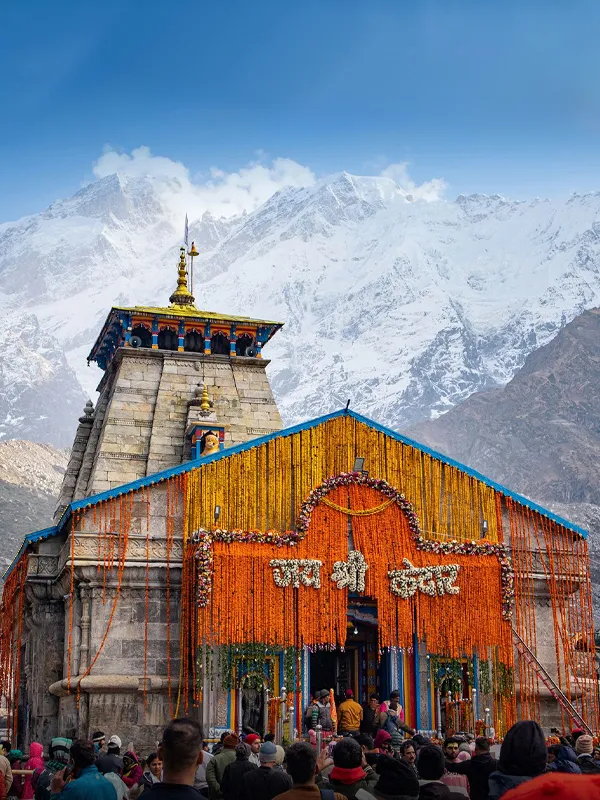
Kedarnath Yatra Safety Tips: Complete Health Guide
Every year, thousands of pilgrims start the Kedarnath trek fit, excited, and completely unaware of how fast high altitude can turn a spiritual trip into a medical emergency. Kedarnath safety isn't just about avoiding a fall on a rocky patch — it's about your heart, your oxygen levels, and how your body reacts above 3,500 metres. Most guides mention "carry warm clothes" and move on. This one won't. Here you'll get the real health risks, the 2026 government health advisory, verified emergency numbers, and a clear action plan for what to do if you or someone with you feels unwell on the route.
Medical Disclaimer:
This article is for general travel guidance only and does not replace professional medical advice. Always consult a doctor about your fitness for high-altitude travel, and follow the current official health advisory rather than any fixed figures quoted online.
This article is for general travel guidance only and does not replace professional medical advice. Always consult a doctor about your fitness for high-altitude travel, and follow the current official health advisory rather than any fixed figures quoted online.
Key Takeaways
- Altitude sickness, not crime or wildlife, is the biggest real risk on this route.
- Spending time at a mid-altitude halt like Guptkashi before the final climb is widely recommended to reduce AMS risk.
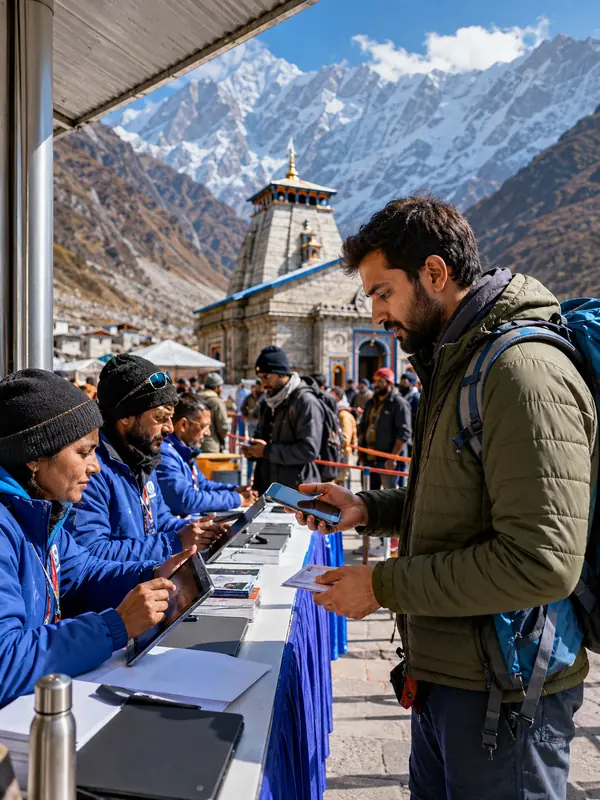
- Health screening at Sonprayag and Gaurikund checks vitals like BP and oxygen before you proceed.
- Dial 108 for any medical emergency; save 102, 104, and 112 as backups.
- Certain age groups or pilgrims with existing health conditions may need a medical fitness certificate — check the current season's advisory.
Quick Overview: Is Kedarnath Safe?
Kedarnath is safe for most healthy travelers who prepare properly, but altitude sickness, sudden weather changes, and pre-existing heart or lung conditions are the real risks — not wild animals or crime. The Uttarakhand government runs health screening at Sonprayag and Gaurikund, and dial 108 for any medical emergency along the route. Depending on the current health advisory, some pilgrims — typically older travelers or those with cardiac, BP, asthma, or diabetes conditions — may need a medical fitness certificate.
Common Health Risks on the Kedarnath Yatra
In real life, it's rarely the steep climb that catches people off guard — it's the altitude working quietly in the background. Here's what actually causes trouble on this route:
- Acute Mountain Sickness (AMS): low oxygen at roughly 3,580–3,584 m affects even fit trekkers.
- HAPE & HACE (severe altitude illness): rare but serious — fluid in the lungs or brain from unmanaged AMS; needs immediate descent and medical help.
- Cardiac stress: thin air puts extra load on the heart, risky for undiagnosed conditions.
- Hypothermia: sudden temperature drops, especially after sunset or rain.
- Dehydration and fatigue: long walking hours with irregular water intake.
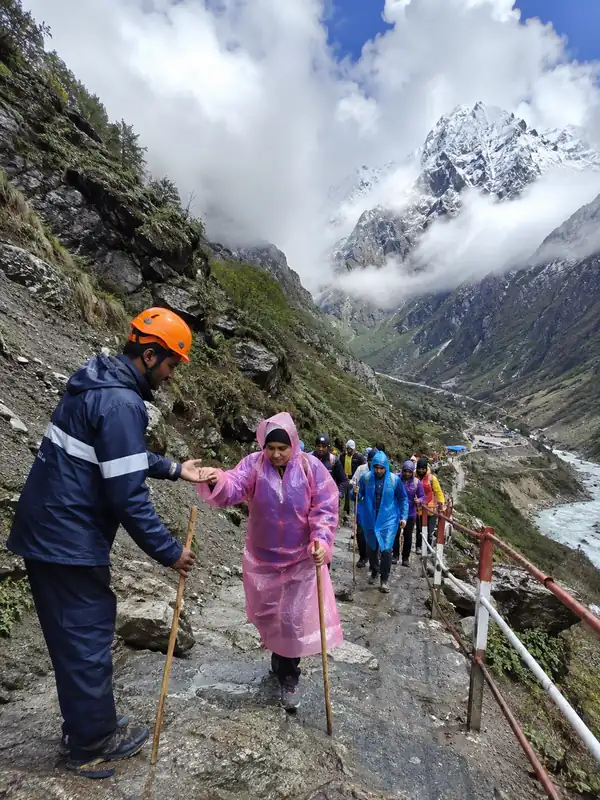
- Slips and falls: wet stone paths near Rambara and Linchauli during rain.
What most people don't realize is that AMS doesn't care how fit you are in the gym — altitude tolerance is a different game entirely.
Acute Mountain Sickness (AMS): Symptoms & Prevention
Symptoms to Watch For
Mild AMS looks like a bad hangover: headache, nausea, loss of appetite, and tiredness. Moderate to severe AMS adds vomiting, dizziness, breathlessness even at rest, and confusion — this is the point where you stop and act, not push forward.
Recommended Acclimatization Before the Trek
Government and medical guidance both point the same way: gradual ascent, adequate rest, good hydration, and a health check before the final climb. Spending 24–48 hours at a mid-altitude halt such as Guptkashi or Sonprayag is widely recommended to reduce AMS risk, especially for senior citizens and first-time pilgrims. From practical experience, this single habit prevents more trouble than any medicine you could carry.
When to Turn Back or Descend
If breathlessness, dizziness, or confusion worsen despite rest, descend immediately — don't wait to "see if it passes." Health screening at Sonprayag and Gaurikund checks vitals like blood pressure and oxygen saturation, and medical staff may advise pilgrims with abnormal readings to postpone or avoid the trek. There's no single published SpO2 cutoff that applies to everyone — doctors assess oxygen levels alongside pulse, blood pressure, and visible symptoms together, so treat any single number as a warning sign, not a pass/fail test.
Government Health Screening & Medical Certificate Rules
If you are planning this seriously, know that the health check isn't optional anymore. The current advisory generally includes:
- Health screening (BP, oxygen saturation, and basic vitals) at points like Sonprayag and Gaurikund — exact hours can vary by season and staffing.
- A medical fitness certificate from a registered doctor, required for certain age groups and for pilgrims with cardiac, BP, asthma, or diabetes history, as defined by the current Char Dham health advisory.
- On-the-spot advice to avoid the trek (or use a helicopter instead) if vitals or symptoms suggest a real risk.
Uttarakhand's e-Swasthya Dham initiative, introduced for the 2026 season, adds real-time health monitoring along the yatra route — a genuine step up from earlier years. Medical certificate rules and age criteria are reviewed every season, so always confirm the current requirement on the official Char Dham registration portal or the Health Department's advisory page before you travel.
Kedarnath Safety: Quick Facts Box
| Aspect | Quick Fact |
|---|---|
| Altitude | ~3,580–3,584 m |
| Biggest risk | Altitude sickness (AMS), not crime or wildlife |
| Emergency number | 108 (medical), 112 (general) |
| Acclimatization | 24–48 hrs at mid-altitude recommended |
| Health screening | Sonprayag & Gaurikund checkpoints |
| Best time (safety-wise) | May–June, mid-Sept–mid-Oct |
| High-risk months | July–August (monsoon, landslide) |
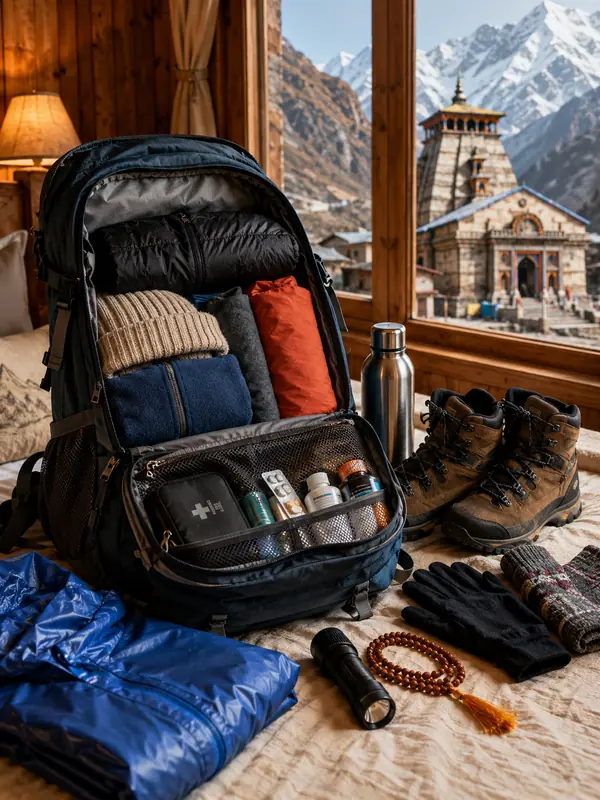
Basic Emergency Medical Kit for the Trek
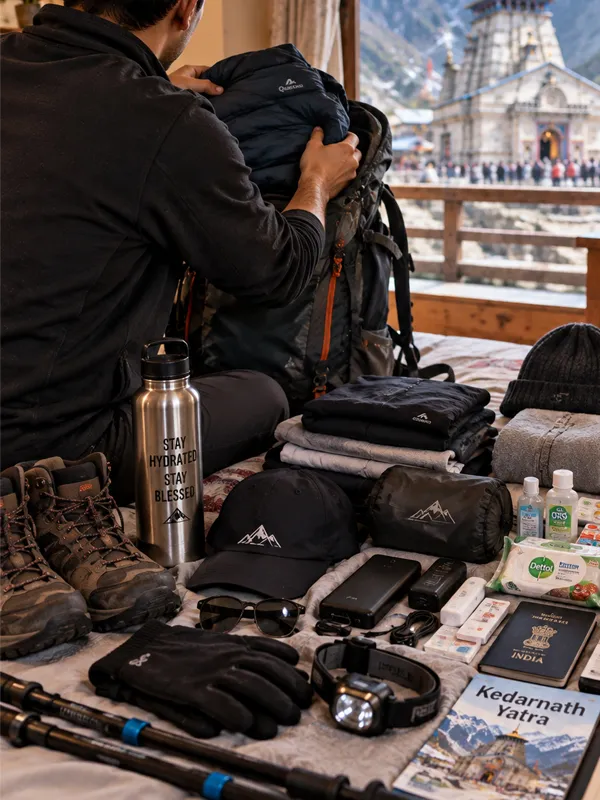
Carrying a small kit yourself can buy critical time before help arrives:
- Paracetamol and any prescribed heart/BP medicines, clearly labelled.
- Oral rehydration salts (ORS) for dehydration.
- A pulse oximeter, if you can carry one — it gives you an early SpO2 warning.
- Diamox, only if a doctor has already approved it for you.
- A written note of allergies, blood group, and emergency contact number.
Medical Infrastructure Along the Route
Local drivers and porters usually recommend Linchauli and Bhimbali as decent fallback rest points if someone starts feeling unwell — accommodation is basic, but help is nearby.
| Facility | What's Available |
|---|---|
| Medical Relief Posts (MRPs) | Multiple posts positioned along the Kedarnath trekking route |
| Health screening points | Sonprayag & Gaurikund — BP, oxygen saturation, and basic vitals |
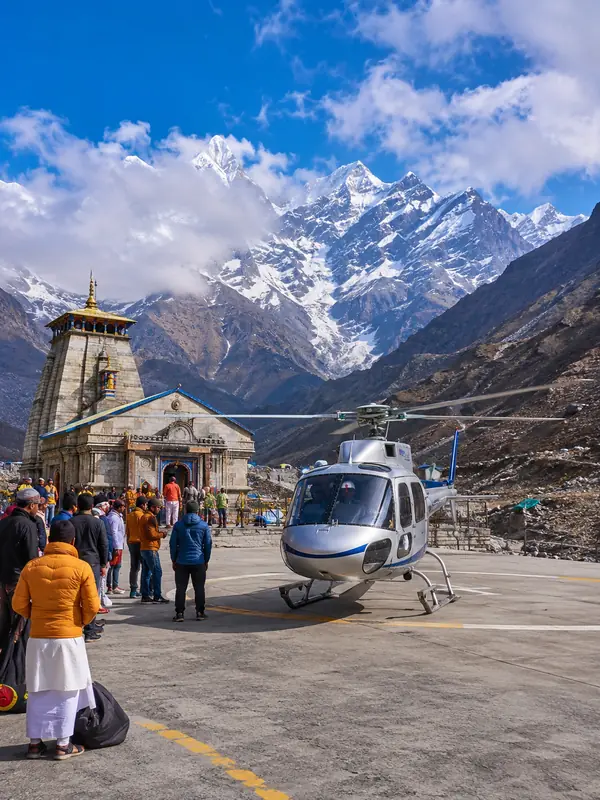
| Oxygen support | Medical oxygen and portable canisters available at major checkpoints and near the helipad, subject to season and demand |
| Swasthya Mitras (health volunteers) | Patrol shorter stretches, carry portable oxygen and first-aid |
| Hospital-level care | Upgraded facility at Kedarnath with emergency and critical care beds |
| Helicopter ambulance | Available for critical cases, evacuating to the nearest equipped hospital (which may be a district hospital, Dehradun, or AIIMS Rishikesh depending on the case) |
Availability can shift with weather, season, and staffing, so treat this as the general system in place, not a guaranteed same-day service. Note the difference between a full medical oxygen setup (used by trained staff) and a small portable canister you might carry yourself — the second is a stop-gap, not a substitute for descent and proper care.
Emergency Helpline Numbers for Kedarnath Yatra
Save these before you lose network, not after:
| Purpose | Number |
|---|---|
| Medical emergency / ambulance | 108 |
| Alternate ambulance line | 102 |
| Health advisory helpline | 104 |
| General emergency (police/fire/disaster) | 112 |
| Uttarakhand tourist helpline | 1364 |
For non-emergency yatra queries, tour operators and district control rooms also list local numbers on the official registration portal — worth noting down alongside these.
What to Do in a Medical Emergency on the Trek — Step by Step
- Stop immediately — don't try to walk off dizziness or breathlessness.
- Move to shade or shelter if weather allows, and loosen tight clothing.
- Call 108 or alert the nearest Medical Relief Post or Swasthya Mitra volunteer.
- Share your exact checkpoint (e.g., "near Bhimbali") — precise location speeds up help.
- Do not attempt further ascent until cleared by medical staff.
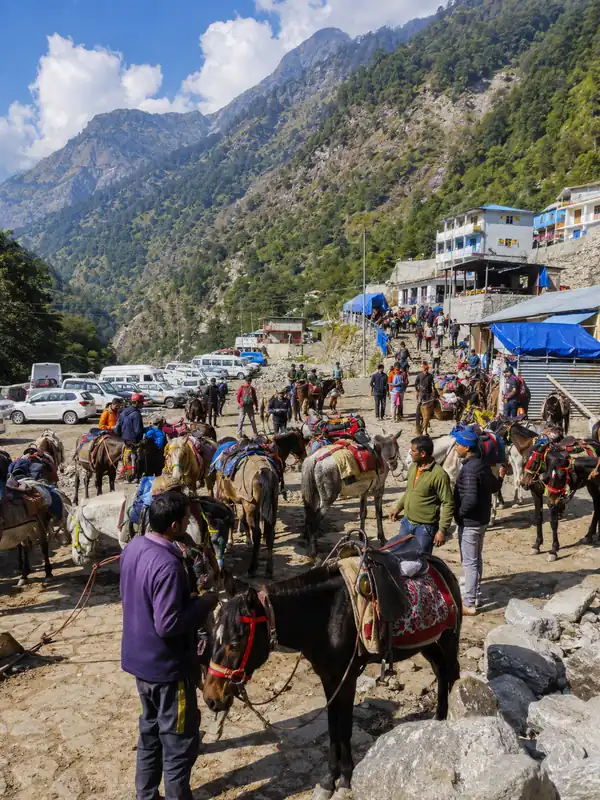
- Arrange descent or evacuation — by porter support, pony, or helicopter for serious cases.
A Ground-Level Scenario
During peak season, it's common to see a pilgrim sit down suddenly near Linchauli, pale and breathless, while their family panics and keeps insisting on "just five more minutes of rest." On the ground, that's exactly the wrong instinct — the right move is flagging the nearest health post immediately, not waiting to see if symptoms improve on their own. This single decision is often what separates a scare from a real emergency.
Safety Tips for Senior Citizens, Children, Pregnant Travelers & Existing Health Conditions
- A cardiologist's clearance in writing is strongly recommended (not just a general check-up) if you have any heart history.
- Consider the helicopter route instead of the full 16 km walk — it removes most of the altitude-exertion combination.
- Carry your regular prescription medicines plus a 2-day buffer supply.
- Travel with a companion who knows your medical history and current medication.
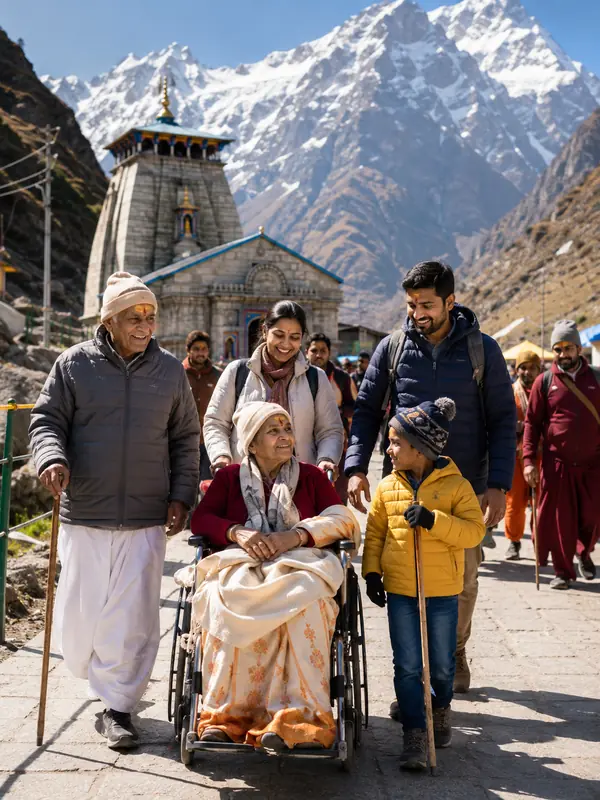
- For children, watch closely for irritability or unusual sleepiness — these can be early AMS signs kids won't describe clearly themselves. A pony or palki is often the safer choice for younger kids rather than the full walk.
- Pregnant travelers should consult their doctor before planning the trek at all — high altitude and physical exertion are generally discouraged during pregnancy, and a doctor's specific clearance should guide the decision.
Weather & Landslide Safety
The recent trend shows heavier, more unpredictable monsoon rainfall across the Kedarnath valley, so July–August carries real landslide and cloudburst risk on the Gaurikund route. Avoid starting the trek in fog or heavy rain, and always check a same-day India Meteorological Department (IMD) forecast rather than yesterday's update.
On sunnier days at lower stretches, heat exhaustion is a smaller but real risk too — overdressing in heavy woollens during a warm afternoon climb can cause dizziness and excessive sweating, so layer clothing you can remove as conditions change.
Safety Notes for Nearby Temples (Panch Kedar Circuit)
If your itinerary extends beyond the main temple, the same altitude precautions apply — sometimes more so:
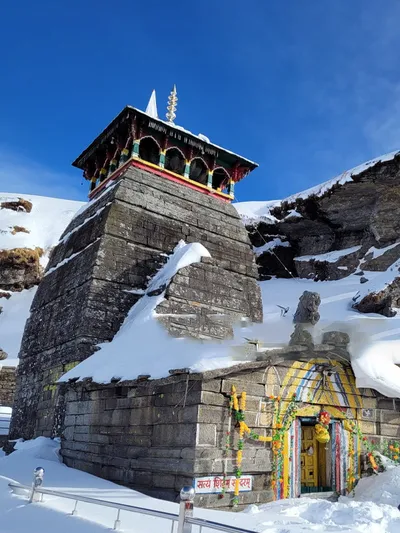
- Tungnath & Chandrashila: Higher and colder than Kedarnath in parts; carry the same AMS awareness.
- Vasuki Tal: A steep side trek from Kedarnath at even higher altitude — attempt only after you're fully acclimatized.
- Ukhimath (Omkareshwar Temple): Lower altitude and a safer option for elderly pilgrims who want a temple visit without the strain of the main trek.
- Triyuginarayan Temple: Easily accessible by road, making it a low-risk addition to your Kedarnath itinerary.
Common Mistakes Pilgrims Make
- Skipping the acclimatization stop to "save a day."
- Ignoring mild AMS symptoms because "everyone feels tired here."
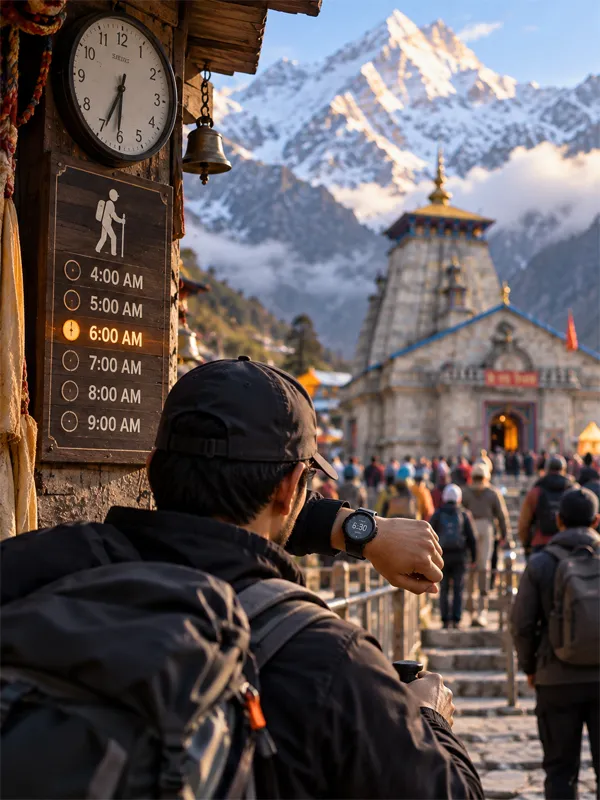
- Starting the trek after 10 AM, walking straight into afternoon weather changes.
- Not carrying a written list of personal medicines and allergies.
- Relying only on mobile network for help instead of the physical Medical Relief Posts.
Pro Safety Tips
- Note the nearest Medical Relief Post at every stop — not just at the start.
- Keep a printed health advisory summary in your bag; phones die faster in the cold.
- Travel insurance with high-altitude and evacuation cover is worth the small upfront cost.
- If in doubt about your fitness, book the helicopter — it's not "giving up," it's risk management.
Why Plan Your Kedarnath Yatra Safety With Local Experts
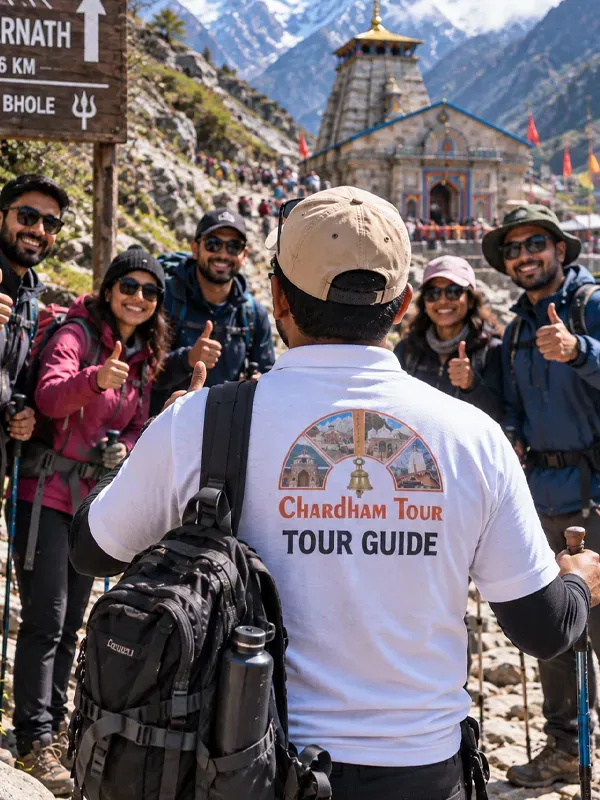
Booking through an experienced Char Dham operator means someone is tracking weather advisories, registration rules, and route conditions on your behalf — not just selling you a package and walking away. For families with elderly members or anyone with a medical condition, this kind of ground support around transport, pony/helicopter alternatives, and last-minute route changes matters more than most people expect until they're actually on the mountain.
FAQs
Q1. What is the emergency number for the Kedarnath trek?
Ans: Dial 108 for medical emergencies; 102 is the alternate ambulance line, and 112 covers general emergencies like police or disaster response.
Q2. Is Kedarnath safe for heart patients?
Ans: Only with a doctor's written clearance — high altitude increases cardiac strain, and a helicopter is usually the safer option for anyone with heart issues.
Q3. What are the first signs of altitude sickness in Kedarnath?
Ans: Headache, nausea, loss of appetite, and unusual tiredness are early signs; breathlessness at rest or confusion means it's turned serious.
Q4. Is a medical certificate mandatory for the Kedarnath yatra?
Ans: It can be, for certain age groups and pilgrims with cardiac, BP, asthma, or diabetes conditions — requirements are set by the current season's Char Dham health advisory, so check before you travel.
Q5. How many days should I acclimatize before the Kedarnath trek?
Ans: Spending 24–48 hours at a mid-altitude halt like Guptkashi is widely recommended to lower AMS risk, especially for first-timers and senior citizens.
Q6. Are oxygen cylinders available on the Kedarnath route?
Ans: Yes, oxygen support is available at major checkpoints and near the Kedarnath helipad, though exact availability can vary by season and crowd levels.
Q7. What should I do if someone gets breathless during the trek?
Ans: Stop immediately, avoid further ascent, and alert the nearest Medical Relief Post or call 108 rather than waiting to see if it improves.
Q8. Is the Kedarnath trek safe during monsoon?
Ans: It carries real landslide risk in July–August; many pilgrims prefer avoiding this window and choosing May–June or September–October instead.
Q9. Can senior citizens do the Kedarnath trek safely?
Ans: Yes, with a doctor's clearance, proper pacing, and often a pony, palki, or helicopter instead of the full walk.
Q10. What documents should I carry for safety and health checks?
Ans: A valid photo ID, your yatra registration slip, and a medical fitness certificate if you fall in the required age or health category.
Q11. Are health checkpoints mandatory before Kedarnath?
Ans: Health screening is generally in place at Sonprayag and Gaurikund, checking vitals like BP and oxygen; abnormal readings may lead to advice against continuing on foot.
Q12. What happens in a serious medical emergency near Kedarnath temple?
Ans: Critical cases can be evacuated by helicopter ambulance to the nearest equipped hospital, alongside on-site emergency care at the upgraded Kedarnath medical facility.
Q13. Is the Kedarnath trek safe for children?
Ans: Fit children can go with close supervision, but watch for irritability or unusual sleepiness as early AMS signs, and prefer a pony or palki for younger kids.
Q14. Are Panch Kedar temples like Tungnath riskier than Kedarnath for altitude sickness?
Ans: Yes, some like Tungnath and Vasuki Tal sit higher or are steeper, so attempt them only after you're fully acclimatized at Kedarnath.
Q15. What are HAPE and HACE, and how serious are they?
Ans: They're severe forms of altitude sickness affecting the lungs (HAPE) or brain (HACE); both need immediate descent and emergency medical help, though they're rare with proper acclimatization.
Q16. Can a diabetic pilgrim safely do the Kedarnath trek?
Ans: Generally yes with a doctor's clearance and stable sugar control, but carry extra medication, snacks, and consider a helicopter if control has been unstable recently.
Conclusion
Kedarnath safety comes down to three things: knowing the real risks, following the current health advisory, and acting fast if something feels wrong. The mountain isn't the enemy here — ignoring your own body's warning signs is. Acclimatize sensibly, carry your documents and medicines, save the emergency numbers before you lose signal, and choose a helicopter over the walk if your health history says you should. Prepare like this, and Kedarnath stays what it's meant to be — a demanding, deeply moving pilgrimage, not a health scare waiting to happen.
- Suggested Tour: Kedarnath Yatra Tour Packages
Kedarnath Travel Guide





Kedarnath Travel Packages

Important Safety Notice
Beware of Fake Char Dham & Kedarnath Helicopter Booking Websites
Fake websites, WhatsApp accounts and advertisements may impersonate genuine travel companies or helicopter operators. Always verify before paying.