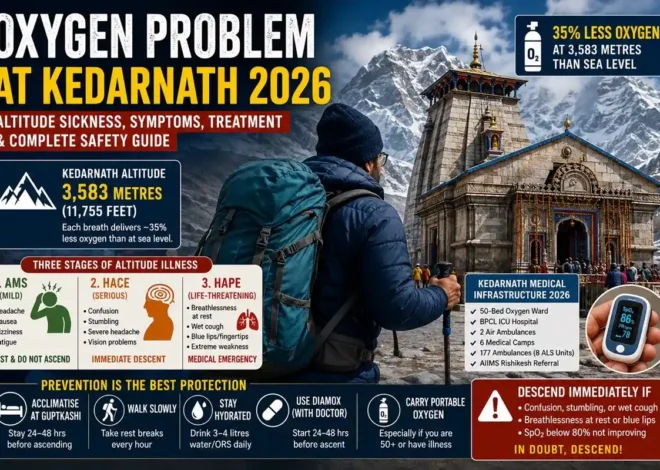
Kedarnath is one of India’s holiest temples, dedicated to Lord Shiva. It’s in the Rudraprayag district, Uttarakhand, sitting 3,583 metres above sea level. Pilgrims trek 16 km from Gaurikund to the Kedarnath temple, which can be tough due to high altitude and changing weather. But the strong spiritual energy, stunning views, and deep devotion make it all worthwhile.
Every year, thousands of visitors trek to Kedarnath for blessings and spiritual peace. This guide covers your options — trekking, pony rides, or Palkis (palanquins) — to ensure a safe and fulfilling journey.
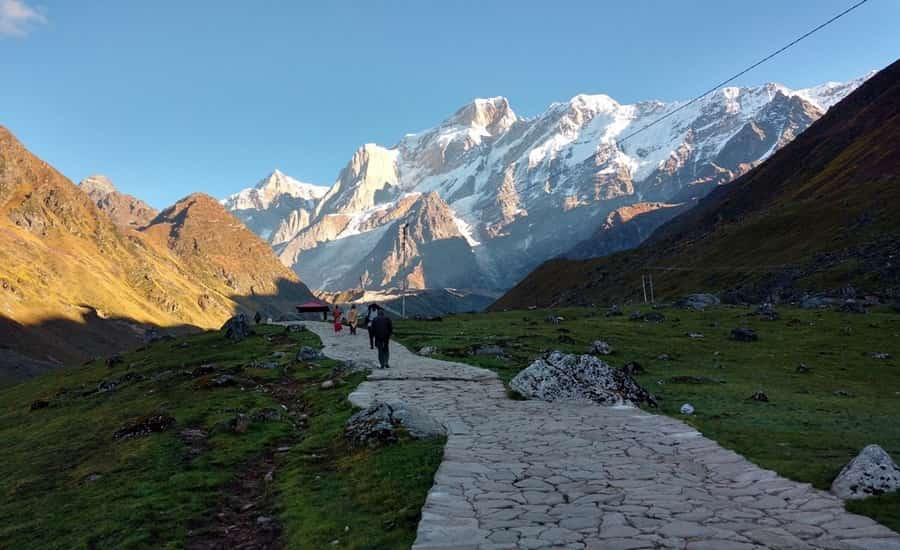
Gaurikund to Kedarnath Trek: Distance, Time & Route
The trek from Gaurikund to Kedarnath covers 16 km through stunning Himalayan paths. It usually takes 6–8 hours for fit trekkers, but beginners might need 8–10 hours. Factors like weather, fitness, and crowds affect the time. Plan for breaks to enjoy the views and stay safe at high altitude.
Trekking Route & Resting Points
The 16 km trek from Gaurikund to Kedarnath follows a well-marked mountain path with forests, rivers, and snowy peaks. It is steep in spots but manageable with breaks. Start early (5–7 AM) to avoid crowds and afternoon weather changes.
- Gaurikund (0 km, Start): Last base with shops, toilets, and pony rentals. Register your permit here.
- Garur Chatti (4–5 km, 1.5–2 hrs): River crossing bridge; good spot for snacks and rest.
- Rambara (7 km, 3 hrs): Midway viewpoint with Mandakini River views; chai shops and rest areas.
- Jangal Chatti (11 km, 4–5 hrs): Forest stretch ends; pony changeover and basic shelters.
- Kedarnath Temple (16 km, 6–8 hrs): Destination. Temple timing: 4:00 AM – 12:00 noon and 3:00 PM – 9:00 PM. Morning darshan is recommended to avoid heavy queues.
Facilities at Kedarnath include GMVN camps, food stalls, and medical support. GMVN camps can be booked in advance through their official website.
Kedarnath Yatra Registration — Mandatory for 2026
All pilgrims must complete Char Dham Yatra registration before visiting Kedarnath in 2026. Without a valid registration slip, you will not be permitted to proceed beyond Sonprayag.
Official portal: registrationandtouristcare.uk.gov.in | Walk-in counters: Rishikesh, Haridwar, Sonprayag, Gaurikund.
Important Checkpoints on the Trek
| Checkpoint | Distance from Gaurikund | Key Features |
|---|---|---|
| Gaurikund | 0 km | Start point: Shops, registration, ponies, toilets |
| Jungle Chatti | 4–5 km | Tea stalls, river views, rest stops |
| Bhimbali | 6 km | Water points, small eateries |
| Rambara | 7 km | Midway rest, Mandakini River, snacks |
| Chhota Linchauli | 9 km | Basic shelters, hydration point |
| Linchauli | 10 km | Medical camp, food options |
| Chhani Camp | 12 km | Tents, warmth stations |
| Rudra Point | 14 km | Viewpoint, steep climb break |
| Kedarnath Base Camp | 15 km | Final preparation, full facilities |
| Kedarnath Temple | 16 km | Destination: Darshan, GMVN stay, medical aid |
Optional Trekking Routes to Kedarnath
Since the 2013 floods and updates in 2016, new paths offer variety beyond the main Gaurikund route:
- Chaumasi–Rambara–Kham Route: 18 km. A longer, calmer trek with fresh views through lesser-known trails — ideal for a peaceful, non-crowded experience.
- Triyuginarayan to Kedarnath Route: 14 km. A shorter path with deep spiritual significance, starting from the sacred Triyuginarayan temple (believed to be the wedding site of Lord Shiva and Goddess Parvati).
Both alternate routes suit experienced trekkers. Check local advisories for 2026 accessibility.
Helicopter Service to Kedarnath (From Phata/Sersi)
Pilgrims skipping the 16 km trek can use helicopter services from Phata or Sersi helipads, approximately 15–20 km from Gaurikund. The short flight takes 5–9 minutes and offers spectacular Himalayan aerial views. Ideal for elderly pilgrims, families, or those with time constraints.
Steps for helicopter travel:
- Book tickets online via IRCTC Tourism, Uttarakhand Tourism portal, or DGCA-approved operators well in advance — especially for May–June peak season.
- Arrive at the helipad 60–90 minutes before your scheduled departure.
- Carry valid ID and yatra registration confirmation.
- Board for the scenic 7–9 minute flight to Kedarnath helipad.
Round-trip helicopter fares range from approximately ₹7,000 to ₹9,500 per person (2026 season rates). Check official booking portals for confirmed pricing, as rates are revised annually.
Pony, Palki & Kandi Charges — Gaurikund to Kedarnath (2026)
| Mode | One Way (Approx) | Round Trip (Approx) | Notes |
|---|---|---|---|
| Pony (Ghoda) | ₹2,500–₹3,500 | ₹5,000–₹7,000 | Weight limit: up to 80 kg. Book at official Gaurikund counter only. |
| Palki (Palanquin) | ₹8,000–₹11,400 | ₹15,000–₹22,000 | Fixed by Rudraprayag district authority. Weight: up to 90 kg. |
| Kandi (Porter carry) | ₹3,000–₹5,000 | ₹6,000–₹9,000 | For those unable to walk or ride. Limited availability. |
All rates are regulated by the Rudraprayag District Administration. Book only at official prepaid counters at Gaurikund to avoid overcharging. Get a receipt and confirm the assigned porter’s ID before starting.
Essential Tips for Kedarnath Pilgrims
- Get a full health check-up before starting — avoid the trek if you have severe asthma, uncontrolled heart problems, or uncontrolled high blood pressure.
- Book ponies, palanquins, and Kandi carriers only from official government counters to prevent scams.
- Drink 3–4 litres of water daily, even if you don’t feel thirsty in cold weather. Eat light carbohydrates like jaggery or dry fruits every hour.
- Pack dry coconut and jaggery for instant energy and warmth in chilly high-altitude air.
- Correct Darshan hours: Morning session 4:00 AM – 12:00 noon; Evening session 3:00 PM – 9:00 PM. (Times may vary — verify from official BKTC website before travel.)
- If the 16 km trek feels too long in one day, overnight at Jungle Chatti, Bhimbali, or Linchauli for rest.
Recommendations
Start your trek by 5–6 AM to beat crowds and afternoon weather changes. Wear layered clothing and sturdy trekking shoes. Carry 2–3 litres of water plus a first-aid kit with pain relievers and altitude sickness medicines. Use a walking stick for steep sections.
Download the offline GMVN app for real-time updates on permits and weather.
Use the official Char Dham Yatra portal (registrationandtouristcare.uk.gov.in) for permits. For weather updates, refer to the India Meteorological Department (IMD) website or local Uttarakhand Tourism advisories. Acclimatise for at least half a day in Sonprayag or Gaurikund if arriving from a low-altitude city.
What to Carry — Kedarnath Trek Packing List
| Clothing & Gear | Health & Documents |
|---|---|
| Thermal innerwear (top + bottom) | All valid ID + Yatra registration printout |
| Fleece jacket + windproof outer layer | Prescribed medicines + extra 2-day supply |
| Waterproof trekking pants (not jeans) | Paracetamol, Diamox (altitude sickness — consult doctor) |
| Ankle-support trekking boots (broken in) | First aid kit: bandage, antiseptic, moleskin for blisters |
| Woolen cap, gloves, UV sunglasses | Power bank + torch/headlamp + spare batteries |
| Rain poncho / waterproof jacket | Dry fruits, jaggery, energy bars, 2L water bottle |
| Walking / trekking stick | Sunscreen SPF 30+, lip balm, hand sanitiser |
People Also Asked
Q-1: How to hire a Palki for the trek from Gaurikund to Kedarnath?
Book only at the official prepaid counters in Gaurikund to avoid overcharging or unreliable operators. Pay upfront — rates are fixed by the Rudraprayag District Administration (around ₹8,000–₹11,400 per person for the full trip, based on weight up to 90 kg). Get your receipt and assigned porters; they handle luggage too.
Q-2: Can a heart patient trek from Gaurikund to Kedarnath?
No, heart patients should generally avoid trekking the full 16 km due to high altitude (3,583m), low oxygen levels, steep climbs, and unpredictable weather. Helicopter service is strongly recommended. A medical fitness certificate is required for all pilgrims above 60 years.
Q-3: What are the recommended clothing and equipment for the trek?
Pack layers to handle cold mornings (5–10°C), sunny days, and sudden rain. Recommended: thermal innerwear, 2–3 quick-dry shirts, fleece jacket, windproof/waterproof jacket, trekking pants (2 pairs), woolen cap, insulated gloves, 2–3 pairs of woolen socks, and sturdy ankle-support trekking shoes.
Q-4: Is food and water accessible on the trek?
Yes, food and water are available at major checkpoints. However, carry 1–2 litres of personal water and energy snacks (jaggery, nuts) as backup, especially for stretches between checkpoints.
Q-5: Mobile network on the Gaurikund–Kedarnath trek?
Mobile coverage is patchy but improving. Jio offers the best 4G signals in most areas. Expect dead zones in remote stretches. Inform family of your itinerary before starting, and don’t rely solely on your phone for navigation.
Q-6: Can we stay at Kedarnath?
Yes. Multiple accommodation options surround the temple within 50–200 metres, including GMVN guesthouses, private dharamshalas, and tent colonies. Popular options include Bikaner House, Behl Ashram, Punjab Sindh Awas, and Rajasthan Seva Sadan. Rates: ₹1,000–₹3,000 per night. Book in advance via GMVN’s official website during peak season.
Q-7: Are medical facilities available on the trek?
Yes. Over 50 mobile medical units, relief camps, and aid posts operate at key checkpoints for emergencies like altitude sickness or injuries. A first aid post is also available near the Kedarnath temple helipad. For serious emergencies, SDRF evacuation is available.
Q-8: What is the best time to visit Kedarnath in 2026?
The Kedarnath temple opens in late April/early May (on Akshaya Tritiya) and closes in October/November (around Diwali/Bhai Dooj). The best months are May (post-opening), early June, and mid-September to mid-October when skies are clear and trails are less crowded. Avoid July–August due to monsoon landslides.
Q-9: Is there a daily pilgrim limit for Kedarnath?
Yes. The Uttarakhand government has periodically imposed daily caps on Kedarnath pilgrim entries to manage crowd pressure and safety. The limit has varied between 12,000–15,000 pilgrims per day in recent seasons. Register early on the official portal to secure your slot, especially for peak May–June dates.
Q-10: Can I trek Kedarnath without prior fitness preparation?
It is not advisable. The 16 km trek involves 1,400 metres of altitude gain, often in cold and thin-air conditions. At minimum, spend 4–6 weeks before the trek doing daily 30–45 minute brisk walks and stair climbing. Start morning and evening walks to improve cardiovascular endurance. Arrive one day early at Sonprayag or Gaurikund for acclimatization.
Suggested Tour: