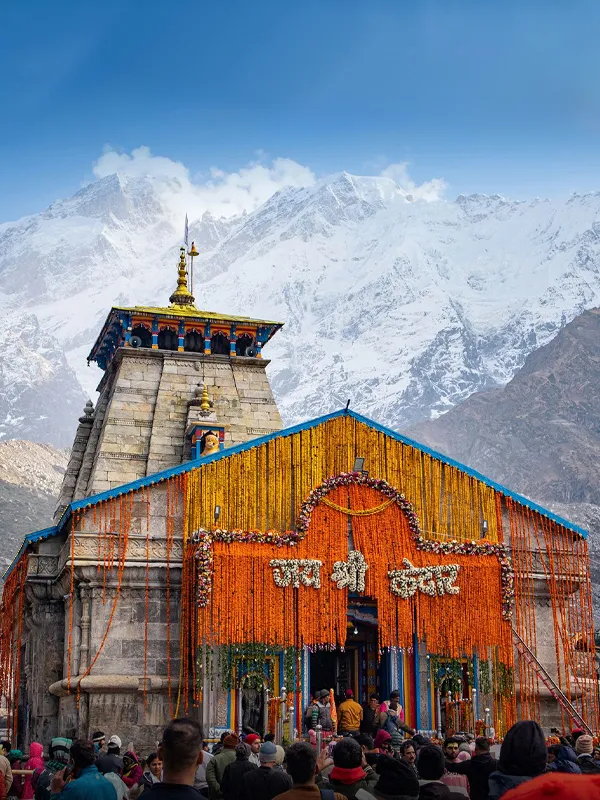
Kedarnath Dham, Uttarakhand

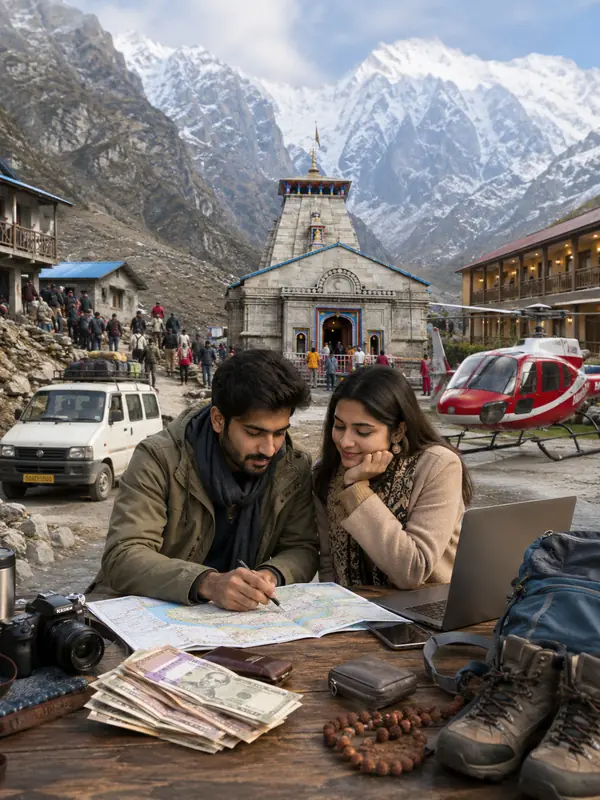
Every season, some pilgrims turn back within sight of Kedarnath simply because they never registered online, while others avoid the trip entirely because they assume it's impossible after a certain age. Neither has to happen to you. A well-planned Kedarnath Yatra — one of the four stops on the Uttarakhand Char Dham Yatra — is manageable for most reasonably fit travellers, and genuinely achievable for seniors and families when the right mode of transport is chosen.
This guide is built around the questions that actually decide whether your trip goes smoothly: how far the trek really is, what registration involves, what it will cost you beyond the package price, which months to avoid, and where you'll realistically be sleeping each night (spoiler: usually not at the temple itself). Every figure below is checked against official government sources and cross-referenced where different authorities publish slightly different numbers, and the guide is updated every Yatra season to keep dates and prices current.
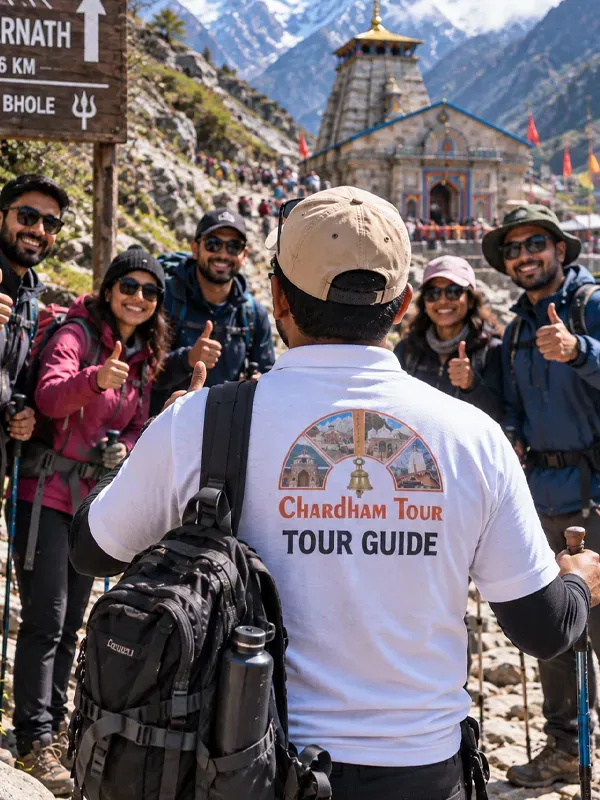
Whether you plan to trek the full stretch from Gaurikund, book a same-day helicopter Darshan, or combine Kedarnath with Badrinath as a Do Dham trip, read through before you book — it will change how you plan.
Quick Facts
| Fact | Details |
|---|---|
| Location | Rudraprayag District, Uttarakhand |
| Dedicated To | Lord Shiva — one of 12 Jyotirlingas |
| Duration | 1 day (helicopter) · 4–6 days (road, Kedarnath only) · 10–12 days (full Char Dham) |
| Difficulty | Moderate to Difficult |
| Trek Distance | Approximately 16 km one way from Gaurikund |
| Trek Time | Usually 6–9 hours on foot (longer for senior citizens) |
| Temple Altitude | Approximately 3,581–3,583 m (11,745–11,755 ft) — official sources vary by a couple of metres |
| Best Time | May–June and September–October |
| Avoid | July–August (monsoon); November–April (winter closure) |
| Registration | Mandatory Char Dham e-pass with QR/RFID-based checkpoint verification (not a restricted-area permit) |
| Road Distance to Gaurikund | Approximately 240–250 km from Jolly Grant Airport, Dehradun |
| Nearest Railway Stations | Rishikesh and Haridwar (Haridwar has more long-distance train connections) |
| Opening Date 2026 | To be officially announced by BKTC — typically late April |
| Closing Date 2026 | To be officially announced by BKTC — typically around Diwali/early-to-mid November |
| Starting Cost — Road | ChardhamTour packages from ₹19,500 per person (starting price, season-dependent) |
| Starting Cost — Helicopter | Starting from approximately ₹85,000 per person, subject to UTDB-approved operator pricing |
This table is refreshed every yatra season. Fixed dates and prices should always be reconfirmed directly with BKTC, UTDB, or your operator before booking.
What Is Kedarnath Temple?
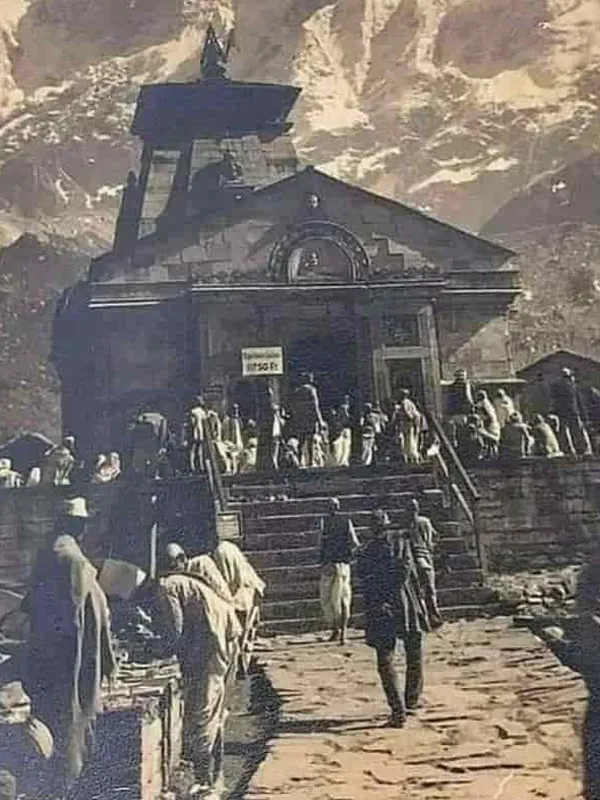
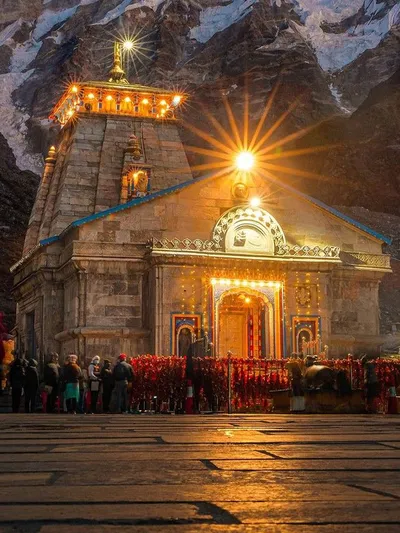
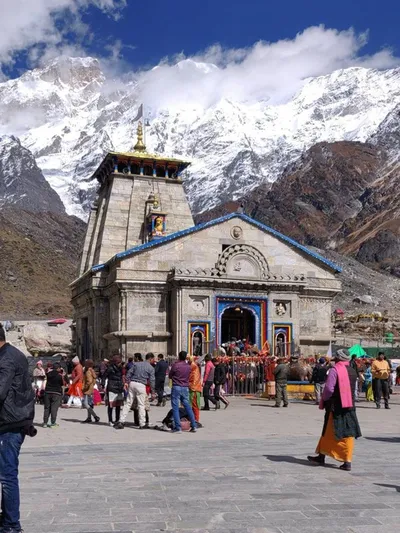
Hindu legend ties its origin to the Pandavas of the Mahabharata, who are said to have sought Shiva's forgiveness after the Kurukshetra war. Its historical restoration is credited to the 8th-century philosopher Adi Shankaracharya, whose samadhi shrine stands directly behind the main temple — a rare pairing of a saint's memorial with an ancient Jyotirlinga in the same courtyard. A stone Nandi statue sits facing the temple entrance, as is customary at Shiva shrines.
Built from massive interlocking stone slabs without modern mortar, the temple structure remained standing while the surrounding area suffered devastating destruction in the 2013 Uttarakhand floods; a large boulder is widely believed to have diverted much of the debris flow away from the building, though this is based on post-disaster observation rather than a formal engineering study. Every winter, the deity is ceremonially moved to Omkareshwar Temple in Ukhimath, and the main shrine closes to pilgrims until BKTC (the Badrinath-Kedarnath Temple Committee, which administers both shrines) announces the reopening the following year. Read more..
Kedarnath Valley: Geography at a Glance
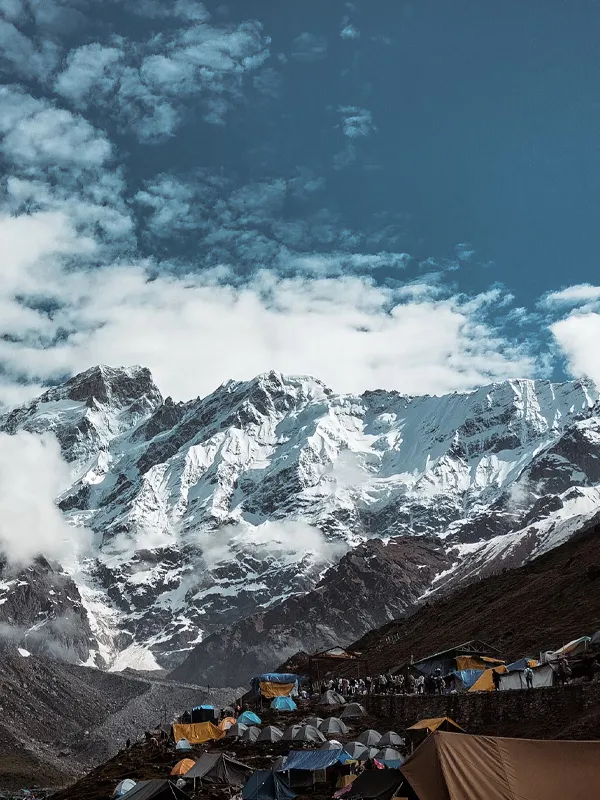
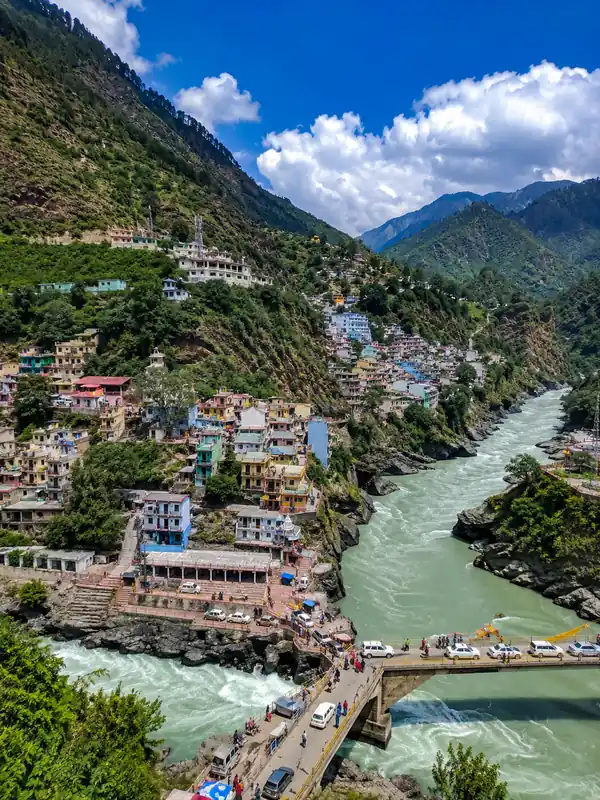
The temple sits at the head of the Mandakini River valley, fed by the Chorabari Glacier just above the shrine. The Mandakini itself later joins the Alaknanda, which merges into the Ganga further downstream — so the river you walk beside on the trek is part of the same system that eventually reaches Haridwar and beyond.
A further trek past the temple leads to Vasuki Tal, an alpine lake with close-up views of the Chaukhamba peaks, and to Chorabari Tal (also called Gandhi Sarovar), the small lake near the epicentre of the 2013 flood. Beside the main temple stands Bhairav Nath Temple, traditionally regarded as the shrine's guardian through the winter closure.
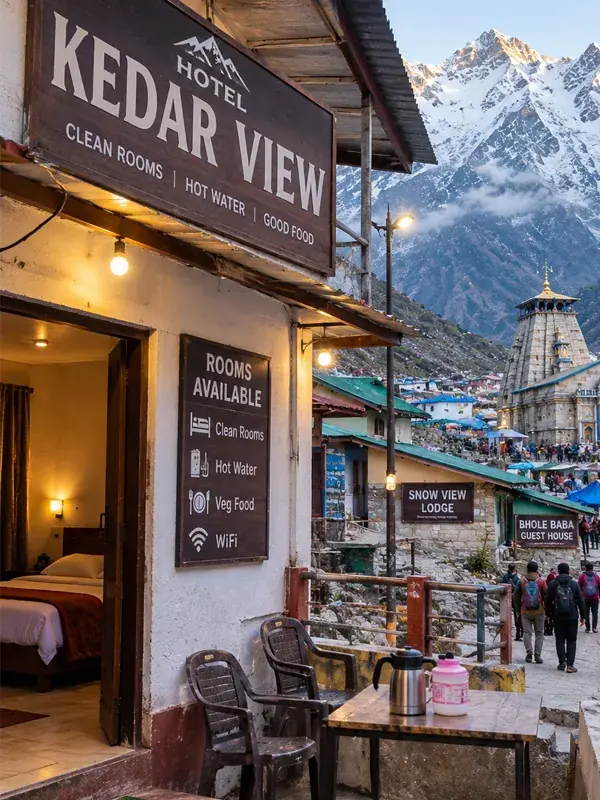
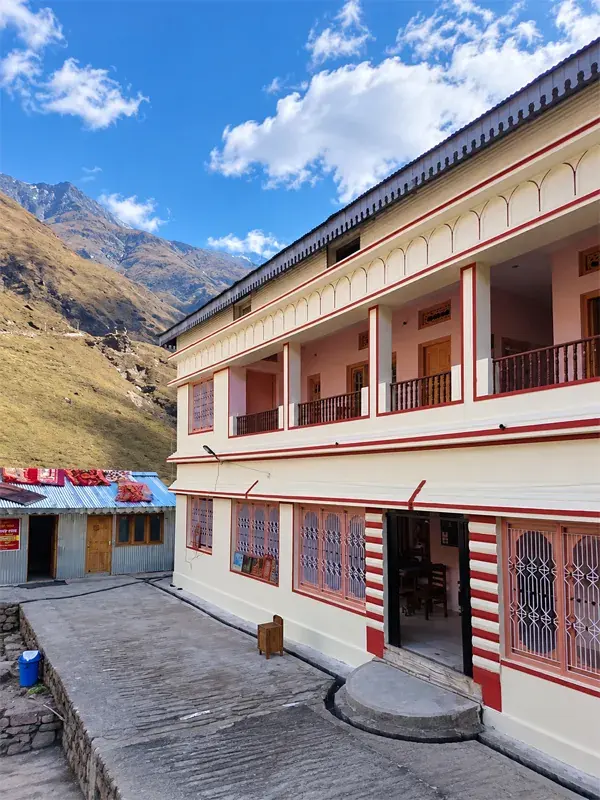
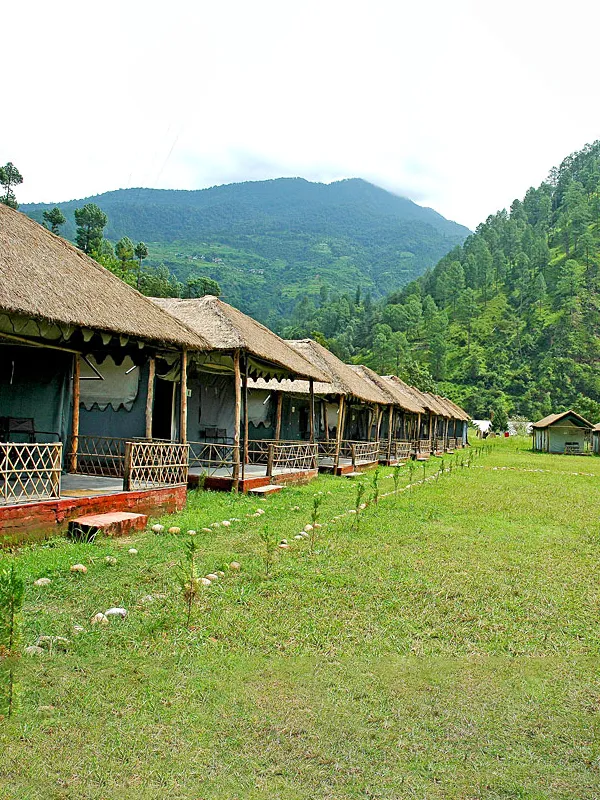
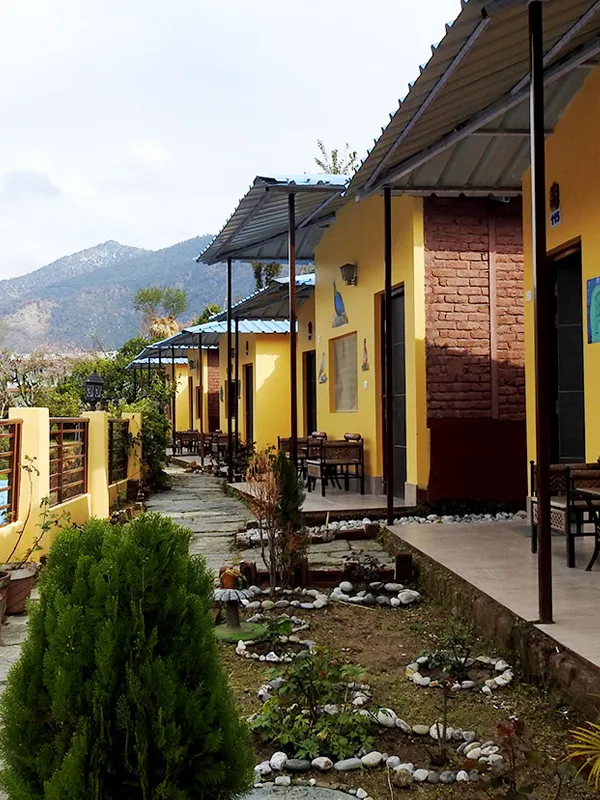
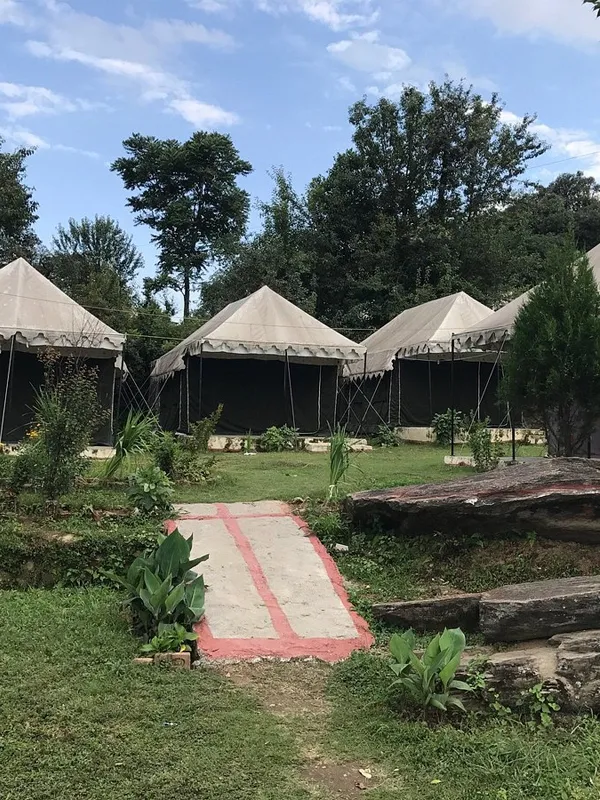
Most pilgrims are surprised to learn that accommodation right at Kedarnath is very limited — the majority stay in base towns like Guptkashi, Phata, Sitapur, or Sonprayag instead, which affects how you should plan your nights on this trip (see the Itinerary section below). GMVN (Garhwal Mandal Vikas Nigam), the state tourism development corporation, operates budget guesthouses at several of these stops and is generally considered a reliable fallback if private hotels are full.
Kedarnath vs Badrinath and Vaishno Devi: How It Compares
| Factor | Kedarnath | Badrinath | Vaishno Devi |
|---|---|---|---|
| Road Access | Motorable to Gaurikund only; trek needed beyond that | Fully motorable to the temple | Motorable to Katra; 12–13 km trek |
| Altitude | ~3,581–3,583 m | ~3,133 m | ~1,585 m |
| Difficulty | Moderate to Difficult | Easy to Moderate | Easy to Moderate |
| Best For | Fit pilgrims and trekkers | Seniors, families, first-timers | First-timers, families |
Kedarnath is generally considered the more physically demanding of the two Char Dham sites due to its altitude and mandatory trek, while Vaishno Devi's lower altitude makes it a gentler comparison point for pilgrims weighing up Himalayan pilgrimages in general.
Kedarnath Trek Distance from Gaurikund: Complete Route & Stage Breakdown
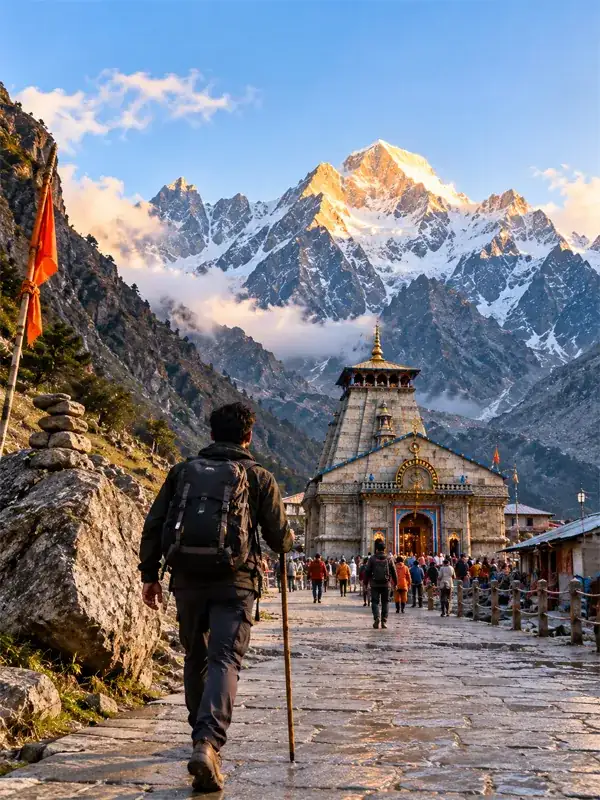
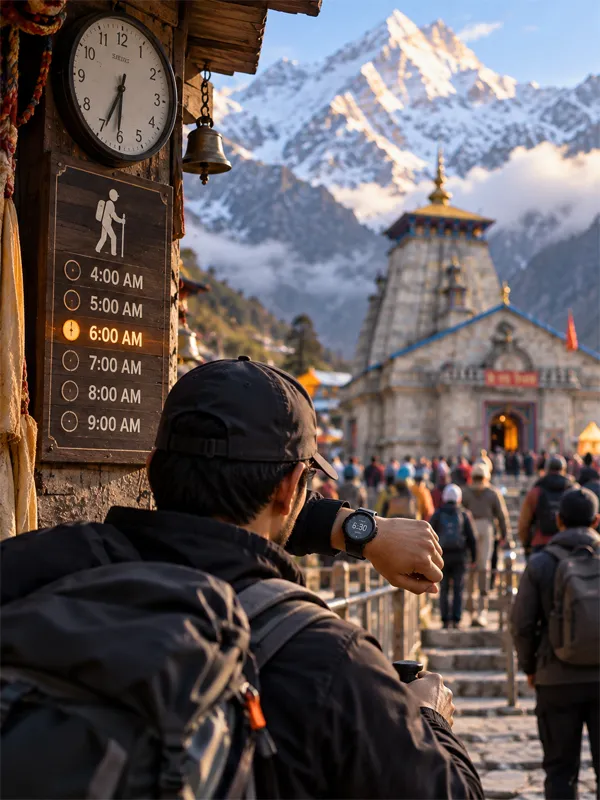
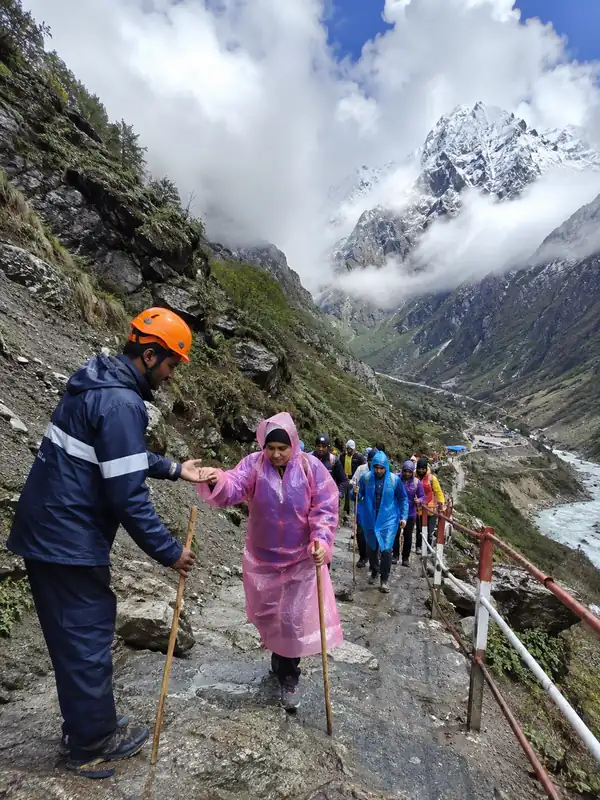
The Kedarnath trek covers approximately 16 km one way from Gaurikund — some official pages still reference the older pre-2013 route figure of around 14 km, and GPS trackers occasionally read closer to 17–18 km depending on the exact path — and typically takes 6–9 hours, longer for senior citizens or anyone unaccustomed to altitude.
Haridwar / Rishikesh / Dehradun
↓ (approx. 200–220 km by road)
Rudraprayag → Guptkashi (common overnight halt)
↓
Sonprayag → Gaurikund (motorable road ends here)
↓ trek OR pony/palki/doli OR helicopter
Kedarnath Temple
Approximate trek stages (Gaurikund → Kedarnath):
| Stage | Approx. Distance | What to Expect |
|---|---|---|
| Gaurikund → Rambara/Chirbasa area | ~7 km | Paved ascent, tea stalls, first steep sections |
| Rambara area → Linchauli | ~5 km | Continued climb, thinner crowds, basic rest shelters |
| Linchauli → Kedarnath | ~4 km | Final steep stretch, cold gains noticeably, metal bridge before the temple |
Note: these stage distances are commonly cited approximate breakpoints along the route, not official trail markers — actual conditions and stop locations can shift year to year depending on trail maintenance and which official source you check.
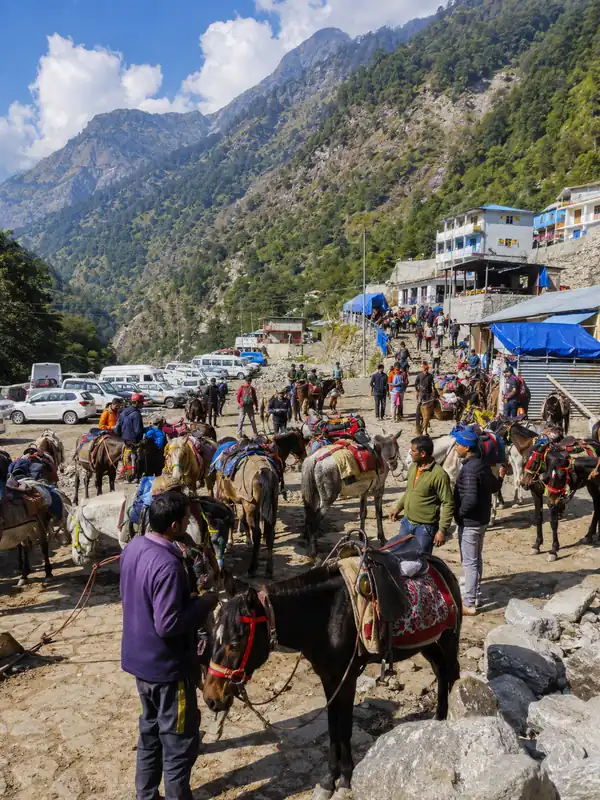
Local transport at Gaurikund: From Sonprayag, private vehicles are usually restricted for the final stretch; a shared shuttle — sometimes a battery-operated vehicle on this short stretch specifically, availability varies by season — covers the last few kilometres to Gaurikund. From Gaurikund itself, pilgrims choose between walking, hiring a pony/mule, a palki or doli (carried litter), or booking a helicopter. Current pony, palki, and doli rates are posted at the Gaurikund stand and revised each season — check our regularly updated rate-card page rather than relying on last year's prices.
Kedarnath Yatra Itinerary: Day-by-Day Overview
Sample 5-Day Road Itinerary
- Day 1: Haridwar → Guptkashi (overnight, acclimatization)
- Day 2: Guptkashi → Gaurikund → trek/pony/heli to Kedarnath → evening Aarti
- Day 3: Morning Aarti and darshan → return trek to Gaurikund → Guptkashi
- Day 4: Guptkashi → Rudraprayag → Rishikesh
- Day 5: Departure
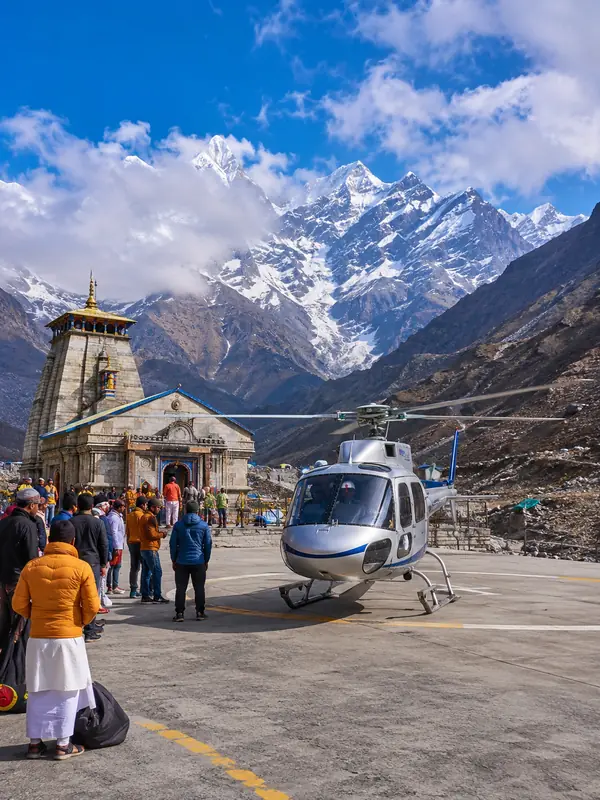
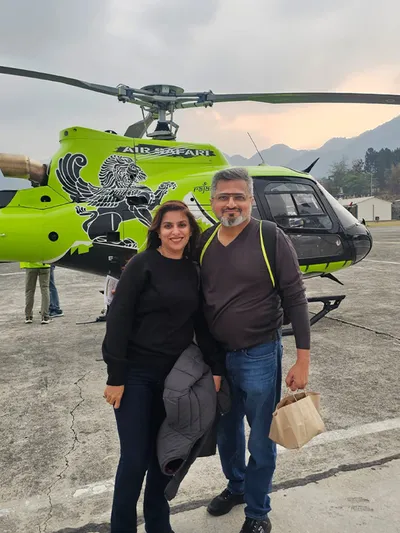
Sample Helicopter Itinerary (1–2 Days) Fly from Phata, Sirsi, or Guptkashi helipad → land at Kedarnath → Darshan and Aarti → return same day, weather permitting. A buffer day is strongly recommended since mountain weather frequently affects flight schedules. Helicopter baggage is usually restricted to soft bags only, with a typical weight limit of around 5–10 kg per passenger — confirm the exact limit with your operator when booking.
Combining with Badrinath (Do Dham): Pilgrims short on time often pair Kedarnath with Badrinath as a 5–7 day Do Dham trip rather than the full 10–12 day Char Dham circuit — worth considering if visiting all four Dhams isn't realistic this year.
Suggested Tour: Do Dham Yatra Packages
Kedarnath Yatra Cost Per Person
Short answer: ChardhamTour's road-based Kedarnath packages start from around ₹19,500 per person, while helicopter packages start from approximately ₹85,000 per person, subject to seasonal and operator pricing; final cost depends heavily on hotel category, season, and group size.
| Package Type | Approx. Cost (per person) | Duration |
|---|---|---|
| Road Package (from Delhi) | From ₹19,500* | 6 Days / 5 Nights |
| Kedarnath + Chopta-Tungnath | ₹18,600 – ₹22,000* | 5 Days / 4 Nights |
| Helicopter (Kedarnath only) | From approx. ₹85,000** | 1 Day |
| Panch Kedar Circuit | ₹48,600 – ₹56,500* | 16 Days / 15 Nights |
*ChardhamTour package price, not a generic market average — other operators may price differently. **Helicopter rates are set seasonally by UTDB-approved operators and can change without notice.
Usually not included: pony/mule/palki/doli hire, VIP darshan tickets (subject to current temple administration guidelines), travel insurance, personal expenses. Always ask your operator for a full inclusions list before comparing prices across companies, since "cheaper" packages sometimes just exclude more. If your plans change, review the cancellation policy before booking.
Kedarnath Yatra Registration Process 2026 (Step by Step)
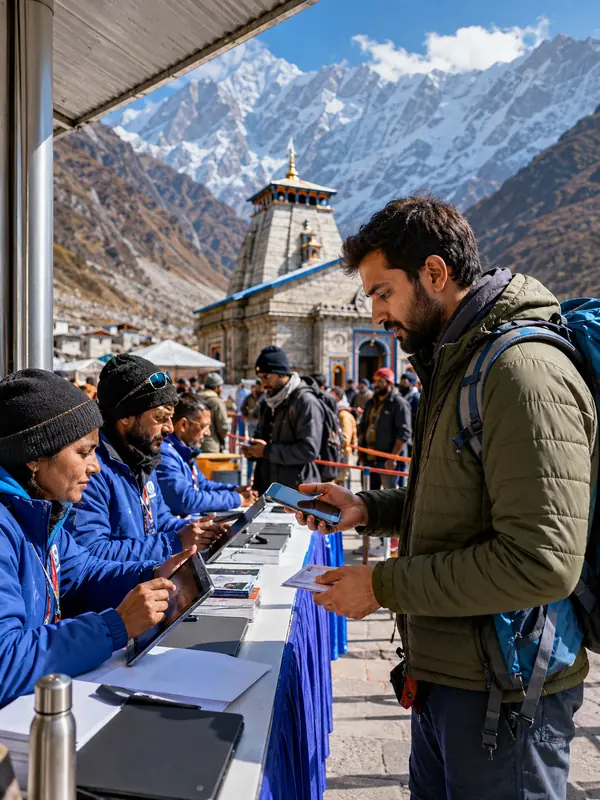
Registration is mandatory for every pilgrim — you cannot pass checkpoints without a valid e-pass, and QR/RFID-based passes are scanned at multiple points along the route so BKTC and local authorities can track pilgrim movement for safety purposes.
- Visit the official Uttarakhand Tourism registration portal, run under UTDB.
- Enter your name, phone number, and email address.
- Upload a scanned Aadhaar card (or passport for NRIs/foreign nationals).
- Download your e-pass and keep both a digital and printed copy.
Offline option: 60+ registration counters operate at hubs like Rishikesh ISBT, Sonprayag, Jolly Grant Airport, and Haridwar Railway Station, typically 4:00 AM–9:00 PM in season. Health screening is also carried out at several checkpoints — senior citizens and anyone with a known health condition should carry a medical fitness certificate, which may be checked before the trek begins.
If you're self-driving: commercial vehicles need a Green Card from the Uttarakhand RTO, and both commercial and private vehicles must carry a valid Pollution Under Control (PUC) certificate to pass checkpoints.
How early to register: for the May–June peak season, register online at least 2–4 weeks ahead; for quieter months, a few days ahead is usually enough, but don't rely on same-day offline registration if it can be avoided — queues build up fast.
Check out: Complete Registration Guide
Best Time to Visit Kedarnath Yatra: Month-by-Month Weather
| Month | Recommendation | Approx. Day Temp |
|---|---|---|
| May | Excellent — peak season, pleasant days | 10–20°C |
| June | Excellent — good weather before monsoon | 10–20°C |
| July | Avoid — heavy rain, landslide risk | 8–18°C |
| August | Avoid — continued monsoon risk | 8–18°C |
| September | Excellent — clear skies, fewer crowds | 5–15°C |
| October | Good — cold nights, stable roads | 5–15°C |
| Nov–Apr | Closed — heavy snowfall | Sub-zero at night |
Monsoon rainfall sharply raises landslide risk on the route to Sonprayag and makes the trek path slippery underfoot — this is one of the most common planning mistakes pilgrims make, often based on assuming any summer month is safe. Before finalizing travel dates, check the latest India Meteorological Department (IMD) regional forecast and any active weather alerts for the Rudraprayag district.
Check Out: Kedarnath Weather Guide · Opening & Closing Dates
Temple Timings, Aarti & Darshan
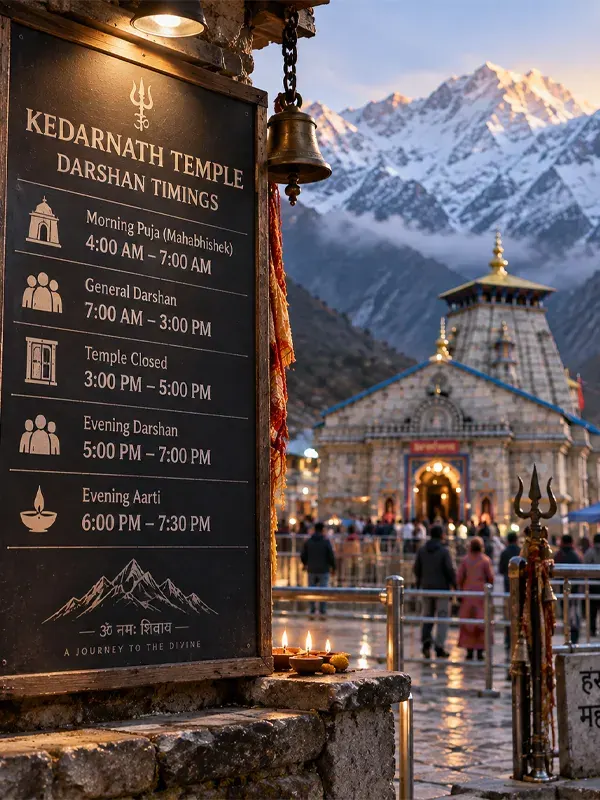
The temple typically holds morning Aarti before sunrise and an evening Aarti after sunset, with darshan hours in between; exact clock times shift slightly through the season and are best confirmed on arrival or via our Aarti & Darshan Timings guide. Arriving for the early morning Aarti is the most reliable way to avoid the longest queues. VIP Darshan passes, where available, are booked separately and are subject to current temple administration guidelines, which can change season to season.
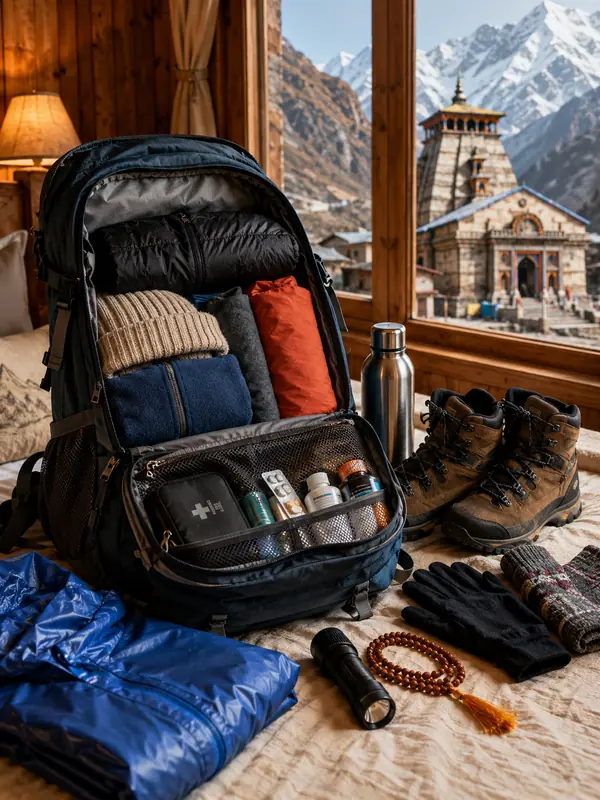
What to Pack for Kedarnath Yatra
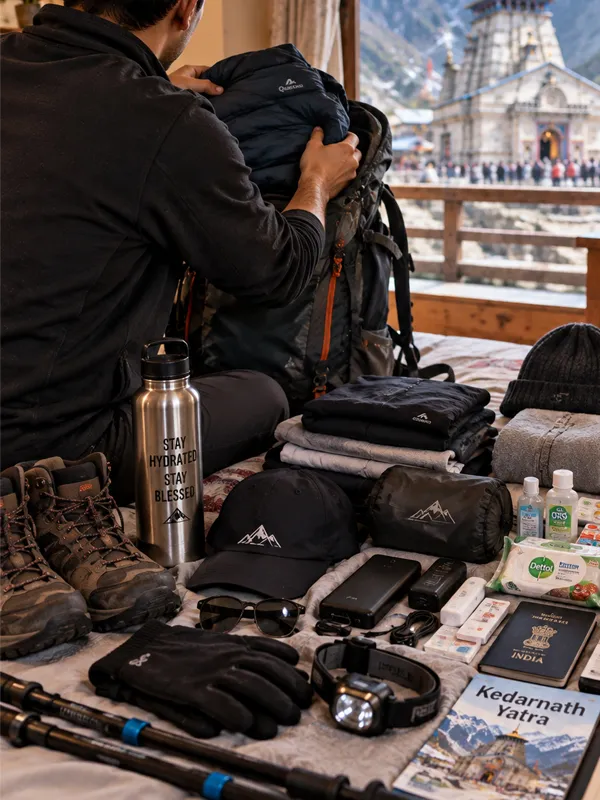
- Warm layered clothing (thermals, fleece, windproof jacket) — even summer nights are cold at altitude
- Sturdy trekking shoes with good grip, plus a spare pair of socks
- Raincoat or poncho, even outside monsoon months
- A walking stick or trekking pole for the steeper stretches
- Personal medication, basic first-aid, and ORS/electrolyte sachets
- Power bank and offline maps — network coverage is patchy
- Printed and digital copies of your registration e-pass and ID proof
- Cash in smaller denominations — card acceptance is limited above Guptkashi
- Soft-sided bag only if flying by helicopter, kept within the operator's weight limit
Safety, Emergency Contacts & Temple Etiquette
Do's: Register before travelling · carry warm layered clothing · stay hydrated · acclimatize at Guptkashi before the trek · dress modestly for darshan · start the trek early in the morning. Don'ts: Don't trek after sunset · don't ignore early altitude-sickness symptoms (headache, nausea, breathlessness) · avoid carrying mobile phones inside the sanctum · don't skip travel insurance if trekking independently.
If you notice symptoms of altitude sickness — persistent headache, nausea, dizziness, or shortness of breath — stop, rest, and inform the nearest medical post immediately rather than pushing ahead. Basic oxygen support is available at medical posts along the route; carrying a personal portable canister is optional, not mandatory. Descending is the most effective response if symptoms worsen.
Emergency numbers to save before you travel:
- Ambulance: 108
- Health Helpline: 104
- Uttarakhand Tourist Helpline: 1364 (toll-free)
- GMVN Help Desk, Gaurikund: +91-135-2559987
- Kedarnath Police Station: +91-94120 46247
Best Places to Visit Near Kedarnath
| Destination | What to Expect |
|---|---|
| Gaurikund | Trek starting point, hot springs, pony/palki stands |
| Sonprayag | Confluence town, shuttle point before Gaurikund |
| Guptkashi | Main overnight base, wider hotel choice, helipad access |
| Vasuki Tal | Extension trek, alpine lake and Chaukhamba views |
| Triyuginarayan | Believed site of Shiva-Parvati's wedding, near Sonprayag |
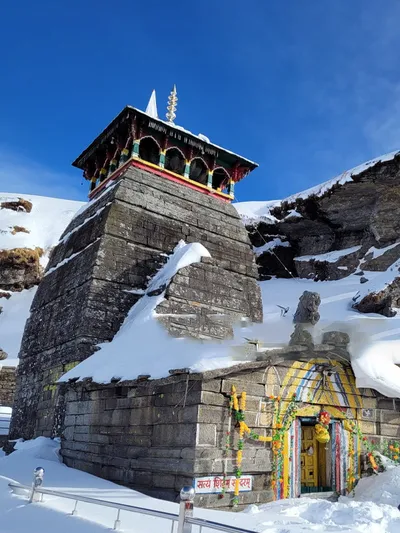
| Panch Kedar | Five-temple circuit (Tungnath, Rudranath, Madhyamaheshwar, Kalpeshwar) linked to the Kedarnath legend |
Who Can Do the Kedarnath Yatra? Senior Citizens, Families & NRIs
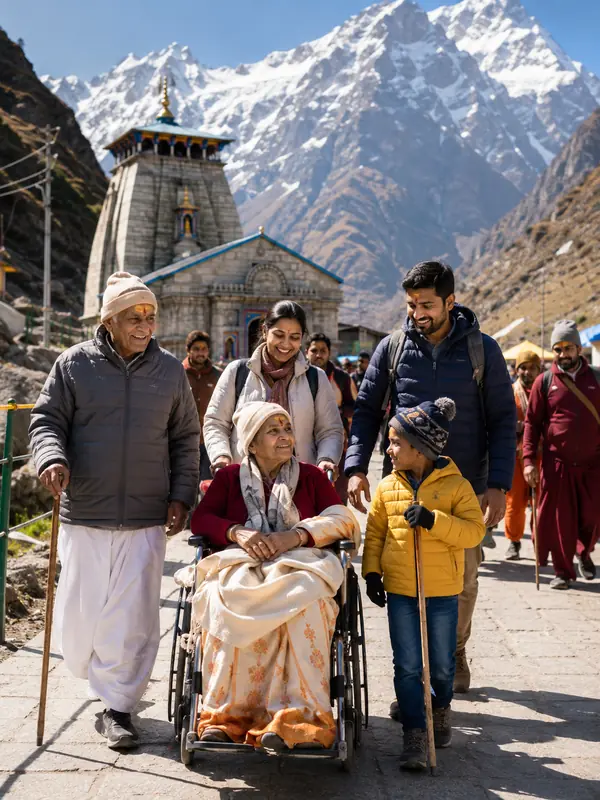
Senior citizens should avoid the full walking trek where possible — helicopter or pony/palki service, plus a pre-travel medical check-up, are the safer route; expect the walk to take noticeably longer than the 6–9 hour average if attempted. Families with older children can attempt a slow, staged trek; younger kids are better carried by pony or palki. NRIs and foreign nationals follow the same registration process using a passport instead of Aadhaar, and should plan helicopter bookings early since travel windows are often shorter. Fit solo trekkers are best suited to the traditional road-and-trek route, and often find the physical effort adds to rather than detracts from the pilgrimage.
Common Mistakes to Avoid on Kedarnath Yatra
- Skipping or delaying registration — leads to being stopped at checkpoints.
- Travelling in July–August — the highest-risk months for landslides and trek closures.
- Underestimating the cold — even May nights can drop close to freezing near the temple.
- Overpacking — heavy bags make both the trek and pony rides harder to manage, and exceed helicopter weight limits.
- Skipping acclimatization — pushing straight to Gaurikund without a night at Guptkashi raises altitude-sickness risk.
- Booking helicopter tickets without a buffer day — weather delays are common, not rare.
- Assuming last year's opening date will repeat exactly — always confirm the current year's BKTC announcement.
Kedarnath Yatra FAQs
Q1. How many days are enough for Kedarnath Yatra?
Ans: 4–6 days by road; a single day by helicopter, plus a buffer day for weather.
Q2. What is the best time to visit Kedarnath Yatra?
Ans: May–June and September–October offer the most stable weather.
Q3. What is the Kedarnath trek distance from Gaurikund?
Ans: Approximately 16 km one way; some sources cite the older 14 km route or slightly higher GPS readings.
Q4. How difficult is the Kedarnath trek?
Ans: It's rated moderate to difficult — a steep, high-altitude climb usually taking 6–9 hours.
Q5. What is the Kedarnath Yatra registration process?
Ans: Register online at the Uttarakhand Tourism (UTDB) portal or offline at designated counters before travelling.
Q6. Does Kedarnath Yatra registration involve RFID or QR tracking?
Ans: Yes — your e-pass is scanned at checkpoints along the route for pilgrim safety tracking.
Q7. How much does Kedarnath Yatra cost per person?
Ans: ChardhamTour road packages start around ₹19,500; helicopter packages start around ₹85,000, both subject to season.
Q8. Are pony, palki, and doli charges included in packages?
Ans: Usually not — these are paid separately at Gaurikund at the current season's rate card.
Q9. What is the Kedarnath Yatra helicopter price and baggage limit?
Ans: Prices start from approximately ₹85,000 per person; baggage is typically limited to 5–10 kg of soft luggage.
Q10. What is the altitude of Kedarnath Temple?
Ans: Approximately 3,581–3,583 metres above sea level, depending on the official source.
Q11. When does Kedarnath open and close in 2026?
Ans: BKTC announces exact dates each year — expect late April opening and a November closing around Diwali.
Q12. Can senior citizens do the Kedarnath Yatra?
Ans: Yes, but helicopter or pony/palki is recommended over walking the full trek.
Q13. Can foreigners and NRIs visit Kedarnath?
Ans: Yes, using a passport for registration instead of Aadhaar.
Q14. Is Kedarnath safe during monsoon?
Ans: No — July and August carry a real landslide risk and should be avoided.
Q15. Is mobile network available on the trek?
Ans: Coverage is patchy; BSNL and Jio are generally the most reliable depending on location.
Q16. What food is available at Kedarnath?
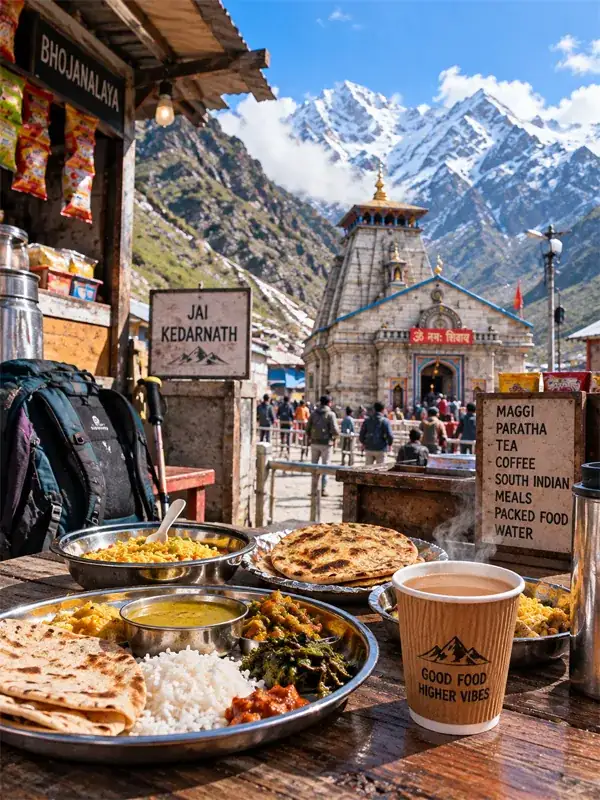
Ans: Only vegetarian meals, in keeping with the sanctity of the site.
Q17. Is photography allowed inside the temple?
Ans: It's generally discouraged inside the sanctum — check current signage on arrival.
Q18. What should I pack for the trek?
Ans: Warm layered clothing, sturdy shoes, a raincoat, basic medicines, and your registration slip.
Q19. What is the cancellation policy for Kedarnath packages and helicopter bookings?
Ans: Both follow the operator's stated policy — check it at the time of booking, and keep buffer days for weather-related helicopter delays.
Q20. Where do pilgrims usually stay near Kedarnath?
Ans: Mostly in Guptkashi, Phata, Sitapur, or Sonprayag, since lodging right at the temple is very limited.
Conclusion
A well-planned Kedarnath Yatra comes down to three things: registering correctly, timing your trip around the weather, and choosing the mode of travel — trek, pony, or helicopter — that genuinely fits your fitness and age. Get those three right, confirm the year's exact dates and prices with official sources closer to travel, and the rest of this Kedarnath pilgrimage tends to take care of itself.
Kedarnath Travel Guide





Kedarnath Travel Packages
Important Safety Notice
Beware of Fake Char Dham & Kedarnath Helicopter Booking Websites
Fake websites, WhatsApp accounts and advertisements may impersonate genuine travel companies or helicopter operators. Always verify before paying.