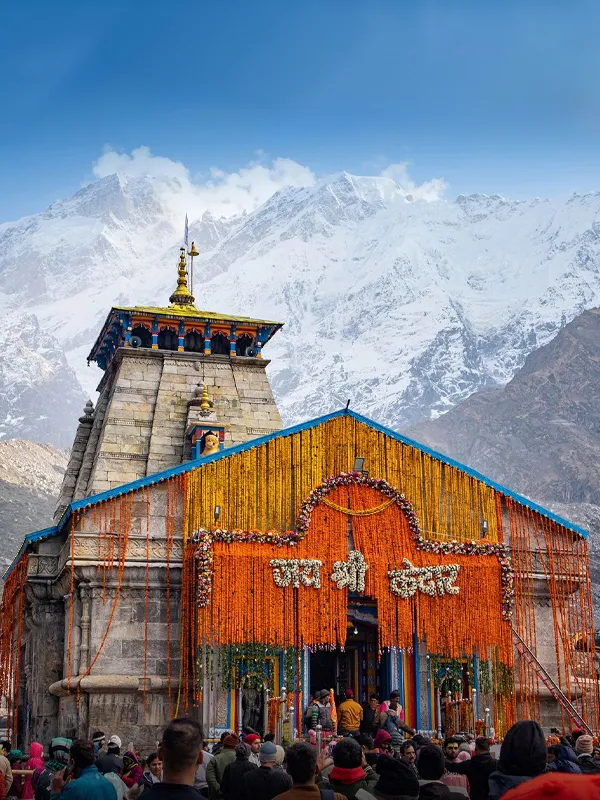
Guptakashi, Uttarakhand

Guptkashi sits quietly in the Mandakini valley, and most pilgrims only see it as a stopover on the way to Kedarnath. That's a mistake. This small Garhwal town has its own Shiva temple older than the route through it, a winter seat of Kedarnath just 13 km away, and views of the Himalayas that many rush past in the dark, tired from the road.
Guptakashi, in Rudraprayag district, sits at an elevation of 1,319 metres in the Garhwal Himalayas. It is regarded as an alternative to Kashi (Varanasi) itself — the name literally means "Hidden Kashi." If you're planning a Char Dham Yatra, a Kedarnath trip, or just a quiet Himalayan break, here is everything you actually need to know.
Quick Answer
Guptkashi is a temple town roughly 185 km from Rishikesh, best visited between March–June and September–November. It's the last major base before Kedarnath — Sonprayag is 30 km ahead, Gaurikund (start of the 16 km Kedarnath trek) is around 33–35 km from Guptkashi by road, and Kedarnath itself is reached after that road stretch plus the trek.
About Guptkashi: The Hidden Kashi
According to the Mahabharata, the Pandavas went looking for Lord Shiva here after the great war, hoping for his blessing and forgiveness for the bloodshed. Shiva didn't want to meet them. He hid first in Guptkashi, then slipped further up the valley to Kedarnath in the form of a bull. That's the story behind both towns' names — and it's why this stretch of the Mandakini valley is dotted with so many Shiva temples that locals say, "jitne pathar, utne Shankar" — as many stones, that many Shivas.
Guptkashi is also the base for two of the Panch Kedar temples (Kedarnath and Madhyamaheshwar) and lies on the Chota Char Dham circuit. Most Kedarnath pilgrims spend at least one night here before the final push to Sonprayag and Gaurikund.
How to Reach Guptkashi
Guptkashi has no airport or railway station of its own, so every route into town runs through road transport for the final stretch.
By Air: The nearest airport is Jolly Grant Airport, Dehradun, roughly 190–205 km away depending on the exact route taken (via Rishikesh or Devprayag). It takes about 6–7 hours by taxi. Jolly Grant has daily flights from Delhi and a few other metro cities.
By Rail: Rishikesh is the nearest railway station, around 165–187 km from Guptkashi (figures vary slightly by route and source), well connected to Delhi, Haridwar, and other major cities. From Rishikesh, taxis and Uttarakhand Roadways buses run through to Guptkashi.
By Road: Guptkashi lies on the Rishikesh–Badrinath highway corridor — NH7 (the old NH58) from Rishikesh to Rudraprayag, and then NH107 onward through Guptkashi to Sonprayag and Gaurikund. Delhi to Guptkashi runs roughly 410–430 km depending on the exact route, and typically takes two full days of driving if you're not in a hurry, with an overnight halt in Rishikesh or Devprayag being the safer option than pushing through in one stretch.
| From | Distance | Approx. Time |
|---|---|---|
| Rishikesh | ~185 km | 6–7 hrs |
| Haridwar | ~200 km | 7–8 hrs |
| Dehradun | ~190 km | 6–7 hrs |
| Delhi | ~410–430 km | 10–12 hrs (2 days recommended) |
| Rudraprayag | ~45 km | 1.5–2 hrs |
One mistake many people make: trying to reach Guptkashi from Delhi in one single day. The mountain roads after Rudraprayag are narrow, and driving after dark isn't worth the risk. Break the journey at Rishikesh or Devprayag instead.
Guptkashi to Kedarnath: Route, Distance & Options
This is what most people searching for Guptkashi actually want to know, so here's the straight answer.
| Sector | Distance | Mode |
|---|---|---|
| Guptkashi → Sonprayag | ~30 km | Road (taxi/bus) |
| Sonprayag → Gaurikund | ~5 km | Shared jeep |
| Guptkashi → Gaurikund | ~35 km | Road (taxi, if going direct) |
| Gaurikund → Kedarnath | 16 km | Trek / pony / palki / helicopter |
Road and trek distances are measured differently, so we're keeping them as two separate legs rather than one combined number — that's more useful for planning than a single figure that hides how the journey actually breaks down. Guptkashi to Gaurikund by road, then 16 km on foot (or pony, palki, or helicopter) to the temple.
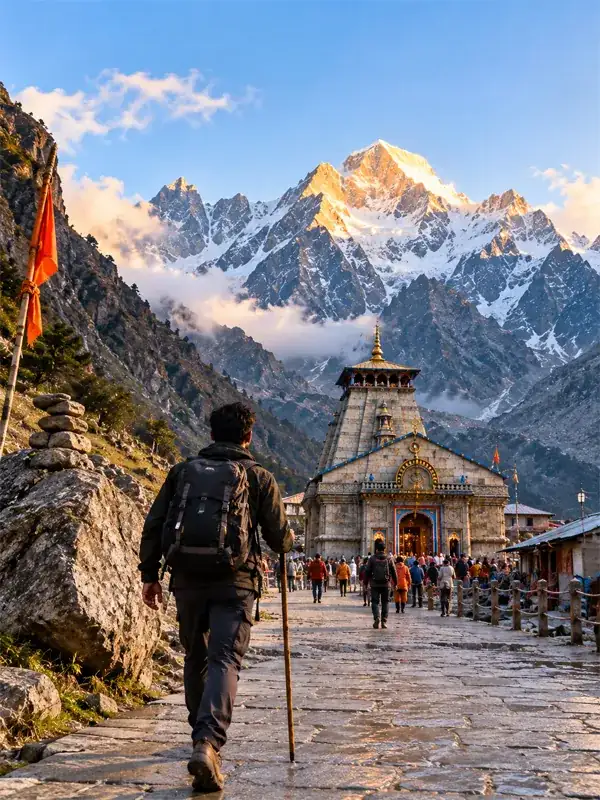
Gaurikund is the last motorable point. From there, the only way up is on foot, by pony, in a palki (palanquin), or by helicopter. The current route runs through Jungle Chatti, Bheembali, and Linchauli, and was rebuilt after the 2013 floods — walk it and you'll notice it's wider and better signed than older trekking-route descriptions suggest.
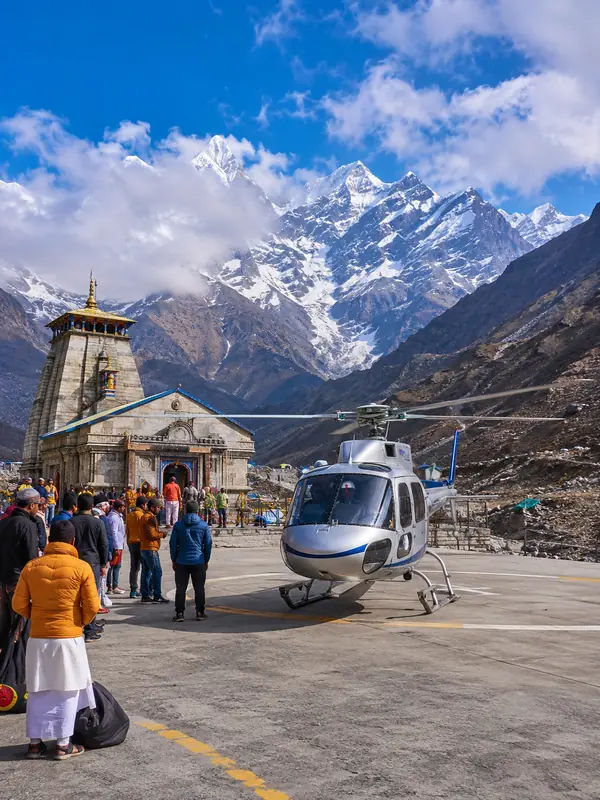
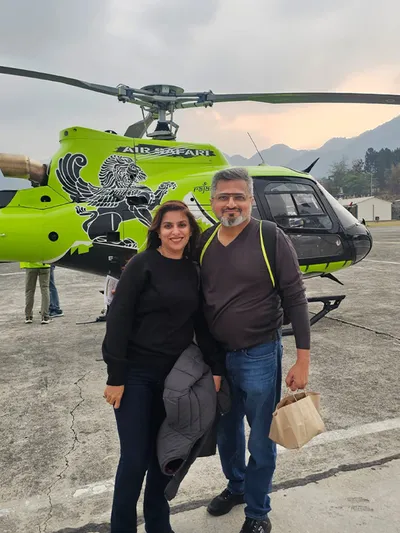
If trekking isn't an option, helicopter services run seasonally from three helipads: Phata (~12 km from Kedarnath), Sirsi (~14 km), and Guptkashi itself (~30 km). Book only through the official IRCTC Heli Yatra portal (heliyatra.irctc.co.in) — this route sees a lot of fraudulent booking websites during peak season, so a deal that looks unusually cheap is a warning sign, not a bargain.
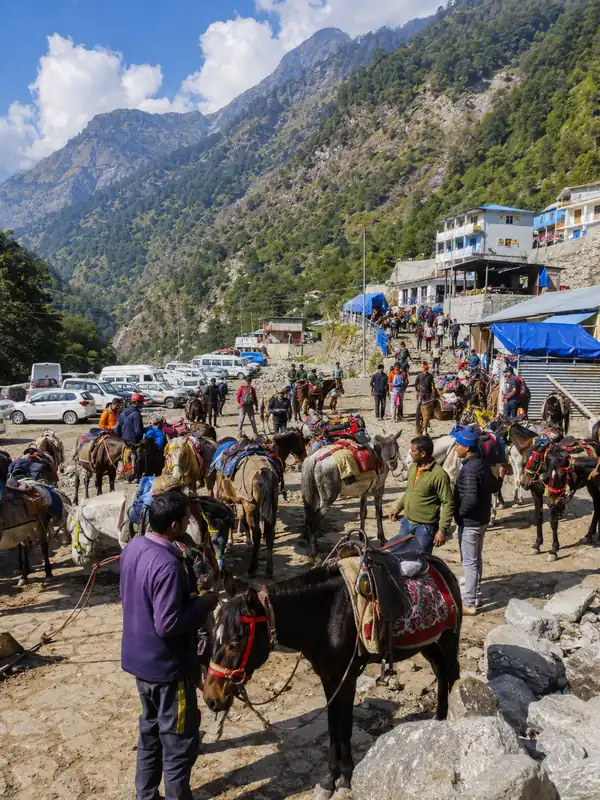
Ponies and palkis are available at Gaurikund for those who want to trek partway and ride the rest. Rates change by season and demand — confirm the figure at the official registration counter on the day, not from a tout outside it.
Weather and Best Time to Visit Guptkashi
Guptkashi has a pleasant hill climate for most of the year, but the window for a comfortable, safe trip is narrower than people expect.
| Season | Months | What to Expect |
|---|---|---|
| Spring/Early Summer | March – June | Best weather, clear skies, ideal for Kedarnath Yatra opening |
| Monsoon | July – August | Heavy rain, landslide risk on the highway — avoid if possible |
| Autumn | September – November | Cool, clear, excellent visibility, second-best window |
| Winter | December – February | Cold, snow at higher points, Kedarnath temple shut, Ukhimath becomes the focus |
The Char Dham Yatra season itself typically runs from late April/early May through late October or early November (the Kedarnath temple closing date changes slightly each year, based on the Hindu calendar). If your priority is Kedarnath darshan, plan around this window and check the current year's opening and closing dates before booking, since they aren't fixed on the Gregorian calendar.
Local festivities worth knowing about: the Pandav Nritya, a traditional dance-drama re-enacting Mahabharata episodes, is performed in villages around Guptkashi through the autumn and winter months, alongside Jagar and Chanchari folk performances during local fairs.
Places to Visit in Guptkashi
Guptkashi rewards a slow half-day walk more than a rushed one. Here's what's actually worth your time.
Vishwanath Temple
The centrepiece of the town. Dedicated to Shiva, "the master of the universe," it's built with a mix of stone and wood in classic Garhwali temple style. Inside the complex sits the Manikarnika Kund, a sacred tank fed by two streams that are said to represent the Ganga (flowing from a carved Ganesha head) and the Yamuna (from a carved cow's head). Pilgrims who can't make the full Kedarnath trek often complete their darshan here, since Vishwanath Temple is traditionally treated as a substitute stop when the main shrine is closed for winter.
Ardhanarishwar Temple
A short walk from Vishwanath Temple, this shrine represents Shiva and Parvati as one being — half man, half woman. It's one of the few Ardhanarishwar temples in the region and draws devotees interested in this particular form of Shiva.
Ukhimath — The Winter Seat of Kedarnath
Just 13 km from Guptkashi, Ukhimath sits at about 1,311 metres and deserves more attention than it usually gets. When the Kedarnath temple closes for winter (typically around Bhai Dooj in November), the deity's ceremonial image is carried down on a palanquin and worshipped here at the Omkareshwar Temple until the temple reopens the following spring. The Rawals, Kedarnath's hereditary head priests, also relocate here for the winter. If you're visiting between November and April, this is effectively where "Kedarnath darshan" happens.
Kedarnath Temple
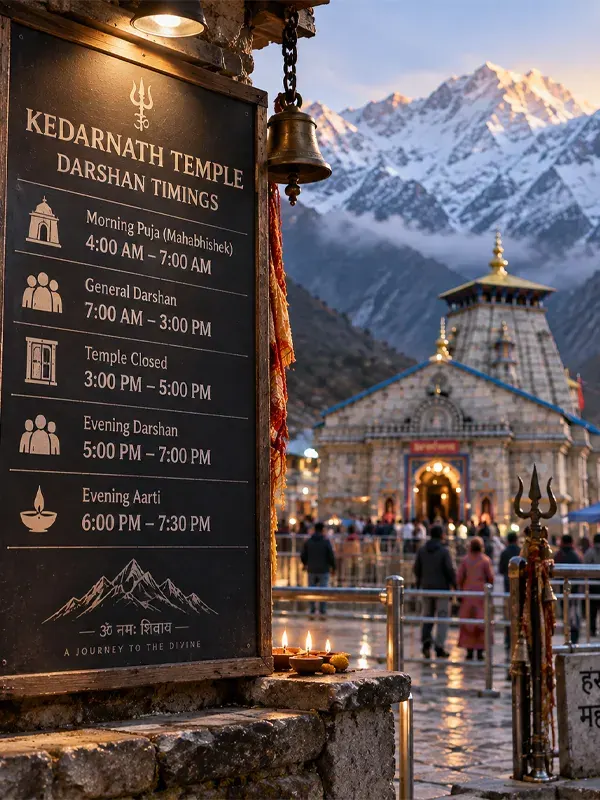
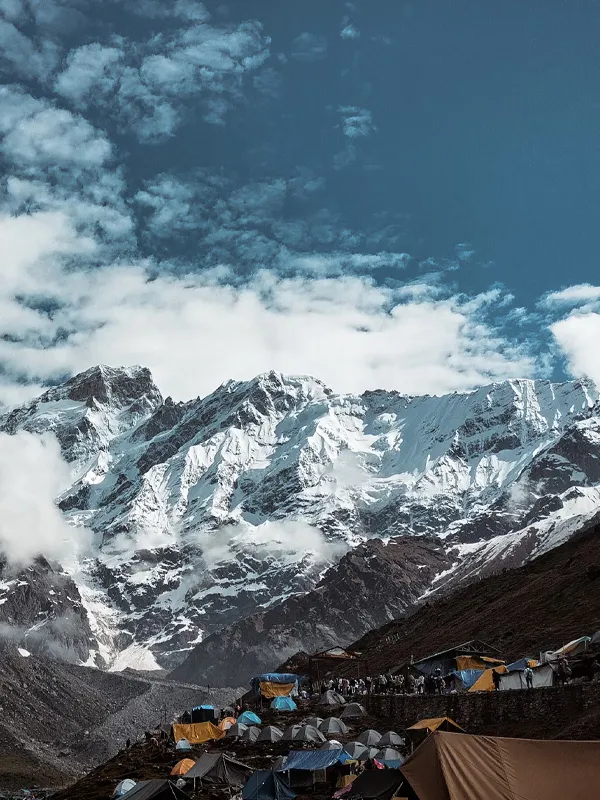
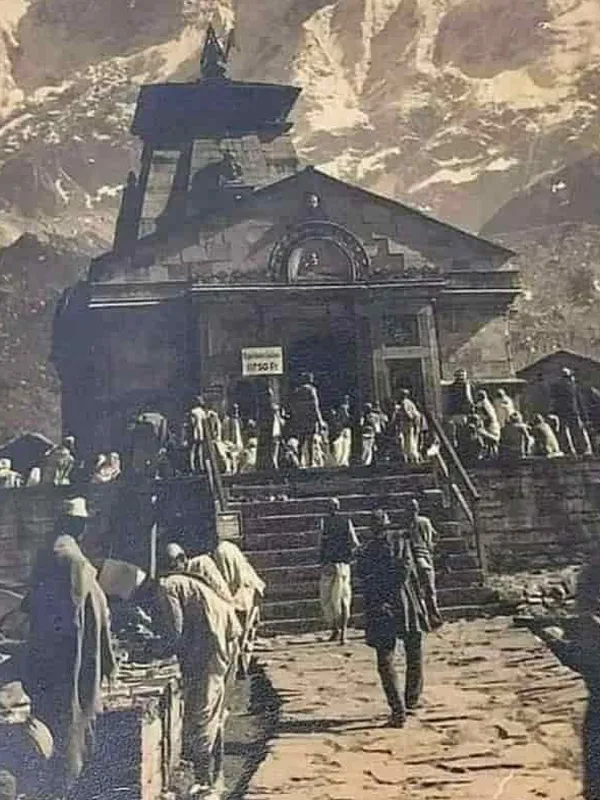
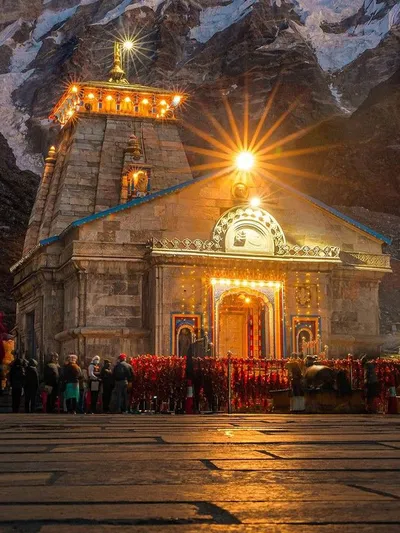
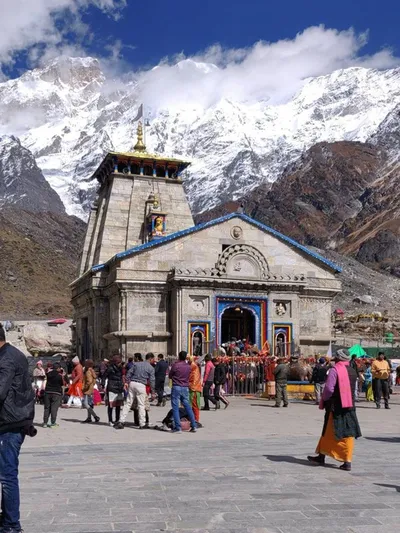
The primary reason most people pass through Guptkashi. Kedarnath stands at around 3,584 metres, and is one of the twelve Jyotirlingas — among the most revered Shiva shrines in India. The Shri Badarinath Kedarnath Temple Committee (BKTC), which administers the shrine, describes the temple as ancient and attributes its restoration to Adi Shankaracharya. First-time pilgrims regularly underestimate the combination of trek distance and altitude — budget a full day for the climb, start early, and build in a night's rest at Guptkashi rather than pushing straight up from the plains.
Chopta and Tungnath
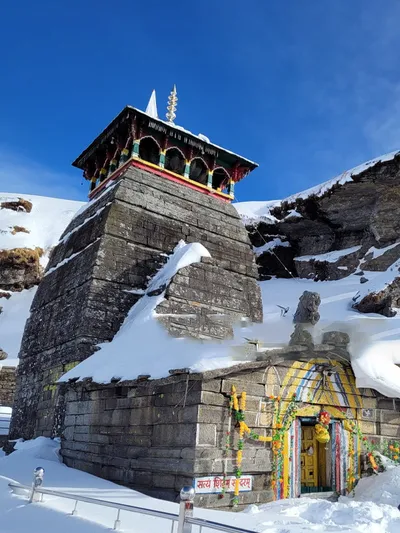
About 36–40 km from Guptkashi, Chopta is often called "Mini Switzerland" for its alpine meadows and rhododendron forests. It's the base for the Tungnath trek — Tungnath is traditionally regarded as the highest of the Panch Kedar temples, at roughly 3,680 metres. The trek is shorter and gentler than Kedarnath's, making it a good add-on if you have an extra day.
Gaurikund
The starting point of the Kedarnath trek, roughly 33–35 km from Guptkashi by road. Local legend places Parvati's penance and her marriage proposal to Shiva here. There's a natural hot-water spring and a small Gauri temple where trekkers often stop before starting the climb.
Triyuginarayan and Kalimath
Two lesser-visited but significant temples in the region. Triyuginarayan is believed to be the site of Shiva and Parvati's wedding, marked by an eternal flame that's said to have burned since. Kalimath is a Shakti Peeth dedicated to Goddess Kali — and it's much closer than most people expect, just a few kilometres from Guptkashi itself, on the way toward Ukhimath rather than toward Chopta.
Where to Stay in Guptkashi
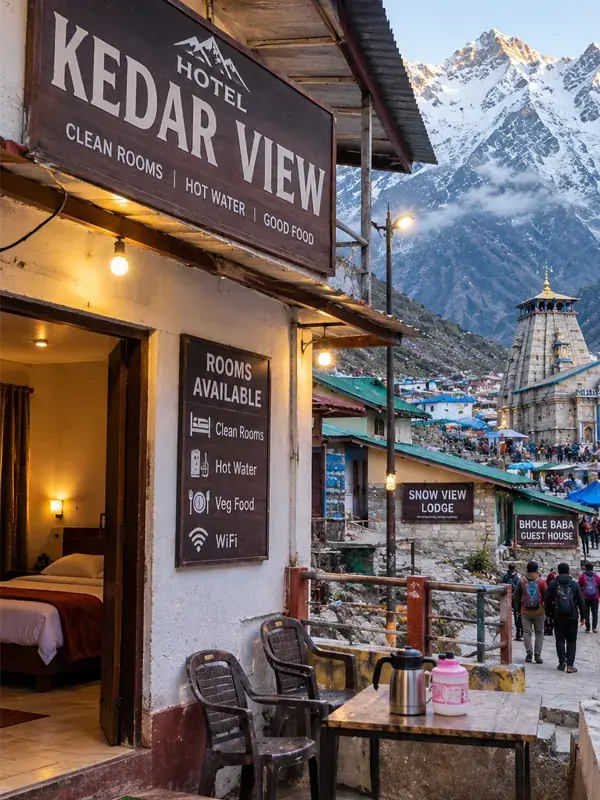
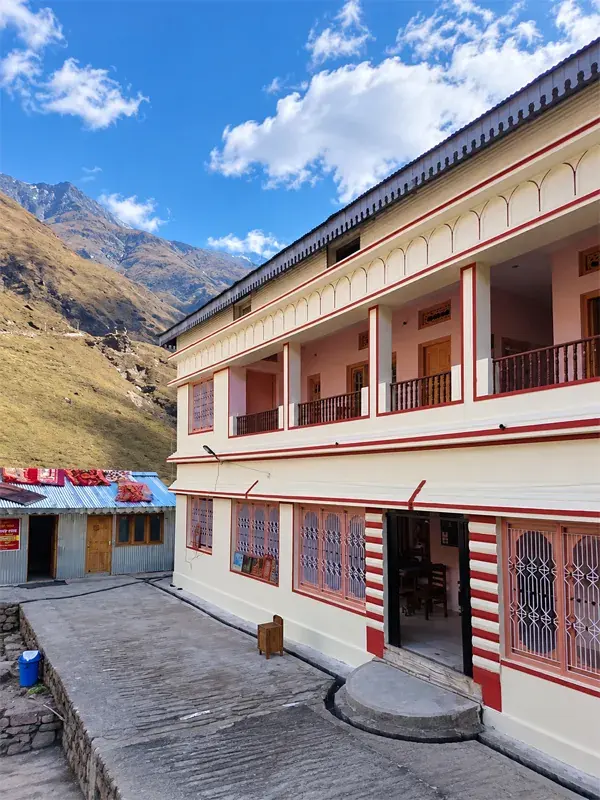
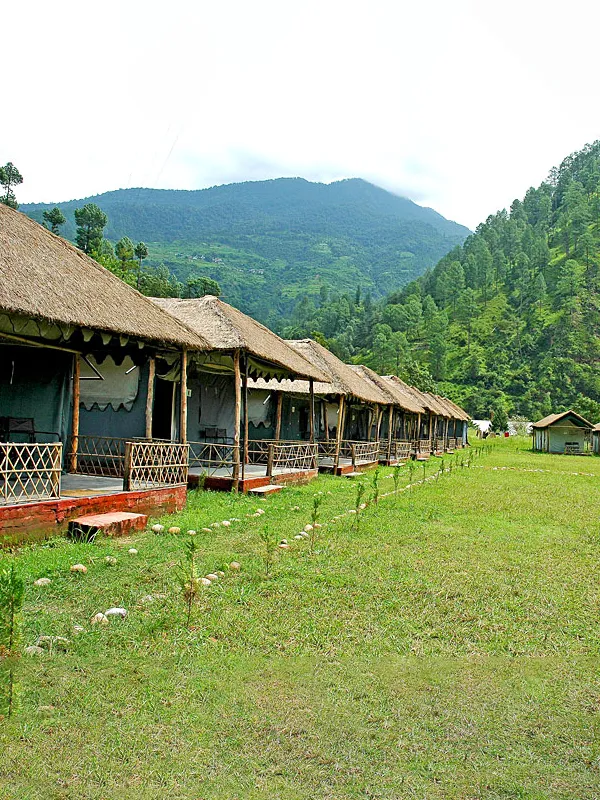
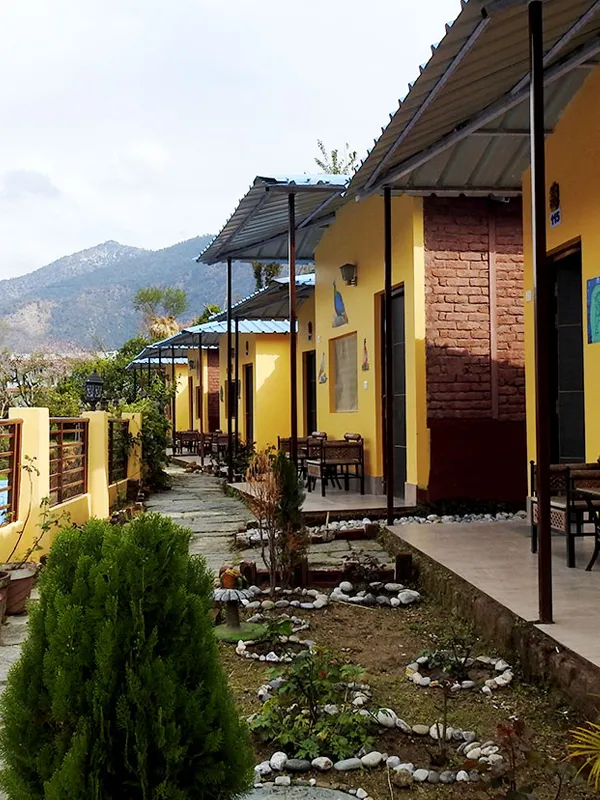
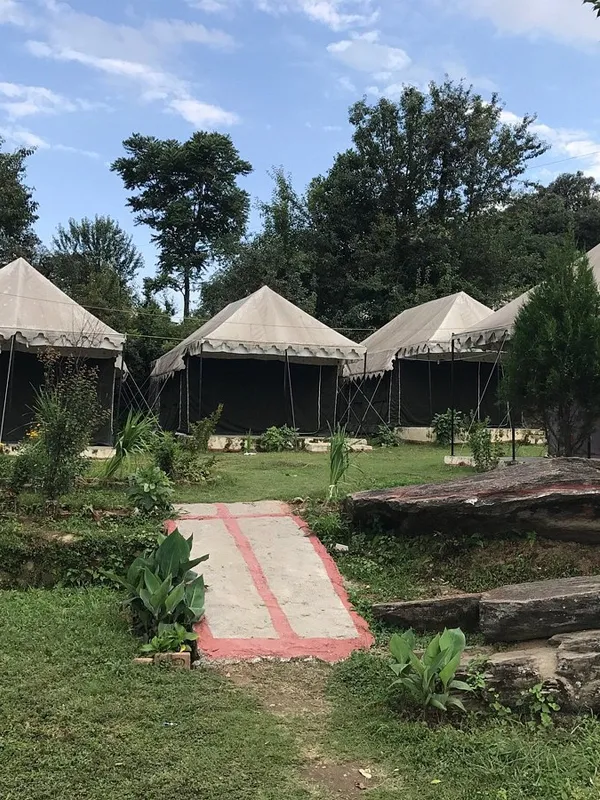
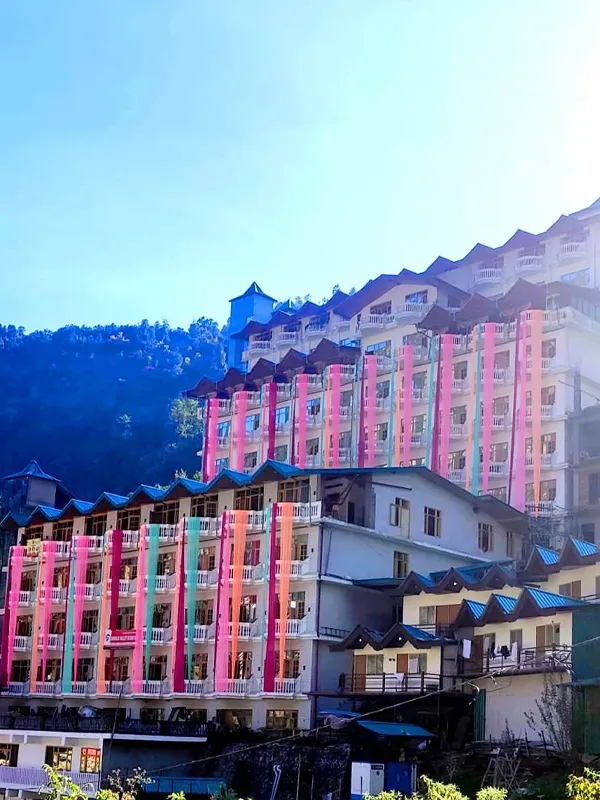
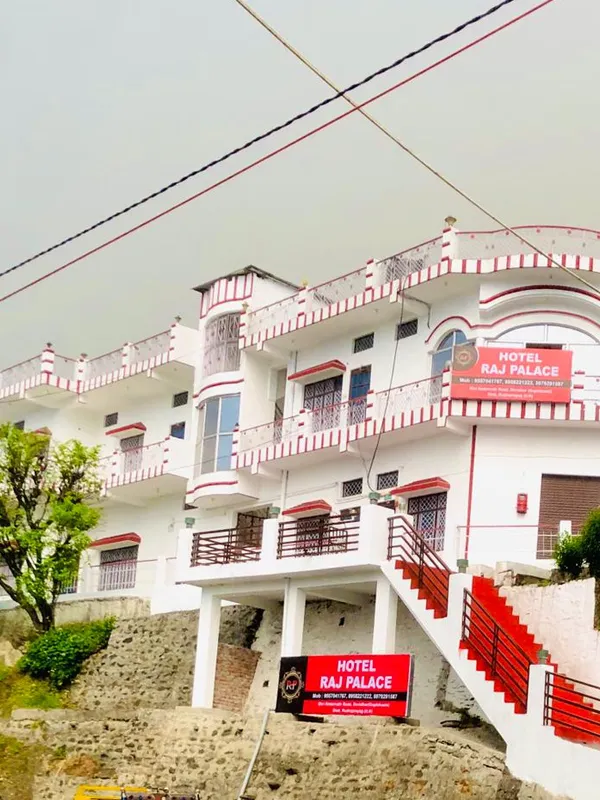
Guptkashi has a reasonable spread of accommodation given its role as a Kedarnath base — GMVN guesthouses, mid-range hotels, and budget lodges along the main highway stretch. Rooms fill up fast during peak Yatra months (May–June and September–October), so book at least a few weeks ahead if you're travelling in season. Most properties offer simple vegetarian meals, hot water (often geyser-based, sometimes limited), and basic heating — carry an extra layer regardless, since nights stay cool even in summer.
Local Cuisine
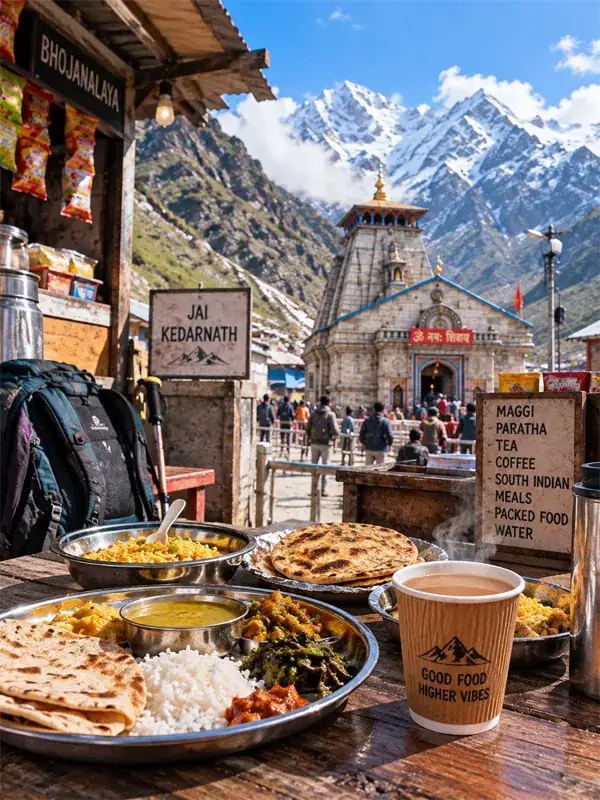
Vegetarian food is the default here, given the town's religious character — many kitchens skip onion and garlic entirely, and lean on local herbs and ghee for flavour instead.
Dishes worth trying:
- Bhatt ki Churdkani — a black soybean curry, hearty and protein-rich
- Kafuli — a spinach-and-fenugreek leaf curry, thickened with local grains
- Rus — a lentil-based soup, often the first thing served at a Garhwali meal
- Badi — sun-dried lentil dumplings, added to curries for texture
- Kandalee ka Saag — a nettle-leaf preparation unique to this belt of Garhwal
- Gulgula — a sweet, jaggery-based fried dish, usually served as dessert or prasad
Lentils and pulses — rajma, chola, chana — feature heavily, since they store well at altitude and travel with pilgrims easily.
Shopping in Guptkashi
The Ganga Shopping Complex is the main commercial hub, stocking woollens, everyday apparel, and travel essentials. For something you'll actually remember the trip by, the small stalls outside the major temples sell rudraksha malas, Shiva lingas, and other religious artefacts — bargain lightly, and check quality before paying for anything claimed to be "rare" or "antique."
Char Dham Yatra Registration: What Guptkashi-Bound Pilgrims Need to Know
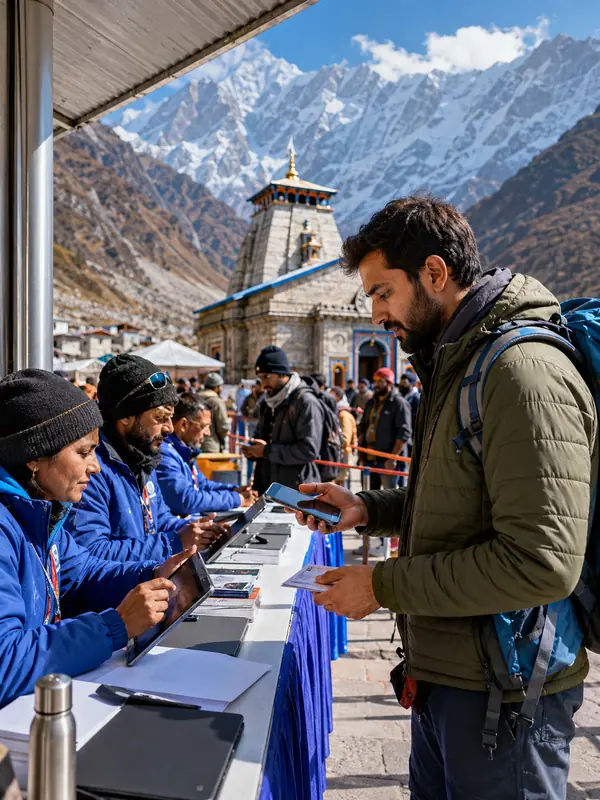
Registration is mandatory for anyone doing the Char Dham Yatra, including Kedarnath. It's done online through the official Uttarakhand Tourism registration portal (registrationandtouristcare.uk.gov.in) before you travel, and it generates a registration letter with a QR code that gets checked at registration points and Dham entry gates along the route, including Sonprayag and Gaurikund. Carry a valid photo ID plus a printed or digital copy of that confirmation — checkpoints do turn pilgrims away without it, especially in peak season.
If you're booking a Kedarnath helicopter ticket, do it only through the official IRCTC Heli Yatra portal or a registered, verifiable operator. Fake booking websites and WhatsApp scams impersonating real operators are a genuine, ongoing problem on this route — verify the company's registration and contact details independently before paying anything.
Common Mistakes to Avoid
- Skipping acclimatisation: Guptkashi to Kedarnath involves a real altitude jump. Spend a night in Guptkashi before pushing on, especially if you've flown or driven straight up from the plains.
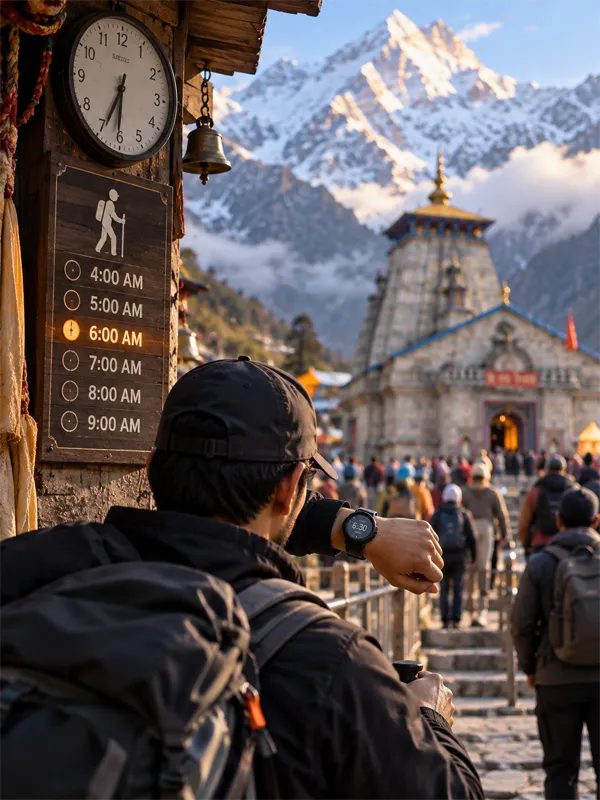
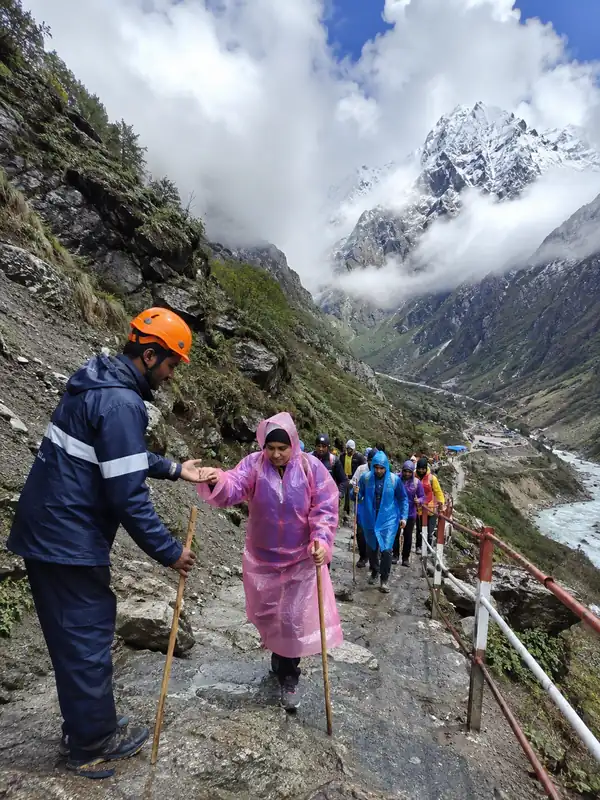
- Underestimating the trek: 16 km sounds manageable until you're doing it at altitude with a real climb behind it. Start early in the morning — later starts mean finishing in fading light, which nobody enjoys on a mountain trail.
- Booking helicopter tickets from unverified sites: Always cross-check with IRCTC Heli Yatra or the operator's official channels.
- Travelling without registration: You will be stopped at checkpoints without valid Char Dham registration.
- Driving Delhi to Guptkashi in one stretch: The mountain roads after Rudraprayag aren't built for that kind of fatigue-driving.
- Ignoring monsoon warnings: July–August brings real landslide risk on this stretch of highway. Check road conditions before you leave.
Pro Tips for Visiting Guptkashi
- Carry cash — ATMs are limited beyond Guptkashi, and card acceptance drops off sharply past Sonprayag.
- Keep a printed and digital copy of your Char Dham registration.
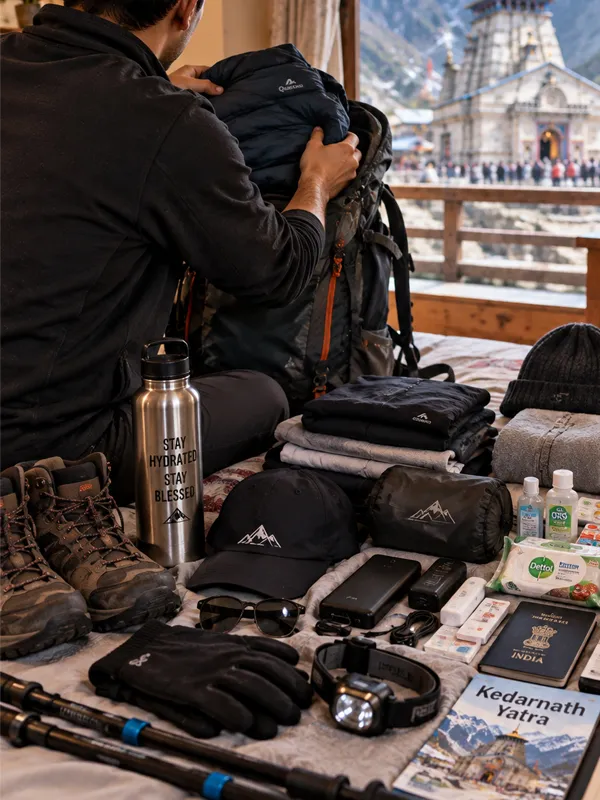
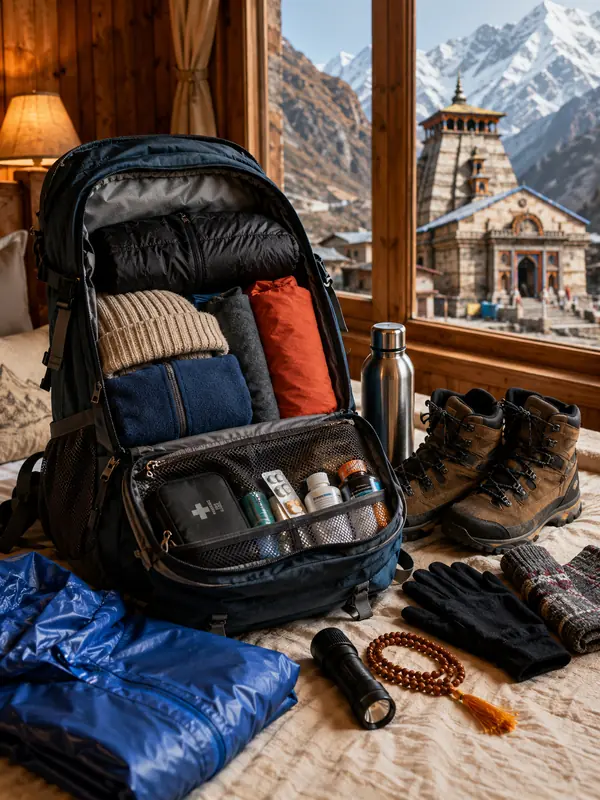
- Pack layers even in summer — nights in Guptkashi and Ukhimath stay cool year-round.
- If your main goal is Kedarnath darshan but you're visiting in winter, redirect to Ukhimath instead — the actual worship happens there from November to April.
- Mobile network is patchy past Sonprayag; download offline maps and inform family of your rough schedule before heading up.
Conclusion
Guptkashi isn't just a checkpoint on the way to Kedarnath — it's a town with its own temples, its own legends, and its own quieter version of the Yatra experience at Ukhimath. Give it at least one full night on your itinerary, not just a meal stop. Whether you're trekking to Kedarnath, taking the helicopter, or visiting in winter when the temple is closed, Guptkashi is where the real preparation for the Himalayas begins.
Distances, fares, and Yatra opening/closing dates in this guide are indicative and verified as of September 2026 against current road-distance and tourism sources. Helicopter fares, pony/palki rates, and exact temple opening-closing dates change every season — always confirm current figures on the official Uttarakhand Char Dham registration portal or IRCTC Heli Yatra before booking or travelling.
Frequently Asked Questions
Q1. How far is Guptkashi from Kedarnath?
Guptkashi to Gaurikund is roughly 33–35 km by road; from Gaurikund, it's a further 16 km on foot (or by pony, palki, or helicopter) to the temple. The road and trek legs are measured differently, so it's more accurate to give them separately than as one combined figure.
Q2. What is the best time to visit Guptkashi?
March to June and September to November generally offer the most stable weather. July–August brings monsoon rain and landslide risk on the highway, and Kedarnath itself is closed through winter.
Q3. How do I reach Guptkashi from Delhi?
By road, it's roughly 410–430 km via Rishikesh, Devprayag, and Rudraprayag — typically 10–12 hours, best done over two days with an overnight halt. The nearest airport is Jolly Grant, Dehradun (~190–205 km), and the nearest railway station is Rishikesh (~165–187 km).
Q4. What is the trek distance from Gaurikund to Kedarnath?
16 km one way, roughly 6–8 hours on foot depending on pace. The route runs through Jungle Chatti, Bheembali, and Linchauli.
Q5. Is helicopter service available from Guptkashi to Kedarnath?
Yes, seasonally, from the Guptkashi helipad, along with Phata and Sirsi. Book only via the official IRCTC Heli Yatra portal (heliyatra.irctc.co.in).
Q6. What is Ukhimath and why does it matter for a Guptkashi visit?
Ukhimath, 13 km from Guptkashi, is the winter seat of Lord Kedarnath. When the main temple closes in winter, worship continues here at the Omkareshwar Temple until it reopens in spring.
Q7. Is Char Dham Yatra registration required to visit Kedarnath via Guptkashi?
Yes. Registration is done online through the official Uttarakhand Tourism portal, which issues a registration letter and QR code checked at registration points and Dham entry gates along the way. Carry ID and your confirmation at all checkpoints.
Q8. What food should I try in Guptkashi?
Local Garhwali dishes like Bhatt ki Churdkani, Kafuli, Rus, and Kandalee ka Saag are worth trying — vegetarian, and many kitchens cook without onion or garlic.
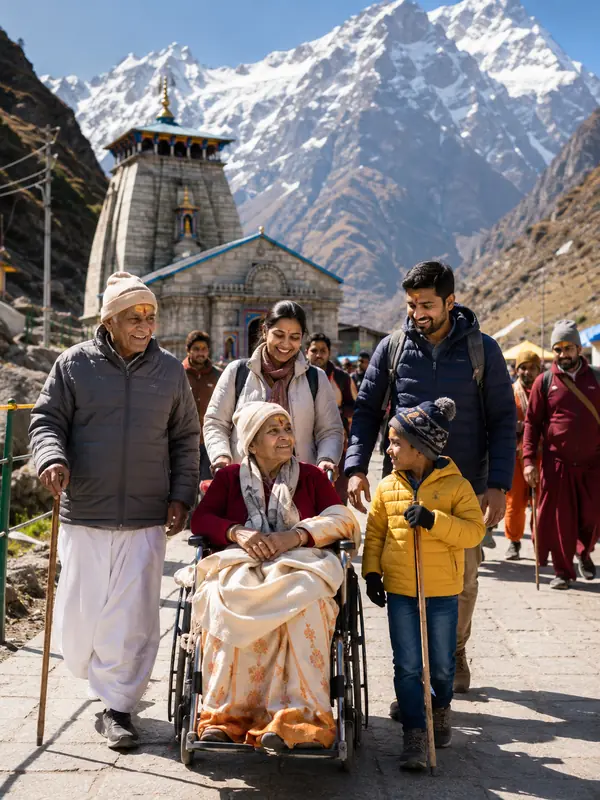
Q9. Can senior citizens or people with mobility issues visit Kedarnath from Guptkashi?
Yes, via pony, palki, or helicopter from Gaurikund/Guptkashi. The 16 km trek is physically demanding, so non-trekking options are worth planning for in advance.
Q10. What other places can I visit near Guptkashi?
Chopta and Tungnath (~36–40 km), Gaurikund (~33–35 km), Ukhimath (~13 km), Kalimath (a few km, toward Ukhimath), and Triyuginarayan are all reachable as day trips or short stops.
Q11. Is Guptkashi safe to visit during monsoon?
July–August can bring heavy rain and landslides on the highway between Rudraprayag and Guptkashi. Check current weather and road advisories before travelling in this window.
Q12. How many days should I plan for a Guptkashi and Kedarnath trip?
Most pilgrims need a minimum of 4–5 days: travel to Guptkashi, a night's halt, the trek/helicopter day to Kedarnath, and the return journey. Add a day for Chopta or Ukhimath if time allows.
Kedarnath Travel Guide


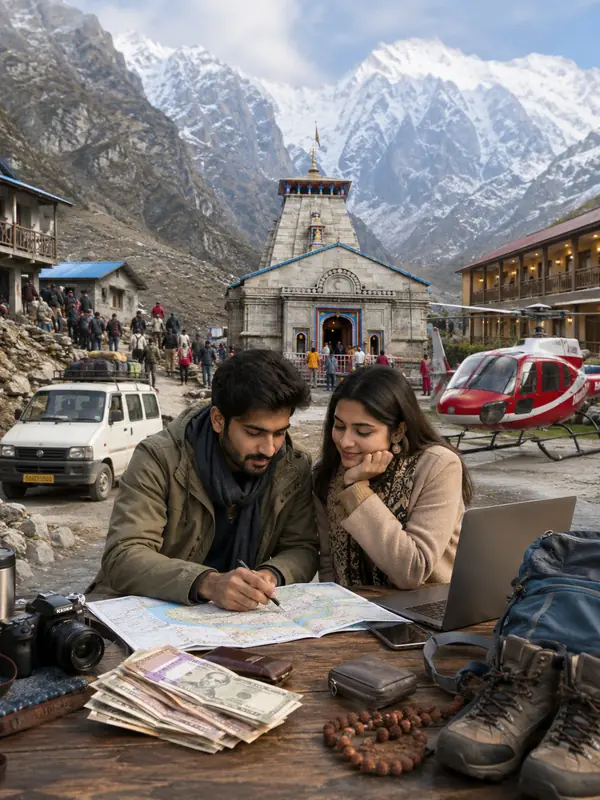



Kedarnath Travel Packages
Important Safety Notice
Beware of Fake Char Dham & Kedarnath Helicopter Booking Websites
Fake websites, WhatsApp accounts and advertisements may impersonate genuine travel companies or helicopter operators. Always verify before paying.