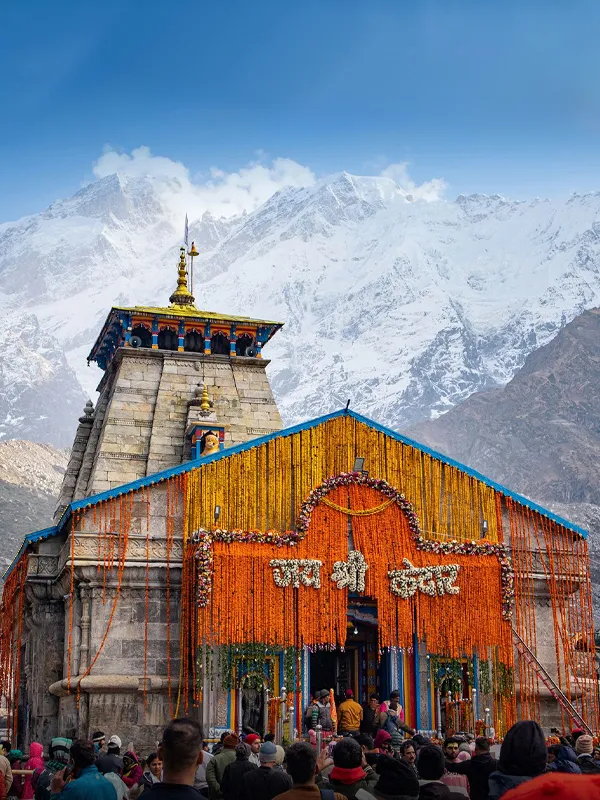
Kedarnath Yatra for Seniors & Kids: Safety Guide

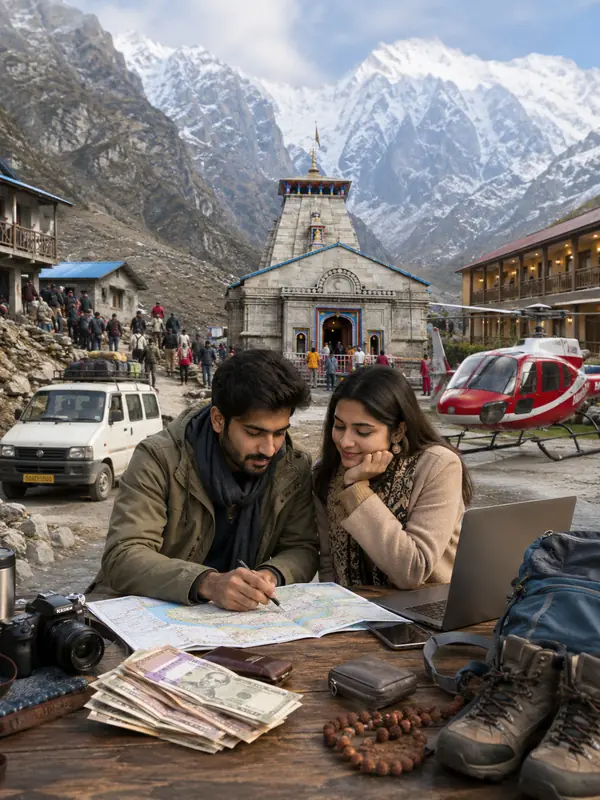
Taking your parents or your children to Kedarnath is a completely different trip from a solo trek — the temple doesn't change, but almost everything else about the planning does. A Kedarnath Yatra with kids or senior citizens works best when you plan around their pace, not yours, and choose the right mix of walking, pony, and helicopter instead of assuming everyone can do the 16 km climb the same way. This guide breaks down exactly how to plan it — realistically, not just optimistically.
Key Takeaways
- Helicopter or pony/palki is usually the safer choice for seniors and younger children, not the full 16 km walk.
- Build in a recommended acclimatization halt at Guptkashi or Sonprayag before the final climb, especially for first-timers, seniors, and kids.
- A doctor's clearance matters more than age on paper — fitness varies a lot person to person.
- Book accommodation and helicopter seats early; family groups need more advance planning than solo trekkers.
- Carry a small family health kit and know the nearest Medical Relief Post at every stop.
Quick Overview
Yes, with the right approach. There's no official minimum age for the Kedarnath Yatra, but reasonably fit senior citizens and older children generally cope better using a mix of pony, palki, or helicopter for the harder stretches, combined with proper acclimatization. Full-day walking may not suit very young children or seniors with heart, lung, or joint issues — a doctor's opinion should guide the final call, not a general age cutoff.
Medical Disclaimer:
This guide is for general travel planning and does not replace professional medical advice. Consult a doctor or pediatrician about fitness for high-altitude travel, and always check the current official Char Dham health advisory rather than relying on any fixed age or figure quoted online.
This guide is for general travel planning and does not replace professional medical advice. Consult a doctor or pediatrician about fitness for high-altitude travel, and always check the current official Char Dham health advisory rather than relying on any fixed age or figure quoted online.
Kedarnath Family Trip: Quick Facts Box
| Aspect | Quick Fact |
|---|---|
| Trek distance | 16 km (Gaurikund to Kedarnath) |
| Kid-friendly age | No official minimum; older children generally cope better |
| Safer options for both groups | Pony, palki, or helicopter over full walk |
| Recommended extra step | An acclimatization halt, especially for first-timers and seniors |
| Emergency number | 108 (medical), 112 (general) |
| Best season for families | May–June, mid-Sept–mid-Oct |
Why This Trip Needs Different Planning
In real life, most Kedarnath itineraries online are written for young, fit solo trekkers — one fixed route, one pace, one packing list. That doesn't work well when you're travelling with a 7-year-old who tires fast or a 65-year-old parent managing a knee problem.
What most people don't realize is that the biggest risk isn't the distance — it's altitude and exhaustion combining badly. A senior citizen or child pushed too hard, too fast, at 3,580+ metres is far more likely to develop breathlessness or dizziness than a fit adult doing the same walk.
Choosing the Right Travel Mode: Walk, Pony, Palki, or Helicopter
| Mode | Best For | Why |
|---|---|---|
| Full walk (16 km) | Fit teens, healthy adults accompanying the family | Cheapest, but tiring over 6–10+ hours |
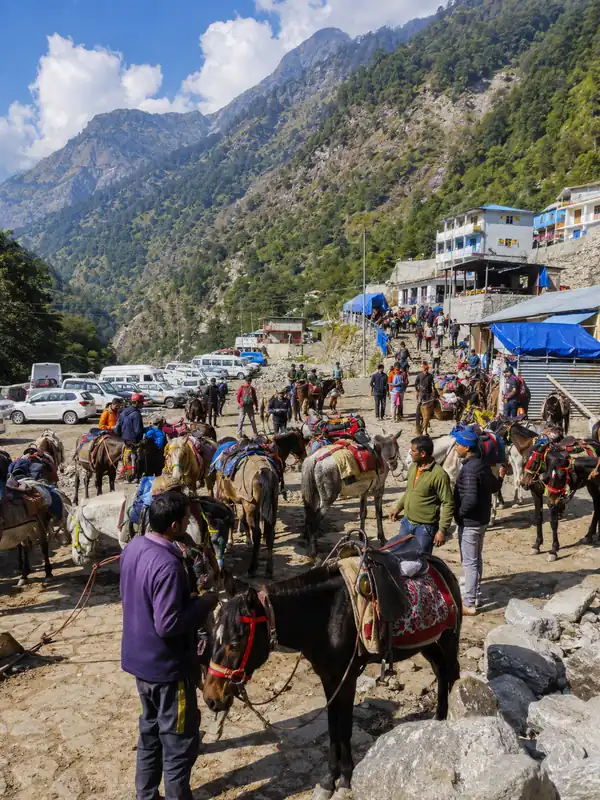
| Pony (Ghoda) | Seniors with reasonable balance and no severe joint issues | Faster than walking, still an outdoor experience |
| Palki (Palanquin) | Seniors or children who can't walk or ride | Carried the whole way; more expensive but very low physical strain |
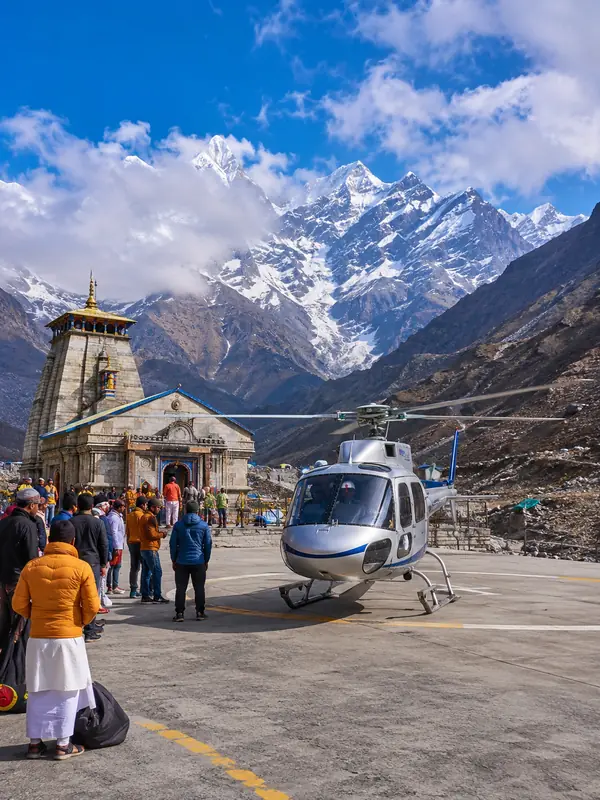
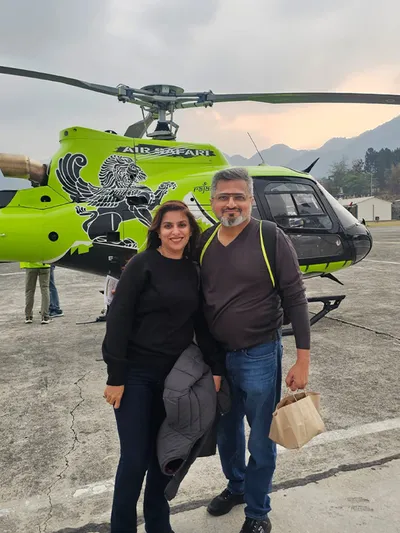
| Helicopter | Both seniors and young kids, families with limited days | Skips the trek almost entirely — best for genuine risk reduction |
Most families with both age groups end up mixing options — say, a helicopter for grandparents and a supervised walk or pony for older kids who want the adventure.
Age-Wise Planning: Senior Citizens
Fitness Over Age
A cardiologist's clearance matters more than the number on a birth certificate. Two 65-year-olds can have very different tolerance for altitude and exertion — treat any general age guideline as a starting point for a doctor's conversation, not a final answer.
Practical Senior Citizen Tips
- Choose helicopter or palki over walking for anyone with heart, lung, or serious joint conditions.
- Pack daily medicines in hand luggage, not checked bags, with a 2-day buffer supply.
- Plan a rest day at Guptkashi or Sonprayag before the final push — don't fly in and go straight up.
- Avoid overexertion in cold mornings; layer clothing that can be removed as the day warms.
- Travel with at least one family member who knows their full medical history.
Age-Wise Planning: Children
What Age Is Realistic?
There's no official minimum age for the Kedarnath Yatra. In practice, older children in good health generally tolerate the altitude, cold, and walking demands better than toddlers. Infants and very young children may find the journey difficult because of high altitude, cold weather, and the long travel duration — many families choose a helicopter trip or skip this particular yatra with children under 2–3 years.
Practical Tips for Traveling with Kids
- Watch for irritability, unusual sleepiness, or refusal to eat — often early signs of altitude discomfort in kids who can't describe symptoms clearly.
- Carry extra layers; children lose body heat faster than adults in cold, damp conditions.
- Keep snacks and water easily accessible rather than packed deep in a bag.
- Consider a pony or palki over the full walk, depending on the child's stamina and health rather than age alone.
- Never let a child walk unsupervised near river crossings or the steeper stretches past Linchauli.
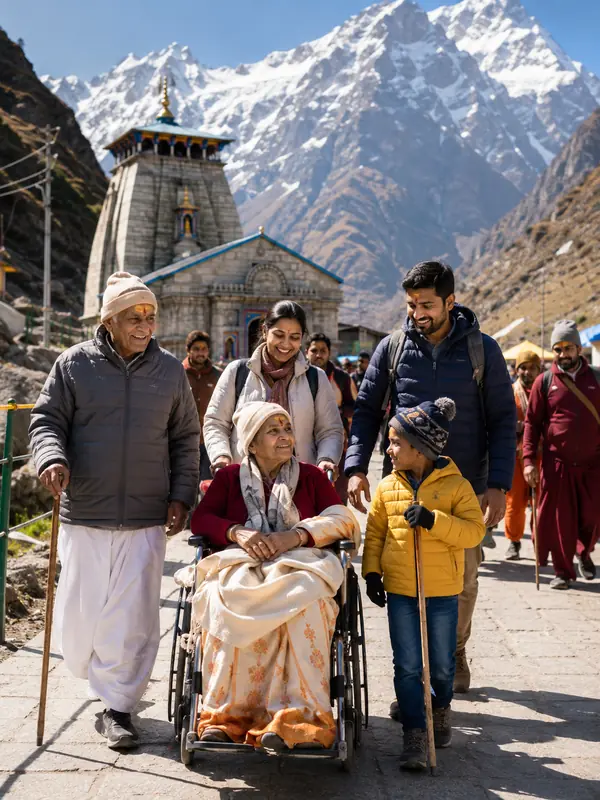
A Note on Wheelchair Access
The Gaurikund–Kedarnath trail is not wheelchair-accessible on foot; palki or helicopter are the practical options for anyone using a wheelchair or with significant mobility limitations. Check with your tour operator in advance about handling assistance at Gaurikund and the Kedarnath helipad.
Rest Points & Getting to Gaurikund Comfortably
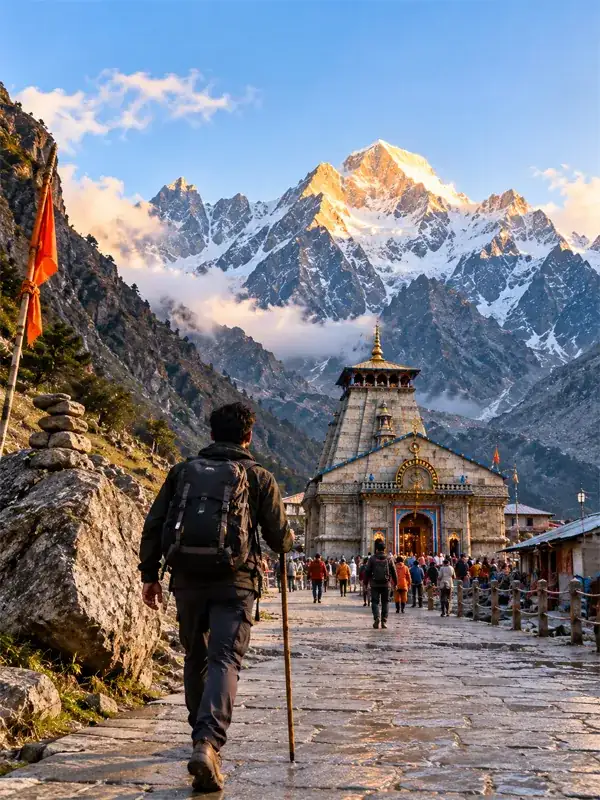
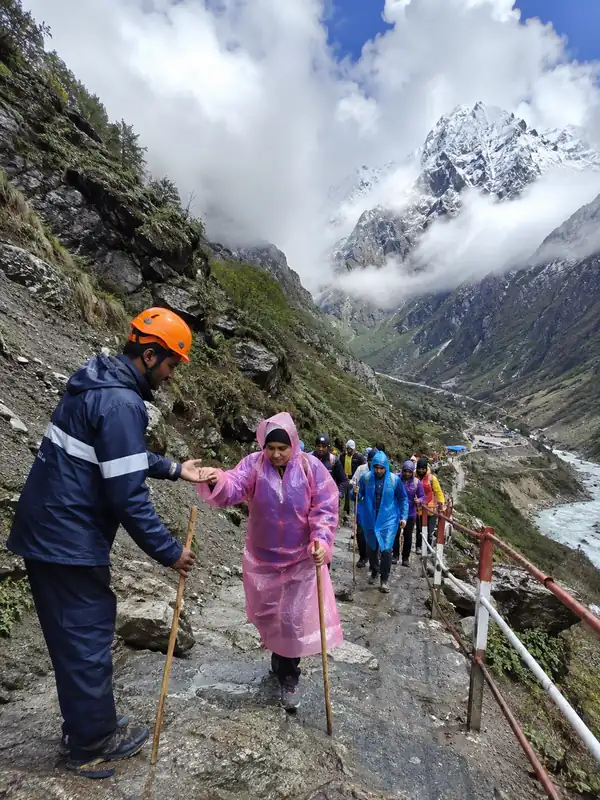
If part of the family is walking, plan rest breaks around the same checkpoints every solo trekker uses — Jungle Chatti, Bhimbali, and Linchauli — but budget noticeably more time at each one for kids and seniors.
For the road journey to Gaurikund itself, a private taxi is usually a better choice than a shared jeep for families — you control the pace, stops, and comfort, which matters more with young children or an elderly parent than saving a bit on fare.
Accommodation for Families with Kids or Seniors
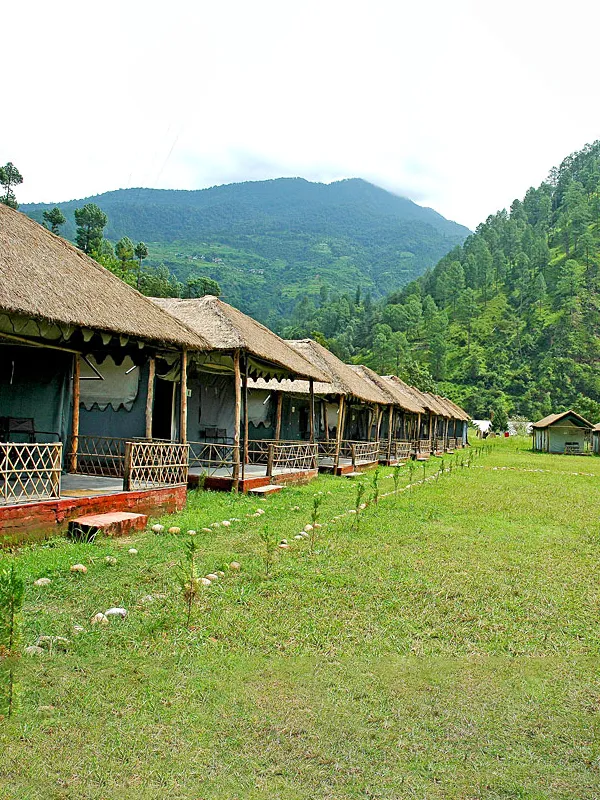
- At Gaurikund/Sonprayag: Choose rooms with attached bathrooms where possible; shared dormitory-style stays are harder for elderly members and young kids.
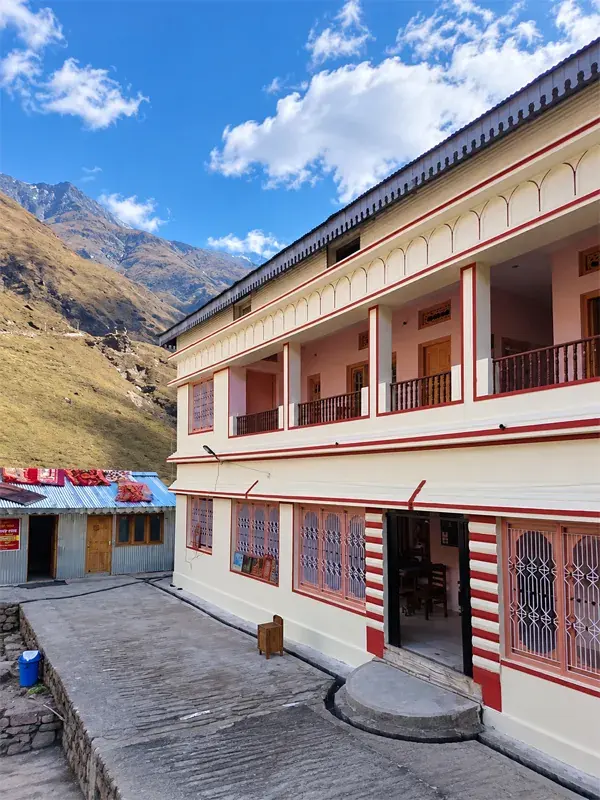
- At Kedarnath: GMVN guesthouses and Dharamshalas fill up fast in peak season — book ahead, and mention if anyone in the group needs ground-floor access.
- Acclimatization night: Guptkashi has more comfortable, family-oriented hotel options than Gaurikund, making it a good base for the recommended acclimatization halt mentioned earlier.
A Few More Things to Plan For
- Pregnancy: Pregnant travelers should consult their doctor before planning this trek — high altitude and physical exertion are generally discouraged during pregnancy.
- Mobile network: Coverage from Jio and BSNL is inconsistent along the route; don't rely on constant connectivity to coordinate a split family group.
- Weather check: Check the India Meteorological Department (IMD) forecast before departure, not just a general seasonal expectation — mountain weather can change quickly.
Health & Safety Precautions for Both Groups
The recent trend in official 2026 health guidance is clearer screening: health checks at Sonprayag and Gaurikund look at vitals like blood pressure and oxygen levels, and pilgrims with abnormal readings — of any age — may be advised to pause or use a helicopter instead. This applies to grandparents and children alike; altitude doesn't care about age, only about how your body responds.
A few non-negotiables:
- Confirm current medical certificate requirements for seniors on the official Char Dham advisory before booking anything.
- Keep the emergency numbers saved offline: 108 (medical), 102 (alternate ambulance), 112 (general emergency), 1364 (tourist helpline).
- Descend or divert to a helicopter immediately if anyone in the group shows breathlessness at rest, confusion, or repeated vomiting — don't wait it out.
- For a deeper look at altitude sickness symptoms and emergency response steps, see our full Kedarnath Safety, Health & Emergency guide.
Step-by-Step Planning Process
- Get medical clearance for seniors and any child with a known health condition before booking.
- Decide the travel mix — full walk, pony, palki, or helicopter — separately for each family member.
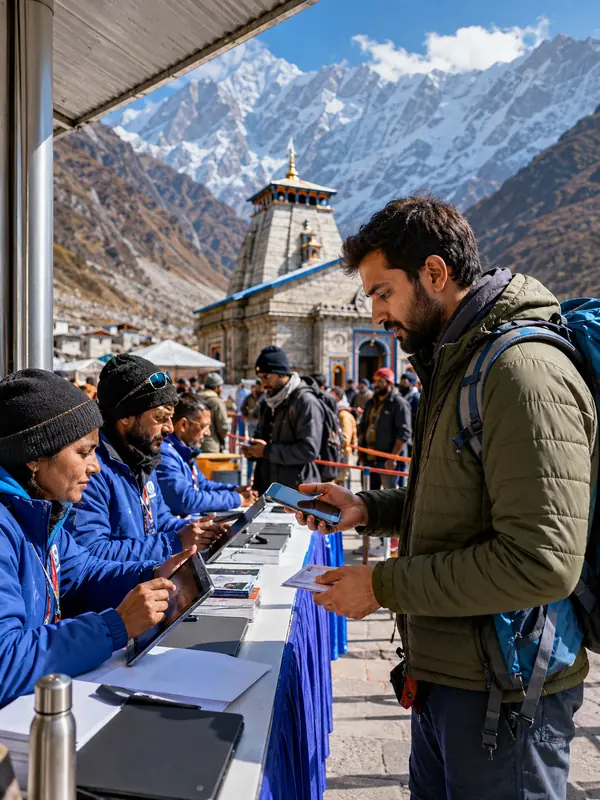
- Register everyone on the official Char Dham Yatra portal; kids also need ID proof.
- Book accommodation at Guptkashi or Sonprayag for an acclimatization night, not just at Gaurikund.
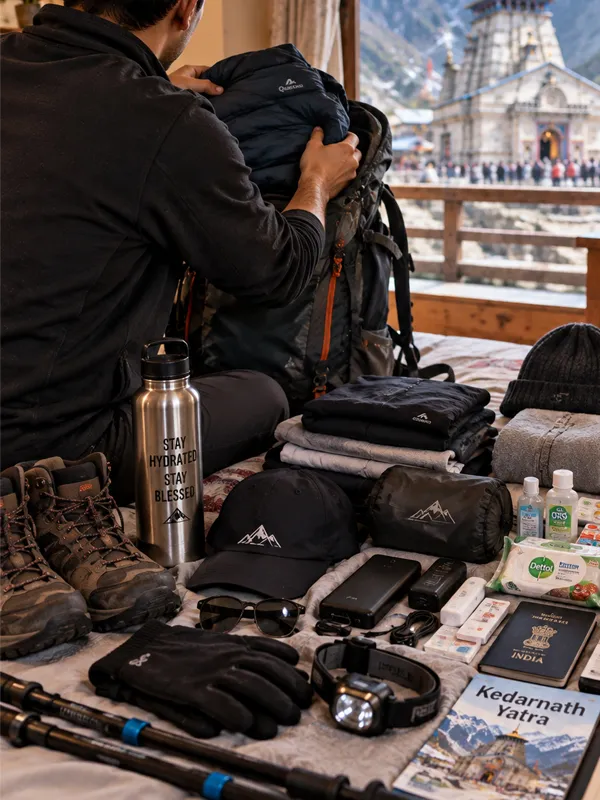
- Pack age-specific kits — medicines, warm layers, snacks, and comfort items for kids.
- Confirm helicopter or pony bookings well ahead of the May–June and September–October rush.
- Brief everyone on emergency numbers and the nearest Medical Relief Post plan.
Budget for a Family Trip (Kids + Seniors)
Costs run higher than a solo trekker's budget because of helicopter seats and extra rest days:
- Helicopter (round trip, per senior/child): varies by season — check current UCADA-listed rates before booking.
- Palki/pony for one person (round trip): a few thousand rupees more than solo trekking gear, and rates are revised each season.
- Extra acclimatization night's stay: ₹800–₹3,000 depending on category.
- Family meals and incidentals: budget more generously than for a solo trip — kids especially need frequent small meals.
Treat all figures as planning ranges, not fixed prices — always confirm current rates on official booking portals.
Common Mistakes Families Make
- Assuming a fit-looking senior doesn't need a doctor's check before the trip.
- Skipping the recommended acclimatization halt to save one day of the itinerary.
- Packing one shared first-aid kit instead of individual, clearly labelled medicine pouches.
- Underestimating how much slower a mixed-age group moves compared to solo trekkers.
- Booking helicopter seats at the last minute during peak season and getting stuck with the full walk instead.
Pro Tips for a Smoother Family Yatra
- Book helicopter seats the moment your dates are fixed — May–June fills up fast.
- Carry printed copies of ID, registration, and medical certificates; don't rely only on phone screenshots.
- If splitting the group by travel mode, agree on a fixed meeting point at Kedarnath in advance.
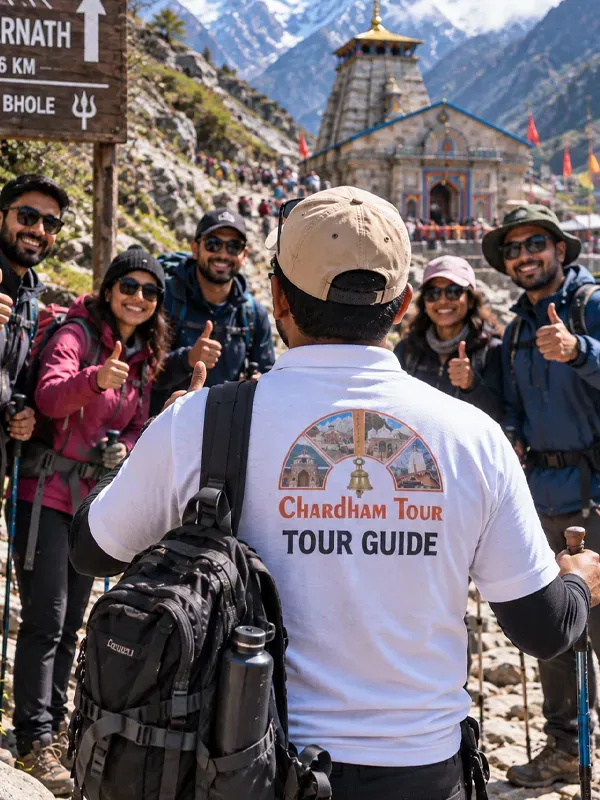
- Choose a local tour operator experienced with family or senior-citizen groups — the small extra cost usually pays for itself in smoother logistics.
A Real Scenario Worth Learning From
During peak season, it's common to see a family arrive at Gaurikund planning to walk together, only to realize the grandparent can manage maybe 2 km before needing real rest. On the ground, the families who adapt on the spot — switching the senior to a pony or palki instead of pushing through — have a far better day than those who insist on sticking to the original plan out of guilt or stubbornness. Flexibility here isn't a compromise; it's the plan working as it should.
Why Plan This Trip With Local Experts
A family Kedarnath Yatra with kids or senior citizens has more moving parts than a solo trip — helicopter seats, pony bookings, medical certificates, and accommodation timed around an acclimatization day. An experienced Char Dham operator who regularly handles family and senior-citizen groups can align all of this in advance, instead of you discovering gaps once you're already on the route.
FAQs
Q1. Is the Kedarnath trek safe for senior citizens?
Ans: Yes, with a doctor's clearance and the right mode — pony, palki, or helicopter — rather than the full 16 km walk for most seniors.
Q2. What is the minimum age for kids to do the Kedarnath yatra?
Ans: There's no official minimum age; older children in good health generally cope better, and infants or very young kids are safer skipping it or going by helicopter.
Q3. Should senior citizens take the helicopter or walk to Kedarnath?
Ans: Helicopter is generally safer for seniors with any heart, lung, or joint concern, since it avoids both the altitude gain and the physical exertion of walking.
Q4. Is a medical certificate required for senior citizens visiting Kedarnath?
Ans: It can be, depending on age and health conditions under the current season's Char Dham health advisory — confirm before you book.
Q5. Can children ride a pony to Kedarnath?
Ans: Yes, depending on the child's stamina and health rather than a fixed age — ponies suit many kids, while a palki works better for younger or nervous children.
Q6. What should I pack for kids on the Kedarnath trip?
Ans: Extra warm layers, easily accessible snacks and water, any regular medicines, and comfort items like a favorite small toy for the wait during darshan.
Q7. How can I tell if my elderly parent is struggling with altitude?
Ans: Watch for breathlessness at rest, dizziness, confusion, or unusual fatigue — any of these means stop, rest, and consider descent or a helicopter.
Q8. Is an acclimatization halt really necessary for seniors and kids?
Ans: It's strongly recommended, not mandatory — spending time at Guptkashi or Sonprayag before the final climb meaningfully lowers altitude-sickness risk for both age groups.
Q9. What is the best time of year for a family Kedarnath trip?
Ans: May–June and mid-September to mid-October offer more stable weather, which matters more for kids and seniors than for solo trekkers.
Q10. How early should I book helicopter seats for a family trip?
Ans: As early as your travel dates are confirmed — May–June seats fill up fast, and family groups need multiple seats together.
Q11. Can a family split travel modes — some walking, some flying?
Ans: Yes, this is common; just fix a clear meeting point and time at Kedarnath in advance so the group doesn't lose track of each other.
Q12. What emergency numbers should families save before the trip?
Ans: 108 for medical emergencies, 102 as an alternate ambulance line, 112 for general emergencies, and 1364 for the Uttarakhand tourist helpline.
Q13. Are there age-related medical certificate rules that change every year?
Ans: Yes, exact age thresholds and conditions are reviewed each season, so always check the current official advisory rather than relying on last year's rule.
Q14. Is GMVN accommodation suitable for families with kids or seniors?
Ans: Yes, but book early for rooms with attached bathrooms and ground-floor access, since peak-season availability fills up quickly.
Q15. Which nearby temples are easy for families to visit with kids or seniors?
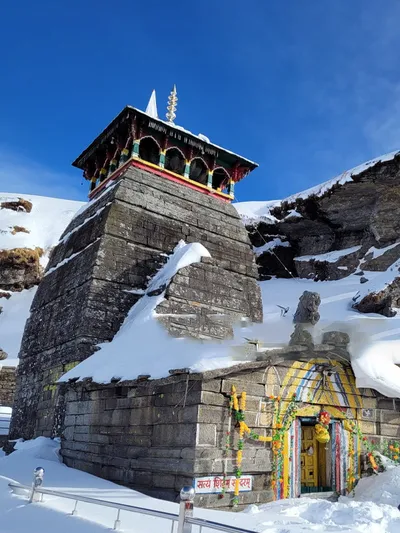
Ans: Triyuginarayan and Ukhimath are road-accessible and low-effort; skip steeper detours like Tungnath or Vasuki Tal with young kids or elderly members.
Q16. Can infants or toddlers travel to Kedarnath?
Ans: It's generally not recommended — high altitude, cold, and long travel hours make it difficult for very young children; a helicopter trip is a safer alternative if travel is unavoidable.
Q17. Is the Kedarnath Yatra safe during pregnancy?
Ans: Consult a doctor first — high altitude and physical exertion are generally discouraged during pregnancy, and most doctors advise against this specific trek.
Conclusion
A Kedarnath Yatra with kids or senior citizens can absolutely work — it just needs planning built around your family's real pace, not a generic solo-trekker itinerary. Get medical clearance where needed, mix walking with pony, palki, or helicopter sensibly, build in a recommended acclimatization halt, and keep emergency numbers within easy reach. For full route and distance details, our Kedarnath Trek Guide is a useful companion to this article. Plan it this way, and the trip becomes what it should be: a meaningful shared pilgrimage, not an endurance test for the family's most vulnerable members.
Kedarnath Travel Guide





Kedarnath Travel Packages

Important Safety Notice
Beware of Fake Char Dham & Kedarnath Helicopter Booking Websites
Fake websites, WhatsApp accounts and advertisements may impersonate genuine travel companies or helicopter operators. Always verify before paying.