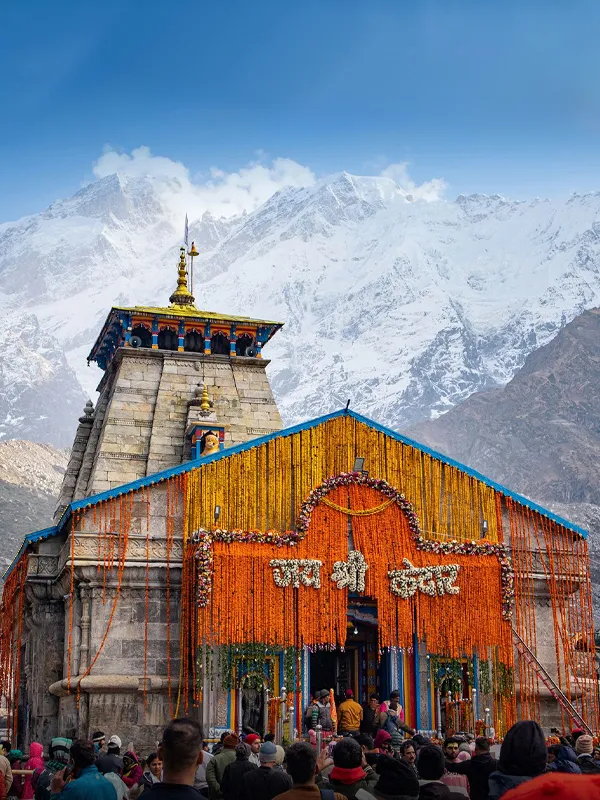
Sonprayag: The Gateway to Kedarnath's Final Journey
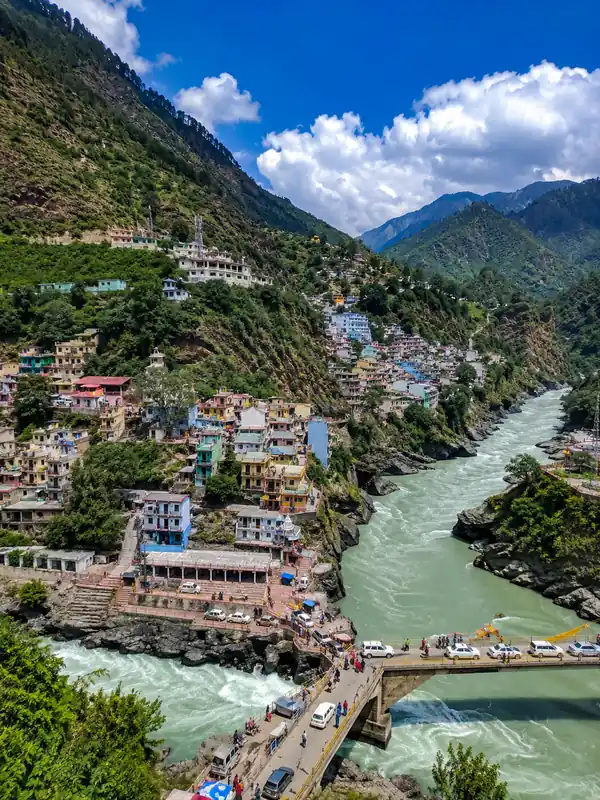
Sonprayag is where your car journey ends and the Kedarnath pilgrimage truly begins. This small Himalayan town sits at roughly 1,829 metres, right where the Mandakini and Basuki rivers meet.
Every pilgrim heading to Kedarnath Temple passes through here. If you're planning the Kedarnath Yatra in 2026, understanding this base camp properly can save you hours of confusion at the checkpoint.
This guide is put together from official Char Dham registration rules, verified route data, and patterns reported consistently by regular pilgrims, local taxi operators, and Uttarakhand tourism sources.
Key Takeaways
- Sonprayag is the last point vehicles can reach; everything beyond runs on shared taxi and foot.
- Total distance to Kedarnath is approximately 20–21 km, not a round 18 km.
- Registration is mandatory, free, and checked at multiple points, including Sonprayag.
- May–June and September–October remain the two safest travel windows.
- Booking rooms and taxis in advance avoids most of the peak-season chaos.
Where Is Sonprayag, and Why Does It Matter?
Sonprayag lies between Rudraprayag town and Gaurikund, on the main road to Kedarnath. It sits at an elevation of approximately 1,829 metres above sea level.
That altitude already hints at the climb still ahead on the trek. The name itself comes from a sangam, meaning river confluence.
This gateway town marks the meeting point of the Mandakini and Basuki rivers. Many pilgrims take a short, symbolic dip here before continuing onward.
Most first-time yatris assume the trek starts right here. It doesn't — but this is exactly where the journey shifts gears, both administratively and mentally.
| Detail | Information |
|---|---|
| District | Rudraprayag, Uttarakhand |
| Altitude | ~1,829 m (6,001 ft) |
| River confluence | Mandakini + Basuki |
| Distance to Gaurikund | ~5 km |
| Distance to Kedarnath | ~20–21 km total |
| Distance from Rishikesh | ~210–220 km |
| Distance from Haridwar | ~235–240 km |
| Distance from Guptkashi | ~30 km |
| Distance from Rudraprayag town | ~70–73 km |
| Vehicle rule | Private vehicles stop here; shared taxis go onward |
Sonprayag to Kedarnath: The Real Distance Breakdown
This is the number most people search for. Different sites quote slightly different figures because the route splits into two very different legs, and it's worth doing the maths properly.
- Sonprayag to Gaurikund — around 5 km by shared jeep or local taxi. Private cars aren't permitted beyond Sonprayag.
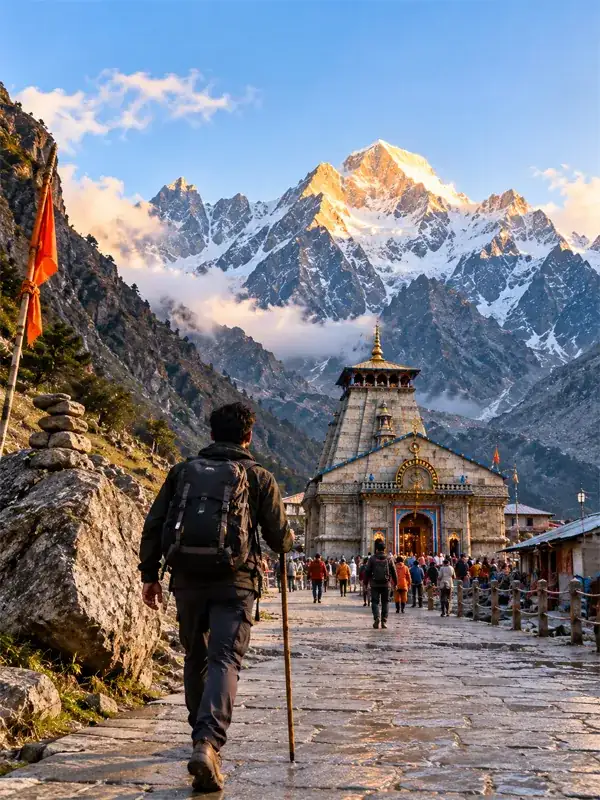
- Gaurikund to Kedarnath Temple — 16 km on foot, on the trail rebuilt after the 2013 floods.
Add the two legs together and the honest total is approximately 20–21 km. Some listings round this down to 18 km using older measurements, or up to 22 km when they include walking inside the parking and queuing zone.
During peak season, that extra walking inside Sonprayag's own parking area can genuinely add another kilometre before you even board a taxi.
| Segment | Distance | Mode | Approx. Time |
|---|---|---|---|
| Sonprayag → Gaurikund | 5 km | Shared taxi | 20–40 min |
| Gaurikund → Jungle Chatti | 4 km | Trek | 1.5–2 hrs |
| Jungle Chatti → Bheembali | 3 km | Trek | ~1 hr |
| Bheembali → Linchauli | ~4 km | Trek | 1.5–2 hrs |
| Linchauli → Kedarnath | ~5 km | Trek | 2–3 hrs |
One mistake many people make: they check only the "16 km trek" figure and forget the taxi leg. Then they're confused about why the total journey feels longer than expected.
Is There an Alternative Route?
Yes, though it's not part of the officially managed pilgrim route. A longer trail runs from Chaumasi via Kham Bugyal to Kedarnath, covering roughly 34 km across two days.
It's scenic and far less crowded. But it lacks the medical posts, rest shelters, and mobile checkpoints of the main Gaurikund route.
This alternative should only be attempted with an experienced local guide and proper prior planning. First-time pilgrims should stick to the standard Gaurikund path.
How to Reach This Kedarnath Base Camp
There's no railway station or airport at Sonprayag itself, so every pilgrim arrives by road.
- By Air: Nearest airport is Dehradun's Jolly Grant Airport, roughly 235–250 km away.
- By Rail: Rishikesh and Haridwar are the closest railheads, both roughly 210–240 km from here.
- By Road: The standard route runs Haridwar/Rishikesh → Devprayag → Rudraprayag → Guptkashi → Sonprayag, following NH7 alongside the Ganga, Alaknanda, and finally the Mandakini river.
Most pilgrims split this into two days with an overnight halt at Rudraprayag or Guptkashi. Attempting Haridwar to Sonprayag in one stretch is possible, but the narrow hairpin roads make an overnight break the safer, more comfortable choice.
If you're driving a private vehicle, note that seasonal Char Dham traffic rules mainly target commercial and transport vehicles for Green Card and Trip Card permits. Private tourist cars aren't universally required to obtain both, though it's worth confirming current rules at greencard.uk.gov.in before travelling.
Facilities and Practical Information at Sonprayag
This section covers the small, everyday questions pilgrims usually ask once they've already left home.
- Parking: A designated parking zone exists at Sonprayag; charges vary by vehicle type and season, so check the current rate board at entry.
- ATM and cash: Limited ATMs operate here, and they can run dry during peak rush. Carry sufficient cash before arriving.
- Mobile network: Jio and BSNL generally work in Sonprayag town, but signal weakens sharply past Gaurikund. Airtel coverage is patchier.
- UPI payments: Larger hotels and shops accept UPI, but smaller vendors and porters often prefer cash.
- Toilets: Public toilets are available near the taxi stand and registration counter, though quality varies during high footfall.
- Luggage storage: Basic cloakroom facilities exist near Sonprayag and Gaurikund for pilgrims trekking without heavy bags.
- Emergency health centre: A primary health post operates at Sonprayag, with additional medical posts along the trek route.
- Police assistance: A police outpost is stationed at Sonprayag to help with crowd management and emergencies.
Char Dham Registration at Sonprayag: What You Actually Need
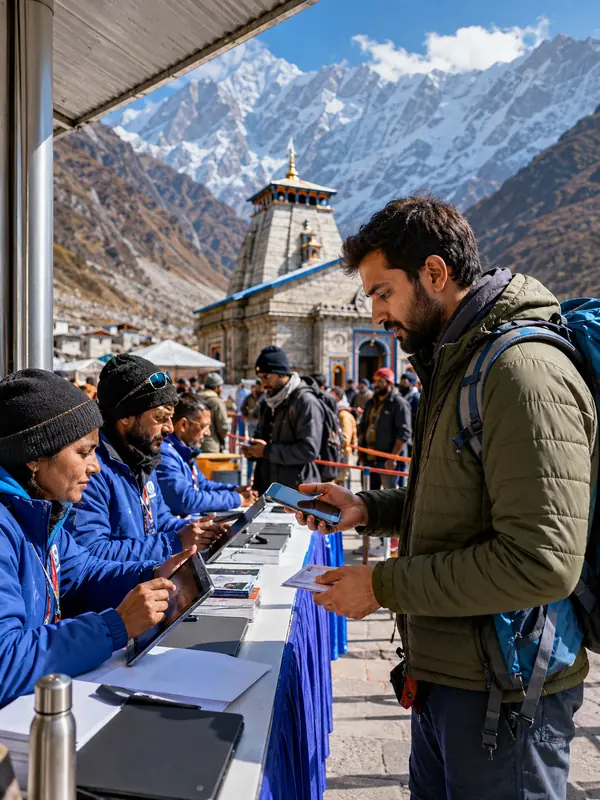
This trips up more pilgrims than the trek itself. Registration is mandatory for Kedarnath, whether you walk, ride a pony, or fly by helicopter.
How it works:
- Register online at the official Uttarakhand registration portal (registrationandtouristcare.uk.gov.in), or offline at counters.
- Offline counters operate at Haridwar, Rishikesh, Barkot, Sonprayag, Guptkashi, and several other points along the route.
- Staff at these counters help fill the form, take your photo, and capture fingerprints if biometric verification is requested.
- The process is free of cost. Be cautious of anyone demanding money for "registration."
- Your QR code gets scanned at multiple checkpoints, including Sonprayag itself and Gaurikund.
Documents required:
- Aadhaar Card, Passport, Voter ID, or Driving Licence as valid photo ID
- A recent passport-size photo
- An active mobile number for OTP and yatra updates
A PAN card is a tax document, not a preferred photo ID for field verification, so it's best to carry one of the four IDs listed above instead.
A note on medical fitness: There's no blanket government rule forcing every pilgrim above 50 to carry a medical certificate. That said, senior citizens and anyone with a heart or respiratory condition are generally advised to carry a recent fitness certificate, since it can help at checkpoints during high-altitude advisories.
Even with online registration done in advance, carry a printed copy or an offline screenshot. Network coverage in this stretch is patchy, and a dead phone with no printout can cause real delays.
Weather at Sonprayag and What to Pack
This base camp stays cool through the yatra season and cold at night, even in summer.
| Month | Approx. Temperature | Conditions |
|---|---|---|
| May–June | 5°C to 18°C | Clear, stable, peak season |
| July–August | Warmer but wet | Heavy rain, landslide risk |
| September–October | 5°C to 15°C, colder at night | Clear skies, lower crowds |
| Late October onward | Sub-zero nights possible | Cold, occasional snowfall higher up |
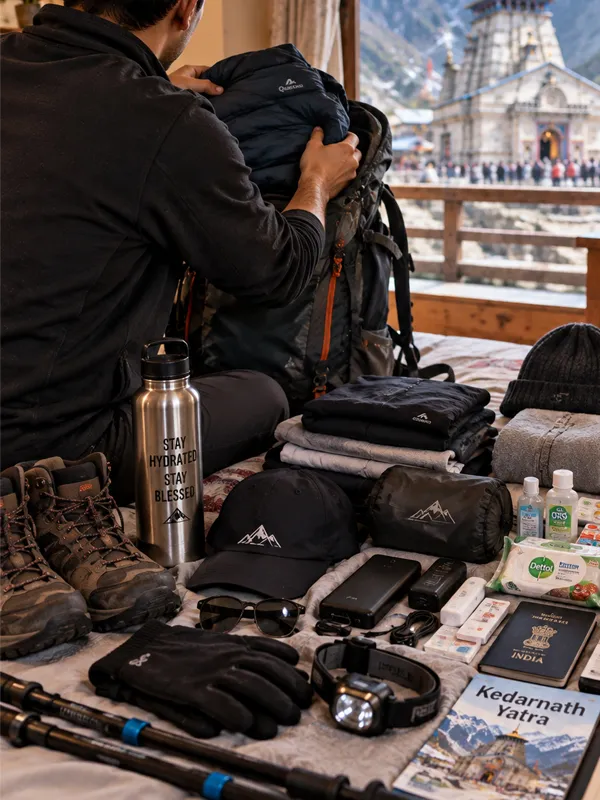
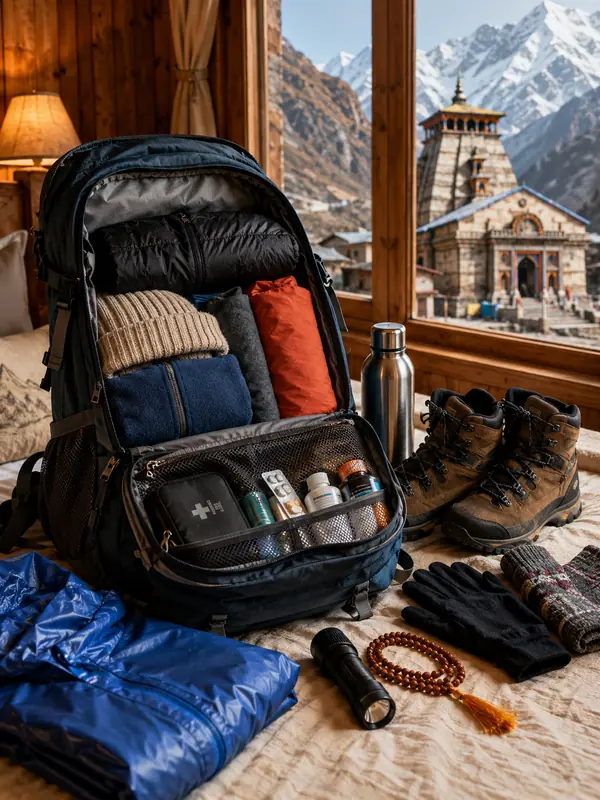
Packing checklist:
- Layered clothing — thermal base, fleece, and a windproof/rain jacket
- Sturdy trekking shoes with good grip, ideally already broken in
- A separate rain poncho, useful even outside monsoon
- Basic medicines, ORS, and personal prescriptions
- A power bank, since charging points thin out past this stretch
- Printed registration copy and photo ID in a waterproof pouch
Best Time to Visit Sonprayag and Trek to Kedarnath
May–June and September–October remain the safest, most stable windows. July–August brings monsoon landslides, and the temple shuts through winter.
| Season | Months | Conditions |
|---|---|---|
| Peak Season | May–June | Best weather, heaviest crowds |
| Monsoon (avoid) | July–August | Landslide risk, slippery trail |
| Autumn | September–October | Clear skies, thinner crowds, cheaper stays |
| Closed | November–April | Temple shut for winter |
In 2026, Kedarnath Temple opened on 22 April, as officially announced by the Badrinath-Kedarnath Temple Committee (BKTC) on Maha Shivratri. The closing date is expected around 11 November 2026, coinciding with Bhai Dooj, though BKTC confirms the exact date later, on Vijaya Dashami.
These dates are finalised each year through the same traditional Panchang calculation at Ukhimath. It's worth checking BKTC's official announcement before locking your travel plans.
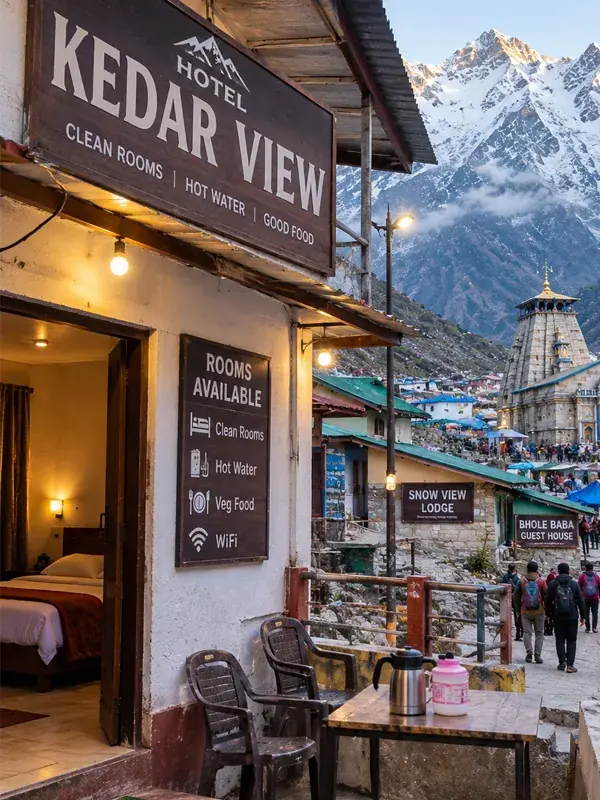
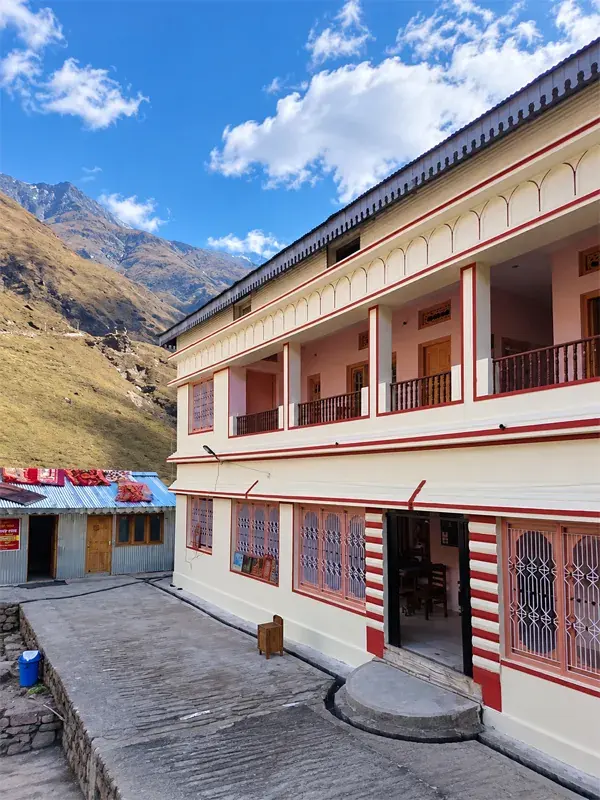
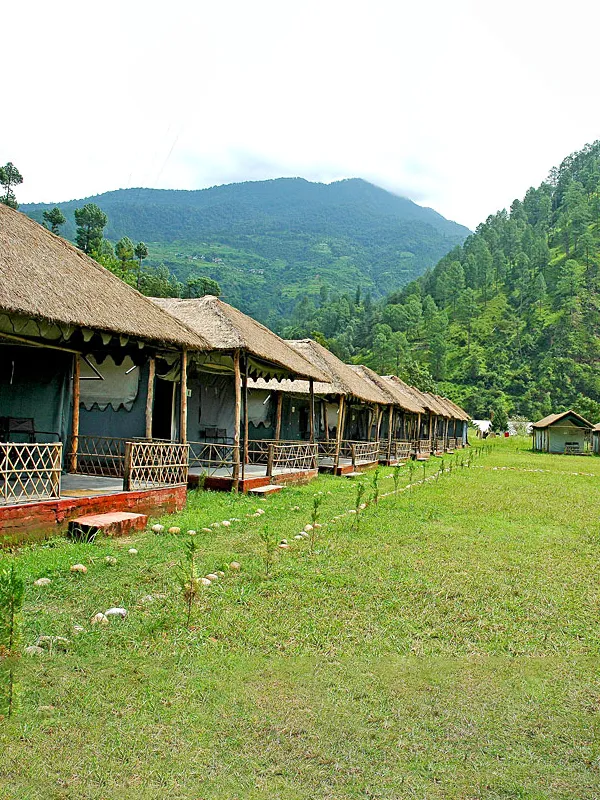
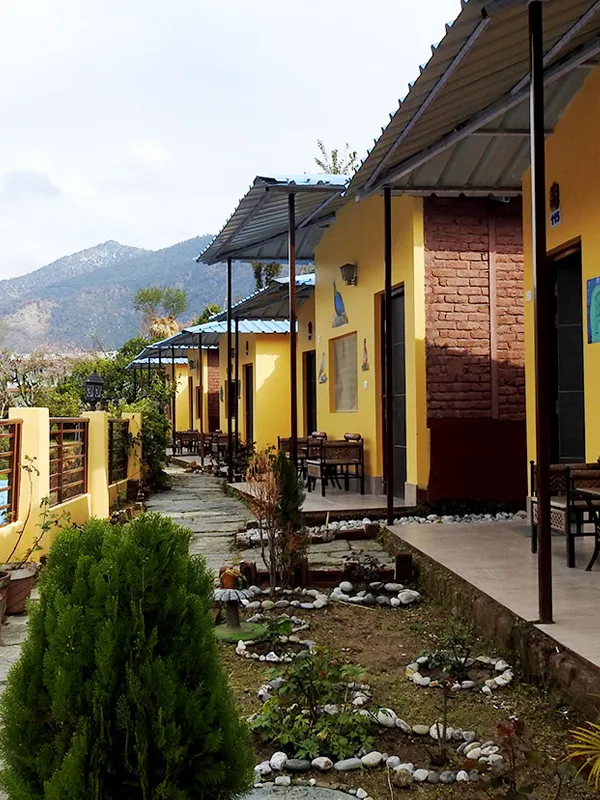
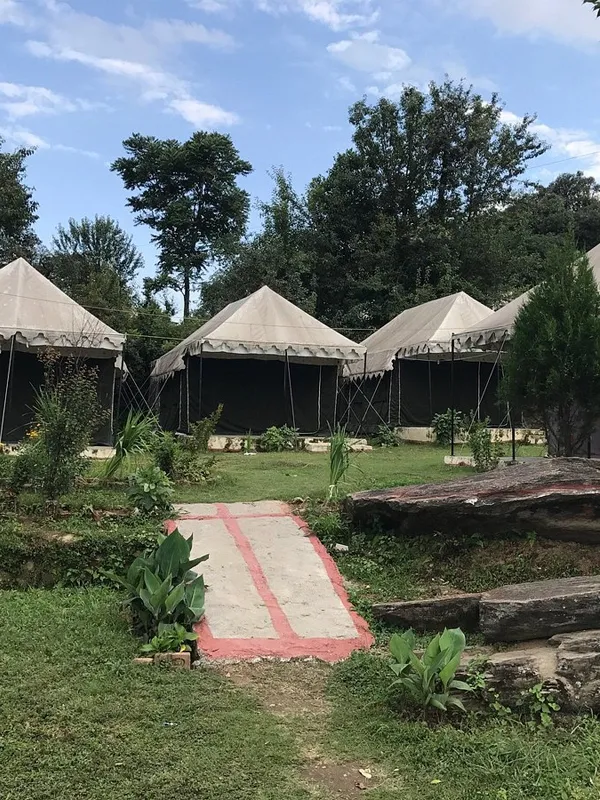
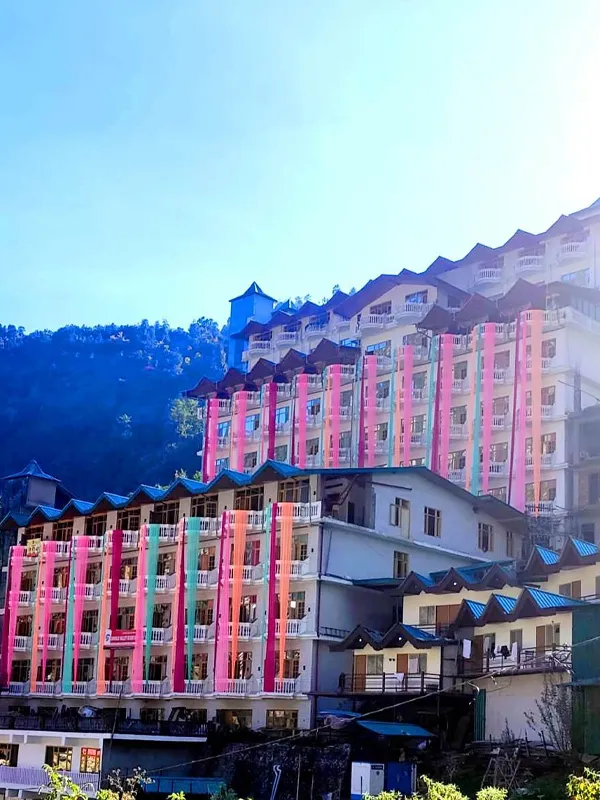
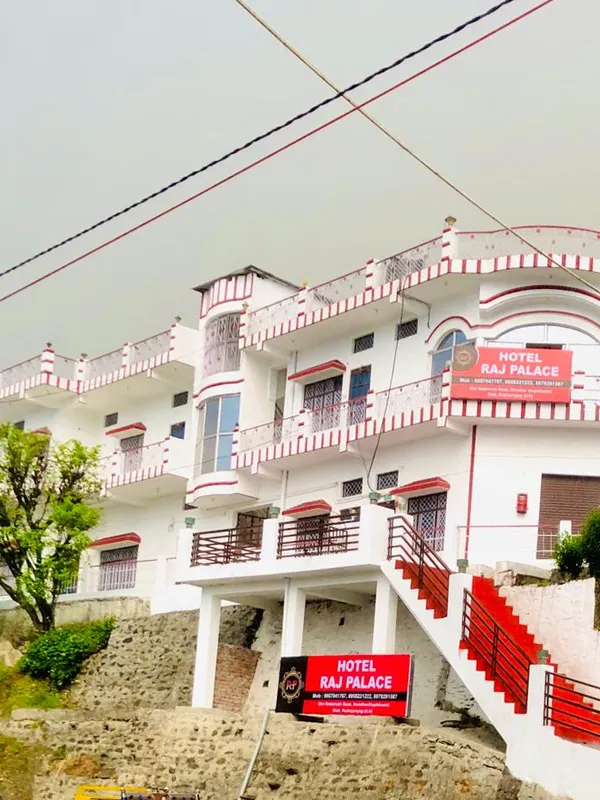
Where to Stay: Accommodation Options Here
This isn't a luxury destination, and it shouldn't be treated like one. Most stays here are functional — clean rooms, basic food, and an early wake-up call.
Types of stay available:
- Budget lodges and guest houses (₹800–₹2,000/night)
- Mid-range hotels with attached bathrooms and hot water (₹2,000–₹4,500/night)
- GMVN (Garhwal Mandal Vikas Nigam) government guest houses — reliable but need advance booking
- Dharamshalas for tighter budgets
During peak season, rooms fill up by early afternoon. Assuming you'll "find something on arrival" in May or June is a real gamble.
That gamble often ends with a room 10–15 km back down the road, which means an even earlier start the next morning.
Step-by-Step Process: From Base Camp to Kedarnath Temple
- Complete Char Dham registration online in advance, or at the counter here on arrival.
- Park your vehicle at the designated parking zone — private vehicles go no further.
- Get your QR code scanned at the checkpoint.
- Take a shared taxi to Gaurikund, booked through the official prepaid counter to avoid overcharging.
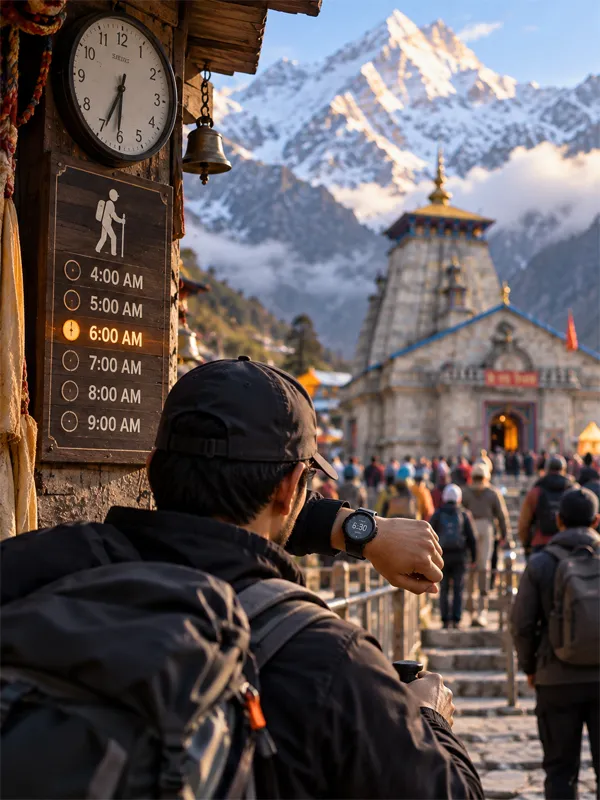
- Begin the trek from Gaurikund, ideally before 6 AM to stay ahead of trail-closure cutoffs.
- Pass through checkpoints at Jungle Chatti, Bheembali, and Linchauli.
- Reach Kedarnath, complete the final QR scan, and proceed for darshan.
Cost Breakdown (Approximate, 2026 Season)
Treat every figure below as a planning range, not a fixed quote. Government-approved fares for pony, doli, and helicopter services are revised seasonally and are often weight-based.
| Item | Approx. Cost | Note |
|---|---|---|
| Char Dham registration | Free | No official fee anywhere |
| Sonprayag–Gaurikund shared taxi | ₹100–₹200 per person | Subject to seasonal revision |
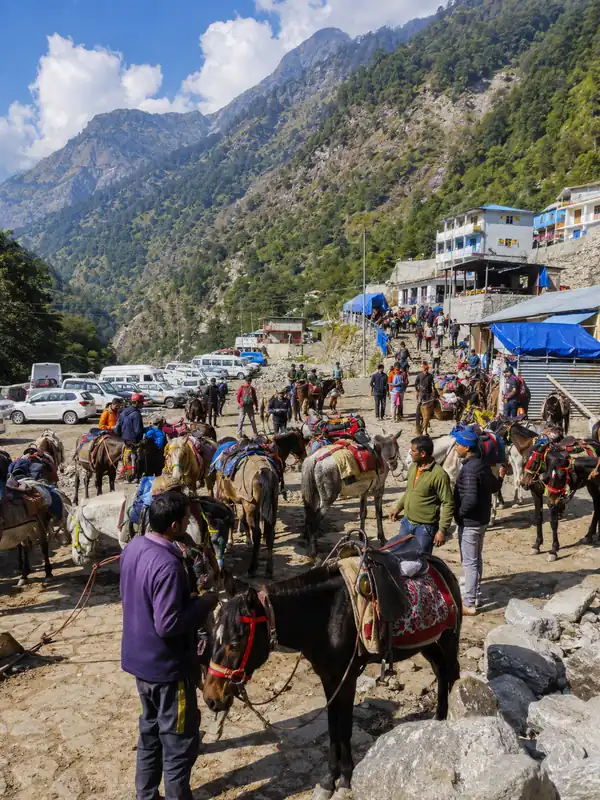
| Pony (Gaurikund–Kedarnath, one way) | ₹3,000–₹5,000+ | Weight-based, revised annually |
| Palanquin/Doli | ₹4,500–₹8,000+ | Varies by weight category |
| Helicopter (round trip) | Check official portal | Fares vary by helipad and operator; confirm current rates before booking |
| Room stay here | ₹800–₹4,500/night | Season-dependent |
For the most current pony, doli, and helicopter rates, check the official counters at Sonprayag or Guptkashi, or the IRCTC heli-yatra booking portal, rather than relying on any fixed number found online.
Common Mistakes, Scams, and Safety Warnings
Common mistakes:
- Arriving without completed registration, then losing hours in queues.
- Assuming private cars can go all the way to Gaurikund.
- Starting the trek after 10 AM and missing daylight for the descent.
- Skipping proper footwear because "it's just a short trek from here."
- Underestimating how cold it gets after sunset here, even outside winter.
Scams and safety issues to watch for:
- Unofficial "agents" near the parking lot demanding money for registration, which is a free government service.
- Taxi drivers quoting inflated fares outside the official prepaid counter — always use the government booth.
- Porters or pony operators asking for full payment upfront; standard practice is partial payment with the balance on completion.
- Sudden weather shifts near Linchauli and above; carry rain protection even on a clear morning.
Safety notes for women travellers: Sticking to registered taxis, prepaid counters, and daylight trekking hours is advisable for solo women pilgrims. The police outpost at Sonprayag is the first point of contact for any safety concern.
Pro Tips From the Ground
- If advance booking is available at the taxi counter, reserving a slot the evening before can help you avoid long morning queues.
- Local guides generally recommend that senior citizens start the trek by 5 AM, ahead of both the sun and the crowd.
- Carry cash in small denominations — many local vendors in this area don't reliably accept cards or UPI.
- On a multi-day Char Dham circuit, keep one buffer day nearby in case landslides block the road.
- Advance booking is strongly recommended during the May–June rush, when both rooms and taxis run short.
- Spending a night acclimatising here or in Guptkashi before the trek is known to reduce the risk of altitude sickness, if you're coming straight from low altitude.
Quick Decision Guide
| Traveller Type | Recommended Approach |
|---|---|
| Senior citizen | Stay overnight here, start the trek early, carry a fitness certificate |
| Budget traveller | GMVN stay + shared shuttle taxi |
| Helicopter passenger | Travel onward to Phata or Guptkashi for the helipad |
| Family with children | Pre-book accommodation, avoid peak May–June weekends |
| Solo woman traveller | Use registered taxis and prepaid counters, trek in daylight hours |
Sonprayag vs Gaurikund: Where Should You Actually Stay?
| Factor | Sonprayag | Gaurikund |
|---|---|---|
| Distance to trek start | 5 km away | Trek starts here |
| Room availability | More options | Fewer, fill up faster |
| Price | Slightly lower | Slightly higher |
| Vehicle access | Private cars allowed | Shared taxi only |
| Best for | Wider stay choices | Starting the trek at first light |
Most pilgrims prefer staying overnight in this base camp and taking an early shared taxi to Gaurikund. Room choices are wider and slightly cheaper here.
FAQs
Q1. What is Sonprayag famous for?
Ans: It's known as the confluence of the Mandakini and Basuki rivers and as the last motorable point before the Kedarnath trek begins.
Q2. How far is Sonprayag from Kedarnath?
Ans: Approximately 20–21 km total — about 5 km by shared taxi to Gaurikund, then a 16 km trek to the temple.
Q3. Can private vehicles go beyond Sonprayag?
Ans: No. Private and commercial vehicles stop here; only shared local taxis run onward to Gaurikund.
Q4. Is Char Dham registration required at Sonprayag?
Ans: Yes, it's mandatory for everyone, including helicopter passengers, and your QR code is scanned at the checkpoint here.
Q5. What is the altitude of Sonprayag?
Ans: Approximately 1,829 metres (6,001 feet) above sea level.
Q6. What is the best time to visit Sonprayag for the Kedarnath Yatra?
Ans: May to June and September to October, avoiding the monsoon landslide risk of July–August.
Q7. Are hotels available in Sonprayag?
Ans: Yes — budget lodges, mid-range hotels, and GMVN guest houses, though advance booking is strongly recommended in peak season.
Q8. What is the taxi fare from Sonprayag to Gaurikund?
Ans: Roughly ₹100–₹200 per person through the official prepaid counter, subject to seasonal revision.
Q9. Is a PAN card accepted for Char Dham registration?
Ans: It's not the preferred ID. Carry Aadhaar, Passport, Voter ID, or Driving Licence instead.
Q10. Do private cars need a Green Card at Sonprayag?
Ans: Green Card and Trip Card rules mainly apply to commercial vehicles; private cars aren't universally required to obtain both, but confirming current rules is wise.
Q11. Is the Sonprayag to Kedarnath trek safe for senior citizens?
Ans: Generally yes, but a basic medical fitness check is recommended for elderly pilgrims and those with existing health conditions.
Q12. When does Kedarnath Temple close for the 2026 season?
Ans: It opened on 22 April 2026, and closing is expected around 11 November 2026, though BKTC confirms the exact date later.
Q13. Can I skip Gaurikund and take a helicopter from Sonprayag directly?
Ans: No. Helicopter services operate from Phata or Guptkashi, not Sonprayag, so you'd travel to one of those helipads separately.
Q14. Is parking available at Sonprayag, and is it free?
Ans: Yes, a designated parking zone exists, but charges vary by vehicle type and season.
Q15. Is mobile network available at Sonprayag?
Ans: Jio and BSNL generally work in the town, though signal weakens noticeably past Gaurikund.
Final Word
Sonprayag isn't just a stopover — it's the hinge point of the entire Kedarnath Yatra, where careful planning pays off. Complete your registration early, book your stay before the May–June rush, and start the trek at first light.
Do that, and this pilgrim hub becomes a smooth, manageable step in the journey instead of a source of last-minute stress.
Kedarnath Travel Guide





Kedarnath Travel Packages
Important Safety Notice
Beware of Fake Char Dham & Kedarnath Helicopter Booking Websites
Fake websites, WhatsApp accounts and advertisements may impersonate genuine travel companies or helicopter operators. Always verify before paying.