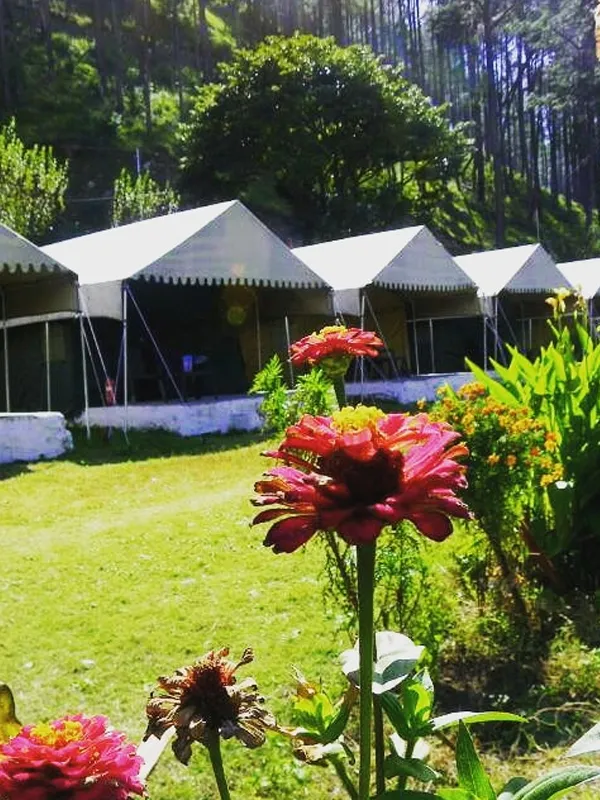
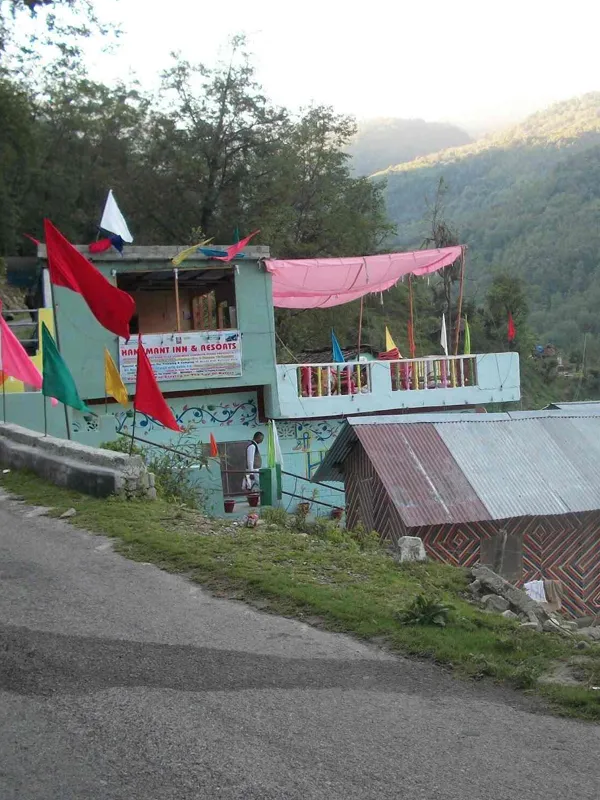
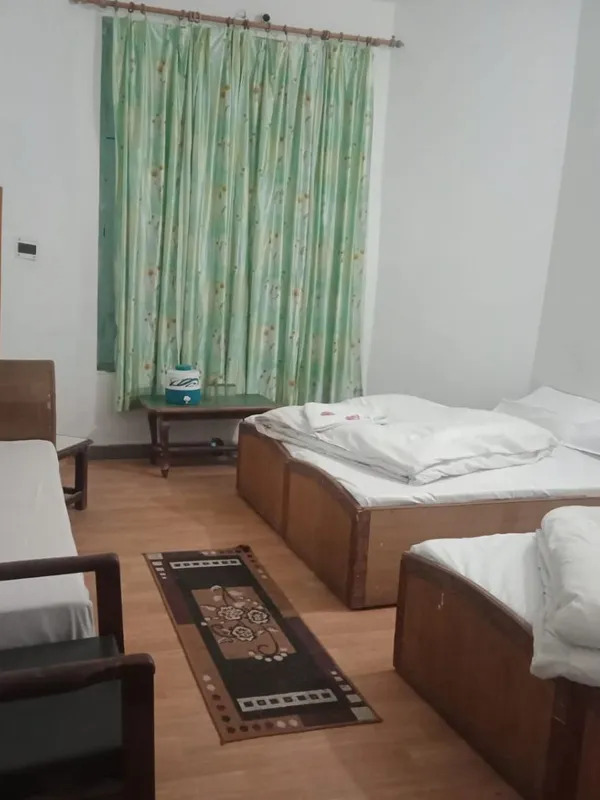
3 Days / 2 Nights
Yamunotri Yatra from Haridwar
Haridwar → Barkot → Janki Chatti → Yamunotri → Barkot → Haridwar
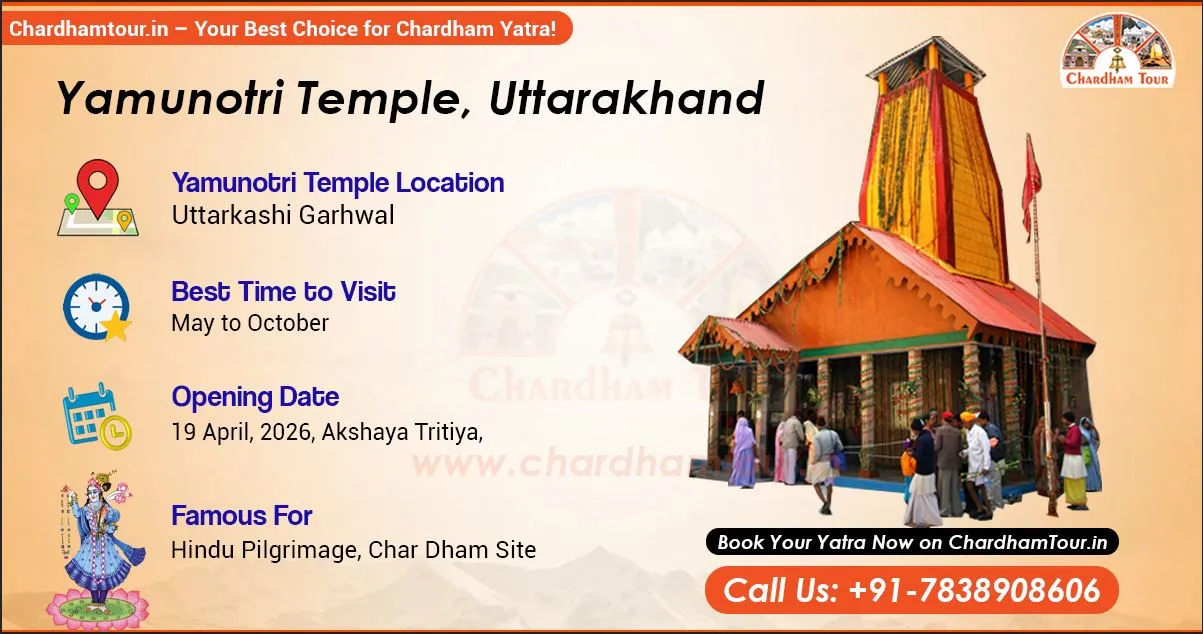
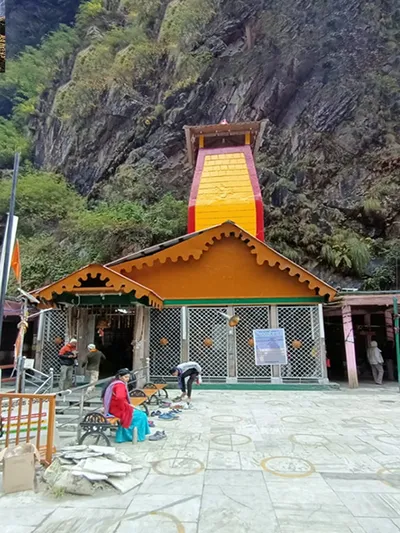
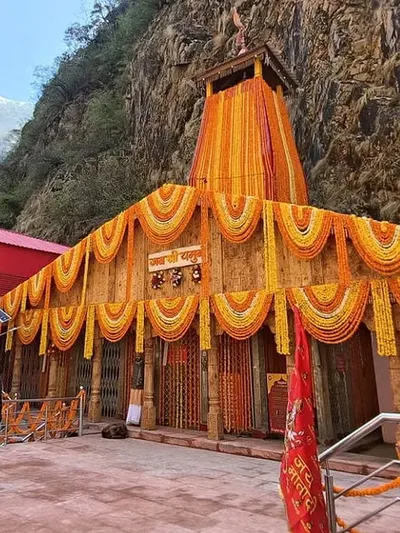
Situated in the western region of the Garhwal Himalayas in Uttarkashi district and perched at a height of 3,293 metres, the Yamunotri Dham Yatra is an essential part of the Chota Char Dham Yatra pilgrimage.
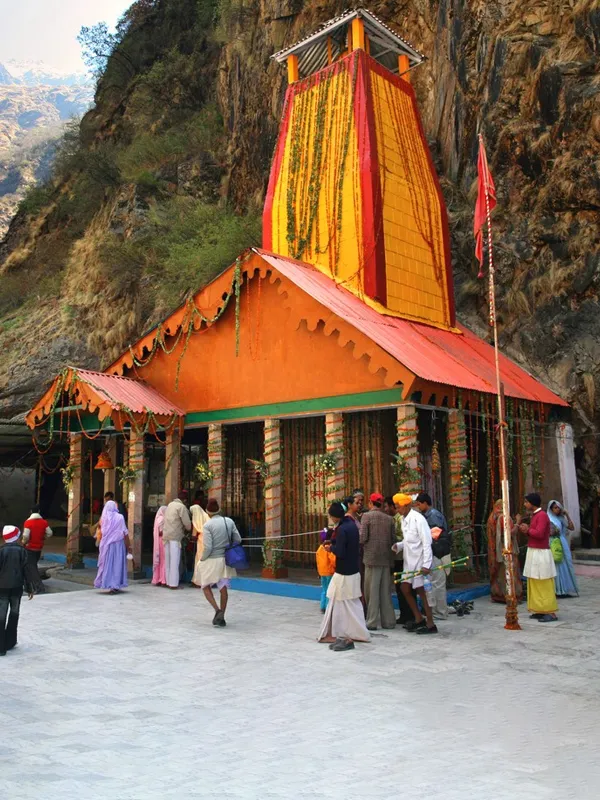
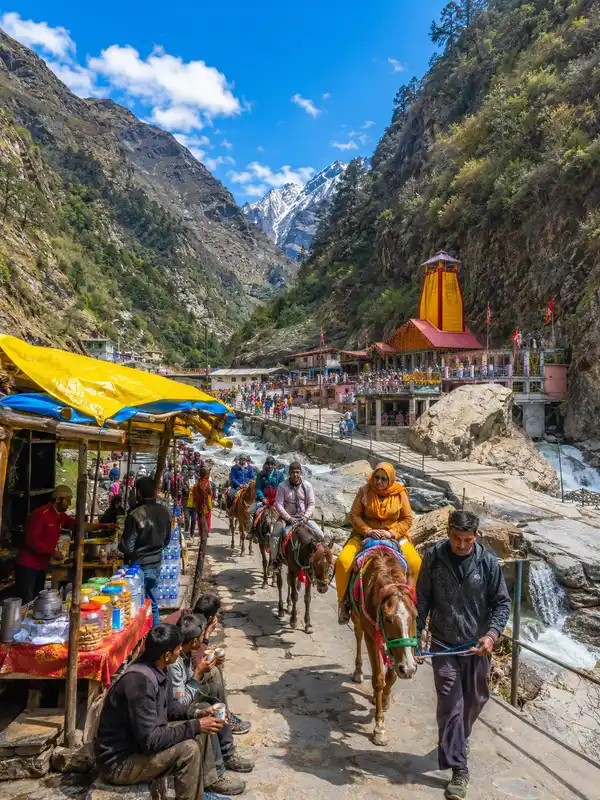
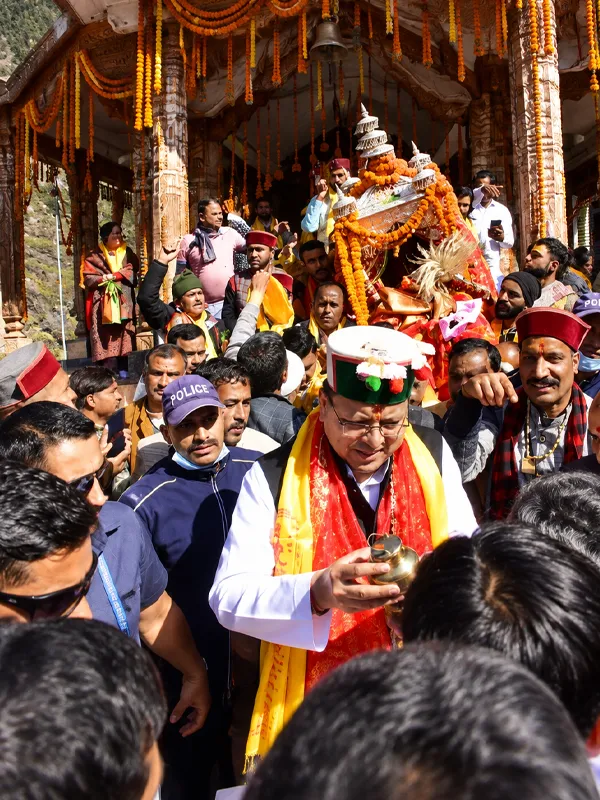
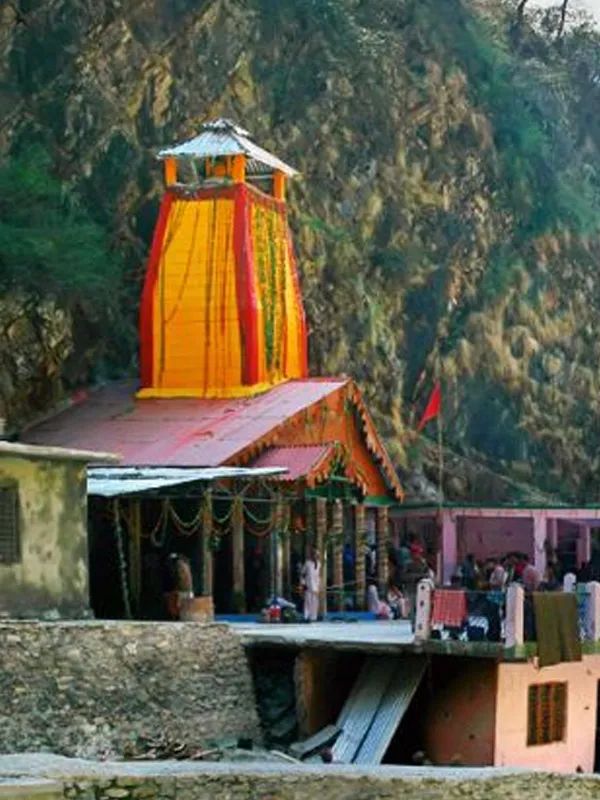
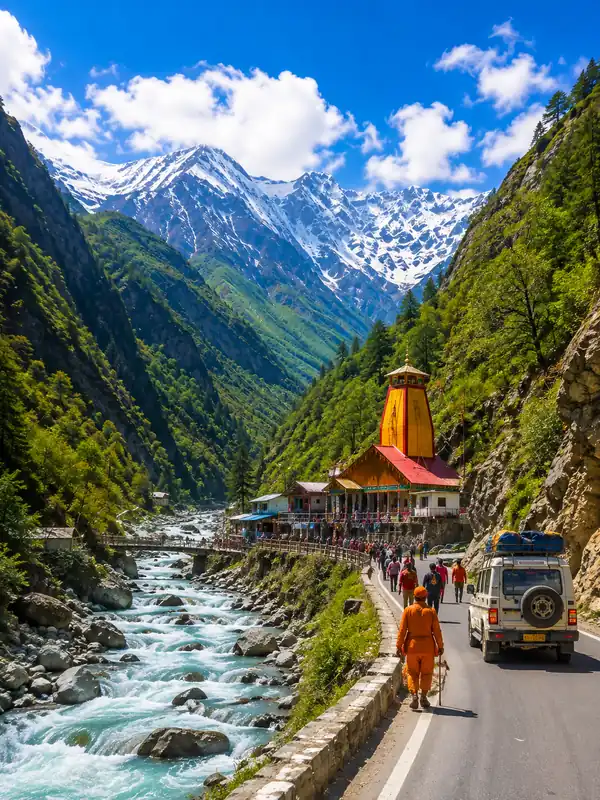
The presiding deity in the temple is represented in the form of a black marble idol of Goddess Yamuna. Devotees and pilgrims visiting here are required to trek up the picturesque yet difficult route of 13 km starting from Hanuman Chatti. There are alternative ways of reaching the temple, such as horses and palanquins, which can be hired. You will witness the sheer, pure and unadulterated beauty of nature while hiking towards the main temple, along with coming across numerous breathtaking waterfalls.
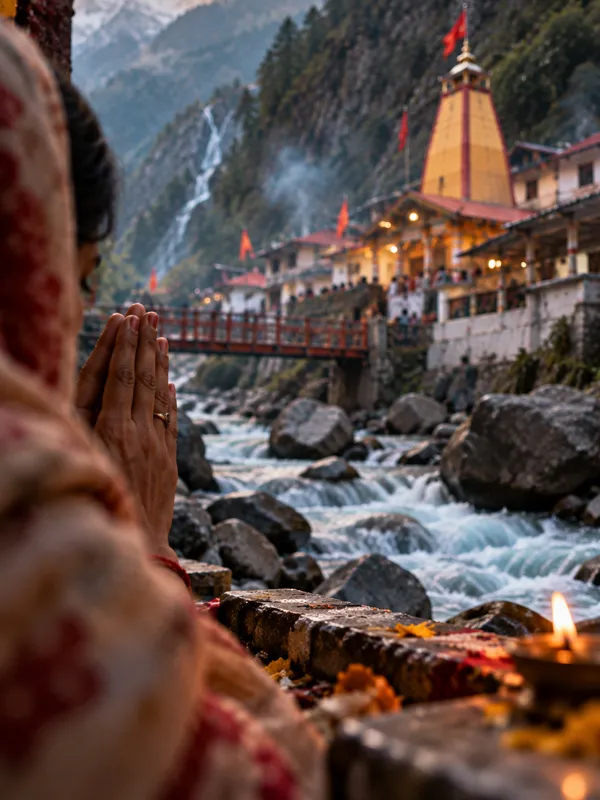
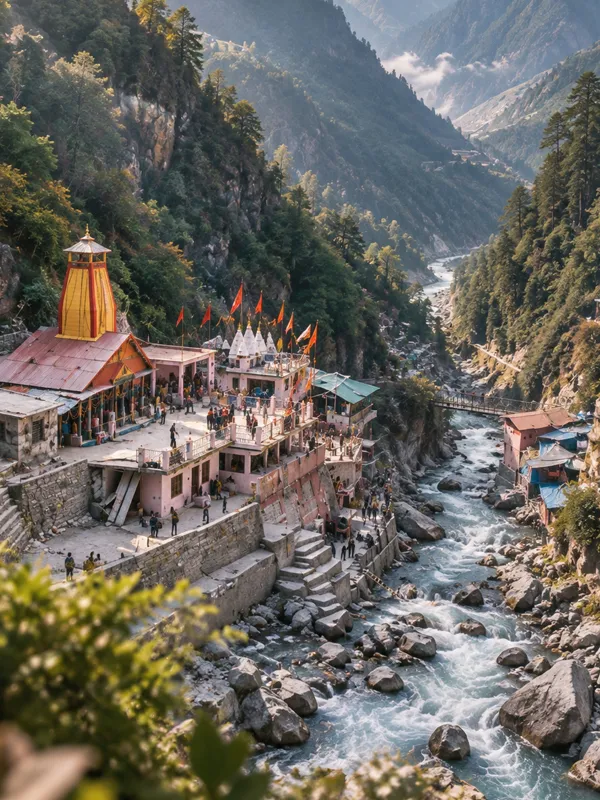
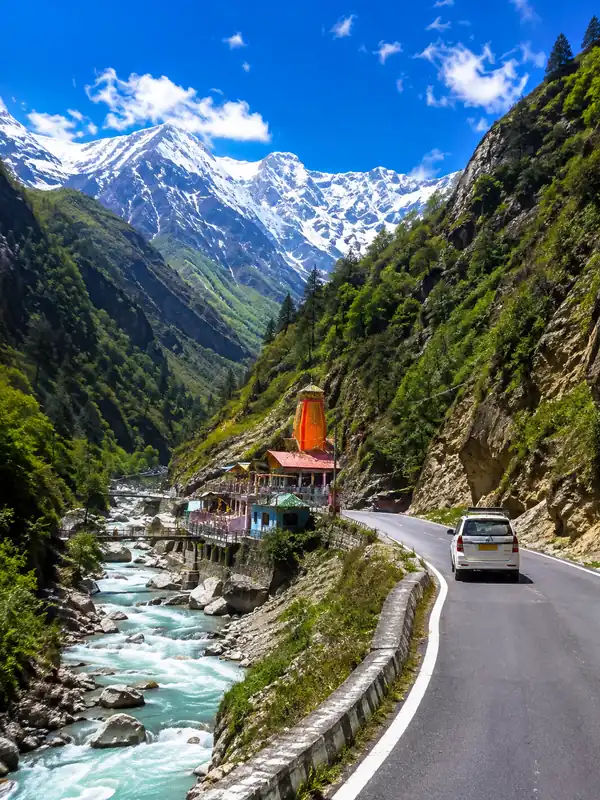
The temple opens its doors for Darshan in May and remains open until October. The main temple site is surrounded by hot water springs, with the Yamuna River flowing nearby, giving this temple a personality of its own. Legend has it that this was the hermitage of Sage Asit Muni, who was unable to reach Gangotri due to his old age. Hence, a stream of the Ganges is said to have appeared opposite the Yamunotri site for him. A mystifying trek to this place will fill you with deep devotion and evoke your love of nature.
QUICK ANSWER Yamunotri Dham opened for the 2026 season on 19 April. It’s a 3–5 day Himalayan pilgrimage in Uttarkashi, Uttarakhand, moderate in difficulty, involving a trek from Janki Chatti commonly cited as 5–6 km — official sources don’t fully agree on the exact figure. The temple sits at 3,293 m. Char Dham registration is mandatory for every pilgrim.
| Fact | Details |
|---|---|
| Location | Uttarkashi district, Uttarakhand |
| Duration | 3–4 days Haridwar · 4–5 days Delhi |
| Difficulty | Moderate — trek, commonly cited 5–6 km |
| Best Time | May–Jun & Sep–mid Oct |
| Temple Elevation | 3,293 m / 10,800 ft |
| Deity | Goddess Yamuna, polished black ebony idol |
| Registration | Mandatory — Char Dham Yatra |
| Ideal For | Pilgrims, families, fit seniors |
| Nearest Airport | Jolly Grant, Dehradun |
| Nearest Railhead | Rishikesh / Haridwar |
| Foreign Nationals | Can register, same portal |
| 2026 Opening | 19 April 2026 |
| 2026 Closing | Not yet announced — check BKTC |
The current shrine belongs to the 19th-century rebuilding of the site. Sources don’t fully agree on the details — some tourism material credits an 1839 construction under Sudarshan Shah, later rebuilt after earthquake damage; others attribute the temple’s construction and reconstruction to Maharaja Pratap Shah of Tehri Garhwal. We won’t force these into one clean story. What’s consistent across every account: it’s a modest stone shrine, not an ornate one.
The Yamuna’s true source is a separate matter from the temple itself. The Champasar Glacier and the high-altitude Saptarshi Kund, both linked to the river’s origin on Kalind Parvat, are placed by current tourism sources at roughly 10 km beyond the temple, around 4,421 m — a demanding, technical trek that has nothing to do with the standard pilgrim route. The Yamunotri temple was deliberately built lower down, where the river is already a strong, visible flow, so ordinary pilgrims never need to attempt that climb.
Yamuna is worshipped as the daughter of Surya and the sister of Yamraj, the god of death. Local belief holds that darshan here protects against an untimely or painful death — which is why Yamunotri traditionally opens the Char Dham circuit, purifying the pilgrim before the rest of the journey.
EXPERT INSIGHT Darshan happens at the idol itself, and most pilgrims also visit Surya Kund and Divya Shila right beside it. Treat these as one combined stop, not separate errands — they sit a few metres apart.
Read Yamunotri Temple in detail → · Yamunotri history and legends →
What makes Yamunotri distinct among the four Dhams is this pairing of an icy glacier-fed river and a hot spring within a few metres of each other. Surya Kund runs hot enough to actually cook food in; Gauri Kund is the separate spot set aside for bathing.
Divya Shila stands close to the temple entrance, and most pilgrims stop and pray here before the main darshan.
LOCAL INSIGHT Don’t touch Surya Kund’s water directly at the source — it’s hot enough to cook rice. Use Gauri Kund if you want a dip.
Yamunotri is traditionally the first shrine in the Char Dham sequence, followed by Gangotri, Kedarnath and Badrinath. The order tracks the west-to-east pilgrimage route; some traditions also attach a purification significance to visiting Yamunotri first.
| Feature | Yamunotri | Gangotri | Kedarnath | Badrinath |
|---|---|---|---|---|
| Access type | Trek from Janki Chatti | Road-accessible | Trek or helicopter | Road-accessible |
| Approx. elevation | 3,293 m | 3,100 m | 3,583 m | 3,133 m |
| Assist options | Pony, palki, porter | Not needed | Pony, palki, heli | Not needed |
| Usual order | 1st | 2nd | 3rd | 4th |
Yamunotri’s trek is shorter than Kedarnath’s, but "shorter" isn’t the same as "easy" — steep sections and altitude can still make it demanding, and how hard it feels on a given day depends more on weather and crowding than on the distance printed on a signboard.
Read the full Char Dham order and history →
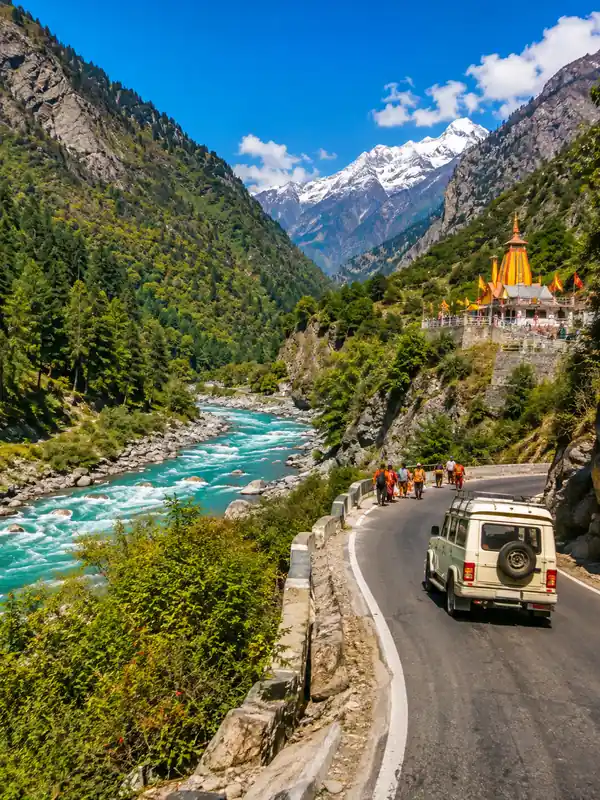
Most pilgrims reach Yamunotri via Rishikesh or Haridwar, driving through Dehradun and Barkot to Janki Chatti, then trekking the final stretch — commonly cited as 5–6 km — on foot, pony, palki, or basket-carry (kandi) for children and elderly travellers.
● Delhi / Haridwar / Rishikesh ORIGIN
Overnight road journey towards the Yamuna valley.
● Dehradun GATEWAY CITY
Nearest airport, Jolly Grant, for those flying in.
● Barkot ≈ LAST MAJOR TOWN
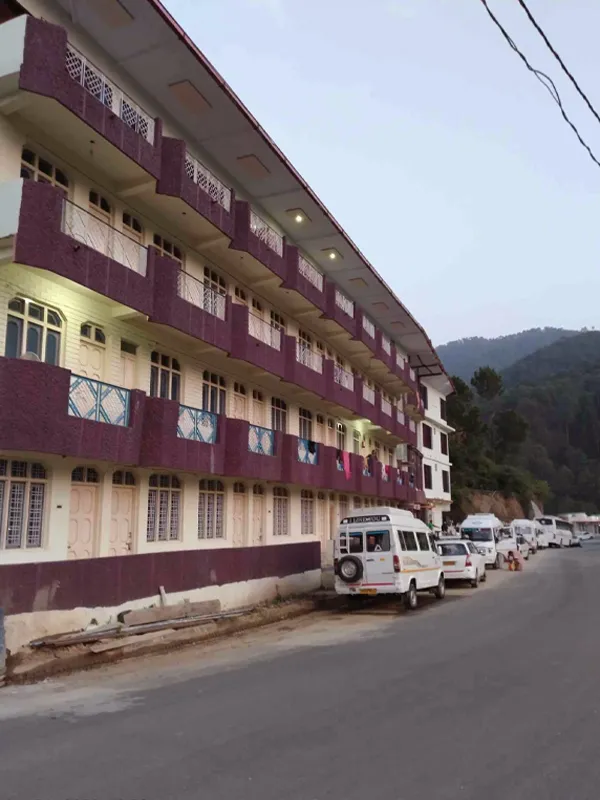
Widest hotel choice before the trailhead — most itineraries overnight here.
● Hanuman Chatti / Phool Chatti HISTORIC TRAILHEAD
Now largely bypassed since the road reached Janki Chatti.
● Janki Chatti LAST MOTORABLE POINT
Pony/palki stand and the trek starting line.
● Yamunotri Temple ≈5–6 KM TREK
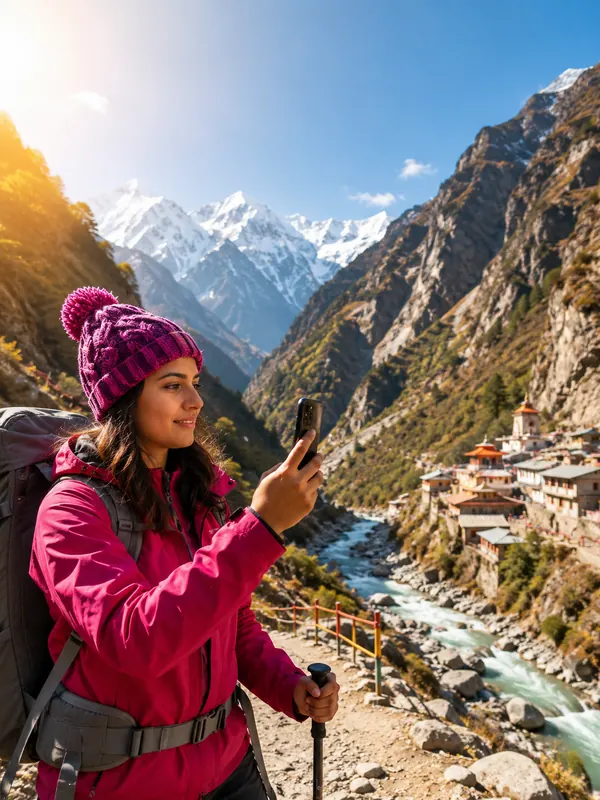
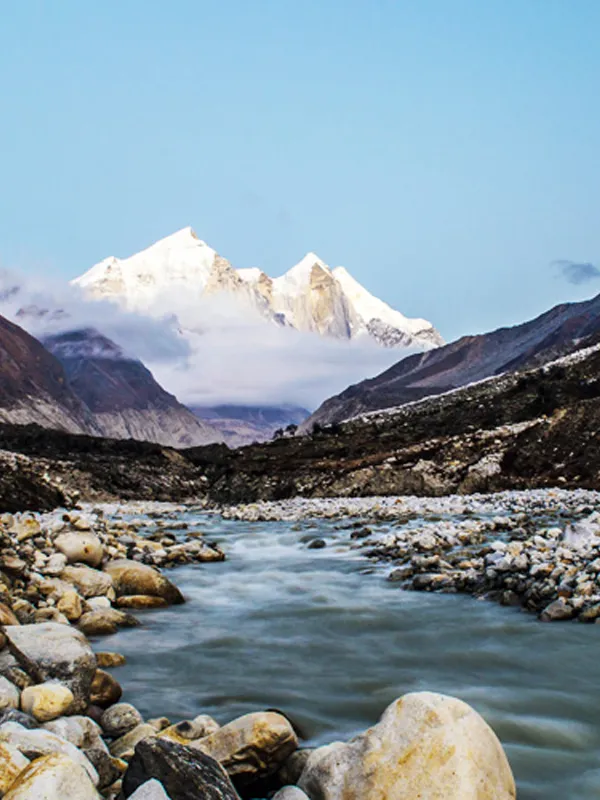
Along the Yamuna gorge, past waterfalls, with Kharsali visible across the valley.
WHY THE ORDER MATTERS Building in an overnight stop at Barkot before the trek — rather than driving straight through and attempting the climb the same day — is the single biggest factor in how manageable the trek feels.
Delhi to Yamunotri → · Haridwar to Yamunotri → · Rishikesh to Yamunotri →
A Yamunotri-only Yatra takes 3–4 days from Haridwar/Rishikesh or 4–5 days from Delhi. Combined with Gangotri, plan 5–6 days; as part of the full Char Dham, it’s usually Day 1–3 of a 10–12 day circuit.
Day 1 Haridwar/Rishikesh → Barkot
Drive via Mussoorie or the Yamuna valley road; overnight in Barkot for acclimatisation.
Day 2 Barkot → Janki Chatti → Yamunotri → back to Barkot
Early start, drive to Janki Chatti, trek up to the temple, darshan and Surya Kund prasad, trek back down, return for the night.
Day 3 Barkot → Haridwar/Rishikesh
Return drive, with a stop at Mussoorie viewpoints if the schedule allows.
Day 4 Buffer / Departure
Kept free for delays, fatigue, or an extension into Gangotri.
COMMON MISTAKE Treating the trek day as a quick side trip rather than the main event. Allow around three hours or more each way, depending on fitness, crowding, weather, and whether you walk or use a pony/palki — plus time at the temple itself.
QUICK ANSWER A Yamunotri-only trip runs roughly ₹8,000–₹28,000 per person depending on hotel category and transport — these are operator estimates, not fixed tariffs. Pony, palki and porter charges at Janki Chatti are separate, paid on the spot, and worth confirming locally rather than trusting a printed number.
| Package Type | Typically Includes | Indicative Cost / Person |
|---|---|---|
| Budget | Shared/basic hotel, non-AC vehicle, breakfast-dinner | ₹8,000 – ₹13,000 |
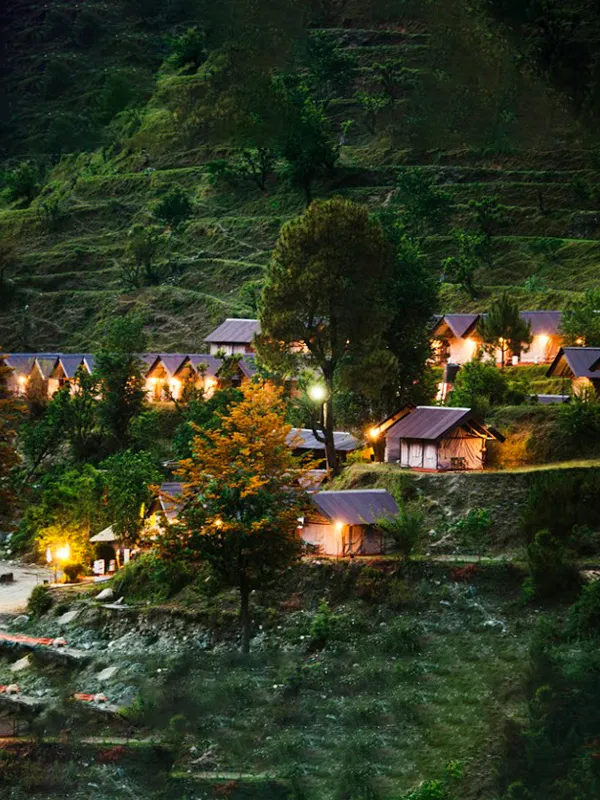
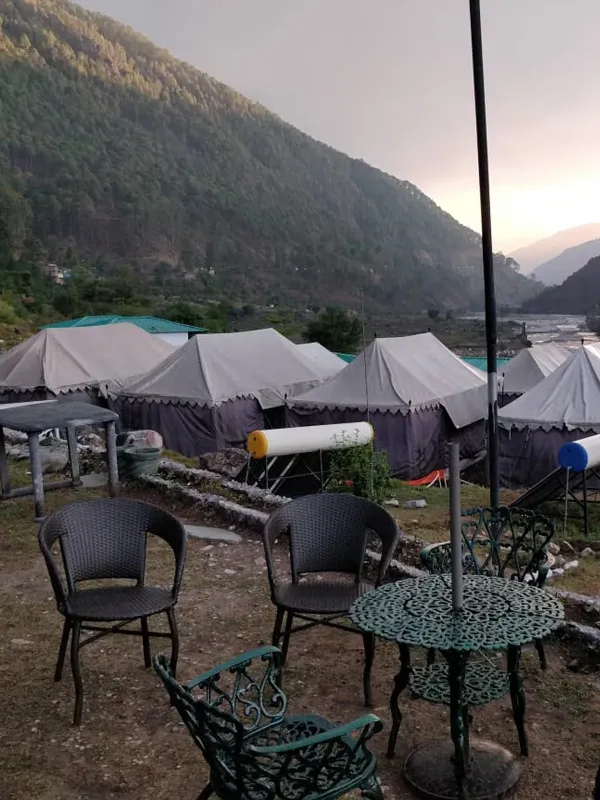
| Standard | 3-star hotel/camp, private vehicle, most meals | ₹14,000 – ₹19,000 |
| Deluxe | Better Barkot stays, private vehicle, full board | ₹20,000 – ₹28,000+ |
Pony, palki and porter rates are set locally and move with season and fuel prices. We’re not printing exact rupee figures here — every number we could verify came without a government tariff behind it, and a wrong number is worse than no number. Ask at the counter on the day, or ask your operator to confirm current rates before you travel.
What changes the package price most: starting city, group size, accommodation grade in Barkot, and whether you take a private or shared vehicle.
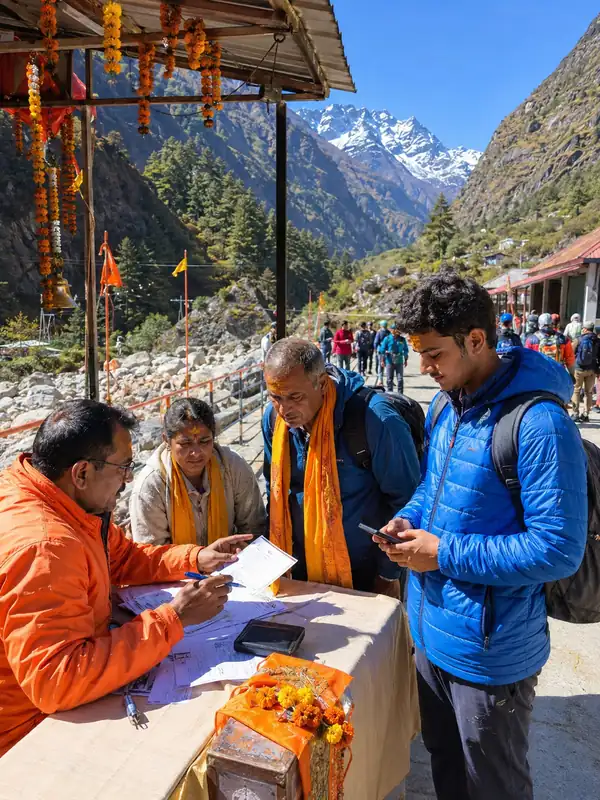
Char Dham Yatra registration is mandatory for every pilgrim visiting Yamunotri, done through the Uttarakhand Tourism portal or offline counters in Haridwar, Rishikesh and other checkpoints — and it covers you and your vehicle as two separate registrations, not one.
Unlike Adi Kailash, which needs an Inner Line Permit because it sits near an international border, Yamunotri doesn’t need a border permit — but Yatra registration is compulsory, and vehicles without it don’t get waved through at checkpoints.
EXPERT TIP An operator with local coordination can pre-register your group and flag documentation gaps before you leave home — this alone can save a full day of standing in line at peak-season counters.
Rules can shift slightly each season — check our Yamunotri Yatra Registration guide closer to travel. Chardhamtour.in is not the official government portal; complete your actual registration at registrationandtouristcare.uk.gov.in.
May, June, September and mid-October offer the most stable weather for the Yamunotri trek. July–August monsoon brings landslide risk on the hill roads and is best avoided.
| Month | Rating | What to Expect |
|---|---|---|
| May | Excellent | Pleasant days, cold mornings and nights, clear skies |
| June | Excellent | Warm days; peak season, book early |
| July | Avoid | Heavy monsoon rain, landslide-prone roads |
| August | Avoid | Continued monsoon, unpredictable closures |
| September | Generally good | Rain tapers off, skies usually clear — but road conditions can still shift fast after the monsoon |
| Early–mid October | Good | Crisp, cool, good visibility |
| Late October onward | Cold, less predictable | Colder conditions as the season winds down; confirm closing status before travelling late |
Temperatures stay cool at the temple even in June — single digits at night are normal. The road through this stretch isn’t immune to sudden damage either; a section of the Yamunotri highway near Phool Chatti collapsed during heavy rain in 2025, which is a fair reminder that "monsoon avoid" isn’t just caution for its own sake. The shrine closes entirely for winter, with the idol moved down to Kharsali until doors reopen the following spring — the exact 2026 closing date will be announced by the temple committee closer to the time.
Yamunotri Weather Guide → · Best Time to Visit Char Dham →
Beyond the temple itself, the Yamunotri leg covers Barkot, Hanuman Chatti, Janki Chatti, Kharsali — winter seat of the goddess — Surya Kund and Divya Shila. Saptarshi Kund, the high-altitude area linked to the Yamuna’s true source, sits roughly 10 km further and is not part of the pilgrim route.
Barkot: The last major town with a wide hotel choice before the trailhead, on the Yamuna’s banks, known for apple orchards.
Hanuman Chatti: The historic start of the old 13 km trekking trail, still used by trekkers wanting the longer, quieter route via Markandeya Tirth.
Janki Chatti: Today’s main trailhead and last motorable point, with basic guesthouses, tea stalls and the pony/palki stand.
Kharsali: A quiet village across the valley — the winter seat of Goddess Yamuna, with an old Shiva temple worth a short visit.
Surya Kund & Divya Shila: The hot spring and sacred stone central to the ritual at Yamunotri — see Section 03.
Saptarshi Kund: The high-altitude glacial lake linked to the Yamuna’s true source, roughly 10 km beyond the temple at around 4,421 m — a demanding technical trek, not part of the standard pilgrimage.
Yamunotri Geography → · Yamunotri Festivals → · Yamunotri Food & Restaurants →
Yamunotri is achievable for most reasonably fit travellers, including many senior citizens using the pony/palki option. Families commonly manage it with a kandi carry for young children. NRIs and foreign nationals are welcome, subject to the same mandatory registration as domestic pilgrims.
| Traveller Type | Guidance |
|---|---|
| Senior Citizens | Many complete the Yatra with a pony or palki for part or all of the climb; a basic health check and slow, break-included pace matter more than raw fitness. |
| Families | Children can be carried in a kandi basket; the trail is steep in sections but not technical or exposed. |
| NRIs & Foreign Nationals | Welcome, with the standard Char Dham registration — no separate border permit required, unlike Adi Kailash. |
| First-Timers | A reasonable starting point for a first Himalayan trip, given the moderate elevation gain and trek length compared to Kedarnath. |
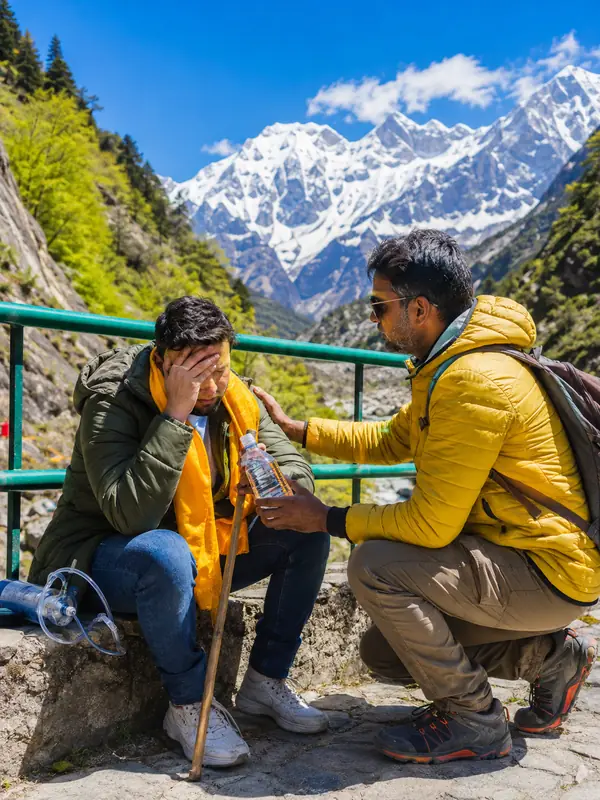
HEALTH NOTE Travellers with serious heart, lung or blood-pressure conditions should seek medical advice before booking. Hydrate, pace yourself, and descend if symptoms of altitude discomfort appear. This is general guidance, not medical advice.
Common themes in traveller feedback: the emotional weight of the final approach to the temple after a tiring climb, and the surprise of finding a hot spring metres from an icy mountain river. For dated, named reviews with specifics on which package and month, see the testimonials page below rather than a summary here.
| Strength | What It Means for You |
|---|---|
| 15+ Years Experience | Deep expertise across Uttarakhand’s Char Dham routes, including Yamunotri, since 2010. |
| Registered Operator | Licensed Uttarakhand Tourism travel agency, License No. UTTR/DEHRADUN/08-2019/002797. |
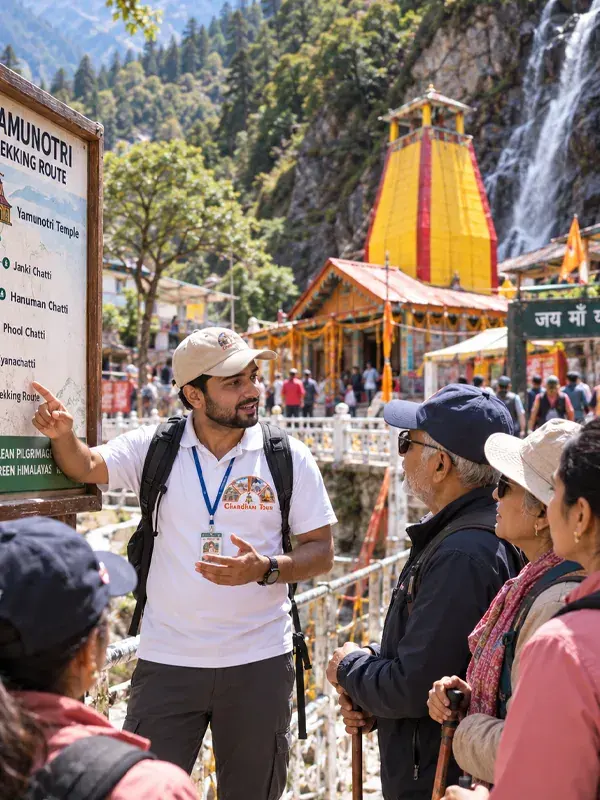
| On-Ground Team | Local coordinators in Barkot and Janki Chatti for stays, transport and trek logistics. |
| Registration Support | Guidance through the Char Dham registration process, so you’re not figuring out the portal alone. |
| Transparent Pricing | Clear package inclusions with no hidden pony/palki surprises. |
| Ground Assistance | Support from Barkot through the trek, including help arranging ponies, palkis or porters. |
We’re not the official government booking portal — for actual Yatra registration, always use registrationandtouristcare.uk.gov.in — but we handle everything around it: transport, stay, trek logistics and local support.
Why pilgrims choose us → · Awards & recognition →
3 Days / 2 Nights
Yamunotri Yatra from Haridwar
Haridwar → Barkot → Janki Chatti → Yamunotri → Barkot → Haridwar
5 Days / 4 Nights
Yamunotri Yatra from Delhi
Delhi → Haridwar → Barkot → Janki Chatti → Yamunotri → Delhi
6 Days / 5 Nights
Gangotri Yamunotri Yatra
Combined Do Dham circuit covering both western Char Dham shrines.
1 Day
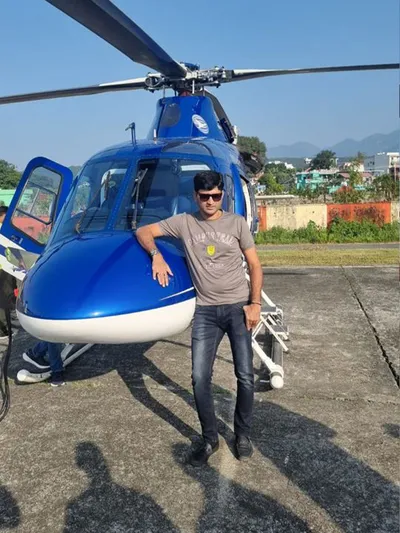
Gangotri Yamunotri by Helicopter
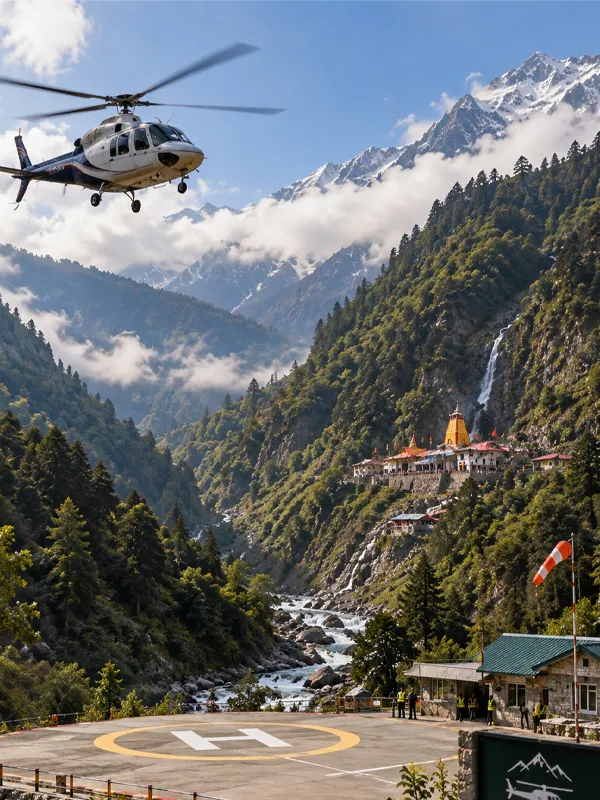
Aerial darshan-style tour to nearby helipads with local transfer.
10–12 Days
Full Char Dham Yatra
Yamunotri, Gangotri, Kedarnath, Badrinath in the traditional order.
View All 10+ Yamunotri Tours →
Questions real travellers ask before booking, grouped by topic.
It’s a genuine uphill walk from Janki Chatti, commonly cited as 5–6 km, with a real elevation gain — expect breathlessness in sections. It’s not technical, and pony/palki options make it accessible to most people with reasonable fitness.
About 3–4 days from Haridwar/Rishikesh and 4–5 days from Delhi, depending on the package and any buffer day for weather.
Yes. Mountain weather and road conditions can shift plans by a day — a buffer protects your darshan and your return travel.
Yes, if you start early — drive to Janki Chatti, trek up, do darshan, trek back down. It’s a long but doable single day for reasonably fit travellers.
Approximately 3,293 metres (around 10,800 feet) above sea level.
At around 3,293 m, altitude-related symptoms are possible — headache, dizziness, unusual fatigue, breathlessness that doesn’t ease with rest. Don’t ignore them. Slow down, hydrate, and descend if they don’t improve.
We don’t have a verified source confirming specific medical posts on this stretch, so we won’t claim one exists at a particular point. Carry your own essential medicines and don’t rely on the route for comprehensive medical care.
Generally manageable with experienced drivers in good weather, but landslide-prone during monsoon — another reason to avoid July–August and keep a buffer day.
Yes. Char Dham Yatra registration is mandatory, and it covers both you and your vehicle as separate registrations on the official portal.
Through the official Uttarakhand Tourism registration portal, or offline at counters in Haridwar, Rishikesh and other checkpoints.
Yes. Foreign nationals go through the same registration portal, with valid ID and travel documents. Check the official portal for anything specific to your situation.
Yes, NRIs can join; plan documentation and registration timing in advance like any other pilgrim.
No fixed limit, but very young children and elderly travellers with serious health conditions should get medical advice first; a kandi or palki makes the climb accessible to most ages.
Indicative operator pricing: budget packages start around ₹8,000–₹13,000 per person, standard and deluxe options run ₹20,000–₹28,000+. Pony/palki charges at Janki Chatti are separate — confirm current rates locally before you travel.
Transport, hotel/camp stay in Barkot, breakfast and dinner in most cases, and driver support. Pony/palki, lunch and personal expenses are typically extra.
As early as possible for the May–June and September–October windows — these fill up fast, especially around weekends and festival dates.
Cancellation terms depend on your tour operator and hotel policies — check the specific cancellation policy before booking.
No, they’re optional. Many pilgrims walk the full distance; ponies, palkis and porters exist for those who need assistance.
Nearest airport: Jolly Grant, Dehradun. Nearest railhead: Rishikesh/Haridwar, where most Yatras begin by road.
Janki Chatti is the current last motorable point; some itineraries still start from Hanuman Chatti for the longer, quieter trail.
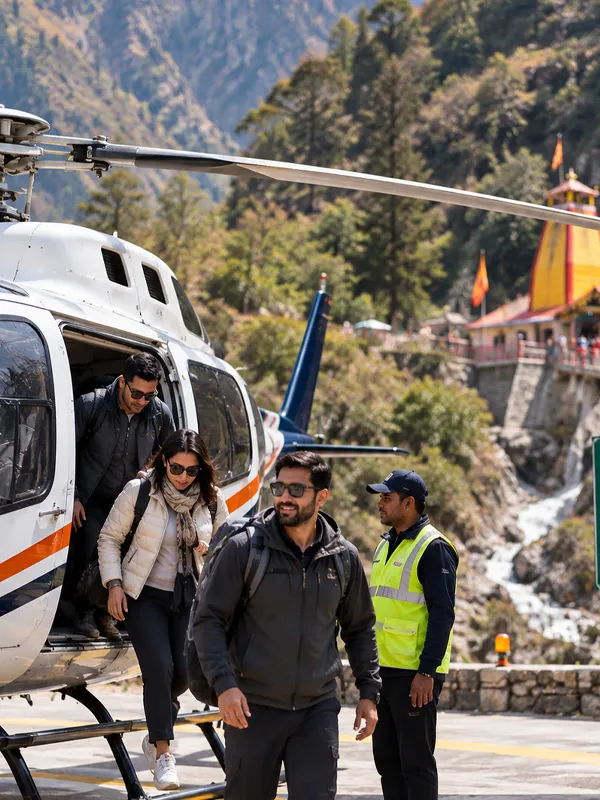
Yamunotri doesn’t have a dedicated helipad-to-temple shuttle like Kedarnath. An aerial darshan-style tour covering Gangotri and Yamunotri by helicopter with local transfer is available separately.
Since both Dhams share part of the approach road and are relatively close, most pilgrims pair them into a single 5–6 day trip.
Travellers commonly report patchy coverage that weakens as you climb from Barkot toward Janki Chatti and the temple. Don’t count on being reachable once you start the trek.
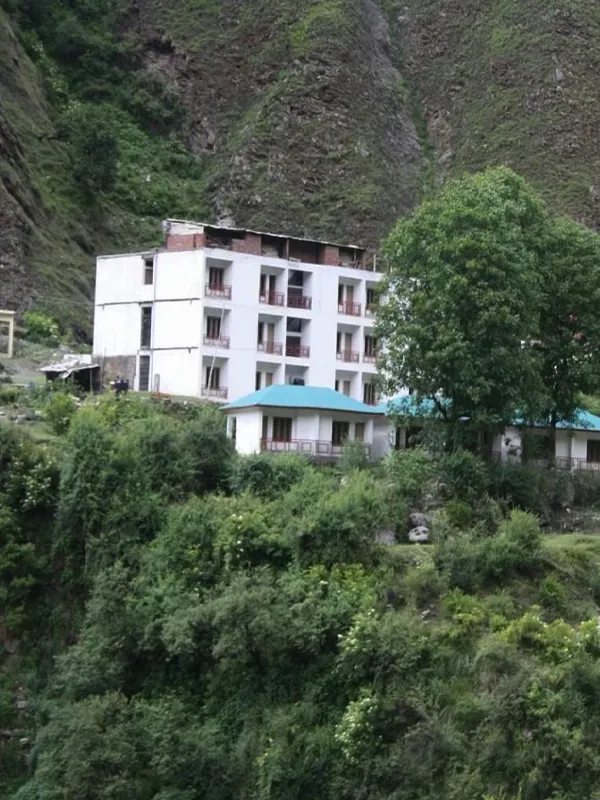
Good hotel choice in Barkot; basic guesthouses at Janki Chatti. Book early, as options thin out closer to the trailhead.
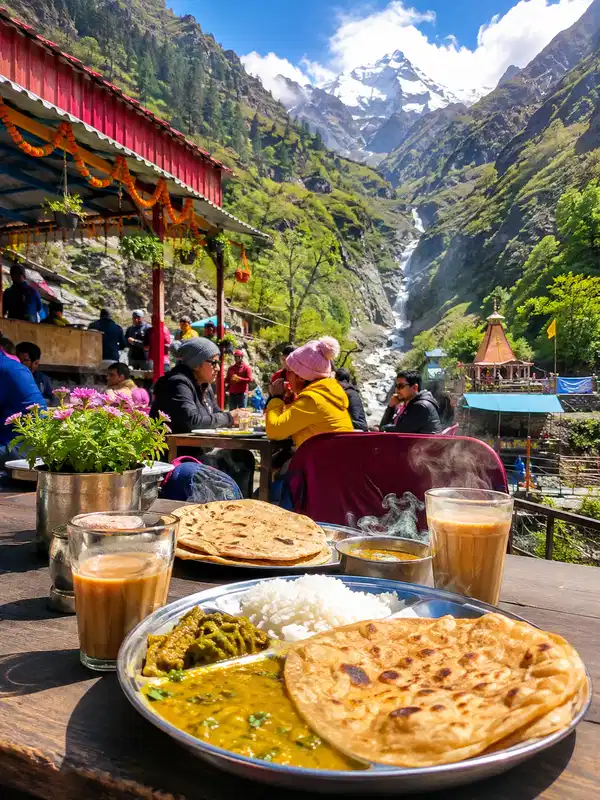
Simple vegetarian meals — dal, rice, roti, sabzi — are available at Barkot and Janki Chatti; options thin out closer to the temple.
Reliable ones are in Barkot. Carry sufficient cash beyond that point rather than counting on one working further up.
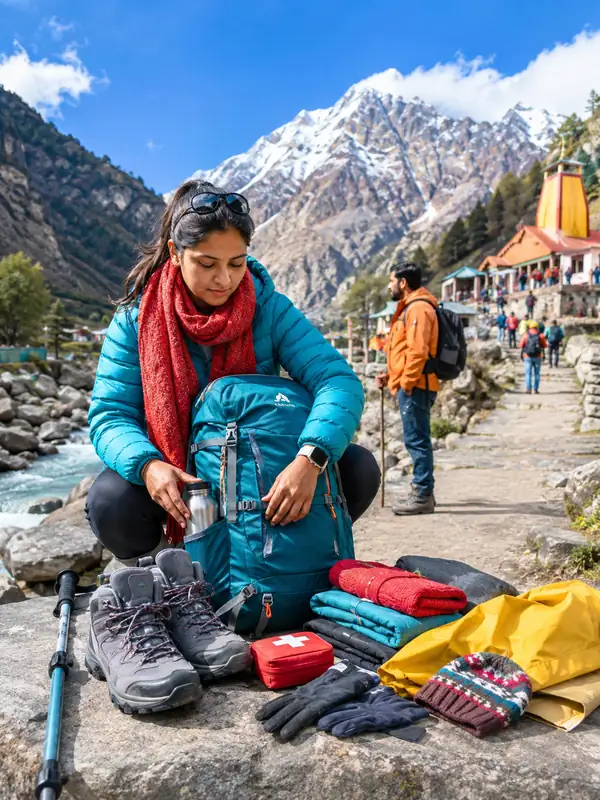
Warm layers even in summer, comfortable trekking shoes, a rain jacket, basic medication, sunscreen and a refillable water bottle.
Nights at Janki Chatti and near the temple drop to single digits even in June. Temperatures can fall sharply after sunset, especially in the later part of the season — carry proper warm layers regardless of the month.
Rules can vary and are sometimes restricted inside the sanctum out of respect for the ritual — check locally on the day rather than assuming.
Many travellers prefer an early start to beat the rush from Janki Chatti, though crowd levels vary by date and season.
It’s traditionally the first stop, followed by Gangotri, Kedarnath and Badrinath — an order that tracks the west-to-east pilgrimage route, with some traditions also attaching purification significance to Yamunotri specifically.
A natural hot spring beside the temple, hot enough that pilgrims traditionally cook rice as prasad by dipping a cloth pouch of grain into the water.
No — the temple closes for winter, idol moved to Kharsali, and reopens in spring, typically around Akshaya Tritiya. The exact date shifts with the lunar calendar and is confirmed by the temple committee each year.
The route is well-travelled during the season. The usual sensible precautions that apply to any Himalayan trail — well-reviewed stays, informing someone of your plan, avoiding the trek alone after dark — apply here too.
Priests may offer optional paid puja services at the pilgrim’s discretion. Confirm current entry rules locally, since we don’t have a verified current fee source to state one way or the other.


Fake websites, WhatsApp accounts and advertisements may impersonate genuine travel companies or helicopter operators. Always verify before paying.
Chardhamtour.in is not the official website of the Uttarakhand Government. We are a registered travel agency with Uttarakhand Tourism and provide travel-related services. For Chardham Yatra registration, visit registrationandtouristcare.uk.gov.in for pooja booking, visit badrinath-kedarnath.gov.in for Kedarnath helicopter tickets, visit heliyatra.irctc.co.in for Uttarakhand tourism info, visit uttarakhandtourism.gov.in for Karnataka government subsidy, visit sevasindhuservices.karnataka.gov.in.
Chardhamtour.in aims to provide helpful information, latest updates about Chardham Yatra, and services related to tourism in Uttarakhand.