Best Places to Visit in Yamunotri
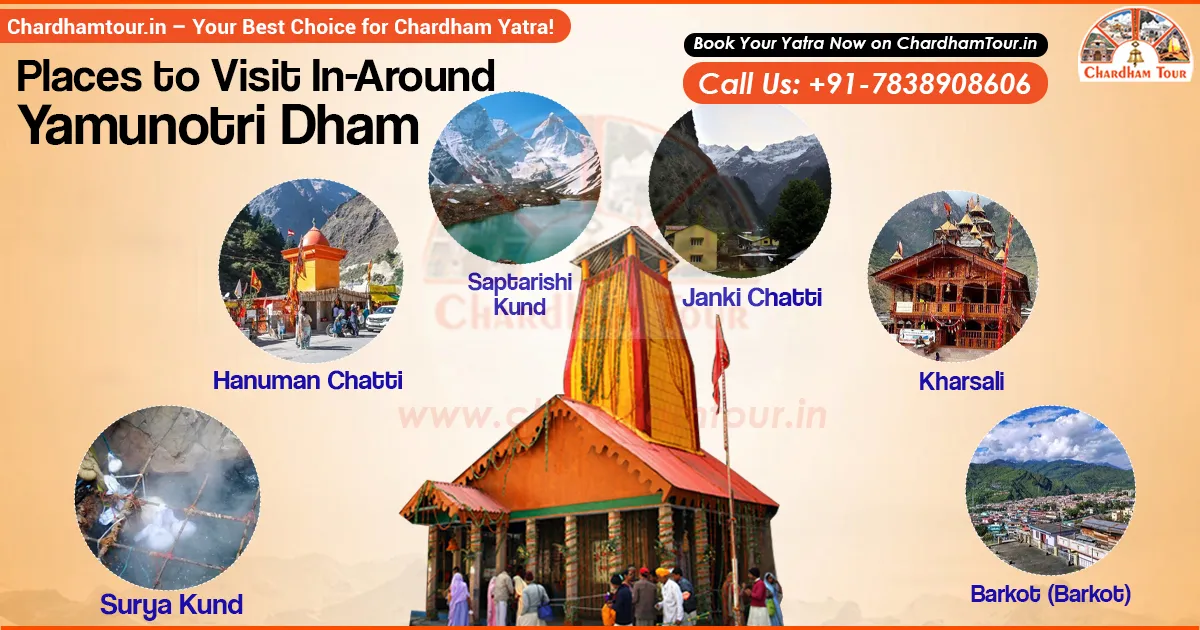
Tucked into the western folds of the Garhwal Himalayas, Yamunotri is far more than a single temple — it's a trail of hot springs, sleepy villages, glacial lakes, and alpine meadows that unfolds as you climb higher into the mountains. As the westernmost and traditionally first stop of the Char Dham Yatra, Yamunotri rewards travellers who go beyond the Darshan itself.
Whether you're planning a quick pilgrimage or building in extra days for trekking and village stays, here are the places worth knowing about on and around the Yamunotri route. For 2026, Yamunotri Dham opened for Darshan on 19 April, coinciding with Akshaya Tritiya — check the official Uttarakhand pilgrimage portal for current-season timings before you travel.
1. Yamunotri Temple – Where the Pilgrimage Begins
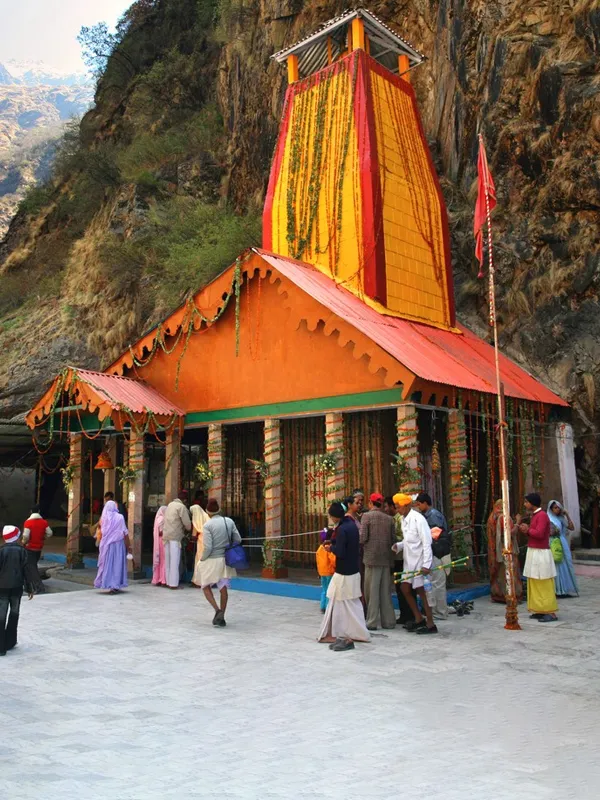
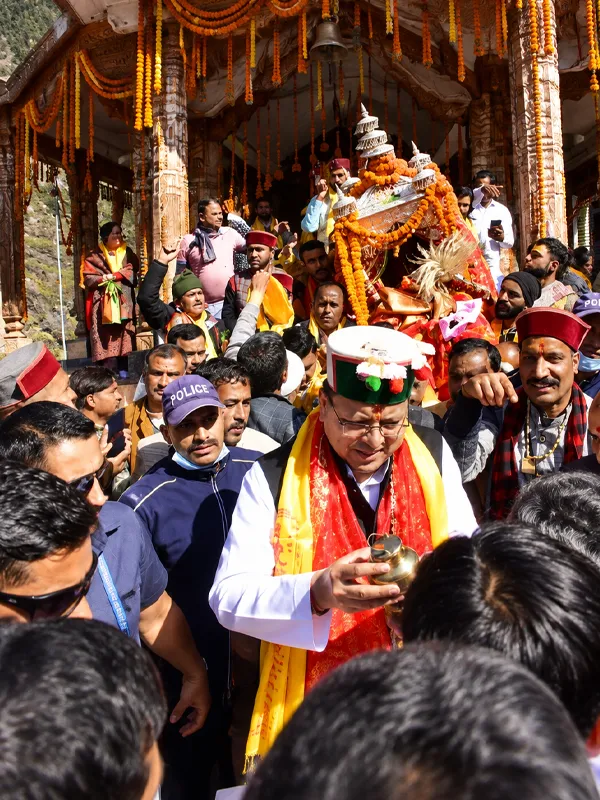
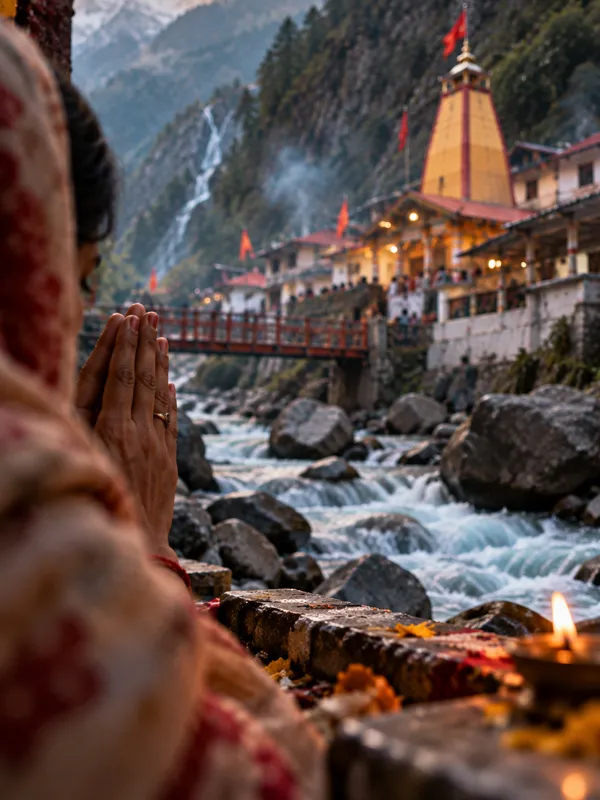
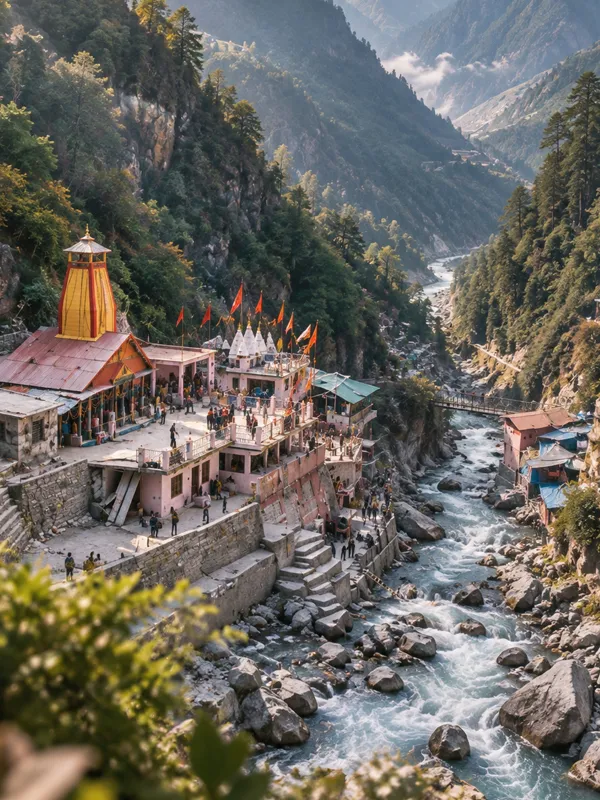
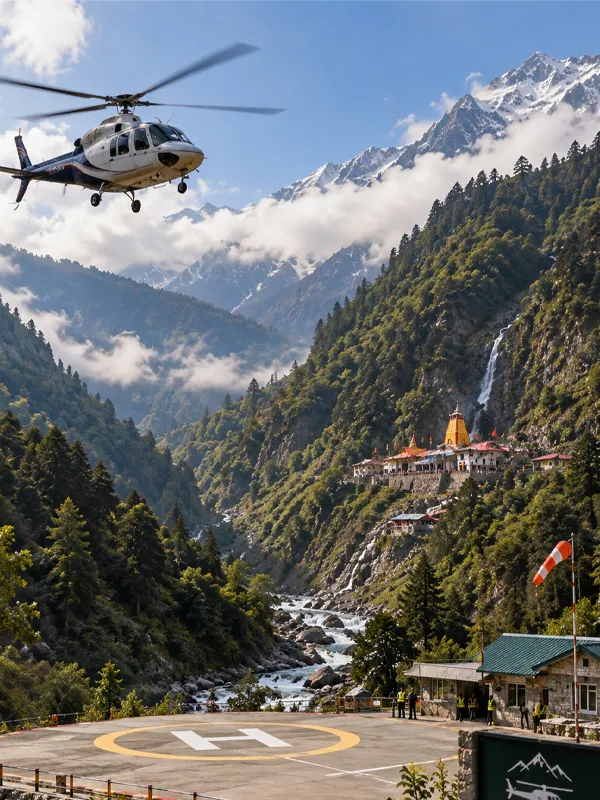
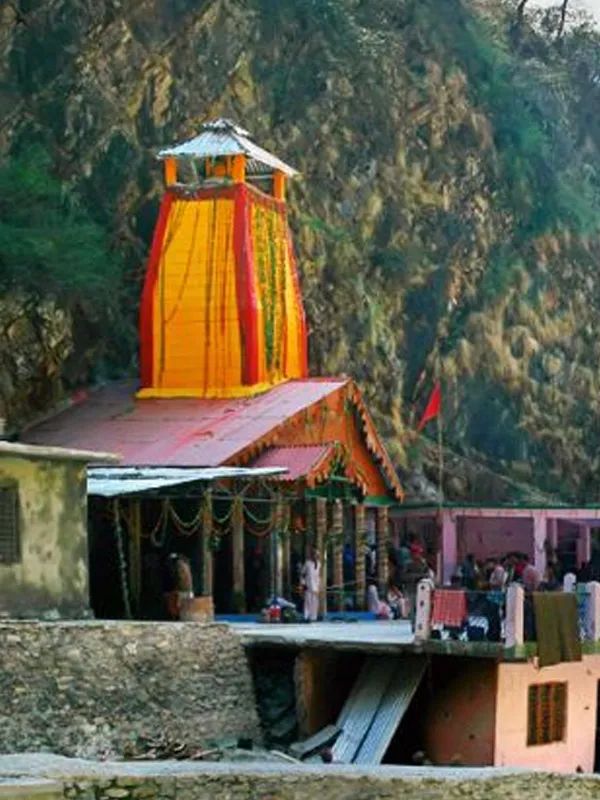
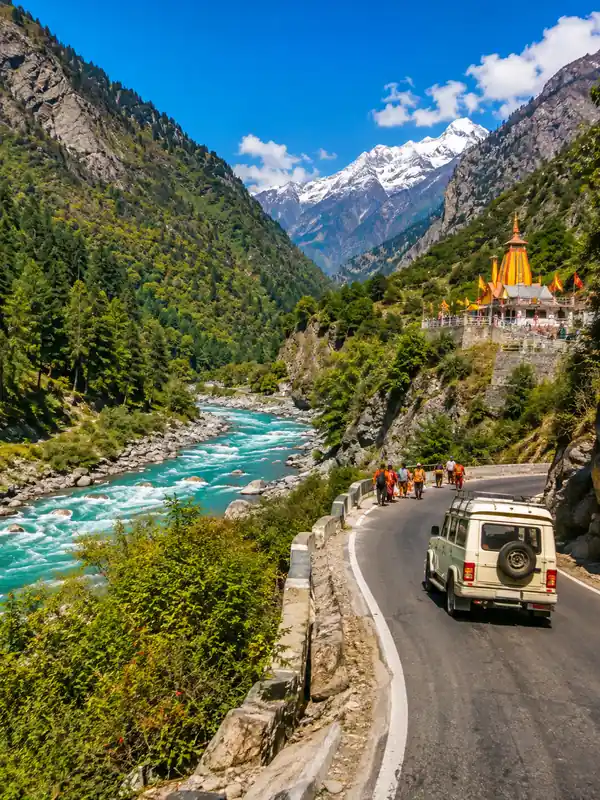
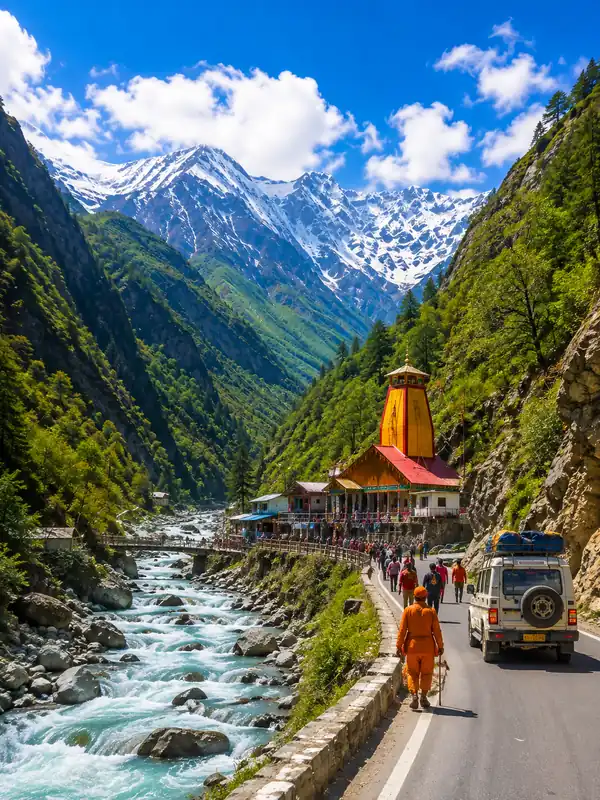
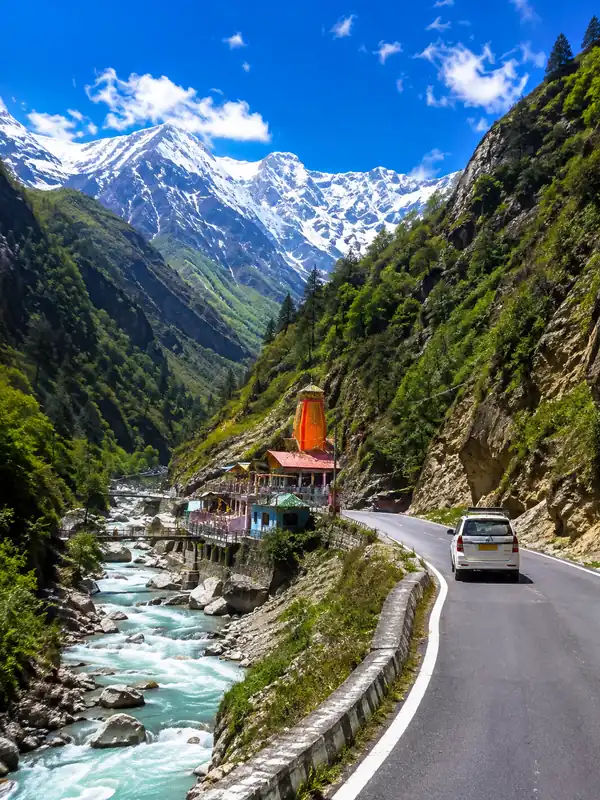
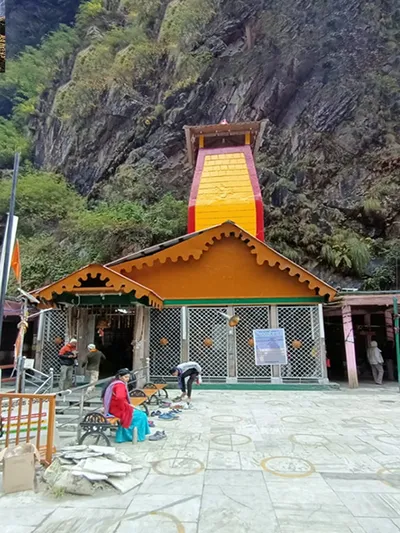
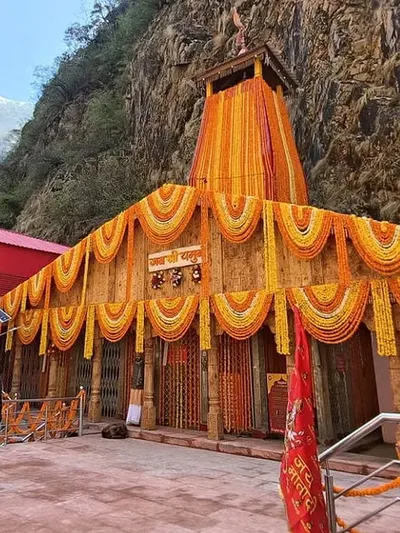
The temple itself is why most people make this journey — a granite shrine painted in pale yellow and vermillion, set against a steep mountain backdrop with the Yamuna river rushing alongside. Perched at roughly 3,293 metres, it marks the traditional starting point of the Char Dham Yatra and houses an intricately carved idol of Goddess Yamuna in polished black ebony, often described simply as "black marble" in popular travel writing.
Key Attractions
- Main Sanctum – the black ebony idol of Goddess Yamuna, believed to be seated on a tortoise
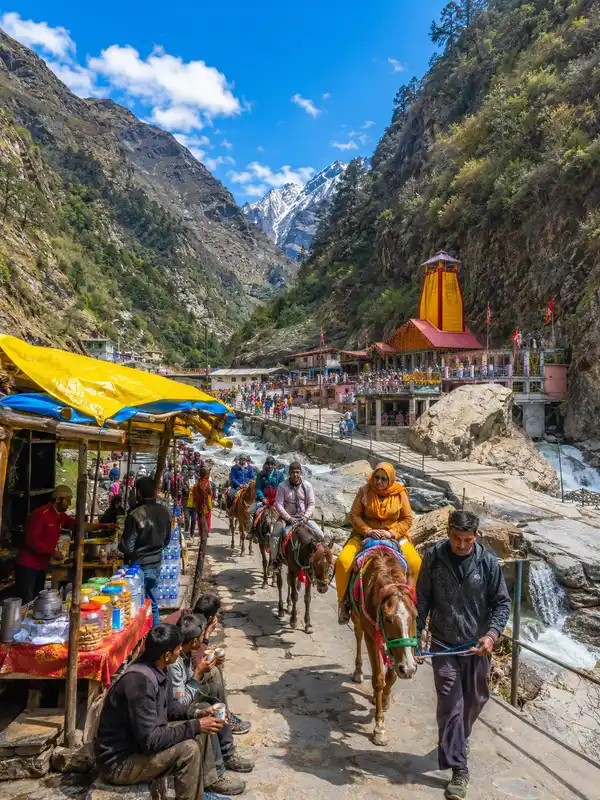
- The Final Trek – a roughly 6 km climb from Janki Chatti through pine forest and river-carved gorge
- Temple Architecture – granite construction with a conical, pale-yellow spire
- Riverside Setting – the Yamuna flowing directly beside the shrine
Best Time to Visit: May–June and September–October, when the temple is open and weather is most stable Travel Tip: Start the trek from Janki Chatti as early as possible — mornings are cooler, calmer, and give you more buffer if the walk takes longer than expected.
2. Surya Kund – Where Prasad Meets Tradition
Right beside the temple, this natural hot spring is where much of the ritual activity happens. The water runs extremely hot, and pilgrims traditionally tie rice and potatoes in muslin cloth and dip them into the spring — the cooked offering is then presented to the deity and carried home as prasad.
Key Attractions
- The Hot Spring Itself – used for cooking ritual offerings
- Gauri Kund – a smaller, cooler spring nearby
- Divya Shila – a sacred rock pillar many pilgrims worship before entering the shrine
Best Time to Visit: Alongside your temple visit, any time during the yatra season Travel Tip: Carry a small clean cloth if you want to cook your own rice offering — it's a simple ritual, but a memorable one.
3. Janki Chatti – The Last Motorable Point
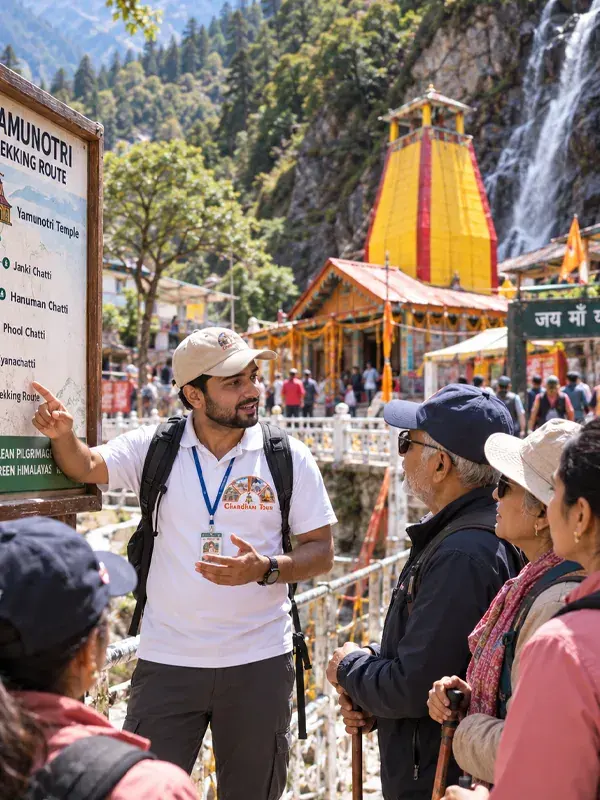
This small hamlet at about 2,650 metres is the real roadhead for Yamunotri — not Hanuman Chatti, which was the historic starting point before the road was extended. Janki Chatti has its own hot springs, guesthouses, and pony/palki services for the final climb.
Key Attractions
- Natural Hot Springs – a popular pre-pilgrimage stop
- Pony and Palki Counters – for pilgrims who can't manage the full trek on foot
- Guesthouses and Dhabas – the last proper stopover before Yamunotri
Best Time to Visit: May–October, when accommodation and services are fully operational Travel Tip: Stock up on water, snacks, and rain gear here — options thin out considerably on the trek ahead.
4. Kharsali – The Winter Seat of the Goddess
Just a short 1 km walk from Janki Chatti (about 8 km from the temple by the main route), Kharsali — also known as Khushimath — is where Goddess Yamuna's idol spends the winter after Yamunotri closes around Bhai Dooj. The village's historic Shani Dev temple is one of the oldest of its kind associated with the region.
Key Attractions
- Shani Dev Temple – the ancient stone-and-wood shrine housing the goddess through winter
- Village Walks – a quiet, uncrowded alternative to the busier pilgrim stops
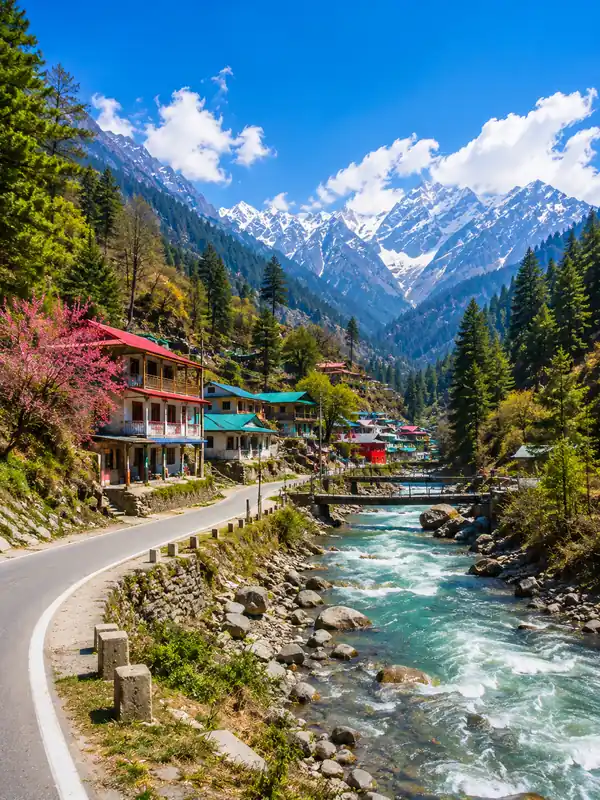
- Himalayan Views – snow-capped peaks framing the village
Best Time to Visit: May–October for a lively village visit, when Kharsali's Shani Dev temple is easiest to reach; through winter the goddess is actively worshipped here, but heavy snow can make the village harder to access Travel Tip: If you want a slower pace, spend a night in Kharsali rather than Janki Chatti — it's quieter, and just as scenic.
5. Hanuman Chatti – The Historic Trailhead
Set at the confluence of the Hanuman Ganga and Yamuna rivers, roughly 13 km from the temple, Hanuman Chatti was the original starting point for the Yamunotri trek before the road reached Janki Chatti. It remains a useful stop for supplies and doubles as an access point for treks toward Darwa Top and Dodital.
Key Attractions
- River Confluence – a scenic spot where two rivers meet
- Trekking Access – the gateway to Darwa Top and Dodital
- Local Dhabas – simple food stops along the road
Best Time to Visit: May–October, in line with the main pilgrimage season Travel Tip: If you're combining Yamunotri with a Dodital trek, treat Hanuman Chatti as your logistics base rather than a rushed drive-through stop.
6. Saptarishi Kund – For Serious Trekkers Only
Roughly 10 km beyond the temple, fed by the Champasar Glacier, Saptarishi Kund is the genuine headwater of the Yamuna — a high-altitude glacial lake where, according to tradition, seven sages once meditated. This is not a casual sightseeing stop; it's an arduous, multi-day trek suited to experienced trekkers with a local guide.
Key Attractions
- The Glacial Lake – the true source of the Yamuna river
- Champasar Glacier – visible along the approach
- Remote High-Altitude Terrain – rewarding for serious trekkers, demanding for everyone else
Best Time to Visit: May–June and September, avoiding monsoon and peak winter Travel Tip: Don't attempt this trek on a whim — plan it specifically, confirm route conditions locally, and go with an experienced guide.
7. Barkot – Your Overnight Base
Sitting at about 1,220 metres and roughly 46–50 km from Yamunotri (official route figures vary), Barkot is a major stopover on road journeys to the temple. Ringed by oak and rhododendron forest with views of the Bandarpoonch range, it has more accommodation and basic services than the settlements higher up the route.
Key Attractions
- Bandarpoonch Viewpoints – sweeping mountain views from town
- Apple Orchards – a quieter, agricultural side of the hills
- Full-Service Base – hotels, ATMs, and fuel before the final stretch
Best Time to Visit: Year-round as a stopover; best explored leisurely May–June or September–October Travel Tip: Withdraw cash and fill your tank here — both get harder to find as you climb toward Janki Chatti.
8. Dodital – The Hidden Himalayan Lake
A genuine detour for nature lovers, Dodital is a freshwater lake at around 3,024 metres, home to the endangered Himalayan golden trout and considered by local tradition to be the birthplace of Lord Ganesha. It's also the source of the Assi Ganga river, which eventually joins the Bhagirathi.
Key Attractions
- The Lake Itself – clear, high-altitude waters ringed by forest
- Himalayan Golden Trout – the lake's namesake, an endangered native species
- Ganesha Temple – a small shrine tied to local legend
Best Time to Visit: May–June and September–October Travel Tip: Treat Dodital as its own one-to-two-day trip via Hanuman Chatti or Uttarkashi, rather than trying to squeeze it into a standard Yamunotri itinerary.
9. Dayara Bugyal – Alpine Meadows and Winter Skiing
One of Uttarakhand's best-known high-altitude meadows, Dayara Bugyal sits at about 3,048 metres and is a favourite introduction to Himalayan trekking. The trail from Barsu village is graded easy to moderate, and in winter, the snow-covered meadow doubles as a modest skiing spot.
Key Attractions
- Sweeping Alpine Meadows – open grassland with panoramic mountain views
- Easy-Moderate Trek – accessible to first-time trekkers
- Winter Skiing – snow-season slopes for a different kind of visit
Best Time to Visit: April–June for meadows; December–February for snow Travel Tip: Base yourself in Raithal instead of the busier Barsu if you want a quieter start to the trek.
10. Uttarkashi – The Region's Cultural Hub
Known locally as the "Kashi of the North," Uttarkashi is the district headquarters and a natural base if you're combining Yamunotri with other treks or pilgrimages nearby. Its Vishwanath Temple draws its own stream of devotees, and the town is home to the Nehru Institute of Mountaineering.
Key Attractions
- Vishwanath Temple – a major Shiva shrine at the heart of town
- Nehru Institute of Mountaineering – training ground for India's mountaineers
- Access Point – a hub for Gangotri, Dodital, and Dayara Bugyal trips
Best Time to Visit: March–June and September–November Travel Tip: Use Uttarkashi as a base if you're extending your trip toward Gangotri or the Dodital-Dayara Bugyal trekking belt, rather than heading straight back after Yamunotri.
Distance at a Glance
| Place | Approx. distance from Yamunotri Temple |
|---|---|
| Janki Chatti | 6 km |
| Kharsali | ~8 km (just 1 km from Janki Chatti) |
| Hanuman Chatti | 13 km |
| Barkot | 46 km |
| Saptarishi Kund | 10 km (via a demanding multi-day glacial trek) |
Distances are approximate route figures — official sources sometimes list slightly different numbers depending on the reference point used.
Best Time to Visit Yamunotri and Its Surroundings
Yamunotri's travel season runs from the temple's opening around Akshaya Tritiya in April to its closing around Bhai Dooj in November. The shrine itself and the higher trekking route close for winter, but the region isn't cut off entirely — Kharsali is part of Uttarakhand's official Winter Char Dham Circuit, where Goddess Yamuna is actively worshipped through the winter months, alongside Barkot and Uttarkashi, which also generally remain accessible.
- May–June – Warm days, stable roads, and the busiest pilgrimage traffic of the season.
- July–August – Monsoon rains bring landslide risk on the mountain roads; travel with caution and check conditions.
- September–October – Clear skies, cooler air, and some of the best visibility of the year — a favourite window for both pilgrims and trekkers.
- Winter (November–April) – Yamunotri Temple and the higher trekking route close, but Kharsali stays open as part of the official Winter Char Dham Circuit, with Barkot and Uttarkashi also generally accessible.
Travel Tip: If you want fewer crowds without risking the monsoon, aim for the last two weeks of September — the weather is settled and the peak May–June rush has passed.
Planning Your Sightseeing
If you're short on time, Surya Kund and Janki Chatti are easy to cover alongside the main temple visit — they sit directly on the standard route. Kharsali needs a short extra 1 km walk from Janki Chatti, but it's an easy add-on rather than a real detour. Barkot is worth an overnight stop regardless, since most road journeys are structured around it, and it's your last reliable spot for ATMs and fuel before heading further up. Saptarishi Kund and Dodital are the real detours here — only worth planning for if you have the extra days and, in Saptarishi Kund's case, the trekking experience for a demanding glacial route. If you're combining Yamunotri with a longer Uttarakhand trip, Dayara Bugyal and Uttarkashi both work well as extensions rather than same-trip add-ons, since they sit on a different route than the direct pilgrimage road.
Explore: Yamunotri Yatra Packages
FAQs
Q1. What is the last motorable point near Yamunotri Temple?
Janki Chatti — not Hanuman Chatti, which is an older, now-outdated reference point still seen in some guides.
Q2. How far is Kharsali from Yamunotri?
About 8 km from the temple, but just a 1 km walk from Janki Chatti, making it an easy add-on stop.
Q3. Is Saptarishi Kund suitable for regular pilgrims?
No — it's a demanding high-altitude glacial trek best suited to experienced trekkers with a local guide, not a casual sightseeing stop.
Q4. Can Dodital be visited along with Yamunotri?
Yes, but treat it as a separate detour with its own day or two, typically approached via Hanuman Chatti or Uttarkashi rather than the direct Janki Chatti route.
Q5. Which nearby town has the best facilities before Yamunotri?
Barkot — it's the last major stop with ATMs, fuel, and a wide choice of guesthouses before the road narrows toward Janki Chatti.
Conclusion
Yamunotri isn't a place you simply tick off a list — it's a route that rewards a bit of extra planning, from a quiet village stay in Kharsali to a genuinely demanding trek out to Saptarishi Kund. Stick to the core pilgrimage circuit if time is tight, or build in a few extra days for Dodital and Dayara Bugyal if you want to see more of what this corner of the Garhwal Himalayas has to offer.
Yamunotri Travel Guide


Yamunotri Travel Packages
Important Safety Notice
Beware of Fake Char Dham & Kedarnath Helicopter Booking Websites
Fake websites, WhatsApp accounts and advertisements may impersonate genuine travel companies or helicopter operators. Always verify before paying.