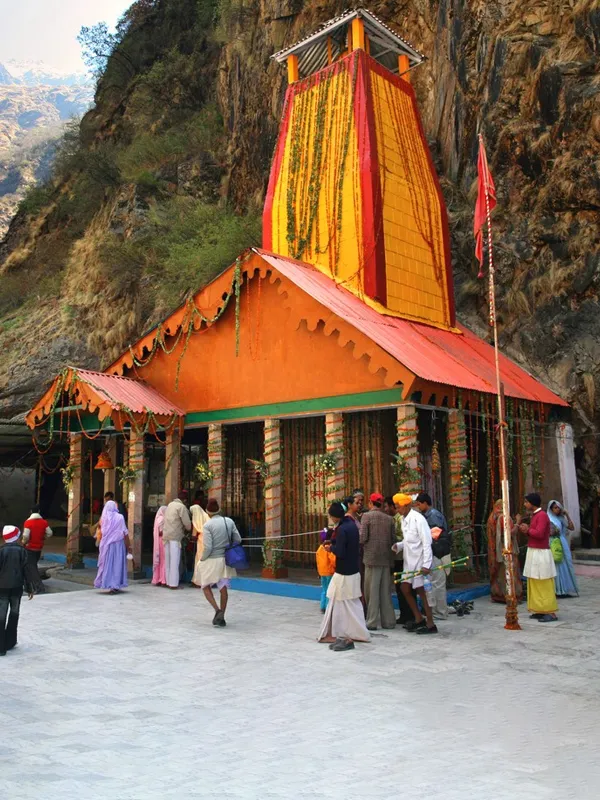
Avoiding Altitude Sickness During Yamunotri Yatra
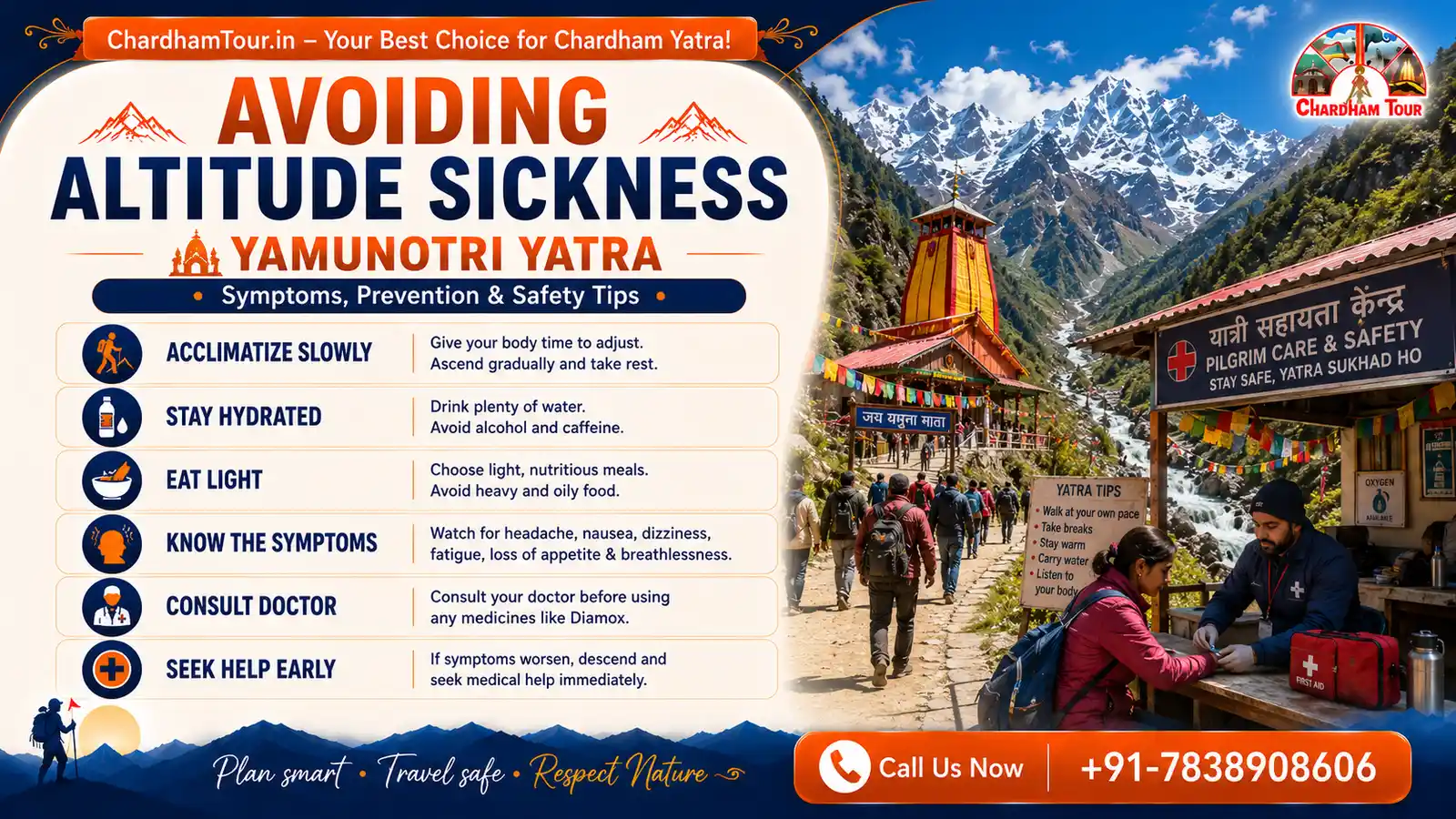
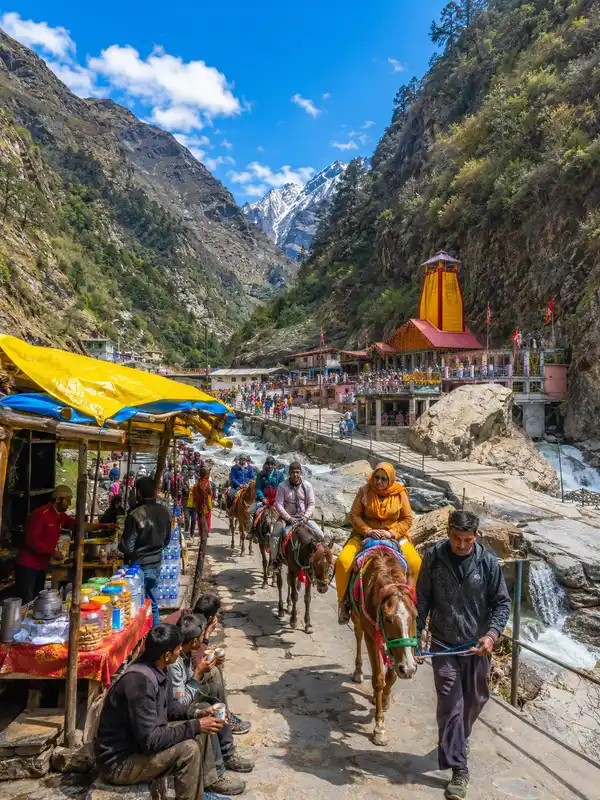
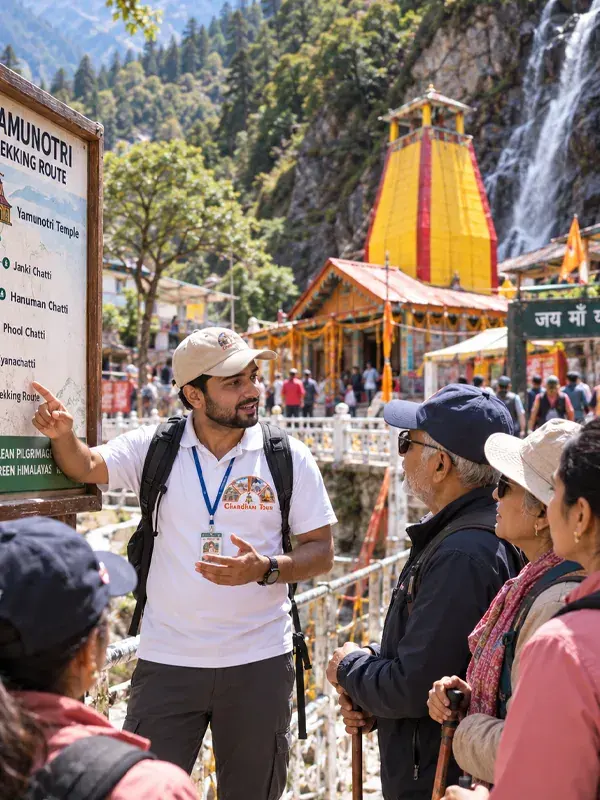
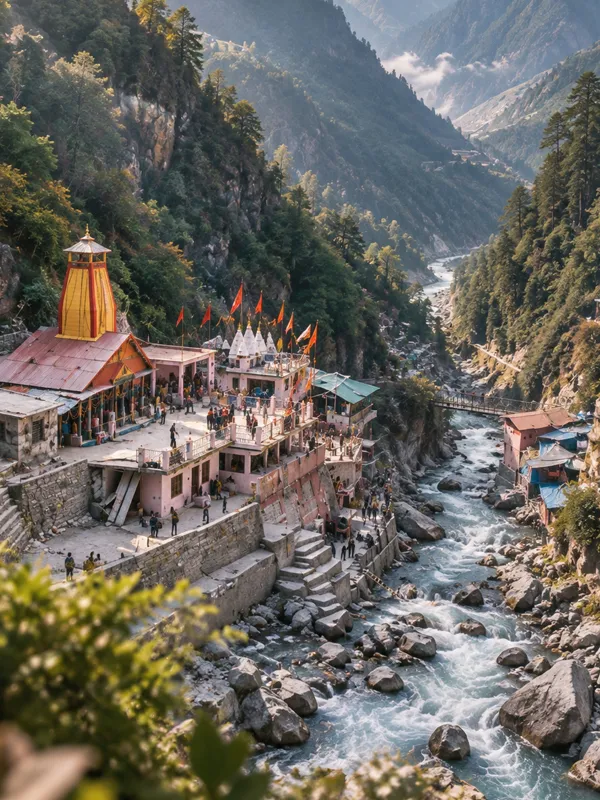
Yamunotri temple sits at roughly 3,293 metres above sea level, and most pilgrims reach it after a trek of roughly 6 km (some official sources list 5–7 km) from Janki Chatti, the last motorable point. That's a fast, significant gain in elevation over a short distance — exactly the kind of climb that can trigger Acute Mountain Sickness (AMS) if you're not careful. Here's what actually helps prevent it, and what to watch for on the trail.
Quick answer
The most important thing you can do to avoid altitude sickness on the Yamunotri Yatra is to avoid ascending too fast and to never continue climbing while you have symptoms. Normal hydration, avoiding alcohol, and keeping exertion light for the first day or two at altitude all support general safety, but they aren't substitutes for pacing your ascent — an overnight halt at Barkot (around 1,220 m) can make the journey less rushed, but Barkot's altitude is too low to count as real acclimatization for Yamunotri's 3,293 m; spending extra time resting at Janki Chatti (around 2,650 m) before the final climb matters more. If any AMS symptoms appear, stop ascending immediately — don't push through a headache or nausea at altitude.
Why Yamunotri Poses a Real Altitude Risk
Many pilgrims begin their journey from relatively low-altitude cities such as Rishikesh or Dehradun and reach the higher elevations of the Yamunotri route within a day or two. The risk depends mainly on how quickly your sleeping altitude rises — the U.S. CDC specifically advises against jumping from a low altitude straight to a sleeping altitude above 2,750 m in a single day, and Yamunotri's route can involve exactly that kind of jump if you rush it. AMS isn't about fitness level; even strong, young trekkers get it if they climb too fast. What matters most is the rate of ascent, not how fit you are.
Common Symptoms of Altitude Sickness to Watch For
- Headache that doesn't go away with rest or water
- Nausea, loss of appetite, or vomiting
- Dizziness or a light-headed feeling
- Unusual fatigue or reduced tolerance for exercise
- Difficulty sleeping
Symptoms commonly begin within several hours of reaching a higher altitude, often during or after the first night, though they can develop over the first few days. Mild symptoms are common and often settle with rest — but they should never be ignored, since they can be the first sign of something more serious, and you should not climb higher while they're present.
Warning Signs That Need Immediate Descent
- Confusion or difficulty walking in a straight line (loss of coordination)
- Severe breathlessness even while resting
- A cough bringing up frothy or pink-tinged fluid
- Extreme fatigue or altered consciousness
These can indicate High Altitude Pulmonary Edema (HAPE) or High Altitude Cerebral Edema (HACE) — rare but life-threatening conditions. Suspected HACE or HAPE is a medical emergency: immediate descent, urgent medical care, and supplemental oxygen if available are all critical. Don't wait to "see if it gets better" once these signs appear, and don't let the person descend alone.
How to Prevent Altitude Sickness on the Yamunotri Route
1. Give yourself more time at Janki Chatti, not just Barkot.
An overnight halt at Barkot (around 1,220 m) makes the journey less rushed, but Barkot is too low to function as real acclimatization for Yamunotri's 3,293 m — it's really an itinerary break, not a physiological adjustment stop. Janki Chatti, at around 2,650 m, is much closer to the altitude your body actually needs to adjust to, so extra rest there before the final climb is more meaningful.
2. Hydrate normally — don't overdo it.
Drink according to thirst and activity rather than forcing large amounts of water; deliberate overhydration hasn't been shown to prevent AMS. If you're a regular caffeine drinker, there's generally no need to cut it out — stopping abruptly can cause a withdrawal headache that's easy to confuse with an altitude headache.
3. Avoid alcohol, and go easy on smoking, during the first day or two.
Alcohol in particular is worth avoiding for at least the first 48 hours at altitude, since it can interfere with acclimatization and mask early symptoms.
4. Eat food you tolerate well.
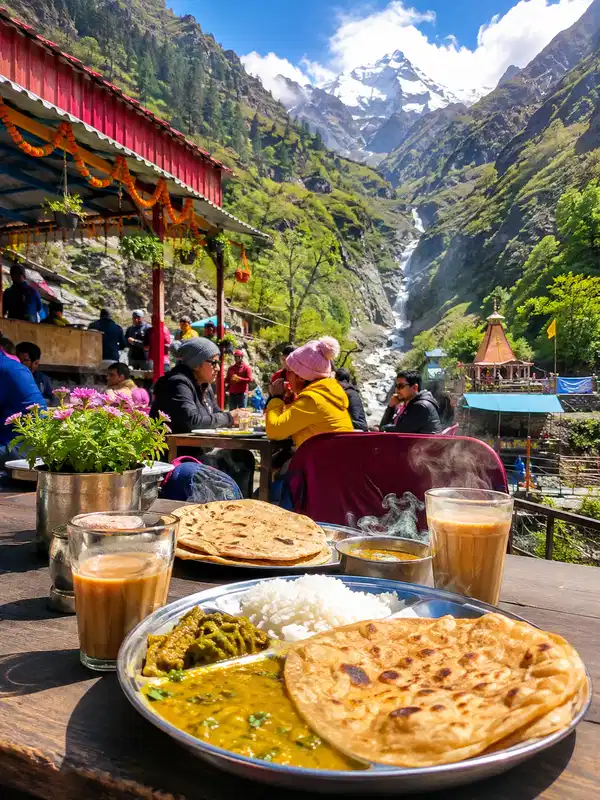
Choose familiar, easy-to-digest meals and eat enough to support the trek — there's no specific diet that prevents AMS, but heavy or unfamiliar food can add to nausea some people already feel at altitude.
5. Pace the final trek.
The climb from Janki Chatti to the temple gains altitude quickly. Walk slowly, take regular breaks, and avoid rushing to "beat the crowd."
6. Talk to a doctor about Acetazolamide (Diamox) in advance.
Some doctors prescribe this medication to reduce AMS risk for high-altitude travel, usually starting a day or two before ascent. This is a prescription decision between you and your physician, not something to self-medicate — mention any existing heart, kidney, or sulfa-allergy conditions when you ask.
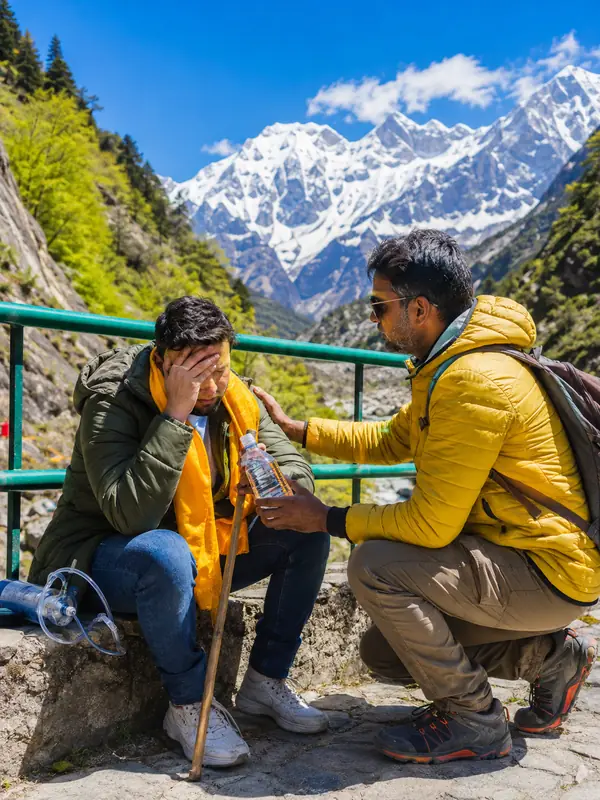
7. Watch for symptoms in yourself and your group.
People experiencing AMS sometimes downplay their own symptoms. If a travel companion becomes unusually quiet, confused, or unsteady, treat it seriously even if they insist they're fine.
Who's at Higher Risk
- Anyone ascending rapidly to a high sleeping altitude without time for the body to adjust
- People with a prior history of AMS on other treks
- Travelers with uncontrolled heart or lung conditions — a pre-trip medical check is worth it
- Children, who are just as susceptible to AMS as adults but may not describe symptoms clearly — watch for appetite loss, irritability, or unusual fatigue instead
Contrary to a common assumption, older age by itself doesn't appear to increase AMS risk — individual health conditions and how fast you ascend matter far more than age alone.
Practical Packing Tips
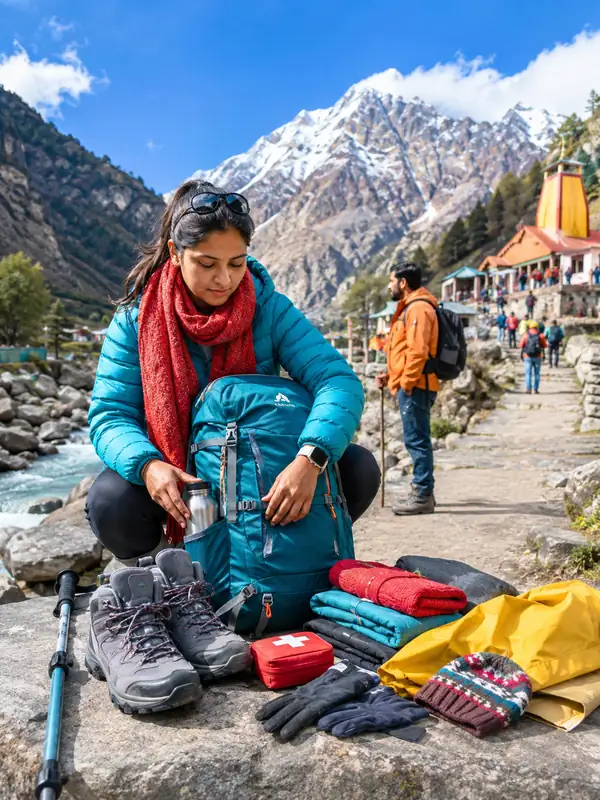
- Warm layers, since temperatures drop sharply near the temple even in the pilgrimage season
- A basic first-aid kit with paracetamol (avoid heavy sedatives, which can mask worsening symptoms)
- A refillable water bottle
- Glucose or energy snacks for the final trek
- A walking stick, especially useful on the steeper, uneven sections near Janki Chatti
What To Do If Symptoms Appear
Stop ascending immediately — don't move to a higher sleeping altitude while symptoms are present, even if they seem minor. Rest at your current altitude and monitor how you feel; avoid forcing extra fluids. If symptoms fully resolve while you stay at the same altitude, continuing cautiously the next day may be reasonable. If symptoms worsen or don't improve, descend to a lower altitude and seek medical care — this is the single most effective response to AMS at any stage.
A Realistic Acclimatization Plan
A sensible staged approach for the Yamunotri route looks like this: Day 1, travel to Barkot and halt overnight; Day 2, move to Janki Chatti and rest; Day 3, attempt the trek to the temple. This isn't a medically validated protocol — Barkot's altitude is too low to count as formal acclimatization — but spreading the ascent across three days instead of rushing it in one is still a more sensible pace, and it builds in time at Janki Chatti, which sits much closer to Yamunotri's altitude.
| Rushed Itinerary | Staged Itinerary | |
|---|---|---|
| Main advantage | Faster | Less rushed |
| Altitude exposure | Rapid, all at once | More gradual |
| Acclimatization benefit | Limited | Some additional time, but not guaranteed |
| Medical note | Higher concern if symptoms develop | Still requires watching for symptoms — staging alone doesn't prevent AMS |
Frequently Asked Questions
Q1. At what altitude does altitude sickness usually start?
AMS risk becomes significant for unacclimatized travelers at sleeping altitudes of roughly 2,450–2,500 m and above, though it can occur lower in some people. Janki Chatti (around 2,650 m) already puts pilgrims in that risk zone.
Q2. Can young, fit people still get altitude sickness?
Yes. Fitness level doesn't prevent AMS — the speed of ascent matters far more than physical condition.
Q3. Is Diamox necessary for the Yamunotri Yatra?
It isn't mandatory for everyone, but some doctors recommend it for travelers prone to AMS or making a fast ascent. Discuss it with a doctor before your trip, especially if you have kidney issues, take other medications, or have a history of drug allergy.
Q4. How long should I rest at Barkot before continuing?
An overnight halt is a reasonable way to break up the journey, but keep in mind Barkot's altitude is too low to serve as real acclimatization — resting at Janki Chatti before the final climb matters more for your body's adjustment.
Q5. What's the first sign of altitude sickness I shouldn't ignore?
Headache is the cardinal symptom of AMS. If it shows up after ascent along with nausea, dizziness, fatigue, or appetite loss, take it seriously.
Q6. Should I continue the trek if I have a mild headache?
Stop ascending and monitor your symptoms rather than pushing on. If it fully resolves while you stay at the same altitude, continuing cautiously may be reasonable; if it worsens or doesn't improve, descend and seek medical care.
Q7. Can children safely do the Yamunotri Yatra?
Children are just as susceptible to AMS as adults — being young or fit doesn't protect them. Younger children may not describe headache or nausea clearly, so watch for appetite loss, irritability, or unusual fatigue instead.
Q8. Does drinking more water fully prevent altitude sickness?
No. Normal hydration supports general health, but forcing extra water doesn't prevent AMS. Avoiding rapid ascent and giving your body time to adjust is what actually matters most.
Q9. Is it safe to drink alcohol during the Yatra?
It's best avoided, particularly during the first 48 hours at higher altitude, since it can interfere with acclimatization and mask early AMS symptoms.
Q10. What should I do if a fellow traveler shows severe symptoms?
Treat it as an emergency — arrange for them to descend (don't let them go alone) and get medical attention rather than waiting to see if it improves.
Q11. Is the pony or palki option safer for altitude sickness?
It reduces physical exertion, which can help, but it doesn't remove the risk created by rapid ascent to altitude — pacing your overall itinerary still matters.
Q12. When is the best time to do the Yamunotri Yatra to minimize risk?
For AMS specifically, your ascent pace and acclimatization time matter more than the calendar month. That said, checking weather and trail conditions before you travel is still worth doing for overall safety.
Note: This article provides general travel-safety information and is not a substitute for medical advice. Consult a doctor before the Yatra if you have existing heart, lung, or other chronic health conditions.
Yamunotri Travel Guide


Yamunotri Travel Packages
Important Safety Notice
Beware of Fake Char Dham & Kedarnath Helicopter Booking Websites
Fake websites, WhatsApp accounts and advertisements may impersonate genuine travel companies or helicopter operators. Always verify before paying.