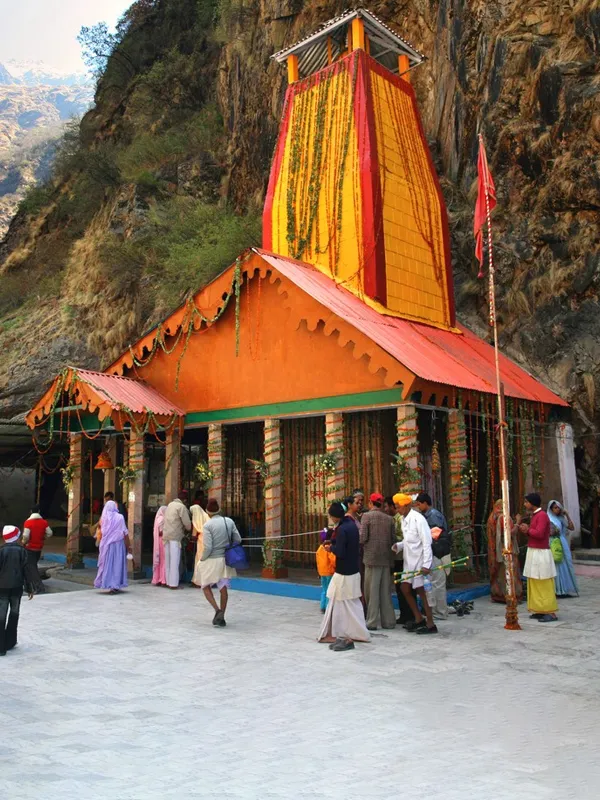
Demographics of Yamunotri
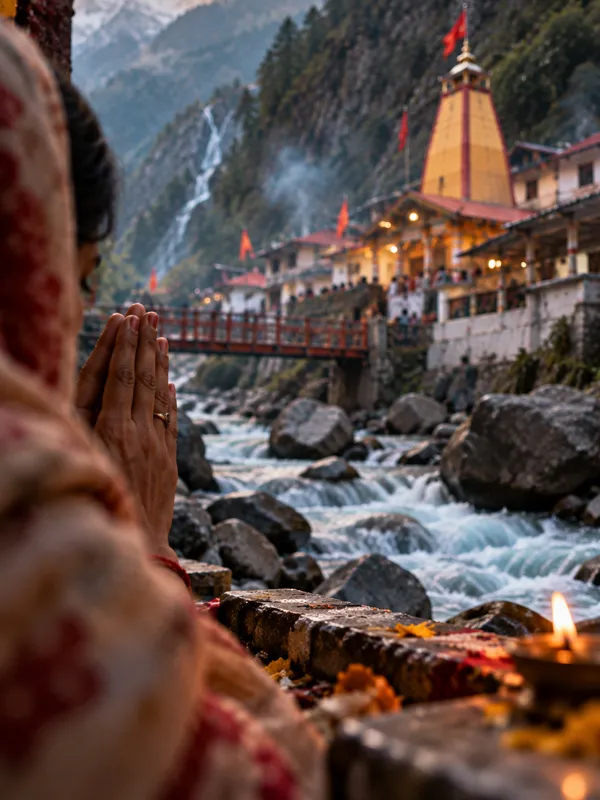
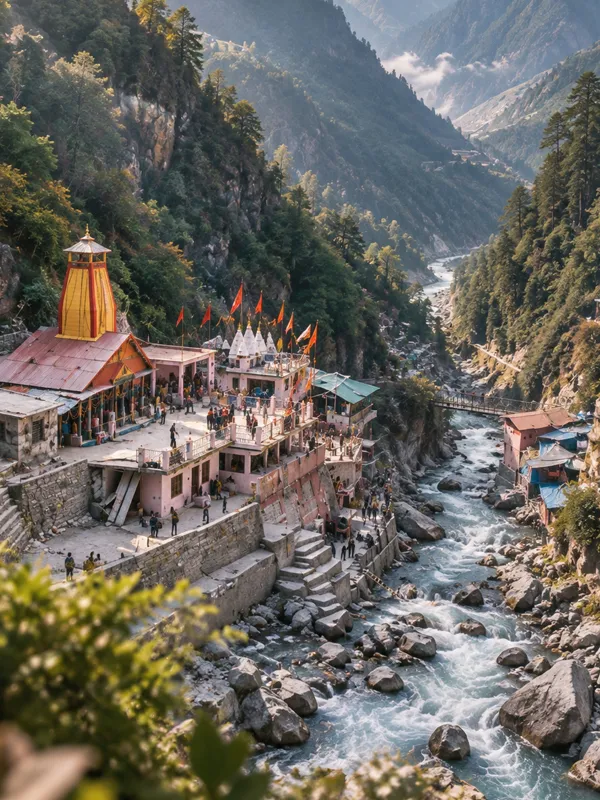
Yamunotri, in the Uttarkashi district of Uttarakhand, is one of the four sacred Char Dham shrines, dedicated to Goddess Yamuna. Demographic data around Yamunotri actually spans three different geographic layers — the temple/pilgrimage site itself, the nearby village of Kharsali, and the wider Uttarkashi district — and this guide keeps each one clearly labelled rather than blending them together.
Quick Answer
Yamunotri Temple is a seasonal pilgrimage site rather than a large residential settlement; permanent village life in the area is centred in nearby Kharsali, which recorded a population of 1,068 people (229 households) in the 2011 Census. At the district level, Uttarkashi recorded a literacy rate of 75.81%, a sex ratio of 958 females per 1,000 males, and a Scheduled Tribe population share of 1.06% (Census 2011) — the most recent completed national census.
Yamunotri Temple is a seasonal pilgrimage site rather than a large residential settlement; permanent village life in the area is centred in nearby Kharsali, which recorded a population of 1,068 people (229 households) in the 2011 Census. At the district level, Uttarkashi recorded a literacy rate of 75.81%, a sex ratio of 958 females per 1,000 males, and a Scheduled Tribe population share of 1.06% (Census 2011) — the most recent completed national census.
Yamunotri Temple, Kharsali, and Janki Chatti — Not the Same Thing
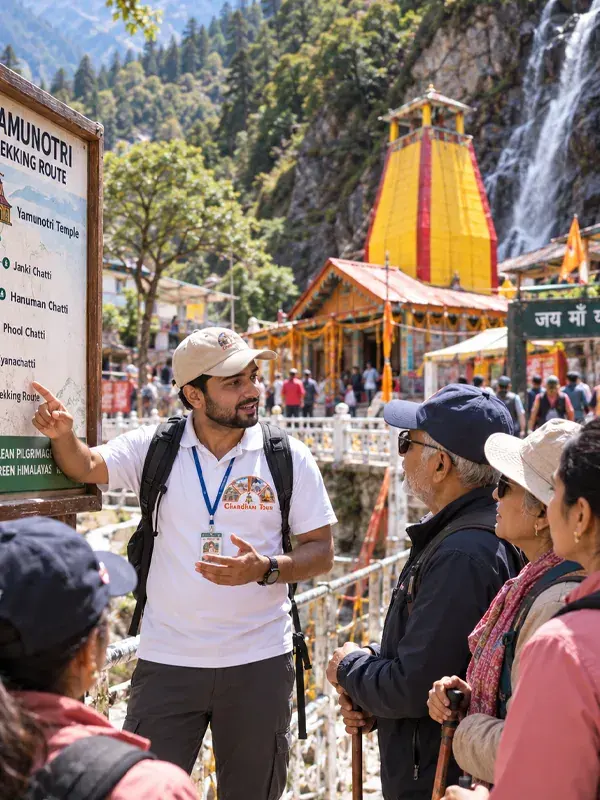
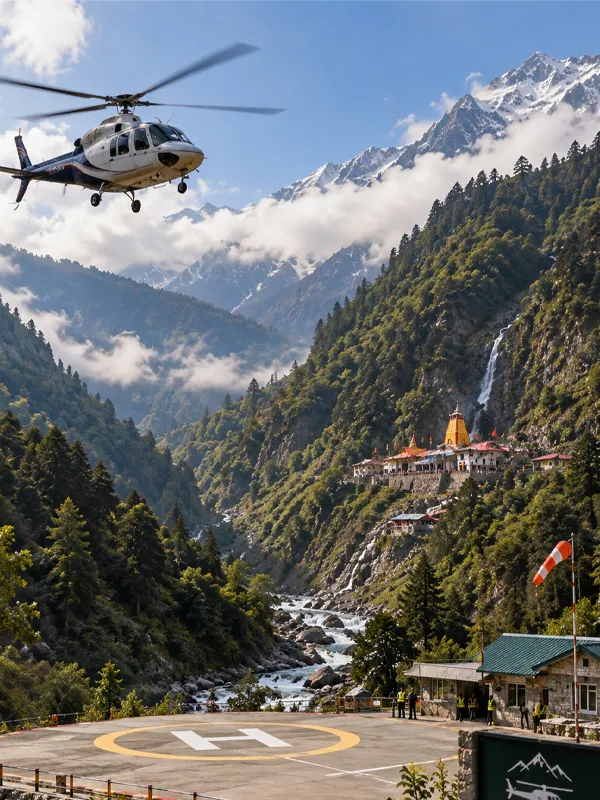
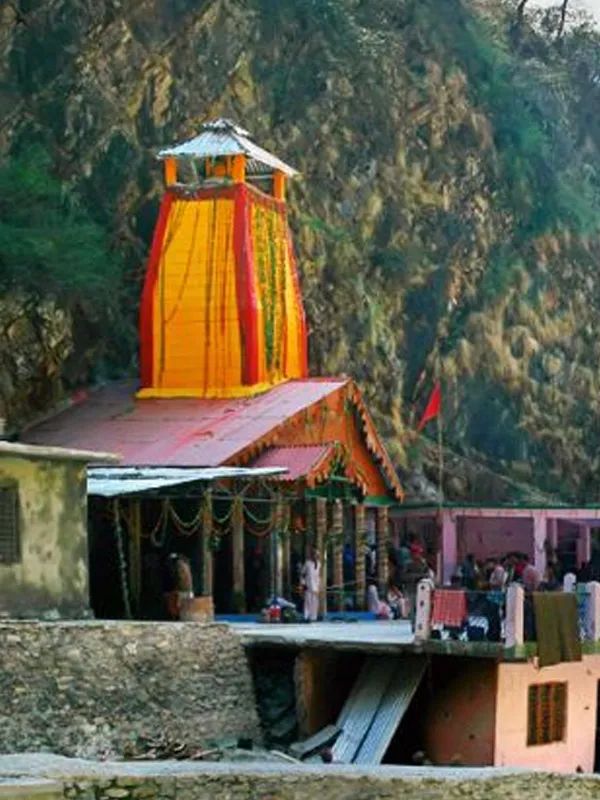
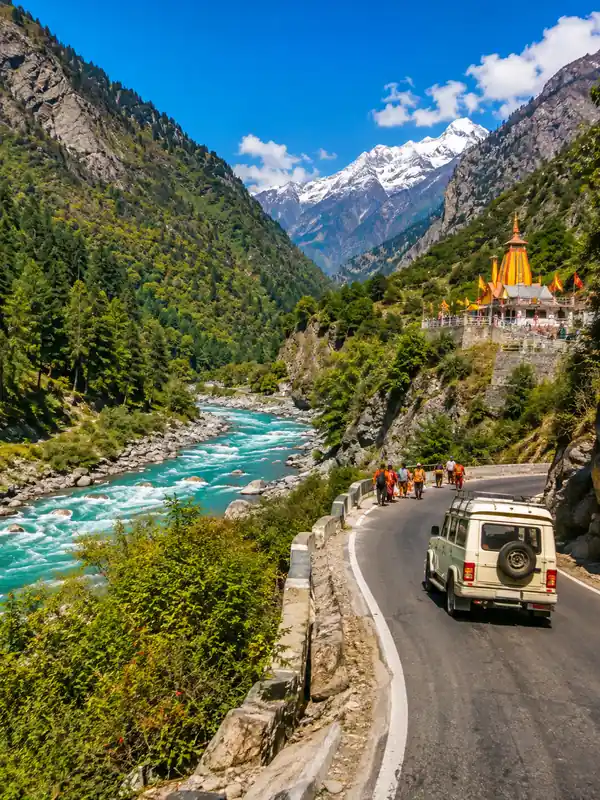
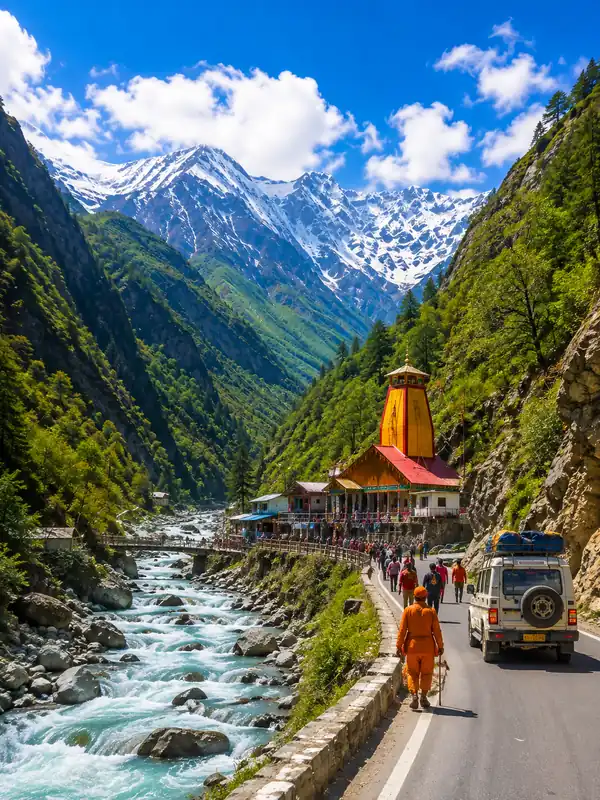
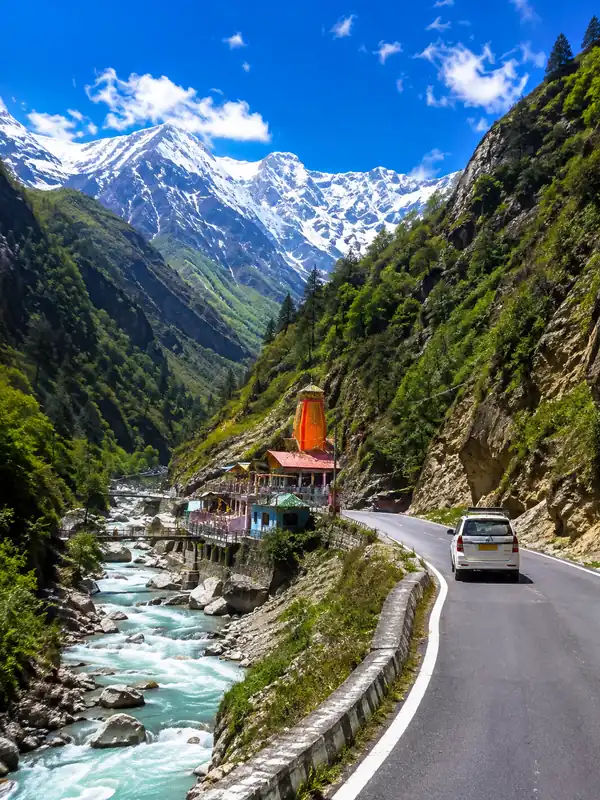
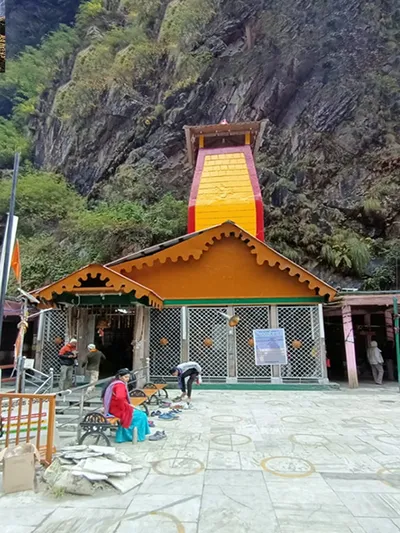
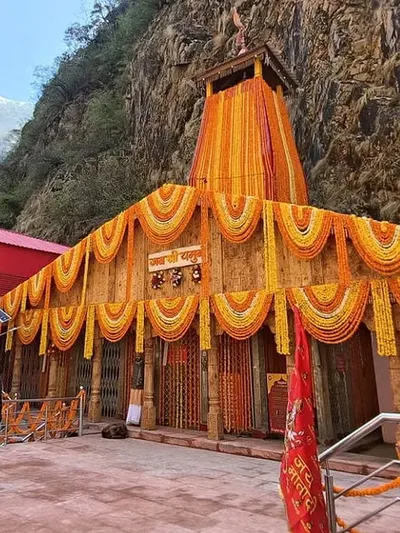
A useful starting point: Yamunotri isn't one single settlement. Official Uttarakhand Tourism material describes Yamunotri as a small mountain hamlet centred on the temple, sitting at roughly 3,200–3,300 metres. The actual populated village closest to the shrine is Kharsali, the traditional winter seat of Goddess Yamuna and home to the temple's priest families. Janki Chatti, a little further down, is the roadhead and trekking base — but no standalone, verified 2011 census population figure for Janki Chatti as a pilgrimage settlement was found in the sources reviewed for this article.
| Area / Metric | Verified Figure | Source / Year |
|---|---|---|
| Kharsali village population | 1,068 | Census 2011 |
| Kharsali households | 229 | Census 2011 |
| Uttarkashi district population | 330,086 | Census 2011 |
| Uttarkashi district literacy rate | 75.81% | Census 2011 |
| Uttarkashi district sex ratio | 958 females/1,000 males | Census 2011 |
| Uttarkashi Scheduled Tribe share | ~1.06% | Census 2011 |
| Yamunotri Temple resident population | No separate verified figure | — |
| 2026 population figures | Not yet available (see note below) | — |
Seasonal Pilgrim and Workforce Influx
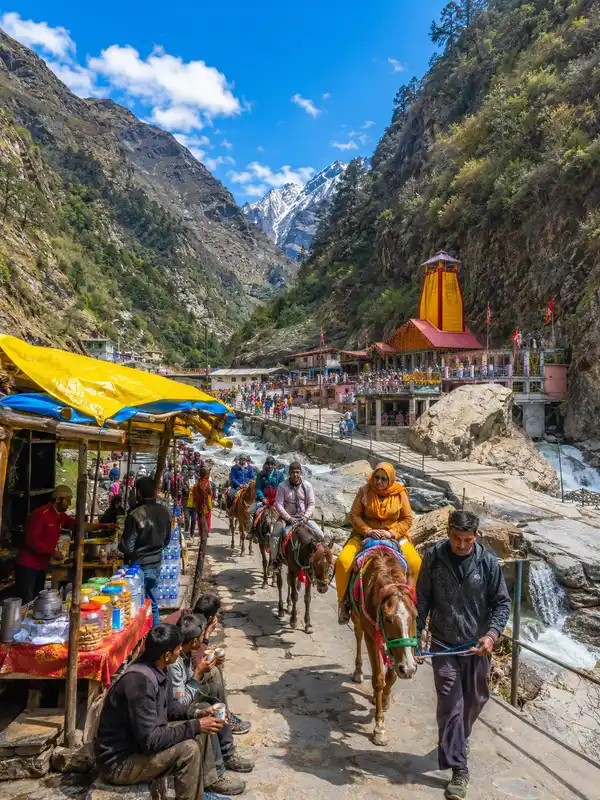
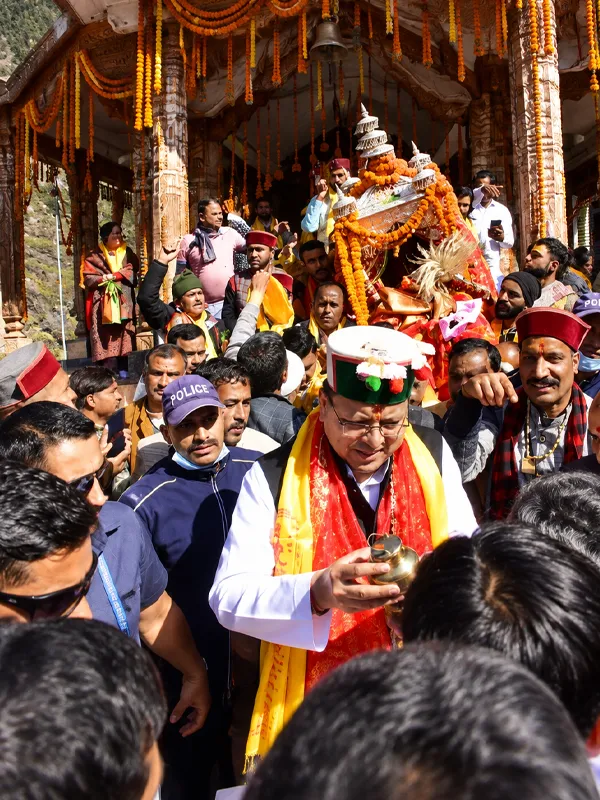
The picture changes sharply during the Yatra season (May–June and September–October). Uttarakhand Tourism describes thousands of devotees visiting Yamunotri over the pilgrimage season, and daily numbers can run into the thousands during peak weeks, varying with weather, road conditions, and crowd management. Alongside pilgrims, seasonal workers and service providers — porters, mule and pony operators, palki carriers, shopkeepers, and cooks — arrive from nearby settlements and the wider Garhwal region to support the season. For a few months, the corridor becomes substantially busier than the rest of the year; outside the season, most of this seasonal population moves back down to lower villages once the shrine closes for winter, with exact opening and closing dates varying annually according to the pilgrimage calendar.
Communities and Languages
Garhwali is the dominant local language and cultural identity across the wider Uttarkashi/Garhwal region, alongside Hindi, with Sanskrit used specifically as the ritual language for temple ceremonies. The Bhotia community, of Indo-Tibetan origin, also has a historical presence in the region, traditionally associated with trans-Himalayan trade and woollen handicrafts, and now also engaged in tourism and agriculture.
On Scheduled Tribe status specifically: the 2011 Census recorded Scheduled Tribes at 1.06% of Uttarkashi district's total population — this is a district-wide figure covering all recognised Scheduled Tribes (including Bhotia), not a Yamunotri-specific or Bhotia-only number, and it shouldn't be read as a measure of the area's overall ethnic or religious makeup.
Literacy
Uttarkashi district recorded a literacy rate of 75.81% in the 2011 Census. Separate, village-level education-access data specific to Yamunotri or Kharsali wasn't found in the sources reviewed.
Livelihoods
Local livelihoods combine agriculture, livestock-related work, and small-scale trade with tourism and pilgrimage services. The Yatra season creates significant additional seasonal employment in transport (mules, ponies, palkis), accommodation, food service, and guiding — work that is heavily concentrated in the May–October window given the region's winter closure and limited road access.
Priest Community
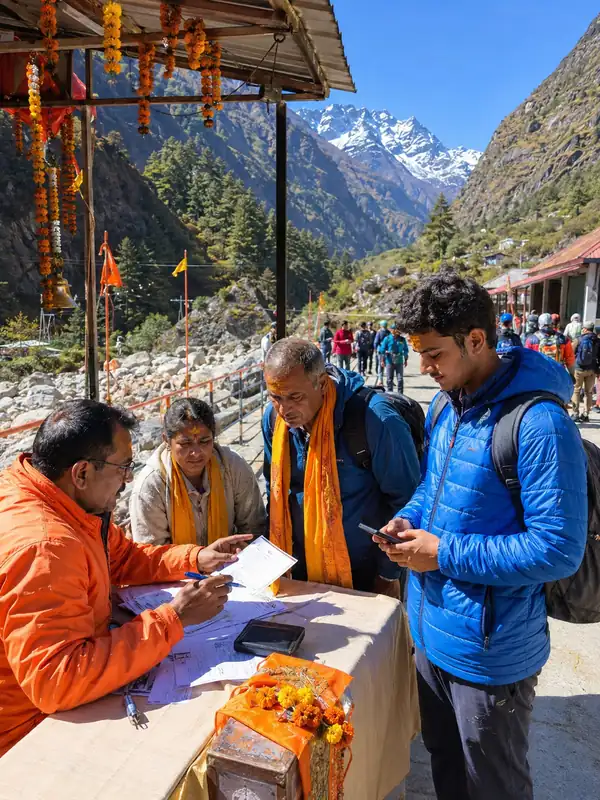
Yamunotri's priestly tradition is closely associated with Kharsali village, where priest families are based. They travel up to the temple during the pilgrimage season to conduct daily puja and aarti, and return to Kharsali once the shrine closes for winter.
2026 Data Note: What's Actually Available Right Now
As of August 2026, the 2011 Census remains India's latest completed nationwide census — so no verified 2026 population figures exist yet for Yamunotri, Kharsali, or Janki Chatti specifically. That said, this is changing in real time: under Census 2027, self-enumeration for Uttarakhand's snow-bound areas (which includes Uttarkashi district) is underway from 17–31 August 2026, with full population enumeration scheduled for 1–30 September 2026 and a revision round from 1–5 October 2026. New, updated population data for this region should become available only after that process concludes — any "2026 population" figure quoted before then should be treated as unverified.
FAQs
Q1. Is Yamunotri Temple itself a residential village?
Not primarily — it's a seasonal pilgrimage site. The nearest populated village is Kharsali, a short distance away.
Q2. What is Kharsali village's population?
1,068 people across 229 households, according to the 2011 Census.
Q3. What is Uttarkashi district's literacy rate?
75.81%, as per the 2011 Census.
Q4. What is Uttarkashi district's sex ratio?
958 females per 1,000 males, according to the 2011 Census.
Q5. What percentage of Uttarkashi district's population is Scheduled Tribe?
About 1.06%, per the 2011 Census — this is a district-wide figure, not specific to Yamunotri or any single tribal group.
Q6. What language is spoken around Yamunotri?
Garhwali and Hindi are most common; Sanskrit is used specifically for temple rituals.
Q7. Who performs the rituals at Yamunotri Temple?
Priests closely associated with Kharsali village, who travel up during the pilgrimage season and return to Kharsali for winter.
Q8. Why does the population near Yamunotri change through the year?
The temple and trek route close for winter, so seasonal workers and much of the pilgrimage-linked population move to lower villages, returning for the May–October Yatra season.
Q9. Is there a 2026 population figure for Yamunotri or Kharsali?
No verified figure yet. Census 2027 field enumeration for Uttarakhand's snow-bound areas runs September 1–30, 2026; the 2011 Census remains the latest completed count until then.
Q10. How far is Janki Chatti from Yamunotri?
Official Uttarakhand Tourism sources list varying figures for this trek, generally in the roughly 5–7 km range — check current official guidance closer to your travel date.
Sources: Census of India 2011 (Uttarkashi District Census Handbook, village and district-level data); Ministry of Home Affairs/Census 2027 notifications (2026); Uttarakhand Tourism official destination pages. Reviewed: August 2026. District and village-level demographic statistics are based on Census 2011, the latest completed nationwide census; Census 2027 enumeration for this region is underway as noted above.
Yamunotri Travel Guide


Yamunotri Travel Packages
Important Safety Notice
Beware of Fake Char Dham & Kedarnath Helicopter Booking Websites
Fake websites, WhatsApp accounts and advertisements may impersonate genuine travel companies or helicopter operators. Always verify before paying.