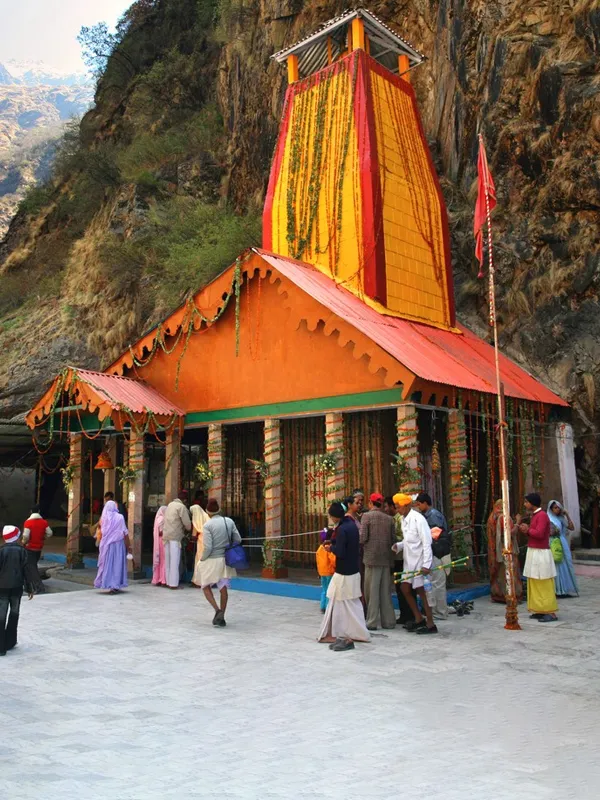
Delhi to Yamunotri: Complete Travel Guide
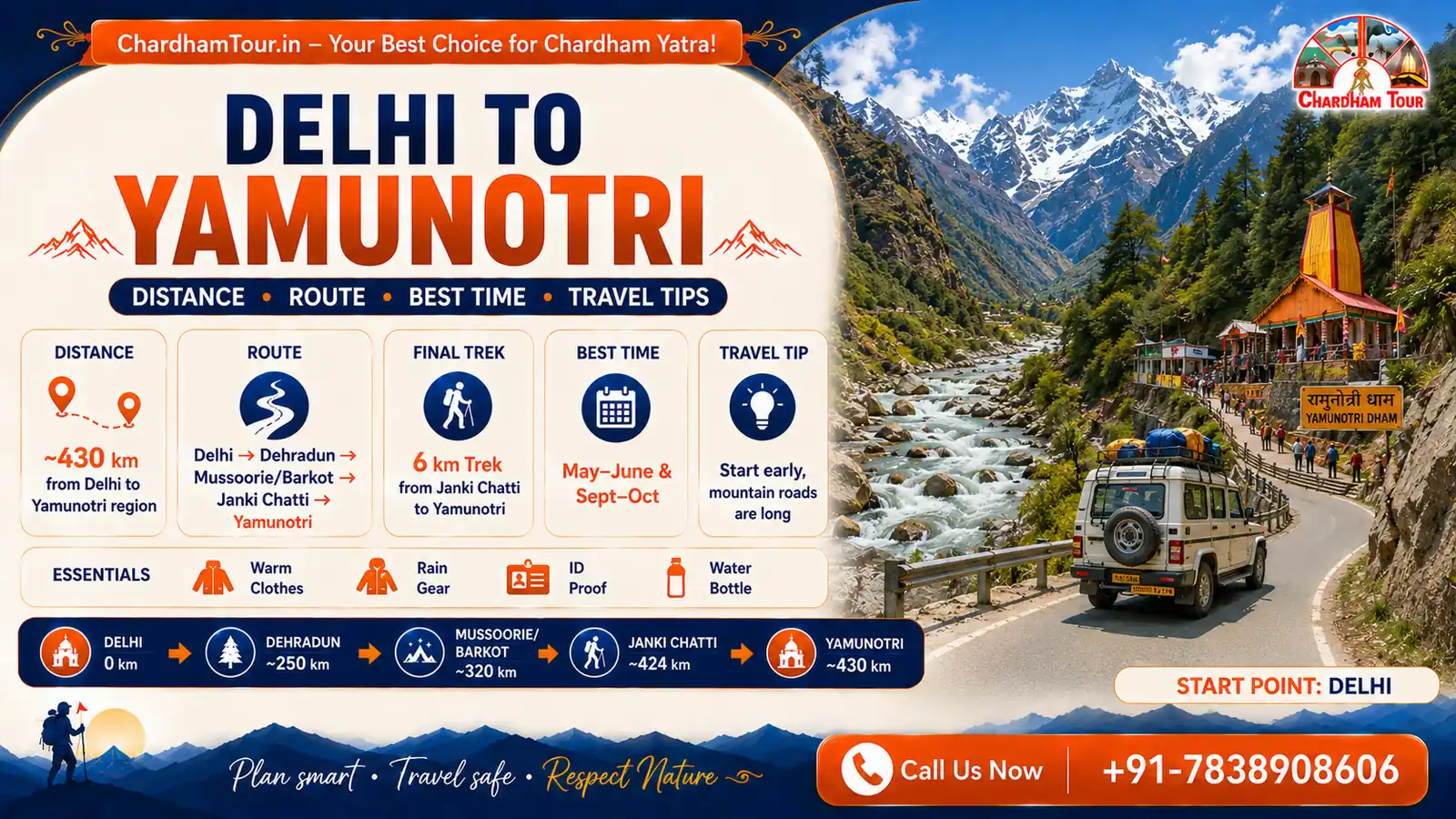
Planning the drive from Delhi to Yamunotri feels overwhelming at first — multiple route options, a long mountain stretch, and a final 6 km trek that no vehicle can cover. Once you break it into stages, though, it's a very manageable two-day trip that thousands of pilgrims complete every Yatra season.
Quick Answer
Delhi to Jankichatti — the last motorable point — is approximately 440–460 km by road (an estimate combining separate route segments; exact figures vary by route and source). From Jankichatti, Yamunotri temple is a further ~6 km trek, pony, or palki ride, since no vehicle goes beyond Jankichatti. Total driving typically takes 10–14 hours (usually split across two days). Late April–June and September–October are generally the best months to travel.
Delhi to Yamunotri at a Glance
| Segment | Distance | Mode |
|---|---|---|
| Delhi → Jankichatti (last motorable point) | ~440–460 km (route-dependent estimate) | Road |
| Jankichatti → Yamunotri temple | ~6 km | Foot / pony / palki |
| Jankichatti elevation | ~2,650 m | — |
| Yamunotri elevation | ~3,300 m | — |
No vehicle reaches Yamunotri temple itself — every road route, regardless of which highway you take, ends at Jankichatti.
Delhi to Yamunotri Distance and Route Options
There are two main road routes from Delhi, and picking the right one saves real time.
Route 1 — Via Delhi–Dehradun Expressway: Delhi to Dehradun covers roughly 210 km on the expressway, cutting travel time from the older route's ~5 hours down to roughly 2.5 hours under normal conditions. From Dehradun, the journey continues toward Barkot and Jankichatti — another 200+ km of mountain road, generally taking 7–9 hours depending on traffic and conditions.
Route 2 — Via Rishikesh: Delhi to Rishikesh is around 230 km, typically a 5–6 hour drive on the older highway. From Rishikesh, the commonly used pilgrim route runs via Narendranagar, Chamba, and Brahmakal to Barkot, then Syanachatti and Phoolchatti to Jankichatti. Road conditions and construction can shift the exact path year to year, so treat any fixed route description — including this one — as a general guide rather than the only option; confirm the current recommended route with your driver or a local operator.
Either way, total road distance works out to roughly 440–460 km (this is an estimate built from separate route segments, not a single official figure — actual distance depends on the exact path taken), and the last stretch from Jankichatti to Yamunotri temple (6 km) must be covered on foot, pony, or palki since no vehicle goes beyond Jankichatti.
| Route | Approx. Distance | Approx. Driving Time | Best For |
|---|---|---|---|
| Delhi – Dehradun Expressway – Barkot – Jankichatti | ~440–450 km | 10–12 hours | Fastest option, good road quality on the first leg |
| Delhi – Rishikesh – Barkot – Jankichatti | ~450–460 km | 11–13 hours | Travelers who want to stop in Rishikesh en route |
| Delhi – Haridwar – Barkot – Jankichatti | ~450–460 km | 11–13 hours | Those combining the trip with a Haridwar/Ganga Aarti visit |
The Dehradun Expressway route is generally the quickest for the plains stretch, but all three converge onto the same mountain road through Barkot for the final leg, so the time difference mostly comes down to the first 200–250 km.
How to Reach Yamunotri from Delhi
By Road from Delhi to Yamunotri
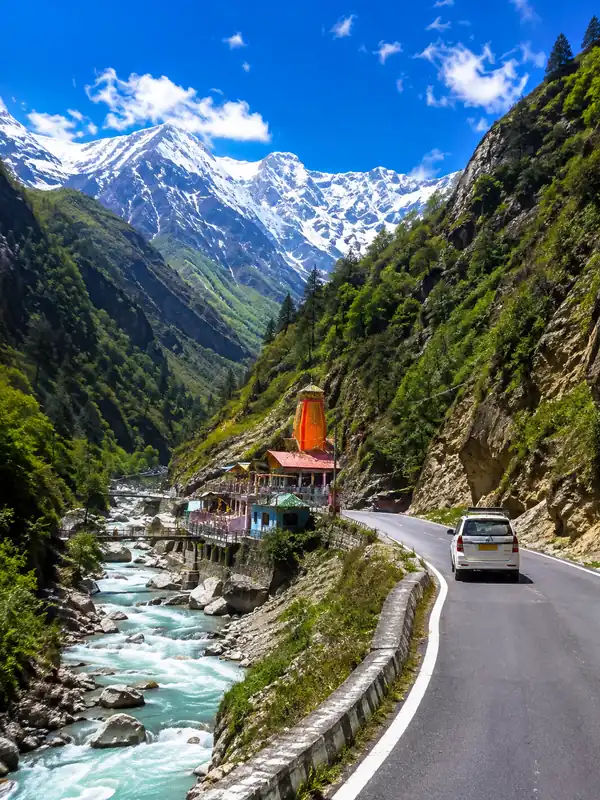
Most travelers drive or hire a cab, generally via Dehradun or Rishikesh, then on to Barkot and Jankichatti through Syanachatti and Phoolchatti (exact waypoints can vary by route conditions). Given the distance and mountain roads, this is usually done over two days — an overnight halt at Barkot or Jankichatti is strongly recommended rather than attempting it in one long stretch, since hill roads get tougher to drive after dark.
By Train
No train reaches Yamunotri or Jankichatti directly. Dehradun, Rishikesh, and Haridwar are the practical railheads — for reference, the Dehradun Shatabdi Express covers the Delhi–Dehradun rail route (314 km by rail, a different distance than the road route) in about 6 hours. From any of these stations, you'll need a taxi or shared cab to continue toward Barkot and Jankichatti, which can take several more hours depending on the station and road conditions.
By Air
Dehradun's Jolly Grant Airport is the nearest airport, connected to Delhi by frequent short flights (roughly 45–60 minutes). From the airport, it's the same onward road journey — around 200 km and 7 hours or more to Jankichatti — as if you'd arrived by train.
Cab and Taxi Costs
Fares vary widely by vehicle type, season, and route — a sedan works for 2–4 people, while larger groups typically book a 12/14/16-seater tempo traveller or an Innova-class SUV. Confirm current rates with a local operator or your tour agency before booking, since taxi union pricing shifts with fuel costs and demand.
Places to Break Your Journey
Since the drive is long, a few stops along the way make the trip more comfortable and add some sightseeing:
Dehradun – A good rest stop for tea/food or an overnight break if you're not pushing straight through to Barkot. Has hotels across every budget.
Mussoorie – An optional detour off the main route (not on the direct pilgrim path to Barkot) if you want a couple of hours in the hills before rejoining toward Barkot.
Barkot – The most practical overnight halt before Jankichatti, roughly 1.5–2 hours short of the last motorable point, with a wider hotel selection than Jankichatti itself.
Hanuman Chatti – An earlier stopover on the same route, home to an ancient Hanuman temple and a good stretch-your-legs stop before the final push to Jankichatti.
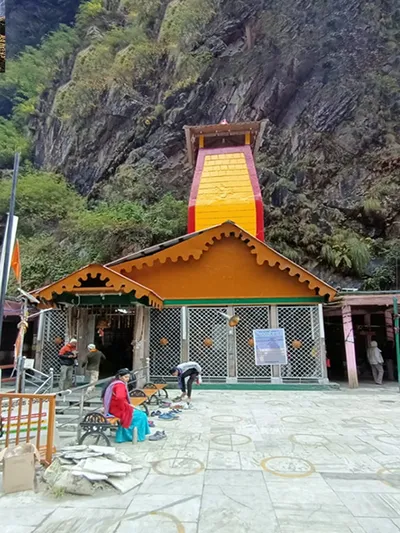
Kharsali – Just off Jankichatti, known as the winter seat of Yamuna Maa's idol and worth a quick visit if you have time before or after the trek.
Budget Breakdown for a Delhi–Yamunotri Trip
Costs vary by season, group size, and how you travel, but here's a rough sense of what to budget for:
| Expense | What It Covers | Notes |
|---|---|---|
| Cab/taxi hire | Delhi to Jankichatti and back | Varies by vehicle size and season — confirm current rates locally |
| Fuel (self-drive) | Round trip, ~900–920 km | Higher in a larger SUV; factor in hill-road mileage drop |
| Accommodation | 2–3 nights (Barkot/Jankichatti) | Peak season (May–June) rates run higher than shoulder months |
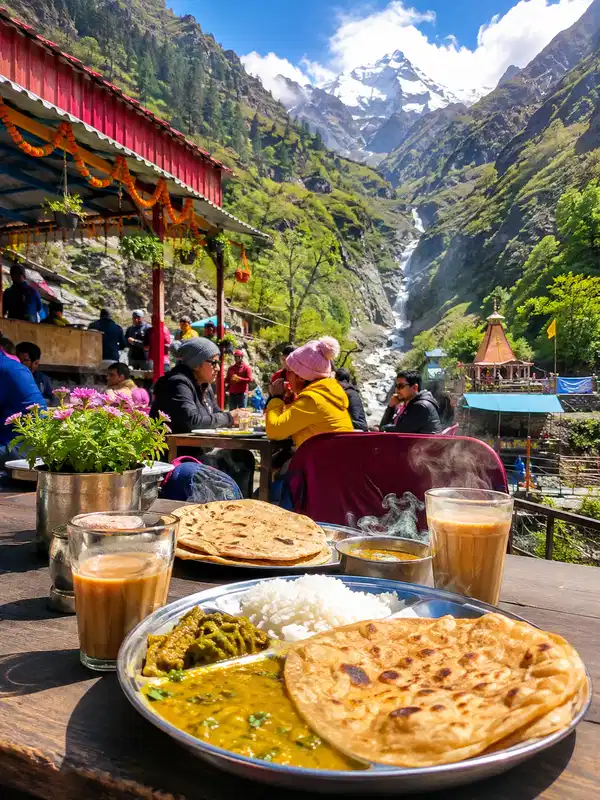
| Food | Meals en route and at stops | Basic dhaba meals are inexpensive; hotel dining costs more |
| Pony/palki (optional) | Jankichatti to Yamunotri and back | Prices fluctuate by season and demand — check current rates on arrival |
| Registration | Char Dham e-pass | Free through the official portal; only ID and basic details required |
Treat these as planning categories rather than fixed figures — always confirm current prices with your operator, hotel, or the official registration portal before finalizing your budget.
The Jankichatti to Yamunotri Trek: What to Expect
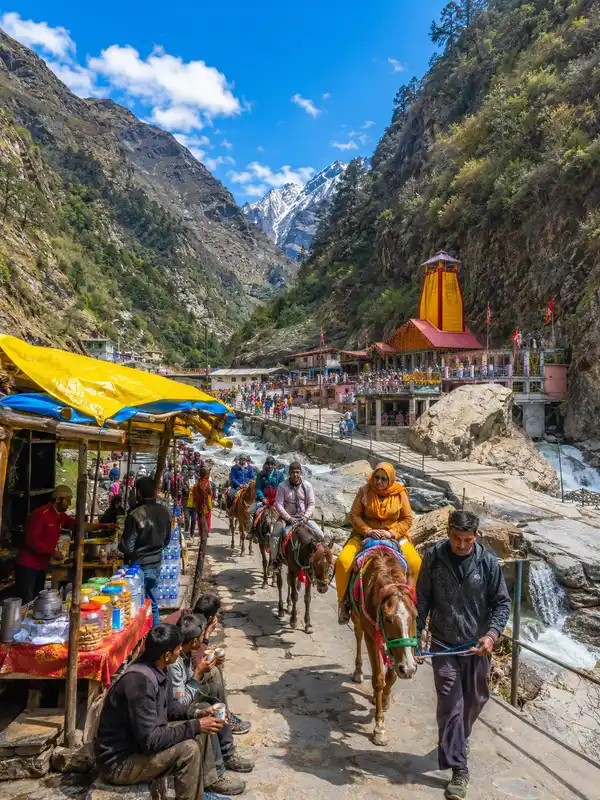
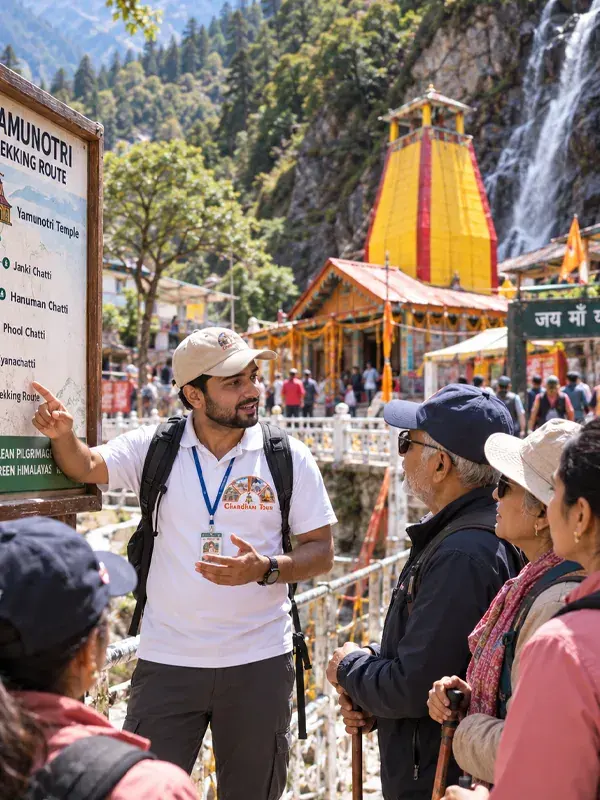
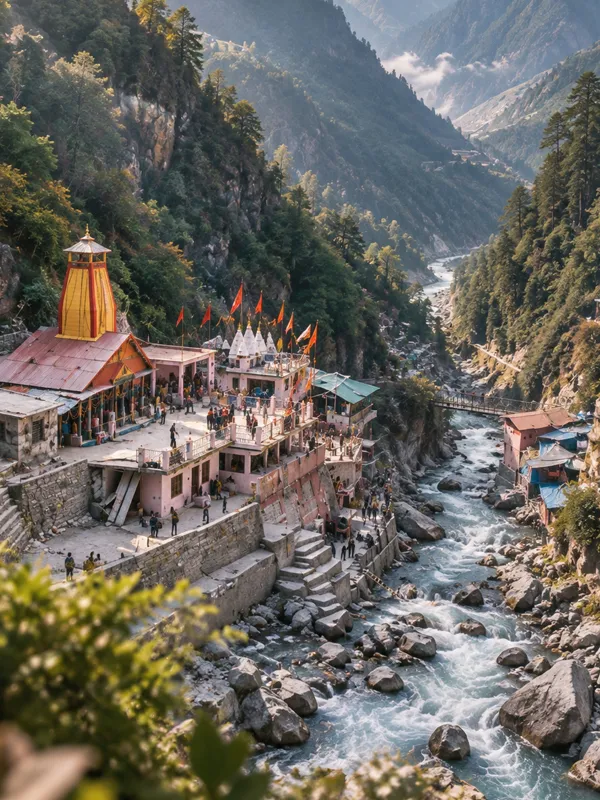
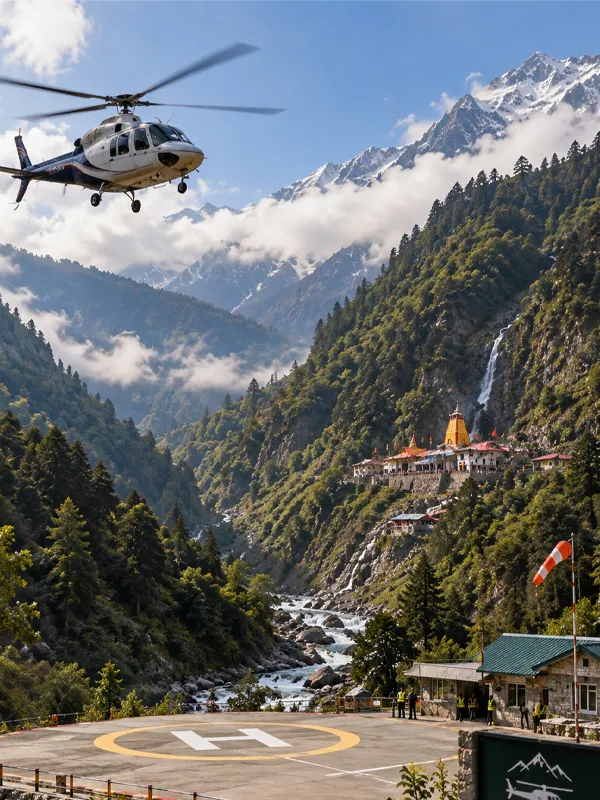
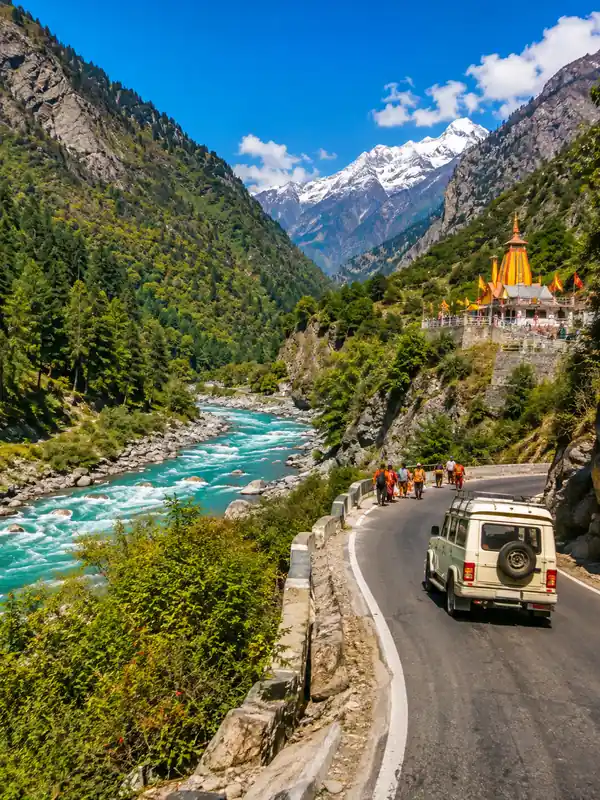
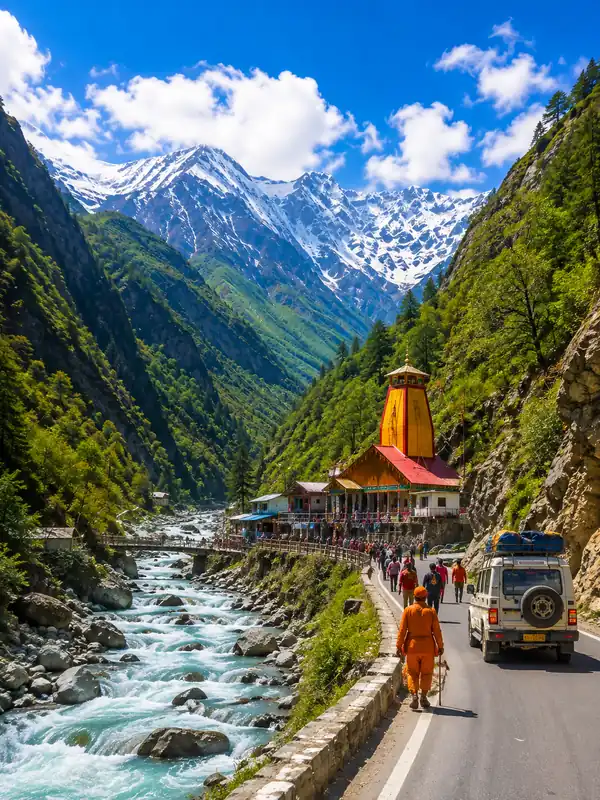
Once you reach Jankichatti, the final 6 km to Yamunotri temple is on foot, pony, or palki — no vehicles are allowed beyond this point. The trail climbs steadily from around 2,650 metres at Jankichatti to roughly 3,300 metres at the temple, with some steep sections along the way.
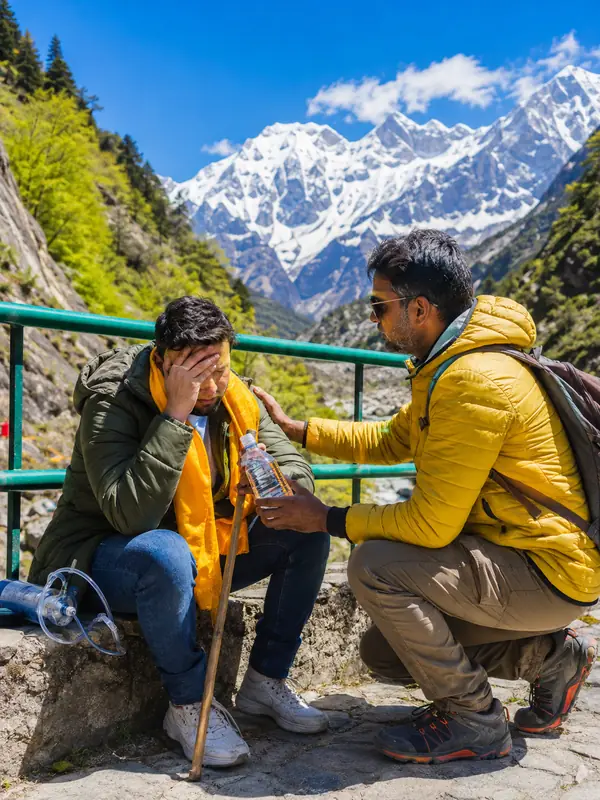
Most reasonably fit travelers cover it in 2–4 hours one way, depending on pace, weather, and rest stops. Pony and palki (palanquin) services are available at Jankichatti for those who'd rather not walk the full stretch — book these on arrival, as availability can be tight during peak season. The route doesn't require technical mountaineering skills, but it has steep sections and can be physically demanding because of the altitude gain — pace yourself, carry water, and don't treat it as a casual walk, especially if you're elderly or unused to altitude.
Char Dham Registration — Don't Skip This
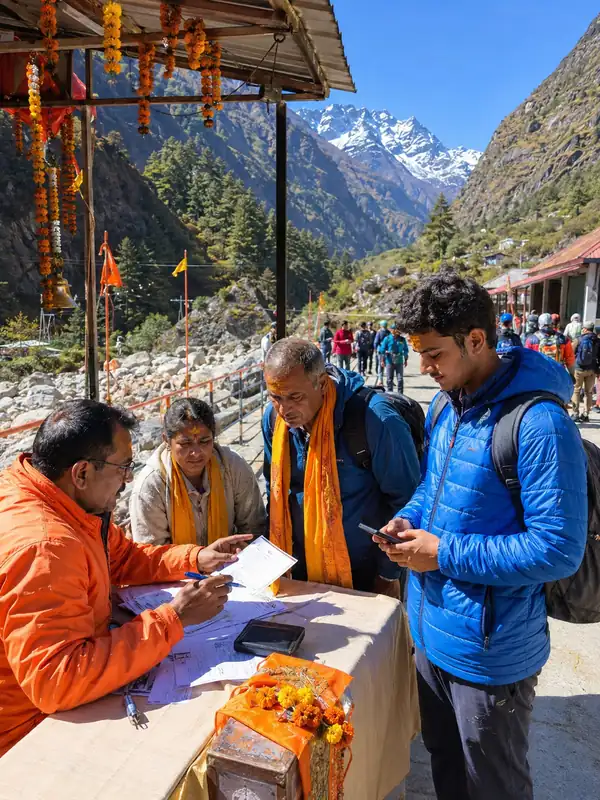
Uttarakhand requires all Char Dham pilgrims to register online (or at designated counters) before starting the Yamunotri leg. Complete this before leaving Delhi if possible — carry your registration letter/e-pass and photo ID, since verification may be required at designated points along the route and at the dham.
Suggested Itinerary: Delhi to Yamunotri
Day 1 — Delhi to Barkot: Start early, ideally by 5–6 AM, to beat Delhi traffic before the mountain roads begin. Via the Dehradun Expressway, you'll reach Dehradun in around 2.5 hours, then continue toward Barkot. Overnight in Barkot — mountain driving after dark isn't recommended.
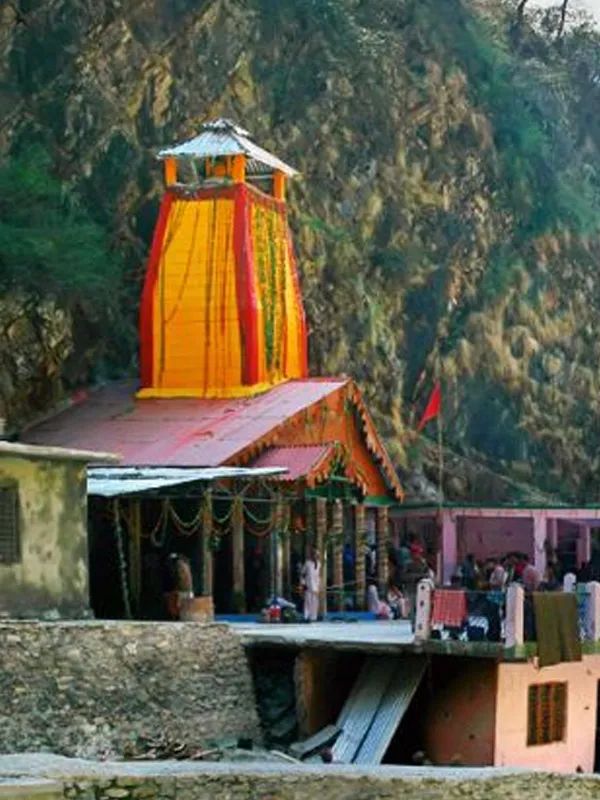
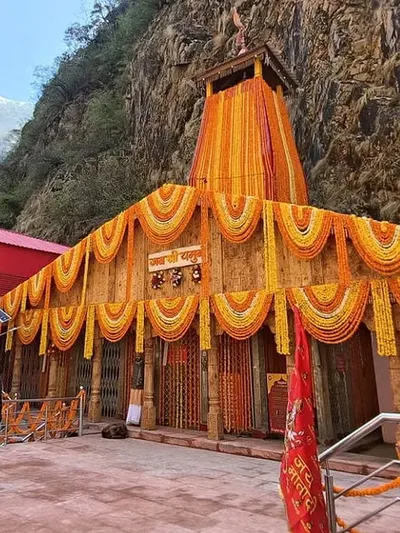
Day 2 — Barkot to Jankichatti, trek to Yamunotri: Drive to Jankichatti in the morning, then start the 6 km trek early for cooler weather and lighter crowds. Most cover it in 2–4 hours, or use pony/palki services. After darshan — Surya Kund's hot spring is a well-known feature — return to Jankichatti or Barkot for the night.
Day 3 — Return to Delhi.
This 3-day plan keeps each day manageable. A tighter 2-day version (combining Days 1–2) suits experienced travelers comfortable with a demanding schedule, but leaves little margin for delays.
Best Time to Visit Yamunotri from Delhi
Yamunotri Dham opens and closes each year on Hindu calendar dates — around Akshaya Tritiya (typically late April) and Bhaiya Dooj (typically late October). Always confirm the current year's exact dates before planning.
| Season | Approx. Months | Conditions for the Delhi–Yamunotri Drive |
|---|---|---|
| Peak | Late April – June | Main pilgrimage season; roads busy, weather generally favorable |
| Monsoon | July – August | Rain, slippery hill roads, landslide risk — avoid if possible |
| Post-monsoon | September – late October | Generally favorable again, though weather can change quickly |
| Winter (closed) | Late October – April | Temple closed for the season; the route isn't practical for a yatra trip |
Late April–June and September–mid-October are generally the most comfortable windows for the drive and trek, but always check road advisories before setting out — even outside monsoon, hill roads can be affected by landslides.
Where to Stay Along the Way
Barkot: A convenient overnight halt roughly 1.5–2 hours before Jankichatti, with a wider range of hotels than Jankichatti itself. A good option if Jankichatti rooms are full or if you'd rather split the mountain driving across two shorter days.
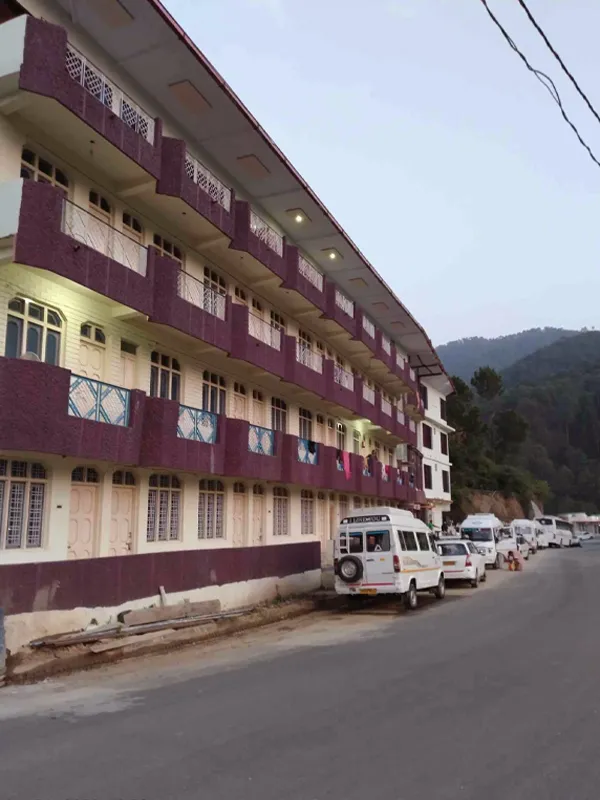
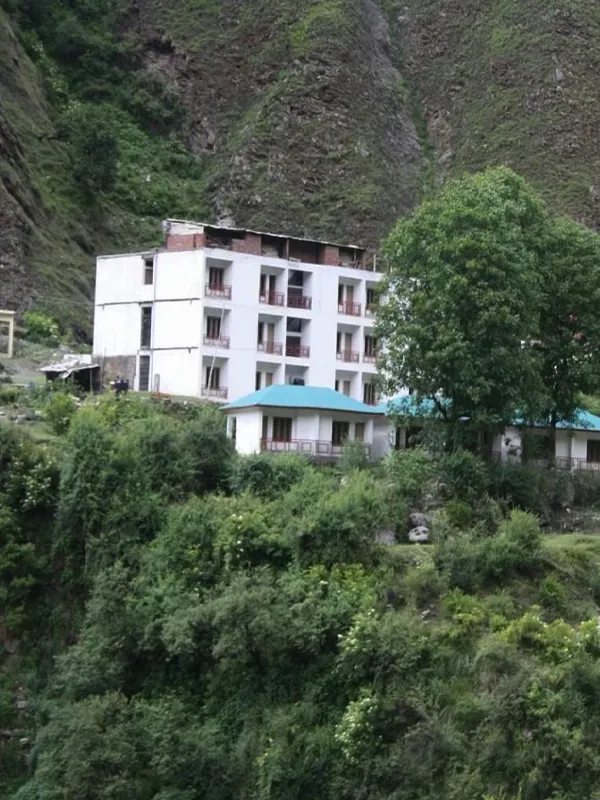
Jankichatti: The last motorable point, with standard/deluxe hotels, GMVN guest houses (subject to seasonal availability), and ashrams/dharamshalas for budget stays. Staying here lets you start the trek at first light.
Dehradun/Rishikesh: Useful if you're breaking the Delhi journey into three days, or arriving late by train/flight and want to rest before the mountain drive begins.
Book ahead for peak season (May–June) — rooms in Jankichatti especially are limited and fill up fast.
What to Pack for the Trip
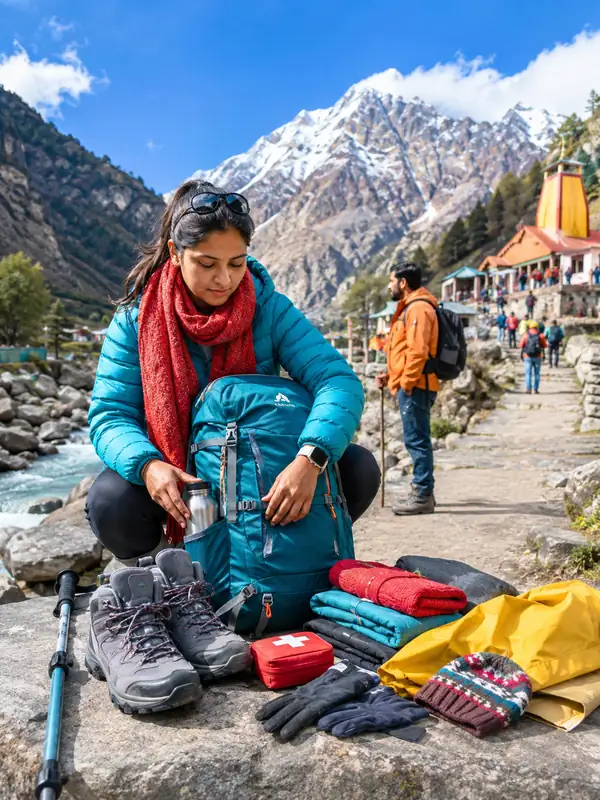
Warm layers — even in peak season, nights in Barkot/Jankichatti and the Yamunotri trek get cold
Comfortable walking or trekking shoes with good grip
A rain cover or poncho, particularly outside the peak summer window
Cash — digital payments can be unreliable in remote stretches
Your Char Dham registration letter/e-pass and photo ID
Any prescribed medicines and a basic first-aid kit
Common Mistakes to Avoid
Skipping Char Dham registration and finding out at a checkpoint — do this before you leave Delhi.
Trying to cover Delhi to Jankichatti in one continuous drive without a night halt.
Starting the Yamunotri trek late in the day instead of early morning.
Assuming hotel rooms will be available without booking during peak season.
Ignoring road advisories during or right after monsoon rain.
Pro Tips
Use the Delhi–Dehradun Expressway for the first leg — it cuts hours off the old route.
Split the journey into two days rather than one long 12+ hour drive.
Carry printed registration copies in case of connectivity issues at checkpoints.
Pony and palki options are available at Jankichatti if you'd rather not trek the full 6 km.
Mobile connectivity is intermittent past Barkot — don't rely on it for real-time navigation or emergencies.
FAQs
Q1. What is the distance from Delhi to Yamunotri?
Approximately 440–460 km by road, depending on whether you go via the Dehradun Expressway or via Rishikesh.
Q2. How long does it take to travel from Delhi to Yamunotri?
Around 10–14 hours of driving in total, usually split across two days with an overnight halt at Barkot or Jankichatti.
Q3. What is the best route from Delhi to Yamunotri?
Via the Delhi–Dehradun Expressway to Dehradun, then through Barkot to Jankichatti, is generally the fastest option.
Q4. Do I need to register for the Yamunotri yatra?
Yes — Char Dham registration is mandatory. Complete it online before leaving Delhi and carry your e-pass and ID.
Q5. Can I reach Yamunotri from Delhi by train?
Not directly — trains go to Dehradun, Rishikesh, or Haridwar, and you'll need a taxi for the remaining 200+ km to Jankichatti.
Q6. Is there an airport near Yamunotri?
Dehradun's Jolly Grant Airport is the nearest, connected to Delhi by short flights, with the same onward road journey as the train route.
Q7. What is the best time to travel from Delhi to Yamunotri?
Late April–June and September–mid-October, though exact yearly opening/closing dates should be confirmed before travel.
Q8. Can senior citizens make this trip?
Yes, with planning — book pony or palki assistance in advance for the Jankichatti–Yamunotri trek, since demand is high in peak season.
Q9. Should I do the Delhi to Yamunotri trip in one day?
It's not recommended — mountain driving after dark is risky, so most travelers split it into two days with a halt at Barkot or Jankichatti.
Q10. How far is Jankichatti from Yamunotri temple?
About 6 km, covered on foot in 2–4 hours, or faster by pony or palki.
Q11. Is the Delhi to Yamunotri road safe for a self-drive trip?
The route is regularly used by pilgrims, but "safe" depends on current conditions — the mountain section needs cautious daylight driving, and road advisories should be checked before departure, especially around monsoon.
Q12. What's the closest big city to halt near Jankichatti if rooms are full?
Barkot, roughly 1.5–2 hours before Jankichatti, has a wider range of accommodation and is the most practical backup.
Conclusion
The Delhi to Yamunotri journey is long but well worth the effort — the new Dehradun Expressway has made the first leg noticeably faster, and splitting the trip across two days with a halt at Barkot or Jankichatti keeps the mountain driving safe and manageable. Complete your Char Dham registration in advance, travel during late April–June or September–mid-October for the smoothest experience, and start the final trek early morning for the best conditions at Yamunotri.
Yamunotri Travel Guide


Yamunotri Travel Packages
Important Safety Notice
Beware of Fake Char Dham & Kedarnath Helicopter Booking Websites
Fake websites, WhatsApp accounts and advertisements may impersonate genuine travel companies or helicopter operators. Always verify before paying.