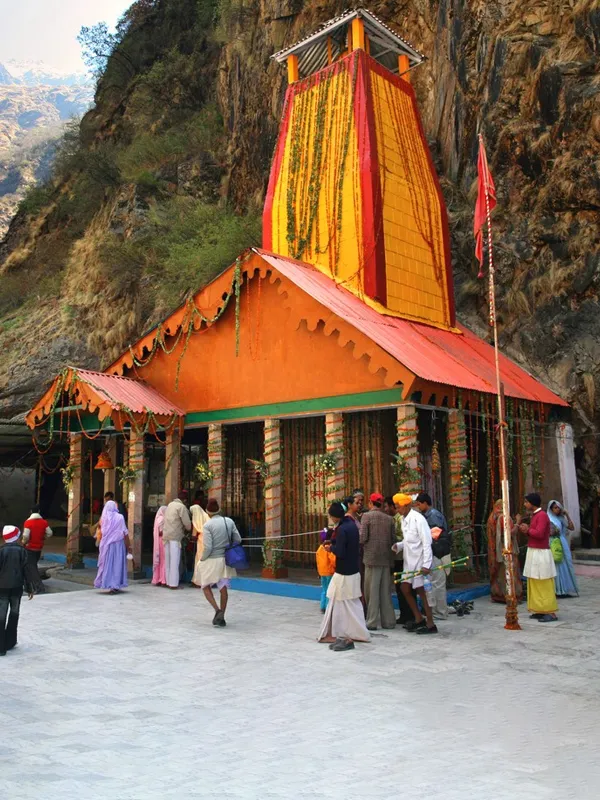
History of Yamunotri Temple

Yamunotri isn't just the first stop on the Char Dham Yatra — it's a shrine tied to a long-standing body of Hindu pilgrimage traditions and legends, plus a genuine historical disagreement over who actually built the present temple. This page pulls together the temple's founding history and the stories behind it: the Shiva-Kalindi legend tied to the Yamuna's mythology, the tale of Sage Asit that pilgrims associate with this sacred spot, and the mythology connecting Goddess Yamuna to Surya and Yama.
Founding History of Yamunotri Temple
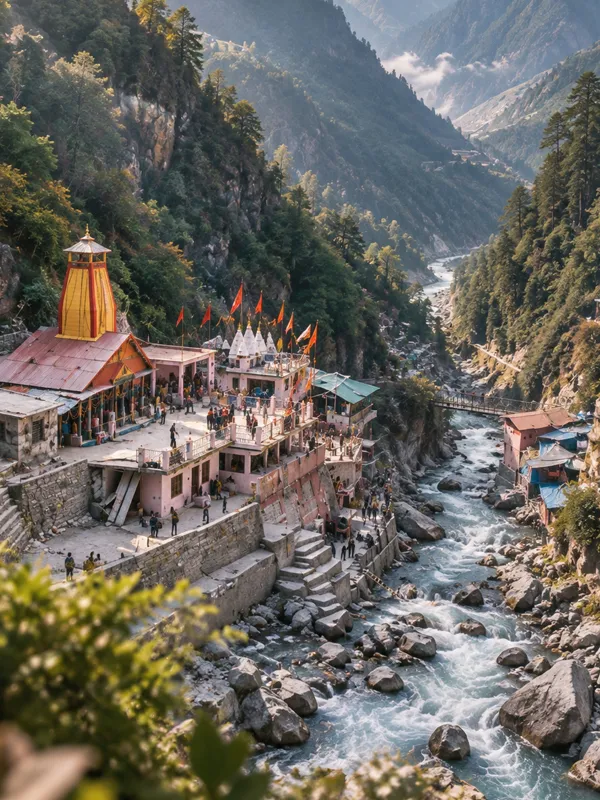
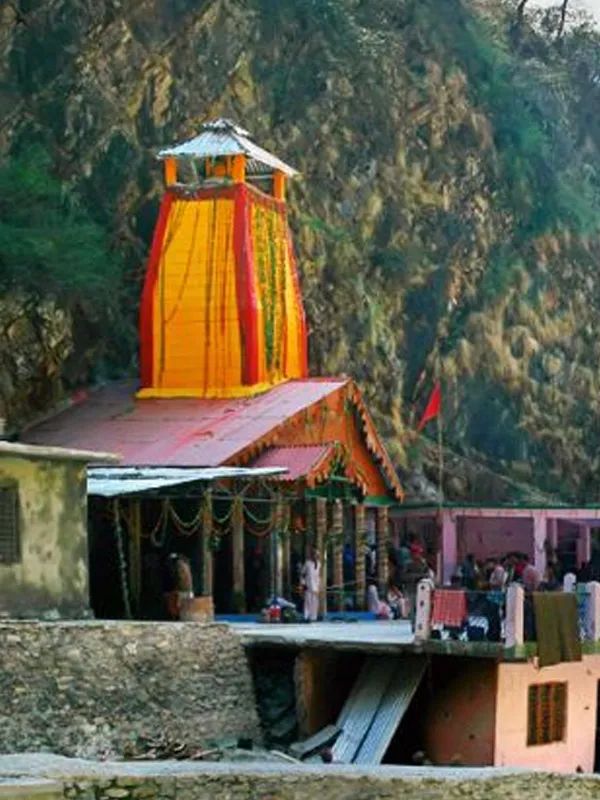
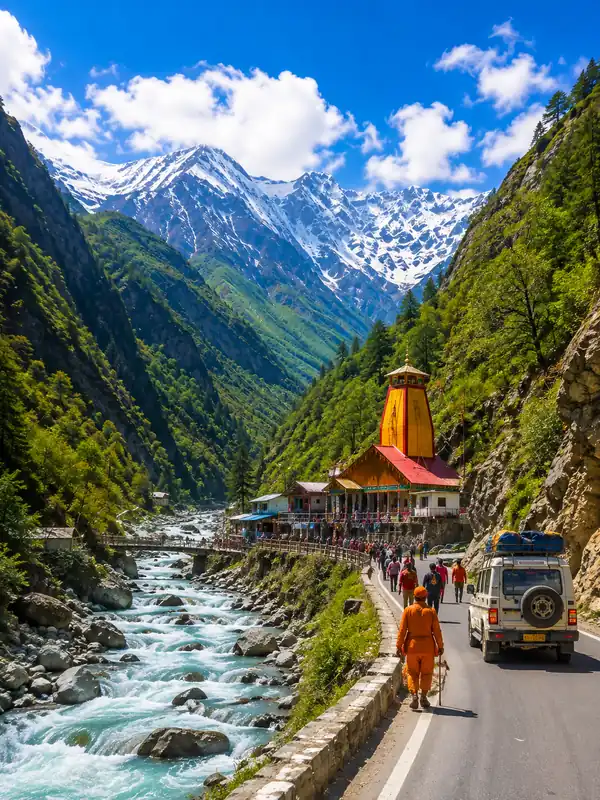
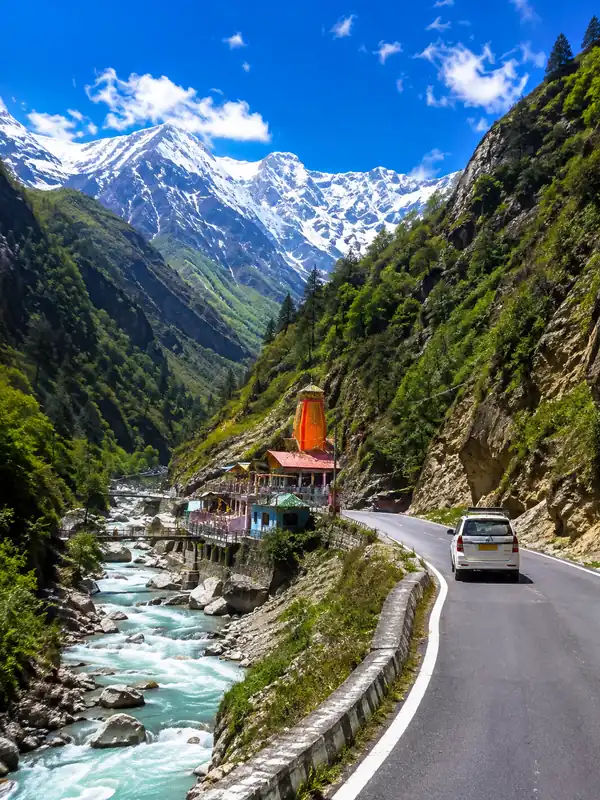
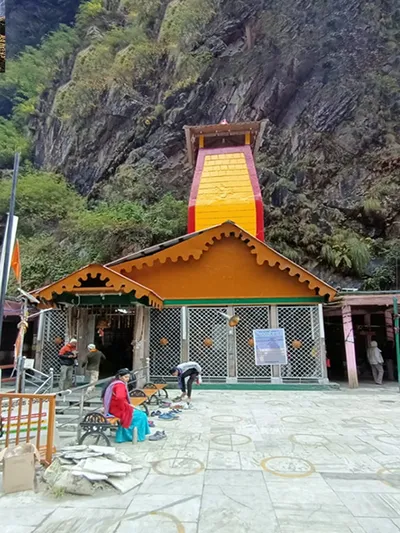
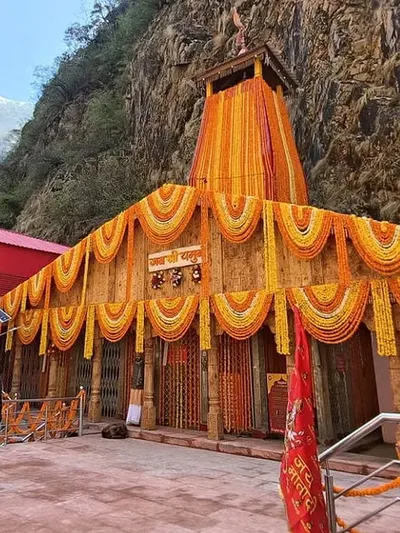
The present Yamunotri Temple, dedicated to Goddess Yamuna, dates to the 19th century — though published sources describe its builder differently. The Uttarakhand Char Dham registration portal and the Shri Badrinath-Kedarnath Temple Committee (the temple's own custodial body) both credit Maharaja Pratap Shah of Tehri Garhwal as the builder. Other published accounts, including Incredible India, instead associate the construction with Sudarshan Shah in 1839. Because current official sources and other published material differ on this point, we treat the builder's identity as historically disputed rather than settled. Multiple sources agree on what happened next: an earthquake badly damaged the structure, and Maharani Gularia of Jaipur is credited with rebuilding it later in the 19th century — the temple standing today is essentially that rebuilt structure.
Yamunotri's sacred significance predates this present structure, too. The site itself is associated with much older Hindu pilgrimage traditions and legends, while the temple building visitors see today is specifically a 19th-century structure.
Shiva, Sati and the Kalindi Legend
A tradition recorded in the Vamana Purana describes Lord Shiva wandering in grief after Goddess Sati's death and bathing in the river Kalindi — identified with the Yamuna — after which the waters are described as turning dark. This is a separate strand from the broader Sati tradition connected to the Shakti Peethas, where parts of Sati's body are believed to have fallen at various sacred sites across the subcontinent. The Yamuna's association with Shiva's grief is a Puranic narrative, not a historical claim, and is presented here as such.
Sage Asit Muni and the Yamunotri Legend
One of Yamunotri's most repeated pilgrimage legends involves the sage Asit Muni, who is traditionally said to have lived at this spot and bathed daily in both the Ganga and the Yamuna as part of his devotion. As he aged, the journey to the Ganga became too difficult. According to this tradition, a stream of the Ganga appeared near the Yamuna so he could continue his daily ritual without the long journey — a legend that the temple's own custodial committee records as part of Yamunotri's pilgrimage lore, not as documented history.
Goddess Yamuna: Surya, Yama and the Bhai Dooj Connection
Much of the temple's mythology centers on Goddess Yamuna's family ties. She's described as the daughter of the Sun God, Surya, and the twin sister of Yamraj, the god of death — a relationship that gives the river its protective symbolism. According to Hindu belief, bathing in the Yamuna here cleanses sins and offers protection from an untimely death, precisely because of her bond with Yama. This same sibling relationship is tied to Bhai Dooj (Yama Dwitiya), the festival marking the bond between brothers and sisters — and it's no coincidence that Yamunotri's winter closing ceremony traditionally falls on this day each year. This connects the temple's annual ritual calendar directly to its founding mythology, though the protective belief itself remains a matter of Hindu tradition rather than a historical claim.
Why the Yamuna Is Also Called Kalindi
Kalindi is a traditional name for the Yamuna in Hindu texts and pilgrimage usage. Hindu textual and traditional sources connect the name with Kalinda, the mountain traditionally associated with the river's origin — giving Yamuna the epithet Kalindatanaya ("daughter of Kalinda") in some traditions.
Yamuna in Hindu Sacred-River Tradition
Yamuna is one of the major sacred rivers of Hindu tradition and is frequently invoked alongside the Ganga and other holy rivers in religious texts and pilgrimage practice. This standing within India's wider sacred-river tradition is part of why Yamunotri, as the Yamuna's source shrine, holds such significance within the Char Dham pilgrimage.
Conclusion
Yamunotri's history is really two threads woven together: a real, disputed record of who built the shrine and when, and a set of legends — Shiva's grief, Sage Asit's devotion, Yamuna's bond with Surya and Yama — that Hindu pilgrimage tradition has carried for generations. The sacred site's significance predates the temple itself; the building pilgrims visit today specifically dates to the 19th century. Neither thread cancels the other out — the temple's disputed founding and its mythology both explain why this remote Himalayan shrine has drawn pilgrims for generations.
FAQs
Q1. How old is Yamunotri Temple?
The present structure dates to the 19th century. Published sources describe its founder differently — the Uttarakhand government portal and the temple committee credit Maharaja Pratap Shah of Tehri Garhwal, while other accounts, including Incredible India, associate an 1839 construction with Sudarshan Shah.
Q2. Who built the Yamunotri Temple?
Current official sources — the Uttarakhand Char Dham registration portal and the Shri Badrinath-Kedarnath Temple Committee — attribute it to Maharaja Pratap Shah of Tehri Garhwal. Other published accounts instead credit Sudarshan Shah. Because authoritative sources differ, the attribution is best treated as historically disputed rather than settled.
Q3. What is the legend behind Yamunotri?
The main legends associated with Yamunotri include Lord Shiva bathing in the Yamuna (identified as Kalindi) after Sati's death, Sage Asit Muni's daily river bath — traditionally said to be why a stream of the Ganga appeared near the Yamuna — and Yamuna's mythological bond with Surya and Yama.
Q4. Why is the Yamuna River called Kalindi?
Kalindi is a traditional name for the Yamuna. Hindu textual tradition connects the name with Kalinda, the mountain traditionally associated with the river's origin.
Q5. What is the connection between Yamuna and Yama?
Goddess Yamuna is described in Hindu tradition as the twin sister of Yama, the god of death — a bond believed to protect devotees who bathe in her waters from an untimely death, and traditionally connected to the festival of Bhai Dooj.
Yamunotri Travel Guide


Yamunotri Travel Packages


Important Safety Notice
Beware of Fake Char Dham & Kedarnath Helicopter Booking Websites
Fake websites, WhatsApp accounts and advertisements may impersonate genuine travel companies or helicopter operators. Always verify before paying.