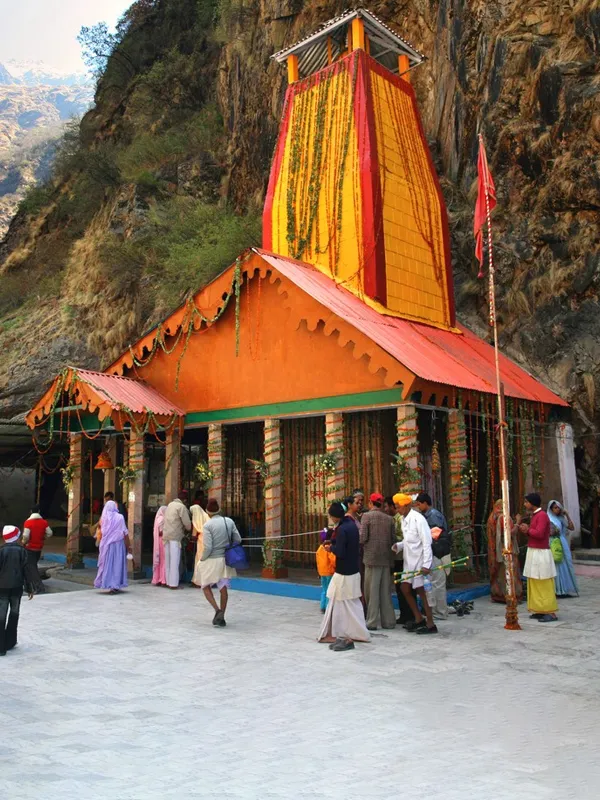
Yamunotri Yatra: Travel Tips for Packing & Health
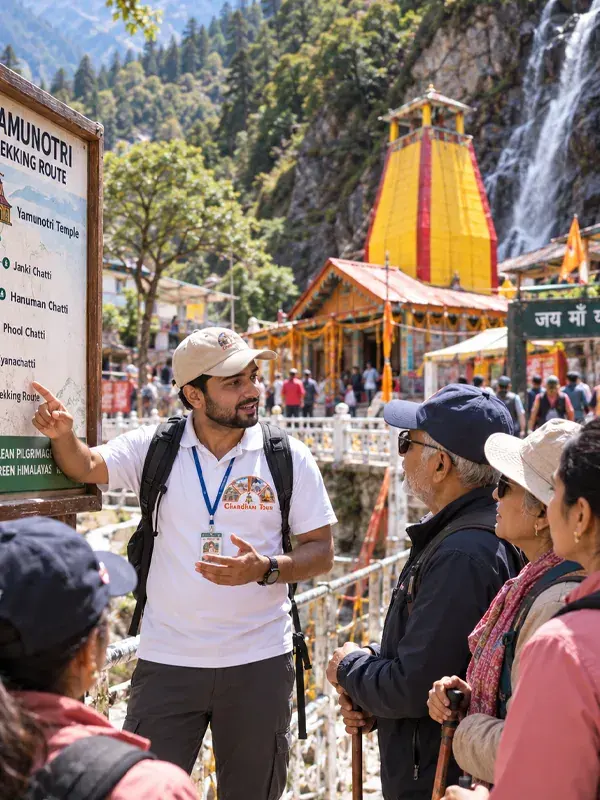
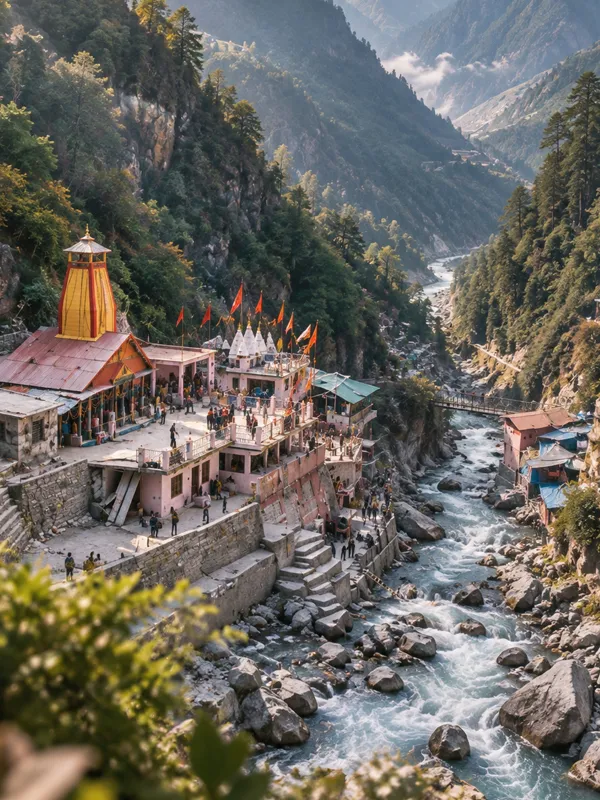
The Yamunotri trek is only 6 km, but it's a steep, continuous climb up to the temple's altitude of 3,293 metres — that combination of short distance and real altitude is exactly what catches people off guard. Health officials have cited cardiac and high-altitude related conditions among concerns during past Yatra seasons. This guide covers what to actually pack and what to watch for, so your Yatra stays a pilgrimage, not an emergency.
Quick Answer
Pack warm layers (even in summer), sturdy trekking shoes, a walking stick, rain gear, basic personal medicines, and cash. Health-wise, the real risk is altitude-related strain on the heart and lungs — pace yourself, stay hydrated, rest if you get a headache with dizziness or nausea, and seek help immediately for severe breathlessness, chest congestion, or confusion. Uttarakhand runs a health-monitoring system called e-Swasthya Dham, alongside medical posts and ambulances deployed across Char Dham routes.
Why the Yamunotri Trek Is Tougher Than It Looks
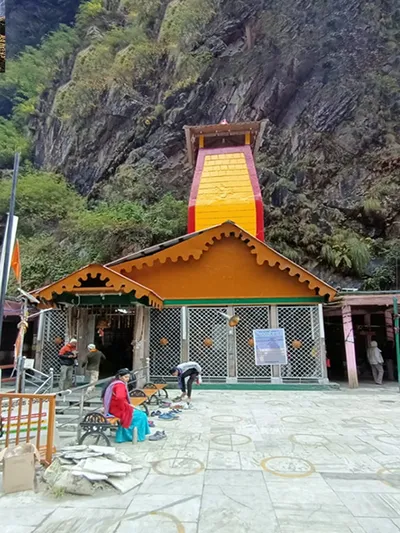
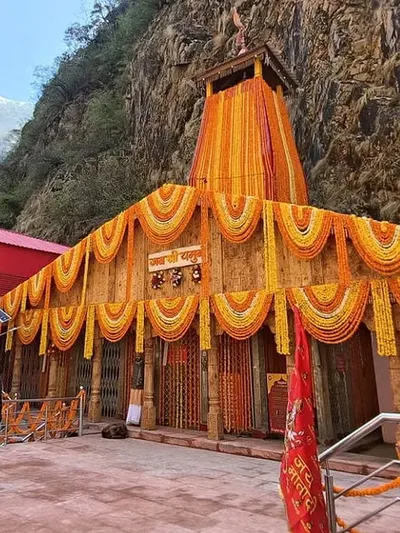
People see "6 km" and assume it's a short walk. It's actually a steep, continuous climb, and the temple itself sits at 3,293 metres — high enough that thinner air affects breathing and heart rate, especially if you have existing cardiac or respiratory issues, or you've come from sea level without any time to adjust.
Acute Mountain Sickness (AMS) — commonly called altitude sickness — isn't just an "extreme trekker" problem. It can affect ordinary pilgrims too, and Uttarakhand's health authorities have flagged cardiac and high-altitude related illness as genuine concerns during past yatra seasons. That's not meant to scare you off the trip; it's the case for taking preparation seriously.
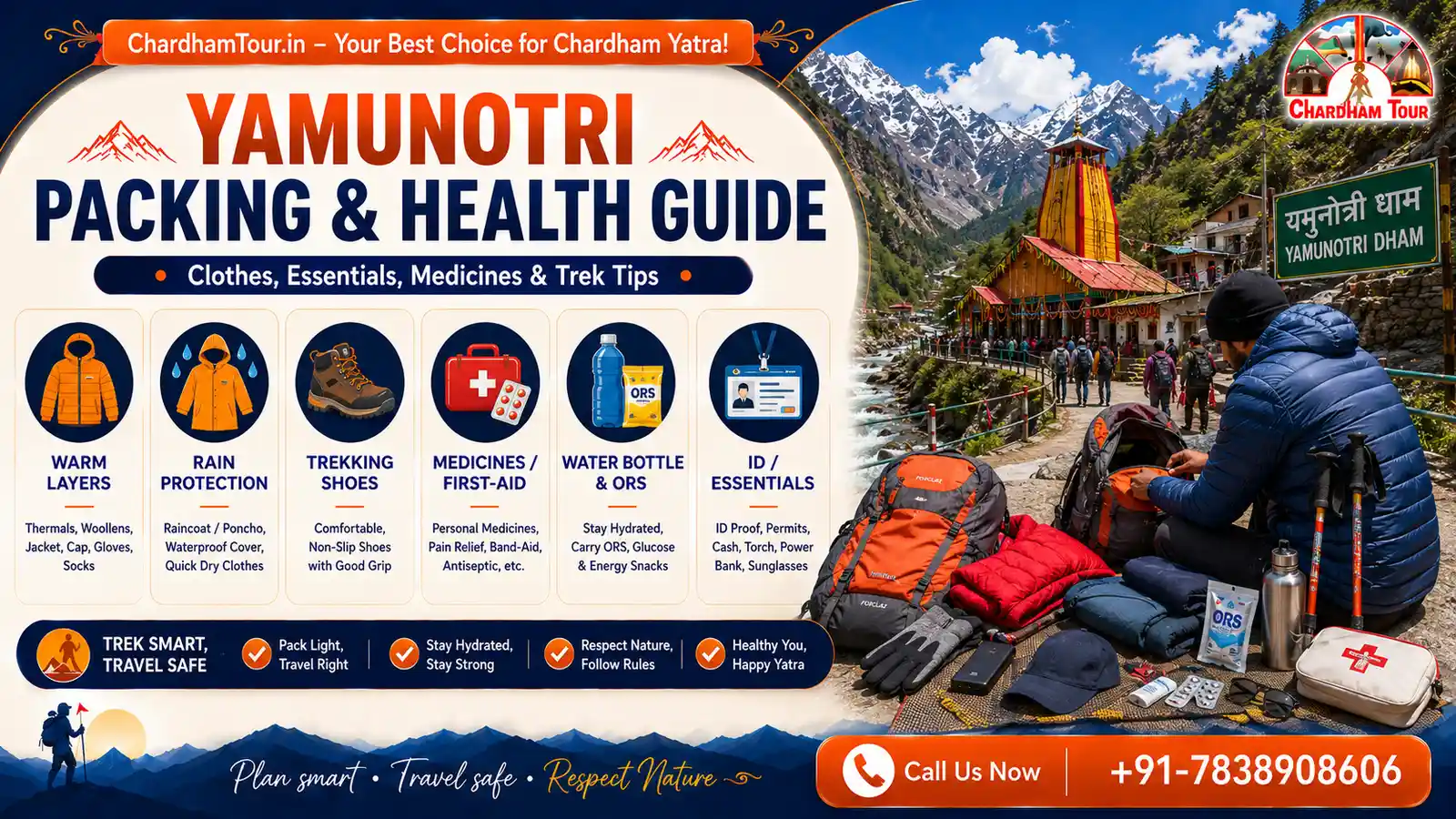
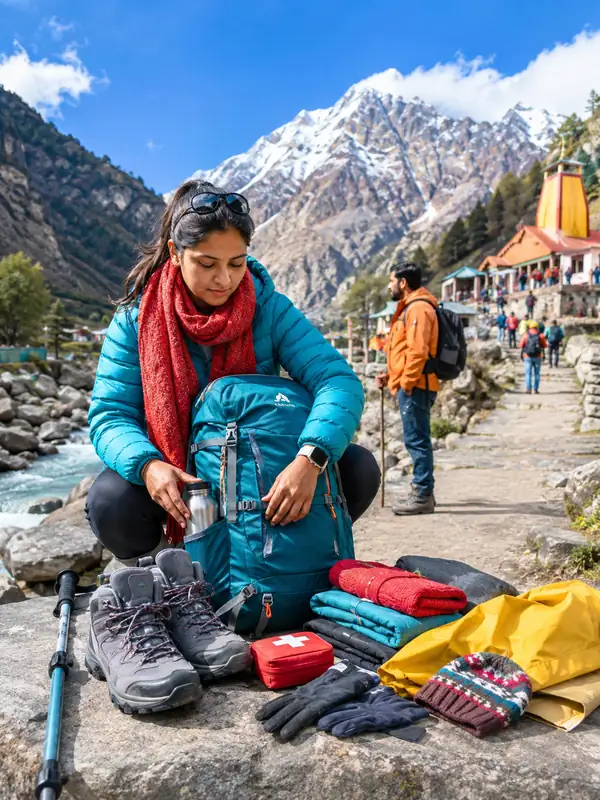
What to Pack for Yamunotri
Clothing:
- Thermal wear or fleece, even in May–June — Janki Chatti and Yamunotri stay cold, especially early morning
- A waterproof jacket or poncho — monsoon rain arrives fast in these hills
- Woolen cap, gloves, and warm socks
- Sturdy, broken-in trekking shoes with good grip — not new shoes, not sandals
Trekking essentials:
- A walking stick (rentable near Janki Chatti, but your own saves time)
- A reusable water bottle
- Glucose sachets, energy bars, and dry fruits for a quick energy boost mid-climb
- A small backpack rather than a bag you have to carry by hand
Documents & money:
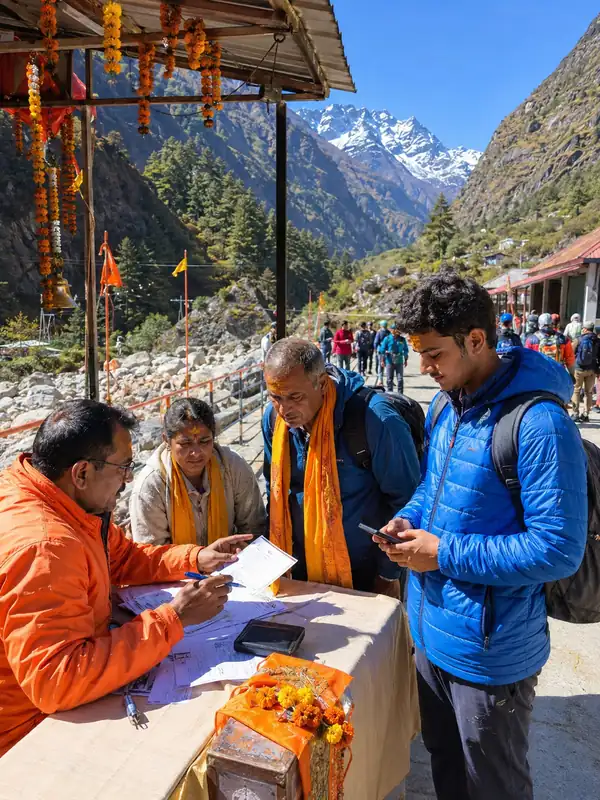
- Your Yatra Registration Letter (printed and on your phone)
- A valid photo ID
- Cash — digital payment and ATM access can be patchy in remote mountain areas, and small vendors along the trek often don't take cards
Personal medical kit:
- Any regular prescription medicines, in their original packaging
- Basics: pain relief, motion sickness tablets, oral rehydration salts, a small bandage kit
- If you or a family member has a heart or lung condition, carry your doctor's contact details and recent prescriptions
Health Precautions Before and During the Trek
Regular walking or light cardio in the weeks before your trip can make the physical effort of the climb easier — but it's worth knowing that general fitness doesn't actually prevent altitude sickness itself; that's driven more by how your body acclimatizes and how fast you ascend, not by how fit you are.
Before you travel:
- If you have any heart, lung, blood pressure, or other significant medical condition, talk to your doctor before the trip — this matters more than age alone
- Where possible, avoid rushing straight from low altitude to a high sleeping altitude in a single day; if your itinerary allows a night at an intermediate stop like Barkot before pushing higher, that helps your body adjust
- Register on the e-Swasthya Dham health portal if you want your health details accessible to medical staff en route — Uttarakhand built this system for pilgrim health monitoring during the yatra
- Don't attempt the trek if you're currently unwell, even with something that feels minor like a fever — altitude makes everything harder on your body
During the trek:
- Pace yourself. There's no prize for reaching Yamunotri fastest — stop and rest if you feel breathless
- Stay hydrated, but don't force excessive water intake
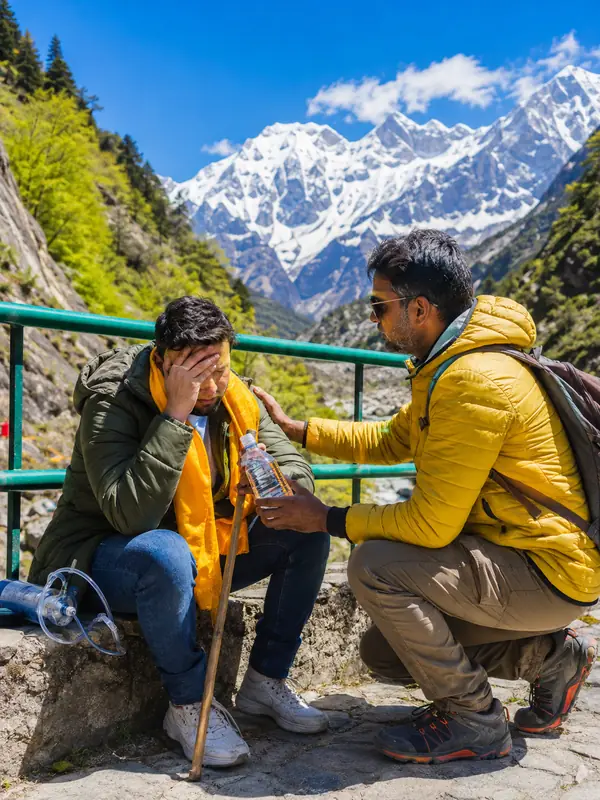
- A headache along with dizziness, fatigue, nausea, or loss of appetite can be early Acute Mountain Sickness (AMS) — don't push through it, rest at your current level instead of continuing to ascend
- Worsening or severe breathlessness (especially at rest), chest congestion, confusion, or difficulty walking normally are more serious warning signs — stop and seek medical help immediately; medical posts and ambulances exist along Char Dham routes specifically for this
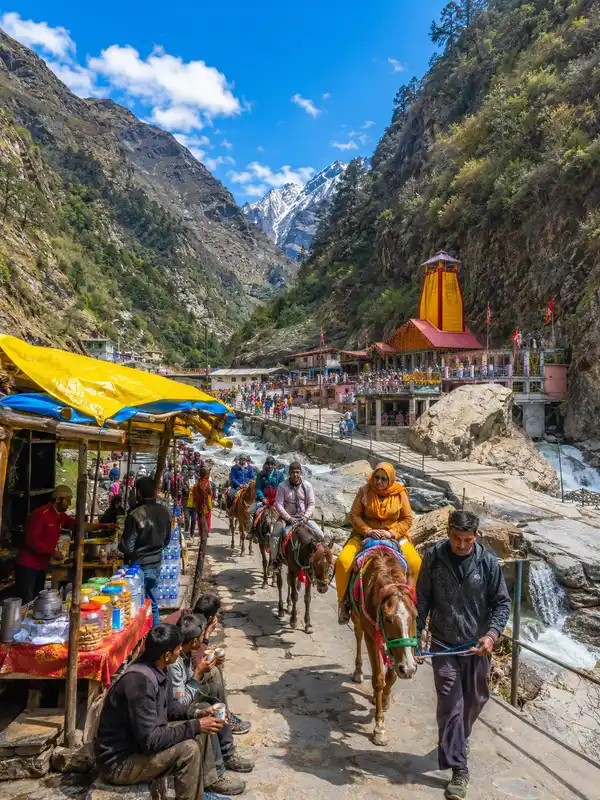
- Ponies and palkis exist for a reason. Using one isn't "giving up" — it's a legitimate way to complete the pilgrimage, whatever your reason for needing it
Common Mistakes People Make
- Packing like it's a summer trip. Warm layers matter even in May–June; temperatures drop fast once the sun goes down.
- Wearing new or unsuitable footwear. Break in your shoes before the trip — blisters on a mountain trek are avoidable.
- Ignoring early symptoms. A headache with dizziness, fatigue, or nausea can be early AMS — a signal to rest, not push on. (Note: breathlessness alone during a strenuous climb is common and not automatically a red flag — it's worsening or at-rest breathlessness that needs attention.)
- Skipping health documentation. Carry ID, prescriptions, and emergency contacts for your own safety, not just for registration.
- Assuming fitness alone protects you. General fitness makes the physical climb easier, but it doesn't prevent Acute Mountain Sickness — that's driven by acclimatization and how fast you ascend, not by how fit or how old you are.
Frequently Asked Questions
Q1. What should I pack for the Yamunotri trek?
Warm layers, waterproof gear, sturdy trekking shoes, a walking stick, water, energy snacks, cash, ID, and personal medicines.
Q2. Is altitude sickness a real risk at Yamunotri?
Yes. At 3,293 m, Acute Mountain Sickness is a genuine possibility, and health authorities have flagged cardiac and high-altitude illness as concerns in past yatra seasons. Fitness and age don't reliably predict who gets it — how well you acclimatize matters more.
Q3. Should I get a health check-up before the yatra?
It's a good idea if you have a heart, lung, blood pressure, or other significant medical condition — that matters more than age alone, since being over 50 isn't itself a higher risk factor for altitude illness.
Q4. What is e-Swasthya Dham?
A Uttarakhand government health-monitoring portal that tracks pilgrim health in real time and coordinates medical assistance along the Char Dham route.
Q5. Is warm clothing necessary even in summer?
Yes. Janki Chatti and Yamunotri stay cold year-round, especially early morning and evening, regardless of the season down in the plains.
Q6. What warning signs shouldn't I ignore during the trek?
A headache with dizziness, fatigue, nausea, or loss of appetite can signal early AMS — rest rather than push on. Worsening or severe breathlessness (especially at rest), chest congestion, confusion, or difficulty walking normally are more serious and need immediate medical help.
Q7. Are medical facilities available along the route?
Yes. Uttarakhand deploys doctors, paramedics, and ambulances at major halting points and at the Dhams themselves.
Q8. Can I use a pony or palki instead of walking?
Yes, both are available from Janki Chatti — a practical option for elderly travelers or anyone unsure about the full trek on foot.
Q9. What food items are useful to carry on the trek?
Dry fruits, glucose sachets, and energy bars — the 2–3 hour climb can be tiring midway.
Q10. Is cash necessary, or can I rely on digital payments?
Carry cash as backup. Digital payment and ATM access can be patchy in remote mountain areas, and many small vendors along the trek don't accept cards.
Conclusion
The Yamunotri Yatra is deeply rewarding, but it's still a high-altitude trek, not a casual walk. Pack for cold weather regardless of season, give your body time to acclimatize where your itinerary allows, and take warning signs during the climb seriously rather than pushing through them. Uttarakhand's medical infrastructure along Char Dham routes exists precisely because high-altitude terrain poses genuine health challenges — use it if you need it. Go prepared, go at your own pace, and Yamunotri becomes what it's meant to be: manageable, meaningful, and safe.
Yamunotri Travel Guide


Yamunotri Travel Packages
Important Safety Notice
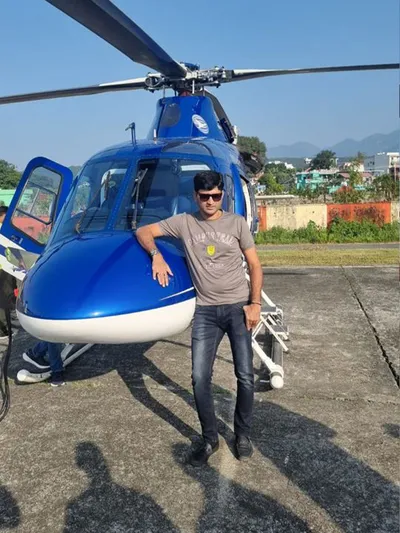
Beware of Fake Char Dham & Kedarnath Helicopter Booking Websites
Fake websites, WhatsApp accounts and advertisements may impersonate genuine travel companies or helicopter operators. Always verify before paying.