How Can Elderly & Disabled Pilgrims Visit Badrinath?
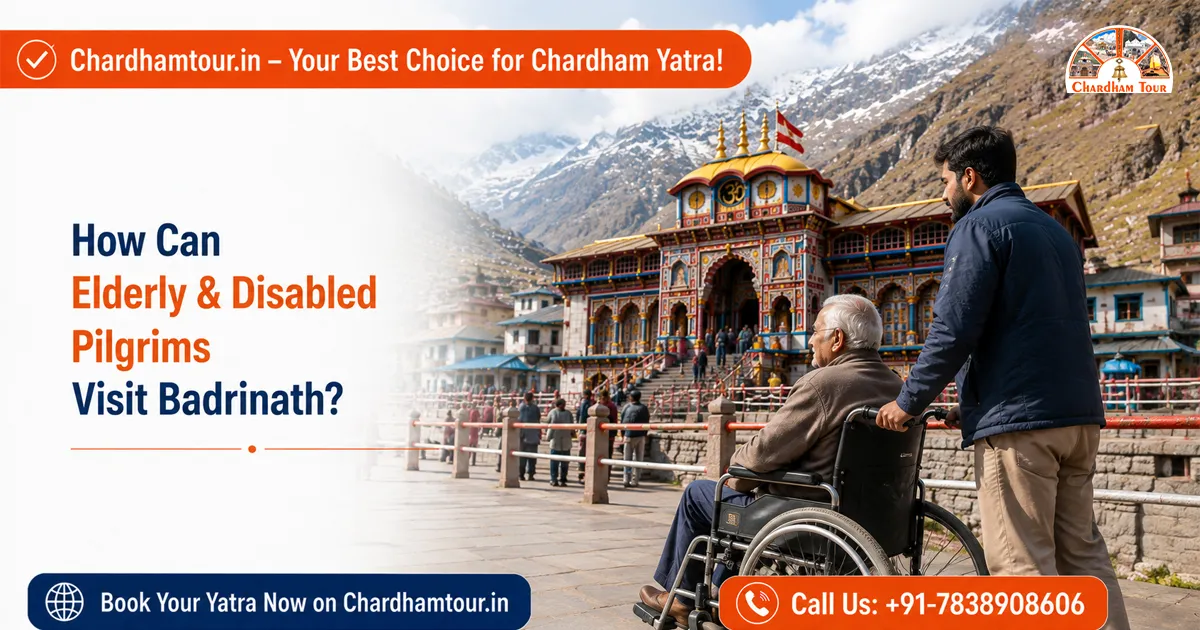
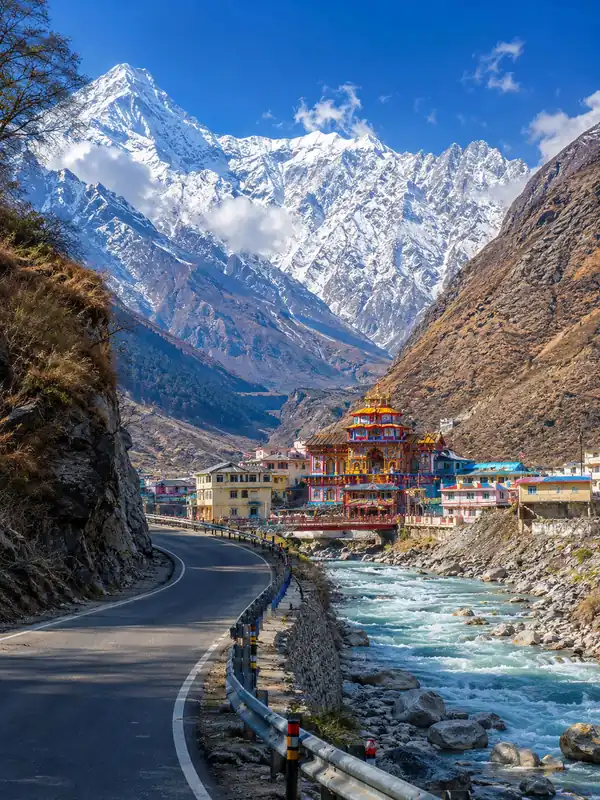
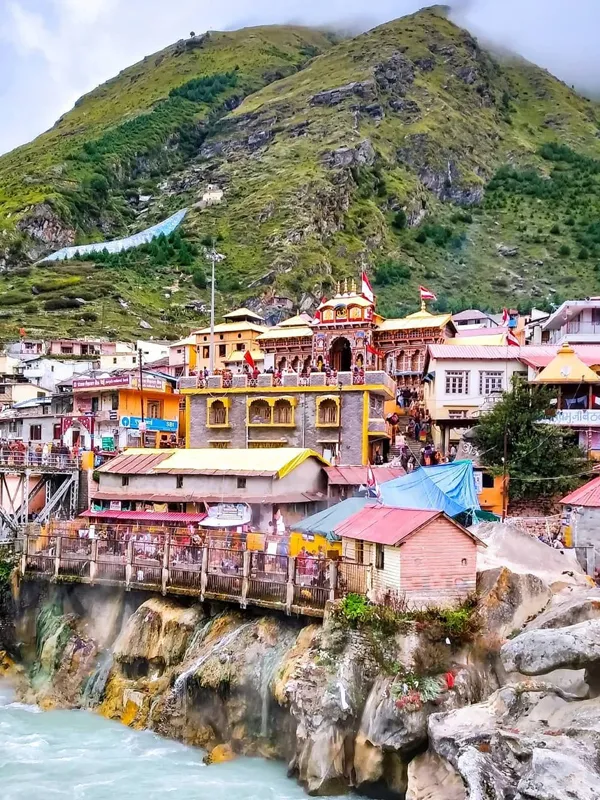
Badrinath has one big advantage over its Char Dham siblings: you don't need to trek to get there. Unlike Kedarnath's 16 km climb or Yamunotri's 6 km trail, Badrinath Temple sits right in the town, directly accessible by road. That makes it the most road-accessible of the four Dhams for elderly and disabled pilgrims — but "accessible by road" isn't the same as "effortless," so here's what actually matters for a comfortable visit.
The Good News: No Trekking Required
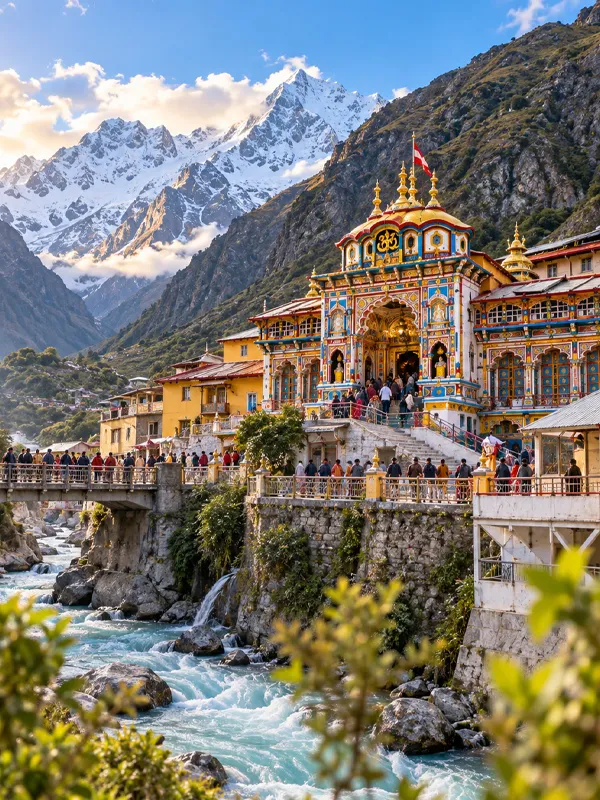
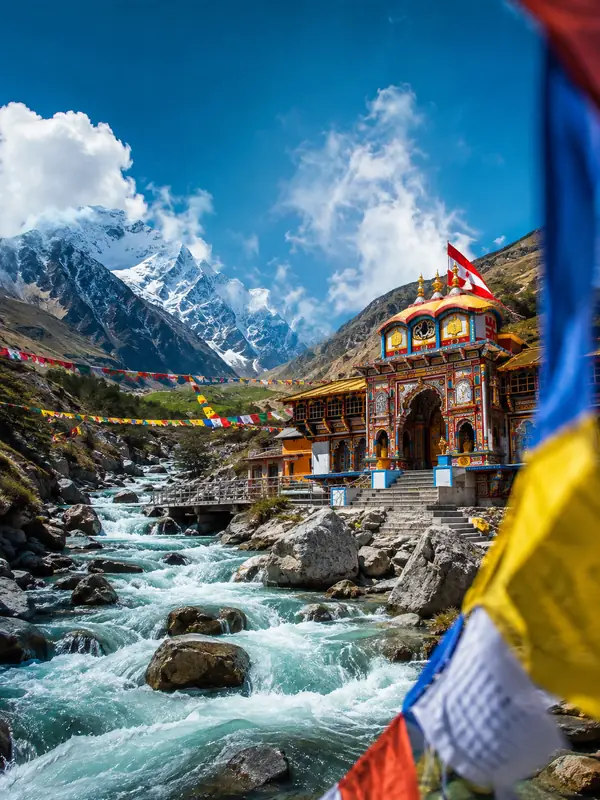
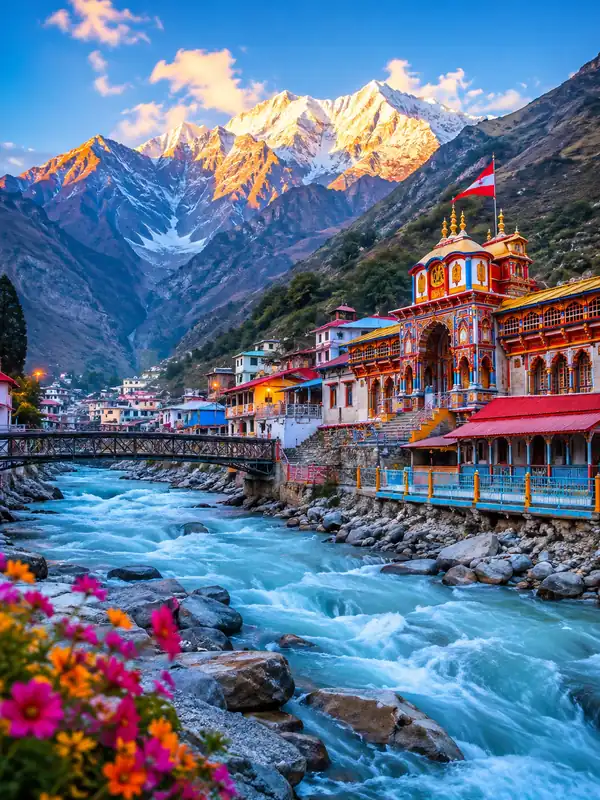
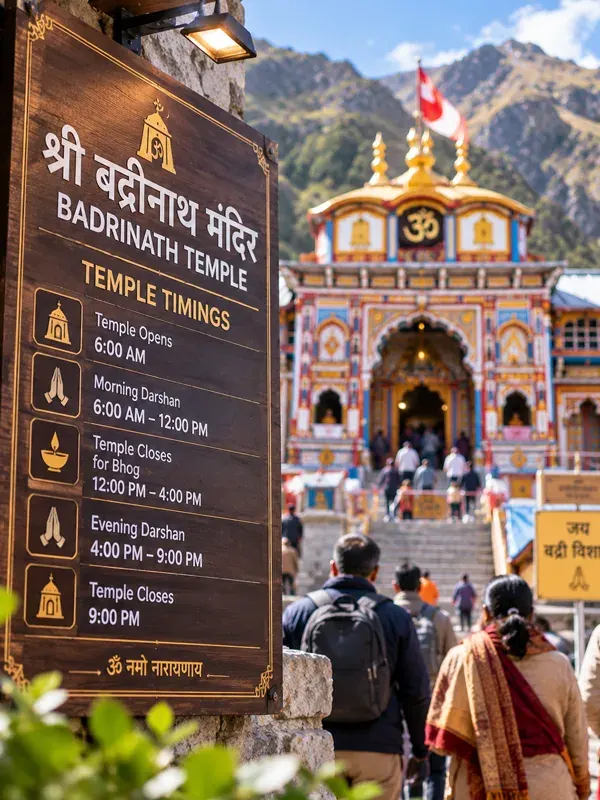
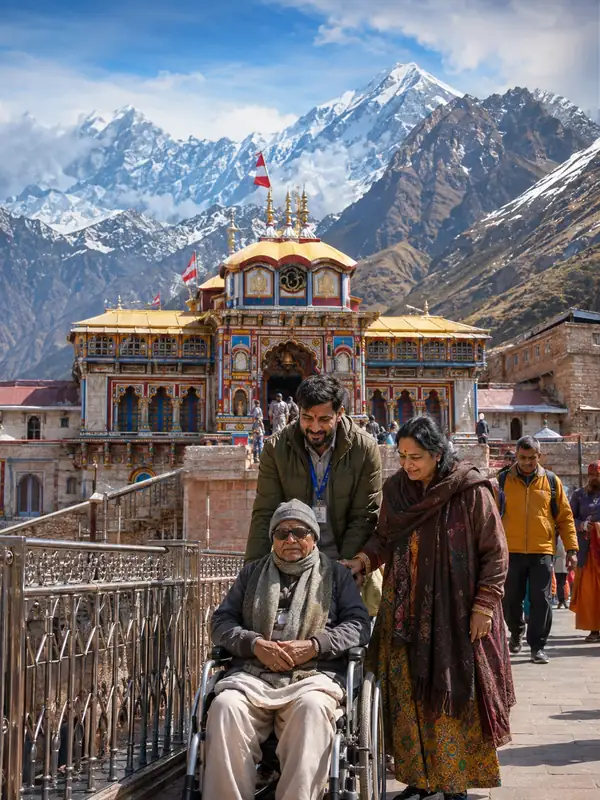
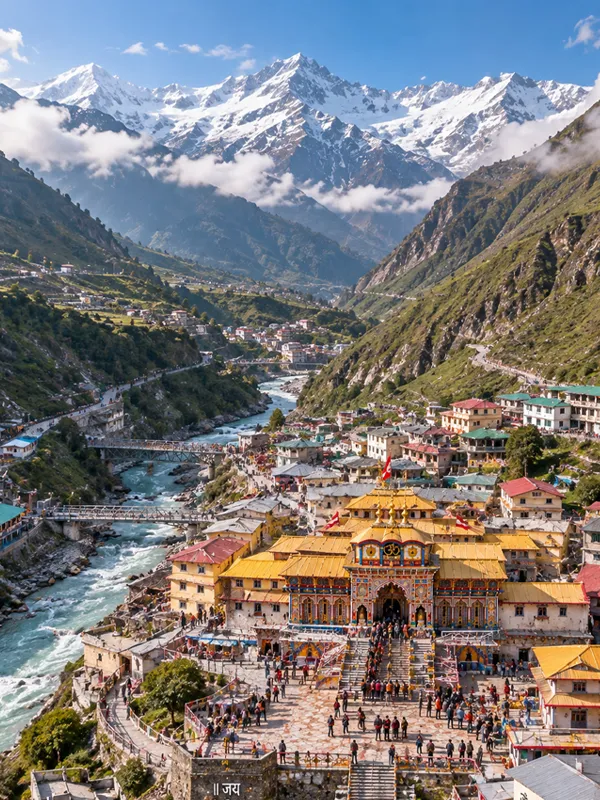
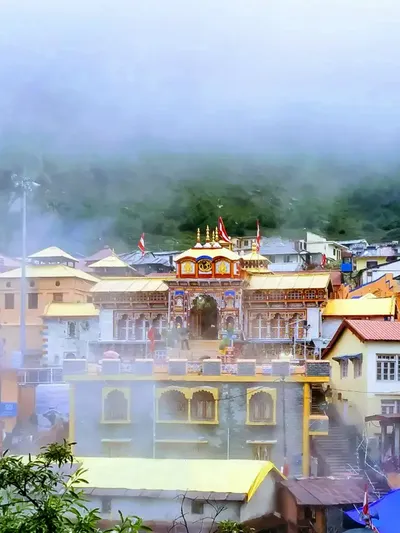
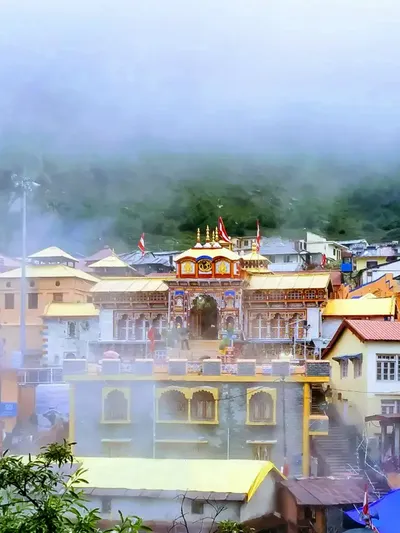
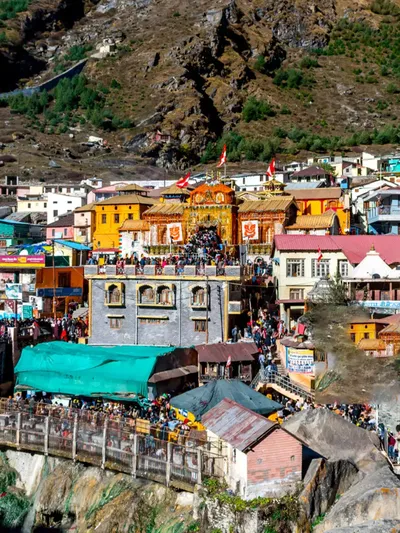
Badrinath Temple is located in the town itself, with vehicles able to reach right up to the parking area near the shrine. From there, it's a short walk and a small flight of steps to the main entrance — manageable for most seniors without additional support, though anyone using a wheelchair or with significant mobility limitations should plan for assistance at that last stretch.
This is a meaningful difference from Kedarnath and Yamunotri, where palki (palanquin) and pony services exist specifically because there's no road all the way to the temple. At Badrinath, that kind of infrastructure isn't as publicly documented, simply because most pilgrims don't need it — which means wheelchair or mobility assistance shouldn't be assumed either way. Contact BKTC directly or ask your tour operator in advance to confirm what's currently available, rather than counting on it being arranged for you on-site.
New in 2026: Priority Darshan for Elderly and Disabled Pilgrims
This is genuinely the most important update for this exact question. For the first time, the Badri-Kedar Temple Committee (BKTC) has introduced a dedicated Standard Operating Procedure (SOP) for elderly pilgrims aged 70 and above, and for pilgrims with disabilities, at both Badrinath and Kedarnath.
Here's how it works:
- Dedicated darshan slots. Four 15-minute slots are reportedly reserved through the day exclusively for elderly and disabled pilgrims, accommodating about 50 pilgrims per slot — no more standing in the general queue for hours. Exact timings have been reported slightly differently across news sources and may be revised by BKTC as the system settles in, so confirm the current schedule on arrival.
- Registration required on-site. Eligible pilgrims need to register at a designated BKTC counter before availing this facility.
- Documentation needed. Elderly pilgrims should carry a valid government-issued photo ID as age proof (Aadhaar is commonly cited); pilgrims with disabilities need to present a valid disability certificate.
This was introduced specifically because of how crowded the Yatra has become in recent years, with lakhs of pilgrims visiting Badrinath every season. If you're travelling with an elderly parent or a family member with a disability, this is the single most useful thing to ask about at the temple counter when you arrive.
Getting There: Choosing the Right Mode of Travel
The road journey from Haridwar or Rishikesh takes 10–14 hours, which is a long day (or two) for anyone with joint pain, cardiac conditions, or general fatigue concerns. A few ways to make this easier:
- Break the journey into two days, with an overnight halt at Rudraprayag or Joshimath, rather than pushing straight through.
- Consider helicopter travel. Private helicopter charters connect Dehradun to the Badrinath helipad (about 1 km from the temple), cutting a full day of mountain driving down to roughly 40–60 minutes in the air, depending on the operator and weather. This is often the single biggest comfort upgrade for older or less mobile pilgrims.
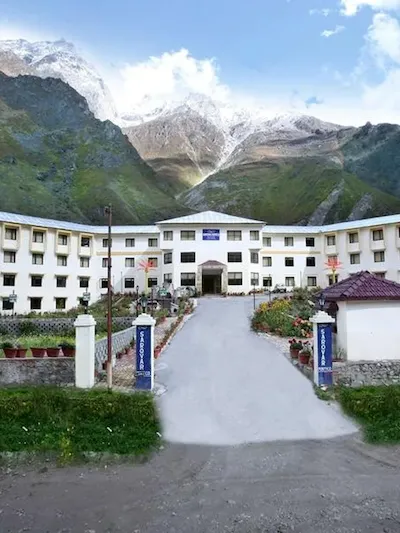
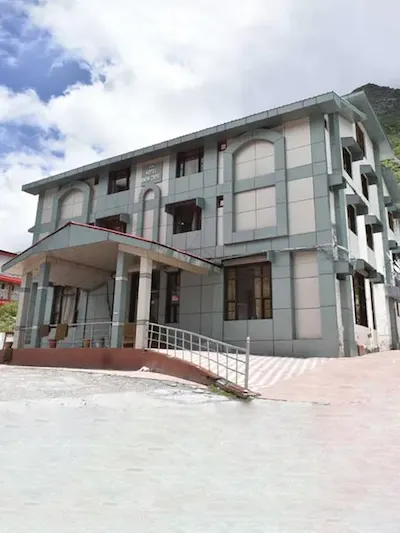
- Request a ground-floor hotel room in advance if stairs are a concern — most hotels in Badrinath can accommodate this with notice.
Health Considerations at Altitude
Badrinath sits at roughly 3,100–3,133 metres. That's high enough for altitude-related symptoms — headache, breathlessness, fatigue — to show up in anyone, but the risk is naturally higher for pilgrims with pre-existing heart or lung conditions. A few sensible precautions:
- Consult a doctor before travelling, especially with any history of cardiac or respiratory illness. This isn't a formality — it's genuinely useful given the altitude.
- Acclimatise gradually. A night's halt at a lower altitude town like Rudraprayag before pushing on to Badrinath gives the body time to adjust.
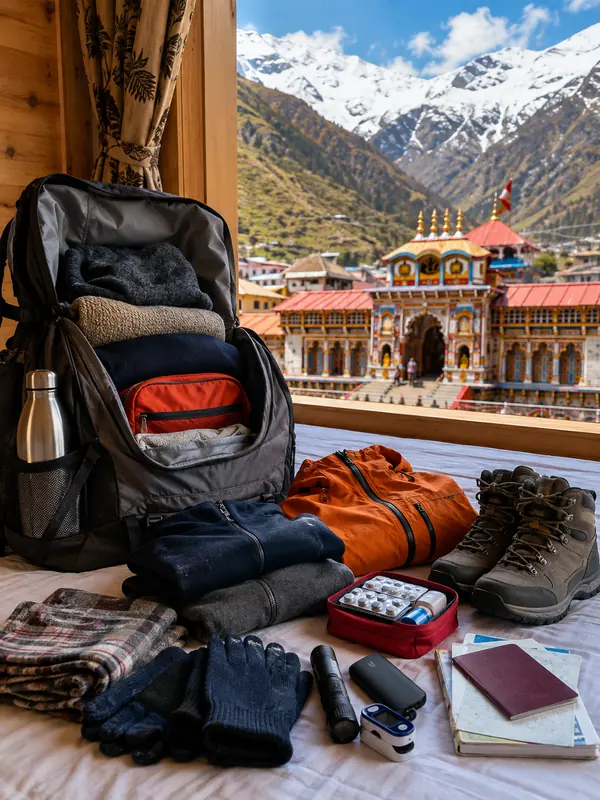
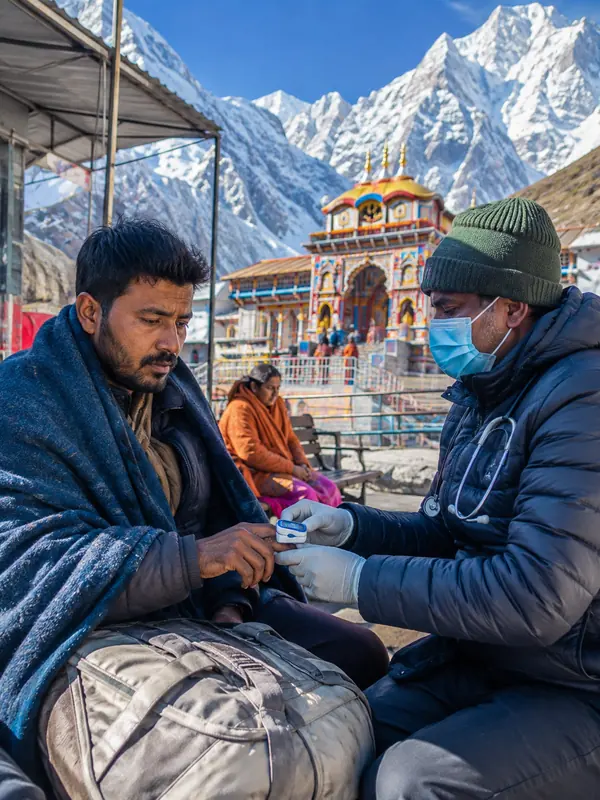
- Carry essential medication and a basic medical kit. The Uttarakhand government has set up medical relief posts at key points along the Char Dham route, including Badrinath, but pilgrims with specific conditions should still be self-sufficient for immediate needs.
- Stay hydrated and dress warmly, even outside the winter months — nights are cold regardless of season at this elevation.
- Know the warning signs that need immediate medical attention: severe or worsening breathlessness, persistent vomiting, confusion, or chest pain aren't normal altitude discomfort — if these appear, treat it as urgent and get to medical help rather than waiting it out.
Registration: Not Optional, Even for Seniors
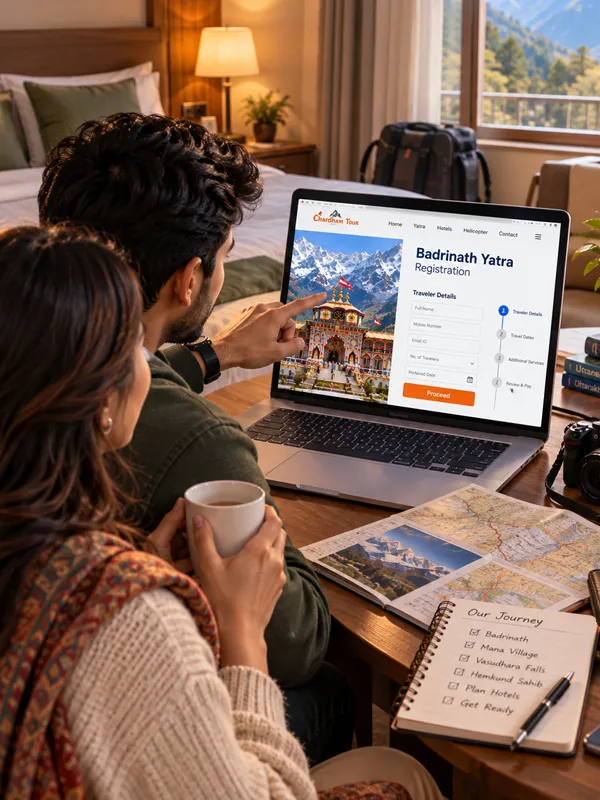
Every pilgrim, regardless of age or ability, needs a free Char Dham e-pass via registrationandtouristcare.uk.gov.in before travelling, as per the current Uttarakhand Government system. This is separate from the priority-darshan registration at the temple itself — one gets you into the Yatra, the other gets you faster access to the shrine once you're there. Don't skip either.
Planning Tips for Families Travelling with Elderly or Disabled Members
- Book accommodation and transport well ahead of the May–June rush, when Badrinath sees its heaviest footfall.
- Travel with at least one family member who can handle registration counters and paperwork, since queues and documentation checks are part of the process.
- If mobility is a serious concern, ask your tour operator specifically about wheelchair arrangements at the temple approach — don't assume it's automatically provided.
- Keep printed copies of Aadhaar cards and disability certificates handy, since these are now specifically required for the priority darshan slots.
Final Word
Badrinath is, practically speaking, the most manageable of the four Dhams for elderly and disabled pilgrims — no trek, road access right up to town, and now a dedicated priority darshan system that didn't exist before 2026. The main things to plan around are the long road journey (or the helicopter alternative), the short flight of steps at the temple entrance, and making sure you're registered — both for the Yatra itself and for the new priority darshan facility — before you go.
FAQs
Q1. Is Badrinath Temple accessible without trekking?
Ans: Yes. Unlike Kedarnath or Yamunotri, Badrinath Temple is directly road-accessible, with only a short walk and a small flight of steps at the entrance.
Q2. Is there a special Darshan facility for elderly pilgrims at Badrinath?
Ans: Yes, starting in 2026, BKTC has introduced dedicated priority darshan slots for pilgrims aged 70+ and those with disabilities — reportedly four 15-minute slots through the day. Exact timings vary slightly across reports and may be revised, so confirm on arrival.
Q3. What documents are needed for priority darshan?
Ans: Elderly pilgrims need an Aadhaar card as age proof; pilgrims with disabilities need a valid disability certificate. Registration happens at a designated BKTC counter.
Q4. Is wheelchair assistance available at Badrinath?
Ans: Formal wheelchair infrastructure isn't as established as at some other pilgrimage sites, since most pilgrims don't need it here. It's best to arrange assistance through your tour operator in advance rather than assume it's available on arrival.
Q5. Should elderly pilgrims worry about altitude sickness at Badrinath?
Ans: Badrinath sits at roughly 3,100–3,133 m, high enough to cause symptoms in some people. Pilgrims with cardiac or respiratory conditions should consult a doctor before travelling and acclimatise gradually.
Q6. Is helicopter travel a good option for elderly pilgrims?
Ans: Yes — it's often the most comfortable option, cutting a 10–14 hour mountain drive down to roughly 40–60 minutes of flying from Dehradun to the Badrinath helipad.
Suggested Tour
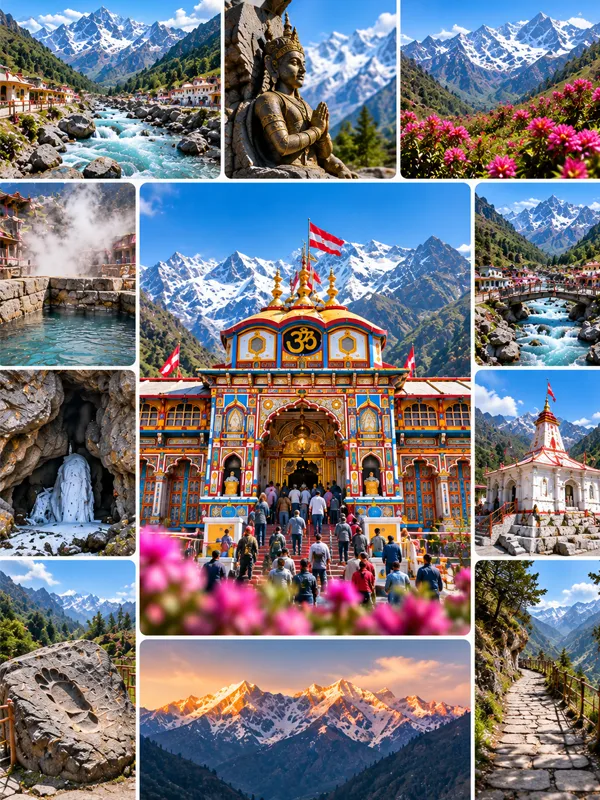
Badrinath Travel Guide
Badrinath Travel Packages

Important Safety Notice
Beware of Fake Char Dham & Kedarnath Helicopter Booking Websites
Fake websites, WhatsApp accounts and advertisements may impersonate genuine travel companies or helicopter operators. Always verify before paying.