What to Pack for Badrinath Yatra: Complete Checklist for 2026
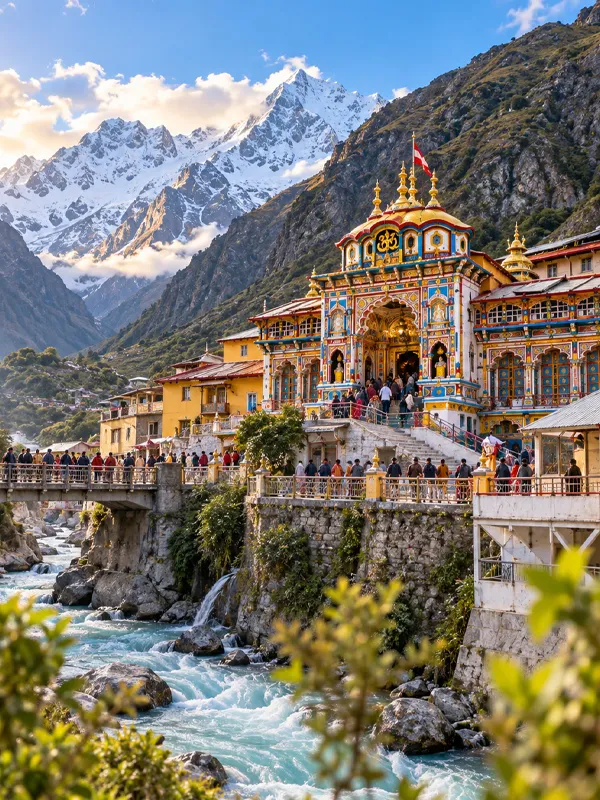
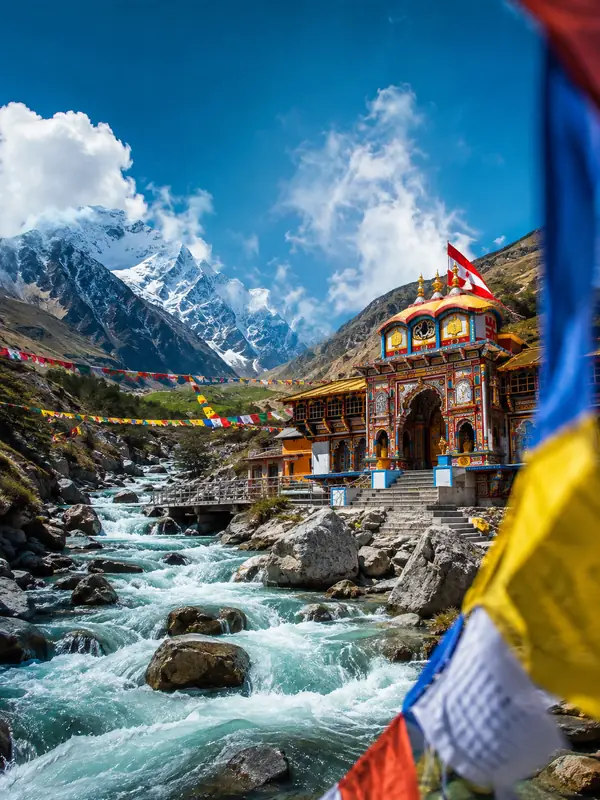
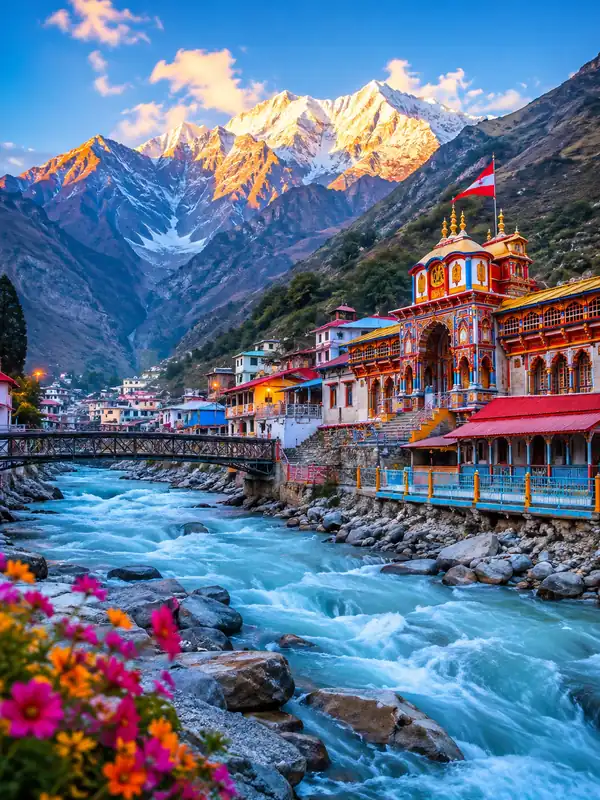
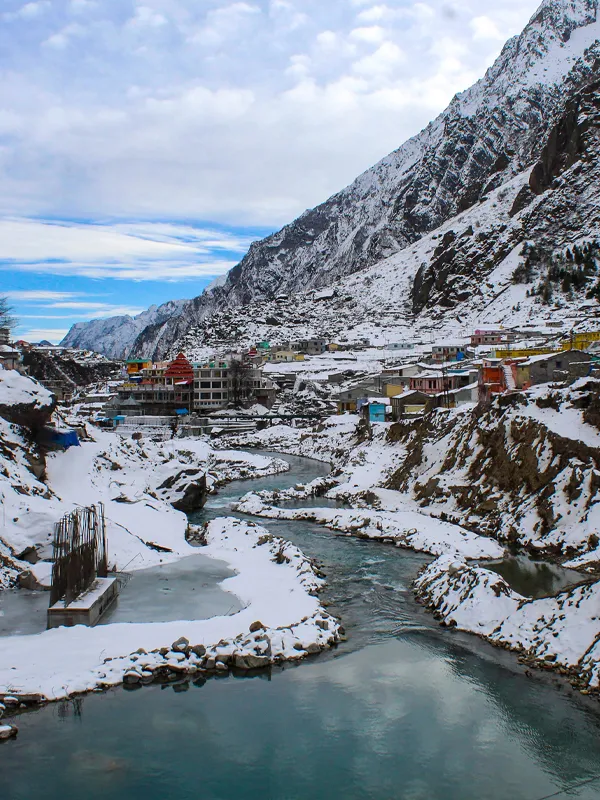
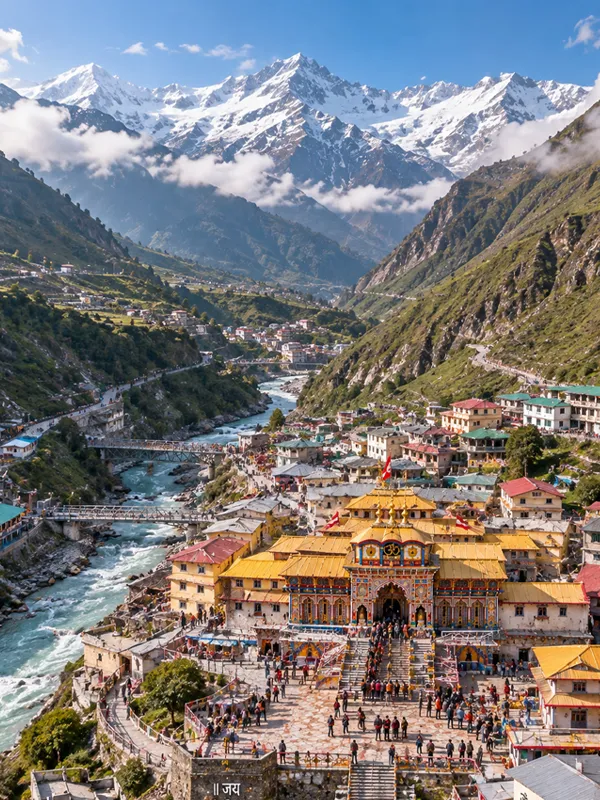
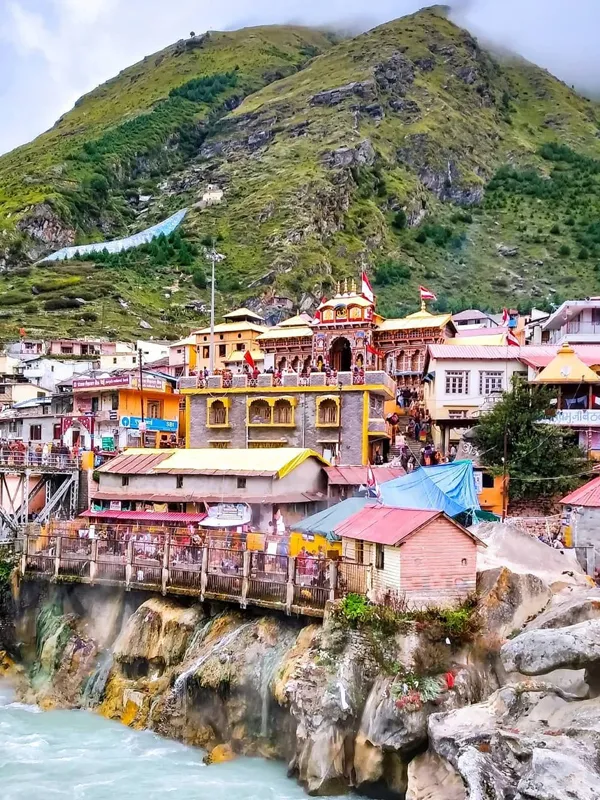
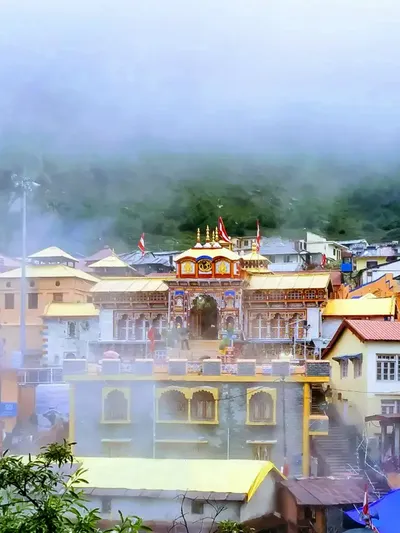
Badrinath Dham sits at around 3,100 metres (10,170 feet) in the Garhwal Himalaya, on the banks of the Alaknanda River between the Nar and Narayan mountain ranges — and that altitude changes everything about what to pack for Badrinath Yatra. It's cold even in peak summer, essential items can run short during peak season, and the weather can flip in a matter of hours. Get the packing wrong and you'll spend your pilgrimage shivering or scrambling for a shop that may not have what you need.
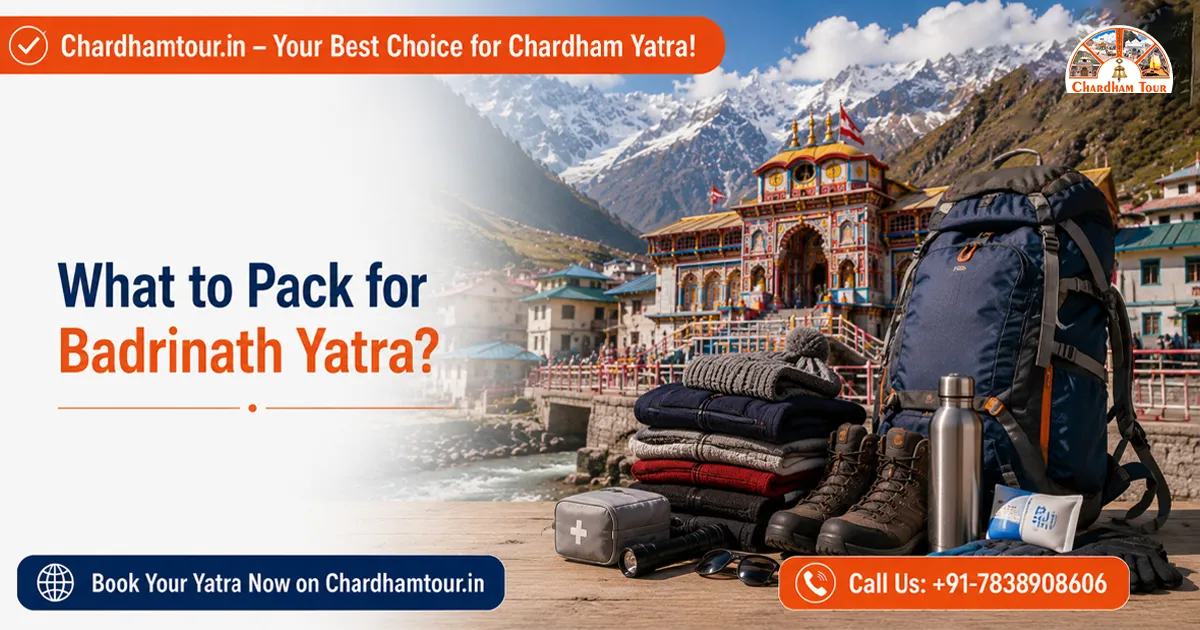
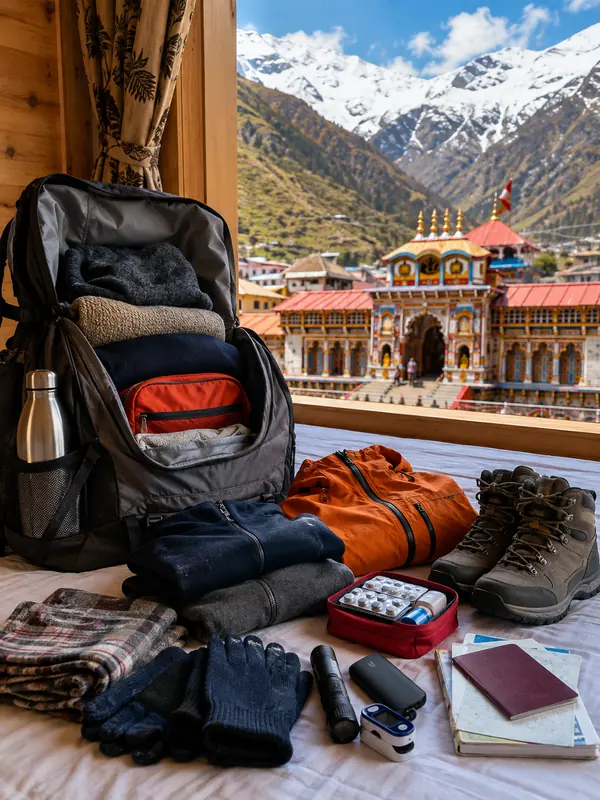
Top 10 Things to Pack for Badrinath Yatra
- Thermal base layer (top and bottom)
- Fleece or wool sweater
- Windproof, water-resistant outer jacket
- Broken-in trekking shoes
- Char Dham registration certificate + government ID
- Prescribed medicines and a basic first-aid kit
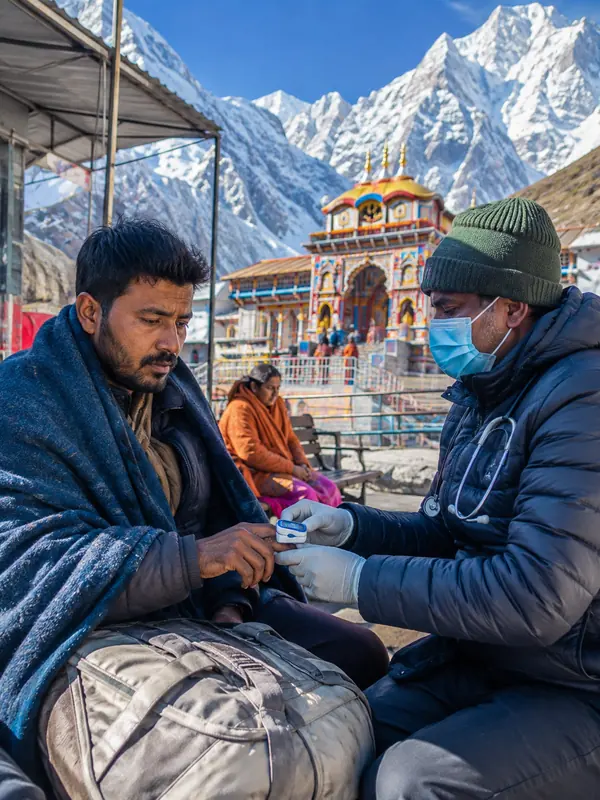
- Pulse oximeter
- Power bank and torch
- Cash (₹3,000–₹5,000 buffer)
- Poncho or rain cover
Why Packing Right Matters More Here Than Most Trips
This isn't a city trip where you can pick up a forgotten item at the nearest store. Badrinath has a handful of seasonal shops, prices tend to be higher, and essential items can run limited during peak Yatra months. What most people don't realize is that even May and June — technically "summer" — bring near sub-zero nights at this altitude. One heavy jacket packed "just in case" usually isn't enough; layering matters far more than bulk.
Badrinath Weather by Season (Pack Accordingly)
| Season | Months | Day Temp | Night Temp | What Changes |
|---|---|---|---|---|
| Summer | May–June | 12–18°C | 3–7°C | Peak season, pleasant days, cold nights |
| Monsoon | July–August | Up to 15°C | Cold, damp | Heavy rain, landslide risk, roads can close |
| Post-Monsoon | September–October | 10–16°C | 2–6°C | Clearer skies, fewer crowds |
| Winter | November–April | Sub-zero | Sub-zero | Temple shut; heavy snow closes the route |
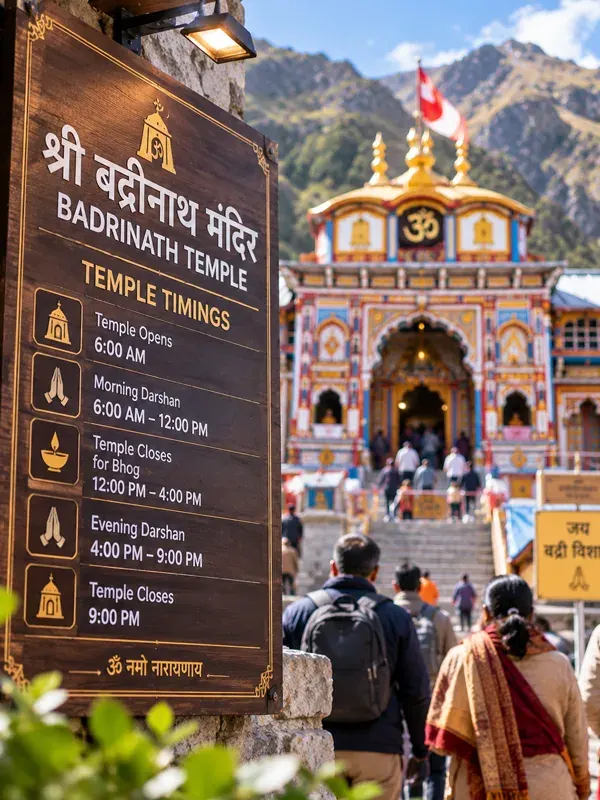
Badrinath opens for the 2026 pilgrimage season on 23 April (confirmed by the Badrinath-Kedarnath Temple Committee on Basant Panchami) and has a tentative closing date of 13 November 2026, to be finalized closer to Vijayadashami. These are typical seasonal temperature ranges rather than fixed figures — mountain weather varies year to year, so pack for cold regardless of when you travel.
Clothing: The Layering System That Actually Works
One mistake many people make is carrying one thick jacket instead of layers. Layers trap heat better and let you adjust as the day warms up or cools down.
- Base layer: Thermal innerwear (top and bottom) — skip cotton, since it holds sweat and increases cold exposure
- Middle layer: A fleece or wool sweater for insulation
- Outer layer: A windproof, water-resistant jacket — mountain wind cuts through regular jackets fast
- Woollen socks, gloves, and a monkey cap or woollen cap covering the ears
- Comfortable trekking pants (avoid jeans; they get heavy and cold when damp)
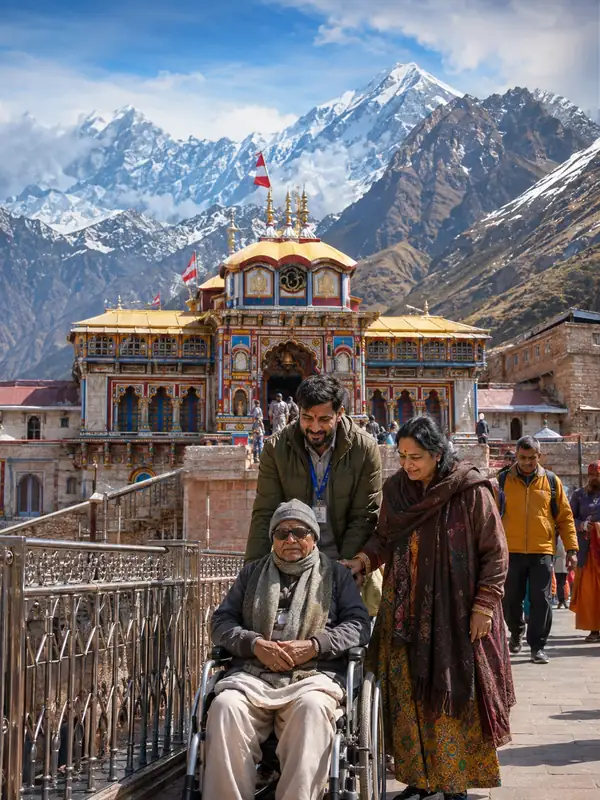
- One set of modest clothing for temple visits — Badrinath expects covered shoulders and legs, and shorts or sleeveless outfits aren't appropriate at the shrine
- A poncho or rain cover — ponchos generally perform better than umbrellas in mountain wind, which tends to turn umbrellas inside out
Footwear
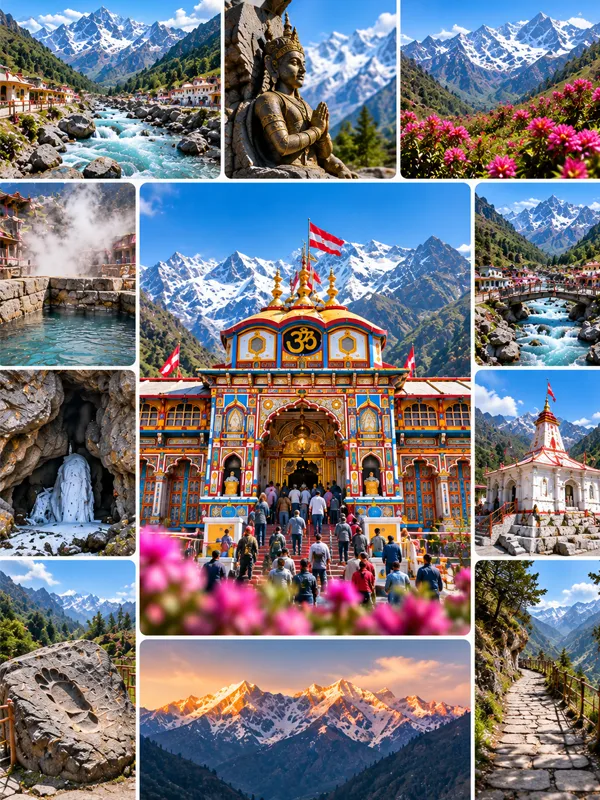
Good trekking shoes with ankle support and grip are arguably the single most important item on this list. The walk from the parking area to the temple, plus movement around Badrinath and nearby spots like Mana village (about 3 km away), Vyas Gufa, and Bhim Pul, adds up. Broken-in shoes prevent blisters; brand-new shoes worn for the first time on the Yatra are a common regret.
About Badrinath's Location (Why the Cold Catches People Off Guard)
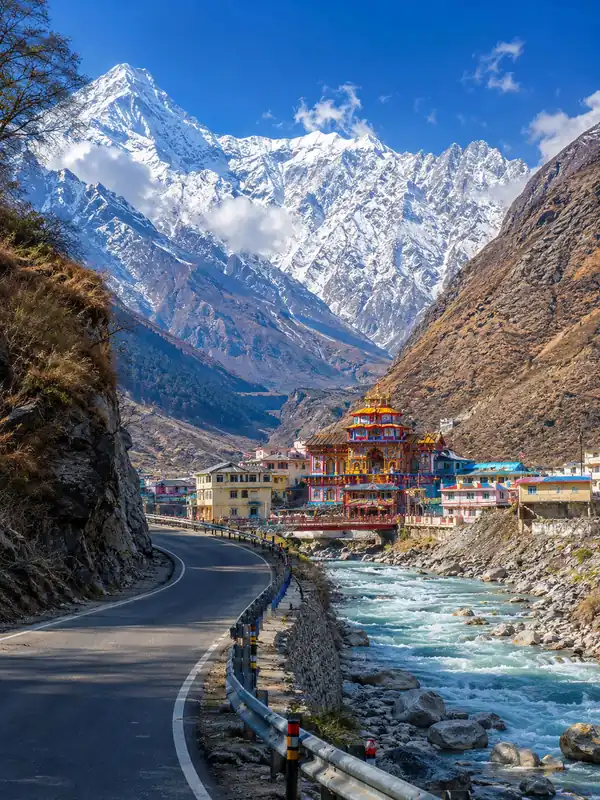
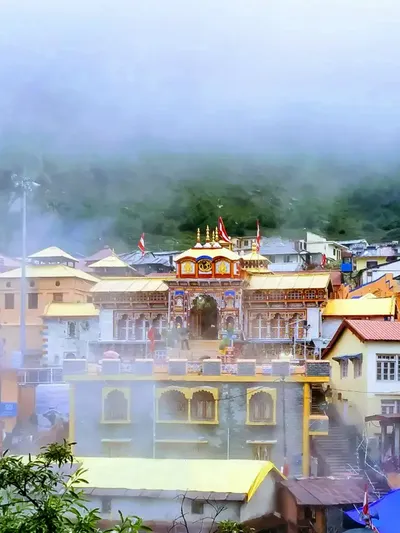
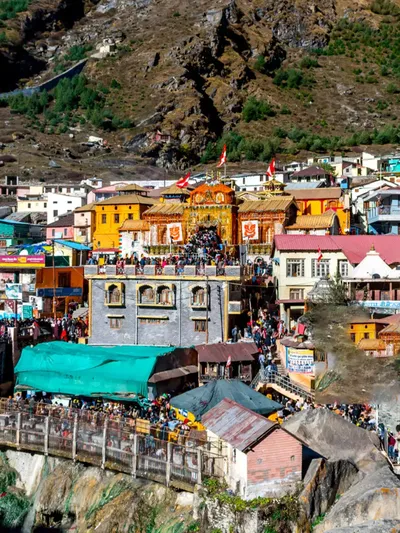
Badrinath is part of the Panch Badri group of Vishnu shrines and one of the 108 Divya Desams revered in Vaishnavism. It sits in Chamoli district, right on the Alaknanda River, flanked by the Nar and Narayan mountain ranges, with Nilkanth Peak visible in the background. That's a lot of high-altitude geography packed into one small town — which is exactly why the temperature swings here are sharper than most pilgrims expect from a "summer" trip.
Documents You Cannot Skip
- Char Dham registration certificate — mandatory, and issued through the official Uttarakhand government portal (registrationandtouristcare.uk.gov.in), the Tourist Care Uttarakhand app, or an authorized travel agent. Recent 2026 reports indicate Aadhaar details are required for registration — confirm the current requirement on the portal before you travel.
- Government-issued photo ID (Aadhaar, passport, or driving licence)
- Printed hotel booking confirmations
- Emergency contact list, including local tour operator and family numbers
- A few passport-size photographs, since some registration or permit counters ask for them on the spot
Health and Medical Kit
Given the altitude, this section deserves real attention rather than an afterthought.
- Any personal prescription medicines, in original packaging
- A basic first-aid kit: paracetamol, ORS sachets, antiseptic cream, band-aids
- A pulse oximeter — per Uttarakhand's 2026 "Swasth, Satark, Safal" health advisory, pilgrims are advised to carry one and seek help at a Medical Relief Post if oxygen saturation drops below 90%
- Sunscreen (SPF 30+) and lip balm — UV exposure is stronger at altitude even when it feels cold
- Motion sickness tablets if you're prone to it on winding mountain roads
If you haven't already, it's worth reading up on altitude sickness precautions specifically, since prevention starts well before you reach Badrinath.
Electronics and Practical Extras
- Power bank — charging points are limited and mobile signal is weak in stretches
- Torch or flashlight with spare batteries
- Reusable water bottle
- Dry fruits, energy bars, and electrolyte/ORS packets for the road
- Zip-lock or waterproof pouches to protect documents and electronics from rain
- Cash — ATM availability in Badrinath can be limited during peak season, so carrying sufficient cash matters more here than on a typical trip
What Not to Pack
- Alcohol or non-vegetarian food — pilgrims are expected to avoid both in and around the Badrinath pilgrimage area
- Excess luggage — you'll be loading and unloading it daily, so pack only what you need
- Expensive jewellery or unnecessary valuables — there's no practical reason to carry them to a temple town
- Shorts, sleeveless tops, or other clothing that doesn't fit the temple's modest dress expectation
Common Mistakes Pilgrims Make While Packing
- Assuming summer means light clothing is enough
- Carrying one heavy jacket instead of proper layers
- Wearing brand-new shoes on the Yatra itself
- Forgetting the Char Dham registration certificate, which can stop you at checkpoints
- Packing too much luggage, which becomes a burden on tough terrain and mountain roads
Pro Tips From the Ground
- Senior citizens should prioritize lighter luggage, joint support, and easy-to-wear layers over carrying "just in case" items.
- Book accommodation 4–6 weeks in advance for the May–June rush — rooms fill up fast in peak season.
- Keep your most-used items (ID, medicines, cash, phone) in a small daypack rather than buried in a large suitcase.
- Label your bags with your name and contact number in case of separation during crowded Darshan queues.
FAQs
Q1. What is the most important item to pack for Badrinath Yatra?
Ans: Warm layered clothing and sturdy trekking shoes top the list — the cold and terrain affect comfort more than anything else.
Q2. Do I need warm clothes in Badrinath even in summer?
Ans: Yes. Even in May–June, night temperatures can drop to 3–7°C, so layered woolens are essential year-round.
Q3. Is a Char Dham registration certificate mandatory for Badrinath?
Ans: Yes. It's mandatory and free — register via registrationandtouristcare.uk.gov.in, the Tourist Care Uttarakhand app, or an authorized centre. Recent reports indicate Aadhaar details are required; confirm on the portal before travel.
Q4. Can I carry alcohol or non-vegetarian food to Badrinath?
Ans: No, pilgrims are expected to avoid both in and around the Badrinath pilgrimage area.
Q5. How many clothes should I pack for a Badrinath Yatra?
Ans: Pack for layering rather than volume — 2–3 thermal sets, one fleece layer, one windproof jacket, and one set of modest temple clothing usually covers a standard trip.
Q6. Are ATMs available in Badrinath?
Ans: They exist but availability can be limited during peak season, so carrying enough cash is strongly recommended.
Q7. What medicines should I carry for Badrinath Yatra?
Ans: Your regular prescriptions, paracetamol, ORS, antiseptic cream, and any doctor-approved altitude sickness medication if you're at higher risk.
Q8. Is a pulse oximeter necessary for Badrinath Yatra?
Ans: It's recommended, especially given the altitude — the state health advisory suggests carrying one to monitor oxygen levels.
Q9. What footwear is best for Badrinath Yatra?
Ans: Broken-in trekking shoes with good grip and ankle support, rather than sandals or brand-new shoes.
Q10. Should I carry rain gear even in summer?
Ans: Yes — a poncho or rain cover is useful year-round since mountain weather can turn without much warning.
Q11. When should I register for the Badrinath Yatra in 2026?
Ans: Registration for the 2026 season opened on 6 March. Registering early is strongly advised, since daily visitor slots can fill up fast in peak months.
Q12. How much cash should I carry for Badrinath?
Ans: Since ATM availability can be limited at high altitude, carrying roughly ₹3,000–₹5,000 in cash from Haridwar or Rishikesh is a sensible buffer for a short trip.
Q13. Can I wear jeans for Badrinath yatra?
Ans: It's better to avoid them — jeans get heavy and cold when wet, and trekking pants dry faster and layer better.
Q14. Are sports shoes okay, or do I need trekking shoes?
Ans: Well-cushioned sports shoes can work for short, dry visits, but trekking shoes with better grip and ankle support are safer on wet or uneven stretches.
Q15. Can I rent warm jackets in Badrinath instead of carrying my own?
Ans: Rental options exist locally, but stock and quality can vary, especially in peak season — carrying your own layers is more reliable.
Q16. Can I buy medicines locally if I forget something?
Ans: Basic medicines are sometimes available at small pharmacies in Badrinath and Joshimath, but stock is limited, so carrying your own is safer, especially for prescription medicines.
Final Word
Packing for Badrinath isn't about carrying everything — it's about carrying the right layers, the right documents, and a basic medical kit that matches the altitude. Get the clothing layering and footwear right, keep your registration certificate and ID handy, and leave the alcohol, non-veg food, and excess baggage behind. That's what to pack for Badrinath yatra, and it's the difference between a pilgrimage you enjoy and one you just endure.
Badrinath Travel Guide
Badrinath Travel Packages


Important Safety Notice
Beware of Fake Char Dham & Kedarnath Helicopter Booking Websites
Fake websites, WhatsApp accounts and advertisements may impersonate genuine travel companies or helicopter operators. Always verify before paying.