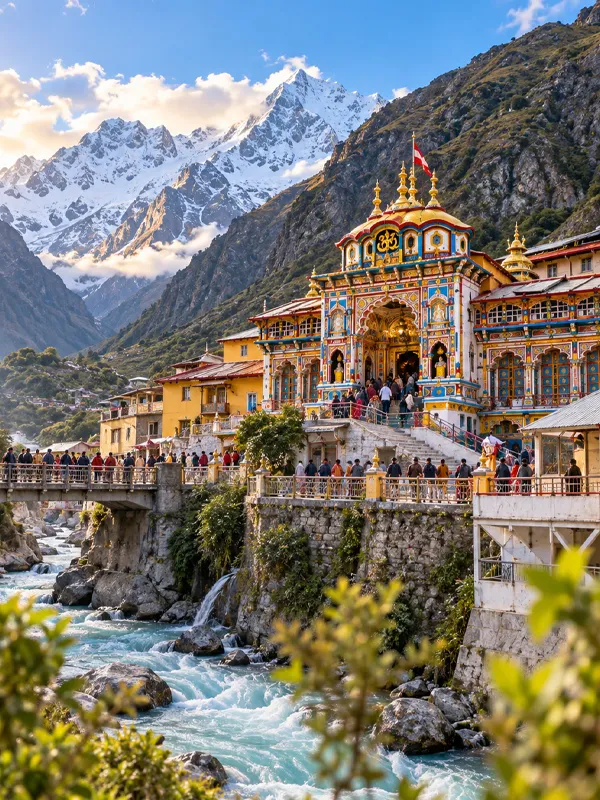
Rishikesh to Badrinath: Essential Travel Guide Before You Go
If you're starting your Chardham journey from Rishikesh — whether you flew into Dehradun, took a train, or you're already here for the yoga and the Ganga — you're in a better position than most pilgrims. Rishikesh sits right where the plains give way to the mountains, and starting your count here shaves a full stretch of plains driving off the total trip.
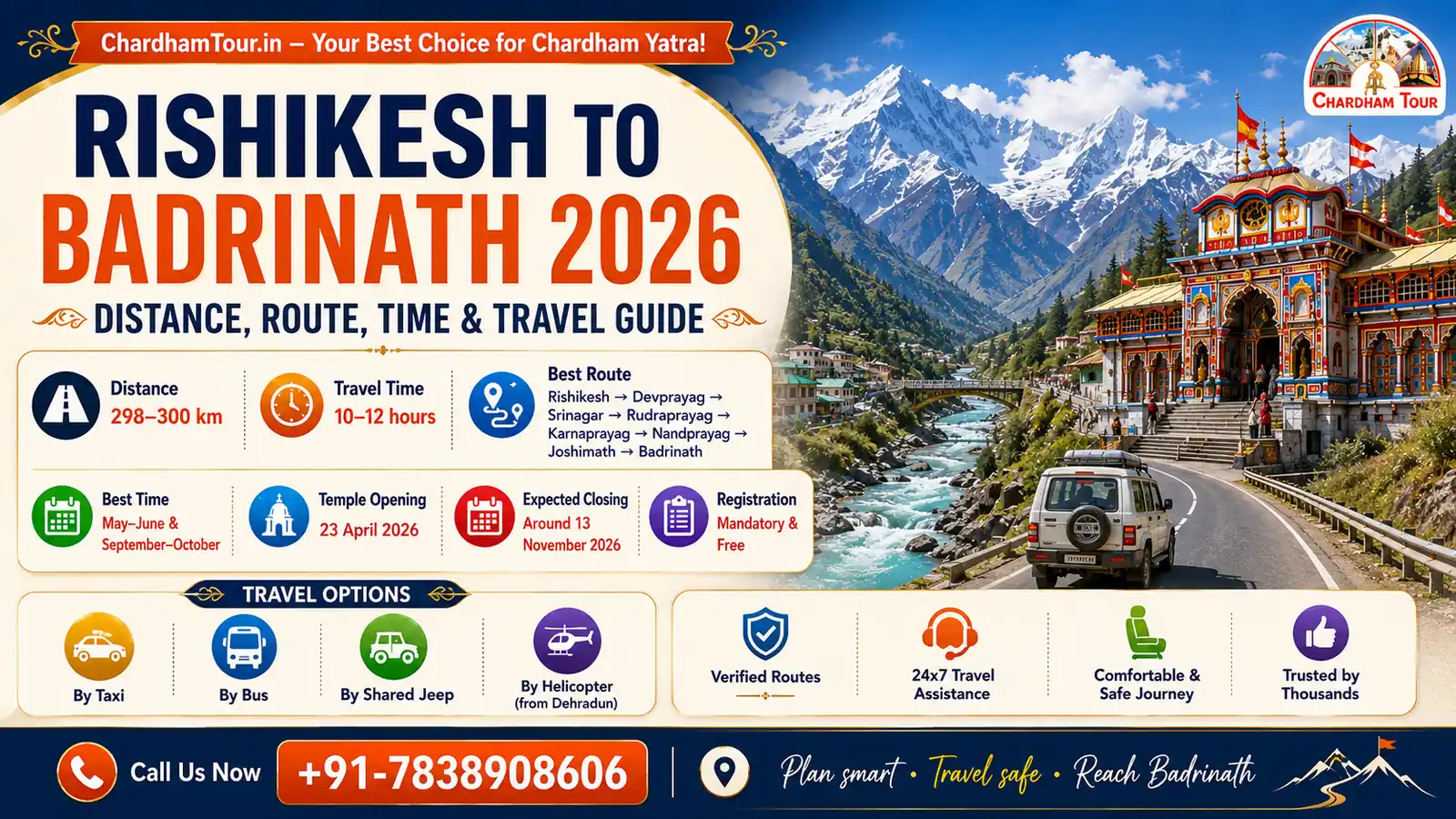
Here's the direct answer: the Rishikesh to Badrinath distance by road is approximately 298–300 km, and the drive takes 10 to 12 hours under normal conditions. It's a long day, but a manageable one if you leave early and don't rush the mountain sections.
This guide covers the real route, what it actually costs by taxi or bus, where to stop, the 2026 registration process, and the mistakes that turn an otherwise smooth trip into a stressful one.
Quick Answer Box
- Rishikesh to Badrinath distance: ~298–300 km
- Travel time: 10–12 hours by taxi (longer by bus)
- Route: Rishikesh → Devprayag → Srinagar → Rudraprayag → Karnaprayag → Nandprayag → Joshimath → Badrinath
- Best time: May–June and September–October
- Temple opened for 2026: 23 April
- Temple closes: Expected around 13 November 2026 |
- Registration: Mandatory and free via registrationandtouristcare.uk.gov.in
As of today, the 2026 Yatra season is already underway — the temple opened on schedule in April and runs through mid-November, so this is still a good window to plan a trip.
Why Start the Yatra From Rishikesh
Rishikesh sits at the edge of the plains, right where the Ganga comes down from the hills. For a Badrinath trip, that makes it a natural launch point:
- It's a major service hub before the long mountain section — a good place to refuel, stock up, and finish any last-minute preparations. Srinagar and Joshimath further along also have fuel, hotels, and basic medical facilities, but options do get sparser between towns.
- It's the closest of the commonly used railheads to Badrinath — Haridwar and Dehradun are the other two.
- Rishikesh is a common starting point for road journeys to Badrinath since it sits directly on the main route from the plains — starting your count here just means you've already cleared the flattest, fastest part of the drive.
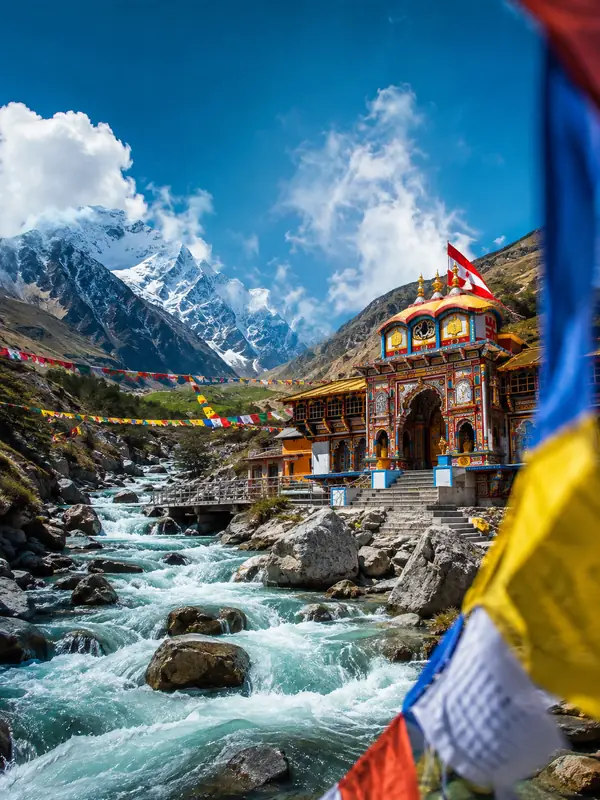
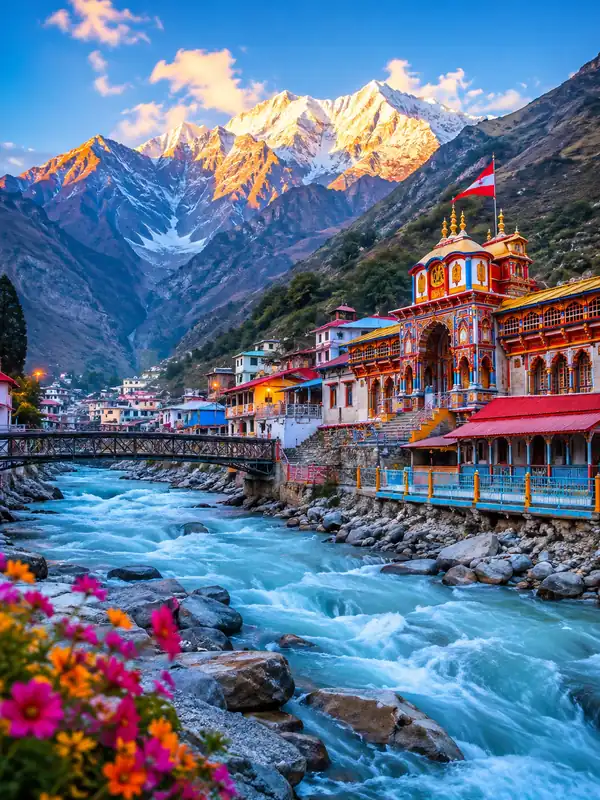
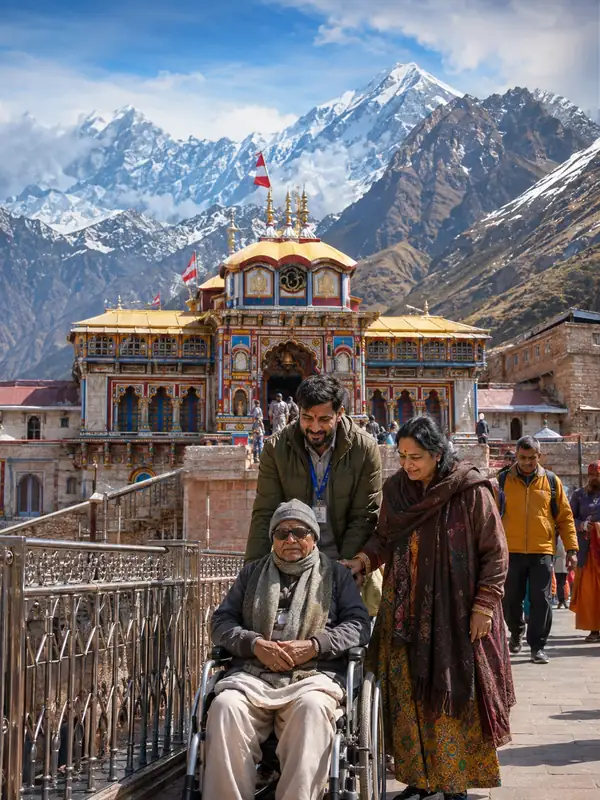
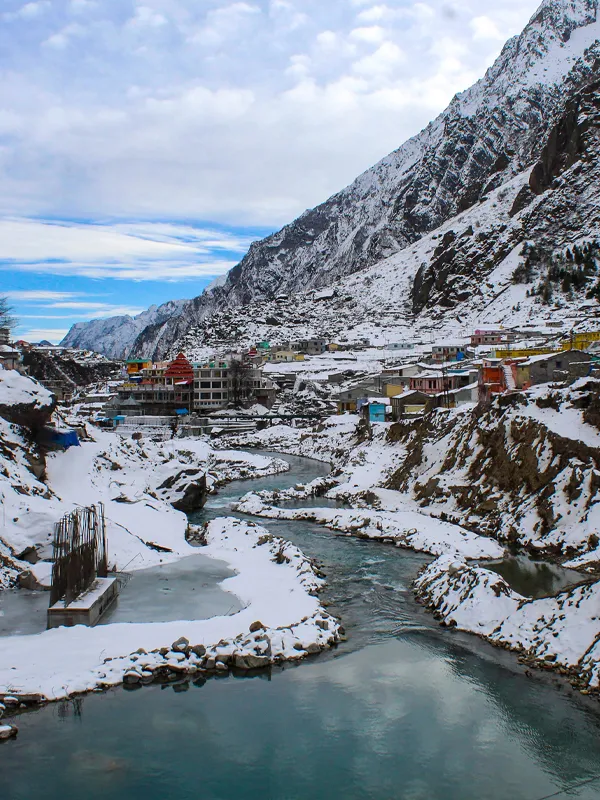
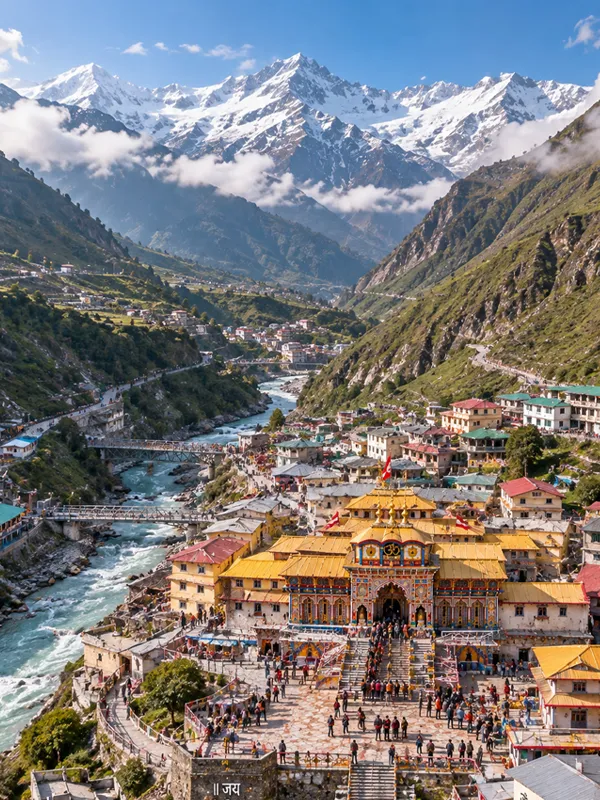
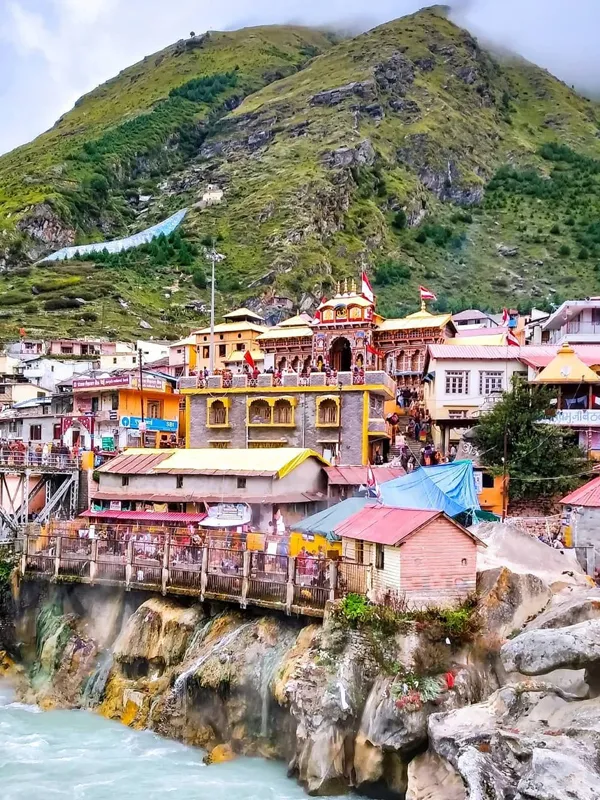
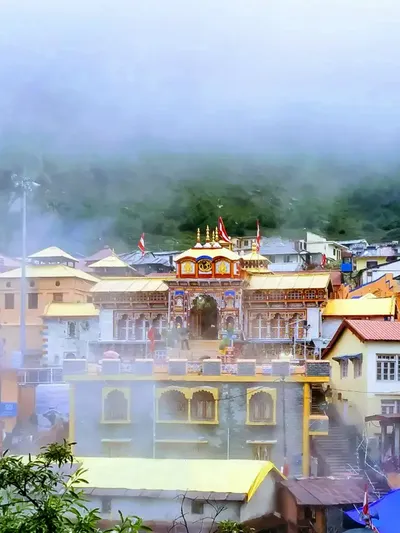
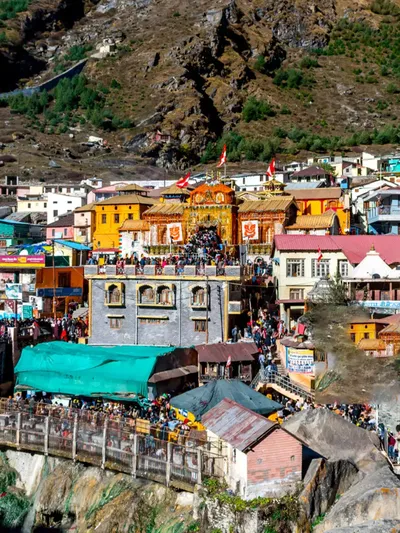
Badrinath itself sits in the Chamoli district of Uttarakhand at an altitude of 3,133 metres, on the banks of the Alaknanda River, flanked by the Nar and Narayan mountain ranges. Because Badrinath is connected by motorable road, reaching the temple town doesn't require the long pilgrimage trek that Kedarnath and Yamunotri involve — which is one reason this route works well for families and first-time Himalayan travelers.
Rishikesh to Badrinath Distance and Route Breakdown
A simplified version of the main route, as listed on the Uttarakhand Tourist Care portal, runs:
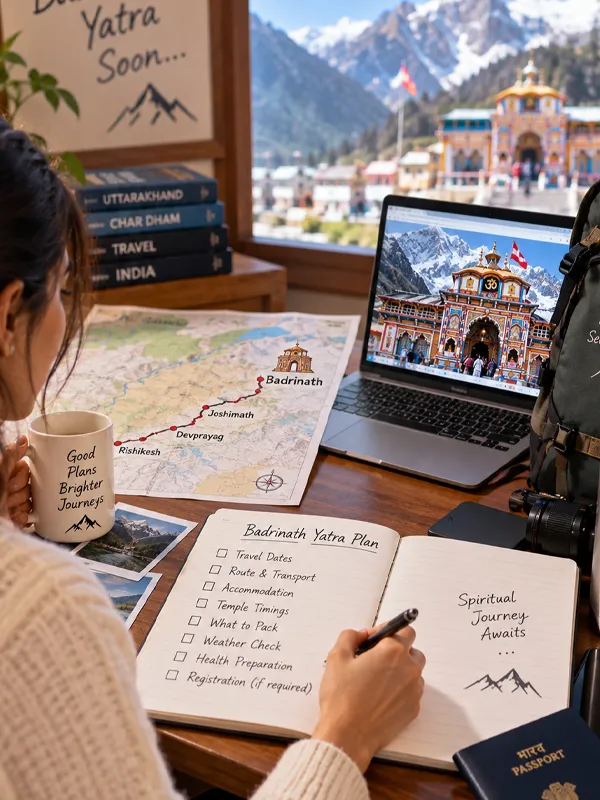
Rishikesh → Devprayag → Srinagar → Rudraprayag → Karnaprayag → Nandprayag → Joshimath → Badrinath
- Total distance: approximately 298–300 km. BKTC's official route lists it at 298 km, while the Tourist Care portal rounds it to about 300 km — both are reliable, just calculated slightly differently.
- Travel time: roughly 10–12 hours by private vehicle under normal conditions
The road climbs steadily from Rishikesh's elevation of roughly 340–370 metres (sources vary slightly) all the way up to Badrinath's 3,133 metres — an altitude gain of roughly 2,760–2,800 metres over the course of the drive, which is worth remembering when you're packing.
For reference, Jolly Grant Airport in Dehradun is listed at approximately 314 km from Badrinath by road, in case you're comparing this route to a Dehradun-based start instead.
Key Towns Along the Way
| Town | Approx. Distance from Rishikesh | Notes |
|---|---|---|
| Devprayag | ~70 km | First major Panch Prayag confluence — Alaknanda meets the Bhagirathi here |
| Srinagar (Garhwal) | ~105 km | Largest town on the route; good place to refuel and eat |
| Rudraprayag | ~140 km | Confluence of Alaknanda and Mandakini; road splits toward Kedarnath here |
| Karnaprayag | ~172 km | Another sacred confluence; common lunch stop |
| Joshimath | ~250 km | Common overnight halt before the final stretch |
| Badrinath | ~298–300 km | Journey's end |
One detail worth knowing in advance: the final stretch from Joshimath to Badrinath is roughly 45 km and runs through narrow, landslide-prone terrain. Traffic restrictions or one-way controls can be imposed here during heavy pilgrim traffic or difficult road conditions — check the current day's road advisory before your final approach, and avoid arriving at Joshimath late in the afternoon if you can help it.
How to Travel From Rishikesh to Badrinath: All Options
By Taxi (Most Comfortable)
A private taxi is the most popular way to cover this route, giving you control over stops, darshan timing, and pace. Sedans, SUVs, and Innovas are all commonly available from taxi stands near the Rishikesh bus stand and railway station.
By Bus
The Uttarakhand Transport Corporation (UTC) and private operators run buses from Rishikesh to Badrinath, usually departing early morning. Buses are the cheapest option but take noticeably longer than a private taxi and offer little flexibility for stops.
By Shared Jeep
Shared taxis and jeeps may be available on different sections of the route, depending on season and local demand — cheaper than a private taxi but cramped for the full distance. More practical for solo budget travelers than families.
By Helicopter
Charter helicopter services to Badrinath are available from Dehradun, subject to operator and schedule availability — not directly from Rishikesh. If you want to fly part of the way, you'd typically travel from Rishikesh to Dehradun first and book the helicopter from there.
What the Drive Actually Feels Like
The first stretch out of Rishikesh, up to Devprayag, is where the road starts climbing in earnest — this is genuinely where the trip shifts from "highway drive" to "mountain drive." The confluence at Devprayag, where the Bhagirathi and Alaknanda rivers meet, is worth a short stop if your schedule allows it.
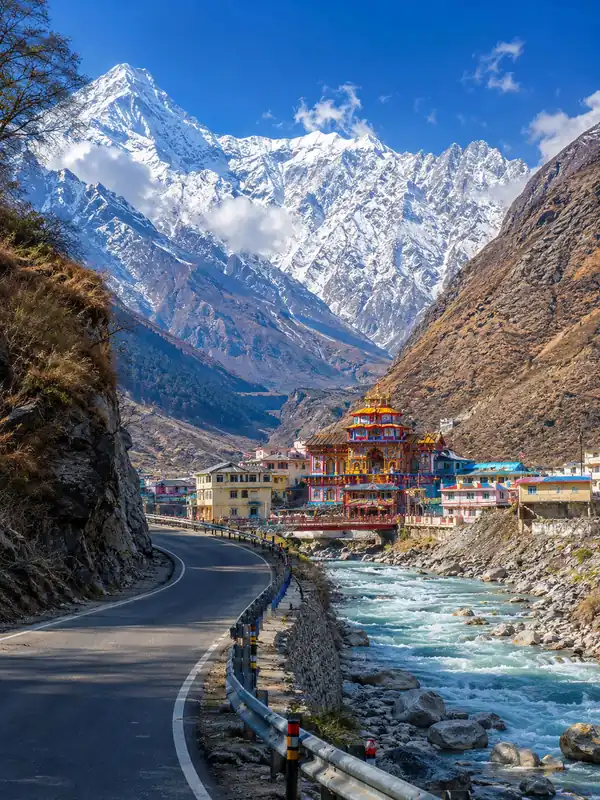
Past Srinagar, the road narrows further and hugs the Alaknanda for most of the remaining distance. Visibility around blind bends is limited in places, and buses and trucks share the same carriageway — drive at a pace where you can stop safely for whatever's around the next turn, rather than pushing to save time.
During peak season — May, June, and around festival dates in October — traffic can increase substantially near Rudraprayag and Karnaprayag, extending the normal journey time well beyond the 10–12 hour average. One mistake many people make: assuming they can do the full 298 km in a single push without a break. It's possible on paper, but mountain driving fatigue sets in fast, and BKTC itself notes that pilgrims can stay overnight at Joshimath and complete Badrinath darshan as a same-day trip from there — a more relaxed alternative to pressing through in one day.
Best Time to Visit Badrinath From Rishikesh
The best time to visit Badrinath is May–June and September–October, when weather is most stable for mountain driving.
| Season | Months | Conditions |
|---|---|---|
| Peak Season | May–June | Pleasant weather, heavy pilgrim traffic, book stays in advance |
| Monsoon | July–August | Higher rainfall, landslide and road-disruption risk; travel only after checking current advisories |
| Post-Monsoon | September–October | Clear skies, cooler temperatures, thinner crowds |
| Closing Period | November onwards | Temple closes for winter around mid-November |
Badrinath Temple 2026 Dates
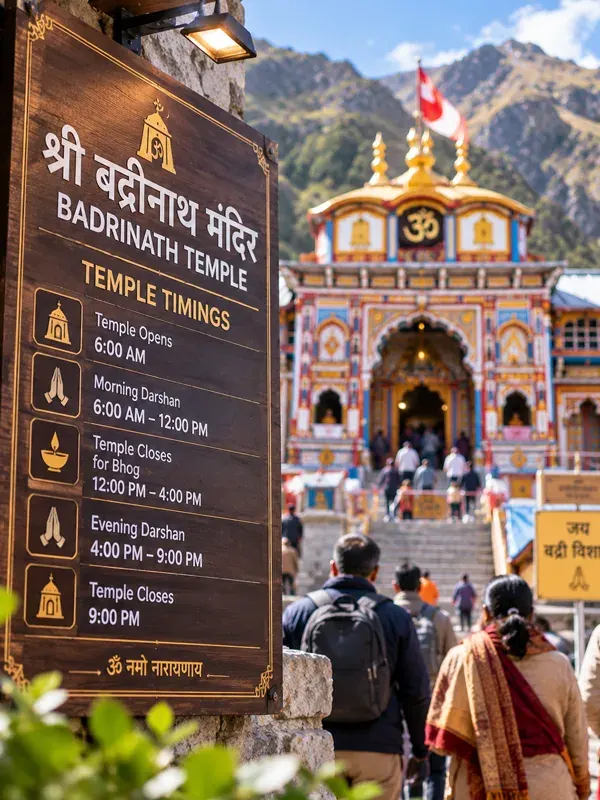
- Opening date: 23 April 2026, confirmed by the official Uttarakhand Tourist Care portal and the Badrinath-Kedarnath Temple Committee (BKTC)
- Closing date: Expected around 13 November 2026 — this is the commonly projected date, but it should be treated as provisional until BKTC's official announcement closer to the season's end
- Darshan timings: A schedule of roughly 4:30 AM–1:00 PM and 4:00 PM–9:00 PM is commonly reported for the 2026 season, but the official portal currently lists exact darshan and aarti timings as "to be announced" — confirm the current schedule with BKTC before planning your visit around it.
Registration: What's Mandatory in 2026
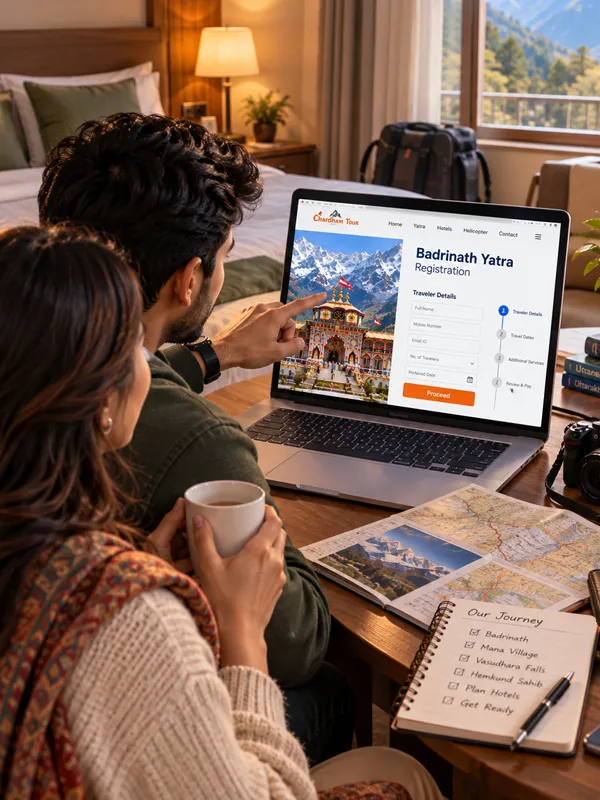
Every pilgrim visiting Badrinath must register — it's been mandatory since 2014, it's free, and the current system lists the registration age range as 10–65. If you're traveling with someone outside that range, confirm the current procedure with Tourist Care before you go. You'll receive a QR-coded Yatra Registration Letter, which is verified at the entry gate of the temple complex.
You can register online in advance through registrationandtouristcare.uk.gov.in or the Tourist Care Uttarakhand app, or in person at on-route registration centers — Rishikesh has counters at the ISBT and near the Gurdwara, in addition to centers further along the route at Rudraprayag, Karnaprayag, Joshimath, and Pandukeshwar.
Documents required:
- Government photo ID (Aadhaar, Voter ID, driving license, or passport)
- A working mobile number for OTP verification
- A mandatory emergency contact number
- Full vehicle details if you're registering a personal or public vehicle
It's best to register before leaving Rishikesh so you're not dealing with it mid-journey, though the official Tourist Care FAQ notes that registration can also be completed while traveling, through the portal or at any registration center along the route, if you forget beforehand. Verification itself happens at the entry gate of the Dham.
Rishikesh to Badrinath: Cost Breakdown
These are indicative 2026 fares checked against current operator listings, not fixed or official tariffs — actual pricing depends on vehicle, season, inclusions (tolls, parking, driver allowance, GST), and whether you book one-way or round-trip.
Taxi fares (one-way, from Rishikesh)
| Vehicle | Approx. One-Way Fare |
|---|---|
| Sedan | ₹4,500–₹10,000 |
| SUV (Ertiga or similar) | ₹6,500–₹13,500 |
| Innova / Innova Crysta | ₹8,500–₹17,500 |
Multi-day round-trip packages (including halts)
| Package | Approx. Cost |
|---|---|
| Sedan, 2–3 days | ₹13,000–₹24,000 |
| SUV/Innova, 2–3 days | ₹17,500–₹38,000 |
Other costs
| Expense | Approx. Cost |
|---|---|
| Bus ticket (one-way) | Currently listed from around ₹675 on some UTC services; varies by operator and seat type |
| Accommodation (per night) | ₹1,200–₹3,500, indicative budget/mid-range rate |
| Food (per day) | ₹500–₹1,000 per person, indicative budget allowance |
Fares tend to rise during the May–June rush and around festival dates in October, so booking ahead is worth it if you're traveling during peak season.
If you're also planning Kedarnath, budget separately for that leg — the road splits at Rudraprayag, and combined Do Dham taxi packages from Rishikesh are usually priced higher than a Badrinath-only trip. Travellers who may find a 10–12-hour mountain drive tiring can consider an overnight halt at Joshimath rather than a same-day round trip; the extra night is typically a small cost against the fatigue of pushing through in one go.
Step-by-Step: Planning Your Rishikesh to Badrinath Trip
- Register online as early as possible, especially if you're traveling during a busy period — it's free.
- Book your taxi or bus ticket in advance during peak season (May–June, October).
- Leave Rishikesh early for more daylight through the mountain section and less risk of reaching the upper stretches late in the day.
- Plan an overnight halt at Joshimath rather than attempting the full distance in one day.
- Refuel and stock essentials at a major town like Srinagar or Karnaprayag — don't count on finding fuel exactly when you need it further up.
- Check the day's road advisory for the Joshimath–Badrinath stretch before your final approach.
- Carry your registration letter, photo ID, and emergency contact details at all times.
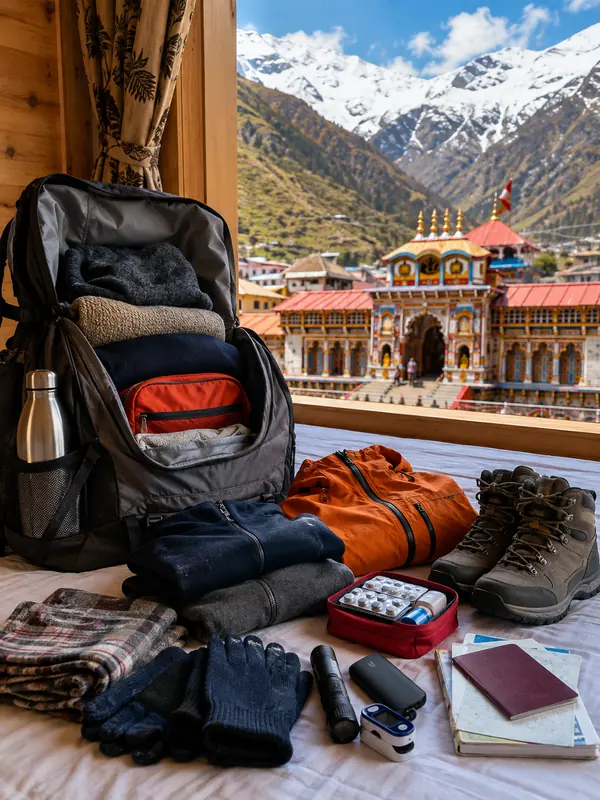
- Pack for cold weather even if you're leaving Rishikesh in the heat — the altitude difference is dramatic.
Common Mistakes People Make on This Route
- Skipping registration, then losing time at the Dham entry gate.
- Attempting the full 298–300 km in one day without a break, leading to exhausted driving on the most demanding stretch.
- Underestimating the altitude gain — roughly 2,760–2,800 metres from Rishikesh to Badrinath — and not carrying warm clothing.
- Traveling during July–August despite monsoon landslide warnings.
- Not checking the day's road advisory near Joshimath before the final approach.
- Driving hill roads after dark, which is strongly discouraged on this route.
Pro Tips for a Smoother Journey
- Carry a printed copy of your registration letter plus a digital backup — mobile connectivity can be patchy past Srinagar.
- Pack layered clothing; Rishikesh's warmth and Badrinath's cold at 3,133 metres are two different worlds.
- Keep motion sickness medication handy if you're not used to mountain roads — the curves past Devprayag catch first-timers off guard.
- Families with young children often do better splitting the trip across two days with a Joshimath halt.
- If you're combining this with Kedarnath, plan the Rudraprayag junction carefully — that's where the roads split.
Why Book With a Local Operator
A route this technical rewards local knowledge — current road conditions, reliable stops, and what the day's advisory actually says rather than what's posted online. If you're booking through an agency or cab service, check for:
- Verified operator registration and transparent, all-inclusive pricing
- Drivers experienced specifically on Garhwal Himalayan routes, not just general highway driving
- Clear terms on driver allowance and toll charges, since these are often quoted separately from the base fare
FAQs
1. What is the distance from Rishikesh to Badrinath?
The road distance from Rishikesh to Badrinath is approximately 298–300 km.
2. How long does it take to travel from Rishikesh to Badrinath?
By private taxi, it typically takes 10–12 hours. Buses take longer, depending on the operator and number of stops.
3. What is the best route from Rishikesh to Badrinath?
The standard route goes via Devprayag, Srinagar, Rudraprayag, Karnaprayag, Nandprayag, and Joshimath.
4. Can I complete the trip in one day?
Yes, it's possible if you leave early, but BKTC notes that pilgrims can also stay overnight at Joshimath and complete Badrinath darshan as a same-day trip from there — a more relaxed option than pushing through in one go.
5. Is the Rishikesh to Badrinath road safe for self-drive?
It's manageable for an alert driver who follows posted speed limits and checks weather and road advisories — avoid monsoon months and never drive hill roads after dark.
6. What is the best time to visit Badrinath from Rishikesh?
May–June and September–October offer the most stable weather for mountain travel.
7. Is registration mandatory for Badrinath in 2026?
Yes. Registration is free and mandatory, and the current system lists the registration age range as 10–65, via registrationandtouristcare.uk.gov.in.
8. Where can I register in Rishikesh itself?
Registration centers are available at the Rishikesh ISBT and near the Rishikesh Gurdwara, in addition to online registration.
9. When does Badrinath Temple open and close in 2026?
The temple opened on 23 April 2026. Closing is commonly projected around 13 November 2026, but treat that as provisional until BKTC's official announcement closer to the season's end.
10. How much does a taxi from Rishikesh to Badrinath cost?
A one-way sedan fare typically runs ₹4,500–₹10,000, with SUVs and Innovas costing more. Multi-day round-trip packages range roughly ₹13,000–₹38,000 depending on vehicle and duration.
11. Are buses available from Rishikesh to Badrinath?
Yes, both the Uttarakhand Transport Corporation (UTC) and private operators run this route, with some fares currently listed from around ₹675, though travel time is longer than by taxi.
12. Is there a helicopter service from Rishikesh to Badrinath?
Not directly. Charter helicopter services to Badrinath currently operate from Dehradun.
13. What is the altitude of Badrinath compared to Rishikesh?
Rishikesh sits at roughly 340–370 metres, while Badrinath is at 3,133 metres — an altitude gain of roughly 2,760–2,800 metres over the drive.
14. Is the Joshimath–Badrinath stretch difficult?
The final roughly 45 km is narrow and landslide-prone. Traffic restrictions can be imposed during heavy traffic, so check the day's advisory before your final approach.
15. What should I avoid on this trip?
Avoid monsoon travel (July–August) where possible, driving after dark, skipping registration, and attempting the full distance without a break.
Final Word
Starting from Rishikesh gives you a genuine head start on the Badrinath yatra — you've already cleared the plains, and what's left is the part of the journey that actually matters: the climb along the Alaknanda, through Devprayag and Rudraprayag, up to one of the most accessible and revered Char Dham shrines in the Himalayas.
Register early, travel between May and October where you can, split the journey with an overnight halt if you're not in a rush, and check the road advisory before your final approach to Badrinath. Do that, and the roughly 300 km from Rishikesh becomes one of the more rewarding drives in North India.
Badrinath Travel Guide
Badrinath Travel Packages


Important Safety Notice
Beware of Fake Char Dham & Kedarnath Helicopter Booking Websites
Fake websites, WhatsApp accounts and advertisements may impersonate genuine travel companies or helicopter operators. Always verify before paying.