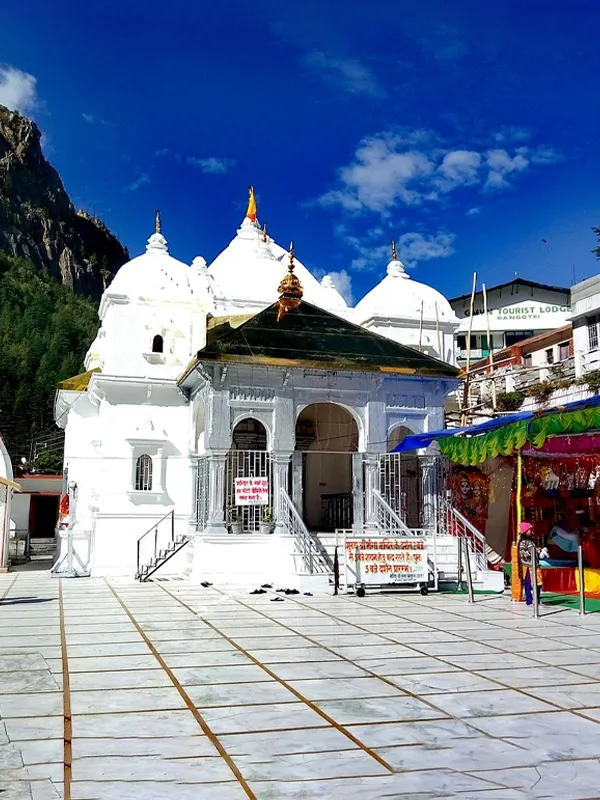
Gangotri Traffic & Road Condition 2026
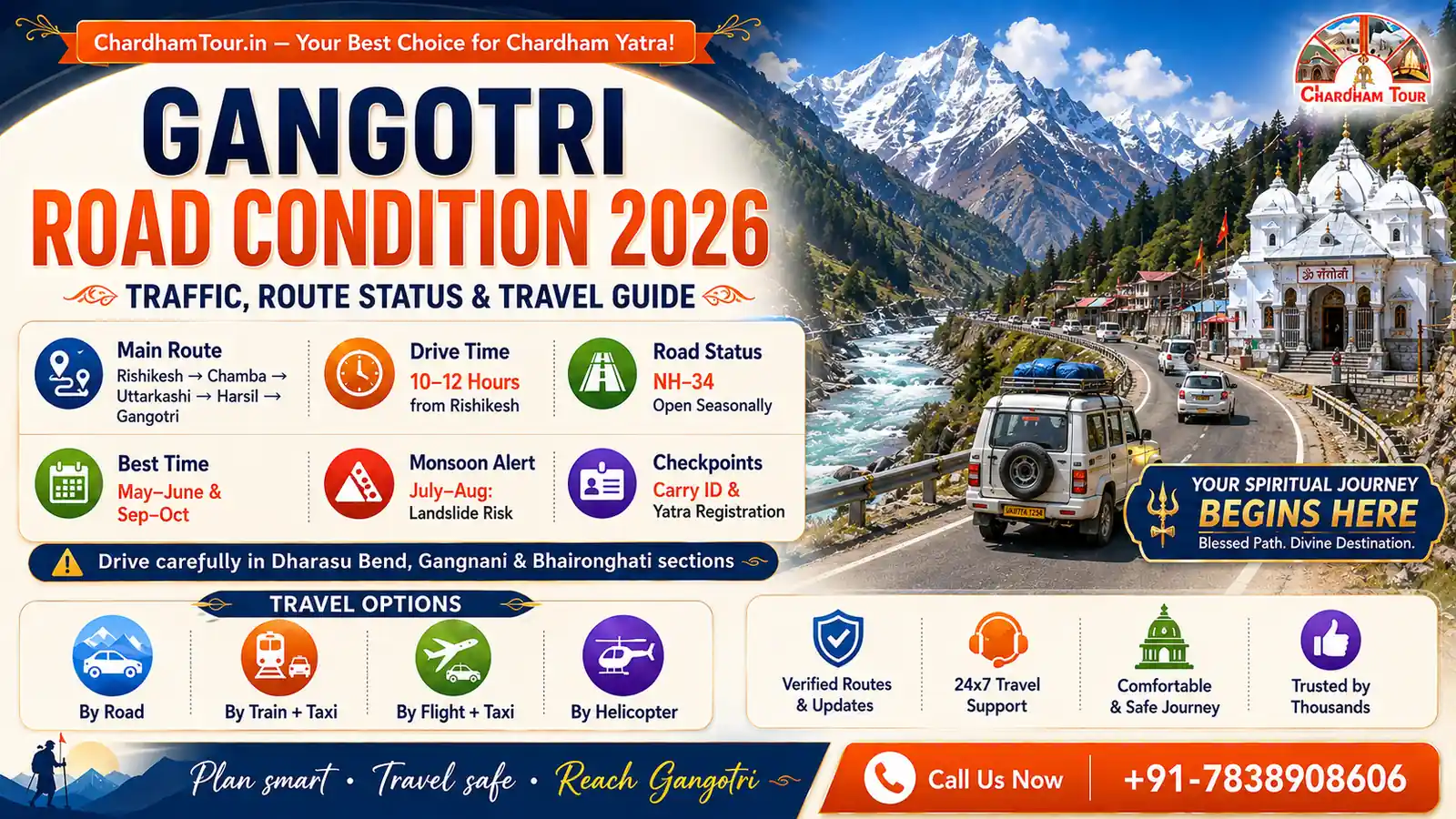
Gangotri Dham opened for the 2026 season on 19 April, alongside Yamunotri. Unlike Kedarnath, reaching Gangotri Temple itself does not require a long pilgrimage trek — the road runs to the temple. This also means there's no standard walking route that substitutes for the main road journey if the highway itself is disrupted, which is exactly why road condition is worth tracking closely for this particular Dham.
This guide covers the real, current picture of NH-34 — the highway that carries you from Rishikesh through Uttarkashi and Harsil to Gangotri — including the major disruption the route suffered in 2025, what's changed for 2026, and what to actually expect on the road today.
Route Status Right Now: Is the Gangotri Highway Open?
Road conditions on this route can change quickly, especially during the monsoon. Temporary closures due to rockfall, landslides, or other road obstructions are possible and may affect traffic for hours or several days, depending on the severity of the disruption. Always verify the latest road status with local authorities before departure rather than relying on this page alone.
- Rishikesh to Uttarkashi (NH-34): Generally smooth and well-maintained
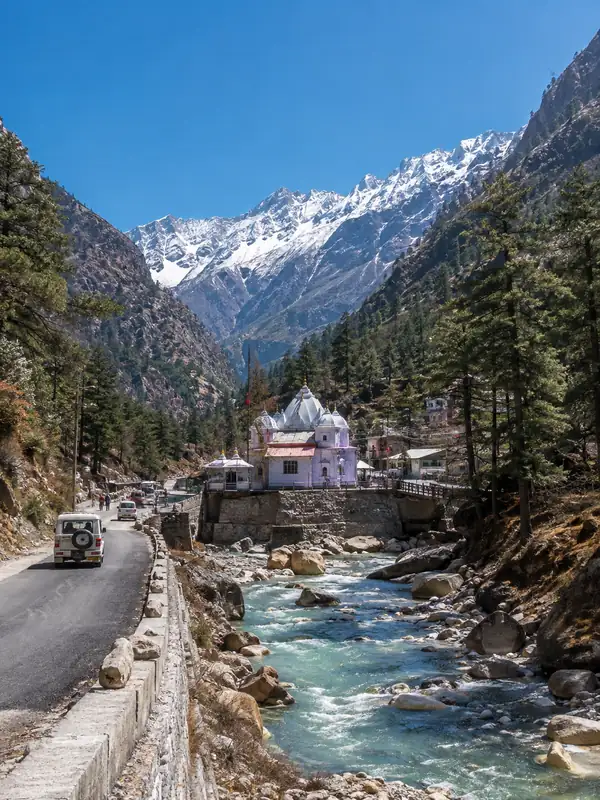
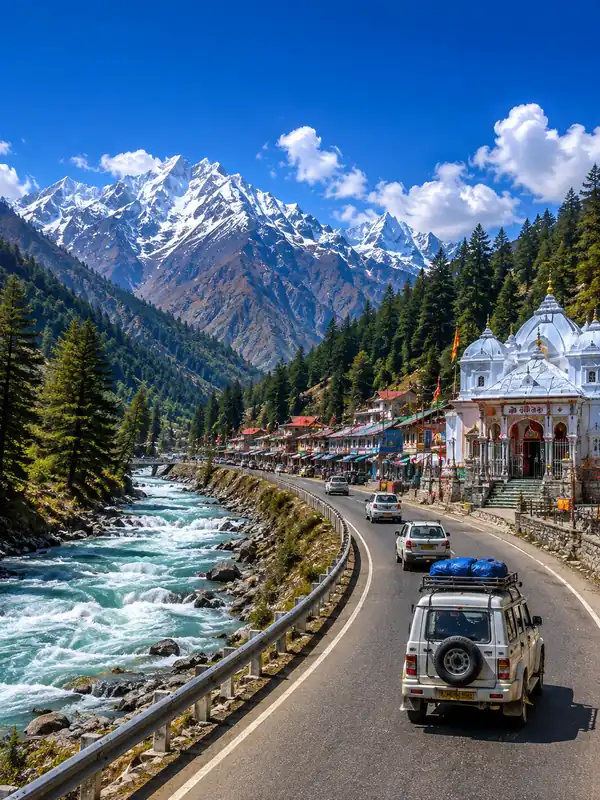
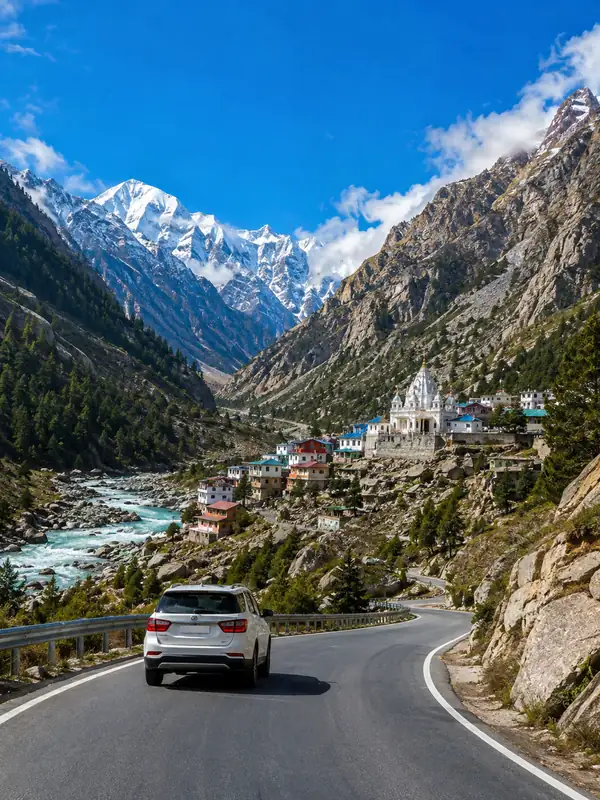
- Uttarkashi to Harsil to Gangotri (~100 km): Narrower, winding, gorge sections — this is where delays happen
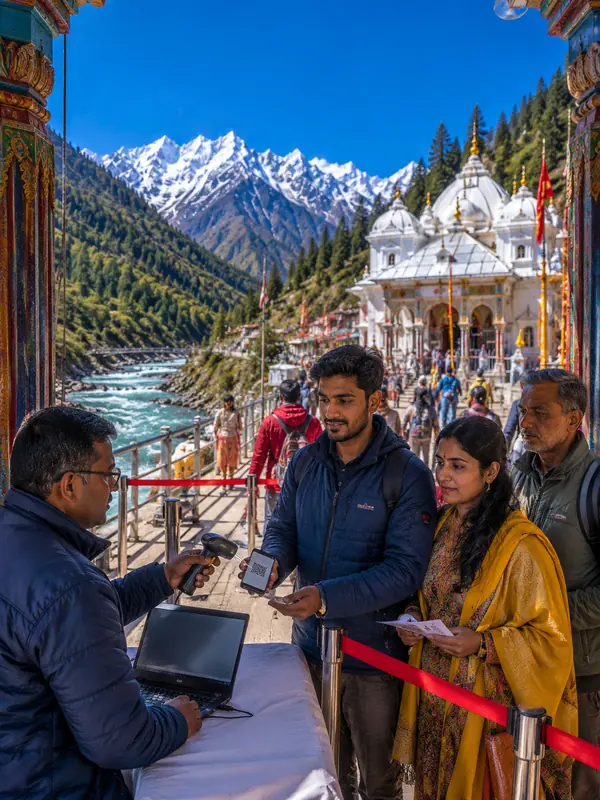
- Registration: mandatory, free, checked at highway checkpoints
- Known active risk points in 2026: Dharasu–Nalupani, Chinyalisaur, Gangnani — all recurring landslide zones, not new problems
Monsoon in Uttarakhand runs roughly July to September, and this is when NH-34 sees the most disruption. Outside that window, the road is considerably calmer.
NH-34 Road Condition 2026: Segment by Segment
| Segment | Approx. Distance | What Travellers Should Expect | What to Watch For |
|---|---|---|---|
| Rishikesh to Chamba | ~60 km | Major mountain approach road, part of the Char Dham corridor | Tourist traffic, slow stretches near ghats |
| Chamba to Dharasu Bend | ~80 km | Mountain highway | Dharasu–Nalupani is a recurring landslide point — confirmed blocked as recently as 6 August 2026 |
| Dharasu Bend to Uttarkashi | ~27 km | Well-used connecting stretch | Occasional debris after heavy rain |
| Uttarkashi to Bhatwari | ~28 km | Narrower mountain road | Roadwork reported for the 2026 season in this stretch; crossing earlier in the day is generally advisable |
| Bhatwari to Harsil (via Gangnani) | ~50 km | Mountain road through gorge country; rebuilding completed since 2025 (see disaster section below) | Gangnani has recorded repeated boulder falls and mudslides shutting the route for hours during monsoon across multiple years; the Harsil–Dharali stretch suffered major damage in the August 2025 disaster and has since been reconstructed, but the underlying terrain sensitivity remains |
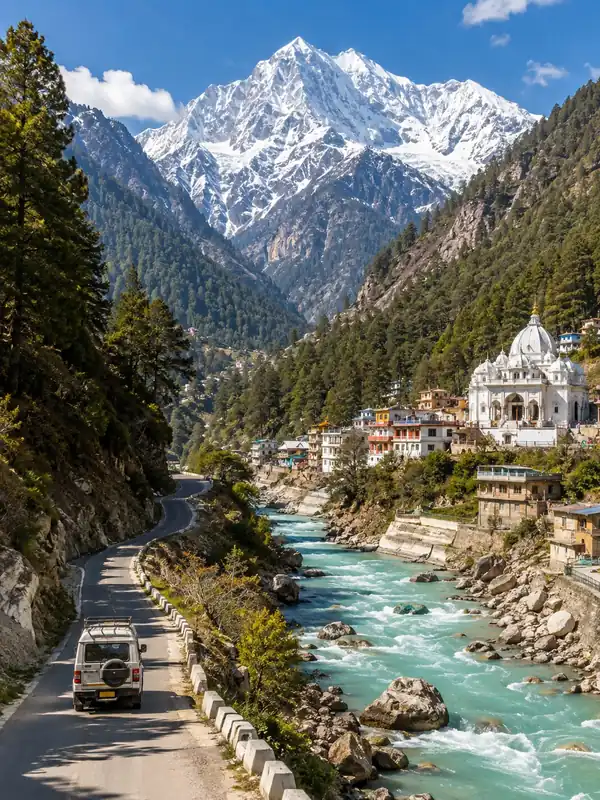
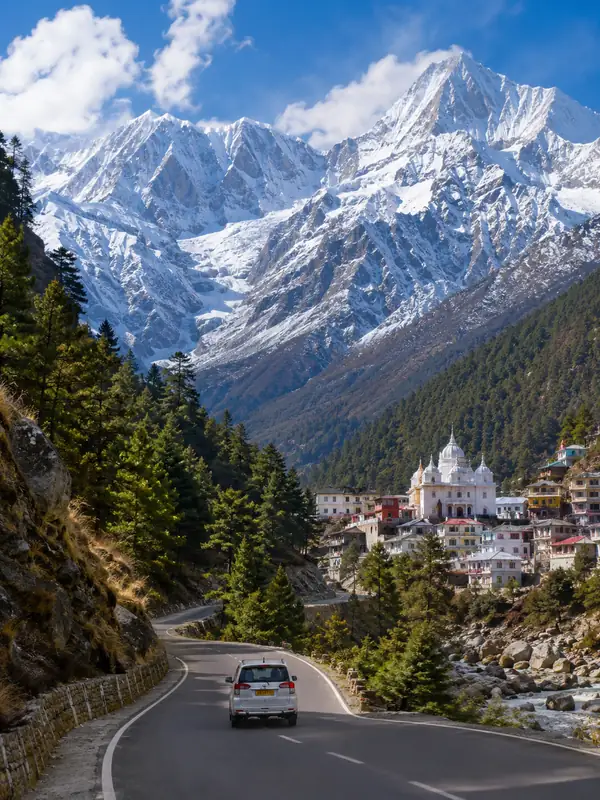
| Harsil to Gangotri | ~25 km | Direct motorable road to the temple | No trek required to reach Gangotri Dham itself |
What Happened at Dharali in August 2025 — And Why It Still Matters for 2026
Any honest guide to this route has to cover this, because it happened on the exact stretch pilgrims drive through.
On 5 August 2025, a cloudburst-triggered flash flood tore through Dharali village and the neighbouring settlement of Harsil — both directly on the Gangotri pilgrim route. Dharali is roughly 3 km from Harsil, and Harsil is itself on the Gangotri route. The flood buried parts of the Dharali market under a substantial depth of sediment and boulders, damaged or destroyed a significant number of homes, shops, and hotels/homestays across the affected area, and damaged an Indian Army camp at Harsil. The disaster affected people from the local area as well as laborers and travelers from elsewhere in India and Nepal, and search and rescue operations continued for an extended period afterward.
The road itself was among the casualties. The Gangotri National Highway was blocked at multiple points — Sonagad, Dabrani, Harsil, Dharali — and a key bridge at Limchigad (Gangnani area) was destroyed. The Border Roads Organisation rebuilt a Bailey bridge there within days as an emergency measure, restoring road connectivity as far as Dabrani while wider repairs continued. Full pilgrimage traffic to Gangotri resumed roughly 35 days after the disaster, on a special shuttle system, with the route to Gangotri itself reported operational even while some connecting stretches were still being repaired.
What this means for 2026 travelers: the Harsil–Dharali stretch has been substantially rebuilt and is part of the operating 2026 route, but this is also documented as one of the more geologically sensitive sections of the entire circuit — the same area has a history of land subsidence and slope failure going back years, independent of the 2025 disaster. Treat this stretch with the same monsoon caution recommended for the rest of the route, and don't assume "rebuilt" means "risk-free" during heavy rain.
New Rules for Gangotri Yatra 2026: What's Changed
- The Gangotri Temple Committee announced a 2026 policy under which non-Sanatani (non-Hindu) visitors seeking darshan would be required to undergo a Panchgavya-based purification ritual before entry — a different approach from the sworn affidavit used at Badrinath and Kedarnath (which are managed by the separate Badrinath-Kedarnath Temple Committee). This is a temple-management policy specific to Gangotri, not a general Uttarakhand government or road-travel rule. Since temple-committee policies can see implementation changes, confirm current details directly with the temple committee or your tour operator before travel if it affects your group.
- Registration is mandatory and free, through the official Uttarakhand government portal (registrationandtouristcare.uk.gov.in) or the Tourist Care Uttarakhand app. 2026 registration opened in early March, roughly six weeks ahead of the temple's 19 April opening.
- Security and monitoring has been reported as stepped up across the Char Dham circuit for 2026, including additional camera surveillance at the shrines.
- General travel advisories for the 2026 season include following official vehicle safety and health guidance circuit-wide.
How to Reach Gangotri: What the Drive Actually Looks Like
- Register first. Complete registration online before you travel — checkpoints along the route verify it, and arriving without a valid pass risks being turned back.
- Reach Rishikesh or Haridwar. This is your practical starting point; both have rail and road connections from Delhi and beyond.
- Rishikesh to Uttarkashi. The better-maintained stretch of the journey — generally smooth, part of the upgraded Char Dham road corridor.
- Uttarkashi to Harsil to Gangotri. This is where the road narrows and winds through gorge country. Local drivers commonly recommend starting this stretch early in the morning rather than in the afternoon, both for light and to avoid the peak-hour bunching that narrow mountain roads are prone to.
- Arrival at Gangotri. Unlike Kedarnath, there's no trek — you drive straight to the temple. This is genuinely one of the more accessible Char Dham experiences from a pure transport standpoint, provided the road itself is cooperating.
Weather and Monsoon: How It Affects the Gangotri Route
April to June (Peak Season)
May–June is generally the highest-demand pilgrimage window with comparatively better road conditions than peak monsoon, though weather and repair work can still affect travel. Uttarakhand's tourism department reported (via regional coverage, euttaranchal.com's Gangotri travel news update) more than 94,000 devotees visiting Gangotri between 30 April and 11 May 2026 alone, part of a combined 5.5 lakh+ across all four dhams in that short window — a useful indicator of how quickly this route fills up once the season opens.
July to September (Monsoon — Highest Risk Period)
This is genuinely the period to plan around. NH-34 has a long, well-documented history of monsoon disruption at recurring points — Gangnani, Nalupani, Chinyalisaur, Dharasu, and the Harsil–Dharali stretch all appear repeatedly across multiple years of road-closure reports, and 2026 has already seen closures in this window (6 August, Dharasu–Nalupani). If your trip falls in this period, build in buffer days, and don't treat "the road was open yesterday" as a guarantee for today.
September to October
Conditions generally stabilize as the monsoon eases. Crowds thin out compared to the May–June peak, and this window is commonly recommended by regional travel sources as the more comfortable, less crowded alternative for those with flexible dates.
Mistakes That Cause the Most Trouble on This Route
- Assuming "open" means "smooth." The route can be technically open while still carrying real delay risk from single-lane sections, ongoing repair patches, and slow-moving convoys, especially between Uttarkashi and Harsil.
- Skipping registration. It's mandatory, free, and takes minutes — there's no good reason to arrive without it.
- Driving the whole Rishikesh–Gangotri stretch in one push during monsoon. Given the recurring closures at Gangnani, Nalupani, and the Harsil–Dharali stretch, a single-day drive during July–September leaves no margin if any section closes.
- Not checking the day's status before setting out. This route's closures tend to be short and localized rather than circuit-wide, but that only helps you if you actually check before driving into a blocked stretch.
- Underestimating the Harsil–Dharali section. This is the exact stretch that suffered major damage in August 2025. It has been rebuilt, but its underlying terrain sensitivity hasn't changed — treat it with real caution in wet weather rather than assuming reconstruction means permanent stability.
Practical Tips
- Start the Uttarkashi–Gangotri leg early in the day; mountain roads narrow and slow down as traffic builds later.
- Fuel up in Uttarkashi — petrol stations become sparse beyond this point on the route.
- Keep a printed copy of your registration QR code; mobile signal becomes unreliable beyond Uttarkashi.
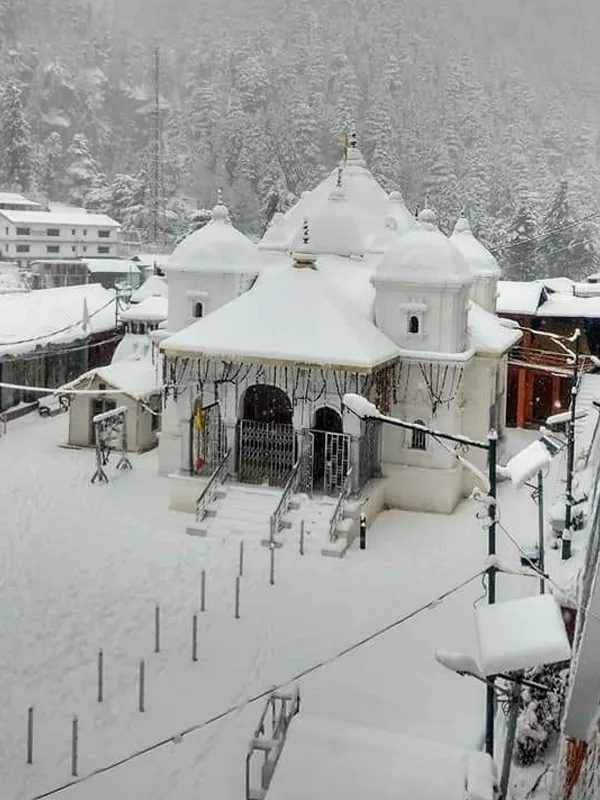
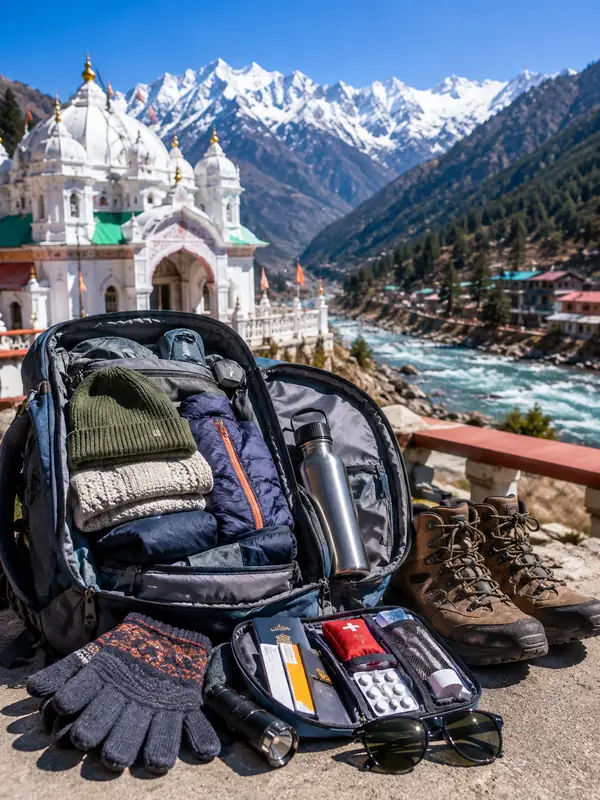
- Carry warm layers regardless of season — Gangotri sits at roughly 3,100 m, and mornings and evenings stay cold even in the open season.
- For monsoon travel, check the current status via official Uttarakhand government channels or your operator each morning before departure rather than relying on the previous day's information.
Frequently Asked Questions
Is the Gangotri road open right now?
The most recently confirmed report (6 August 2026) showed NH-34 briefly blocked near Dharasu–Nalupani, reopened for smaller vehicles the same day. No same-day confirmation of the exact 20 August status was found during this research, so this answer reflects the most recent verified report rather than claiming real-time certainty. Short, weather-triggered closures are common during monsoon — always check current status before setting out rather than relying on any single article.
What is NH-34?
NH-34 is the National Highway that runs from Rishikesh through Uttarkashi and Harsil to Gangotri — the principal road corridor used to reach the temple. (Note: some older references and local pages use the legacy designation NH-108 for parts of this route — if you see both numbers in different sources, they generally refer to the same Rishikesh–Gangotri corridor.)
What happened to the Gangotri route in the 2025 Dharali disaster?
A cloudburst-triggered flash flood hit Dharali and Harsil on 5 August 2025, damaging roads, a key bridge, and buildings directly on the pilgrim route. The Border Roads Organisation rebuilt critical infrastructure within days, and full pilgrimage traffic resumed roughly 35 days later. The stretch has since been rebuilt and is part of the current route.
Is registration required for Gangotri?
Yes. Registration is mandatory and free, done through the official Uttarakhand government portal or the Tourist Care Uttarakhand app, before starting your journey.
Is Gangotri accessible without trekking?
Yes — this is one of Gangotri's key advantages over Kedarnath or Yamunotri. The road runs directly to the temple; no trek is required to reach Gangotri Dham itself (a separate, optional trek exists further beyond, to Gaumukh Glacier, for those who want it).
Which sections of the Gangotri highway see the most landslides?
Gangnani, Nalupani, Dharasu, Chinyalisaur, and the Harsil–Dharali stretch have all recorded repeated landslide or subsidence-related closures across multiple years, not just 2025–2026.
What's the new entry rule for non-Hindu visitors at Gangotri in 2026?
The Gangotri Temple Committee announced a Panchgavya-based purification ritual requirement for non-Sanatani visitors in 2026 — a temple-committee policy, distinct from the government's Char Dham travel rules, and different from the affidavit system used at Badrinath and Kedarnath.
When is the best time to avoid road trouble on this route?
May–June and September–October see the most stable conditions. July–September (monsoon) carries the highest risk of landslide-related delays and closures.
How many pilgrims visited Gangotri in the early 2026 season?
Over 94,000 devotees visited Gangotri between 30 April and 11 May 2026 alone, according to Uttarakhand tourism department figures reported via regional coverage — part of a combined 5.5 lakh+ pilgrims across all four dhams in that period.
Can I drive to Gangotri myself, or do I need a guide/operator?
Self-driving is possible and common on this route, but local drivers and repeat visitors consistently recommend starting the Uttarakhand–Gangotri leg early in the day and avoiding monsoon travel without buffer days, given the route's landslide history.
Where to Get Real-Time Updates
- Uttarakhand government's official Char Dham registration and tourist care portal
- Local district administration (Uttarkashi) social media and press updates for NH-34 status
- BRO (Border Roads Organisation) advisories during monsoon
- IMD Uttarakhand for rain and weather alerts along the route
To Summarise
Gangotri's road-only access is its biggest practical advantage over the rest of the Char Dham circuit — and its biggest vulnerability, since there's no trek to fall back on if the highway itself is compromised. The August 2025 Dharali disaster was a genuine, serious event on this exact route, and while the road has been rebuilt and the 2026 season is running with strong pilgrim numbers, the same terrain that failed once carries the same underlying risk during heavy rain. Travel in the May–June or September–October windows for the most stable experience, register before you go, and check the day's actual road status — not yesterday's — before setting out, especially if your trip falls anywhere near the July–September monsoon window.
Gangotri Travel Guide



Gangotri Travel Packages
Important Safety Notice
Beware of Fake Char Dham & Kedarnath Helicopter Booking Websites
Fake websites, WhatsApp accounts and advertisements may impersonate genuine travel companies or helicopter operators. Always verify before paying.