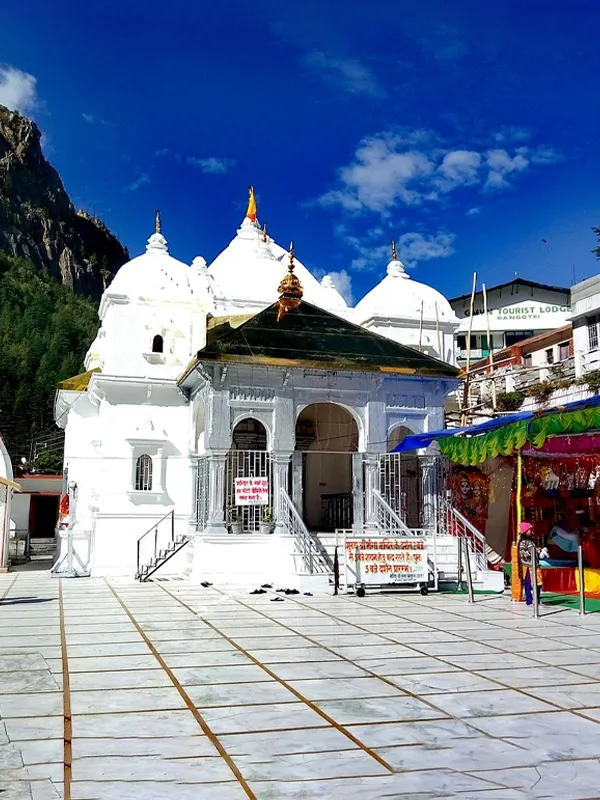
Rishikesh to Gangotri: Complete Distance, Route & Travel Guide
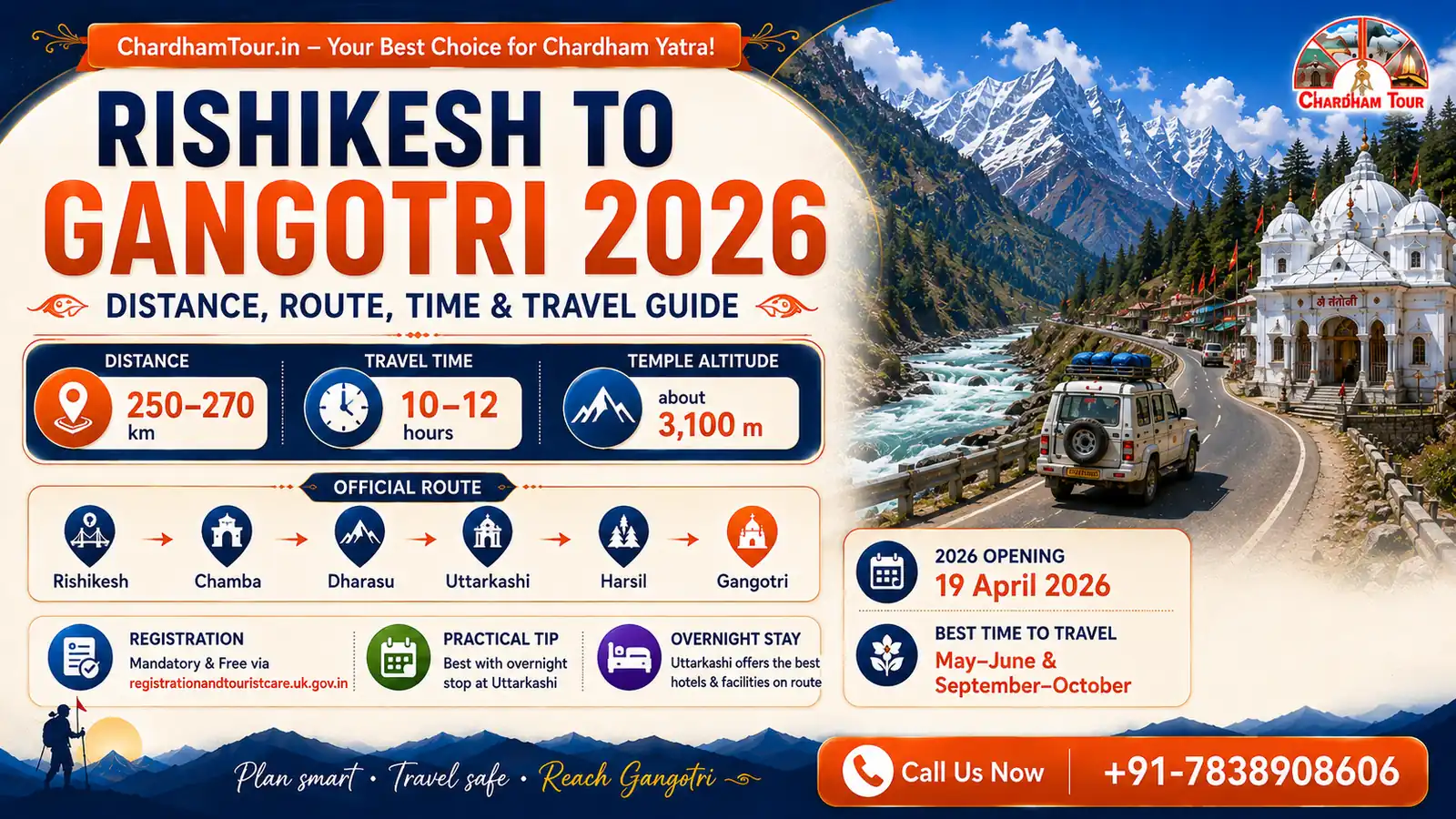
If you're sitting in Rishikesh right now planning the drive up to Gangotri, here's the short version: it's approximately 250–270 km, and the official planning estimate is 10–12 hours on the road. The route runs through Chamba, Dharasu, and Uttarkashi before the final stretch to the temple at roughly 3,100 metres — and every one of those stretches behaves differently depending on season, road conditions, and how early you leave.
This guide covers the road distance, the route, transport options, registration rules for 2026, and the mistakes that trip up most first-time travellers on this route.
Quick Answer: Rishikesh to Gangotri is approximately 250–270 km by road. The official Uttarakhand Tourist Care portal lists the journey at about 270 km, taking around 10–12 hours. Most travellers split the drive into two days with an overnight stop in Uttarkashi rather than covering it in one sitting.
2026 Season Status: Gangotri Temple opened on 19 April 2026 (Akshaya Tritiya) and is currently open for Darshan. Char Dham registration for 2026 opened on 6 March 2026. As of this writing, the temple's daily opening/closing timings for the 2026 season haven't been published by the official portal — check the Tourist Care site before you travel if this matters to your plan.
Rishikesh to Gangotri Distance: Why the Number Isn't Fixed
This is worth saying plainly rather than papering over: official Uttarakhand government sources themselves don't agree on one exact figure.
| Source | Distance |
|---|---|
| Uttarakhand Tourist Care portal (state tourism board) | ~270 km |
| Uttarkashi District Administration | ~248 km |
| Working range used across most current travel platforms | 250–270 km |
Both are official government sources — they just calculate from slightly different reference points and route segments. For trip planning, treat 250–270 km as the realistic range rather than looking for one "correct" number.
Confirmed Distance Breakdown (Route Segments)
These specific segment distances are independently confirmed by the Uttarkashi District Administration and are safe to plan around:
| Route Segment | Distance | Source |
|---|---|---|
| Uttarkashi to Gangotri | 100 km | Uttarkashi District Administration |
| Uttarkashi to Harsil | 75 km | Uttarkashi District Administration |
| Rishikesh/Dehradun to Uttarkashi | ~200 km (approx.) | Uttarkashi District Administration |
The Rishikesh-to-Uttarkashi leg is quoted as an approximate figure by the district, which is one reason the total varies by 20–30 km depending on which source you check.
The Official Route: How the Road Actually Unfolds
The Uttarakhand Tourist Care portal lists the official route as:
Rishikesh/Haridwar → Chamba → Dharasu → Uttarkashi → Harsil → Gangotri
From practical experience, this drive has three distinct personalities.
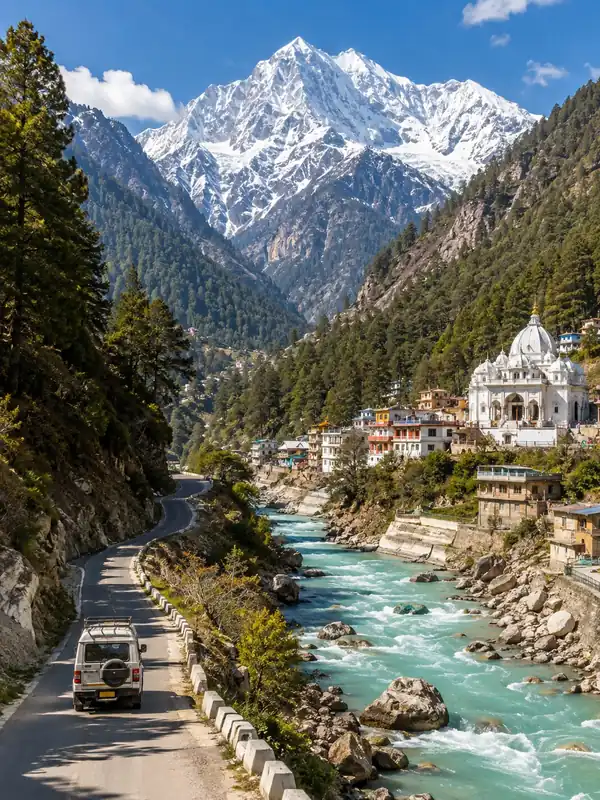
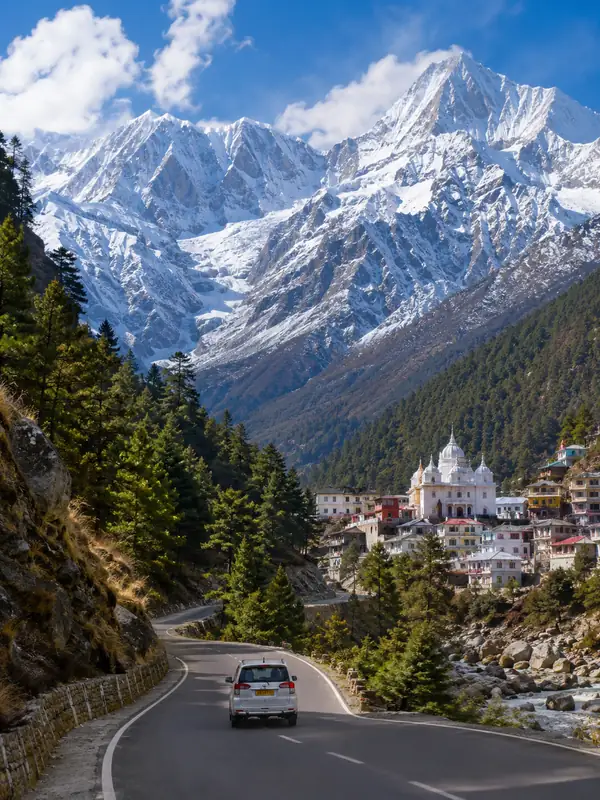
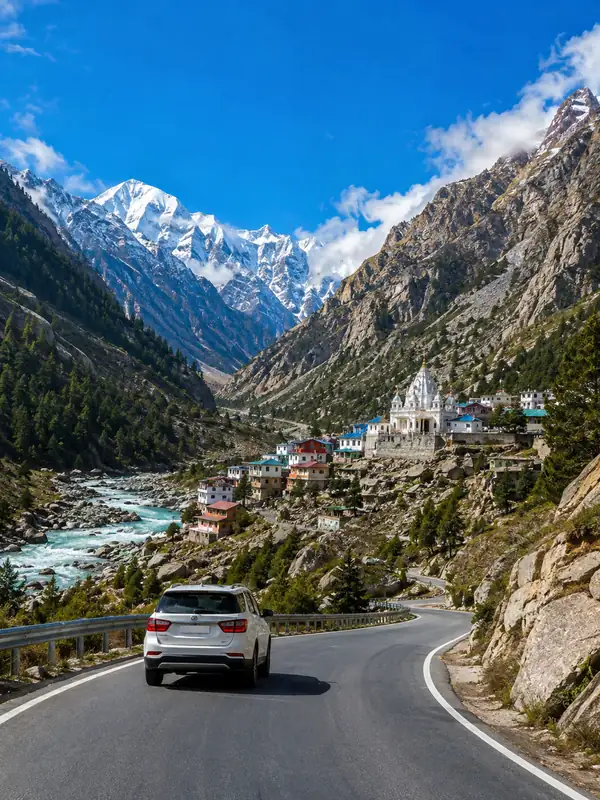
Rishikesh to Chamba: Wide and scenic, following the early stretch of the corridor through pine forests, with your first real mountain views. Travel time here varies with traffic and road conditions rather than following a fixed number.
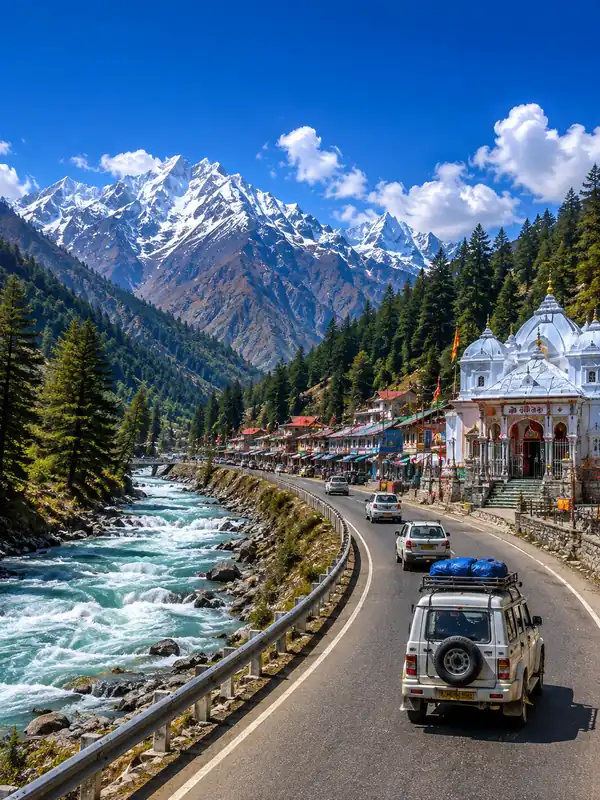
Chamba to Uttarkashi (via Dharasu): The road narrows and starts hugging the Bhagirathi valley, passing Dharasu and Chinyalisaur. Traffic and temporary road-management delays can occur during the peak Char Dham season (May–June).
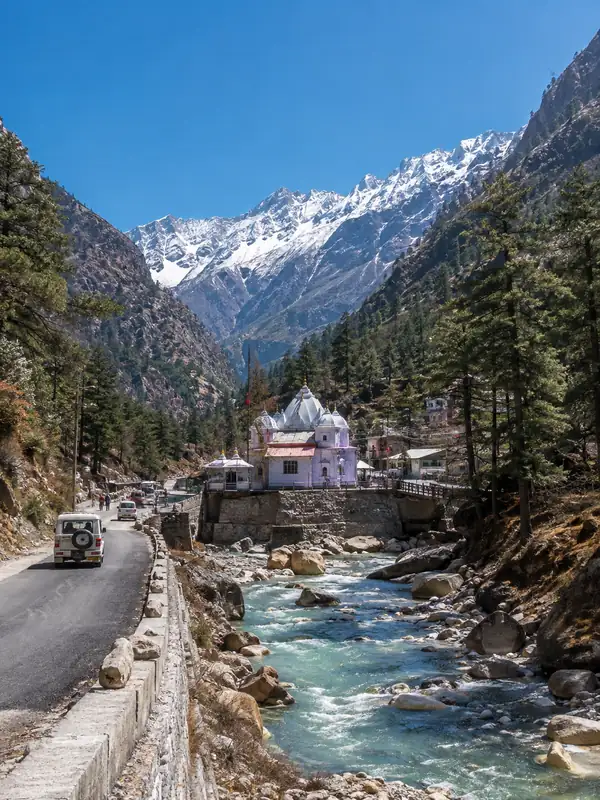
Uttarkashi to Gangotri (via Harsil): This is the section that separates a comfortable trip from an exhausting one. The road gets steeper and narrower, and the final stretch through Harsil Valley — genuinely beautiful, with apple orchards at around 2,660 m elevation — demands slow, careful driving.
A practical option many pilgrims use is to break the journey overnight in Uttarkashi before continuing to Gangotri the next morning, rather than attempting the full 250–270 km run in one sitting.
A Practical Two-Day Trip: What It Looks Like
On the ground, a typical two-day trip runs like this: leave Rishikesh early to make the most of daylight driving hours. Reach Uttarkashi by afternoon, rest, and consider visiting the Kashi Vishwanath Temple there if time allows. Leave again early the next morning — the Uttarkashi-to-Gangotri stretch is best driven in daylight, since the road has blind curves and single-lane sections where oncoming traffic needs advance warning.
Pushing straight through from Rishikesh to Gangotri in one day is technically possible if roads are clear, but altitude change, driver fatigue, and reduced visibility on the Harsil stretch make the two-day option the safer call for most travellers, especially families, seniors, and first-time hill drivers.
How to Reach Gangotri from Rishikesh: Transport Options
By Road (Taxi or Self-Drive)
This is the route almost everyone takes, since Gangotri has no rail connectivity of its own and no direct helicopter landing at the temple.
Taxi fares for this route vary considerably by vehicle type, season, operator, and whether you book one-way or round-trip. Rather than quote a single "standard" fare — which can be misleading given how much pricing models differ — here's what shapes the final cost:
- Vehicle type: Sedan, SUV, and Innova/Crysta options are all available, with Innova typically costing the most.
- One-way vs. round-trip: Round-trip packages are often more economical per kilometre if you're returning the same way.
- Inclusions: Ask specifically whether the quote includes driver allowance, tolls, parking, and night-halt charges — these are frequently billed separately.
- Season: Expect a real premium during the May–June Char Dham rush.
Get a written quote that spells out kilometres covered, minimum-km rules, and all extra charges before booking — this route has enough pricing variation between operators that a verbal "starting from ₹X" figure is not reliable for budgeting.
By Bus
State-run and cooperative bus services connect Haridwar and Rishikesh to Uttarkashi and onward to Gangotri, with direct bus options available on this route. Buses are the cheapest option but involve more stops; check the current timetable for your travel date rather than assuming a fixed time difference versus a private taxi.
By Helicopter (Charter)
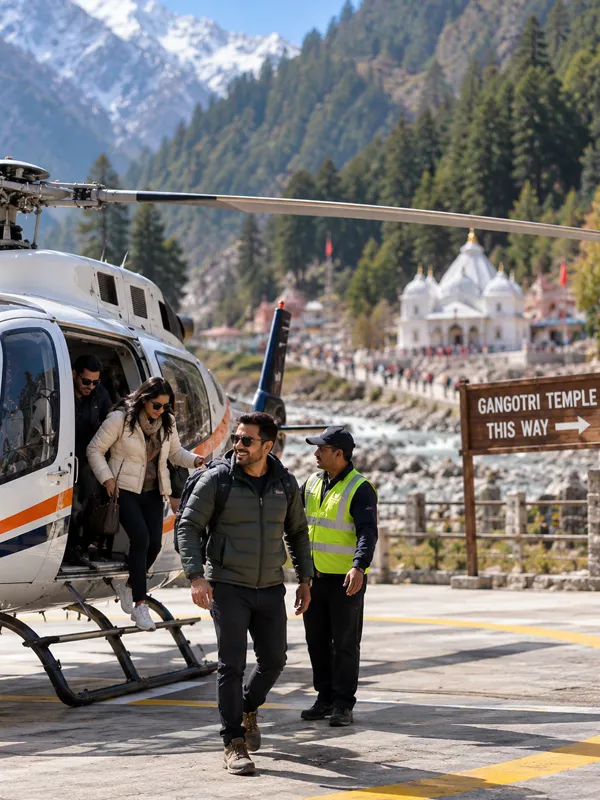
Unlike Kedarnath, Gangotri doesn't have a dedicated passenger helipad at the temple itself. However, the official Tourist Care portal does list helicopter charter services from Dehradun for Gangotri (and other Dhams), so air travel isn't entirely off the table — just check current operator availability and confirm how the charter connects to the final road stretch.
By Rail and Air
Gangotri has no railway station or airport of its own. Rishikesh, Haridwar, and Dehradun are all listed as the nearest railheads by the district administration, and Dehradun's Jolly Grant Airport is the nearest airport.
Step-by-Step: Planning Your Rishikesh to Gangotri Trip
- Register online first. Char Dham registration is mandatory for 2026 — complete it before you leave home, not at the last checkpoint.
- Book your vehicle or bus ticket in advance, especially in May–June when demand peaks.
- Leave Rishikesh early to make the most of daylight driving hours.
- Break the journey in Uttarkashi. Book a hotel there in advance during peak season — rooms fill fast.
- Carry some cash. Digital payment and ATM availability can be less predictable once you're past Uttarkashi.
- Check road status the morning you leave — local disaster management updates and news sources report landslide closures fastest.
- Confirm current darshan timings before you plan your exact arrival window, since the official 2026 daily timing hadn't been published as of this writing.
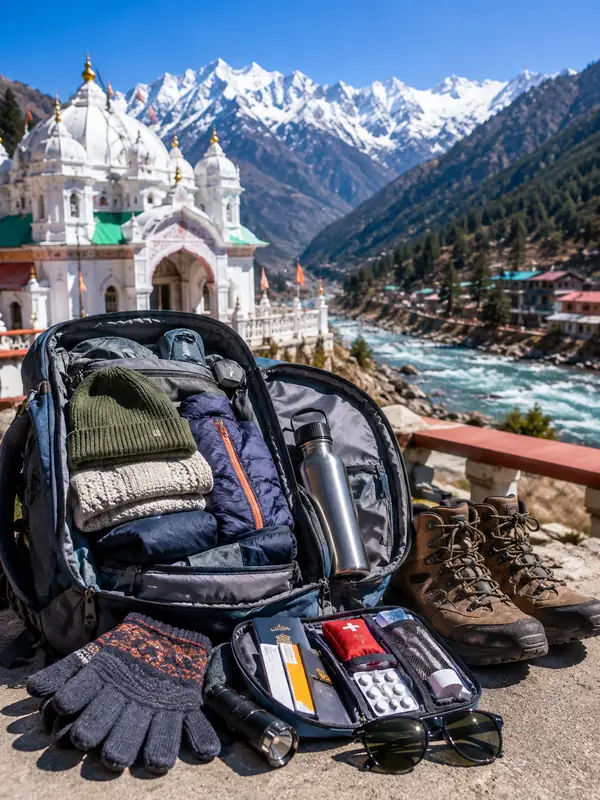
- Keep warm clothing accessible, not packed at the bottom of your bag — temperatures drop noticeably once you cross Uttarkashi.
Cost, Registration & Timeline Summary
| What | Details |
|---|---|
| Road distance | ~250–270 km (Tourist Care: ~270 km; Uttarkashi District Admin: ~248 km) |
| Travel time | ~10–12 hours by road (official estimate); allow more with stops |
| Temple altitude | ~3,100 m per Tourist Care; other official pages list 3,000–3,200 m |
| Uttarkashi to Gangotri | 100 km (confirmed) |
| Harsil altitude / distance from Uttarkashi | 2,660 m / 75 km (confirmed) |
| Registration | Mandatory, free of cost — apply at registrationandtouristcare.uk.gov.in. 2026 registration opened 6 March 2026. |
| Temple open dates (2026) | Opened 19 April 2026 (Akshaya Tritiya); closing date for the season is not yet officially confirmed by the portal at the time of writing — treat any specific November date you see elsewhere as unconfirmed until announced |
| Daily darshan timing | Not yet published by the official portal for 2026 — check before finalising your arrival plan |
| Helicopter | No direct landing at the temple; charter service from Dehradun is listed by the official portal |
| Nearest railway station | Rishikesh (also Haridwar, Dehradun) |
| Nearest airport | Dehradun (Jolly Grant) |
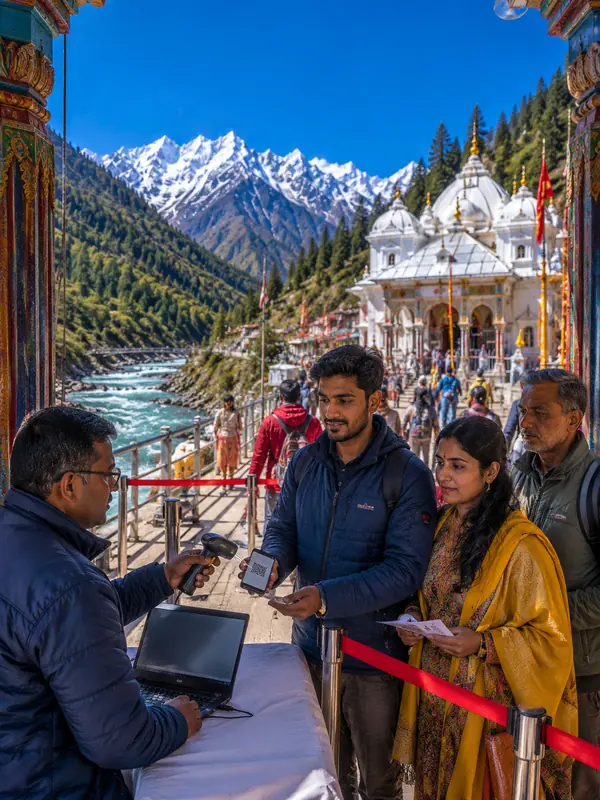
Registration is non-negotiable — checkpoints along the route verify your Yatra pass. Apply online, download your pass, and keep a copy accessible on your phone.
Common Mistakes to Avoid
- Skipping registration — assuming it's optional. It isn't, and it's free — don't pay any third-party site or agent claiming to charge a registration fee.
- Driving Uttarkashi to Gangotri after dark — this stretch has reduced visibility and sharp curves; plan to cover it in daylight.
- Underestimating the cold — Gangotri can feel cold after sunset even in the warmer months, so carry warm layers.
- Not carrying enough cash — digital payment coverage thins out fast past Uttarkashi.
- Booking hotels only in Gangotri, not Uttarkashi — Gangotri's own accommodation is more limited than Uttarkashi's, so booking the overnight stop ahead matters.
- Assuming a fixed darshan closure window — the official 2026 timing wasn't published as of this writing; confirm current hours rather than planning around an unverified daily closure.
Pro Tips for a Smoother Journey
- Top up fuel in Uttarkashi before continuing to the upper valley — options become scarcer beyond that point.
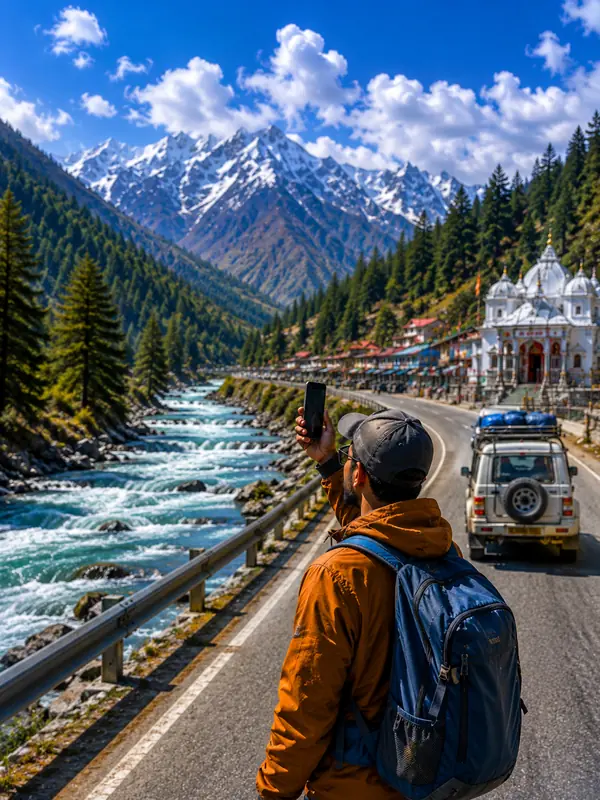
- Download offline maps before leaving Uttarkashi; mobile coverage can be intermittent in the upper Himalayan stretches regardless of carrier.
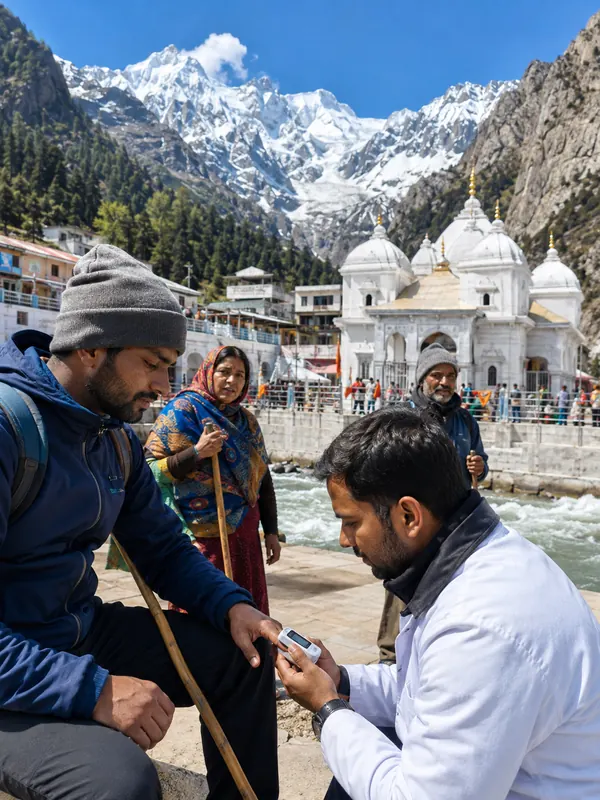
- Older travellers or anyone with a medical condition should pace the ascent and consider discussing high-altitude travel with a healthcare professional beforehand.
- Families with young kids should avoid one-day round trips — the road doesn't reward rushing.
- If you're combining this with Yamunotri as part of a wider Char Dham circuit, both share Uttarkashi as a practical base, which can simplify routing.
- Carry motion-sickness medication if anyone in your group is prone to it — the winding sections catch people off guard.
Choosing How You Travel This Route
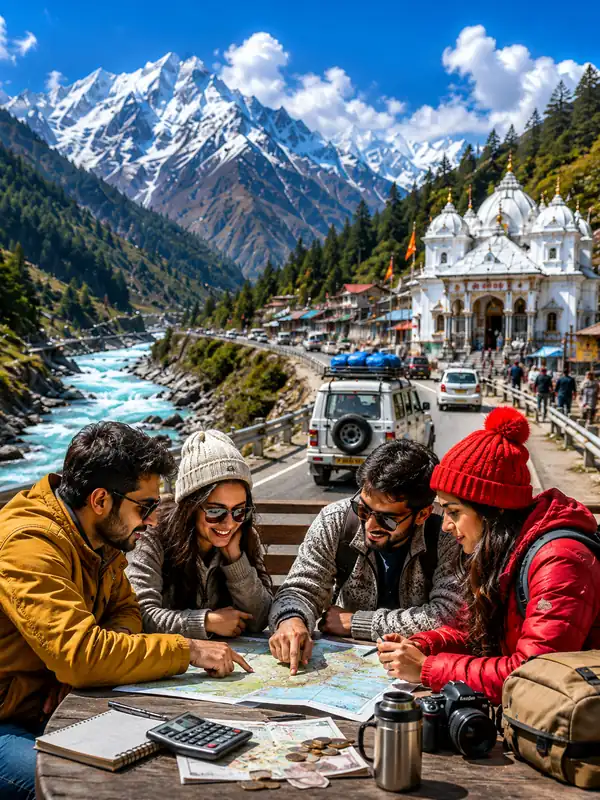
Whether you drive yourself, hire a local taxi, or take a shared cab, the deciding factor should be your comfort with mountain roads, not just price. A self-drive works fine if you or someone in your group has real hill-driving experience. Otherwise, a local Rishikesh-based driver who knows this specific route is worth the extra cost. Get written quotes from more than one operator, ask specifically what's included (tolls, night halt, driver allowance), and don't let anyone talk you out of the Uttarkashi overnight stop just to save a day.
Best Time to Visit Gangotri from Rishikesh
| Period | Conditions |
|---|---|
| Late April – June | Generally the preferred pilgrimage window, though weather and road conditions can change quickly |
| July – August | Monsoon season; higher risk of landslides and temporary road disruptions |
| September – October | Pleasant weather, comparatively fewer crowds |
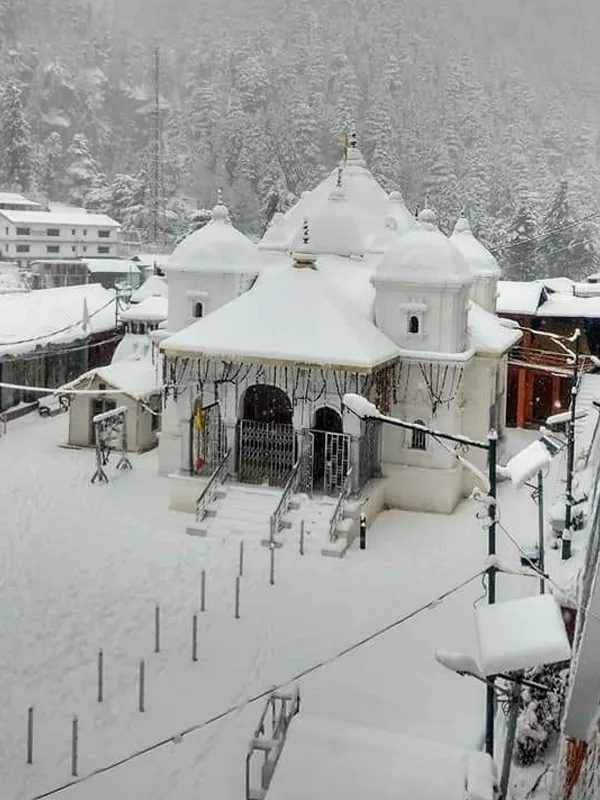
| Mid-November onward | Temple closes for the winter season; exact 2026 closing date to be confirmed by temple authorities closer to the time |
The Uttarkashi-to-Gangotri section is exposed to monsoon-related landslides, so check current road advisories before travelling in July–August specifically.
Conclusion
The Rishikesh to Gangotri road trip runs approximately 250–270 km, with the official planning estimate at 10–12 hours — treat it as a two-day mountain journey once you factor in road conditions, altitude, and basic safety sense. Register early, break your journey in Uttarkashi, travel the final stretch in daylight, and carry cash and warm clothing. Do that, and this becomes one of the most rewarding drives in the Indian Himalayas rather than an endurance test. For May–June peak season travel, booking transport and accommodation in advance is advisable given how quickly availability tightens.
FAQs
Q1. What is the exact distance from Rishikesh to Gangotri?
Approximately 250–270 km by road. The official Uttarakhand Tourist Care portal lists about 270 km, while the Uttarkashi District Administration quotes approximately 248 km — the range reflects different official reference points rather than an error.
Q2. How long does it take to travel from Rishikesh to Gangotri by road?
The official planning estimate is around 10–12 hours. Actual time varies with traffic, weather, road conditions, and stops. Most travellers split the journey into two days with an overnight halt in Uttarkashi.
Q3. Is it safe to drive from Rishikesh to Gangotri in one day?
It's possible in good conditions but not the safer choice. The Uttarkashi-to-Gangotri stretch is best driven in daylight after a rested start, which is why a two-day itinerary is generally recommended.
Q4. Do I need to register before visiting Gangotri in 2026, and is Gangotri open right now?
Yes to both. Registration is mandatory and free — complete it online at registrationandtouristcare.uk.gov.in (avoid third-party sites claiming to charge a fee). The temple opened on 19 April 2026 and is currently open for darshan; its winter closing date for 2026 hasn't been officially confirmed by the portal as of this writing.
Q5. What is the best time to travel from Rishikesh to Gangotri?
Late April to June, and September to October, generally offer more stable weather and road conditions. Monsoon months (July–August) carry higher landslide risk on this specific route.
Q6. How much does a taxi from Rishikesh to Gangotri cost?
Fares vary significantly by vehicle type, season, operator, and one-way vs. round-trip terms. Get a written quote covering kilometres, driver allowance, tolls, and night-halt charges before booking rather than relying on a generic "starting from" figure.
Q7. Is there a train, flight, or helicopter to Gangotri?
There's no railway station or airport at Gangotri, and no direct helicopter landing at the temple itself (unlike Kedarnath). The official Tourist Care portal does list helicopter charter service from Dehradun as an option — check current availability with an operator.
Q8. Where should I stay overnight on the way to Gangotri?
Uttarkashi is the most practical overnight stop, roughly midway on the route, with better hotel options than Gangotri itself.
Q9. What is the altitude of Gangotri, and can it cause altitude sickness?
Official sources vary slightly — the Tourist Care portal lists about 3,100 m, while other government pages list figures between 3,000 m and 3,200 m. At this elevation, mild altitude discomfort is possible; a slower ascent and adequate rest can help.
Q10. When does the Gangotri temple close for the 2026 season?
Not officially confirmed at the time of writing. Various travel sources report an expected date in early-to-mid November 2026, but this should be treated as unconfirmed until the temple authorities make an official announcement closer to the date.
Q11. Does the Gangotri temple stay open all day?
The official 2026 daily darshan timing hadn't been published by the Tourist Care portal as of this writing. Check the official site or a recent local update before planning your exact arrival time.
Q12. How far is Harsil from Uttarkashi, and what's its altitude?
Harsil is 75 km from Uttarkashi headquarters, at an elevation of about 2,660 m — useful to know if you're planning where to stop on the final stretch before Gangotri.
- Suggested Tour: Gangotri Yatra Packages
Gangotri Travel Guide


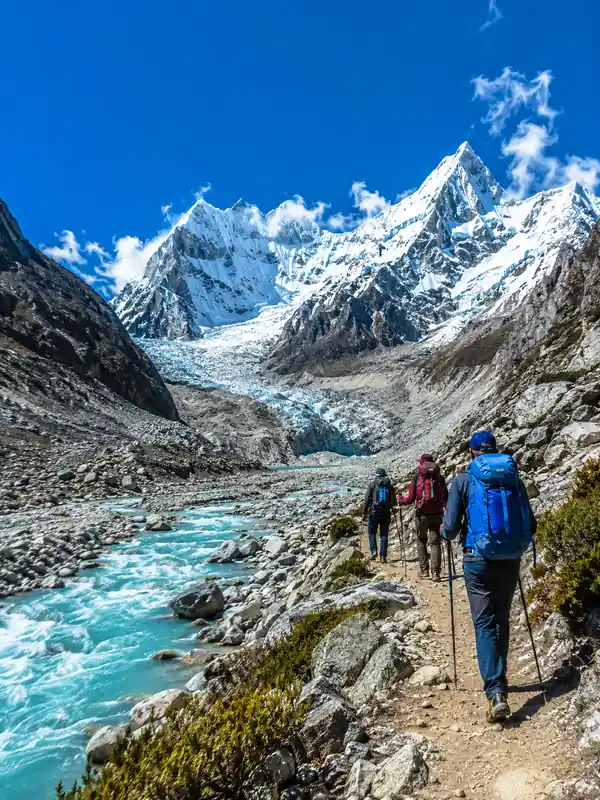
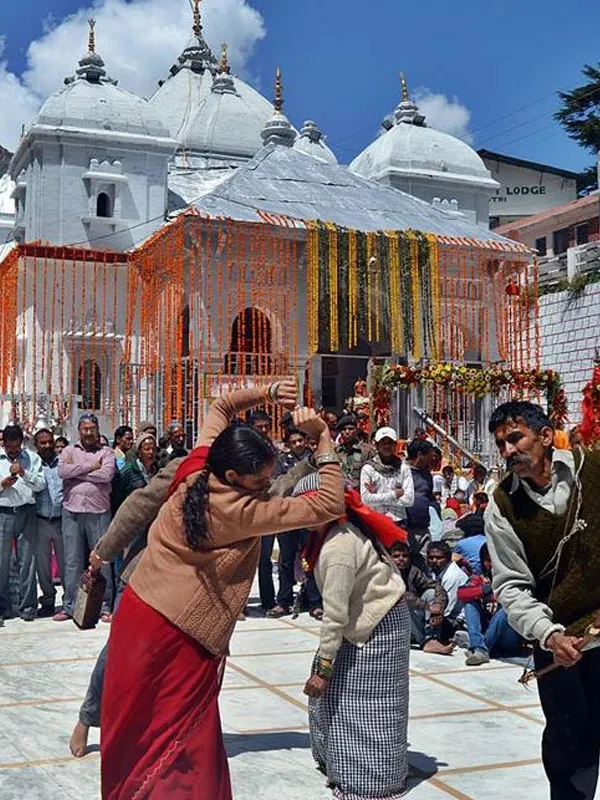
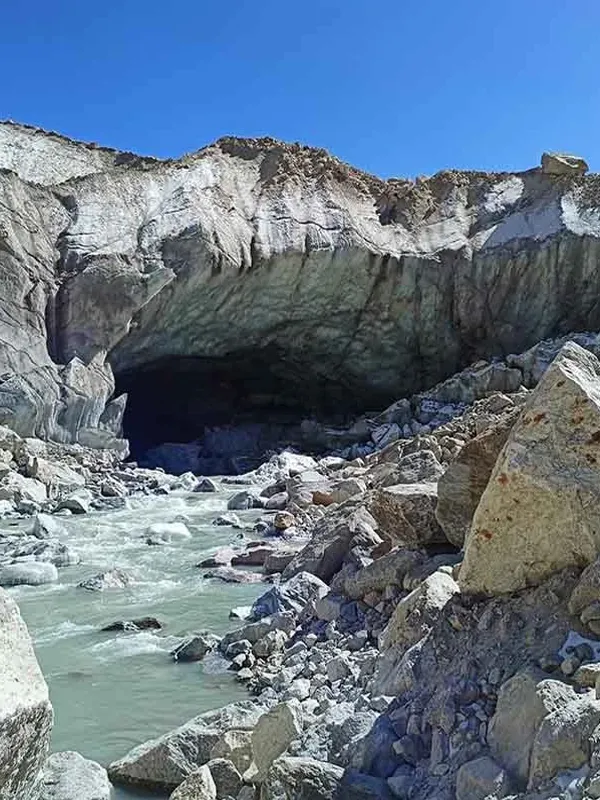

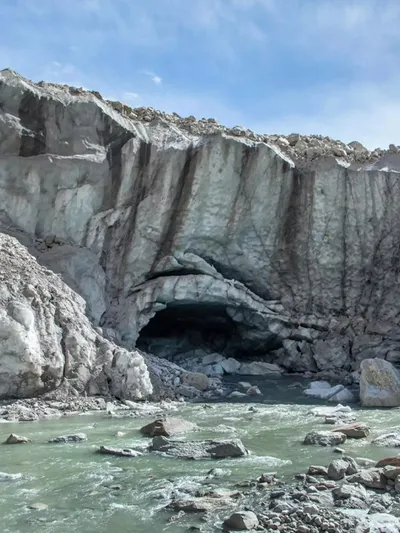
Gangotri Travel Packages
Important Safety Notice
Beware of Fake Char Dham & Kedarnath Helicopter Booking Websites
Fake websites, WhatsApp accounts and advertisements may impersonate genuine travel companies or helicopter operators. Always verify before paying.