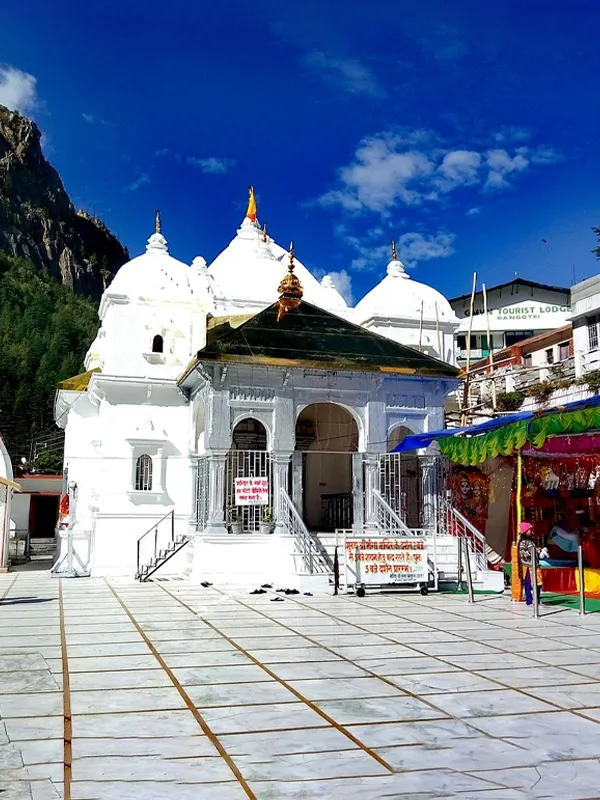
Gangotri Food & Restaurants – What to Eat on the Yatra
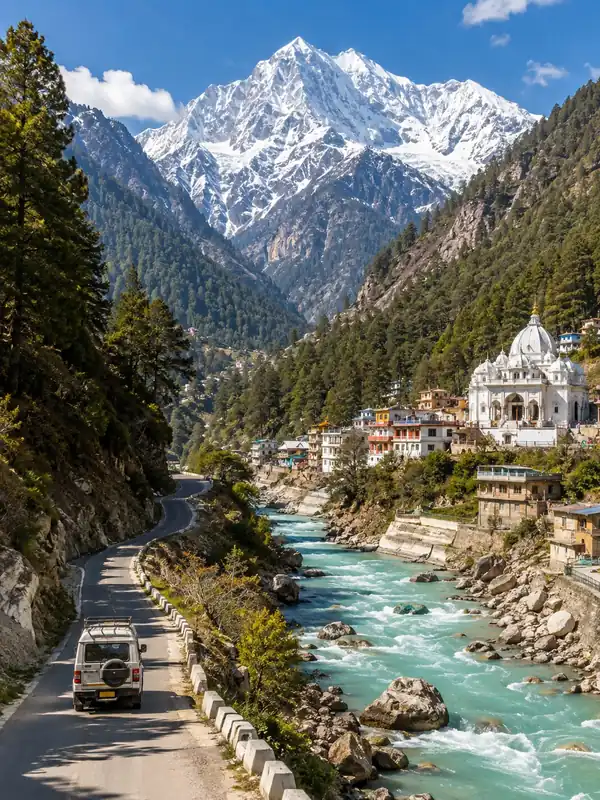
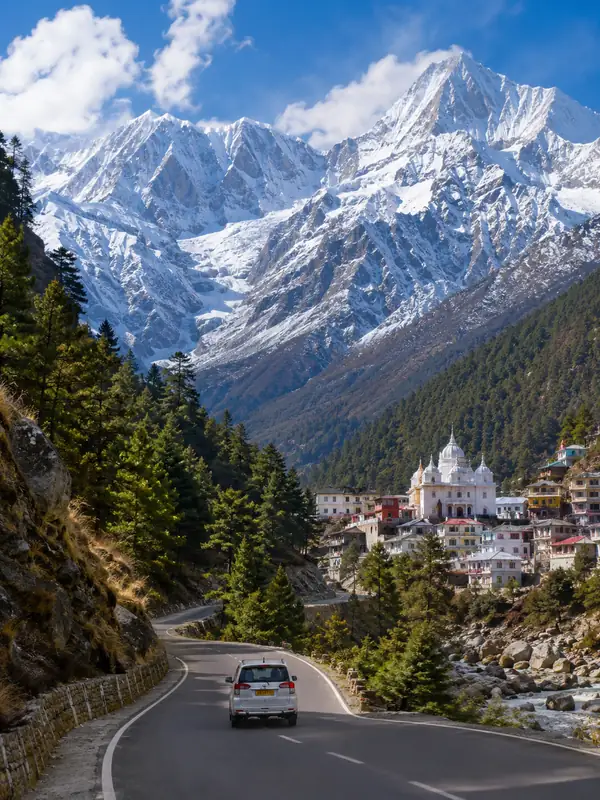
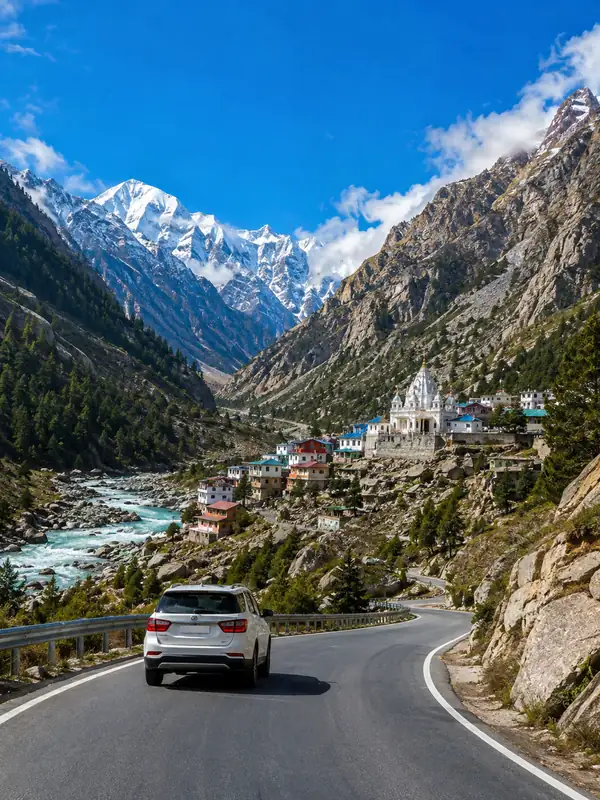
Gangotri sits at roughly 3,100 metres in the Garhwal Himalayas (official Uttarakhand sources vary slightly, from around 3,000 m to 3,200 m depending on the exact reference point), and it has a strongly vegetarian pilgrim food culture — Uttarakhand Tourism describes non-vegetarian food and alcohol as a strict no-no in the area. If you're planning the Yatra, knowing this before you leave saves a lot of confusion once you're actually on the road, since Gangotri food and restaurants work differently from what you'd expect in a regular hill-station town.
Quick answer
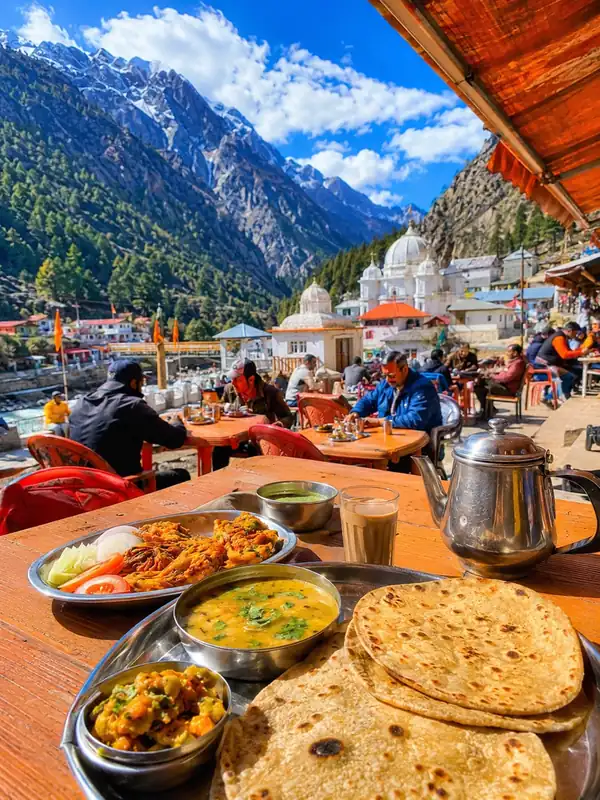
Expect simple, mostly vegetarian food throughout the Yatra — dal-rice-roti thalis, poori-sabzi, aloo paratha, hot Maggi, and local Garhwali dishes like jhangora kheer. The Char Dham Yatra season typically runs from around Akshaya Tritiya in late April to around Bhaiya Dooj/Annakut in late October, though exact opening and closing dates change every year — always check the official Uttarakhand Tourist Care portal before you travel.
Key Takeaways
- Gangotri has a strongly vegetarian, alcohol-free pilgrim food culture, at an altitude of roughly 3,100 m.
- Uttarkashi offers the widest restaurant variety on the route; options get simpler — not absent — as you go toward Harsil and Gangotri.
- Gangotri town does have restaurants and dhabas, though choice is far more limited than in Uttarkashi.
- Yatra season runs roughly late April to late October; exact dates are set annually — confirm officially before travel.
- Basic meals are generally in the ₹40–250 range as a rough traveller estimate, not an official tariff. Carry cash as a backup since digital payments can be unreliable in places.
- Community bhandaras may operate during peak season, but treat them as a supplementary option, not a guaranteed daily meal service.
Why the Food Here Is So Simple
Gangotri isn't a market town like Mussoorie or Nainital. It's a religious site open to pilgrims for about six months a year, and because it's remote and seasonal, food choices are generally more limited than in a larger town like Uttarkashi. Choices thin out and prices tend to rise the higher you go.
The vegetarian, alcohol-free food culture here comes from Gangotri's religious significance as one of the four Char Dham shrines — Uttarakhand Tourism itself lists non-vegetarian food and alcohol as a strict no-no in the region.
What to Eat, Stop by Stop
| Location | What's Available | Typical Price Range* |
|---|---|---|
| Uttarkashi | Multi-cuisine restaurants, North & South Indian thalis, bakeries | ₹100–250/plate |
| Bhatwari / Gangnani | Roadside dhabas, hot parathas, tea stalls | ₹60–150 |
| Harsil | Hotel/homestay dining, local Garhwali food, rajma-chawal, apple-orchard cafés | ₹100–200 |
| Lanka / Bhairon Ghati | Basic dhabas, Maggi points, pakoras | ₹50–120 |
| Gangotri town | Restaurants, small dhabas, ashram bhandaras, tea stalls | ₹40–150 |
*Prices are rough traveller-budget estimates, not an official published tariff — they vary by vendor, season, and demand, so treat them as indicative only.
Uttarkashi offers the widest range of restaurants and cuisines on this route. Dining options generally become simpler — not absent — as you travel toward Harsil and Gangotri; Gangotri town itself does have restaurants and dhabas, just with a much smaller menu than what you'll find in Uttarkashi.
Must-Try Dishes on the Gangotri Route
- Aloo ka jhol – a light Garhwali potato curry, gentle on the stomach at altitude
- Gahat (kulath) ki dal – protein-rich horse-gram dal, a hill-region staple
- Mandua roti – finger-millet flatbread, traditional and filling
- Jhangora ki kheer – barnyard-millet pudding, often served on religious occasions
- Poori-sabzi or aloo paratha with curd – a common, filling breakfast option; go easy on portions if heavy food doesn't sit well with you at altitude
- Bhandara food – community meals (dal, rice, sabzi, roti) that ashrams and trusts sometimes run during the pilgrimage season — availability depends on the date and organiser, so treat it as a bonus, not a guaranteed meal, and a contribution is appreciated if you can
Common Mistakes to Avoid
- Skipping breakfast to "save time" — this can backfire in cold, thin air.
- Assuming card or UPI payments will work everywhere — digital-payment reliability can vary along the route, so don't rely on it exclusively.
- Assuming Gangotri town has full multi-cuisine restaurants like Uttarkashi — it has restaurants and dhabas, but the menu is much simpler.
- Eating heavy, oily food right before the final stretch to the temple.
- Assuming bottled or sealed water will always be available — check with your accommodation or food stop instead of assuming.
Practical Tips for Eating Well on the Yatra
- Carry dry fruits, glucose biscuits, and an electrolyte sachet as backup for peak-season shortages.
- Some GMVN guesthouses and ashram stays offer meal plans — check the current tariff before booking, especially during the May–June and September–October rush.
- Prefer freshly cooked, hot food over pre-cut fruit or lukewarm dishes, and wash or peel fruit yourself when possible.
- Carry a reusable water bottle and confirm where safe drinking water is available at each stop.
- Order early during peak season, when small eateries near the temple can see long queues.
Frequently Asked Questions
Q1. Is non-vegetarian food available in Gangotri?
Vegetarian food dominates the area, and Uttarakhand Tourism describes non-vegetarian food as a strict no-no near the shrine. Don't expect to find it in the pilgrim belt.
Q2. Is alcohol available near Gangotri?
No — alcohol is treated as a strict no-no in and around Gangotri, in keeping with its status as a sacred Char Dham site.
Q3. What's the best food to eat before trekking near Gangotri?
A light, warm meal like poori-sabzi or paratha with tea works well for most people — go easy on heavy, oily food before physical exertion at altitude.
Q4. Where can I find the widest choice of restaurants before Gangotri?
Uttarkashi has the widest variety, including multi-cuisine restaurants. Gangotri itself has restaurants and dhabas too, but with a much smaller menu.
Q5. Are cards or UPI accepted at Gangotri dhabas?
It varies — digital payment reliability can be inconsistent in the region, so carry sufficient cash as a backup for the route past Uttarkashi.
Q6. What local dishes should I try?
Gahat ki dal, aloo ka jhol, mandua roti, and jhangora ki kheer for a taste of regional Garhwali cuisine.
Q7. When does the Gangotri Yatra season run?
Roughly late April (around Akshaya Tritiya) to late October (around Bhaiya Dooj/Annakut), but exact opening and closing dates are set fresh each year — check the official Uttarakhand Tourist Care portal before traveling.
Q8. Are bhandaras (free meals) reliable during the Yatra?
They can be available during peak pilgrimage season, run by ashrams and trusts, but treat them as a supplementary option — availability depends on the date, organiser, and local conditions, not a guaranteed daily service.
Q9. What's a realistic meal budget in Gangotri?
Roughly ₹40–₹150 for a basic thali or snack is a reasonable traveller estimate, though this isn't an official tariff and will vary by vendor and season.
Q10. Is Maggi available on the route?
Yes, it's commonly available at roadside dhabas and tea stalls from Uttarkashi through to Gangotri.
Q11. Can I get South Indian food near Gangotri?
Uttarkashi is your best bet for a wider choice, including South Indian dishes. Menus get simpler as you go toward Gangotri, though this isn't an absolute rule.
Q12. How high is Gangotri, and does altitude affect eating?
Roughly 3,100 metres (official sources vary slightly). Some travellers notice reduced appetite or digestive discomfort at this altitude — eat what you tolerate well and stay hydrated.
Final Word
Gangotri food and restaurants are built around one simple idea: keep pilgrims fed with warm, digestible, sattvic meals that don't slow them down at altitude. Plan your last proper restaurant meal in Uttarkashi, carry cash and backup snacks, and lean on ashram bhandaras and basic dhabas for the rest of the route. It's not a food destination — it's a Yatra, and the food here is designed to support exactly that.
Gangotri Travel Guide



Gangotri Travel Packages
Important Safety Notice
Beware of Fake Char Dham & Kedarnath Helicopter Booking Websites
Fake websites, WhatsApp accounts and advertisements may impersonate genuine travel companies or helicopter operators. Always verify before paying.