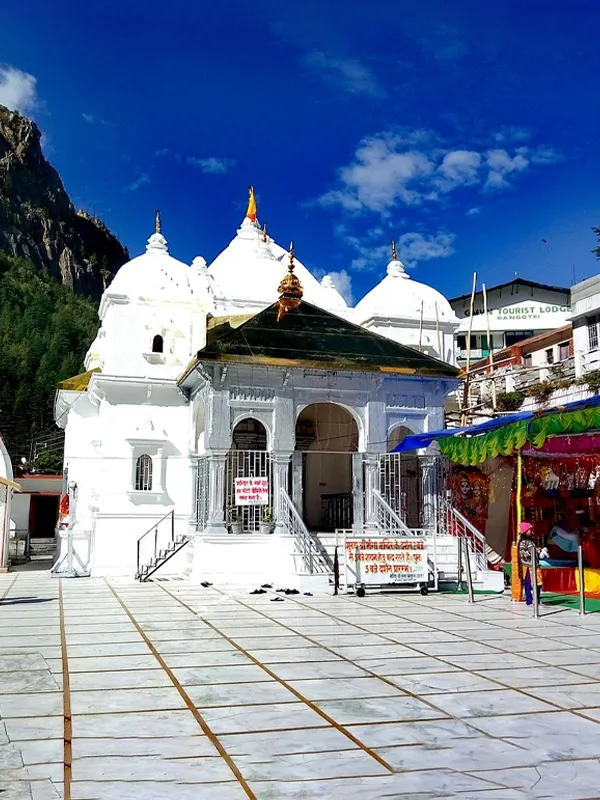
Delhi to Gangotri: Complete Route and Travel Guide 2026
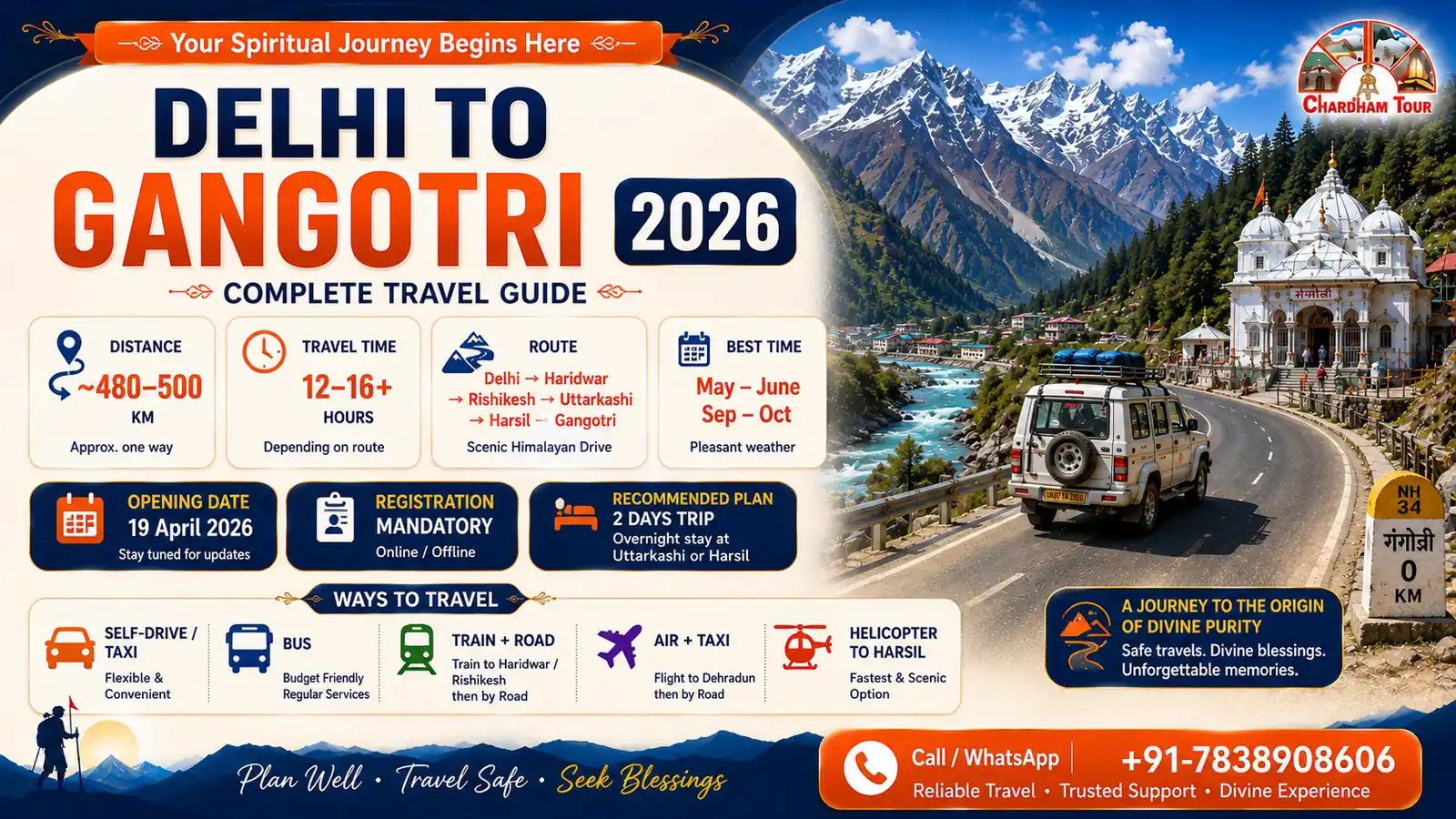
The drive from Delhi to Gangotri is really two journeys stitched together — a long, flat, forgettable highway stretch to the Uttarakhand foothills, followed by a genuinely spectacular but demanding mountain climb that gets steeper and narrower the closer you get to the temple. Knowing where that transition happens, and planning around it, is the difference between a smooth two-day trip and an exhausting one. This guide covers the full route, realistic timings, transport options, and the practical details that most quick summaries skip.
Quick Answer: Delhi to Gangotri covers roughly 480–500 km by road, depending on the exact route. Driving time is commonly cited anywhere from 12–16+ hours depending on traffic, road conditions, and stops — which is exactly why almost everyone breaks the journey over two days rather than treating it as a single-day drive. The most common route runs via Haridwar and Rishikesh to Uttarkashi, then on to Harsil and Gangotri. By train, the nearest station is Rishikesh; by air, the nearest airport is Jolly Grant in Dehradun, roughly 250 km from Gangotri. Gangotri itself sits at approximately 3,100 metres above sea level. Char Dham registration is mandatory before you travel, regardless of how you get there.
Delhi to Gangotri at a Glance
| Detail | Indicative Figure |
|---|---|
| Road distance | ~480–500 km (varies by route/source) |
| Driving time | ~12–16+ hours, heavily dependent on traffic, weather, and road conditions — treat this as a range, not a fixed number |
| Recommended duration | 2 days, with an overnight halt at Uttarkashi or Harsil |
| Most common route | Delhi → Haridwar → Rishikesh → Tehri → Uttarkashi → Harsil → Gangotri |
| Nearest railway station | Rishikesh |
| Nearest airport | Jolly Grant, Dehradun (~250 km from Gangotri) |
| Gangotri altitude | ~3,100 m above sea level |
| 2026 opening date | 19 April 2026 |
| Registration | Mandatory, free, via official Tourist Care channels |
Delhi to Gangotri: Distance and Route Overview
Road-distance figures for this route vary noticeably between sources — some list around 474 km via the Haridwar route, others put the total closer to 500 km, and the discrepancy usually comes down to exact waypoints and which road variant is used through the hills. For planning purposes, treat the distance as roughly 480–500 km. Driving time is where sources vary the most — figures anywhere from 12 hours to 16+ hours appear across different sources, depending heavily on traffic, road conditions, and how many stops you make. Given that range, don't plan around the minimum figure; a 2-day trip with a comfortable overnight halt is a far more realistic way to approach this than trying to hit a specific driving-time target in one push.
There are two commonly used road routes:
Route 1 (via Haridwar) — the more commonly used option: Delhi → Haridwar → Rishikesh → Narendranagar → Tehri → Dharasu Bend → Uttarkashi → Bhatwari → Gangnani → Harsil → Gangotri
Route 2 (via Dehradun and Mussoorie): Delhi → Dehradun → Mussoorie → Chamba → Tehri → Dharasu Bend → Uttarkashi → Bhatwari → Gangnani → Harsil → Gangotri
Route 1 is the one most pilgrims and tour operators default to, largely because Rishikesh functions as the natural staging point for onward transport — it's where you'll find the bulk of shared taxis, buses, and private cab operators heading toward Uttarkashi and beyond.
- Suggested Tour: Gangotri Yatra Package from Delhi
How the Journey Actually Feels, Section by Section
Understanding the character of the drive matters more than the exact kilometre count, because the road genuinely changes personality more than once.
Delhi to Haridwar/Rishikesh
This portion is flat, wide highway — unremarkable but fast, passing through towns like Meerut and Muzaffarnagar. Traffic can slow things down near Haridwar itself, where the road narrows heading into Rishikesh.
Rishikesh to Uttarkashi
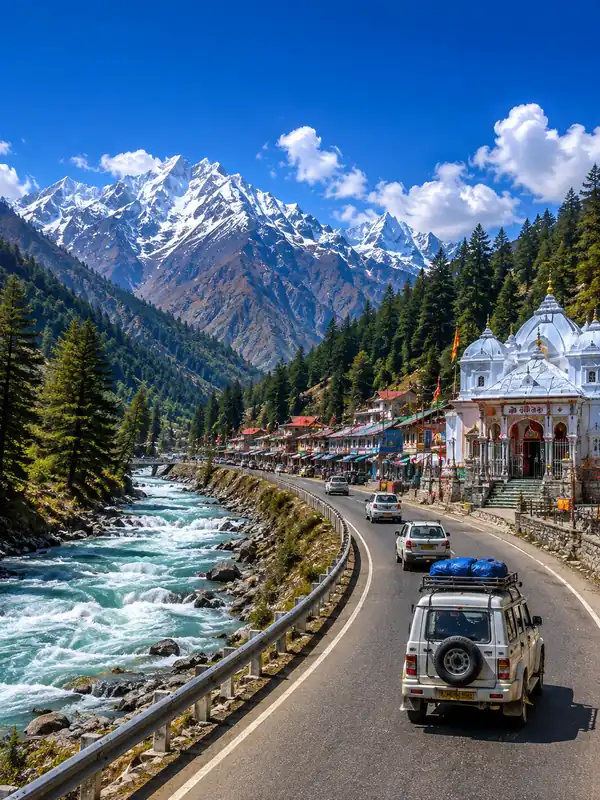
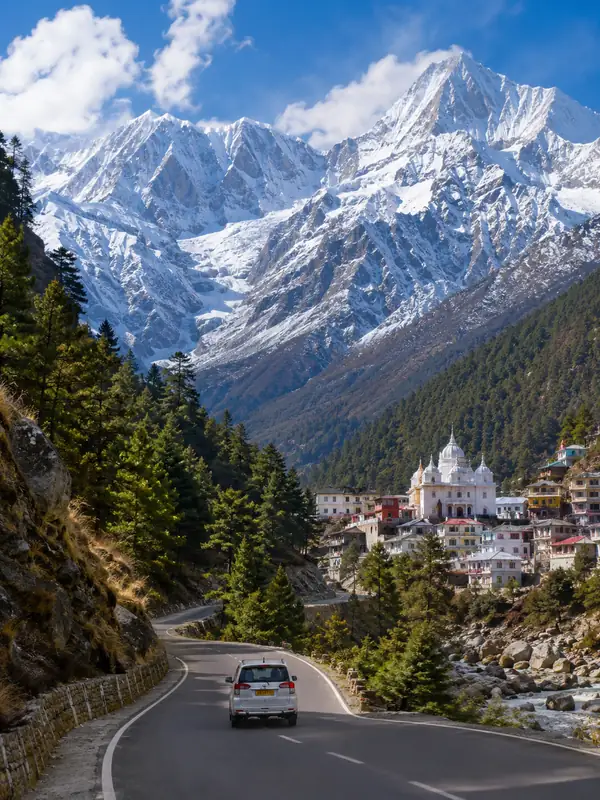
This is where the trip becomes a mountain drive. The road climbs steadily after Rishikesh, with continuous curves through Narendranagar, Tehri, and Dharasu Bend. Road conditions vary by season and recent weather — many sections are well-maintained, but this is a genuine hill road with all the bends that implies, and stretches can deteriorate after heavy rain.
Uttarkashi to Gangotri
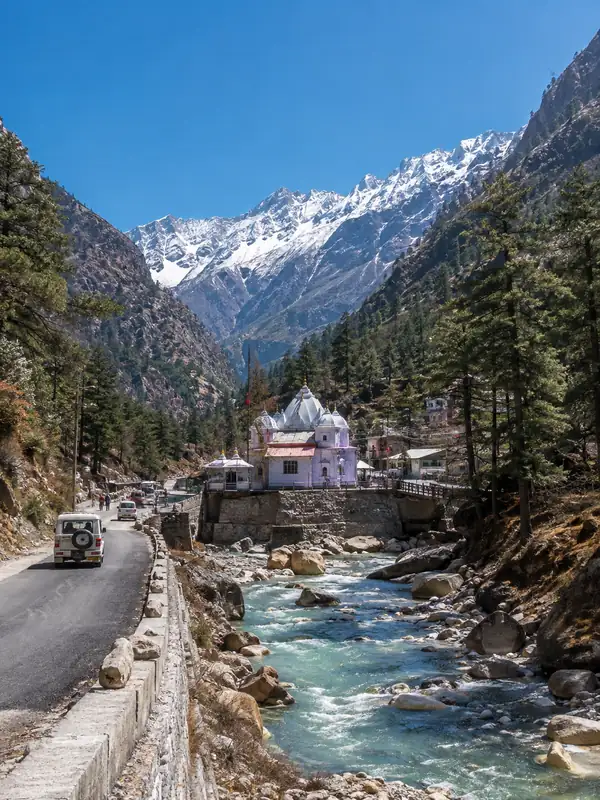
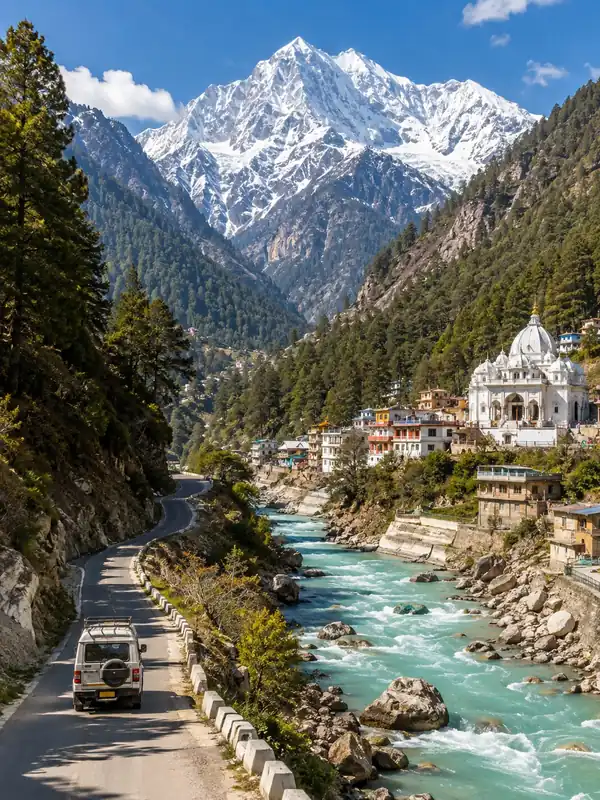
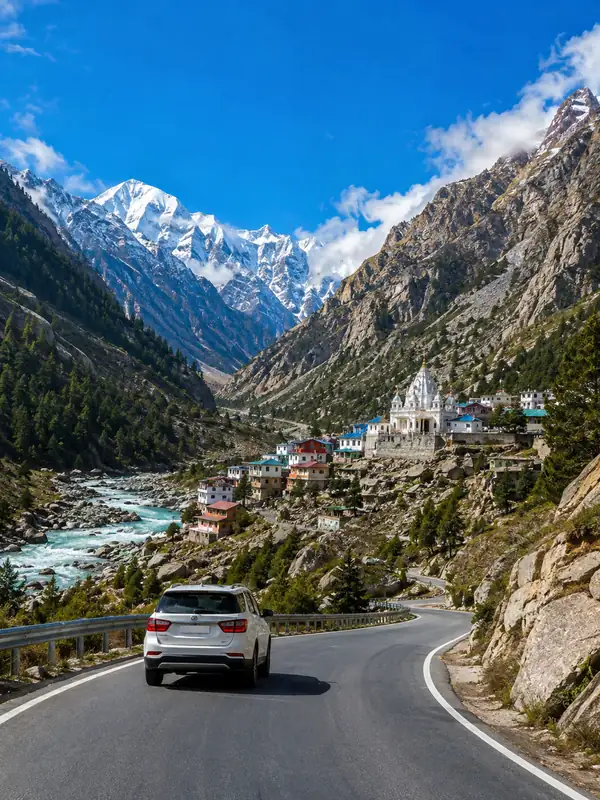
This final stretch is only around 100 km, but takes considerably longer than the distance suggests because of how mountainous it is — narrow sections, tighter bends, and slower average speeds. Allow several hours rather than planning this leg purely by distance. The Harsil-to-Gangotri portion in particular is described as scenic but narrow, and landslide-prone during monsoon.
If you're driving yourself or have any flexibility in your schedule, breaking the journey overnight at Uttarkashi or Harsil rather than pushing straight through is a more practical and comfortable option for most travellers — both for safety and because arriving exhausted at a high-altitude destination isn't a great idea to begin with.
Transport Options From Delhi
By Road (Self-Drive or Private Taxi)
This is the most flexible option and a common choice for families and small groups. A private cab or self-driven vehicle lets you control your own pace, stop where you want, and adjust plans if road conditions or weather change. If self-driving, get your brakes serviced before you leave — the descents from Uttarkashi onward are long, and worn brakes are a real risk on this kind of terrain.
By Bus
Uttarakhand Transport Corporation and private operators run buses from Delhi (commonly from ISBT Kashmiri Gate) toward Haridwar and Rishikesh, and onward toward Uttarkashi during the pilgrimage season. Buses are the most budget-friendly option but also the slowest and least comfortable, particularly on the hill stretches — and most long-distance buses only run as far as Uttarkashi, beyond which you'll need a shared jeep or local taxi to complete the journey to Gangotri.
By Train + Taxi
The nearest railway station to Gangotri is Rishikesh, which is well connected to Delhi by multiple trains — check the current IRCTC timetable for options and timings on your travel date, since train schedules and services can change. From Rishikesh, you'll need to continue by road — either a private taxi, a shared taxi, or a bus — for the remaining stretch to Gangotri. This combination (train to Rishikesh, then road onward) is a popular choice for travellers who'd rather not drive the entire distance from Delhi themselves but still want a shorter final road leg than starting the whole journey by bus from Delhi.
By Air + Taxi
The nearest airport to Gangotri is Jolly Grant Airport in Dehradun, roughly 250 km away. Flying from Delhi to Dehradun cuts the road portion down significantly, leaving an 8–9 hour drive via Uttarkashi and Harsil rather than the full Delhi-origin distance. This is the fastest practical option short of a helicopter, and worth considering if your time is limited.
By Helicopter
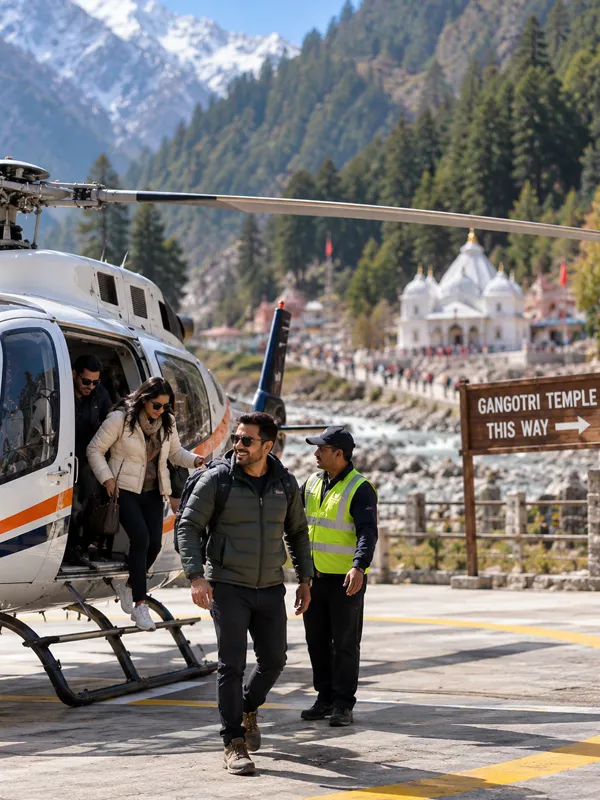
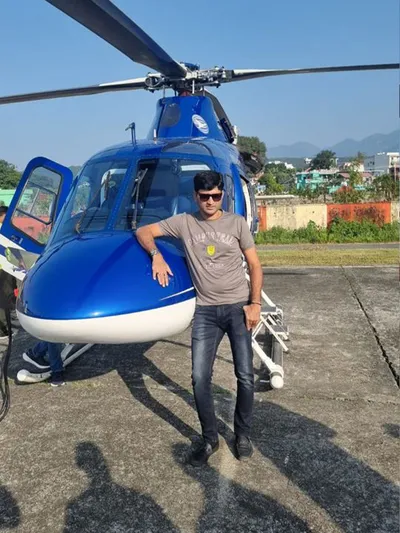
There's no helipad at the Gangotri temple itself, so a "helicopter to Gangotri" isn't quite what it sounds like. Pilgrimage helicopter services generally use the Sahastradhara helipad in Dehradun to reach Harsil, the nearest helipad to the upper valley — from there, it's roughly a one-hour drive (about 25 km) to reach Gangotri by road. Pricing varies considerably by operator, package type, season, and whether it's a shared or dedicated flight, and whether it's bundled with a Yamunotri visit — get a current quote from the operator rather than budgeting around a generic figure, since fares in this category can differ substantially between listings. If you're considering this option, book early, since seats fill up quickly during peak season, and operators generally prefer earlier flying windows when weather conditions allow.
A Practical Two-Day Itinerary
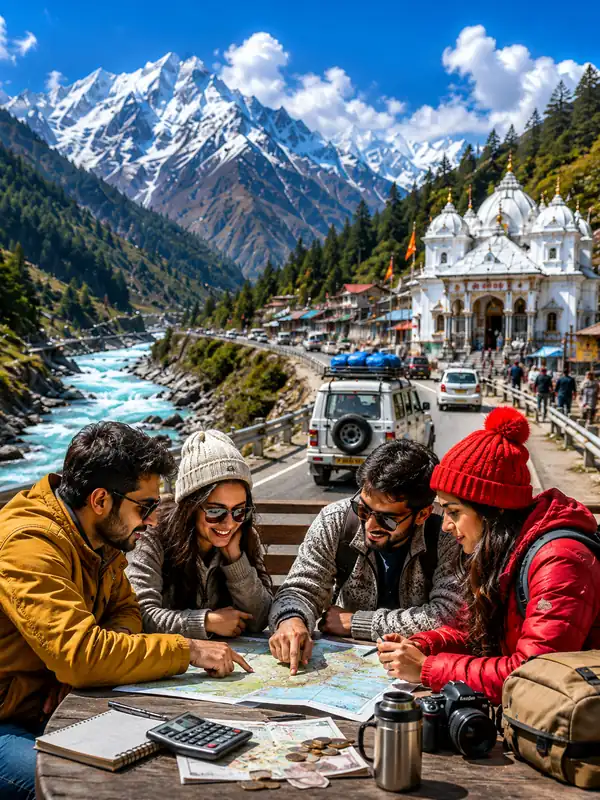
Most travellers split the journey rather than attempting it in one push. A reasonable day-wise plan looks like this:
Day 1: Delhi to Uttarkashi (or Harsil)
Leave Delhi as early as possible — ideally before sunrise — to clear the flat highway stretch before daytime traffic builds up. Drive through Haridwar and Rishikesh, continue through the hill stretch via Tehri and Dharasu Bend, and aim to reach Uttarkashi by evening. This first day covers the bulk of the distance and the least mountainous driving, even though it includes the transition into hill terrain.
Day 2: Uttarkashi to Gangotri
The shorter but more demanding leg — roughly 100 km, but plan for several hours given the terrain rather than judging it by distance alone. Start early, since mountain weather and road conditions are generally more predictable earlier in the day, and you'll want daylight for the narrower stretches between Harsil and Gangotri.
This two-day structure gives you a buffer for delays, an overnight rest before the toughest driving, and a much more comfortable overall experience than trying to cover the whole distance in a single very long day.
Best Time to Travel
Gangotri Dham typically opens in mid-to-late April each year — for 2026, the opening date is 19 April, coinciding with Akshaya Tritiya. The closing date is generally tied to Diwali and tends to fall in late October or November, though the exact date is usually confirmed closer to the season rather than fixed years in advance, so check the official portal before finalizing travel plans built around a specific closing date.
Within the open season:
- May–June is peak season, with the most pilgrim traffic and the best road conditions of the year, but also the most crowded accommodation and transport.
- July–August (monsoon) is generally best avoided. Landslide risk increases significantly on these hill routes during heavy rain — as recently as early August 2026, the Gangotri National Highway was blocked near Dharasu Nalu Pani due to rain-related debris, and this kind of disruption is a recurring pattern during monsoon rather than a one-off event. Some closures clear within a day or two once debris is removed, but more significant landslides or infrastructure damage can cause much longer disruptions — don't assume any given closure will resolve quickly.
- September–October is generally a strong window for the road trip specifically — fewer crowds, more settled weather than monsoon, and still comfortably within the temple's open season. Late October and November travel should be planned around the year's actual Gangotri Dham closing date (confirmed closer to the season rather than fixed years in advance) and the colder, shorter days that come with the season winding down.
Registration and Documents
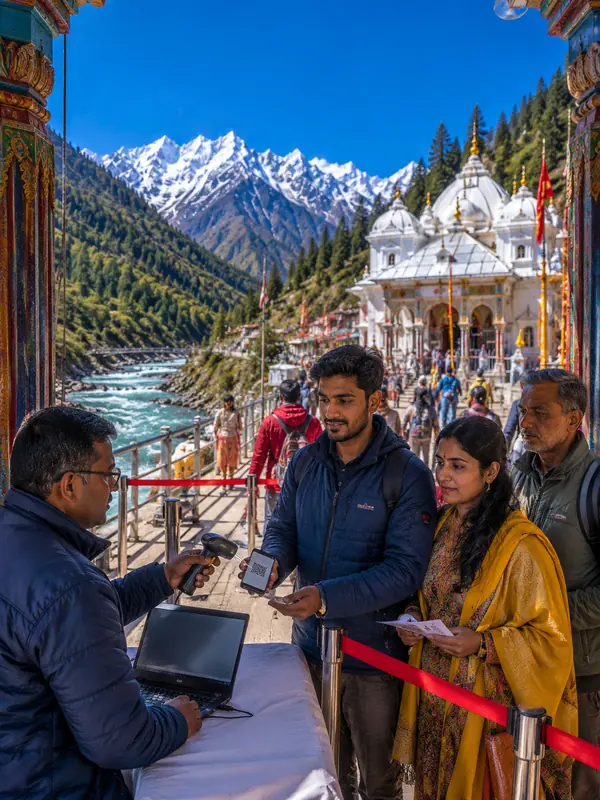
Char Dham registration is mandatory for every pilgrim heading to Gangotri, regardless of how you're travelling there, and it's free through the official Uttarakhand Tourist Care channels — online portal, mobile app, WhatsApp, or a registration center. Don't leave this until you're on the road; register before you leave Delhi if at all possible, since portal traffic and last-minute registration queues both pick up during peak season. If you're driving your own vehicle, it needs separate vehicle registration through the same system.
Carry a valid government ID, and keep both a digital and printed copy of your registration confirmation and QR code — connectivity isn't guaranteed for the entire route, so don't rely solely on having your phone screen available when you need to show it.
Practical Tips for the Drive
- Book Uttarkashi accommodation well in advance for May–June travel — rooms fill up quickly during peak season, and arriving without a booking can mean a frustrating search after a long day of driving.
- Download offline maps before you leave a connected town. Mobile signal is reported to weaken noticeably beyond Tehri, and you don't want to be navigating unfamiliar mountain roads with no map access.
- Fuel up before Uttarkashi. Fuel stations become sparser as you head toward Harsil and Gangotri, and running low in a remote stretch isn't a risk worth taking.
- Start each day's driving early. Mountain roads are generally easier to navigate in daylight, and starting early also gives you a buffer if road conditions or minor delays push your schedule back.
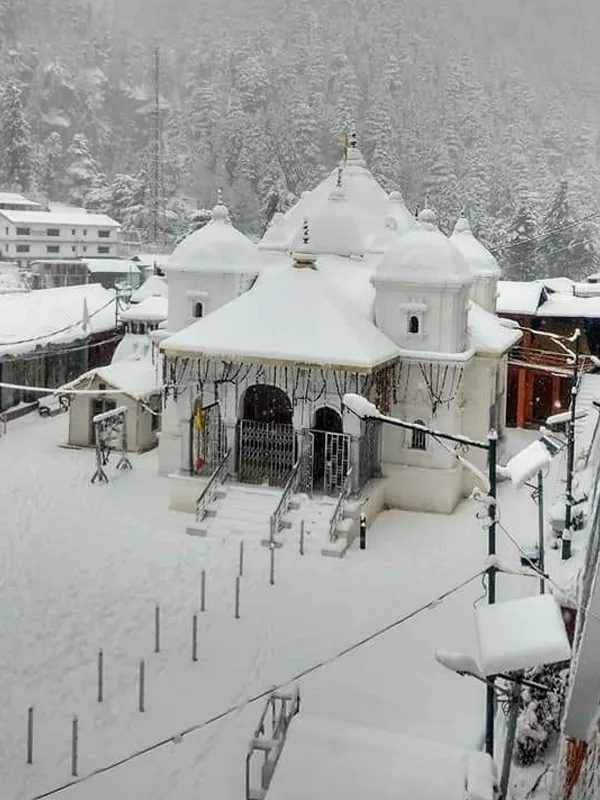
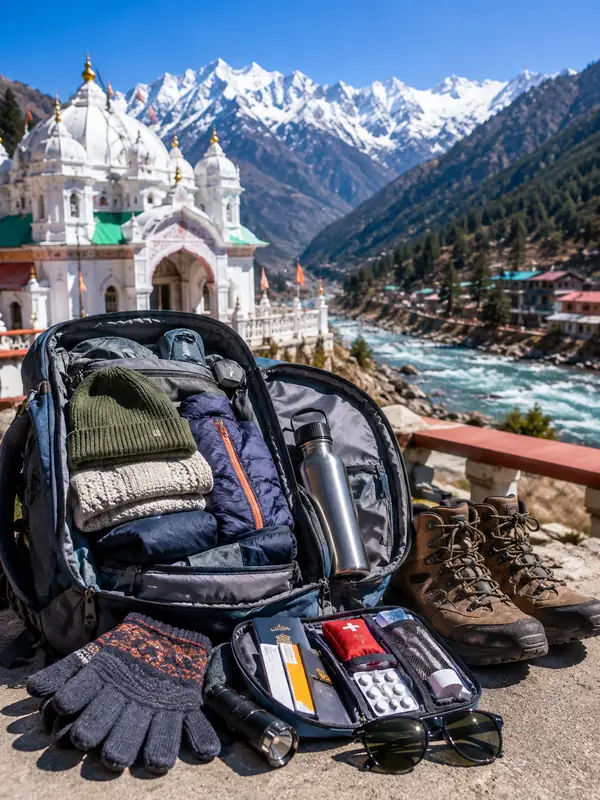
- Carry warm clothing even if you're travelling in summer months. Temperatures drop noticeably as you gain altitude, and Gangotri stays cold in the early morning and evening even during the main pilgrimage season.
- If you're extending toward Nelong Valley, note that it's officially described as an Inner Line Area near the India-China border, with tourist visits generally permitted only during daytime hours. Distance figures relative to Gangotri vary by source, and the district administration's own reference point (roughly 100 km from Uttarkashi headquarters) doesn't map cleanly onto a simple "km from Gangotri" figure — so rather than relying on any specific distance, check the current permission requirements directly with the Uttarkashi district administration before travelling, since this isn't something to arrange at the last minute.
Common Mistakes Travellers Make
- Underestimating the Uttarkashi-to-Gangotri stretch: 100 km sounds short, but budgeting only an hour or two for it is a common and avoidable planning mistake.
- Attempting the full drive in one day: it's technically possible for very experienced drivers, but it leaves no buffer for delays and means arriving exhausted at altitude.
- Skipping registration until the last minute: this can mean delays at checkpoints that a bit of advance planning would have avoided entirely.
- Not checking road conditions before departure, especially anywhere near monsoon season — a quick check of current advisories, or the Uttarakhand PWD's road-closure status page, can save you from getting stuck behind a landslide-cleared closure that was already known about before you left.
- Assuming fuel and network access will be available whenever needed on the upper stretches — both become less reliable the higher you go.
FAQs
Q1. What is the distance from Delhi to Gangotri?
Road-distance figures vary by source and exact route, generally falling somewhere between 474 km and 500 km. Driving time is commonly cited anywhere from 12 to 16+ hours depending on traffic, weather, and road conditions — treat this as a range and plan a 2-day trip rather than targeting the lower end of the estimate.
Q2. What is the best route from Delhi to Gangotri?
The route via Haridwar and Rishikesh is the most commonly used, since Rishikesh serves as the main staging point for onward transport toward Uttarkashi and Gangotri.
Q3. How many days are needed for Delhi to Gangotri?
Most travellers take two days, breaking the journey overnight at Uttarkashi or Harsil, rather than attempting the full distance in a single day.
Q4. Is there a train to Gangotri?
No direct train reaches Gangotri. The nearest railway station is Rishikesh, well connected to Delhi by multiple trains — check current IRCTC timetables for options — from where you'll need to continue by road.
Q5. What is the nearest airport to Gangotri?
Jolly Grant Airport in Dehradun, roughly 250 km from Gangotri, is the nearest airport, with the remaining distance covered by road.
Q6. Can I take a helicopter directly to Gangotri?
Not directly to the temple itself — there's no helipad at Gangotri. Helicopter service runs from Dehradun to Harsil, followed by roughly a one-hour road drive to reach Gangotri.
Q7. Is the road from Delhi to Gangotri safe to drive?
Road conditions vary by season and recent weather — many sections are well-maintained, but the route remains genuinely vulnerable to landslides, rockfall, and temporary closures, particularly during monsoon. The Gangotri National Highway saw a real landslide-related closure near Dharasu Nalu Pani in early August 2026, for example. Some closures clear within a day or two, but more serious damage can take considerably longer to fix, so checking current road-condition advisories before departure is genuinely worthwhile, not just a formality.
Q8. When does Gangotri Dham open in 2026?
19 April 2026, coinciding with Akshaya Tritiya. The closing date is typically tied to Diwali but is usually confirmed closer to the season rather than fixed years ahead.
Q9. Is registration required for the Delhi to Gangotri trip?
Yes, Char Dham registration is mandatory for all pilgrims and is free through official channels — register before you leave Delhi rather than waiting until you're on the road.
Q10. What is the best time to travel from Delhi to Gangotri?
May–June and September–October are generally preferred for the road trip; July–August (monsoon) is best avoided due to increased landslide risk, and late-season travel (late October/November) should be planned around the year's actual closing date.
Final Word
The Delhi-to-Gangotri drive rewards patience more than speed. The flat highway stretch to Rishikesh is the easy, forgettable part — the real journey starts once the road begins climbing, and rushing that portion is where most avoidable problems happen. Break the trip over two days, register before you leave, check road conditions close to your travel date, and give the Uttarkashi-to-Gangotri stretch the time it actually needs rather than the time you'd like it to take.
Gangotri Travel Guide



Gangotri Travel Packages
Important Safety Notice
Beware of Fake Char Dham & Kedarnath Helicopter Booking Websites
Fake websites, WhatsApp accounts and advertisements may impersonate genuine travel companies or helicopter operators. Always verify before paying.