Lesser Known Facts about Gangotri Dham
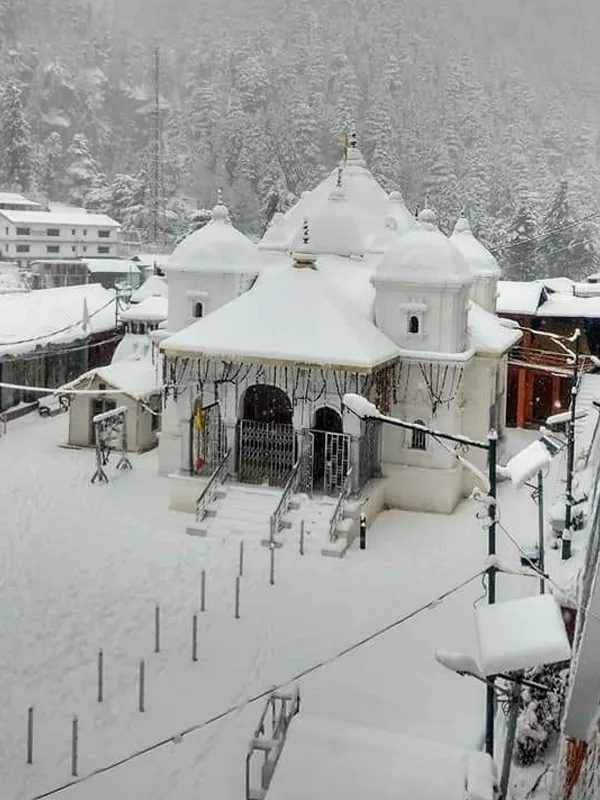
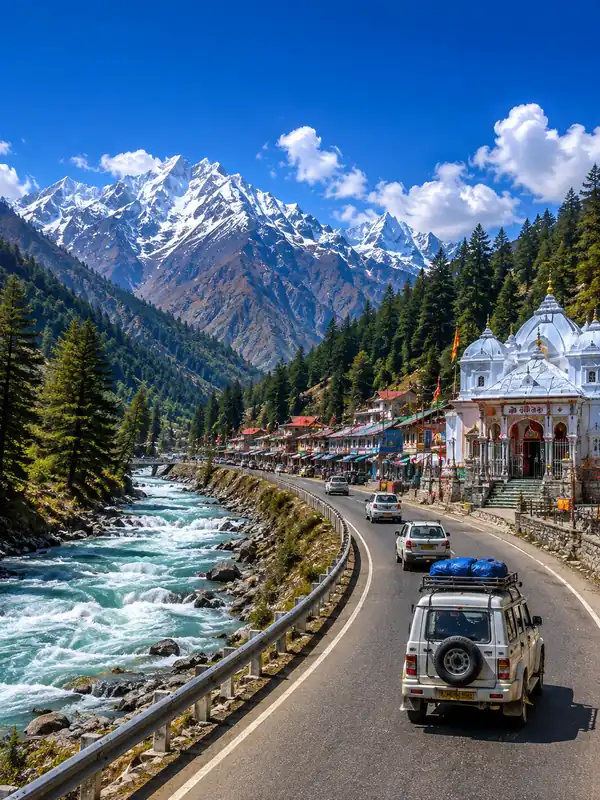
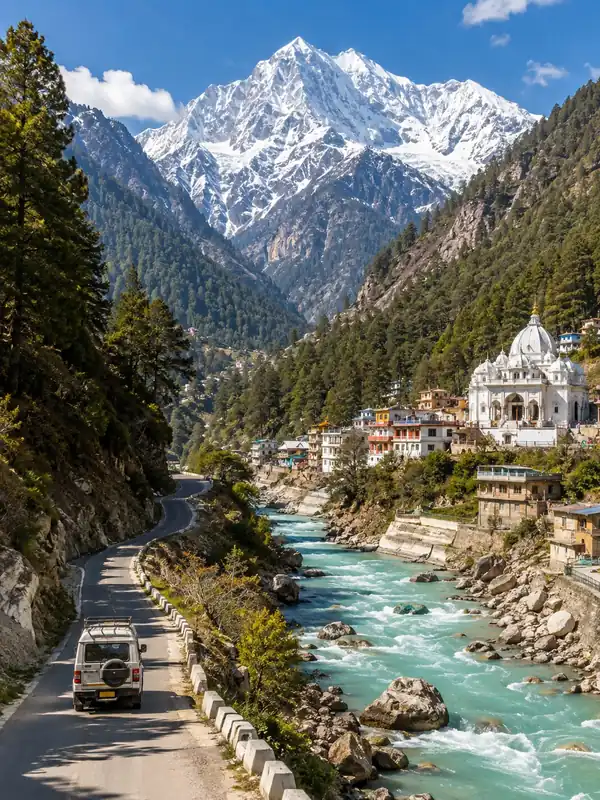
Gangotri Dham holds several surprises: the river beside the temple is the Bhagirathi, not the Ganga (the name changes only at Devprayag); the temple you see today was rebuilt after avalanche damage; and an Akhand Jyoti burns inside the closed temple through all six winter months.
It is a popular fact that Gangotri Dham has an incredibly colourful and vibrant history that dates back to ancient times. Needless to say, there will be numerous mythological as well as historical stories around it. This seat of goddess Ganga is replete with a number of interesting and lesser-known facts, which only adds to its mesmerizing aura. There's obviously more to the Dham than meets the eye. So let's uncover those elusive Gangotri facts, shall we?
Here are a few lesser-known facts of Gangotri Dham that will inspire you to pack up and make your way to the Dham:
1. Story of Bhagirath Shila
The Shila is located right behind the temple and right next to the fast-flowing Bhagirathi River. This is a rock structure and it is named after the great king Bhagirath. People also come here to perform Pind Daan for their ancestors, which is considered to be an extremely sacred ritual.
This is the place where the king is said to have meditated deeply in order to appease the goddess Ganga. He wanted her to descend down to earth from heaven and provide salvation to the ashes of his ancestors who were cursed by sage Kapil. He finally succeeded and she came down to this world and has been cleansing since then.
2. Temple Structure
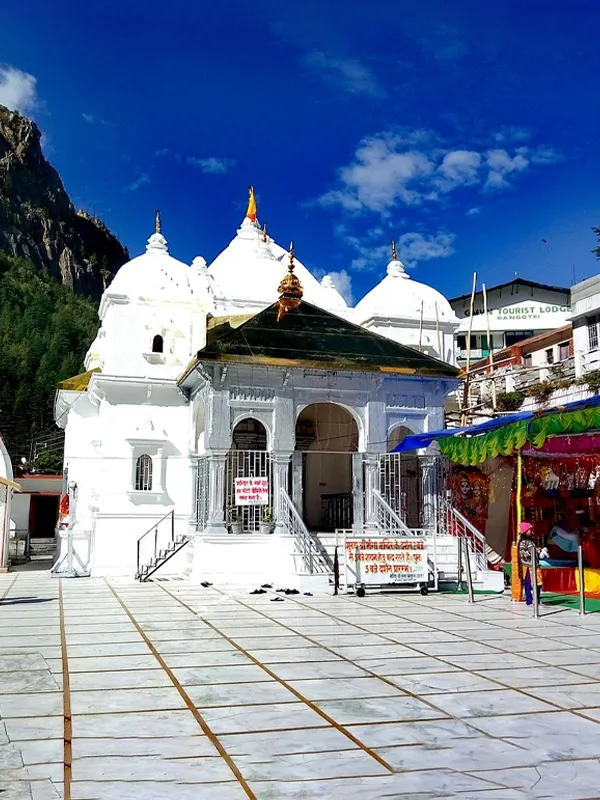
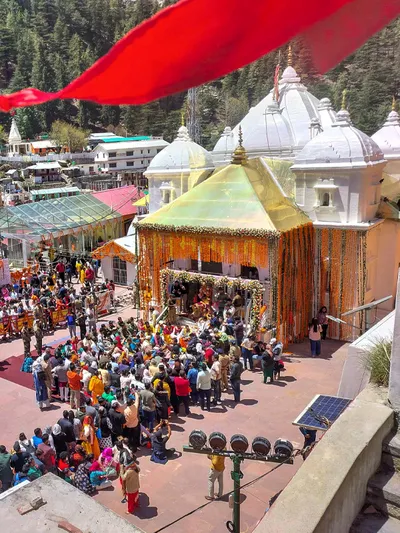
The temple of Gangotri was first constructed by the great Nepalese General, Amar Singh Thapa, in the 18th century. He did so with the help of various locals here because he wished to mark the point of emergence of the holy river Ganga. The present temple is understood to have developed around an older site associated with worship of Goddess Ganga.
The temple has since been renovated more than once. It was later renovated by the royal house of Jaipur, in the late 19th to early 20th century. The shrine was created by utilizing a typical north Indian traditional architectural style.
3. Story of Pandav Gufa
Situated in extremely close proximity to the main temple of Gangotri as well as Suraj Kund, this place is a small dark cave, which is said to have been the stopover point for the Pandav brothers and their wife Draupadi, on their way to Kailash Parvat.
From outside, the Gufa looks very small, but from the inside, it offers a large space, which makes the story about the Pandavas spending time here more plausible. The cave has long been home to sadhus who live a simple, secluded life here, and the interior is typically decorated with photos of gods and goddesses. Even after all these years, the mythological significance of this place remains untouched.
4. Hues of Royal Pink
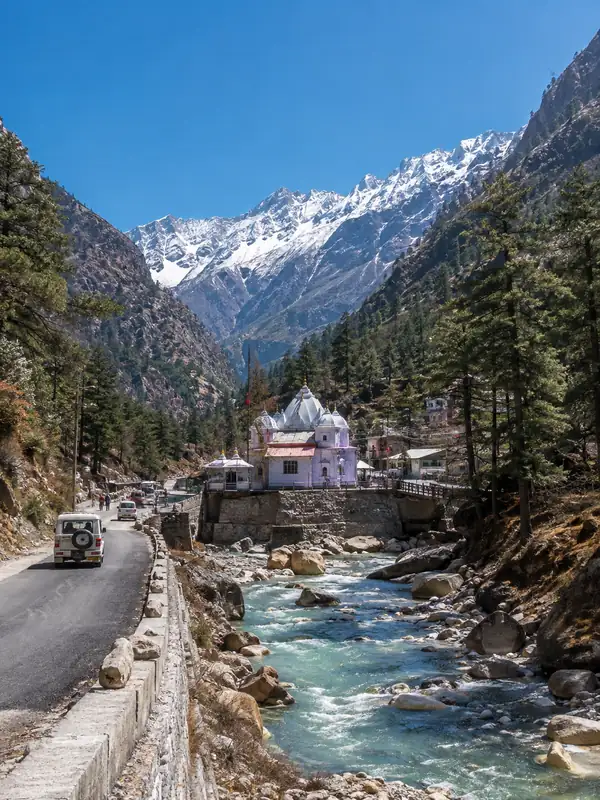
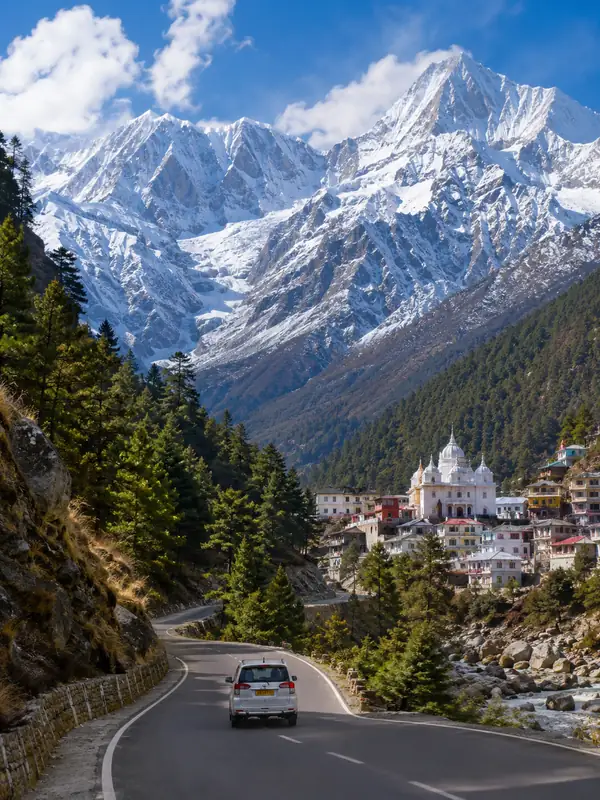
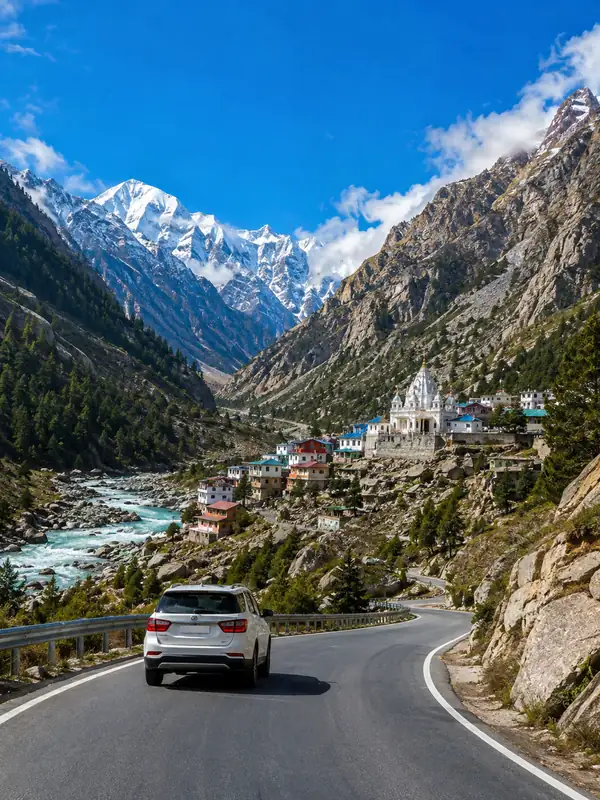
Although the temple may seem to be stunningly white but if you take a closer look or do some research on the colour of the temple, you will be amazed to find that the temple holds some amount of light pink colour. The light pink shade essentially adds some mystifying charm to the temple.
5. Akhand Jyoti
Just like all the other Chardham sites, the temple Kapat shuts down for Darshan to the general pilgrims for 6 months. However, the insides of the temple remain illuminated as before closing the temple, the priests light up an Akhand Jyoti which keeps on burning for the entire time it is closed off. The oil used is locally sourced, made by small local girls (which is also a tradition).
6. Not the Original Source of the Ganga!
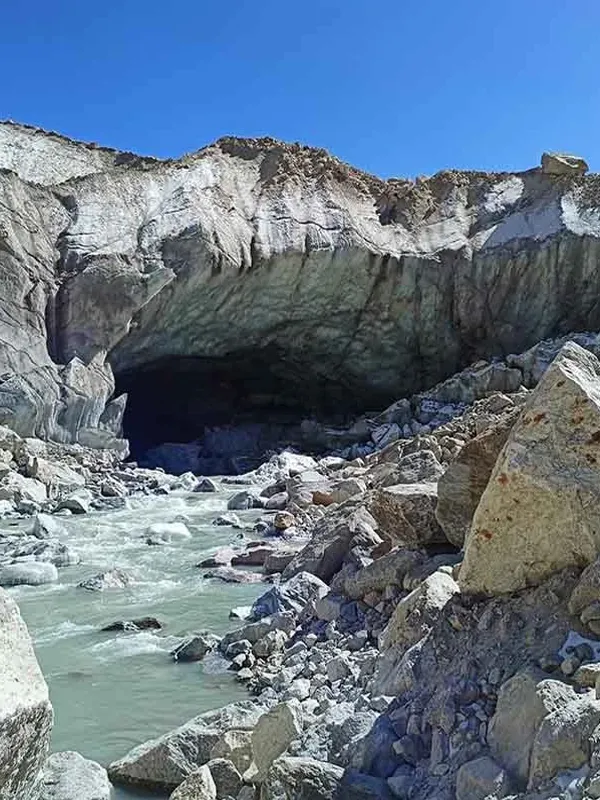
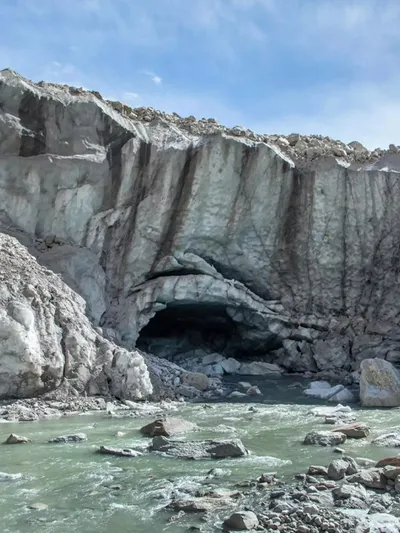
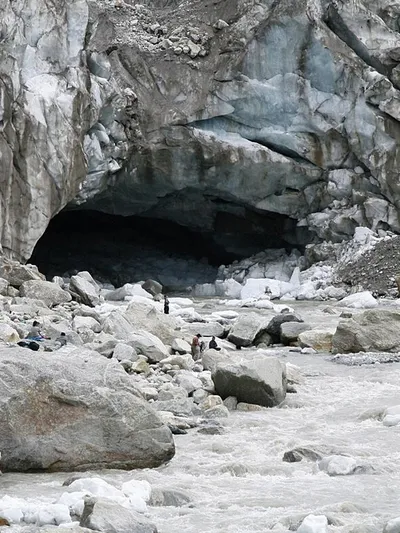
Although the whole shrine is constructed to celebrate the River Ganga, it's not the actual source of the holy river. About 18–19 km from here lies the Gaumukh, which is the real source
7. Bhagirathi Becomes Ganga Only at Devprayag
The river flowing past Gangotri is not the Ganga! It's actually Bhagirathi. The river is not called Ganga until it merges with the Alaknanda River at Devprayag.
Symbolically, this represents the fusion of penance (which represents Bhagirathi) with divine grace (embodied by Alaknanda). Often, pilgrims visit both places for a wholesome spiritual experience.
8. Cooking with Salt Was Once Prohibited at Gangotri
According to local tradition, to show austerity and purity, devotees in ancient times did not use salt in their food, in the belief that it could distract from the sacredness of meditation and prayer. Some residents of nearby Dharamshalas or ashrams reportedly still follow this practice today.
9. Ganga Aarti in Gangotri Is Minimalist
You might have seen the grand show of Ganga Aarti at Haridwar or Rishikesh, where it's performed with great zeal and vigour. You would see big lamps with bells going on, while continuous chanting of the mantras is carried out.
In stark contrast, Gangotri Aarti is performed in a quite peaceful manner. In fact, it's so serene and tranquil in nature that it's conducive for a meditative environment — letting devotees connect with the river at a much deeper and spiritual level.
10. Jalamagna Shivling
A Jalamagna Shivling always stays submerged in the Bhagirathi River. It becomes visible only during the wintertime as water recedes, and for the rest of the year, it stays hidden.
As per the mythological account, it represents the exact spot where Lord Shiva received the gushing flow of the Ganga in his matted locks when she was descending to this world. Owing to this huge spiritual significance, it is one of the most important places in Gangotri!
Hope these Gangotri facts made you at least a little more curious about the sacred Dham. Visit the Dham yourself and discover some more facts of your own! Sounds fun, right?
Frequently Asked Questions
Is the river at Gangotri really the Ganga?
No — it's the Bhagirathi River. The name "Ganga" is only used after the Bhagirathi merges with the Alaknanda River at Devprayag.
Where is the actual source of the Ganga?
At Gaumukh, roughly 18–19 km from Gangotri Temple, at the mouth of the Gangotri Glacier.
Who built the original Gangotri Temple?
Amar Singh Thapa, a Gorkha general, in the 18th century. It was later renovated by the royal house of Jaipur after avalanche damage.
What is Bhagirath Shila?
A rock structure right behind the temple, on the banks of the Bhagirathi River, believed to be where King Bhagirath meditated to bring Goddess Ganga down to earth. Pilgrims also perform Pind Daan here.
What is the Akhand Jyoti at Gangotri?
A continuously burning lamp lit by priests before the temple closes for winter, kept alight throughout the six months the temple is shut to pilgrims.
What is Pandav Gufa?
A small cave near the main temple and Suraj Kund, traditionally believed to be a stopover for the Pandava brothers and Draupadi on their way to Kailash Parvat. It has long been home to sadhus.
Why is salt traditionally avoided near Gangotri?
Historically, devotees avoided salt in their food near the temple as a mark of austerity and purity, believing it could distract from meditation and prayer. Some ashrams and dharamshalas nearby still follow this practice.
What is the Jalamagna Shivling?
A Shivling submerged in the Bhagirathi River, visible only in winter when water levels recede. It's believed to mark the spot where Lord Shiva received the Ganga's flow in his hair.
Is the Gangotri Temple actually white?
It appears white at a glance, but has a subtle light-pink tint that becomes visible on closer look.
How is Gangotri's Ganga Aarti different from Haridwar's?
Haridwar and Rishikesh host large, elaborate aartis with big lamps and loud chanting. Gangotri's version is comparatively minimalist and quiet, suited to a more meditative experience.
Gangotri Travel Guide



Gangotri Travel Packages
Important Safety Notice
Beware of Fake Char Dham & Kedarnath Helicopter Booking Websites
Fake websites, WhatsApp accounts and advertisements may impersonate genuine travel companies or helicopter operators. Always verify before paying.