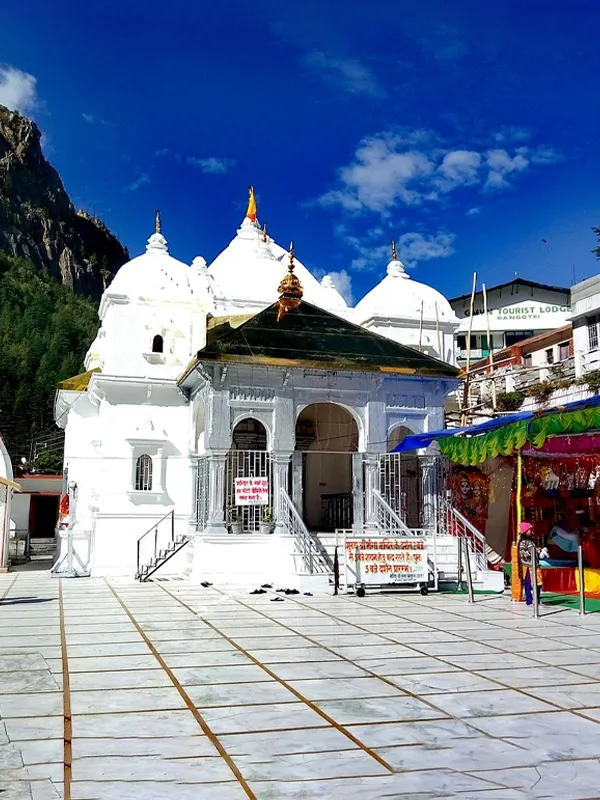
Altitude Sickness at Gangotri: What Pilgrims Need to Know
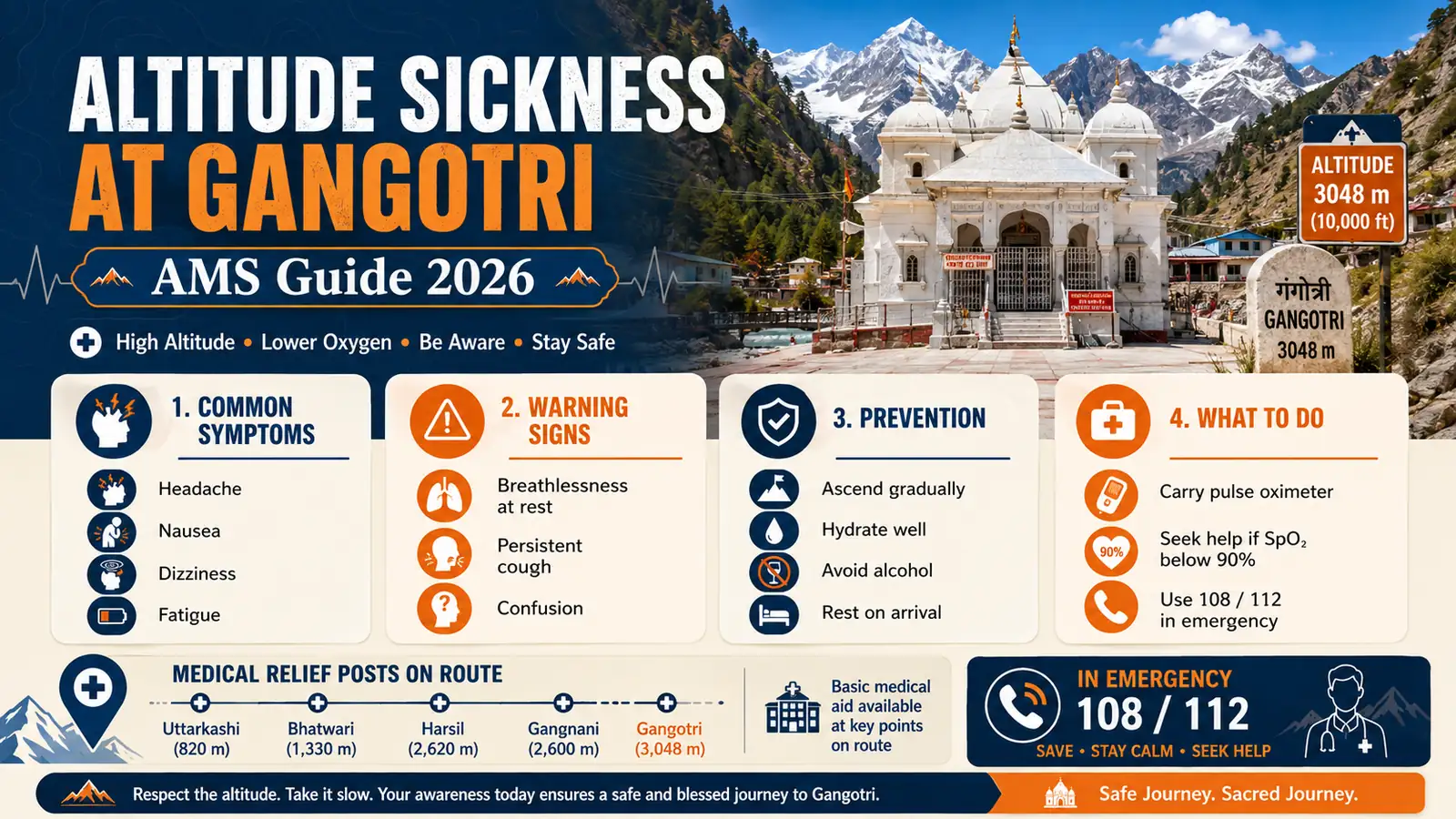
A headache that won't go away, unusual breathlessness, feeling more tired than the walking should explain — these are easy to dismiss as "just the travel" until they're not. Gangotri sits high enough that altitude sickness is a genuine, well-documented risk for pilgrims, and knowing the difference between a mild adjustment and a warning sign can matter a great deal. This guide covers what altitude sickness actually is, how it shows up at Gangotri specifically, and what official medical advisories recommend.
Quick Answer: Altitude sickness (Acute Mountain Sickness, or AMS) can affect pilgrims travelling to Gangotri, which sits at high altitude above 2,700 metres. Common symptoms — headache, nausea, dizziness, fatigue — usually settle on their own within a day or two if you don't ascend further, but if they worsen instead, descend and seek medical care rather than waiting them out. Uttarakhand's official 2026 "Swasth, Satark, Safal" health advisory recommends a gradual travel schedule, carrying a pulse oximeter, and seeking help at the nearest Medical Relief Post if your oxygen saturation drops below 90% — though a pulse-ox reading alone can't confirm or rule out AMS. Breathlessness at rest, persistent cough, or confusion are warning signs that need immediate medical attention and should never be walked through.
Why Gangotri Carries a Real Altitude Risk
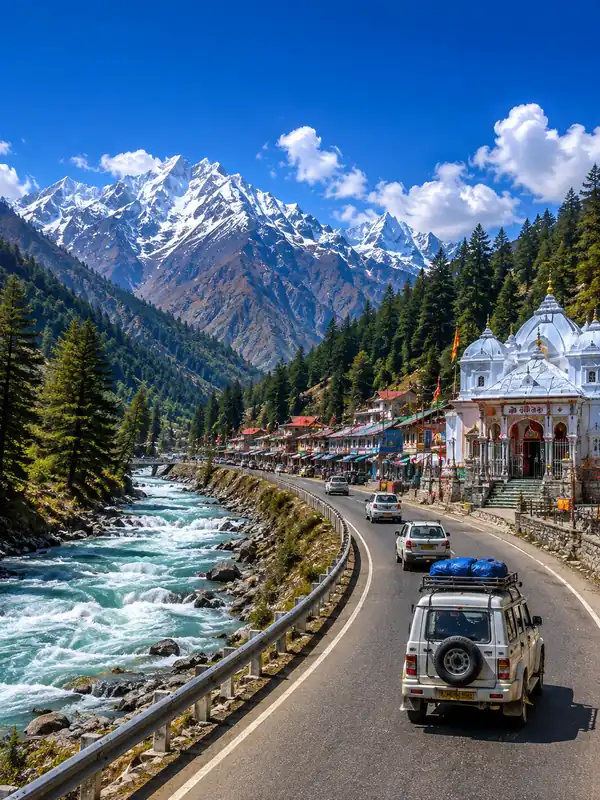
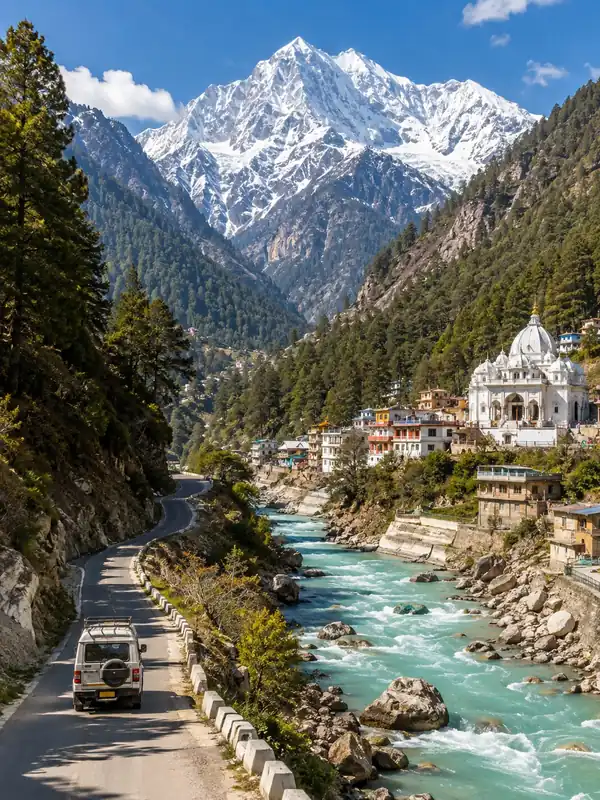
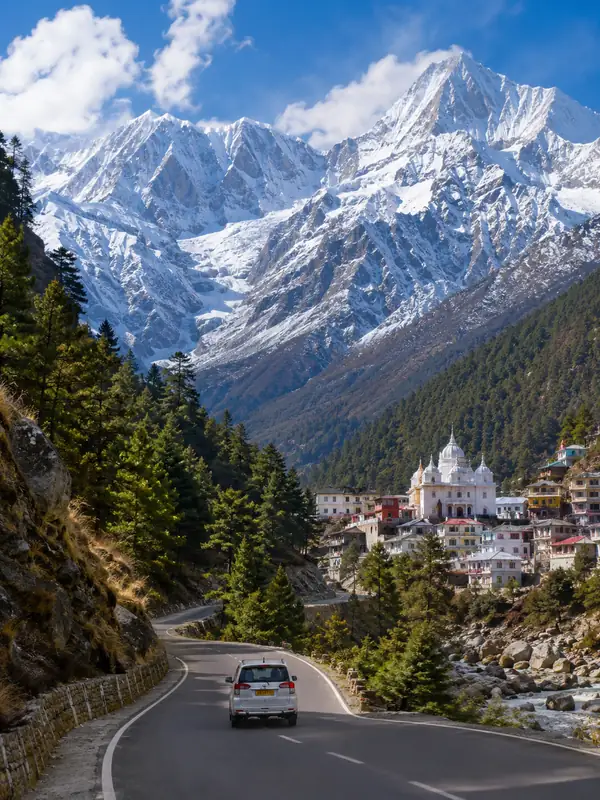
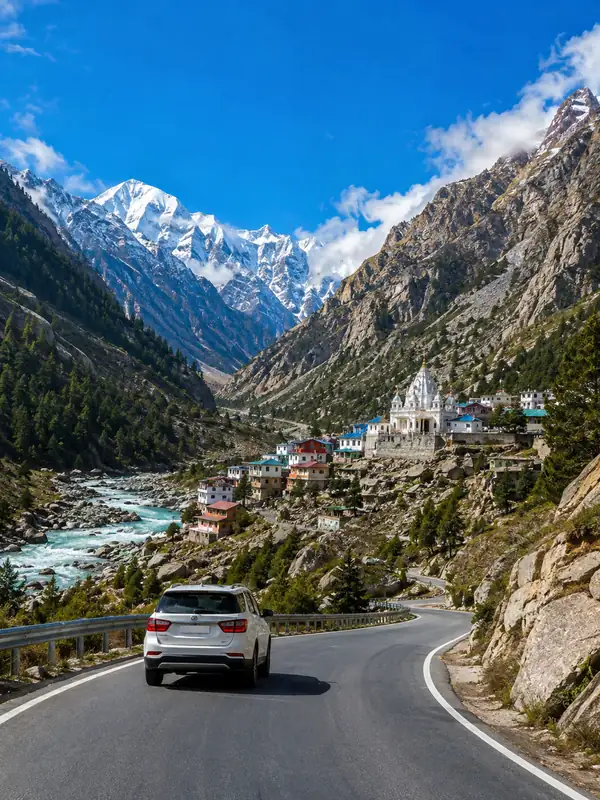
Gangotri sits well above 2,700 metres, a threshold that an official medical advisory for the Char Dham Yatra, issued by AIIMS Rishikesh, specifically flags for all four shrines. (Official sources don't fully agree on Gangotri's exact elevation — figures ranging from roughly 3,100 m to 3,415 m appear across different government and tourism sources — but every source places it well within high-altitude territory for AMS purposes.) Most pilgrims travel from low-altitude cities and cover a significant elevation gain in a short window, which is exactly the kind of rapid ascent that increases AMS risk. Unlike a dedicated high-altitude trek where days are deliberately built in for acclimatization, a pilgrimage schedule can move through several elevation changes over just a few days, which is worth being aware of when planning your itinerary.
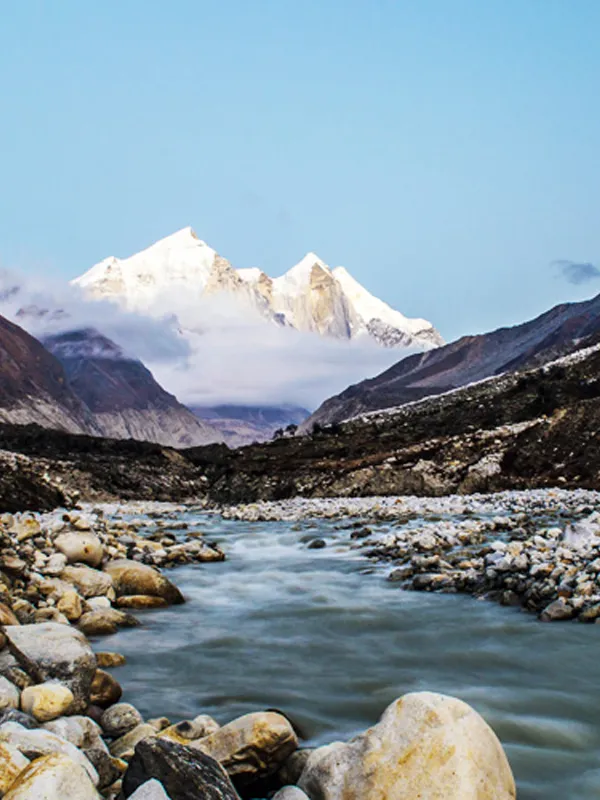
Risk also depends heavily on where you actually sleep, not just the highest point you visit during the day — a traveller who sleeps at Gangotri is exposed differently than someone who visits for a few hours and returns to a lower town the same evening. This matters even more if your trip extends toward Gaumukh, which sits considerably higher still (commonly cited around 4,000 m), with the Bhojwasa camp partway along the trek at roughly 3,800 m — both well above Gangotri itself.
Uttarakhand's 2026 Health Advisory and Medical Infrastructure
This is the freshest and most directly relevant information for anyone travelling this season. Ahead of the 2026 Char Dham Yatra, the Uttarakhand Health Department released a dedicated advisory titled "Swasth, Satark, Safal" (Healthy, Alert, Successful), specifically aimed at pilgrims coming from other states. Its core recommendations include:
- Spending at least 24–48 hours in Haridwar or Rishikesh before continuing to higher altitudes, which makes the travel schedule more gradual — though this shouldn't be treated as full acclimatization to Gangotri's altitude, since both towns sit far lower than Gangotri itself.
- Building general fitness through regular walking and yoga in the weeks before the trip, which can help with the physical demands of the pilgrimage — though it's worth being clear that fitness doesn't prevent AMS itself; a fit traveller can still develop symptoms just like anyone else.
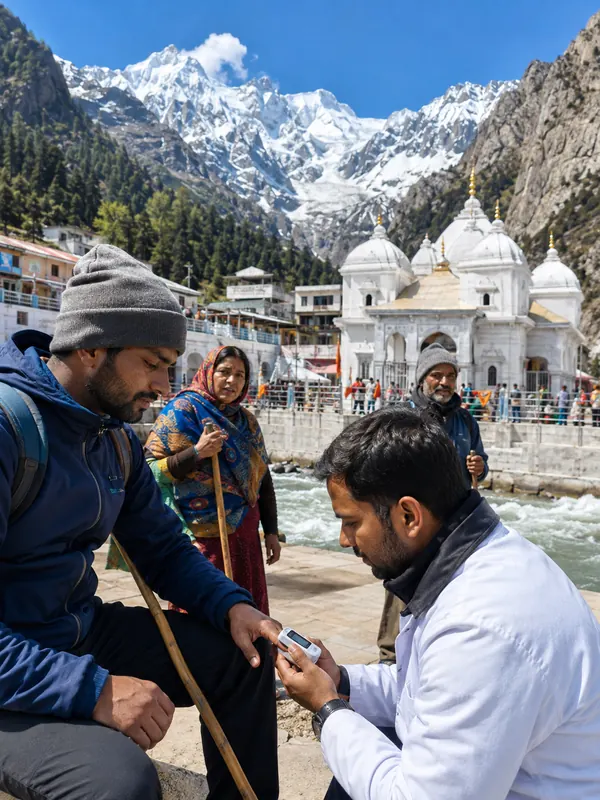
- Carrying a portable pulse oximeter and seeking help at the nearest Medical Relief Post if oxygen saturation drops below 90% — this is the advisory's own trigger point for seeking assistance, not a standalone way to diagnose AMS. A pulse-ox reading should be considered alongside how you're actually feeling, not as a substitute for it.
- Avoiding alcohol, and moderating caffeine intake, while favouring warm water and a balanced, high-energy diet. One nuance worth knowing: if you regularly drink caffeine, stopping abruptly can itself cause a withdrawal headache that's easy to mistake for an altitude headache — so if you do cut back, doing it gradually rather than all at once may help you tell the difference.
The advisory specifically recommends that elderly pilgrims, and those with heart conditions or respiratory ailments, get a medical check-up before undertaking the pilgrimage. Reporting on the 2026 season's mandatory age-based health screening has varied — some sources cite 50 as the threshold, others cite 55 — so rather than treating either number as fixed, confirm the current screening age directly with official Uttarakhand Yatra or health authorities closer to your travel dates.
On the ground, this season's medical infrastructure has also been meaningfully expanded, with five Medical Relief Posts reported specifically on the Gangotri route this season — spacing between posts has reportedly been tightened compared to previous years, though exact intervals vary by source. A new initiative has also deployed roughly 100 trained "Swasthya Mitras" (Health Friends) along the Yatra routes, equipped to provide first aid and immediate assistance before transporting anyone unwell to the nearest relief post. Real-time health monitoring is coordinated through a portal called e-Swasthya Dham, and this season's reporting cites 177 ambulances — including advanced life support and cardiac units — stationed across the Yatra routes, alongside a helicopter ambulance coordinated through AIIMS Rishikesh for serious emergencies. The primary ambulance number is 108, active 24×7; for general emergency response, 112 is the national number to know.
What AMS Actually Is
Altitude sickness happens because your body hasn't yet adjusted to the lower oxygen levels available at higher elevations. According to the CDC's health guidance for high-altitude travel, AMS is typically self-limited and generally resolves within 12–48 hours as long as you don't ascend any further — but that resolution depends on giving your body that time, rather than pushing on with the itinerary regardless of symptoms. If symptoms worsen despite resting at the same altitude, that's a different situation: the standard medical guidance is to descend rather than wait for further improvement.
Common Symptoms to Watch For
The AIIMS Rishikesh Char Dham medical advisory specifically notes that pilgrims may develop headache, nausea, or dizziness, and describes these as AMS symptoms that generally settle on their own. Other commonly reported symptoms across high-altitude medical guidance include:
- Headache (often the first and most common symptom)
- Nausea, loss of appetite, or vomiting
- Dizziness or lightheadedness
- Unusual fatigue
Sleep disturbance is also very common at altitude, but on its own it doesn't necessarily mean AMS — plenty of people sleep poorly at altitude without having altitude sickness, so treat it as a normal adjustment rather than a red flag by itself.
These mild-to-moderate symptoms are common and expected for many travellers gaining altitude quickly, and they don't automatically mean something is seriously wrong — but they are a signal to stop, rest, and monitor rather than push through.
Warning Signs That Need Medical Attention
This is the part that matters most. According to the official AIIMS Rishikesh advisory, if you develop excessive fatigue, breathlessness, or cough, these can be signs that AMS is progressing toward more serious high-altitude conditions — High Altitude Pulmonary Edema (HAPE) or High Altitude Cerebral Edema (HACE) — which are medical emergencies. Other red flags commonly cited in high-altitude medical guidance include:
- Breathlessness even at rest (not just during exertion)
- Persistent cough, especially with frothy or blood-tinged sputum
- Confusion, unusual clumsiness, or difficulty walking in a straight line
- Symptoms that keep worsening rather than improving with rest
If any of these appear, the standard medical guidance is unambiguous: stop ascending, and get to a medical facility. Continuing upward with worsening symptoms is specifically what turns a manageable case of AMS into a genuine emergency.
What Official Advisories Recommend
The AIIMS Rishikesh Char Dham medical advisory lays out precautions that apply directly to Gangotri:
- Avoid strenuous exercise at altitude, especially in the first 48 hours after arrival.
- Follow the official fluid guidance without overdoing it — the advisory recommends at least 2 litres daily, with warm, sweet liquids noted as preferable, but forcing excessive water beyond what your body needs isn't necessary and isn't the goal.
- Treat mild symptoms symptomatically — the advisory mentions paracetamol or anti-nausea medicine for headache or nausea that isn't severe.
- Report to a medical centre if symptoms worsen, rather than waiting to see if they resolve on their own.
Beyond the official advisory, general high-altitude medical guidance (including CDC recommendations for travellers) also emphasizes gradual ascent where your itinerary allows it, and getting adequate rest rather than pushing through fatigue.
What About Diamox?
Acetazolamide, commonly known by the brand name Diamox, is a medication that's widely used to help with altitude acclimatization, and it comes up constantly in Char Dham health discussions. It can be used both to treat symptoms and, in some cases, prescribed preventively before a trip where rapid ascent is unavoidable — but either way, it needs to be a doctor's decision, not a self-prescribed one. It's a sulfonamide-derived medication with real contraindications and side effects for some people (including certain allergies or kidney issues), and dosing needs to be tailored to the individual by someone who knows your medical history. If you're considering it, talk to your doctor well before your trip, not the night before you leave. Don't take it, or any other AMS medication, without medical guidance.
Who Should Be Extra Cautious
- Older pilgrims — 2026 reporting on mandatory age-based health screening has cited different thresholds (50 in some sources, 55 in others), so confirm the current requirement with official Yatra authorities rather than assuming either number.
- Pilgrims with existing heart, lung, or kidney conditions
- Anyone with a prior history of altitude sickness on previous trips
- People travelling with young children, who may not clearly communicate symptoms like headache or nausea
If you fall into any of these categories, a pre-trip medical check-up is genuinely worth doing rather than skipping — and depending on your age, it may not be optional this season regardless of which exact threshold applies to you.
Practical Prevention Tips
- Don't rush the ascent if your itinerary allows any flexibility — a night at an intermediate altitude before pushing higher gives your body more time to adjust.
- Hydrate consistently, not just when you feel thirsty — dehydration makes AMS symptoms worse.
- Avoid alcohol and minimize strenuous activity in your first day or two at altitude.
- Eat light, regular meals rather than heavy or oily food, which can be harder on your system at altitude.
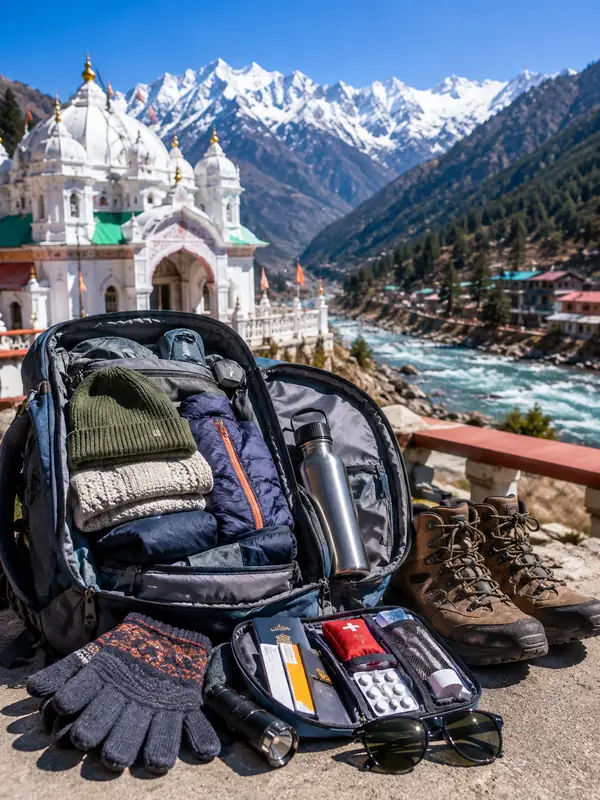
- Carry a basic first-aid kit with paracetamol and anti-nausea medication, as suggested in the official advisory.
- Carry a pulse oximeter, per the 2026 official advisory — seek help at the nearest Medical Relief Post if your oxygen saturation drops below 90%. Keep in mind a pulse-ox reading alone can't confirm or rule out AMS; use it alongside how you're actually feeling, not instead of it.
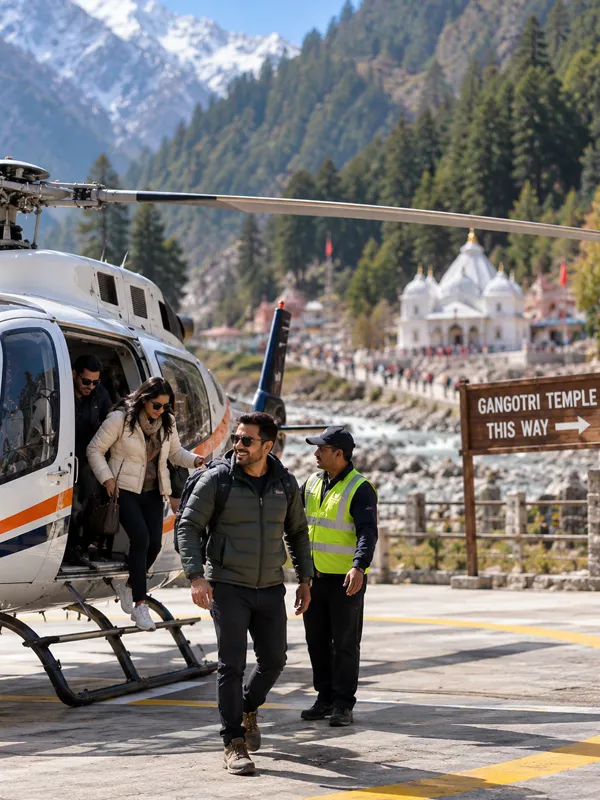
- Know your descent option in advance. If symptoms worsen, descending is the single most effective response, and knowing your route and transport options ahead of time saves critical time in an actual emergency.
Common Mistakes Pilgrims Make
- Ignoring a headache and continuing to ascend: this is exactly the pattern medical advisories warn against.
- Treating alcohol or heavy meals as harmless on arrival: both can worsen symptoms at altitude.
- Assuming fitness protects against AMS: altitude sickness isn't primarily about physical fitness — it can affect fit and unfit travellers alike.
- Self-medicating with Diamox without a doctor's input: it's a prescription medication for a reason.
- Waiting too long to seek help when symptoms worsen: early descent and medical attention are far more effective than waiting to see if things improve on their own.
FAQs
Q1. Is altitude sickness common at Gangotri?
It's a recognized risk given Gangotri's elevation, which is why an official medical advisory for the Char Dham Yatra specifically addresses it. Risk varies by individual and by how quickly you ascend, so it's worth taking seriously rather than assuming it won't affect you.
Q2. What are the first signs of altitude sickness?
Headache is typically the first and most common symptom, often followed by nausea, dizziness, or unusual fatigue.
Q3. Do I need Diamox for Gangotri?
Not necessarily — it's not a routine requirement, and it should only be taken if a doctor recommends it for your specific situation, given its contraindications and side effects.
Q4. When should I worry about altitude sickness?
When symptoms include breathlessness at rest, persistent cough, confusion, or difficulty walking normally, or when mild symptoms keep worsening instead of improving with rest — these need immediate medical attention.
Q5. Does fitness level protect against altitude sickness?
Not reliably. AMS is related to how quickly your body adjusts to lower oxygen levels, not primarily to physical fitness, so even fit travellers can experience symptoms.
Q6. How much water should I drink at altitude?
Official Char Dham medical guidance recommends at least 2 litres of fluids daily, with warm, sweet liquids noted as preferable. Alcohol should be avoided; if you regularly drink caffeine, cutting back gradually rather than stopping abruptly can help you avoid a withdrawal headache that's easy to confuse with altitude symptoms.
Q7. Can children get altitude sickness at Gangotri?
Yes, and young children may not clearly describe symptoms like headache or nausea, so parents should watch for irritability, unusual fussiness, or reduced appetite as possible signs.
Q8. What should I do if my symptoms don't improve?
Report to a medical centre rather than waiting it out — official guidance is clear that worsening symptoms need medical evaluation, not continued self-treatment.
Q9. What medical facilities are available on the Gangotri route in 2026?
Five Medical Relief Posts are reported specifically on the Gangotri route this season, along with roughly 100 trained "Swasthya Mitras" deployed across the Yatra routes to provide first aid and immediate assistance. Ambulance response is coordinated through the e-Swasthya Dham monitoring portal, with 108 as the primary ambulance number.
Q10. Is a medical check-up mandatory before the Gangotri Yatra?
For older pilgrims, 2026 reporting indicates mandatory health check-ups at official screening points, though the exact age threshold has been reported differently across sources (50 or 55) — confirm the current requirement with official Yatra authorities. Even outside any specific age cutoff, a pre-trip check-up is strongly recommended if you have heart, lung, or kidney conditions.
Final Word
Altitude illness varies a lot between individuals, and there's no reliable way to predict in advance who'll develop only mild symptoms and who won't — a smooth previous trip or good fitness doesn't guarantee the same experience next time. The real risk comes from ignoring symptoms and continuing to push forward regardless. Know the warning signs, follow the basic precautions official advisories recommend, and treat "stop and rest" as a legitimate response rather than something to push through for the sake of the itinerary.
This article is for general travel-planning information and isn't a substitute for professional medical advice. If you have existing health conditions or concerns about altitude, consult a doctor before your trip.
Gangotri Travel Guide



Gangotri Travel Packages


Important Safety Notice
Beware of Fake Char Dham & Kedarnath Helicopter Booking Websites
Fake websites, WhatsApp accounts and advertisements may impersonate genuine travel companies or helicopter operators. Always verify before paying.