Gangotri Weather & Temperature Guide
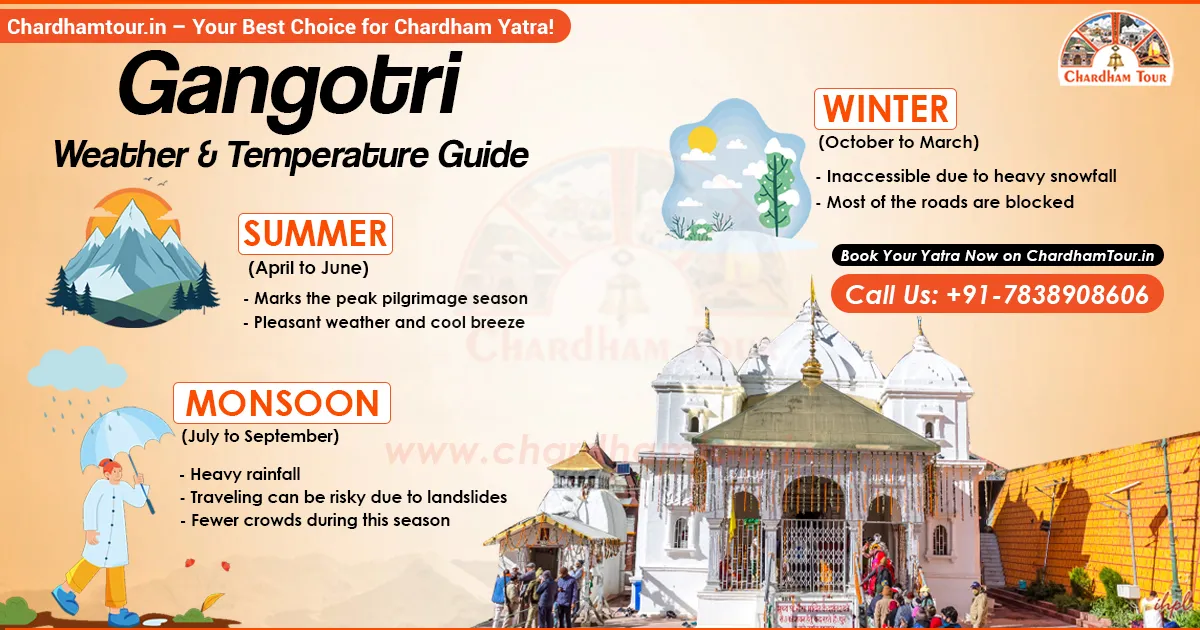
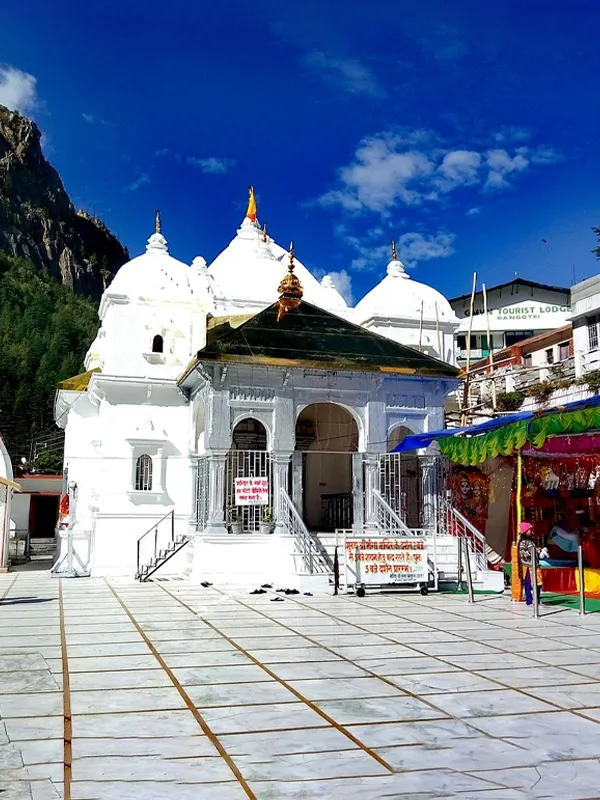
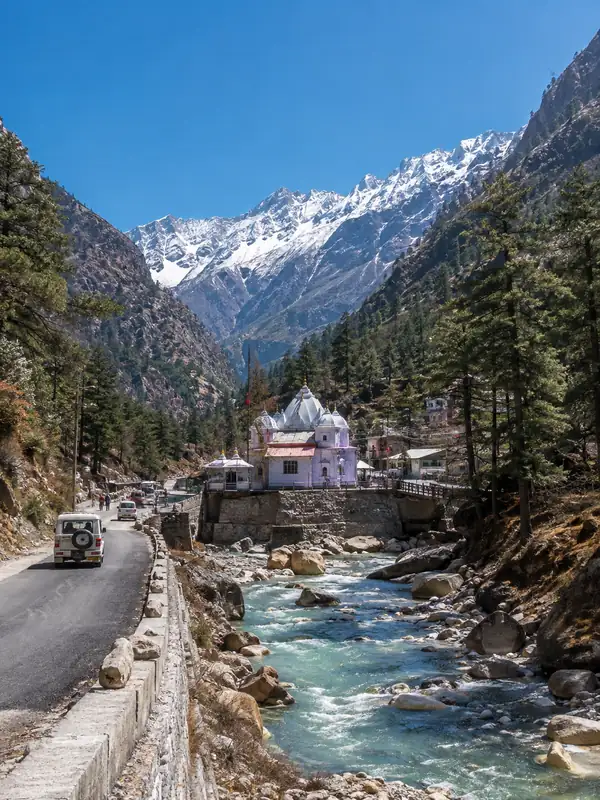
Gangotri Temple sits at roughly 3,100m in the Garhwal Himalayas (official sources give slightly different figures for the wider Gangotri area, generally up to about 3,415m depending on the reference point), so the whole region runs on high-altitude weather patterns all year round. Planning a visit to Gangotri really comes down to timing — the window when the temple is open and road access is generally available is fairly narrow, and conditions inside that window still swing a lot month to month.
Here’s a full month-wise breakdown to help you plan around it.
Key Takeaways
- Season: Roughly May to October/November — the temple is closed the rest of the year
- 2026 opening: 19 April (Akshaya Tritiya) — confirmed by the official Tourist Care Uttarakhand portal
- 2026 closing: Expected around 10–11 November (near Bhai Dooj) — not yet officially confirmed; check closer to your travel date
- Warmest months: June–August — long-term climate averages put daytime highs around 15–16°C, though sunny afternoons can feel warmer
- Coldest months: December–February, at or below freezing even during the day, with the temple shut
- Monsoon risk: July–August sees the highest chance of landslides and road disruption
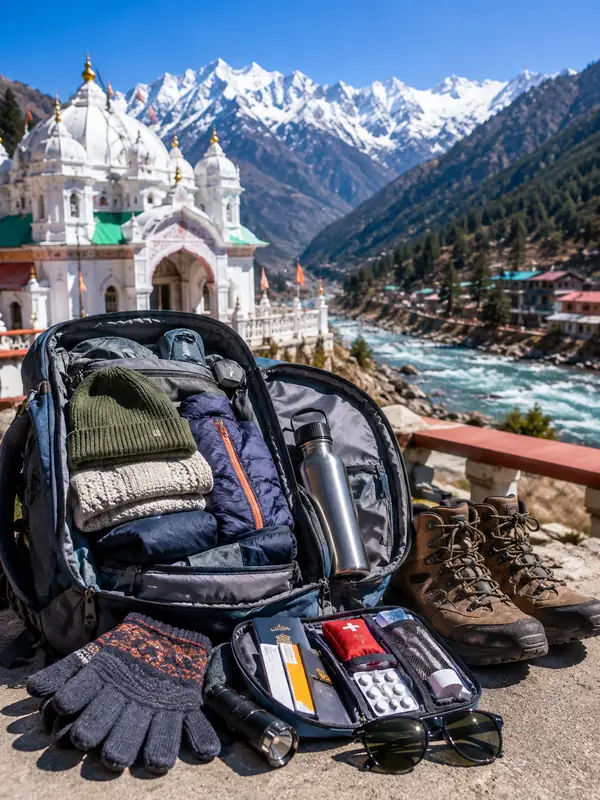
- Pack for: cold mornings and nights year-round, even in peak summer — warm layers are essential
Summer in Gangotri (April–June)
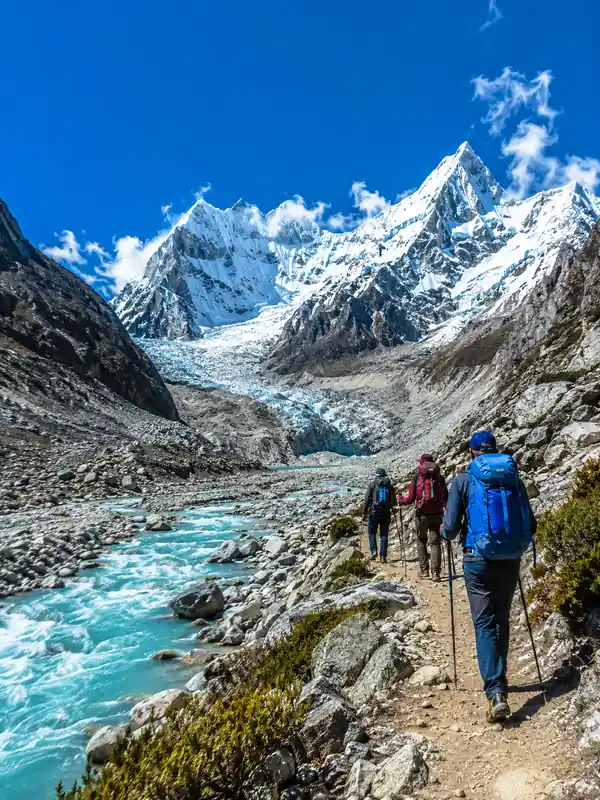
April to June covers the summer season in Gangotri, though “summer” here is relative — long-term climate averages put daytime highs climbing from cold single digits in April to around 15–16°C by June, with sunny afternoons occasionally feeling milder. Nights stay cool to cold throughout. This is when both pilgrims and trekkers head to Gangotri, including those setting off for the Gaumukh glacier trek. Mornings can be cold and clear, though cloud cover and conditions can change quickly, so warm layers matter even at the peak of summer.
Monsoon in Gangotri (July–September)
Pilgrimage and trekking activity both slow down through the monsoon. The region sees frequent rain, and daytime highs generally stay in the mid-teens (°C), running from July into September. Travel during this window isn’t recommended because of landslide and road-disruption risk — if you do get a clear, sunny stretch, it can still work, but keep a flexible itinerary and check road conditions before setting out.
Winter in Gangotri (Late November–March)
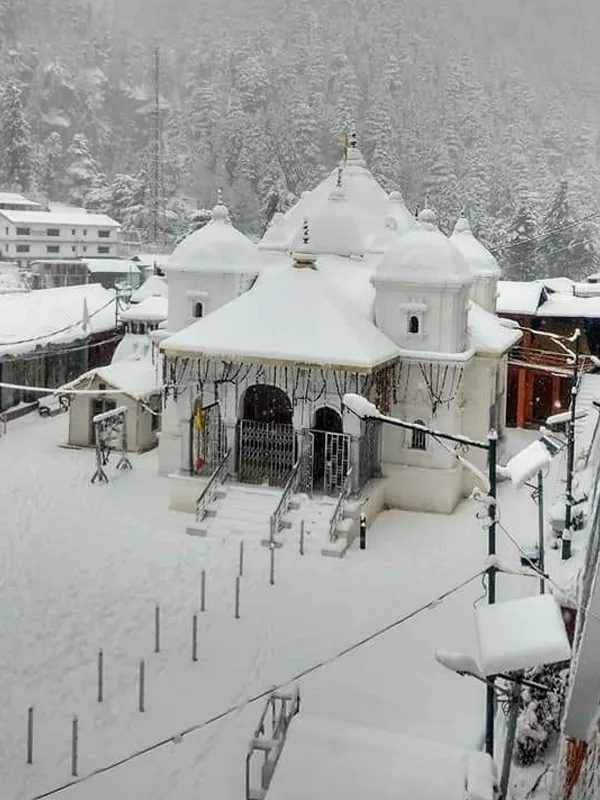
Once the temple closes for the season — expected around mid-November in 2026 — Gangotri moves into full winter, with regular snowfall affecting the whole region through to March. Daytime temperatures generally stay at or below freezing on colder days, occasionally reaching a few degrees above zero. Heavy snowfall can cover the temple and surrounding area during this period. This is also when the idol of the presiding deity is moved to her winter home in Mukhba, near Harsil, until the temple reopens on Akshaya Tritiya. October itself is still part of the open season (see the month-wise breakdown below) — it’s cold and marks the shift toward winter, but the temple remains accessible.
Note on temperature figures: Weather figures for Gangotri vary noticeably between tourism guides and long-term climate datasets — sometimes by 5–8°C for the same month. The month-wise figures below are indicative daytime ranges rather than a live forecast; independent climate datasets tend to run several degrees colder for the same months (for example, placing peak-summer daytime highs closer to 15–16°C, and January highs at or below 0°C). Treat this as a general planning guide, and check a live weather forecast closer to your travel date — weather (day-to-day conditions) and climate (long-term averages) aren’t the same thing.
Gangotri Month-Wise Weather
January — The region stays under a thick blanket of snow, with regular snowfall and daytime temperatures around freezing or below (long-term averages put nights well below -5°C). The temple remains closed for the season, and pilgrimage activity is minimal due to the harsh conditions.
February — Cold conditions continue, with daytime highs typically around 0–2°C and severe sub-zero nights. The temple stays shut.
March — Temperatures start climbing slowly, with daytime highs generally around 3–6°C. Occasional snowfall still occurs, nights remain well below freezing, but there’s a clear warming trend, and preparations for reopening the temple begin.
April — Daytime highs generally run around 5–10°C, with nights that can still fall below freezing. Road and access conditions improve as the pilgrimage season approaches. The temple opens late in the month, on Akshaya Tritiya — 19 April in 2026.
May — With the temple newly open, typical daytime highs run around 10–13°C — a relatively comfortable window after winter, though mornings and nights stay cold, and the region sees a large pilgrim turnout.
June — Long-term climate data puts average daytime highs around 15–16°C, with sunny afternoons sometimes feeling warmer. It’s a generally favourable pre-monsoon window for the Gaumukh glacier trek, subject to trail, weather, and permit conditions.
July — Monsoon sets in, with daytime highs generally staying in the mid-teens (°C). Rain, cloud cover, and road-disruption risk increase toward the end of the month — confirm current conditions with your tour operator before travelling.
August — Daytime conditions remain cool to mild, with frequent and unpredictable rainfall. Travel isn’t advised, since the region is prone to landslides during this period.
September — Post-monsoon, daytime highs generally sit around 13–15°C. Days stay pleasant and cool; nights turn distinctly cold.
October — The Himalayan chill sets in properly, with daytime highs generally around 8–10°C, and nights that can fall below freezing. Pack proper woollens — October marks the start of the shift toward winter, though the temple remains open.
November — The temple closes for the season — expected around mid-November in 2026, not yet officially confirmed — with daytime highs generally around 5–7°C. Nights are freezing, and unpredictable snowfall becomes more common.
December — Heavy snowfall affects the region, with daytime highs generally around 2–3°C and nights well below freezing, making a visit impractical.
Best Time to Visit
May–June and September–October are generally the best windows — weather tends to be more stable and temperatures more comfortable within the pilgrimage season. July–August is best avoided due to monsoon rain and landslide risk, even though the temple stays technically open. If you’re comfortable with colder conditions and want to avoid peak summer crowds, late September through late October — right up to the temple’s November closing — is a good middle ground, often offering better post-monsoon visibility and more stable conditions than the peak monsoon months.
(Note: The 2026 opening date — 19 April, Akshaya Tritiya — is confirmed by the official Tourist Care Uttarakhand portal. The 2026 closing date is expected around mid-November but has not yet been officially finalised at the time of writing; confirm with the official portal or temple authorities closer to your travel date.)
FAQ
Q1: What is the best time to visit Gangotri?
Ans: May–June and September–October offer the most comfortable weather and stable road conditions. Avoid July–August due to monsoon rain and landslide risk.
Q2: What is the coldest month in Gangotri?
Ans: January is typically the coldest, with sub-zero temperatures throughout and the temple closed for winter.
Q3: Does it snow in Gangotri?
Ans: Yes — heavy snowfall is common from around November through March, and the region, including the area around the temple, can get covered in snow during peak winter.
Q4: What is the temperature in Gangotri in May?
Ans: Long-term climate averages put daytime highs around 10–13°C in May, making it a relatively comfortable month to visit right after the temple reopens — though mornings and nights stay cold.
Q5: Is Gangotri open during the monsoon?
Ans: Yes, technically, but travel isn’t recommended between July and August due to heavy rain, landslides, and road disruption risk. Some clear windows can still work if you stay flexible.
Q6: When does the Gangotri temple close for winter?
Ans: The temple typically closes around the Diwali/Bhai Dooj period in November. For 2026, this is expected around mid-November, but the exact date hadn’t been officially confirmed at the time of writing — check the official Tourist Care Uttarakhand portal closer to your travel date.
Q7: What should I pack for a Gangotri trip?
Ans: Warm layers regardless of season, since nights stay cold even in summer; rain gear if travelling near monsoon; and sturdy footwear for uneven terrain.
Q8: Is Gangotri colder than Kedarnath or Badrinath?
Ans: All four Char Dham sites sit at high altitude and experience cold, unpredictable mountain weather. Gangotri’s temperature pattern is broadly similar to the other Char Dham shrines, though local conditions can vary by exact elevation and exposure.
Q9: What is the best month for the Gaumukh trek in terms of weather?
Ans: June is generally a favourable pre-monsoon window, with milder daytime temperatures than earlier months — though actual trekking conditions also depend on trail status, weather, and permit availability.
Q10: Can I visit Gangotri in October?
Ans: Yes — October is part of the open season, with daytime highs generally around 8–10°C. It’s a good option for travellers who prefer cooler weather and often thinner crowds, though warm clothing is essential.
Gangotri Travel Guide
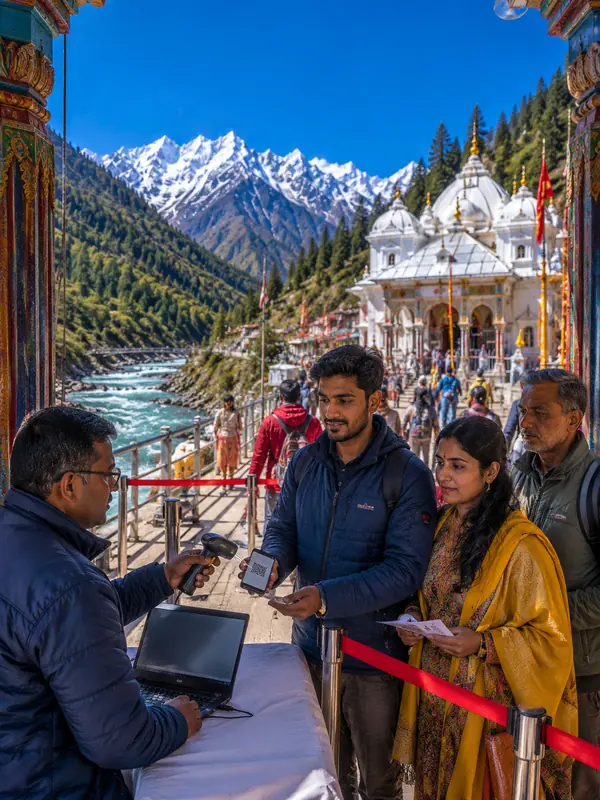



Gangotri Travel Packages

Important Safety Notice
Beware of Fake Char Dham & Kedarnath Helicopter Booking Websites
Fake websites, WhatsApp accounts and advertisements may impersonate genuine travel companies or helicopter operators. Always verify before paying.