Char Dham Weather 2026: Temperature & Rainfall

Four temples, four different elevations, one short season. That's the whole problem with Char Dham weather in one sentence. Kedarnath sits nearly 500 metres higher than Badrinath. Gangotri and Yamunotri get monsoon rain that can shut a road for days. None of that shows up if you just read "April to October" and start booking.
Late May to mid-June and mid-September to mid-October are generally the more favourable windows — cooler crowds than peak summer, and roads that have usually settled after the worst of the monsoon. July and August carry the highest rainfall and the highest chance of a blocked road. November through April, the temples are shut.
2026 opening dates confirmed against official sources as of August 2026. Weather described here reflects general seasonal patterns, not a live forecast — check IMD's Char Dham advisory and Uttarakhand's road-status updates before you leave, because conditions on the ground change faster than any article can.
Char Dham Yatra 2026 — When the Temples Are Actually Open
The season isn't decided by a single fixed date. Yamunotri and Gangotri open on Akshaya Tritiya, Kedarnath's date is set around Maha Shivratri, and Badrinath follows its own temple calendar — which is why all four rarely open on the same day.
| Dham | 2026 Opening | Closing |
|---|---|---|
| Yamunotri | 19 April 2026 | Confirmed closer to the date by the temple committee |
| Gangotri | 19 April 2026 | Confirmed closer to the date by the temple committee |
| Kedarnath | 22 April 2026 | Confirmed closer to the date by the temple committee |
| Badrinath | 23 April 2026 | Confirmed closer to the date by the temple committee |
Don't treat closing dates as fixed months out. They're announced against the religious calendar, and the gap between "expected" and "official" can matter if you're booking travel around it.
Height and Access — What Actually Makes the Weather Different
This is the part most weather pages skip, and it's the reason Kedarnath and Badrinath don't behave the same way in the same month.
| Dham | Elevation | How you reach it |
|---|---|---|
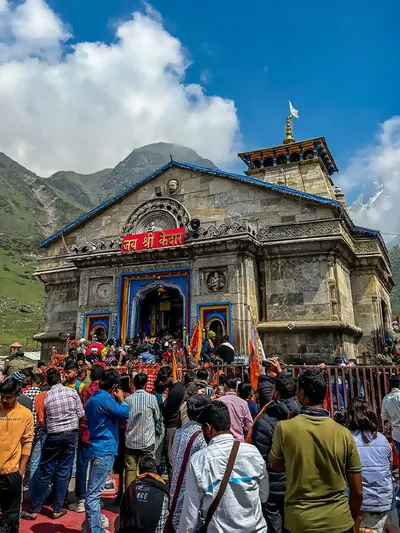
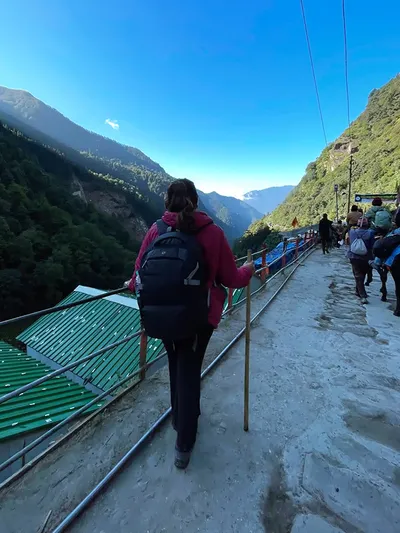
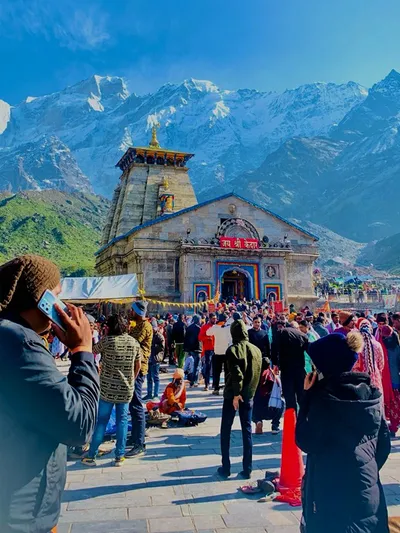
| Kedarnath | 3,580–3,584 m | 16 km trek from Gaurikund |
| Badrinath | 3,100 m | Motorable road all the way |
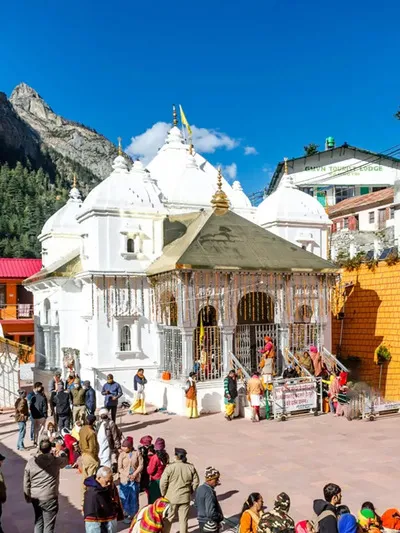
| Gangotri | 3,100 m (official figure; older records list the wider town closer to 3,415 m) | Motorable road to the temple |
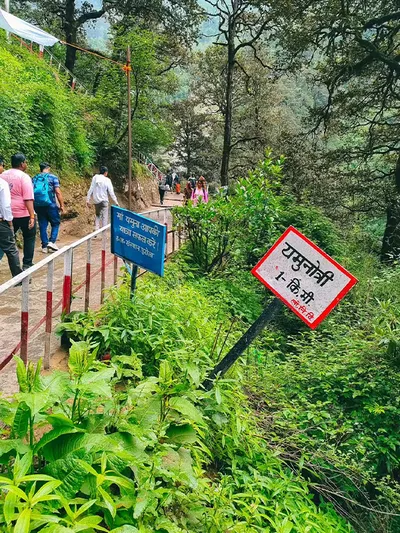
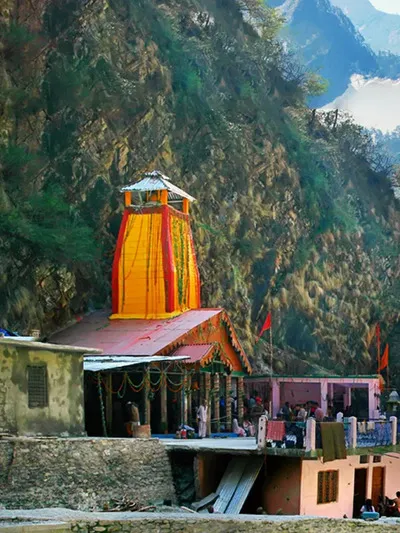
| Yamunotri | 3,291–3,293 m | 6 km trek from Janki Chatti (some official pages list 5 km — the temple committee's own site isn't fully consistent here) |
Kedarnath is the highest of the four by a wide margin. That's the real reason it runs colder and holds snow longer than Badrinath — not because one route is inherently more dangerous than the other.
Kedarnath Weather Month-Wise
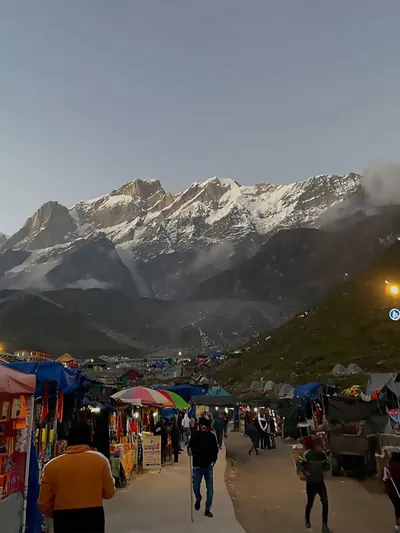
Kedarnath's elevation puts it in a different weather category from the other three shrines. Even in June, the warmest month of the season, nights get cold enough that people who packed for "summer" regret it by 9pm.
| Month | Conditions |
|---|---|
| April | Cold, early-season, still some residual snow near the temple |
| May | Cool during the day, sharp temperature drop at night |
| June | The most comfortable month for daytime trekking, cold nights |
| July | Monsoon begins — regular rain, sections of the trek route can get slippery |
| Mid-Aug – mid-Sept | Wettest stretch of the season, road and trek disruptions possible |
| Late Sept – Oct | Clearer skies as the monsoon recedes, noticeably colder than September |
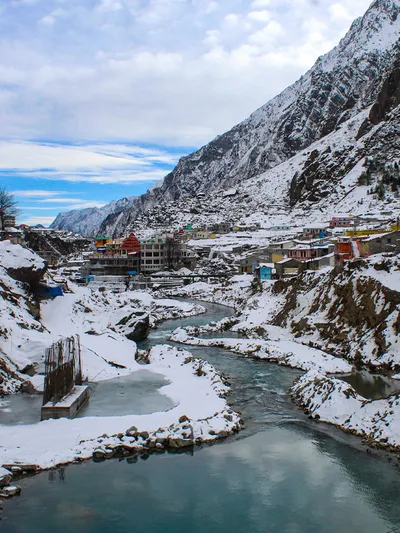
| Nov | Snow returns; temple closes for the season |
BKTC's own seasonal notes describe July through mid-September as Kedarnath's monsoon period, with occasional landslides on the approach — that's about as specific as the official information gets, and it's enough to plan around.
Explore: Best Time to Visit Kedarnath & Weather Guide
Badrinath Weather Month-Wise
Badrinath sits nearly 500 metres lower than Kedarnath, on a road the whole way, which changes the character of the season. Less trek exposure, less altitude-driven cold, but still a proper Himalayan winter once the temple shuts.
| Month | Conditions |
|---|---|
| April | Cold, comfortable for daytime sightseeing |
| May | Warmer days, cold nights — the classic peak-season pattern |
| June | Warmest month, still cool after sunset |
| July | Rain becomes regular, occasional road disruption on the approach |
| August | Wettest month of the season |
| September | Rain tapering off, air still humid early in the month |
| October | Cool, generally the clearest month of the post-monsoon window |
| Nov (before closing) | Sharp cold, snow possible at higher points along the route |
Explore: Badrinath Weather Guide
Gangotri Weather Month-Wise
Gangotri is on a motorable road, which makes it more accessible than Kedarnath, but its position near the Bhagirathi River means monsoon rain carries a different kind of risk — sudden river-level rise rather than just a slippery trek path.
| Month | Conditions |
|---|---|
| April | Cold, road still clearing from winter in places |
| May | Comfortable daytime temperatures |
| June | Warmest month, green surroundings |
| July | Heavy monsoon rain begins |
| August | Highest flood and landslide risk of the season near the river |
| September | Rain easing, still humid |
| October | One of the better months — cooler, clearer |
| Nov (before closing) | Cold, snow returns |
See More: Gangotri Weather & Temperature Guide
Yamunotri Weather Month-Wise
Yamunotri runs the closest pattern to Gangotri, with the added factor of the trek from Janki Chatti — a stretch that gets genuinely difficult when it's wet.
| Month | Conditions |
|---|---|
| April | Cold, early season |
| May | Pleasant for the trek, cold once the sun drops |
| June | Warmest month |
| July | Monsoon starts, trek path can get slippery |
| August | Heaviest rain, landslide risk on the approach road |
| September | Improving conditions, still humid early on |
| October | Generally the clearest month post-monsoon |
| Nov (before closing) | Cold, snowfall likely |
See More: Yamunotri Weather Guide
Monsoon — What July and August Actually Mean for Your Trip
July and August are Uttarakhand's wettest months, full stop. That's well established. What isn't well established — and what an earlier version of this page got wrong — is any claim that one of those two months is definitively riskier than the other, or that Kedarnath's route is definitively more landslide-prone than Badrinath's. Neither claim holds up against the actual seasonal data. What holds up is simpler: both months carry real risk, both routes can get blocked, and the smart move is checking the current advisory before you leave rather than picking a month you've read is "safer."
If your dates land in July or August, build in buffer days. A cleared road today doesn't guarantee a cleared road on your travel date.
Best Time to Visit — By What You're Optimizing For
| Window | What to expect | Good for |
|---|---|---|
| Late April – mid May | Cold, clear, temples just reopened | Travellers who don't mind the cold and want to beat the crowd |
| Late May – mid June | Warmest, busiest | Families, first-time yatris who want stable weather |
| July – mid September | Wet, disruption risk highest | Only if your dates are fixed and you're prepared for delays |
| Mid Sept – mid Oct | Cooler, generally calmer post-monsoon | Anyone who can be flexible on dates and wants fewer crowds |
| Late Oct – Nov | Very cold, temples closing | Only for travellers specifically chasing snow, not comfort |
What to Pack
Layered clothing — thermal base, fleece, a windproof outer layer. Kedarnath's cold at night even in June catches people off guard.
Rain gear that actually works: a poncho over an umbrella, given the wind at altitude.
Trekking shoes with real grip, especially for Kedarnath and the Yamunotri approach.
Sunscreen and sunglasses — UV is stronger at altitude regardless of cloud cover.
Basic first-aid supplies and any medication you're already prescribed. If altitude sickness is a concern for you specifically, talk to a doctor before you go rather than relying on general travel advice.
A power bank. Network coverage near Kedarnath and Gangotri is patchy enough that charging opportunities are rare.
Common Mistakes
Booking July dates because they "fit the calendar" without checking that July is peak monsoon.
Assuming June daytime warmth means the nights are warm too — they're not, especially at Kedarnath's elevation.
Not checking road status close to departure. A forecast three days out can be wrong by the time you arrive.
Treating digital payment as guaranteed near Kedarnath and Gangotri — connectivity drops out, carry some cash.
Why Plan With Chardham Tour
Getting the season right only solves half the problem. The other half is having someone on the ground who can rework your route if a road closes. Chardham Tour has been running Char Dham packages since 2010 and is registered with Uttarakhand Tourism under license number UTTR/DEHRADUN/08-2019/002797. Support runs 24x7 across both road and helicopter packages, with pricing laid out upfront rather than added on later.
Frequently Asked Questions
Q1. What's the best month to visit Char Dham?
Late May to mid-June or mid-September to mid-October generally offer the most stable conditions, though exact weather still varies year to year.
Q2. Is Char Dham safe to visit in July?
July is monsoon season across all four dhams. It's not automatically unsafe, but rainfall and road disruption risk are both elevated — check current advisories before committing to July dates.
Q3. How cold does Kedarnath get in June?
Daytime is generally the most comfortable of the season, but nights turn cold enough that warm layers are still necessary — this is Kedarnath's usual pattern given its elevation, not a guaranteed number.
Q4. Is Kedarnath colder than Badrinath?
Yes — Kedarnath sits nearly 500 metres higher, which is the main driver of the temperature difference.
Q5. When do the Char Dham temples open in 2026?
Yamunotri and Gangotri on 19 April, Kedarnath on 22 April, and Badrinath on 23 April.
Q6. Is September a good time to travel?
Early September can still be humid as the monsoon tapers off. By mid-month, conditions usually improve.
Q7. Does it snow during the yatra season?
Heavy snowfall mostly falls outside the April–October season, but occasional snow at higher elevations during the season isn't unheard of.
Q8. What should I pack?
Layered warm clothing, proper rain gear, sturdy trekking shoes, and a basic first-aid kit — regardless of which month you travel.
Q9. How far is the Kedarnath trek?
About 16 km from Gaurikund, per the temple committee's own figures.
Q10. How far is the Yamunotri trek?
About 6 km from Janki Chatti, though some official sources list it closer to 5 km — the gap is small enough not to change your planning.
Q11. How does weather affect Kedarnath helicopter bookings?
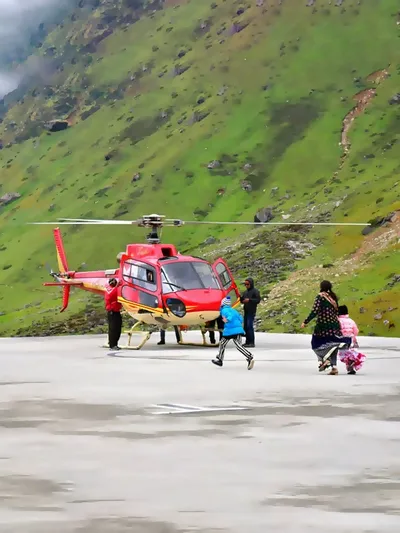
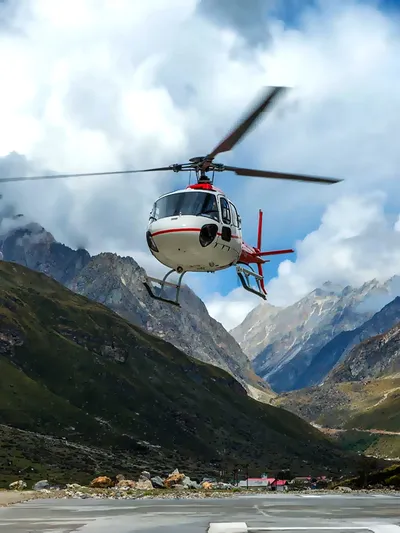
Helicopter services depend heavily on visibility, wind and cloud cover. Cancellations and delays happen on short notice during the monsoon window — build slack into your schedule if you're flying in.
Q12. Is Gangotri riskier than Yamunotri during monsoon?
Both sit close to fast-moving rivers and face similar flood and landslide risk during heavy rain. Neither is clearly worse than the other based on available information.
Conclusion
The Char Dham season runs April to November, but treating that whole window as one climate is the mistake most planning guides make. Kedarnath's elevation puts it in a different bracket from Badrinath. Gangotri and Yamunotri share river-adjacent monsoon risk that Badrinath and Kedarnath don't face the same way. Pick your dates around what you can tolerate — cold and quiet, warm and crowded, or wet and flexible — and check the live road advisory before you leave regardless of which window you choose. Book your Char Dham Yatra package once your dates are set.
Chardham Travel Guide
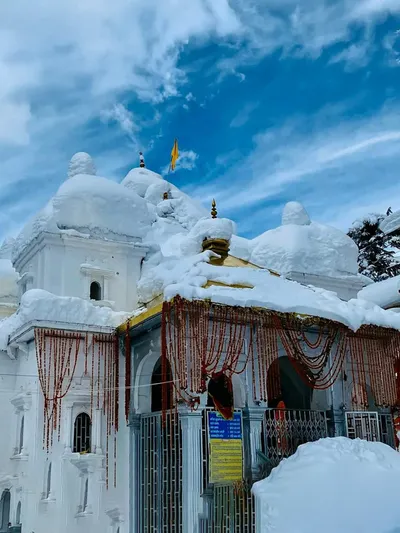
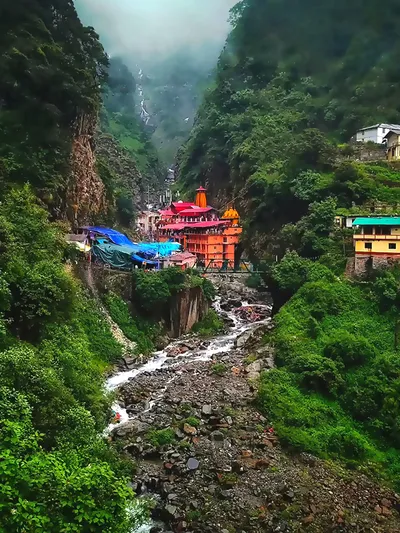
Chardham Travel Packages
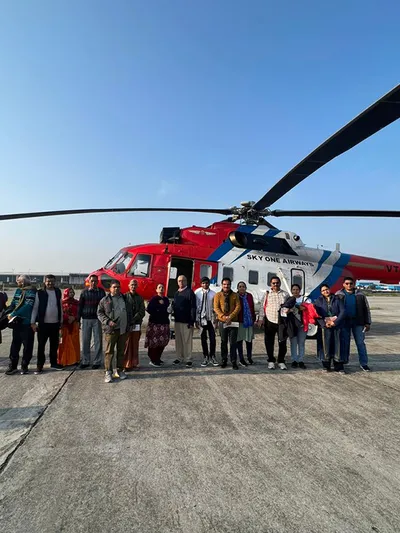
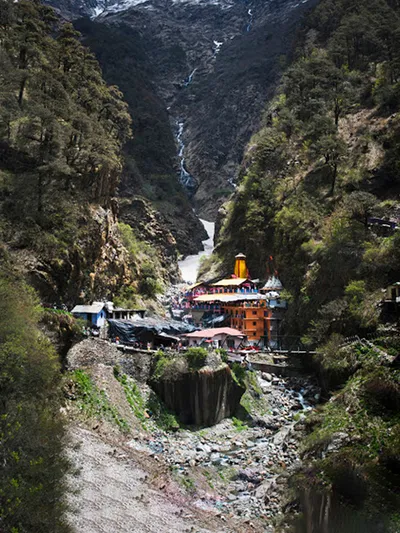
Hotels in Chardham
Beware of Fake Char Dham & Kedarnath Helicopter Booking Websites
Fake websites, WhatsApp accounts and advertisements may impersonate genuine travel companies or helicopter operators. Always verify before paying.