Popular Temples in Haridwar You Must Visit
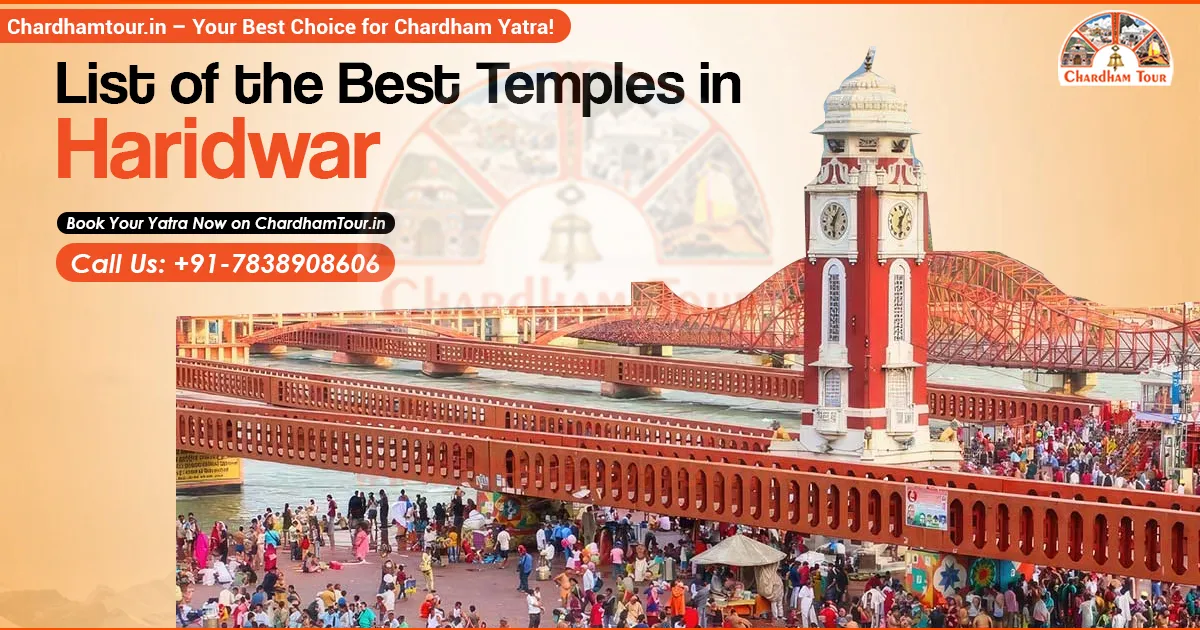
Haridwar sits at the exact point where the Ganga comes down from the hills and enters the Indo-Gangetic plains. That's the reason the city has this many shrines in the first place — not because every hillock happens to have a story, but because this specific geography made it a pilgrimage point centuries before anyone built a road to it.
The best-known temples in Haridwar are Mansa Devi, Chandi Devi, Maya Devi, Daksheshwar Mahadev and Bharat Mata Mandir. Har Ki Pauri and Sapt Rishi Ashram are also on most people's list, but neither is a temple — Har Ki Pauri is a ghat, and Sapt Rishi Ashram is an ashram. Both matter enough to include here anyway.
Why Haridwar Has This Many Sacred Sites
Haridwar's religious weight comes from a mix of things: its position where the Ganga meets the plains, its role in the Samudra Manthan legend, its place in the Panch Tirth (the five traditional pilgrimage points — Gangadwara/Har Ki Pauri, Kushavart Ghat, Kankhal, Bilwa Tirtha and Neel Parvat), and its recurring role as a Kumbh Mela site. Some of what's said about individual temples here is documented history. A lot of it is tradition passed down through generations of pilgrims and priests, not something you'll find in a district gazette. I've tried to keep those two categories separate below instead of flattening them into the same confident tone.
Famous Temples in Haridwar
1. Mansa Devi Temple
On Bilwa Parvat. Along with Chandi Devi and Maya Devi, it forms what Uttarakhand Tourism calls the Siddhapeeth triangle of Haridwar. You reach it by the Mansa Devi Udankhatola ropeway or by a roughly 3-km uphill trek — not 1.5 km, which is the figure that circulates on a lot of travel sites. Devotees tie threads to a wish tree in the courtyard and return to untie them once the wish is granted.
2. Chandi Devi Temple
On Neel Parvat, across the river from Mansa Devi. The present structure was built in 1929 by Suchat Singh, King of Kashmir. Local tradition holds that the main idol was installed centuries earlier, in the 8th century, by Adi Shankaracharya — that part is belief, not a dated inscription, so I'm stating it as tradition rather than fact. Reachable by ropeway or a roughly 3-km trek from Chandighat. The views from the top are genuinely wide — Haridwar, the Ganga, the plains — I won't call them the "best" in Haridwar since I haven't compared every vantage point in the city.
3. Maya Devi Temple
An 11th-century shrine and one of Haridwar's three Shakti Peeths. Tradition holds that the heart and navel of Sati fell at this spot. Tucked into a narrow lane in the old town, easy to walk past if you don't know to look for it.
4. Daksheshwar Mahadev Temple
In Kankhal, roughly 4 km from central Haridwar. According to tradition, it stands at the site associated with King Daksha's yajna and Sati's self-immolation — one of the more consequential stories in Shiva mythology, and worth the short trip out of the main cluster.
5. Bilkeshwar Mahadev Temple
A small Shiva temple in the Bilwa Parvat valley, about half a kilometre from Haridwar Junction railway station. Local tradition ties it to Goddess Parvati's penance. I'd skip calling it "ancient" without a date to back that up — it's old by reputation, not by documentation I could find.
6. Sureshwari Devi Temple
A Durga temple in Ranipur, a forested outskirt area near Rajaji National Park, roughly 5 km from the district headquarters. Quieter than the main circuit, and worth it if you want a temple visit without the crowd.
7. Bharat Mata Mandir
Eight storeys, about 180 feet tall. Each floor runs a different theme — Bharat Mata herself, national heroes, revered women, saints, religious harmony, and different forms of Hindu divinity across the upper levels. It's less a single deity's shrine and more a walk-through of Indian religious and national history.
8. Pawan Dham
On Sapt Sarovar Road. Known for extensive glasswork and mirror-mosaic interiors depicting scenes from Hindu scripture. The visual effect is the main draw here, more than the ritual side of the visit.
9. Mahamrityunjaya Temple
Dedicated to Shiva in his Mahamrityunjaya form, traditionally invoked for protection and healing. That's the religious framing; I'm not going to claim a specific share of visitors come "specifically" for that, since I have no data on visitor intent.
10. Pashupatinath Mahadev Temple
A Shiva shrine popularly known by this name. You'll see it described elsewhere as a "replica" of Nepal's Pashupatinath Temple — I couldn't find a source solid enough to repeat that claim here, so I'm leaving it out.
11. Adbhut Temple
Known for its depictions of multiple Hindu deities and pilgrimage-related themes within one structure. I've dropped the earlier claim that it houses "all major Hindu deities" — that's not a claim I could verify and it's not one worth making just to sound comprehensive.
12. Shree Yantra Mandir
A temple built around a large Shree Yantra design, locally known for unconventional construction methods. The details on exactly how it was built vary by source, so treat the specifics as something to confirm on-site rather than take from any write-up, including this one.
13. Nileshwar Mahadev Temple
A smaller Shiva shrine in the Neel Dhara area, generally recommended for a quieter darshan away from the main cluster. I couldn't independently confirm its exact location against an official source, so if precision matters for your visit, check with a local guide before you go.
Sacred Places Near These Temples
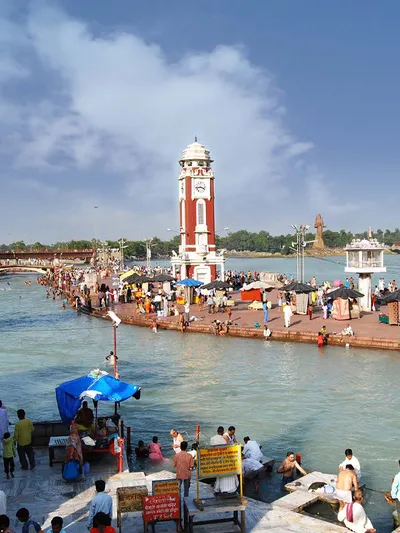
14. Har Ki Pauri
Not a temple. It's Haridwar's most important ghat, home to Brahma Kund, and the site of the evening Ganga Aarti. The aarti happens daily around dusk — the exact clock time shifts with sunset through the year, so don't plan around a fixed hour. Get there early on weekends and during festivals; the crowd builds fast.
15. Sapt Rishi Ashram
About 5 km from central Haridwar. Tradition holds that the Ganga split into seven channels here to flow gently around seven meditating sages who'd asked her to slow down. An ashram, not a temple, but it's on the same route as several of the above and worth the stop.
Famous Temples in Haridwar: Quick Reference
| Temple | Deity | Area | How to Reach |
|---|---|---|---|
| Mansa Devi | Goddess Mansa | Bilwa Parvat | Ropeway or ~3 km trek |
| Chandi Devi | Goddess Chandi | Neel Parvat | Ropeway or ~3 km trek from Chandighat |
| Maya Devi | Goddess Maya | Old town, central Haridwar | Walkable |
| Daksheshwar Mahadev | Shiva | Kankhal | Road, ~4 km from central Haridwar |
| Bilkeshwar Mahadev | Shiva | Near Haridwar Junction | Road, ~0.5 km from the station |
| Sureshwari Devi | Durga | Ranipur | Road, ~5 km from district HQ |
| Bharat Mata Mandir | Multiple/national theme | Central Haridwar | Road |
What Actually Changes Season to Season
Temple timings aren't uniform, so I'll give you the two I have direct, sourced figures for rather than a made-up "most temples open at X" line: Maya Devi generally runs 6:30 AM–12 PM and 3–9 PM; Daksheshwar Mahadev runs roughly 6 AM–7 PM. For every other temple on this list, check the timing at the entrance or with the temple office before you plan your day around it — the variation between shrines is real, and I'd rather send you to verify than repeat a number I can't stand behind.
Ropeway fares and hours for Mansa Devi and Chandi Devi change with season and demand, and published figures across travel sites currently disagree by a wide margin. Check the current fare and slot directly on udankhatola.com before you go.
How to Reach Haridwar
Haridwar has its own railway station on a major line, which is the easiest way in for most pilgrims. Jolly Grant Airport in Dehradun is the nearest airport — and here's a case where the sources genuinely disagree: Uttarakhand Tourism's own site puts the distance at roughly 37 km, while individual temple pages on the District Haridwar government site cite closer to 72 km. That's likely two different reference points on the map, not two different airports. Check your actual route before booking an airport transfer instead of trusting either number blind.
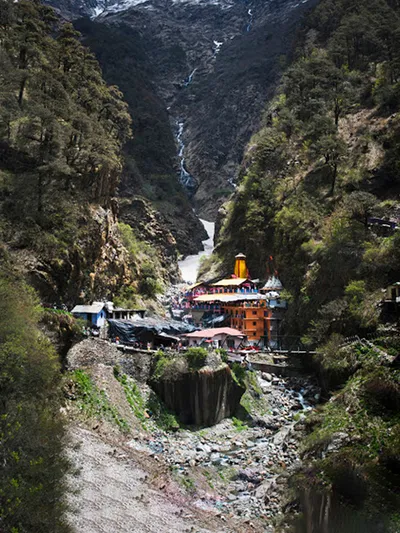
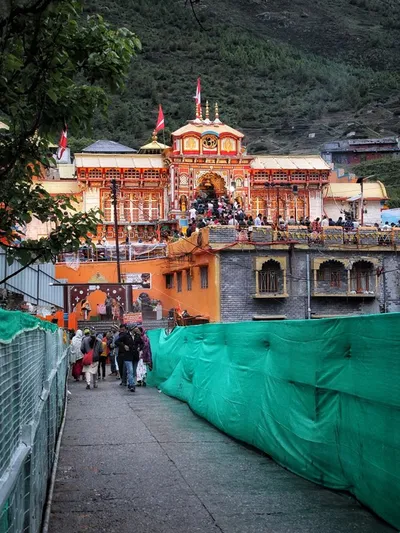
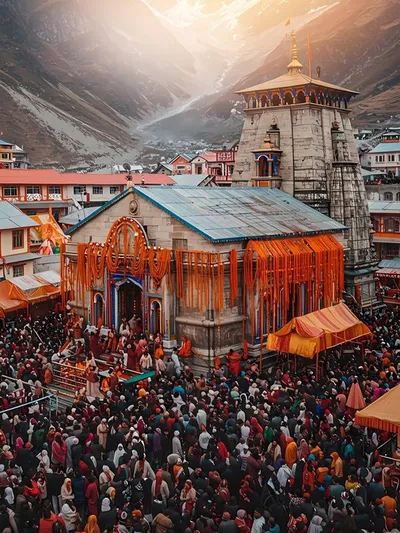
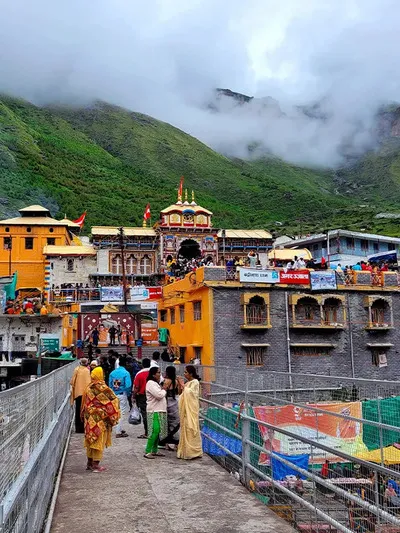
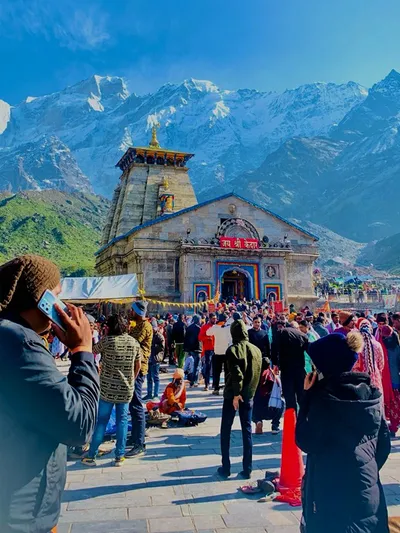
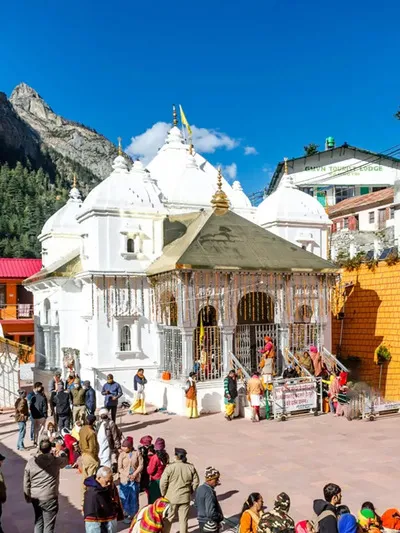
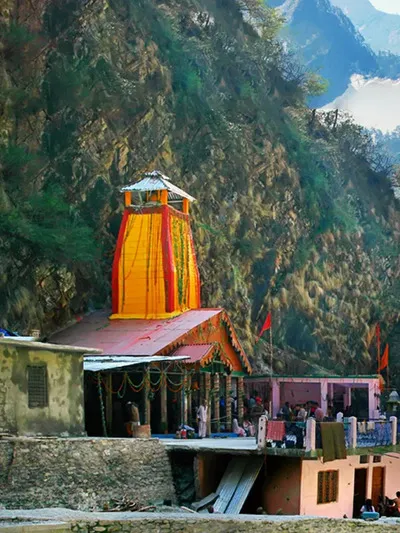
Haridwar is also the standard starting point for road journeys to Badrinath, Kedarnath, Gangotri and Yamunotri.
Haridwar's Next Kumbh Mela — 2027
Haridwar is scheduled to host its next Kumbh event from 14 January to 20 April 2027. You'll see it called both "Ardh Kumbh" and "Kumbh Mela 2027" in current reporting — the terminology hasn't fully settled, and neither has the exact bathing-date calendar. I'm not going to state which festival marks the closing day, because the sources I checked contradict each other on that specific point. If your visit falls in this window, book accommodation early — Haridwar's room supply is fixed and a Kumbh period multiplies demand for weeks at a stretch.
Planning the Visit
Har Ki Pauri, Mansa Devi and Chandi Devi are the three most people try to fit into one day, and the ropeways make that realistic even without a serious trek. Whether that plan actually works for you depends on crowd levels and ropeway queues that day — I won't tell you "most pilgrims" manage it in a day, because I don't have a source for what most pilgrims do.
One thing worth knowing before you go: in July 2025, a stampede at Mansa Devi killed eight people, and the reporting that followed pointed to gaps in crowd management and path safety at several Haridwar shrines, not just that one. During major festivals and peak season, follow whatever crowd-control signage or local administration advisory is posted, rather than assuming a quiet weekday visit is what you'll get.
Dress modestly — shoulders and knees covered — and expect to remove footwear before entering any temple. If you're buying flowers or prasad outside a temple gate, compare a couple of stalls; prices aren't fixed and they vary stall to stall.
Frequently Asked Questions
Q1. How many famous temples are there in Haridwar?
Haridwar has well over a dozen well-known temples, with Mansa Devi, Chandi Devi, Maya Devi, Daksheshwar Mahadev and Bharat Mata Mandir among the most visited. Har Ki Pauri, often listed alongside them, is a ghat rather than a temple.
Q2. Which is the oldest temple in Haridwar?
Maya Devi Temple is generally dated to the 11th century, making it one of the oldest documented shrines in the city.
Q3. Do I need to book ropeway tickets in advance?
Not usually on an ordinary day. During Navratri, Kanwar Yatra or Kumbh periods, advance booking on the Udan Khatola site saves real time in the queue.
Q4. What time is the Ganga Aarti at Har Ki Pauri?
Around dusk, every day. The exact clock time moves with the sunset, so arrive 30–45 minutes ahead rather than aiming for a fixed hour.
Q5. Can senior citizens visit Mansa Devi and Chandi Devi easily?
The ropeway removes the need for the uphill trek, but there's still walking and some steps around the temple itself once you're up there.
Q6. Is Haridwar part of the Char Dham Yatra route?
Yes — it's a common starting point for road journeys to Badrinath, Kedarnath, Gangotri and Yamunotri.
Q7. When is the next Kumbh Mela in Haridwar?
The next event is scheduled for 14 January to 20 April 2027, referred to in current reporting as both Ardh Kumbh and Kumbh Mela 2027.
Q8. Is there an entry fee for Haridwar temples?
Most don't charge a general entry fee. Ropeway rides to Mansa Devi and Chandi Devi, and certain special pujas, are where you'll actually pay.
Q9. Which temple in Haridwar is best for a quiet, less-crowded darshan?
Sureshwari Devi and Nileshwar Mahadev see noticeably fewer visitors than the main cluster, though crowd levels shift with the festival calendar.
Q10. What's the best time of day to visit?
Morning for the hilltop temples, before the heat and the queues build; dusk for the Har Ki Pauri Ganga Aarti.
Q11. Is there a dress code for Haridwar temples?
Cover shoulders and knees, and expect to remove your footwear before entering. Beyond that, rules vary a little by temple.
Q12. If I only have one day, what should I prioritize?
Mansa Devi, Chandi Devi and the Har Ki Pauri Ganga Aarti in the evening. That covers the city's spiritual centre without requiring a second day.
Chardham Travel Guide
Chardham Travel Packages
Hotels in Chardham
Beware of Fake Char Dham & Kedarnath Helicopter Booking Websites
Fake websites, WhatsApp accounts and advertisements may impersonate genuine travel companies or helicopter operators. Always verify before paying.