Badrinath Weather Guide

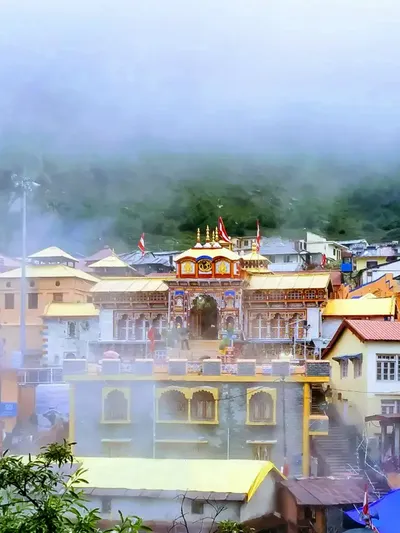
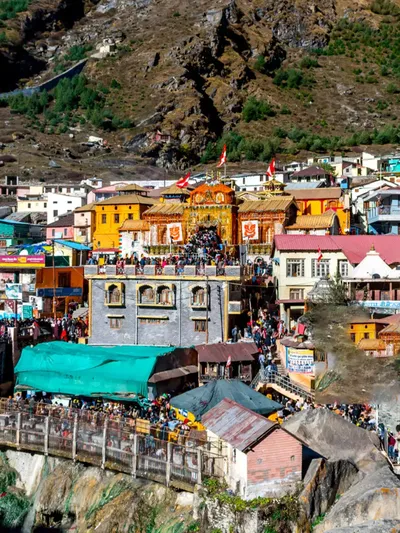
Being located at such an incredible height, Badrinath Dham remains open for Darshan for six months in a year. During this duration, the Dham remains flocked with pilgrims and devotees who visit on their pilgrimage for salvation.
You can plan your pilgrimage according to the month-wise breakdown of weather conditions in Badrinath, along with its average temperature.
Month-Wise Badrinath Weather Details
January
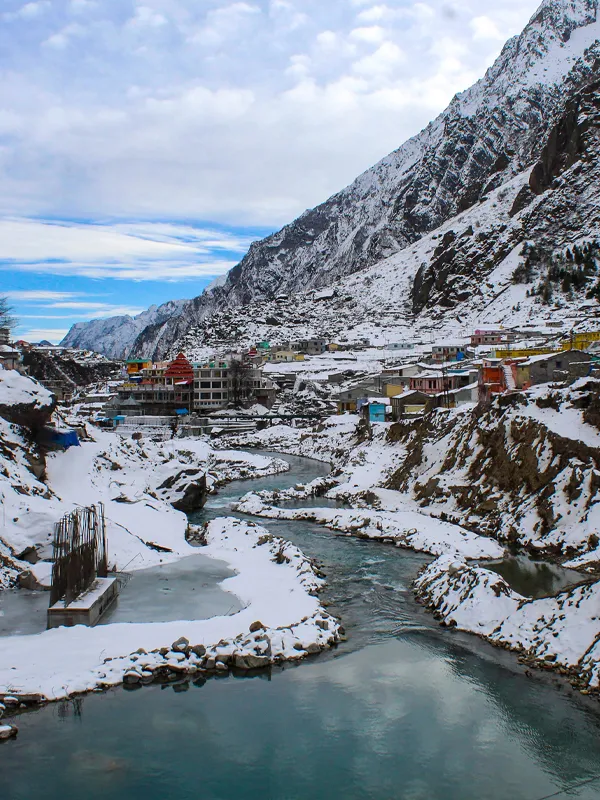
- Entire region remains covered in a thick layer of snow
- Even the temple is buried under snow
- Average temperature reaches zero and sub-zero levels
- Area remains empty and snowfall is common
February
- No substantial change in weather compared to January
- Temperature remains almost the same
- Average temperature stays around 0°C to 1°C
March
- Noticeable change in temperature
- Average temperature ranges between 3°C to 5°C
- Snowfall occurs at intervals
- Cleaning work and preparation for the opening of the Dham begins
April
- Snowfall slowly vanishes
- Average temperature ranges between 6°C to 10°C
- Weather becomes slightly pleasant but still cold
May
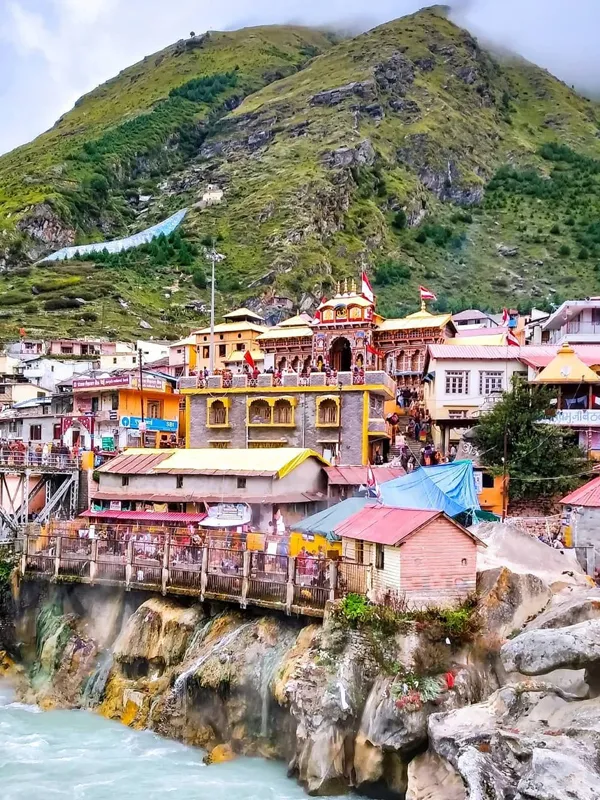
- Kapats of the Badrinath Temple open for Darshan
- Opening generally takes place on the holy eve of Akshaya Tritiya
- Temperature remains pleasant and comfortable
- Average temperature stays between 11°C to 20°C
June
- Considered one of the best months to visit Badrinath Dham
- Temperature ranges between 15°C to 25°C
- Carrying woolen clothes is still necessary
July
- Marks the onset of the rainy season
- Till mid-July, visiting remains comfortable
- Average temperature stays between 15°C to 17°C
August
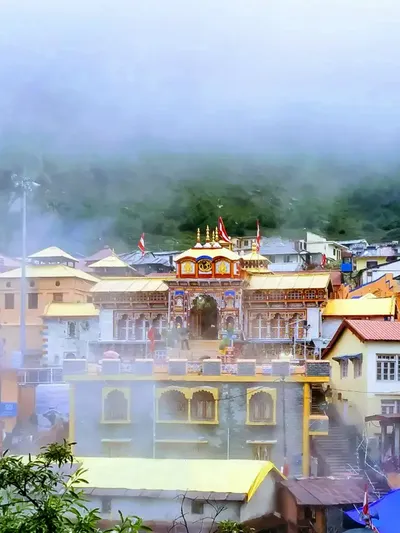
- Region experiences heavy rainfall
- Temperature ranges between 12°C to 16°C
- Travel may be risky; many pilgrims choose to skip this month
September
- Temperature remains between 10°C to 11°C
- Weather improves after mid-September
- Suitable time if earlier plans were postponed
October
- Marks the beginning of winter
- Temperature ranges between 8°C to 10°C
- Days are chilly and nights become freezing cold
November
- Snowfall begins
- Kapats of Badrinath Dham close around Vijayadashami
- Temperature ranges between 3°C to 5°C
December
- Entire region gets covered in snowfall
- Temperature drops to zero and sub-zero levels
- Darshan remains closed for the season
Summer in Badrinath
Being situated at a high altitude like other Chardham sites, Badrinath experiences a typical Himalayan summer. During the daytime, the temperature rises slightly, while by nightfall it drops again.
- Weather remains cool and pleasant during the day
- Nights are cold but manageable
- Best time to visit: May to mid-July
Monsoon in Badrinath
Badrinath is easily accessible via a network of roads leading to the temple. During monsoon, the region experiences frequent rainfall.
- Heavy rains are common
- Landslides may cause temporary disruptions
- Visiting is possible during short clear-weather windows with proper coordination
Winter in Badrinath
By the end of the year, Badrinath starts getting engulfed in snow. As temperatures drop from September onward, the weather becomes increasingly colder.
- Winter lasts from October to February
- Temple remains covered in snow
- Darshan is not possible due to extreme weather conditions
Seasonal Comparison: Badrinath Weather
| Season | Months | Weather Conditions | Temperature Range | Travel Suitability |
|---|---|---|---|---|
| Summer | May to Mid-July | Cool and pleasant days, cold nights; clear weather | 11°C to 25°C | ✅ Best time to visit |
| Monsoon | Mid-July to September | Frequent rainfall; risk of landslides; cloudy weather | 10°C to 17°C | ⚠️ Travel with caution |
| Winter | October to February | Heavy snowfall; extremely cold; temple closed | 0°C to sub-zero | ❌ Not suitable for travel |
Best Time to Visit
The months from the opening of the Dham in May to early July are considered the most appropriate time to visit Badrinath Dham. Weather remains pleasant and suitable for families.
Another good time is late September till the closing of the Kapats in November, especially if cold weather is not an issue. No matter when you visit during the open season, the spirituality and natural beauty of Badrinath leave a deep impact.