Kainchi Dham - The Sacred Abode of Neem Karoli Baba

Kainchi Dham sits on the Nainital–Almora road, 17 km from Nainital and 9 km from Bhowali, at an altitude of about 1,400 metres. The Nainital district government's own tourism page gives those two distances directly, so they're the numbers to trust over the wider ranges you'll see floating around on travel blogs.
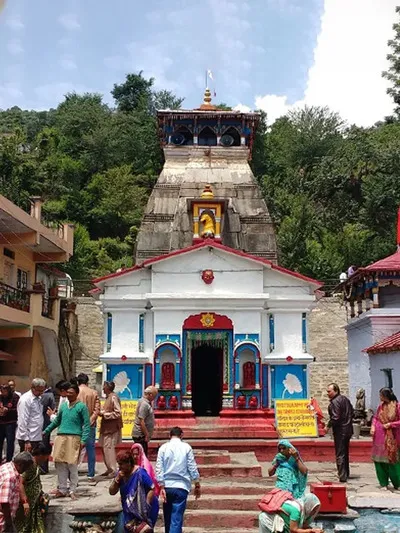
The place is named after the ashram it houses — the one where Neem Karoli Baba, known to devotees as Maharaj Ji, spent his final years. He was a lifelong devotee of Lord Hanuman, and the Hanuman temple he built here is still run by his disciples.
At a Glance
| Detail | Information |
|---|---|
| Location | Kainchi village, Nainital district, Uttarakhand |
| On the road to | Nainital–Almora Road |
| Altitude | ~1,400 m (4,593 ft) |
| Distance from Nainital | 17 km |
| Distance from Bhowali | 9 km |
| Founder | Neem Karoli Baba |
| Deity | Lord Hanuman |
| Annual event | 15 June (Pratishtha/Sthapana Diwas & Bhandara) |
| Entry | Free |
| Nearest railway station | Kathgodam |
| Nearest airport | Pantnagar |
Where the Name Comes From
There are two explanations going around, and they don't fully agree, so it's worth naming both rather than picking one to sound tidy. The Nainital district government's own page states plainly that "Kaichi" refers to two sharp hairpin bends in the road, and adds — in its own words — that it has no relation to scissors. Uttarakhand Tourism's version describes the surrounding hills as cutting across each other in a scissors-like shape, which is the story most visitors have actually heard. Both come from official state sources. Neither is dressed up here to look more certain than it is.
History of Kainchi Dham
Before Maharaj Ji built anything here, the site was already in devotional use. Two earlier ascetics, Sombari Maharaj and Sadhu Premi Baba, performed yagnas at Kainchi village on this same ground. Maharaj Ji later raised a platform over it, and once devotees started showing up regularly, kirtans and bhandaras became part of the routine.
On the founding date, sources genuinely split. Uttarakhand Tourism dates the ashram to 1962. Wikipedia's entry, citing the district's own records, puts the formal establishment at 1964, on land donated by a local resident named Purnanand. Both dates trace back to credible sources, so this guide states both rather than guessing which one is "more official."
Neem Karoli Baba died on 10 September 1973 in Vrindavan. His disciples built a samadhi and temple at Kainchi Dham afterward, holding a kalash with his ashes and a murti in his likeness. The small cave where he used to sit and meditate is still preserved on the grounds, slightly apart from the main courtyard.
Who Was Neem Karoli Baba?
Neem Karoli Baba was born around 1900 in Akbarpur, Uttar Pradesh, with the name Lakshman Narayan Sharma. He took up the life of a wandering sadhu early and devoted himself to Lord Hanuman — the deity behind every temple he later built, Kainchi Dham included.
Devotees called him Maharaj Ji, and plenty considered him a living form of Hanuman. He became a guide to a set of Western seekers who arrived in India through the 1960s and 70s: Ram Dass, author of Be Here Now; Bhagawan Das; Krishna Das; Jai Uttal; Rampriya Das. Beyond Kainchi Dham, ashrams tied to him exist in Vrindavan, Rishikesh, Shimla, Lucknow, New Delhi, Hanuman Garhi, Bhumiadhar, and Taos in the United States.
The Miracle Stories
One story gets repeated more than any other. Maharaj Ji was reportedly caught travelling without a ticket and made to get off the train at Neem Karori village. As the story is told, the train wouldn't move again. Passengers pushed the railway staff to let him back on, and officials eventually agreed — on the condition, some versions say, that a station be built at Neem Karori. The train started the moment he stepped back on.
This is devotional folklore, not a documented historical event, and it's worth reading that way — as part of what people who visit Kainchi Dham carry with them, not as a fact you'd cite elsewhere.
From Kainchi Dham to a Global Health Charity
Neem Karoli Baba taught bhakti and seva — devotion and service — as the practical route to self-realisation, and that teaching had a real, traceable outcome. In 1978, a group that included Larry Brilliant, Ram Dass, Wavy Gravy, Nicole Grasset and Govindappa Venkataswamy founded the Seva Foundation, a Berkeley-based organisation that works on preventable blindness and eye care. One detail worth knowing: Steve Jobs was Seva's first donor, contributing $5,000 before Apple had made him famous — a fact that connects two threads of Kainchi Dham's story that usually get told separately.
Steve Jobs and the Kainchi Dham Connection
Jobs travelled to India in 1974 hoping to meet Neem Karoli Baba. He arrived after Maharaj Ji had already died. He stayed on in the area for a while regardless, and the trip is widely reported as a turning point in how he thought about his own path afterward.
Mark Zuckerberg has spoken publicly about a difficult stretch at Facebook, during which Jobs advised him to visit a temple in India — a suggestion widely understood to mean Kainchi Dham, though neither man's connection to the ashram is documented by the temple trust itself. Treat this as a well-reported story rather than a confirmed fact, because that's what it is.
The Annual Bhandara and Foundation Day
15 June is observed every year as Pratishtha Diwas, and it's the single busiest date on the Kainchi Dham calendar. In 2026, the foundation day drew crowds reported in the lakhs, with more than 70,000 devotees recorded by mid-morning alone. Malpua is distributed as prasad — a longstanding tradition at this event specifically.
Because of the scale, Nainital Police introduced a full traffic and parking plan for 2026: private vehicles were barred from driving directly to the ashram between 13 and 16 June, with designated parking zones and shuttle buses covering the last stretch instead. If your dates land anywhere near 15 June, expect the same kind of arrangement and plan around it rather than trying to drive straight to the gate.
Darshan Timings — What's Actually Confirmed
This is worth being straight about: Shri Kainchi Hanuman Mandir Trust, the government-notified body that runs the temple, has not published a fixed, official darshan schedule on its own website. What exists instead is a spread of commonly reported hours from third-party travel sites, and they don't all agree. Incredible India, a Ministry of Tourism platform, lists 6:00 AM to 7:00 PM. Other sources report gates open earlier and close later, particularly on Tuesdays.
The practical takeaway: plan to arrive in the morning, and don't build a trip around a specific closing time you haven't verified with the Trust or with someone who visited recently. Entry itself is free — Ministry of Tourism's own fair listing confirms this — and there's no ticket, no VIP darshan, and no legitimate online booking route for entry.
A Warning Worth Repeating
Shri Kainchi Hanuman Mandir Trust states directly on its official website that it is the only government-notified authority for Kainchi Mandir, and that no outside agent, website or individual is authorised to arrange permits, stays, darshan, bookings or donations on its behalf. That's not a generic safety tip — it's the Trust's own stated position, and it's the single most useful thing to know before you pay anyone claiming to arrange anything related to your visit.
Temple Rules and Etiquette
None of the following is pulled from a published rulebook — it's what visitors are consistently advised, so treat it as strong guidance rather than official regulation.
- Dress modestly. Shorts and sleeveless tops don't suit the atmosphere here.
- Keep phones away inside the main shrine area, and check with staff before photographing anywhere near the samadhi.
- Keep your voice down. This is a meditation space first.
- Prasad and community meals happen at various points through the week, but the schedule shifts with the season and with ashram staffing — don't plan a trip around a specific day for food.
Best Time to Visit
March to June and September to November are the two windows worth planning around. Both bring comfortable weather for darshan and for combining the trip with Nainital or Bhimtal sightseeing.
July and August bring the Kumaon monsoon, and that means a genuine risk of landslides on the Bhowali–Almora stretch — not a minor inconvenience, an actual reason to check road conditions before you leave. Winter, December through February, is colder and foggier, but it's also the quietest stretch of the year if a crowd-free visit matters more to you than warm weather.
If the Bhandara energy is what you're after, build the trip around 15 June and expect the crowd-management measures described above. If you want quiet, avoid that week entirely.
How to Reach Kainchi Dham
Kainchi Dham sits directly on the Nainital–Almora road, so once you're anywhere in that belt, getting there is straightforward.
By Air: Pantnagar Airport is the nearest, roughly 71–75 km away, served mainly by limited flights from Delhi. Most travellers fly into Delhi and continue by train or road instead.
By Rail: Kathgodam is the nearest railway station, around 37–43 km away — sources vary a little depending on the exact route measured, but that's the working range. Kathgodam connects to Delhi, Lucknow and Howrah.
By Road: Well connected from Nainital, Bhowali, Haldwani and Delhi. Most people combine the trip with Nainital rather than travelling here on its own.
| Route | Distance | Notes |
|---|---|---|
| Nainital → Kainchi Dham | 17 km | Official district government figure |
| Bhowali → Kainchi Dham | 9 km | Official district government figure |
| Kathgodam → Kainchi Dham | 37–43 km | Varies by source/route |
| Haldwani → Kainchi Dham | ~45 km | |
| Bhimtal → Kainchi Dham | ~20 km | |
| Almora → Kainchi Dham | ~45 km | |
| Pantnagar Airport → Kainchi Dham | 71–75 km | |
| Delhi → Kainchi Dham | ~339 km | 7–9 hours, more in peak season or monsoon |
Taxis are easy to find at Bhowali, Nainital and Kathgodam station. Direct buses to the ashram gate are rare — most state buses stop at Bhowali or Almora, and you'll need a short taxi or shared jeep for the last leg.
Places to Visit Near Kainchi Dham
Kainchi Dham itself takes an hour, maybe two. Most people build a longer day around it:
- Bhowali (9 km): the road-junction town, good for a lunch stop.
- Nainital (17 km): Naini Lake, Mall Road, Naina Devi Temple, Snow View Point.
- Bhimtal (~20 km): quieter than Nainital, boating on the lake.
- Almora (~45 km): worth it if you're extending the trip into the Kumaon interior.
A common plan: Darshan at Kainchi Dham in the morning, breakfast in Bhowali, the rest of the day in Nainital or Bhimtal.
Accommodation
Staying inside the ashram is limited and reserved mainly for spiritual seekers on a longer stay, arranged directly with the Trust rather than through any outside party. Given the Trust's own warning about unauthorised agents, don't treat any third-party offer to arrange an ashram stay, letter of introduction, or "guaranteed booking" as legitimate.
For everyone else, the practical options sit a short drive away — Bhowali, Nainital, or Bhimtal all have a working range of guest houses and hotels. Most pilgrims base themselves in one of these three and treat Kainchi Dham as a half-day trip rather than an overnight stop.
Common Mistakes First-Time Visitors Make
- Arriving after 9 AM on weekends, when the single-lane highway near Bhowali starts backing up.
- Assuming shorts or casual wear will be fine — it's better to check before you leave.
- Paying anyone online for "VIP darshan" or a guaranteed ashram stay. The Trust has been explicit that no outside agent is authorised to arrange this.
- Driving straight to the gate on 15 June without checking the year's traffic plan first.
- Skipping cash. Card and UPI acceptance around the ashram and Bhowali market is inconsistent.
Planning Your Trip
Kainchi Dham works best as part of a wider Kumaon trip rather than a standalone one. Chardham Tour, a Uttarakhand Tourism-registered operator working in this region since 2010, puts together custom itineraries that combine the ashram with Nainital and Bhimtal sightseeing, along with verified hotels and private transport. If your dates fall near the 15 June Bhandara, book your stay and vehicle early — accommodation around Bhowali and Nainital fills up fast that week, and the vehicle restrictions in place that year will shape how you get there.
Frequently Asked Questions
Q1. Where is Kainchi Dham located?
On the Nainital–Almora road in Nainital district, Uttarakhand — 17 km from Nainital and 9 km from Bhowali, according to the district government's own figures.
Q2. What are the darshan timings at Kainchi Dham?
The Trust hasn't published a fixed official schedule. Incredible India lists 6 AM to 7 PM as a working reference. Confirm the day's hours locally before you travel.
Q3. Is there an entry fee?
No. Entry is free, per the Ministry of Tourism's own listing. Anyone offering paid or VIP darshan online is not affiliated with the Trust.
Q4. Who founded Kainchi Dham?
Neem Karoli Baba. Uttarakhand Tourism dates the founding to 1962; other records put the formal establishment at 1964.
Q5. What's the Steve Jobs connection?
Jobs visited in 1974 hoping to meet Maharaj Ji, who had already died. He also became Seva Foundation's first donor in 1978 — an organisation founded by several of Maharaj Ji's own disciples.
Q6. What's the best time to visit?
March to June, or September to November. Avoid July–August because of landslide risk on the approach road.
Q7. Can I stay overnight at the ashram?
It's limited, and arranged directly with the Trust — not through any third party. Most visitors stay in Bhowali, Nainital or Bhimtal instead.
Q8. How far is Kainchi Dham from Delhi?
Around 339 km, roughly 7–9 hours by road depending on traffic and season.
Q9. What is the Kainchi Dham Bhandara?
The annual gathering on 15 June, marking Pratishtha Diwas. In 2026 it drew crowds in the lakhs and prompted a full vehicle-restriction plan from Nainital Police.
Q10. Is there a dress code?
Visitors are consistently advised to dress modestly — no shorts or sleeveless clothing.
Q11. What's the altitude of Kainchi Dham?
About 1,400 metres (4,593 feet).
Q12. Which places pair well with a Kainchi Dham visit?
Nainital, Bhowali, and Bhimtal are all close enough for a single day trip.
Conclusion
Kainchi Dham doesn't need embellishment. It's a modest Hanuman temple with a history that happens to run through Steve Jobs, a global eye-care charity, and a saint whose name still draws lakhs of people every June. The distances, the altitude, and the Trust's own warning about unauthorised agents are the parts worth getting exactly right before you go. Everything else — the timings, the crowd on a given Tuesday — shifts, so verify it close to your travel date rather than trusting any single source, this one included.
- Suggested Tour: Kainchi Dham Tour Package from Delhi
Chardham Travel Guide
Chardham Travel Packages
Hotels in Chardham
Beware of Fake Char Dham & Kedarnath Helicopter Booking Websites
Fake websites, WhatsApp accounts and advertisements may impersonate genuine travel companies or helicopter operators. Always verify before paying.