
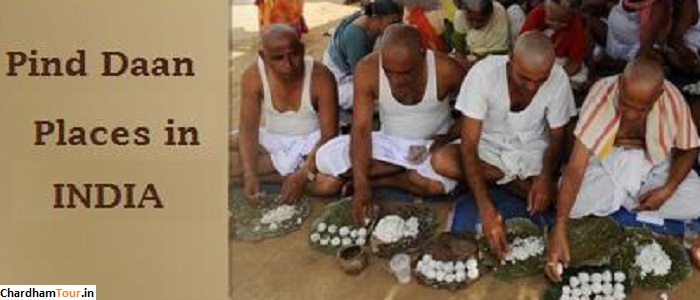
Hinduism is full of rituals for all occasions in life and death. Pind Daan is a ritual to venerate ancestors and facilitate the journey of their souls towards salvation. It is believed that Lord Brahma started this practice. The ceremony is believed to liberate the soul of the departed from suffering and give survivors peace of mind. If the Pind Daan ceremony is not performed, the soul is believed to remain in torment, and the surviving family members may not find peace.
Pind Daan is performed at specific places considered holy and auspicious. The rituals involve traditional pooja and chanting of mantras, followed by giving alms to the poor. There are about 14 key sites considered ideal for Pind Daan ceremonies across India.
What Exactly Is Pind Daan? A Clear Explanation
Pind Daan is a Hindu Shraddha ritual performed for the peace and liberation of the souls of deceased ancestors (known as Pitru). ‘Pind’ refers to rice balls (or flour/barley-based offerings) and ‘Daan’ means offering. The ritual typically takes place during Pitru Paksha (16-day lunar period in the Hindu calendar — August/September), but can also be performed on death anniversaries or at any time a family chooses to seek ancestral blessings.
The ceremony is usually performed by the eldest son or nearest male relative, guided by a qualified Brahmin priest. It involves: ritual bathing at a sacred river/water body, recitation of specific Vedic mantras, preparation of Pind (offerings of rice/flour balls mixed with sesame seeds, milk, honey), offering Pind to ancestors (usually 3 generations), giving Dakshina (fees) to the officiating priest, and distributing food to the poor (Anna Daan).
1. Varanasi
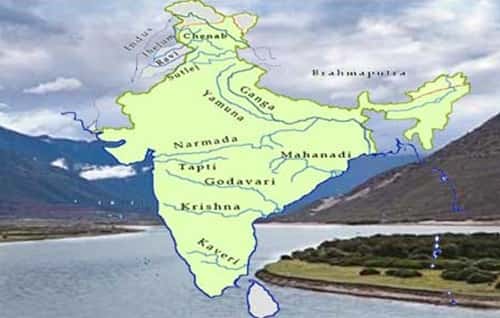
- Located on the Ganga River, the holiest river in India.
- Pind Daan performed at Ganga Ghats with offerings of rice mixed with wheat flour, milk, and honey.
- The ritual is conducted by local Brahmin Pandits at the ghat.
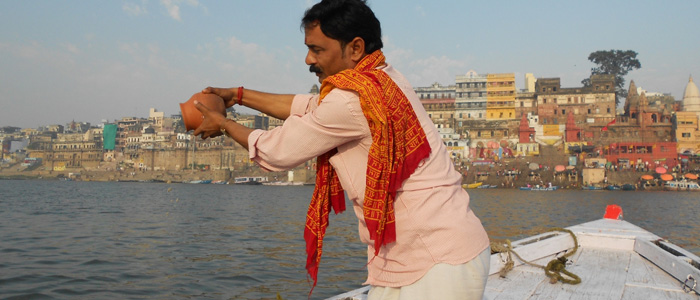
Varanasi, on the banks of the Ganges, is also considered one of the most important pilgrimage places. It is the abode of Lord Shiva and Parvati. The ceremony is conducted at a Ganga Ghat — local Brahmin Pandits initiate rituals involving mantra chanting, followed by seven Pinds: one for the soul of the departed, and the rest for ancestors.
Best Ghat for Pind Daan in Varanasi: Dashashwamedh Ghat and Manikarnika Ghat are considered especially auspicious. Pind Daan at Manikarnika Ghat — where cremations occur — is believed to grant the soul direct moksha. Priest fees vary; agree on rates in advance. Best time: Pitru Paksha (usually September).
2. Gaya
- Conducted on the banks of the Falgu River, associated with Lord Vishnu.
- 48 platforms (Vedi) available for performing Pind Daan.
- Rice balls mixed with wheat flour, oats, and dried milk are offered.
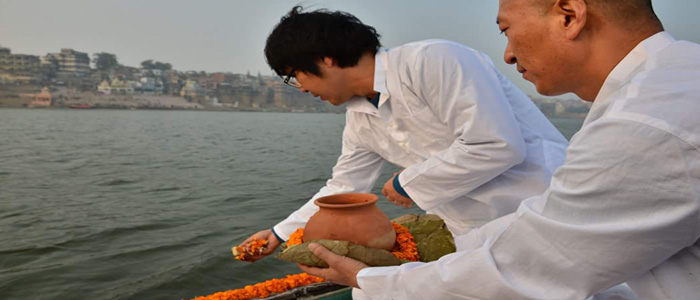
Gaya in Bihar is another important site for Pind Daan. The ceremony is usually conducted on the banks of the Falgu River, believed to be an embodiment of Lord Vishnu. Brahmins conduct the ceremony on any one of the 48 platforms (Vedis) available. Balls of rice mixed with wheat flour, oats, and dried milk are offered to ancestors with mantras chanted during the ritual. This is said to free the soul from torment and give it lasting peace.
Gaya is specifically mentioned in the Garuda Purana and Vayu Purana as the most sacred place for Shraddha rituals. Many believe that Pind Daan performed at Gaya alone can grant salvation to 21 generations of ancestors. The Vishnu Pada Temple in Gaya is the main sacred site, along with Akshayavat (an immortal banyan tree) and the Falgu River ghats.
3. Brahma Kapal, Badrinath
- Located on the Alaknanda River near Badrinath temple.
- Devotees take a dip in holy waters and offer rice balls for departed souls.
- Considered especially powerful for ancestral liberation due to Lord Vishnu’s presence at Badrinath.
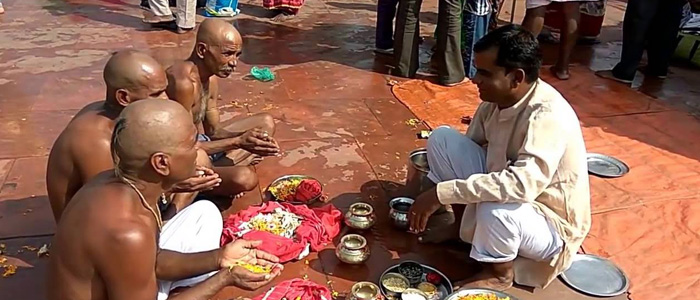
Brahma Kapal Ghat on the banks of the Alaknanda River near Badrinath is considered highly auspicious for Pind Daan. Brahmins perform the ritual with mantra chanting and traditional rice ball offerings to departed souls and ancestors.
Brahma Kapal is unique because it is located within the Char Dham circuit — pilgrims on the Char Dham Yatra often combine Badrinath darshan with Pind Daan at Brahma Kapal on the same day. The ghat is located just a few minutes’ walk from the Badrinath temple. Priests are available on-site. Morning (7–10 AM) is the best time for the ceremony.
4. Sannihit Sarovar, Kurukshetra
- A confluence of seven sacred rivers (mythological).
- The ceremony includes a dip in the water, mantra chanting, and offering rice balls.
- Especially significant during solar eclipses.
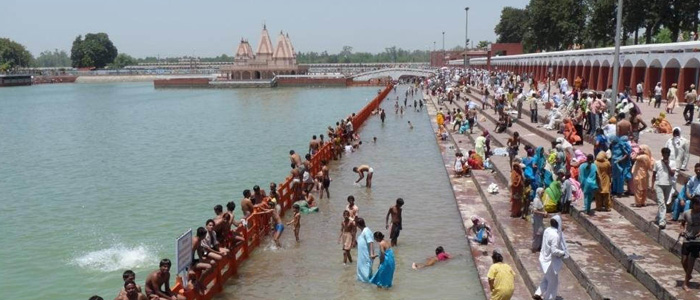
Sannihit Sarovar in Thanesar, Kurukshetra district, Haryana, is believed to be the spot of the confluence of seven sacred rivers. Devotees visit here for Pind Daan and take a dip, followed by chanting of mantras and offering Pind to the departed soul.
Kurukshetra is considered one of the holiest spots for Shraddha in North India, especially during solar eclipses (Surya Grahan) when millions gather. The significance of Sannihit Sarovar for ancestral rites is mentioned in the Mahabharata. Performing Pind Daan here during Pitru Paksha or on solar eclipse days is believed to be especially meritorious.
5. Pushkar
- Holy lake believed to have emerged from Lord Brahma’s lotus flower.
- Pind Daan performed at 52 ghats around the lake, especially during Ashwin.
- One of the very few places with a temple dedicated to Lord Brahma.

The holy lake at Pushkar in Rajasthan is believed to have formed when Lord Brahma dropped a lotus flower here. There are 52 ghats around the lake, where devotees engage in Pind Daan, usually during the holy month of Ashwin.
Correction: The Pushkar Lake is primarily associated with Lord Brahma, not Lord Vishnu. According to the most widely referenced version of the legend (from the Padma Purana), the lake appeared where Lord Brahma dropped a lotus (padma) to earth while searching for a site to perform a yajna. Some regional folk narratives do include Vishnu references, but the primary and most accepted scriptural association is with Brahma.
6. Avantika, Shaktibeah Tirth
- Located near Ujjain, on the banks of the Shipra River.
- Rice balls mixed with wheat flour, milk, and honey are offered.
- One of the Sapta Moksha Puris (seven cities granting liberation).
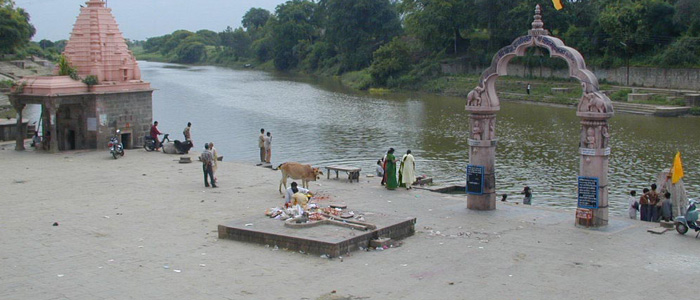
Located near Ujjain on the banks of the Shipra River in Madhya Pradesh, Avantika is a favored spot for Pind Daan, especially in the month of Ashwin. A priest presides over mantra chanting and the offering of rice balls to the departed soul. The soul is believed to attain moksha.
7. Mathura
- Held at Vishranti Tirth, Bodhini Tirth, or Vayu Tirth on the Yamuna River.
- Seven Pinds are offered with mantra chanting.
- Birthplace of Lord Krishna — considered one of the seven moksha-granting cities.
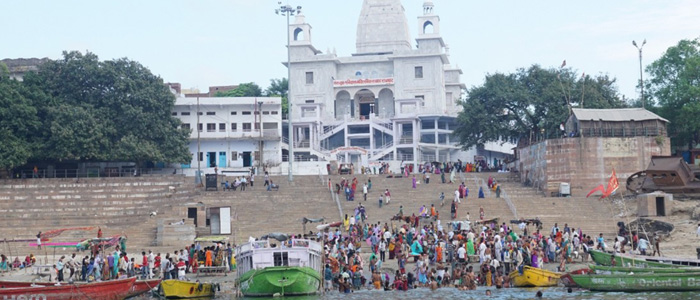
Mathura is a holy pilgrimage city and one of the preferred spots for Pind Daan. The ceremonies are usually held at Vishranti Tirth, Bodhini Tirth, or Vayu Tirth on the banks of the Yamuna River. Seven Pinds of rice balls are prepared and offered with mantras.
8. Ayodhya
- Bhaat Kund on the Sarayu River is the key spot.
- Ritual includes river dip followed by rice ball offerings.
- Birthplace of Lord Ram — one of Hinduism’s most sacred cities.
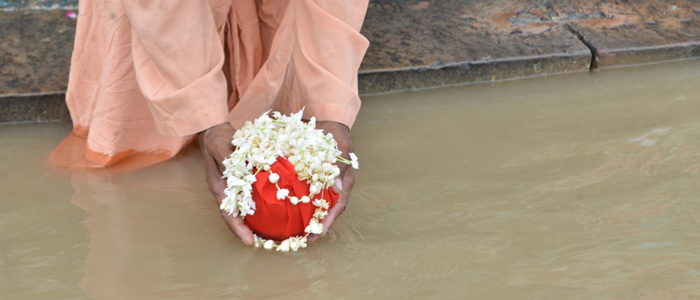
Ram Janmabhoomi in Ayodhya is a significant pilgrimage spot and one of the preferred destinations for Pind Daan. Bhaat Kund on the banks of the holy Sarayu River is where the ritual is performed. As in other places, seven Pinds are prepared, offered to the souls, followed by alms to the poor.
2024–2026 update: Following the consecration of the Ram Lalla temple at Ram Janmabhoomi in January 2024, Ayodhya has seen a dramatic increase in pilgrim traffic. Those planning Pind Daan in Ayodhya should expect larger crowds, especially near the Sarayu ghats. The Uttara Ghat and Swarg Dwar Ghat are most commonly used for Shraddha rituals. Pre-booking priest services is now recommended to avoid delays.
9. Siddhpur (Gujarat)
- Bindu Lake is the key location.
- Especially significant for Matru Shraddha (Pind Daan for mothers).
- The only place in India traditionally dedicated to Shraddha for maternal ancestors.
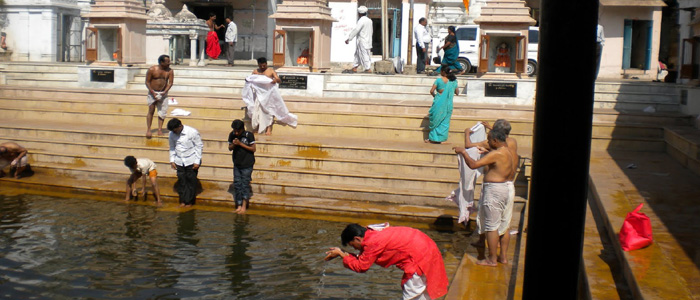
Siddhpur in Gujarat is a pilgrimage site with many temples and ashrams. The Bindu Lake is considered holy, and the city is particularly famous for Matru Shraddha — Pind Daan performed specifically for one’s deceased mother.
What makes Siddhpur unique: It is the only major pilgrimage site in India that is specifically associated with Shraddha for mothers (Matru Tarpan). A son who has lost his mother is traditionally expected to perform Pind Daan at Siddhpur for the full liberation of her soul. The Rudra Mahalaya temple complex (a partially intact medieval temple) is the central religious site here.
10. Allahabad
- Sangam — confluence of Ganga, Yamuna, and mythological Saraswati rivers.
- Considered one of the most powerful sites for all Shraddha rituals.
- Best time: Mauni Amavasya, Pitru Paksha, or Kumbh/Magh Mela period.
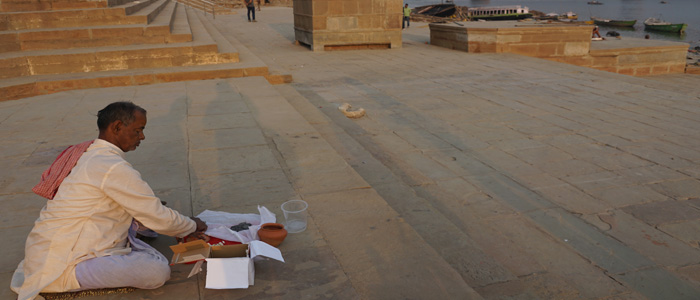
Correction: The city was officially renamed Prayagraj in 2018. All official government portals and Uttarakhand Tourism documents use ‘Prayagraj’. The Sangam at Prayagraj (confluence of Ganga, Yamuna, and Saraswati) is considered one of the most sacred Tirthas in Hinduism. Pind Daan performed here during Pitru Paksha is believed to be particularly effective for ancestral liberation.
11. Puri
- On the shores of the Bay of Bengal, Odisha.
- Swargadwar Ghat is the primary site for Pind Daan.
- Associated with Lord Jagannath — one of the four Char Dham sites in the broader (Adi Shankaracharya) sense.

Puri in Odisha is home to the famous Jagannath temple and is one of the four original Char Dham sites established by Adi Shankaracharya. Swargadwar Ghat (literally ‘gateway to heaven’) on the sea shore is where Pind Daan is typically performed.
12. Dwarka
- On the western coast of Gujarat.
- Associated with Lord Krishna — the Dwarkadhish temple is the main shrine.
- Pind Daan at Gomati River ghat (Chakra Tirtha).

Like Puri, Dwarka is one of the major Char Dham pilgrimage sites. It is famous for the Dwarkadheesh Temple but is also significant as a site for the Pind Daan ceremony. The Gomti River flows into the sea near the temple and is believed to be a tributary of the Ganga, making it holy. The Gomti Ghat is where the Pind Daan ceremony is conducted, with a Brahmin priest chanting mantras and offering ritual rice balls to the soul of the deceased and the ancestors.
13. Haridwar
- Har Ki Pauri Ghat on the Ganga is the primary site.
- Gateway city to the Himalayas — most accessible of all Pind Daan sites.
- Particularly popular during Kumbh Mela and Pitru Paksha.
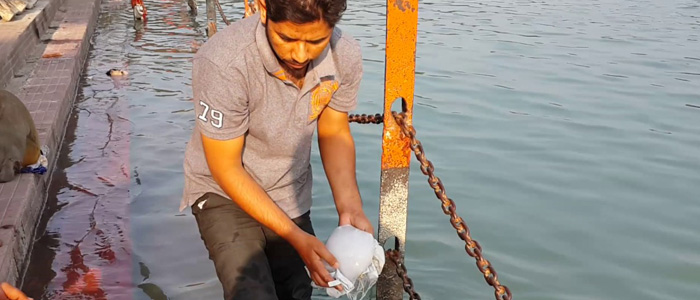
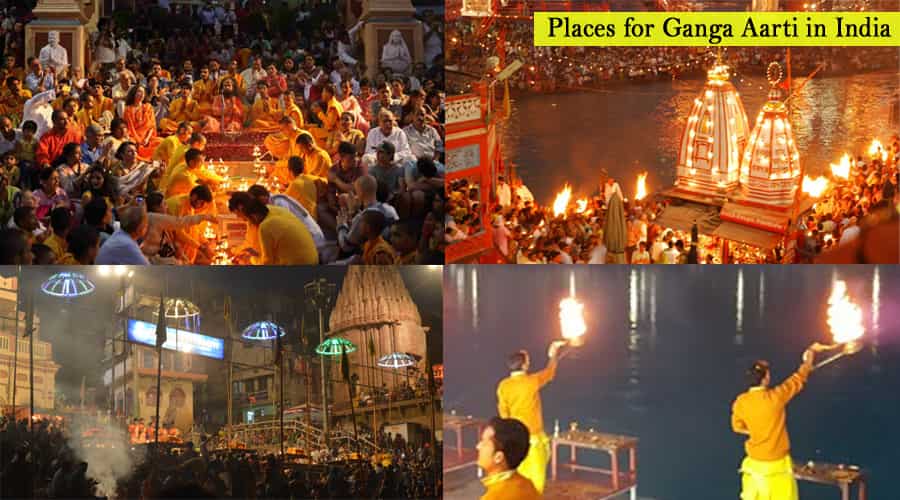
Haridwar is one of the holiest pilgrimage spots in India. Situated on the banks of the Ganga, the evening aarti is a beautiful and elevating experience. Bathing in the Ganga here is believed to wash away all sins, and it is believed that those cremated here have their souls reach heaven. Performing the Pind Daan ceremony here brings lasting peace to the soul of the departed and happiness to the surviving family members.
14. Ujjain
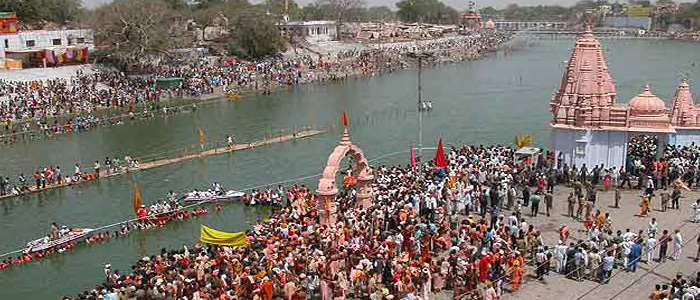
Ujjain in Madhya Pradesh, known for its temples, is also one of the prime locations for Pind Daan ceremonies. The ceremony is usually held on the banks of the Shipra River, especially during the holy month of Ashwin, when thousands of Hindus visit the city. The ritual is typically conducted at the Siddhwat Temple or Ram Ghat.
Quick Comparison — All 14 Pind Daan Sites
| Location | State | Sacred River/Water | Special Significance |
|---|---|---|---|
| Varanasi | Uttar Pradesh | Ganga | Lord Shiva’s abode; moksha for all |
| Gaya | Bihar | Falgu River | Most powerful Shraddha site; frees 21 generations |
| Brahma Kapal, Badrinath | Uttarakhand | Alaknanda | Within Char Dham circuit; Lord Vishnu’s presence |
| Kurukshetra | Haryana | Sannihit Sarovar | Seven rivers confluence; eclipse Shraddha |
| Pushkar | Rajasthan | Pushkar Lake | Lord Brahma’s site; 52 ghats |
| Ujjain / Avantika | Madhya Pradesh | Shipra River | Mahakaleshwar; Sapta Moksha Puri |
| Mathura | Uttar Pradesh | Yamuna | Lord Krishna’s birthplace |
| Ayodhya | Uttar Pradesh | Sarayu River | Lord Ram’s birthplace; Ram temple 2024 |
| Siddhpur | Gujarat | Bindu Lake | Only site for Matru Shraddha (for mothers) |
| Prayagraj | Uttar Pradesh | Triveni Sangam | Most sacred confluence; Kumbh Mela |
| Puri | Odisha | Bay of Bengal | Swargadwar; Jagannath’s abode |
| Dwarka | Gujarat | Gomati River | Lord Krishna’s kingdom |
| Haridwar | Uttarakhand | Ganga | Most accessible; Har Ki Pauri Aarti |
| Ujjain | Madhya Pradesh | Shipra River | Mahakaleshwar Jyotirlinga nearby |
4 thoughts on “Popular Places for Pind Daan in India”
Leave a Reply

Related Posts

Yamuna Pushkaram 2026
9 Most Sacred Rivers in India
mother pind daan
PUNPUN 804453 in patna bihar is also famous for pind daan palace before bodh gaya
Very valuable information published by you for which I am very proudly thankul to you being Indian Hindu Brahmin.
There are 4 best places in tamilnadu
Rameswaram is main one