
Day 1: Home – Delhi
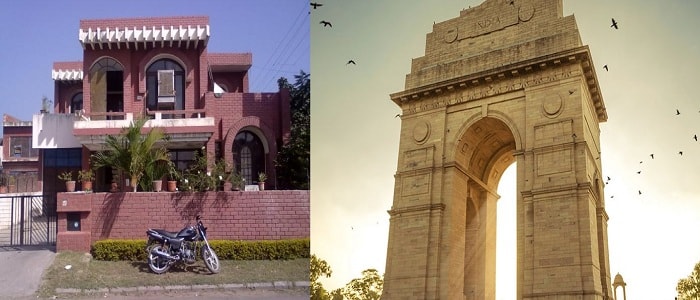
It was a typical summer afternoon in Delhi — hot and bustling with the never-ending hullabaloo of vehicles and a hundred thoughts racing through my mind. If not for the possibilities and promises of the pilgrimage ahead, I would have written off the day as ‘just another.’ But there I was, about to embark on perhaps the most iconic journey of my life — the Chardham Yatra.
I vividly remember the first time I heard about the pilgrimage. I was in my twenties, and had accidentally stumbled across an article about the four pilgrimage shrines in the Himalayas. Interesting… Maybe someday. Well, twenty-five years and countless life lessons later, here I am, finally embarking on the journey.
I arrived at New Delhi Railway Station to begin the journey. There, I was warmly welcomed by the staff of ChardhamTour.in, along with many other passengers. Fellow travelers had come from different corners of the country. I immediately struck up a conversation with a Tamilian family — two sisters, one accompanied by her son.
The manager from ChardhamTour.in was accompanying our group and seemed like a very pleasant and helpful person. From the railway station, we were taken to a Hanuman Mandir. By now, the reality that the journey had begun started to sink in. Usha placed her hand on my shoulder, and the comfort of human touch when fear grips your body — I closed my eyes and offered the entire trip to God. Amidst beautiful bhajans, a huge burden lifted from my body.
Day 2: Rishikesh – Barkot
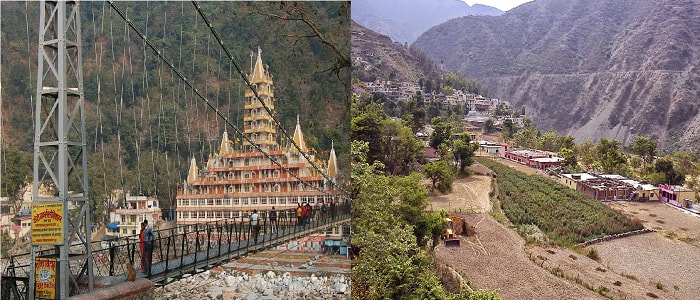
We reached Rishikesh quite early in the morning, well before the city was taken over by its characteristic throngs. Our tour guide informed us we would leave for Barkot only in the afternoon, leaving us half a day free to explore Rishikesh. We visited Laxman Jhula and Ram Jhula and managed to take several pictures with cows! After a sumptuous meal, we left Rishikesh.
We stopped at Kempty Falls along the way, and the sight of pristine water refreshed my senses. The drive to Barkot resumed peacefully. There’s something about zigzag mountainous paths that enchants the human heart — maybe because they remind us of life’s winding trajectories. I slept soundly upon reaching the Samrat Hotel in Barkot.
Practical note for modern travelers: The road from Rishikesh to Barkot (approximately 200 km) can take 6–8 hours due to mountain roads. The condition of this route has improved significantly post-2013, but always check for NHAI/Uttarakhand PWD road condition advisories before travel during monsoon months.
Day 3: Barkot – Janki Chatti – Yamunotri – Barkot
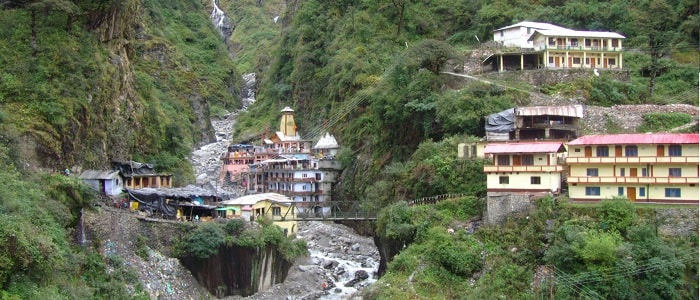
What a day! Today I experienced what it truly means to be on a pilgrimage. I woke up well before 4 AM. We were driven to Janki Chatti by motor vehicle, from where we began our trek. By now, I had become friends with several people in the group. Mr. Nagarjuna and his wife were such a jovial couple — their never-ending jokes kept me laughing throughout the trek.
We decided to walk uphill, though one could hire a pony or palki. At times I felt afraid, especially on the steep gradient. It took us 4.5 hours to reach the temple premises. The first 2–3 km weren’t difficult, but the second half was quite challenging. The climb grew steeper and the road seemed narrow.
In the temple, there were two idols of river goddesses — one black for Yamuna Maa and the other white for Maa Ganga. After circumambulating three times, we received Prasadam — boiled potatoes from Surya Kund. It amazed me that such hot water springs from underneath the earth in such a cold environment.
I was struck by how we can worship the River as a Goddess in the temple, yet fail to honor her waters in real life. The Yamuna at Yamunotri was pristinely pure, unlike the polluted Yamuna I see in Delhi.
Practical note: The trek from Janki Chatti to Yamunotri temple is 5–6 km one way (not 6 km from Janki Chatti as sometimes cited; from Hanuman Chatti the distance is 6 km). Start by 6 AM to complete darshan and return comfortably before sunset. Carry a light raincoat — the area sees sudden showers even in May–June.
Day 4: Barkot – Uttarkashi
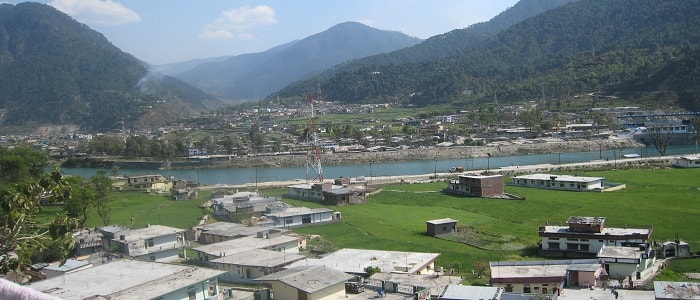
Well, there’s hardly anything a good sleep can’t cure. My legs still ached a bit in the morning — thankfully I had carried Arnica with me. Today we were taken to Uttarkashi, to Hotel Bhagirathi. I loved the room I was given, with its beautiful scenery outside the window.
I had a sudden urge to visit the Kashi Vishwanath Temple in the evening. How could I come this far and miss visiting the Shiva temple? The temple was as sacred as one would expect, and the Shakti Temple with its massive Trishul was equally awe-inspiring. Back at the hotel, I dreamt of the Mother.
Day 05: Uttarkashi – Gangotri
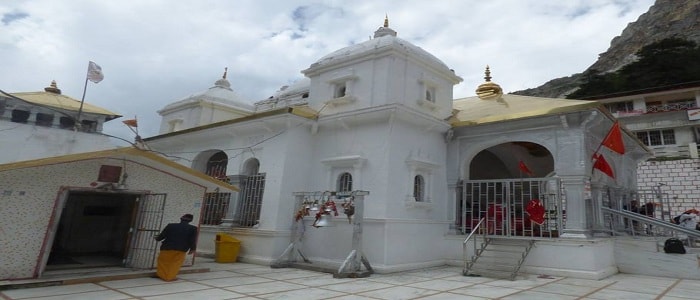
Wow! Just wow! How can one describe the magnificent beauty of the path to Gangotri? Never before had I seen places as beautiful as those we drove past. Sukhi Top and Harsil were breathtaking — where, I was told, a famous Bollywood movie was shot. We passed many idyllic apple orchards and climbed over four mountains.
The Gangotri darshan was much easier than the Yamunotri trek. My body no longer ached, and I was relieved this darshan involved no trekking. The serene Gangotri Temple appeared as iridescent as the holy Ganges herself. Inside the temple were idols of Lord Shiva, Lord Ganesha, Lord Hanuman, and King Bhagirath.
I resolved to return to Gangotri one day — to reach the Gaumukh Glacier and see the physical origin of the Bhagirathi stream.
Day 6: Srinagar
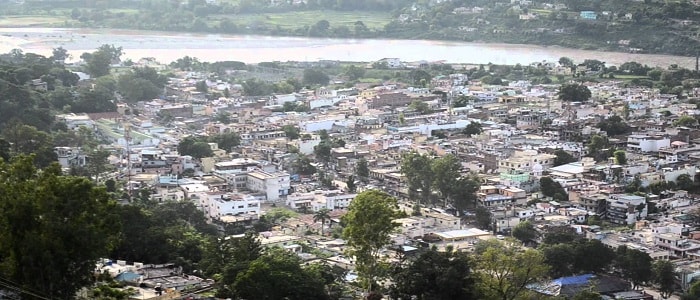
Our tour manager informed us we would be visiting Srinagar. At first I was confused — why would we go to Srinagar in Jammu & Kashmir? He clarified that this particular Srinagar was in Uttarakhand, a beautiful town in the Alaknanda Valley.
I thoroughly enjoyed the bus ride. Some of us sang, while others attempted dancing, but thanks to the meandering mountain trails they had to settle for clapping along. Usha sang so beautifully that I almost had tears in my eyes. I knew I had met a friend for life.
Day 7: Dhari Devi Temple – Rudraprayag – Sitapur
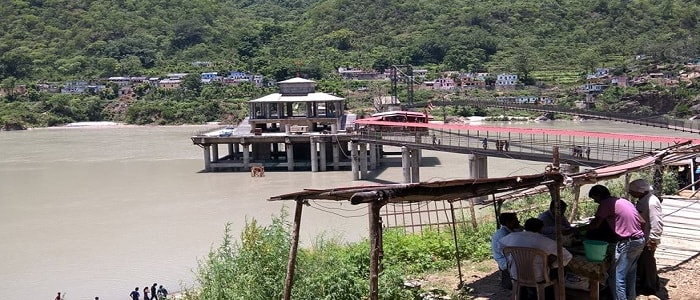
The Dhari Devi temple is built on the banks of the Alaknanda River. This is a powerful shakti shrine and the story of how it was rebuilt after the 2013 floods is deeply moving. The darshan here felt unexpectedly profound.
Practical note for readers: The Dhari Devi temple near Srinagar Garhwal is accessible year-round. The temple sits between the Srinagar Dam and Alaknanda. After the 2013 flood disaster submerged the original site, the temple was reconstructed at a higher elevation. Darshan timings: 6 AM to 8 PM. The temple is considered highly significant — it is believed that no harm came to the idol even during the 2013 catastrophe.
Day 8: Sonprayag – Gaurikund – Kedarnath
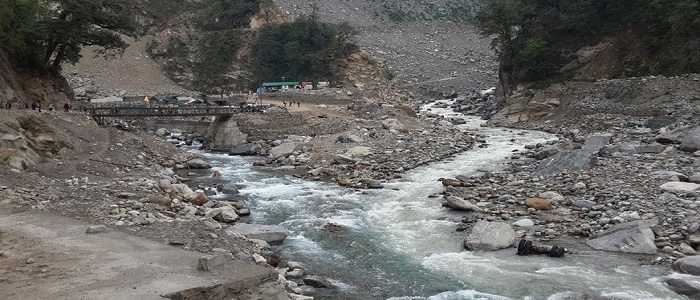
The day arrived that I had been simultaneously dreading and longing for — the Kedarnath trek. We arrived at Sonprayag, registered our permits, and proceeded to Gaurikund. The trek began. The trail was busy with pilgrims of all ages — some moving with determination, some struggling, all driven by the same invisible force.
Reaching Kedarnath — I cannot put it into words. The ancient stone temple, the sound of the river, the cold mountain air, the sight of people weeping in devotion — it all combined into something that bypassed language entirely. I stood at the entrance and simply let tears flow. No thought, no prayer — just presence.
Day 09: Joshimath – Badrinath
The drive to Badrinath via Joshimath was stunning. The road runs alongside the Alaknanda River through some of the most dramatic mountain scenery in India. Joshimath itself is a town of spiritual significance — the winter seat of Badrinath’s deity.
Important 2026 update: Joshimath (also spelled Jyotirmath) has been experiencing land subsidence since 2023. Pilgrims should confirm current road conditions and accommodation safety through the Uttarakhand government’s official travel advisory website before planning an overnight stay. The main route to Badrinath through Joshimath remains operational in 2026, but ground-floor structures may have restrictions.
Day 10: Badrinath – Mana Village – Pipalkoti
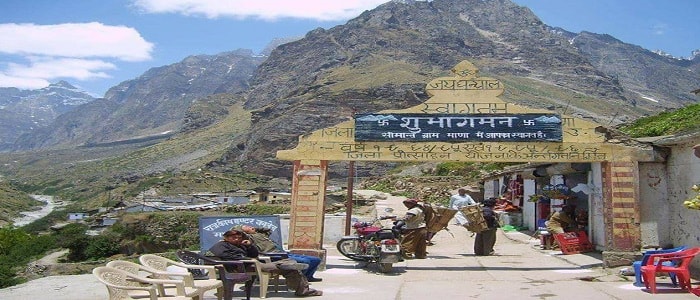
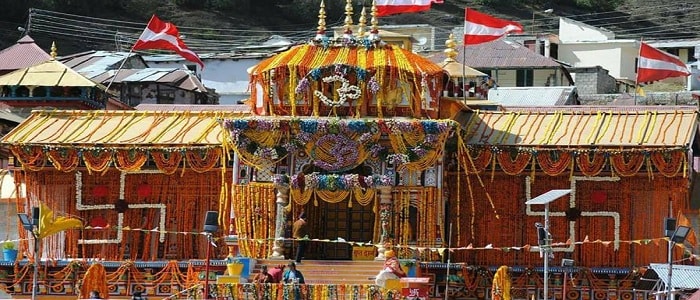
After morning darshan at the Badrinath temple — one of the most magnificent temples I have ever seen — our group visited Mana Village. Mana is considered the last Indian village before the Tibet border, and there is something profoundly humbling about standing at the edge of a civilization.
We saw Vyas Gufa (where the Mahabharata was supposedly composed), Ganesh Gufa, and Bhim Pul — a single massive rock spanning the Saraswati River. The area around Tapt Kund was also deeply atmospheric.
Day 11: Devprayag – Haridwar
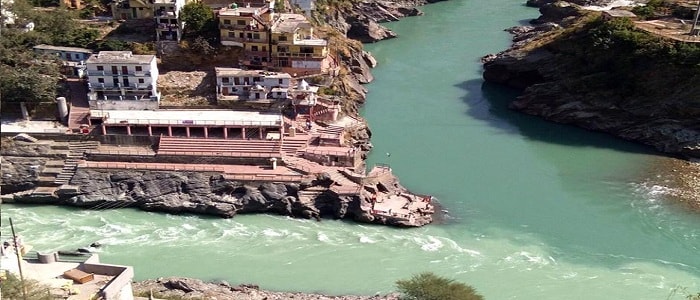
The descent back to the plains felt like a different kind of journey. We stopped at Devprayag, where the Bhagirathi and Alaknanda rivers meet to form the Ganga. The sight of two distinct rivers becoming one — one greener, one cloudy-white — is something no photograph fully captures.
Haridwar in the evening, the Har Ki Pauri aarti — the perfect emotional close to an unforgettable journey.
Day 12: Delhi – Home
On the train back to Delhi, I sat quietly and thought about everything that had happened in the last twelve days. The mountains had done what mountains do — they had shrunk my daily worries to their true size: very small.
‘You will always hold on to the strong spiritual feelings at Char Dham, no matter how you experience them.’
What Anupama’s diary captures is something statistics and itineraries cannot: the yatra changes you not by what you see, but by what you feel. The distance from Delhi to Kedarnath is not just 460 kilometres — it’s a journey into a quieter version of yourself.
What First-Time Yatris Should Know from Anupama’s Experience
- A good tour manager changes everything. One trusted person who knows the route, the timings, and the local emergency contacts can turn a stressful trip into a spiritual one.
- The Yamunotri trek is physically demanding even for those who consider themselves fit. Train for it — at least 4 weeks of daily walking.
- Carry personal comfort items: your preferred pain relief, a small prayer book, and one piece of clothing that feels like home.
- The return journey from Kedarnath, when your legs are tired and your heart is full, is actually the most beautiful part of the trek.
- Budget at least one full rest day in the itinerary — your body will thank you, and your mind will process the experience better.
8 thoughts on “My Char Dham Yatra Experience”
Leave a Reply




Thanks for sharing a great experience with us. It’s a pleasure to read about your experience with Char Dham yatra.
Nice Blog…. This is really amazing. Great information about chardhamyatra
Found your post interesting to read. Good Luck for the upcoming update.This article is really very interesting.
Thank you for sharing your insightful Char Dham Yatra experience! Your detailed account provides valuable information and tips for fellow travelers embarking on this sacred journey. It’s heartening to read about the spiritual significance and the awe-inspiring beauty of the Char Dhams.
The information you gave is beneficial.
I’m delighted with all the information you gave and it is perfect for everyone looking for information to go on a Char Dham Yatra.
Sabse pehle aap char dham se aay to pujniya he me apko charan sparsh karta hu me bhi meri mummy char dham Yatra se lot ayi he ghar so dairy likh rha hu aapka lekh Kam ayga thanks sath hi baki dosto padne walo ko message he ki aap bhi koi apka Ghar ka char dham se ay to dairy likh sakte he taki salo bad koi padega to usko vo insan as pas hi lgega
Thank you so much for sharing this valuable information! I truly enjoyed reading your content. I also write about the Chardham Yatra for Devdham Yatra, and I hope you’ll enjoy reading my articles as well. The Chardham Yatra is such a fantastic experience, and it’s always great to see others share their insights on it. Looking forward to reading more of your posts!
Personal Char Dham Yatra experience shared with practical insights and travel tips.