History of Gangotri Temple
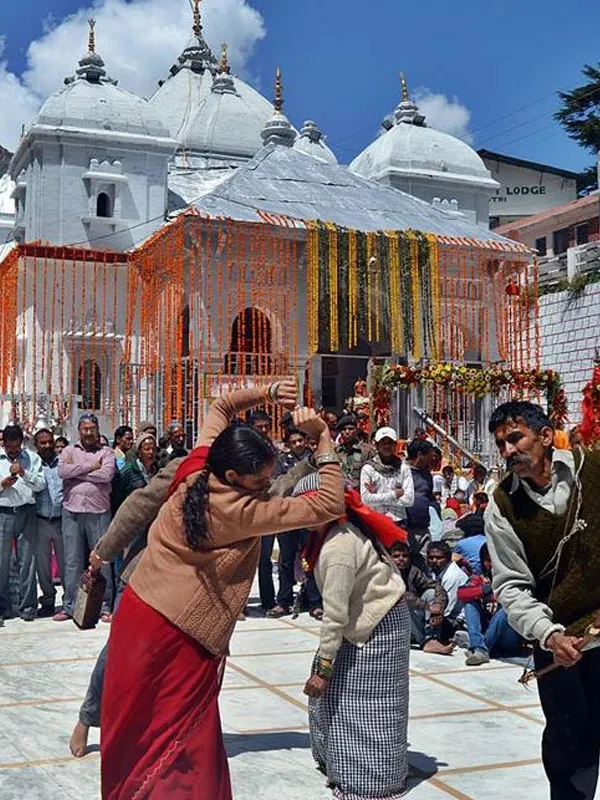
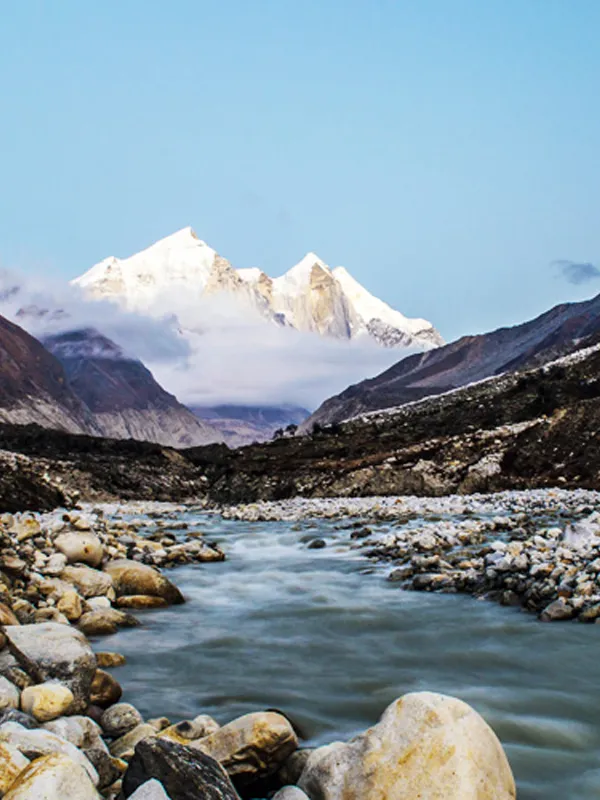
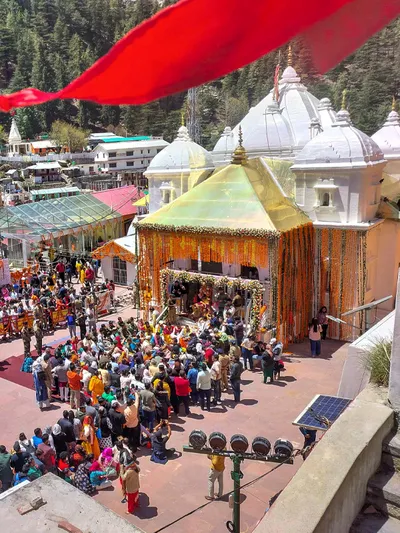
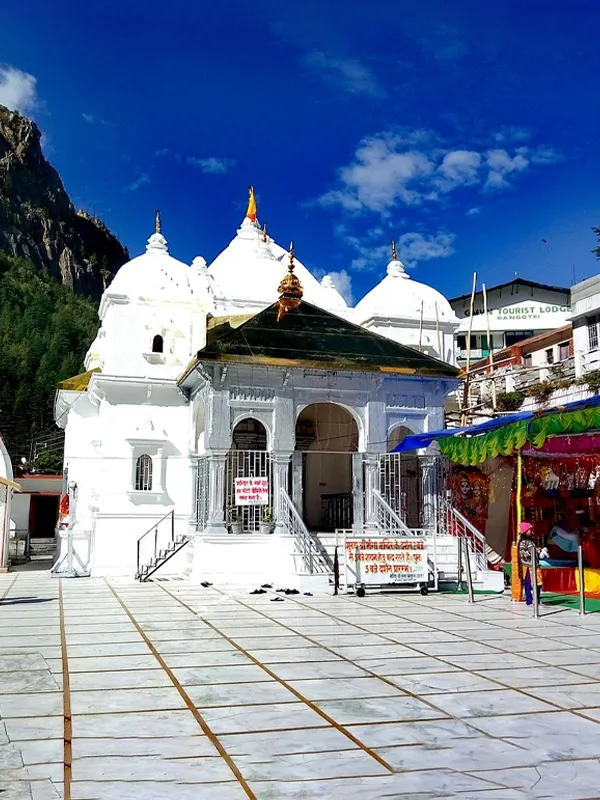
Gangotri Dham is a crucial part of the Chota Chardham Yatra circuit which takes place every six months in Devbhoomi Uttarakhand. People from far and wide make it a point to visit this rare temple dedicated to goddess Ganga. With the roaring Bhagirathi River making its way from the side of the temple, this place is replete with tales from the ancient ages and these stories and mythological account adds on to the enchanting charm of this place. The temple is rich in historical and mythological accounts which can be felt right from the moment you step into the temple’s perimeter. It is believed that taking a dip in the water from here will ride you of all your sins and will grant you salvation.
Here is some more information about how the temple came into being and the incredible and legendary history around it:
History of Gangotri Temple
The Gangotri Dham is one of the four sacred sites in the Chota Char Dham pilgrimage circuit in Uttarakhand's Garhwal Himalayas, revered as the earthly origin of the holy Ganga river. It is not merely a holy temple but, in fact, holds a great history behind its origin. That's how Bhagirath does great penance (Tapasya) for the salvation (Moksh) of his ancestors, and how once a sage drank the whole Ganga to give it a new birth and name.
The Mythological Story Behind Gangotri Temple
As mentioned in the Valmiki Ramayana (Bala Kanda, Sargas 38-45), King Sagara of the Suryavansha dynasty once decided to conduct an Ashwamedha Yagna, but Indra, fearing losing its throne and powers, hid the ritual horse in Sage Kapila's ashram. Sagara's 60,000 sons searched the earth intensely, disturbing Kapila's sage (rishi) meditation, and thus were burnt by his fiery gaze into a pile of ashes. He also cursed them so that their souls could not attain moksha and would wander restlessly.
Therefore, for the betterment of his forefather, King Bhagiratha's great-grandson undertook intense penance (Tapasya) to bring Ganga from heaven to earth to rest and provide salvation (moksha) to his ancestors' souls;
Pleased by King Bhagirath's penance (Tapasya), the creator of the universe, Brahma, granted him the boon to bring Ganga to Earth for his forefathers' betterment, but Ganga warned that her descent's flow/force would shatter Earth, advising him to seek Lord Shiva's help.
Shiva Controls Ganga
Bhagiratha then performed another millennium-long penance (tapasya) at Kailasa, pleasing Shiva, who agreed to catch Ganga in his matted locks (jata). Therefore, Ganga descended from heaven (Swarga), and Shiva held her waters in his jata for years to pacify her; only after Bhagiratha's further pleas did Shiva release her gently as the Bhagirathi River here at Gangotri.
Liberation and Legacy
Requested by Bhagiratha, Ganga flowed to the ashes at Sagara's site (near modern Ganga Sagar), providing salvation (moksha) and rest to his ancestors' souls and granting them heaven (swarga). Therefore, Brahma named the river Bhagirathi in his honour.
Another Story Related to Bhagirathi's Ganga
As per the Valmiki Ramayana (Bala Kanda, Sarga 43-44), after Shiva released Ganga from his locks (jataye), her flooding flow ravaged everything in its path, including Jahnu's hermitage (ashram); the flood extinguished his sacrificial fires (Yagna) and scattered ritual items, enraging the sage from deep meditation. (Dhyaan)
His Response
In anger, Jahnu used his yogic powers to drink up all of Ganga's waters in one gulp, halting her journey and stranding Bhagiratha. Later, all the gods and Bhagiratha pleaded before the sage (rishi), explaining her divine mission to provide salvation (Moksh) and rest for Sagara's ancestors.
Release and Ganga's Other Names
Moved by their prayers, Jahnu spat her out (or released her from his ear/thigh in some versions), allowing her to continue; she thus earned the name Jahnavi, "daughter of Jahnu".
Who Built the Present-Day Gangotri Temple?
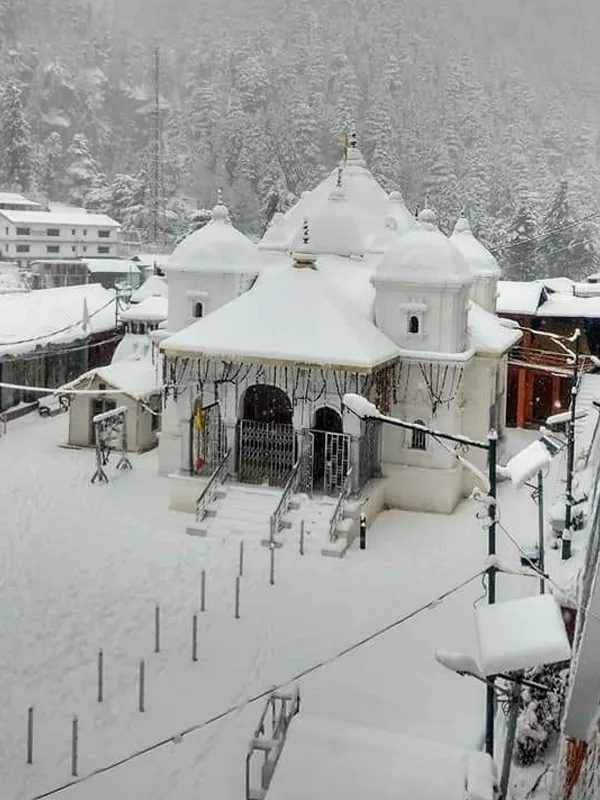
The Gangotri Temple was constructed in the early 18th century by Nepalese Gorkha General Amar Singh Thapa during his campaigns in Garhwal, using locally sourced white granite blocks bound with lime mortar.
Architecture Details
Built in Nagara-style Himalayan architecture, the modest two-storey structure features a copper-sheeted sloping roof for heavy snowfall, five small shikharas (20 ft high), and timber framing from deodar wood for stability in seismic zones; foundations used rubble stone trenches on levelled terrain. Thapa funded it as an act of piety and regional control.
Renovations
The temple fell into disrepair but was restored in the early 20th century by Jaipur Maharaja Madho Singh II after damage, giving it its current form; it has no major ancient origins beyond mythology.
Idol Origins
The silver idol, central to worship, is traditionally attributed to Adi Shankaracharya (8th century), who reportedly brought it from Nepal, though some accounts simply note its presence without donor specifics.
Spiritual Significance
As the "birthplace" of Ganga, it Symbolises purification, moksha, and devotion in Hinduism; part of Chota Char Dham (with Yamunotri, Kedarnath, and Badrinath), the Yatra cleanses sins and grants blessings.
People Also Asked
Question-1: Gangotri Temple is related to which goddess?
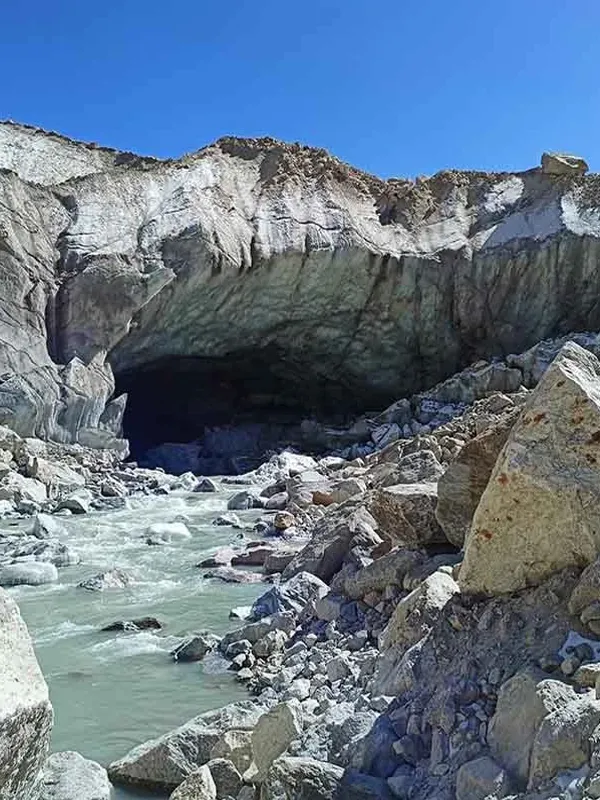
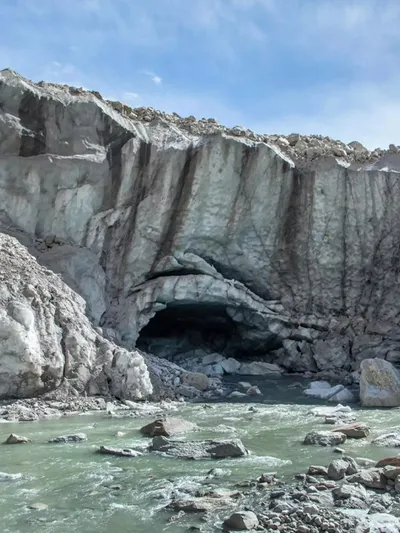
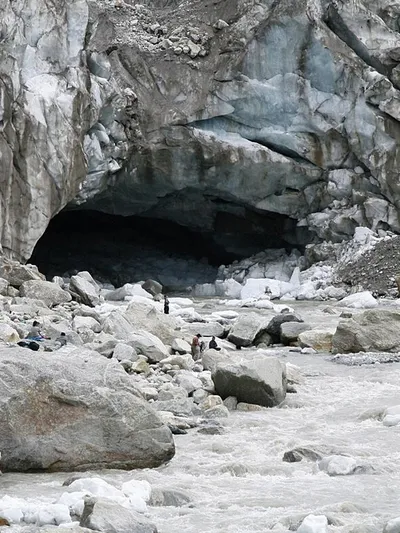
Gangotri Temple is dedicated to Goddess Ganga (also known as Ganga Mata). The River Ganga originates from here, from Gaumukh.
Question-2: Is Gomukh near the Gangotri Temple?
Yes, but it requires trekking up to 18-19 km, a moderate 2-day trek along the Bhagirathi River.
Question-3: Is it true that some sage drank the whole Ganga at once?
Yes, it's true. Sage (rishi) Jahnu, once, after being angry at Ganga flooding his Tapasya, drank the whole Ganga. But later, he released it on the gods and Bhagirath's prayers through his ear; therefore, Ganga is also called the daughter of Jahnu, Jahnavi.
Question-4: Who gave the silver Ganga idol to the temple?
It is not confirmed who gave the original silver idol; some believed it was given by Adi Shankaracharya, who brought it from Nepal.
Question-5: Why is the Ganga called the Bhagirathi River in Uttarakhand?
It was the name given by Brahma Dev in honour of King Bhagirath, who had done great penance (Tapasya) to bring the Ganga on earth for the betterment of his ancestors.