
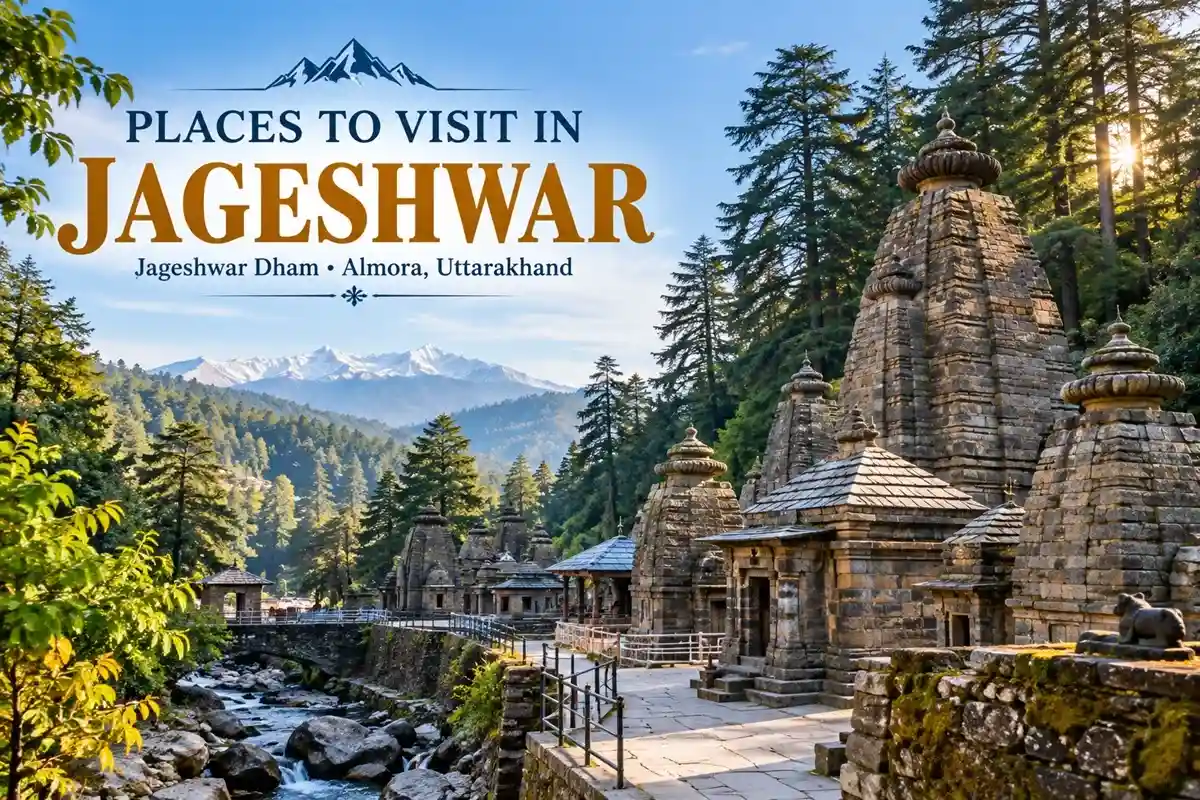
Jageshwar sits in the Almora district of Uttarakhand, at around 1,870 metres, inside a stretch of deodar, oak and pine forest. It’s one of the largest clusters of stone temples in North India, and it doesn’t draw anywhere near the crowds you’d see on the Char Dham route. That’s part of why people go.
The Almora district administration lists 124 temples in the group, most built in the Nagara style. You’ll also see the figure rounded up to “125+” on some tourism sites, and dating estimates for individual shrines range from roughly the 7th century up to the 14th, since the cluster wasn’t built in one phase. This isn’t a discrepancy worth worrying about — different sources count and date the group slightly differently. We’re using 124 here because it’s the figure the district government itself publishes.
One thing worth settling before the list: Jageshwar is often described online as one of the 12 Jyotirlingas. That claim isn’t as simple as a yes or no. Regional tradition in Uttarakhand — including the Almora district’s own pages — identifies the Jageshwar Shivalinga as the Nagesh Jyotirlinga. The Ministry of Tourism’s official Jyotirlinga listing, on the other hand, places Nageshwar Jyotirlinga at Dwarka in Gujarat, and at least one site in South India makes a similar claim to the same title. So this is a genuine, long-standing disagreement between regional belief and the officially recognised list — not a case of one side simply being wrong. We’d rather flag that than pick a side for you.
If you only have a day: cover the main Jageshwar Dham complex — which includes the Dandeshwar, Kuber, Nag and Lakulisha shrines — plus the ASI museum next door. If you have two days: add the walk up to Vriddha Jageshwar and a short trip out to Jhankar Saim or Mirtola Ashram.
Inside the Main Complex
Jageshwar Dham (Jageshwar Mahadev)
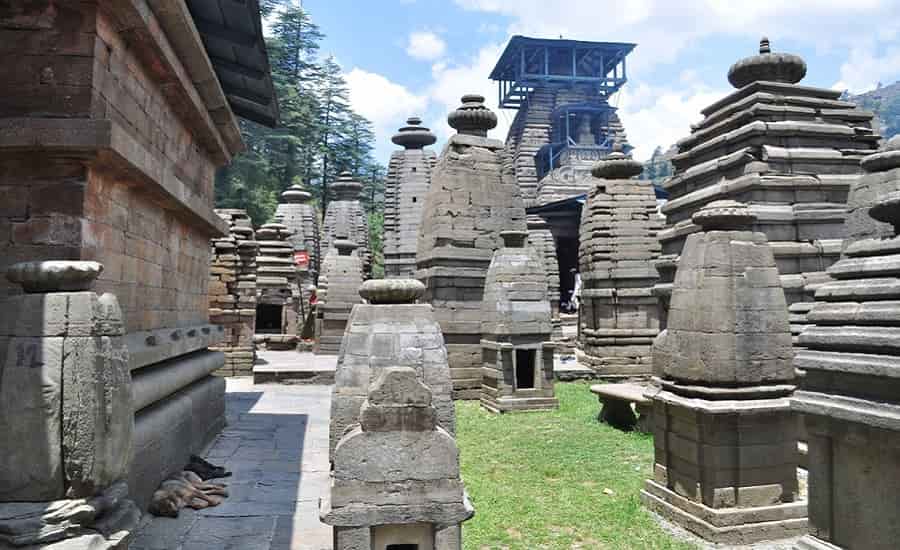
This is the central shrine of the complex, facing west, and the reason most people make the trip. The temples run along the Jata Ganga, a narrow stream that devotees treat as sacred, and the whole site is maintained by the ASI.
Two annual gatherings are worth knowing about if you can time your trip around them: Maha Shivratri in late winter/early spring, and the Jageshwar Monsoon Festival, held during Shravan (July–August). Exact dates shift every year with the lunar calendar, so check closer to your travel dates rather than relying on a fixed date here.
- Timings (per the Ministry of Tourism’s Incredible India portal): Summer 4:30 AM–7:30 PM, Winter 5:00 AM–6:00 PM. Evening aarti is around 7:30 PM in summer and 6:00 PM in winter — but these can shift for festivals, so confirm locally if your visit is timing-sensitive.
- Entry Fee: Free
- Recommended Duration: Half a day to a full day
Dandeshwar Temple
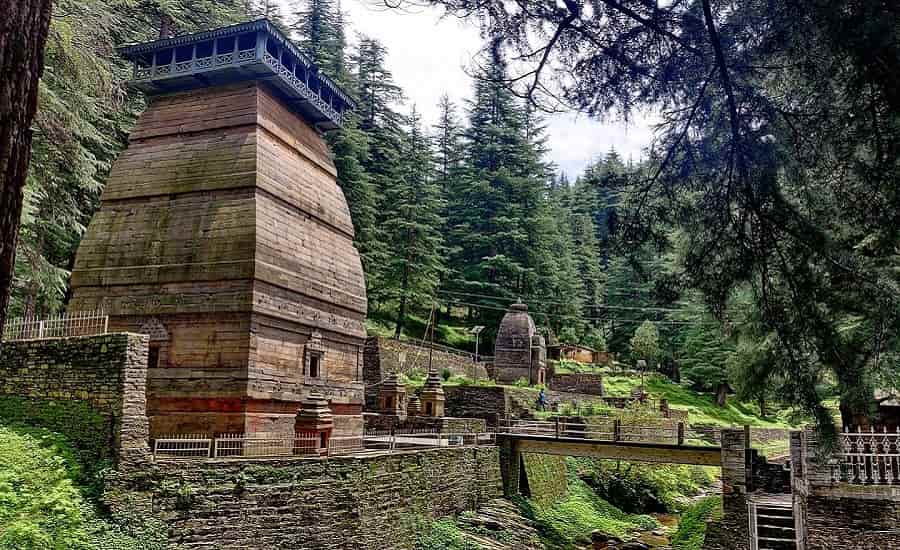
Roughly a kilometre or two upstream from the main shrine — sources aren’t fully consistent on the exact distance, so treat it as a short walk rather than a precise figure. Parts of the structure are in ruins, but what’s standing is large enough that this was clearly a major temple in its own time, not an afterthought.
- Distance: Roughly 1–2 km from the main complex
- Best For: Architecture and history
Kuber Temple
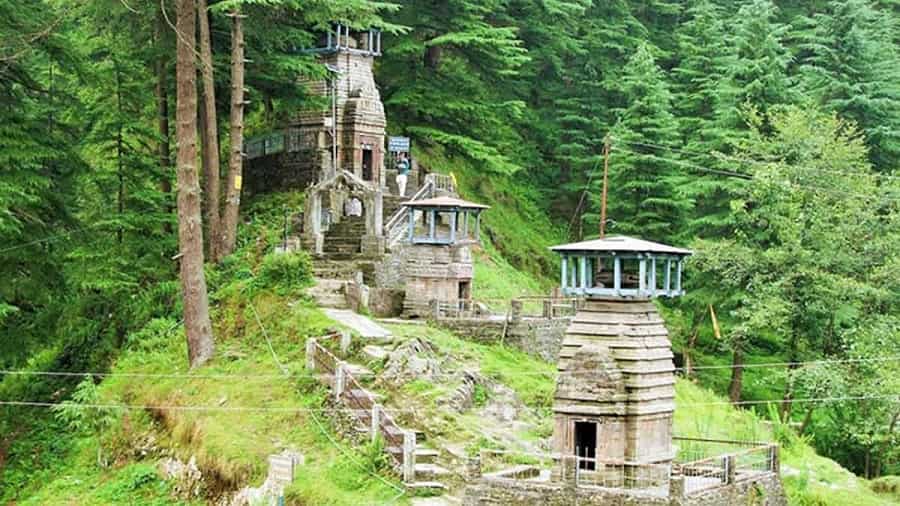
A small shrine inside the main complex, dedicated to Kuber, the deity of wealth. Most visitors cover it in the same walk-through as the rest of the complex rather than treating it as a separate stop.
- Recommended Duration: 10–15 minutes
Nag Temple
Also inside the main complex. Serpent worship has deep roots across the Himalayan belt, and this shrine reflects that tradition. Again, usually visited as part of the same walk as the rest of the complex.
- Recommended Duration: 10–15 minutes
Lakulisha Temple
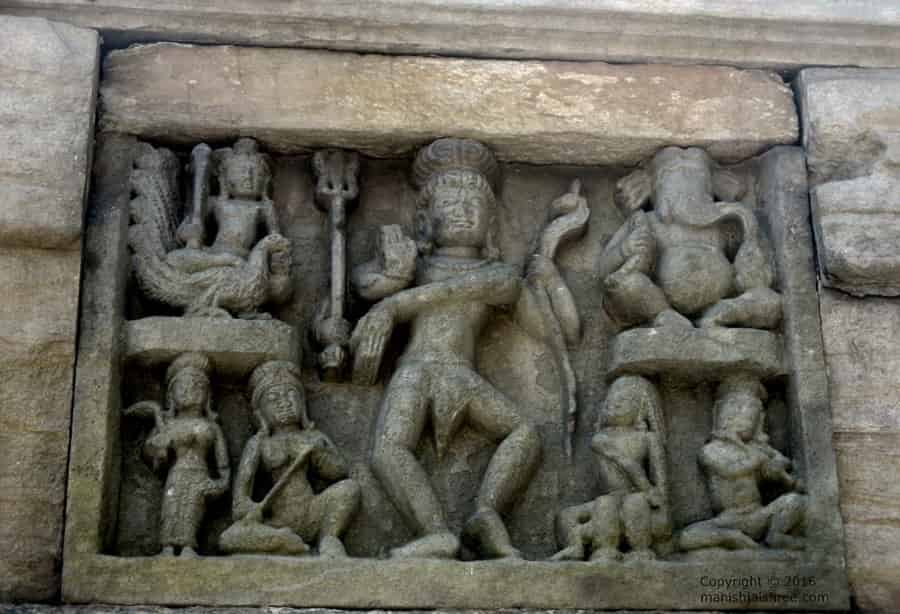
Dedicated to Lakulisha, regarded as the founder of the Pashupata school of Shaivism. Lakulisha’s presence at Jageshwar is documented in academic and government material on the site, which ties this temple cluster into a much older strand of Shaivite history than the buildings alone suggest.
- Recommended Duration: 20–30 minutes
- How to Reach: Within walking distance of the main complex
Jageshwar Archaeological Museum
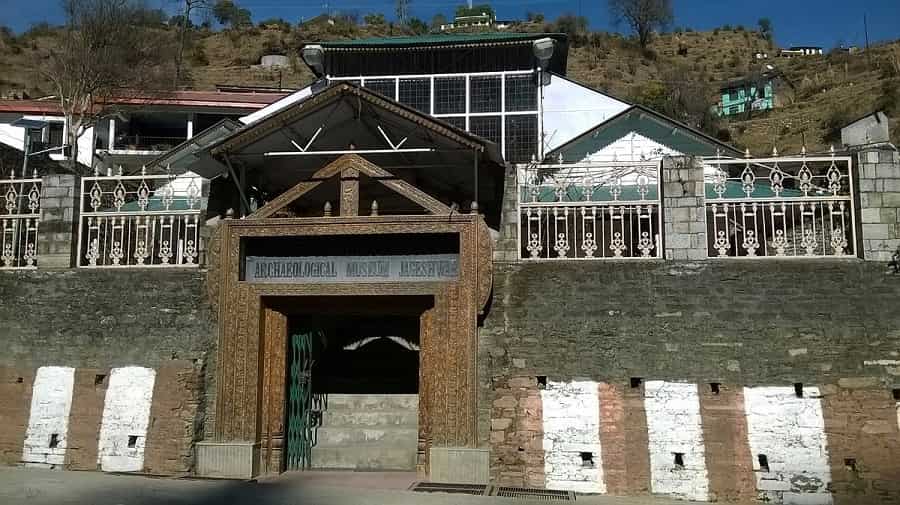
Run by the ASI, right beside the main complex. It holds 174 sculptures recovered from the Jageshwar, Dandeshwar and Kuber temple groups, dated to roughly the 9th–13th centuries — useful context if you want to know what you’re actually looking at once you’re inside the temples.
- Entry Fee: Free
- Timings: 10:00 AM–5:00 PM, closed on Fridays
- Time Required: 30–45 minutes
Around Jageshwar
Vriddha (Old) Jageshwar Temple
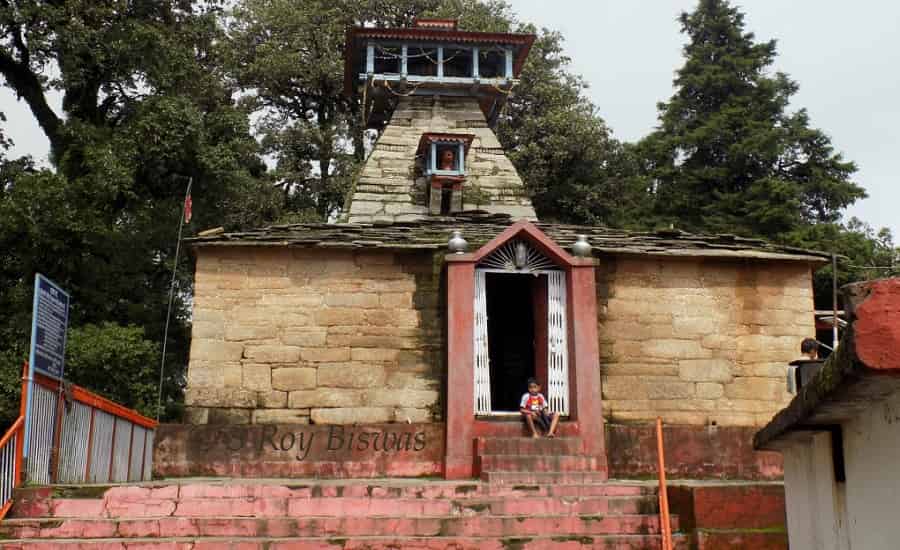
Also called Budha Jageshwar. Local tradition treats this as the older site of Shiva worship in the valley, predating the main complex. The distance you’ll see quoted varies a lot depending on the source — some put the forest trail at under 2 km, others describe a much longer route by road. Plan for a real uphill walk rather than a quick detour, and ask locally about current trail conditions before you set out.
- Access: Forest trail from the main complex (steeper, shorter); a longer motorable road also connects the area
- Recommended Duration: Half a day, including the walk
Jhankar Saim Temple
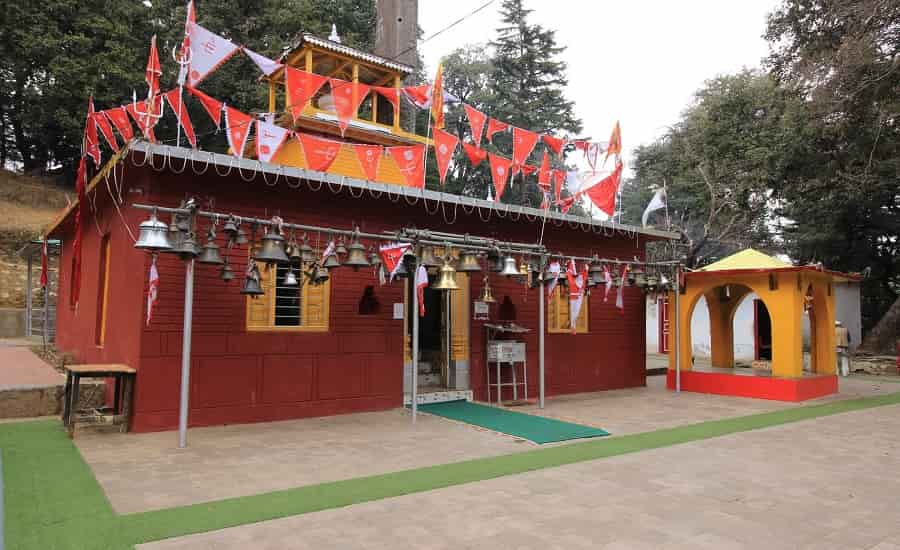
A short drive from the main complex, dedicated to a local protective deity. Regional folklore treats Jhankar Saim as a guardian watching over Jageshwar’s older shrines — a good example of how folk Kumaoni belief sits comfortably next to classical Shaivism here rather than competing with it.
- Recommended Duration: Half a day
- How to Reach: A short drive from Jageshwar Dham; ask locally for current road conditions
Mirtola Ashram
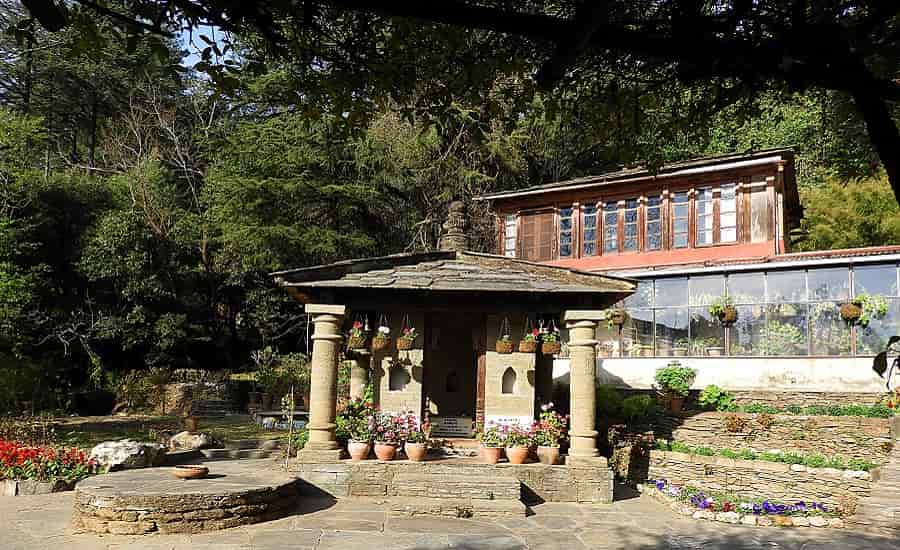
Founded by Sri Krishna Prem (born Ronald Nixon) and Sri Yashoda Ma, this is a working ashram built around Vedantic study and a disciplined, quiet way of life. It is not a sightseeing stop in the usual sense — it’s an active residence, and visitors should get permission before showing up.
- Recommended Duration: A few hours to a full day, if permitted
- How to Reach: A drive from Jageshwar Dham; confirm the route and get permission before visiting
Kunja Village
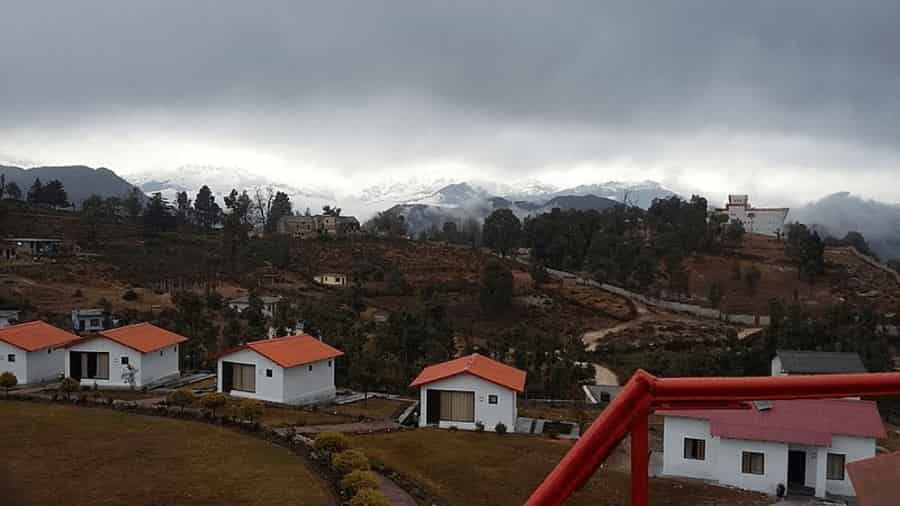
A small Kumaoni hamlet near Jageshwar. If you want a slower, more rural stretch of the trip, this is where you’d go — stone-and-wood houses, terraced fields, the pace of an actual working village rather than a tourist stop.
- Best For: Slow travel, village walks
- Recommended Duration: Half a day
Jhandi Top
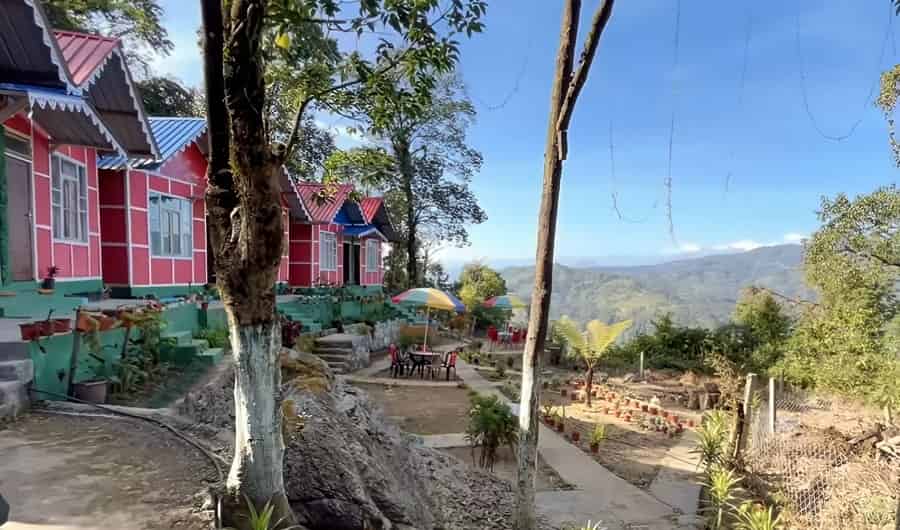
A viewpoint popular with trekkers, with views over forested ridges and, on a clear day, distant peaks. It’s a reasonable add-on if you’re already in the area and want a short trek — but confirm the current trail access and timing locally, since conditions on unmarked hill trails change season to season.
- Best Time to Visit: Clearest visibility is generally September–November
- Recommended Duration: Half a day
Dol Ashram
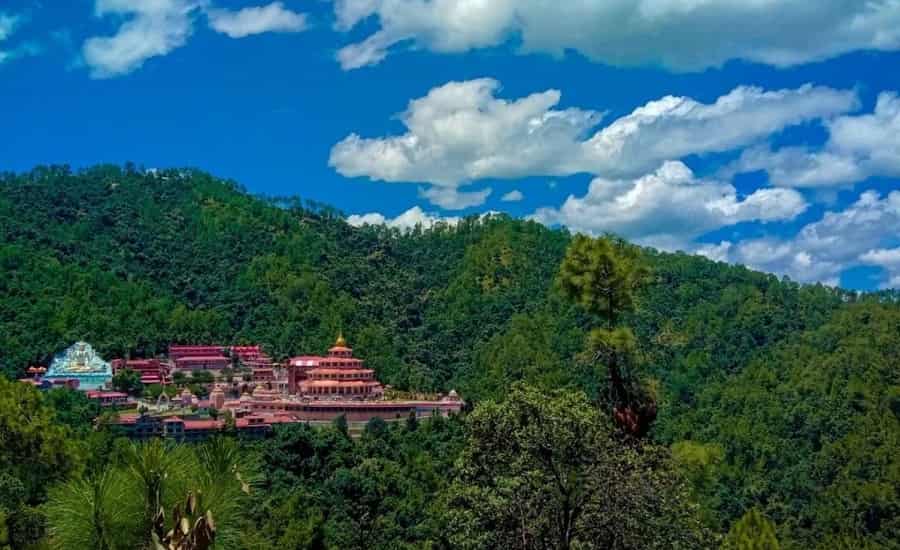
A quieter retreat in the forests near Almora, occasionally listed alongside Jageshwar’s other spiritual-tourism stops. This one is genuinely for people who want solitude rather than sightseeing — there isn’t much to “see” here in the conventional sense.
- Recommended Duration: Half a day
- How to Reach: Confirm the route locally; it’s off the main Jageshwar road
Best Time to Visit Jageshwar
| Season | Months | What to Expect |
|---|---|---|
| Summer | April – June | Generally pleasant daytime weather; the easiest window for a first visit |
| Monsoon | July – August | Heavy rain, and hill roads around Almora–Jageshwar can see landslides — check road conditions before you drive. The Monsoon Festival falls in this window |
| Autumn | September – November | Clear skies and the best visibility for viewpoints like Jhandi Top |
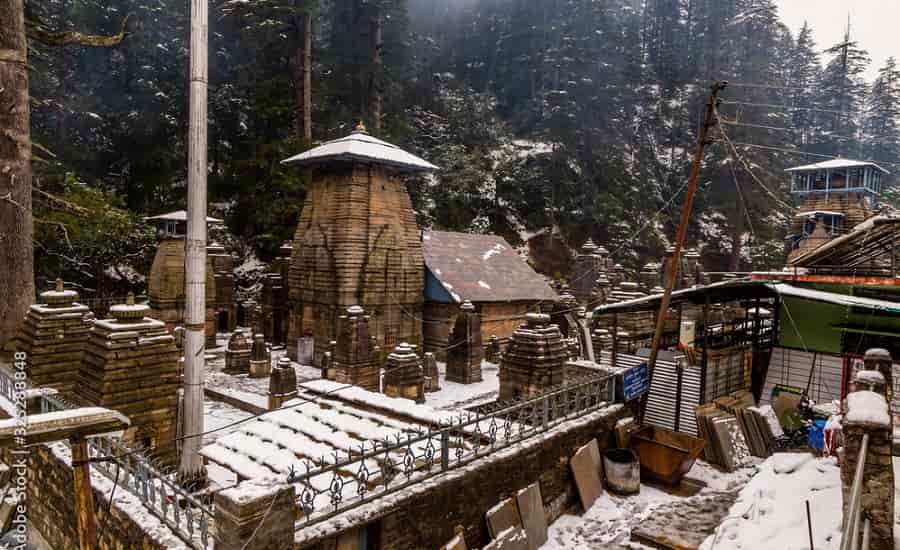
| Winter | December – February | Cold, occasional snow at higher points, and the quietest season for crowds |
How to Reach Jageshwar
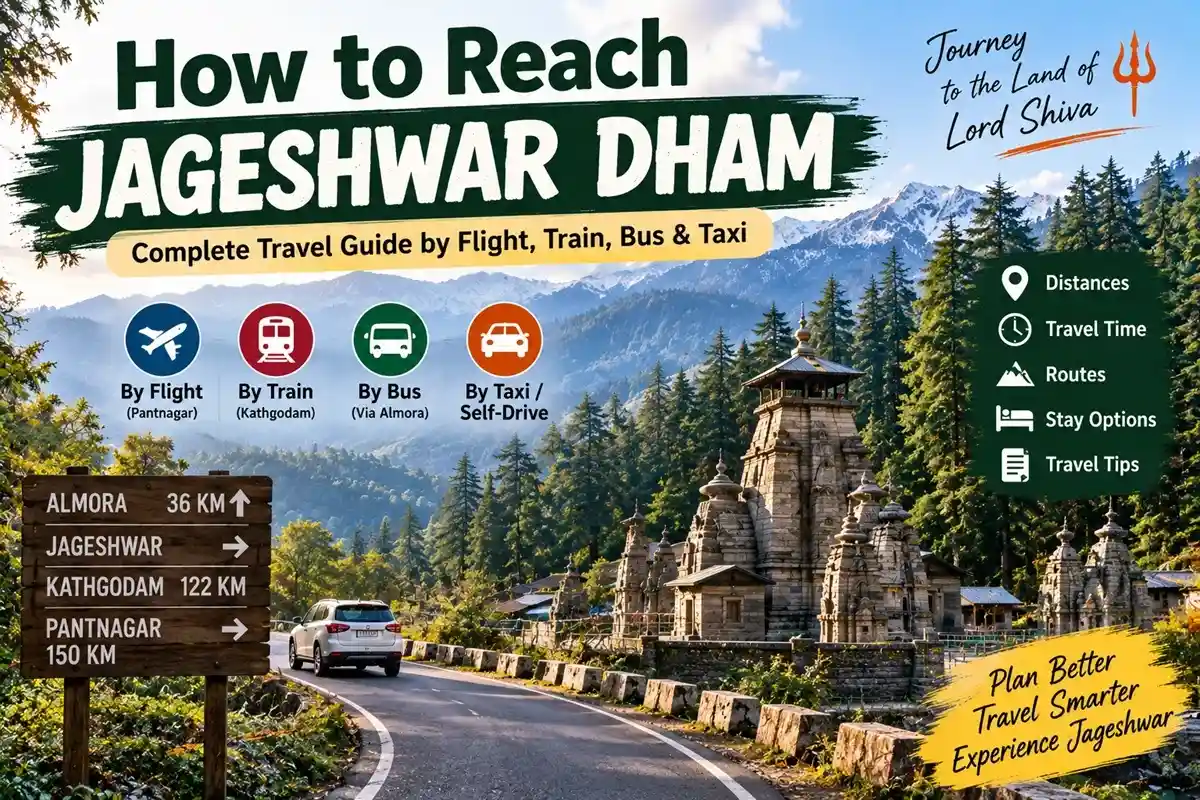
- By Air: Pantnagar is the nearest airport, roughly 150 km away by road — treat this as an approximate figure rather than an exact one, since quoted distances vary by source and route. From there, hire a taxi or catch a connecting bus toward Almora and on to Jageshwar.
- By Rail: Kathgodam is the nearest railhead, approximately 125–130 km away by road via Almora.
- By Road: Jageshwar is about 35 km from Almora on the Almora–Pithoragarh road — this figure is well and consistently documented. Buses and shared taxis run this stretch regularly. From Delhi, the full drive is roughly 400 km depending on the route, usually broken into two days via Haldwani or Nainital.
- Local Movement: A half-day taxi hire from Jageshwar Dham covers most of the places above comfortably, though a few — Jhandi Top and Dol Ashram in particular — are worth confirming distance and road access for before you commit to a same-day plan.
Where to Stay
Jageshwar itself has a modest range of guesthouses close to the main complex, enough for an overnight stay if you want an early darshan before the day’s visitors arrive. For more choice, most travellers base themselves in Almora, 35 km away, and treat Jageshwar as a day trip from there.
Common Mistakes to Avoid
- Treating it as a two-hour stop. The valley rewards a slower pace, and rushing through means skipping the museum and Vriddha Jageshwar entirely.
- Skipping the museum. It’s easy to walk past, but it gives real context to what you’re seeing in the main complex.
- Showing up at Mirtola Ashram unannounced. It’s an active residence, not a tourist attraction — ask first.
- Ignoring monsoon road conditions. Hill roads here can see landslides in July–August. Check before you drive.
- Assuming Jageshwar is a settled Jyotirlinga stop. It’s genuinely contested, as explained above — worth knowing before you build a “Jyotirlinga circuit” itinerary around it.
Pro Tips
- Carry a light jacket even in summer. The deodar forest keeps the air noticeably cooler than Almora town.
- If you’re combining Jageshwar with a longer Kumaon trip, Binsar Wildlife Sanctuary and Kasar Devi are both accessible from Almora.
- Wear proper walking shoes. Several of these sites involve uneven stone paths or short forest treks, not paved walkways.
- If you’re visiting during the Monsoon Festival or Shivratri Mela, book Almora accommodation well ahead — both draw larger crowds than a normal weekend.
Final Thoughts
Jageshwar isn’t trying to be a second Char Dham stop, and it doesn’t need to be. The main complex, the museum next door, and the walk up to Vriddha Jageshwar give you enough for a solid day on their own; add Jhankar Saim or Kunja village if you have a second day to spend. It rewards people willing to go slowly more than it rewards a checklist approach.
FAQs
How many temples are there in Jageshwar Dham?
The Almora district government lists 124 temples in the complex. Some tourism sources round this up to 125+; the difference comes down to counting method, not a factual dispute.
Is Jageshwar one of the 12 Jyotirlingas?
It’s contested rather than settled. Uttarakhand’s regional tradition identifies Jageshwar as the Nagesh Jyotirlinga, while the Ministry of Tourism’s official listing places that Jyotirlinga at Dwarka, Gujarat. Both claims exist in parallel.
What is the best time to visit Jageshwar?
April to June and September to November, for the most reliable weather and road conditions.
How far is Jageshwar from Almora?
About 35 km, roughly an hour’s drive on the Almora–Pithoragarh road.
What is the nearest airport to Jageshwar?
Pantnagar, approximately 150 km away by road (an approximate figure — check current route distance before booking transport).
What is the nearest railway station to Jageshwar?
Kathgodam, roughly 125–130 km away by road via Almora.
Is there an entry fee for Jageshwar Dham or the museum?
Both are free. The ASI-run museum is open 10 AM–5 PM and closed on Fridays.
What are the temple timings at Jageshwar Dham?
Per the Ministry of Tourism: summer hours run 4:30 AM–7:30 PM, winter hours 5:00 AM–6:00 PM. These can shift around festivals.
Can I visit Mirtola Ashram without prior permission?
No — it’s an active residence, not a tourist site, and visitors are expected to seek permission first.
Is Jageshwar suitable for a one-day trip?
Yes, for the main complex and museum. A two-day trip lets you add Vriddha Jageshwar and one or two nearby spots without rushing.
Note
Distances, timings and temple/museum details above are cross-checked against the Archaeological Survey of India, the Ministry of Tourism’s Incredible India portal, and the Almora district government website. A few figures — particularly around Vriddha Jageshwar’s exact distance, and road access to Jhandi Top and Dol Ashram — vary across sources and should be confirmed locally before you travel. Festival dates shift yearly; check closer to your travel date.
References
- Archaeological Survey of India — Jageshwar Museum page
- Ministry of Tourism, Government of India — Incredible India, Jageshwar Dham
- District Almora, Government of Uttarakhand — Jageshwar Dham Temples
Also Read

Related Posts
How to Reach Jageshwar
Best Time to Visit Jageshwar Dham