The Unexplained Powers at Kasar Devi which has Baffled NASA Scientists
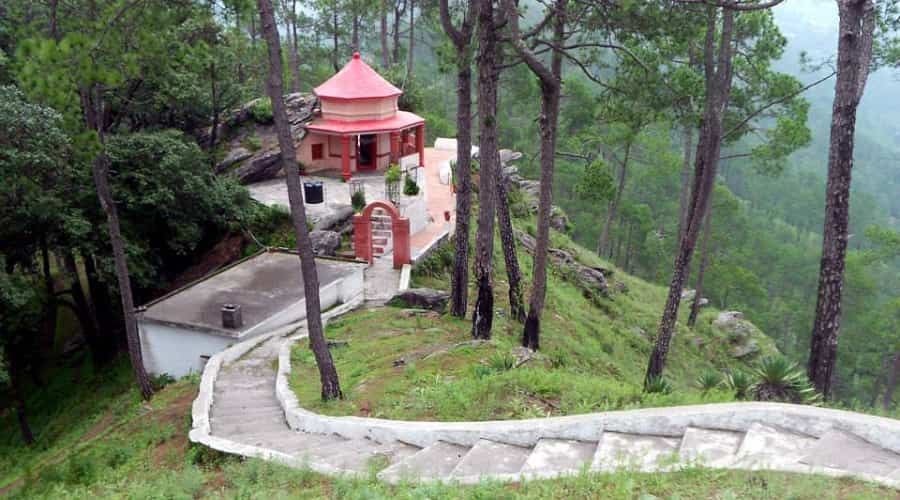
About 8 km from Almora town, on a pine-covered ridge with the Kumaon Himalaya spread out in front of you, sits a temple that has pulled in spiritual seekers for well over a century. Swami Vivekananda meditated here in the 1890s. Sixty years later, an American psychologist fired from Harvard for his LSD research showed up and never quite left. The place has had an unusually eventful guest list for somewhere this quiet. This guide sticks to what’s actually documented about that history, flags what’s local legend dressed up as fact, and covers the travel details you need.
- Location: Almora, Uttarakhand, India
- Dedicated to: Goddess Kasar Devi
- Altitude: Approximately 2,116 meters (6,943 feet) above sea level
- Significance: Known for its rejuvenating spiritual energy due to its position on the Van Allen Belt
- Historical Importance: Attracts spiritual seekers, including prominent figures like Swami Vivekananda and various artists
- Best Time to Visit: March to June (summer) and during Kartik Purnima (for the temple fair)
- Activities: Meditation, yoga, sightseeing, and nature walks
- Nearby Attractions: Crank’s Ridge, Binsar Wildlife Sanctuary, Almora Valley views
Where Kasar Devi Is and Why It Matters
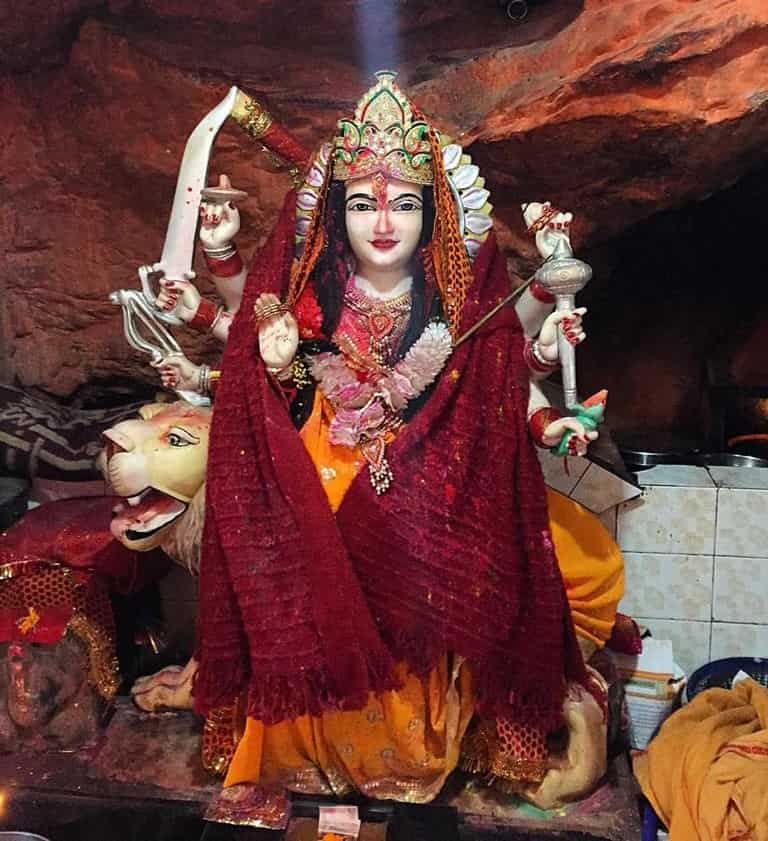
Kasar Devi village sits on the Kaashaay Hills in Kumaon, about 8 km north of Almora. The temple is dedicated to Goddess Kasar Devi, a local form of Durga. According to local tradition — drawn from the Skanda Purana and Devi Bhagavata Purana, and repeated by the temple’s own priests — this is where the goddess Kaushiki defeated the demons Shumbh and Nishumbh. That’s religious tradition rather than archaeological record, and it’s worth saying so plainly instead of presenting it as settled history. What is well supported: the present temple structure is generally dated to the 2nd century CE, a figure that shows up consistently across government tourism material.
Crank’s Ridge: How a Temple Hillside Became “Hippie Hill”
This is the part most people actually come for. The ridge above the temple has one of the more unlikely guest lists of any spot in the Himalayas, and the strength of the evidence varies a fair bit depending on who you’re talking about.
Swami Vivekananda’s visit in the 1890s is the best-documented starting point — he wrote about the clarity he experienced here, and that account is what put the ridge on the map in the first place. Through the early 20th century, Western scholars of Tibetan Buddhism followed, including Walter Evans-Wentz, who later translated The Tibetan Book of the Dead. Lama Anagarika Govinda’s association with the ridge is better placed from the late 1940s onward, alongside his partner Li Gotami, rather than the earlier decades some accounts lump him into. The Danish mystic Alfred Sorensen, known locally as Sunyata Baba, settled here during roughly the same stretch.
Then came the 1960s, and the ridge earned its nickname. Timothy Leary — the LSD researcher Richard Nixon once called “the most dangerous man in America” — spent time here, and that’s where “Crank’s Ridge” comes from. Allen Ginsberg, Richard Alpert (later Ram Dass), Cat Stevens, and George Harrison are all associated with this period, part of the broader wave of Western travellers moving through India on the hippie trail. Robert Thurman, the Buddhist scholar, spent months here with his young daughter — the actress Uma Thurman. Bob Dylan comes up constantly in local accounts too, though his visit rests more on oral tradition than on anything documented in writing.
One correction worth flagging directly: earlier drafts of this page (and a number of other sites covering Kasar Devi) list Jawaharlal Nehru among the 1960s counterculture visitors. Nothing in the historical record — not Wikipedia’s account of Crank’s Ridge, not the biographies of the era’s actual visitors — supports that. We’ve dropped it rather than repeat an unsourced claim just because it’s been copied around enough to look established.
The Van Allen Belt Claim — What’s Fact and What’s Folklore
You’ll see a version of this everywhere: Kasar Devi is one of three places on Earth, alongside Machu Picchu and Stonehenge, that NASA has confirmed sits on the Van Allen Belt. It’s a good story. It also isn’t accurate, and it’s worth being direct about that rather than softening it — even some official Indian tourism pages repeat the geomagnetic-belt framing uncritically, which tells you more about how far a good story travels than about the underlying physics.
Here’s what’s actually true. The Van Allen belts, discovered by physicist James Van Allen in 1958, are two regions of charged particles trapped by Earth’s magnetic field, located thousands of kilometres above the surface — well beyond low-Earth orbit. They’re relevant to spacecraft and astronauts, not to a hillside in Kumaon. No NASA study or public statement identifies Kasar Devi as sitting “on” this belt. What may genuinely exist is a local geomagnetic variation of the kind you’ll find at plenty of locations worldwide — but there’s no peer-reviewed evidence establishing Kasar Devi as an exceptional anomaly, and the honest position is that this claim belongs in the folklore column, not the fact column.
None of that takes anything away from the place. What’s actually documented — Vivekananda’s account, the century-plus of meditators and searching minds who’ve followed him — predates any mention of satellites by decades. Sit on that ridge at sunrise and decide for yourself what’s doing the work: altitude, silence, the view, or something harder to measure. Just don’t mistake a repeated travel-blog claim for a NASA finding.
Things to Do at Kasar Devi
- Visit the temple. It’s a low-key experience outside the Kartik Purnima fair period — no crowds, no ticket counter.
- Walk Crank’s Ridge itself, past the old cottages once occupied by the names above, several of which are now small cafés and guesthouses.
- Sit in on a meditation or yoga session — the ridge has several small ashrams and meditation spaces, many run by long-term foreign residents who settled here decades ago and stayed.
- Work from a café for a day. Kasar Devi has picked up a following among long-stay travellers and some remote workers; wifi quality varies by café and by weather, so don’t plan a work-critical day around it without a backup.
- Take a day trip to Binsar Wildlife Sanctuary, roughly 30 km away, for oak-rhododendron forest and birdwatching.
Temple Timings
The temple is open from 7:00 AM to 7:00 PM daily, per the current Incredible India government listing. There’s no entry ticket. Timings around the Kartik Purnima fair can run differently, so if you’re visiting during the festival, check locally rather than assuming standard hours.
How to Reach Kasar Devi
| Mode | Nearest Point | Approx. Distance | Notes |
|---|---|---|---|
| Air | Pantnagar Airport | ~124–130 km | Figure varies depending on whether it’s measured from Almora or from Kasar Devi directly; taxi onward via Almora |
| Rail | Kathgodam Railway Station | ~88–105 km | Same caveat — government distance figures for Almora and Kasar Devi specifically differ by roughly this range |
| Road | Almora town | ~8 km | Taxis and local transport available; allow 20–30 minutes depending on traffic and starting point |
Trains from Delhi to Kathgodam include the Ranikhet Express and Sampark Kranti.
Best Time to Visit
- March–June: The most comfortable window for sightseeing and mountain views, though it warms up noticeably by May–June.
- October–November: Clear post-monsoon skies and the Kartik Purnima fair — the temple’s biggest annual event, and worth building a trip around if the dates line up.
- December–February: The sharpest Himalayan views on a clear day, but cold — pack real layers, not a light jacket.
- July–September: Monsoon. Rain, cloud cover, and occasional road disruption on the approach are all possible. Not off-limits, but go in expecting flexibility rather than a fixed itinerary.
Where to Stay
- Almora town (8 km): The practical base, with the widest range of hotels and homestays across budgets.
- Kasar Devi / Crank’s Ridge itself: Small guesthouses and ashram-style stays right on the ridge — the better choice if you’re planning a proper multi-day meditation retreat rather than a quick visit.
- Binsar area (~30 km): KMVN rest houses and private resorts, useful if you’re combining Kasar Devi with a couple of days at the sanctuary.
Common Mistakes to Avoid
- Treating it as a one-hour stop. The point of Kasar Devi is slowing down. A rushed visit from a distant city defeats the purpose.
- Taking every online claim at face value. The NASA/Van Allen story is the obvious one, but plenty of secondary details about this place get repeated without checking. Go for the genuine history and the setting.
- Not carrying cash. ATMs thin out fast once you’re past Almora.
- Only visiting during the fair. If you want quiet meditation time rather than crowds, skip the Kartik Purnima dates and early-summer weekends.
Pro Tips
- Arrive around 7–8 AM, right after the temple opens, for the clearest mountain views and a near-empty ridge.
- Pair the trip with Almora’s Nanda Devi Temple and the bell-covered Chitai Golu Devta Temple — both easy additions to the same day.
- Give yourself at least two nights. One full day on the ridge without an itinerary is where this place actually earns its reputation.
- If you’re travelling solo, standard hill-travel precautions apply: tell your accommodation your plans, and skip isolated ridge walks after dark. The area has a long history of solo and foreign travellers, but that’s a track record, not a guarantee — treat it the way you’d treat any quiet mountain destination.
FAQs
Q1. What is Kasar Devi Temple famous for?
Its temple dedicated to Goddess Kasar Devi, the adjoining Crank’s Ridge (Hippie Hill) that has drawn spiritual seekers and counterculture figures since the 1890s, and its Himalayan views.
Q2. Is Kasar Devi really on the Van Allen Belt, as often claimed?
No NASA study or statement confirms this. It’s a widely repeated tourism claim — even some official Indian tourism pages state it uncritically. The actual Van Allen belts sit thousands of kilometres above Earth and have nothing to do with specific hillsides. Treat it as folklore, not fact.
Q3. What are the temple’s opening hours?
7:00 AM to 7:00 PM daily, per the current Incredible India listing. Hours may shift during the Kartik Purnima fair — check locally if visiting then.
Q4. Who visited Crank’s Ridge in the 1960s?
Timothy Leary, Allen Ginsberg, Ram Dass (Richard Alpert), Cat Stevens, George Harrison, and Robert Thurman (with his daughter Uma Thurman) are all associated with this period. Bob Dylan’s visit is widely repeated locally but less firmly documented in writing.
Q5. How far is Kasar Devi from Almora?
About 8 km by road, roughly 20–30 minutes depending on traffic and where you start from.
Q6. What is the best time to visit Kasar Devi?
March to June for pleasant weather, or October–November for the Kartik Purnima fair and clear post-monsoon skies. Winter has the sharpest views but is cold; monsoon brings rain and some landslide risk.
Q7. Is there an entry fee for the temple?
No. It’s free to visit, with no ticket required.
Q8. How do I reach Kasar Devi from Delhi?
Train to Kathgodam or flight to Pantnagar, then road via Almora. Both onward distances vary somewhat depending on whether you’re measuring to Almora or straight to Kasar Devi — figure roughly 90–105 km from Kathgodam and 125–130 km from Pantnagar.
Q9. What is Crank’s Ridge?
The pine-forested ridge directly above the temple, nicknamed Hippie Hill for its long association with artists, mystics, and 1960s counterculture figures.
Q10. Is Kasar Devi safe for solo women travellers?
It has a long history of solo and foreign travellers, and standard hill-travel precautions apply: tell your accommodation your plans, avoid isolated walks after dark. That’s a reasonable track record, not a blanket guarantee.
Q11. Can I combine Kasar Devi with Binsar Wildlife Sanctuary?
Yes — Binsar is roughly 30 km away and pairs well if you have 2–3 days for birdwatching and forest walks.
Q12. How many days should I plan for Kasar Devi?
At least two nights, so you get one full day on the ridge without rushing.
- Must-Reads About: Famous Devi Temples in Uttarakhand

Related Posts
Narad Kund, Badrinath
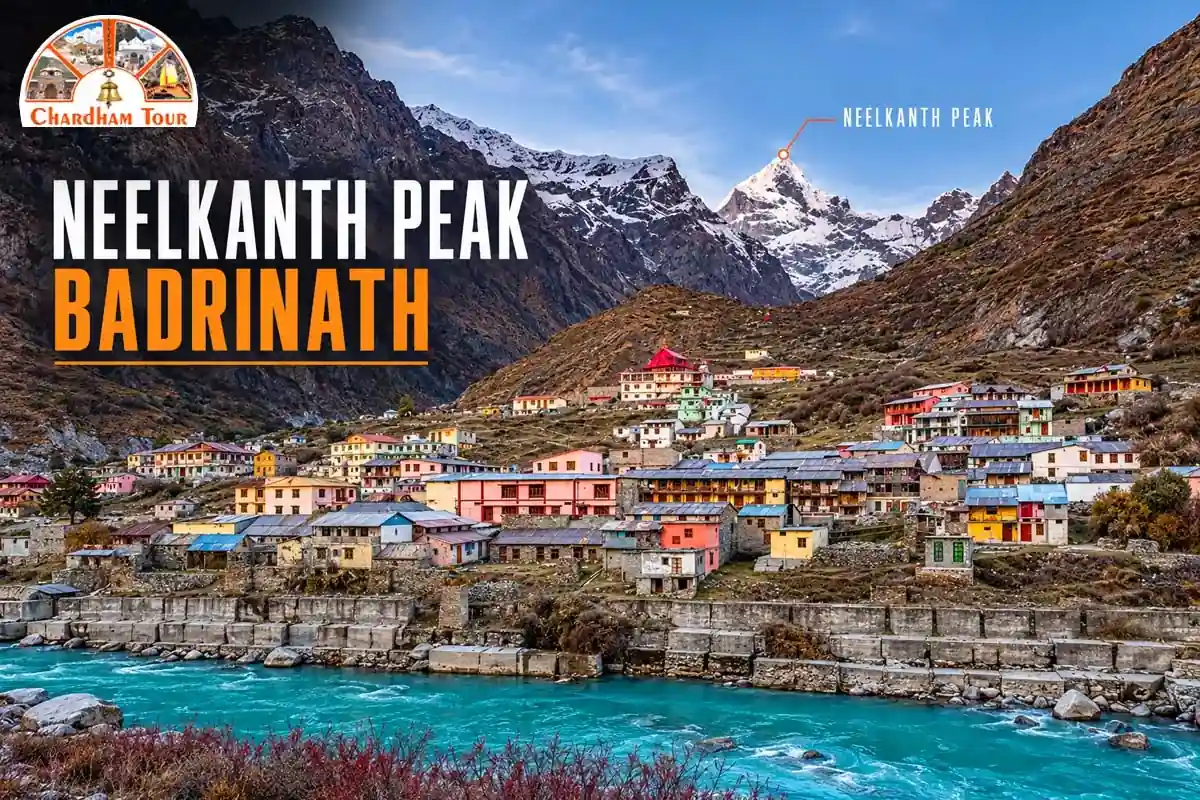
Neelkanth Peak, Badrinath