Spiritual Significance and Legend of Joshimath
Joshimath holds a central place in Vaishnavite and Advaita tradition. Adi Guru Shankaracharya, during his pan-India philosophical tour in the 8th century CE, established four mathas (monastic centres). Jyotirmath — the northern matha at Joshimath — holds authority over the Atharva Veda.
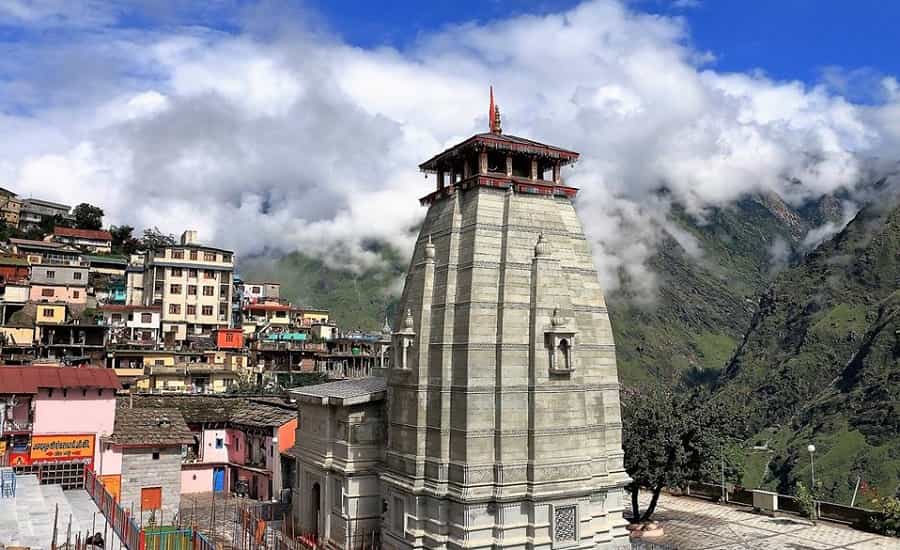
The town’s most important temple is the Narsingh Temple. Lord Narsingh — the fourth avatar of Lord Vishnu in his half-human, half-lion form — appeared to save his devotee Prahlad from his father, the demon king Hiranyakashyap. The idol stands approximately 25 cm tall on a lotus base. Flanking idols include Goddess Chandika (left), and Lord Ram, Goddess Sita, Lord Hanuman, and Garuda (right). Idols of Badrinath, Kuber, and Uddhav are also housed within.
Local Belief: The right arm of the Narsingh idol is said to be gradually thinning. Local tradition holds that if the arm completely melts away, the passage to Badrinath will close permanently. This has made the idol one of the most watched and revered in the region.
Top Places to Visit In and Around Joshimath
1. Narsingh Temple — Spiritual Heart of Joshimath
This temple is the most important landmark in Joshimath. During winter (November to April/May), the idol of Lord Badrinath is ceremonially moved here when Badrinath Temple becomes inaccessible due to snow. Both idols are worshipped together through winter.
Timings: 6:00 AM to 8:00 PM (approx., varies seasonally). Entry: Free.
2. Auli Ropeway — High-Altitude Views and Skiing
The Joshimath-Auli Ropeway connects Joshimath town to the Auli ski resort, stretching approximately 4 km and reaching around 3,010 metres at the Auli end. It is one of India’s highest and longest cable car systems, offering panoramic views of Nanda Devi, Trishul, Mana Parvat, and Hathi Parvat.
Ticket Price: Fares vary by season and are revised by GMVN periodically. The last recorded fare was approximately Rs 750 one way, but always confirm the current rate at the counter or on the GMVN website before visiting.
Timings: Generally 8:00 AM to 5:00 PM. May close in extreme weather. Skiing season: December to March.
3. Kalpavriksha — The 1,200-Year-Old Sacred Tree
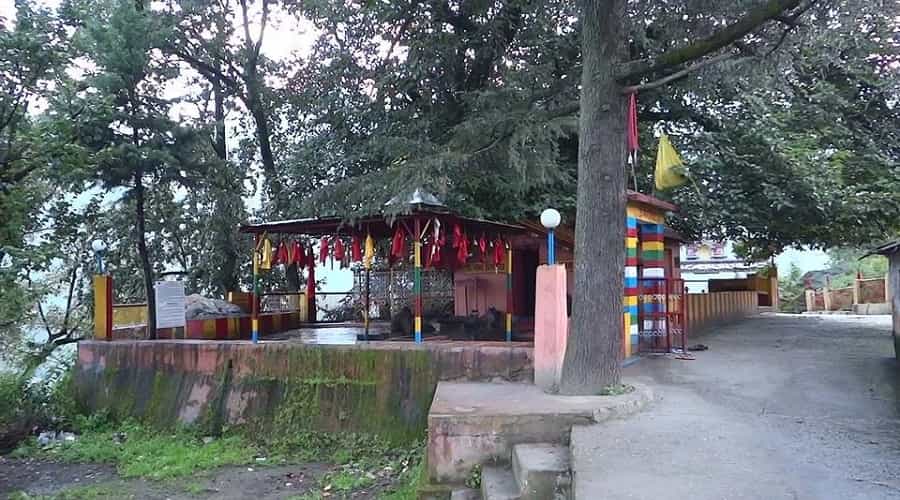
Located within the Jyoteshwar Mahadev Temple complex, the Kalpavriksha is one of the most remarkable living landmarks in Uttarakhand. This ancient tree is believed to be over 1,200 years old and is mentioned in Hindu scriptures as Kalpataru — the wish-fulfilling divine tree.
What makes it unusual: it remains evergreen through all seasons, never fully shedding leaves. It flowers but bears no fruit. A small Shiva temple stands beneath its canopy where pilgrims offer prayers and meditate.
4. Ghangaria — Base for Valley of Flowers and Hemkund Sahib
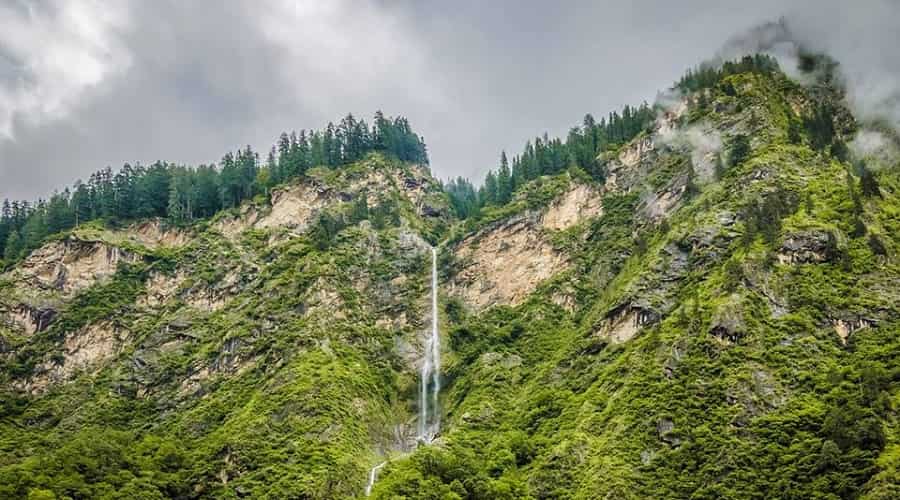
Ghangaria (also spelled Ghanghariya) sits at approximately 3,050 metres and is the trail base for two UNESCO-recognised sites: the Valley of Flowers National Park and Hemkund Sahib Gurudwara. From Govindghat (19 km from Joshimath), the trek to Ghangaria is around 14 km through dense forests and river valleys.
Valley of Flowers: Open June to October. Peak bloom: mid-July to mid-August. Plan an overnight stay at Ghangaria for a comfortable visit.
Hemkund Sahib: High-altitude Sikh shrine at ~4,329 m. Open June to September.
5. Nanda Devi National Park and Biosphere Reserve
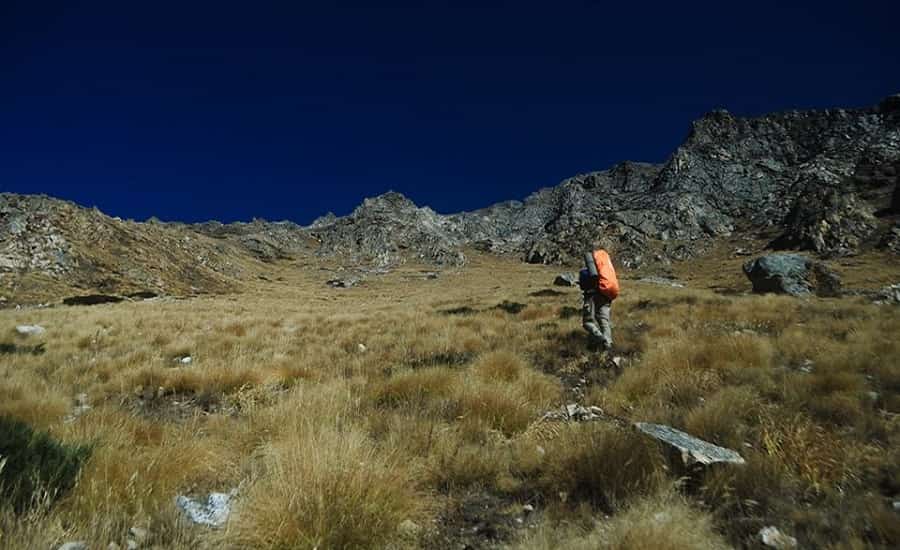
Declared a UNESCO World Heritage Site in 1988 (extended with Valley of Flowers in 2005), the park covers approximately 630 sq km at the heart of the Nanda Devi massif. Core zone is closed to the public; buffer zone and peripheral areas are visitable with permits.
Wildlife: Snow leopard, Himalayan black bear, musk deer, Himalayan tahr, bharal. Flora: Over 312 documented flower species.
6. Vishnuprayag — Sacred Confluence
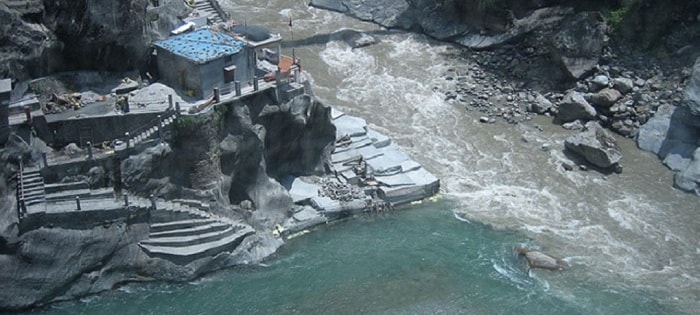
Located ~12 km below Joshimath, Vishnuprayag is where the Alaknanda and Dhauliganga rivers meet — one of the five Panch Prayags along the Alaknanda. A small Vishnu temple stands at the confluence. Easy day trip from Joshimath.
7. Tapovan — Hot Spring and Trek Base
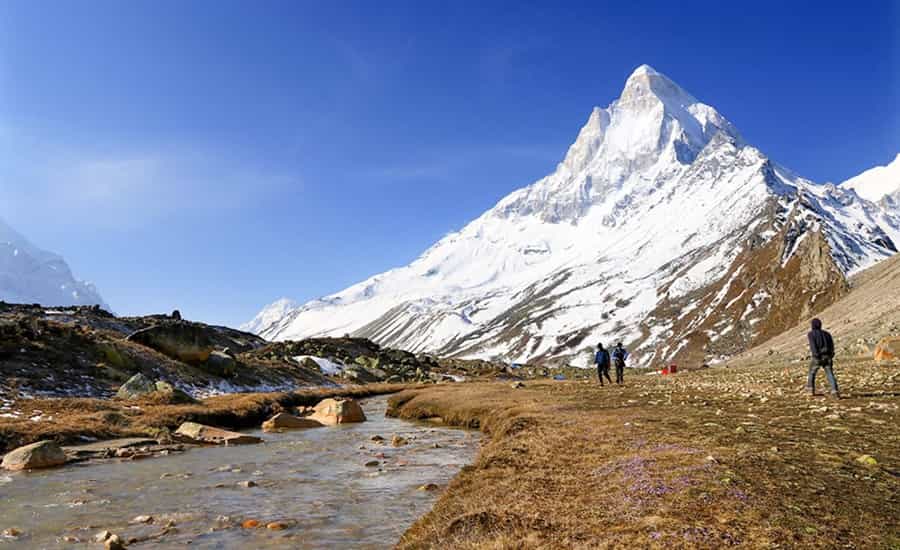
Around 14 km from Joshimath on the Badrinath road, Tapovan has a natural hot water spring used by pilgrims and a base for high-altitude treks into the Niti Valley. The hot springs offer a relaxing stop after a long day.
8. Shankaracharya Math — The Original Monastery
The northern matha established by Adi Shankaracharya in the 8th century CE. One of the four principal Dashanami monasteries in India, it remains an active centre of Vedantic study and worship.
9. Pandukeshwar — Ancient Vishnu Temple
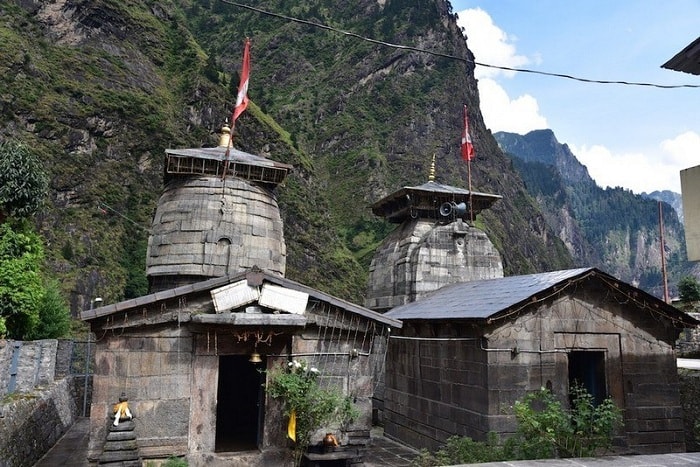
Located approximately 24 km from Joshimath on the way to Badrinath, Pandukeshwar has an ancient Yogadhyan Badri temple dedicated to Lord Vishnu. Legend holds that Pandu, father of the Pandavas, meditated here. The temple is one of the Panch Badri shrines of Uttarakhand.
10. Auli Ski Resort — India’s Premier Skiing Destination
Auli (16 km from Joshimath) is India’s top skiing destination, with slopes at 2,500–3,050 metres. GMVN operates ski courses for beginners through intermediates. The ski season runs from December to March, with February offering the best snow conditions.
Major Festivals and Events in Joshimath
Holi
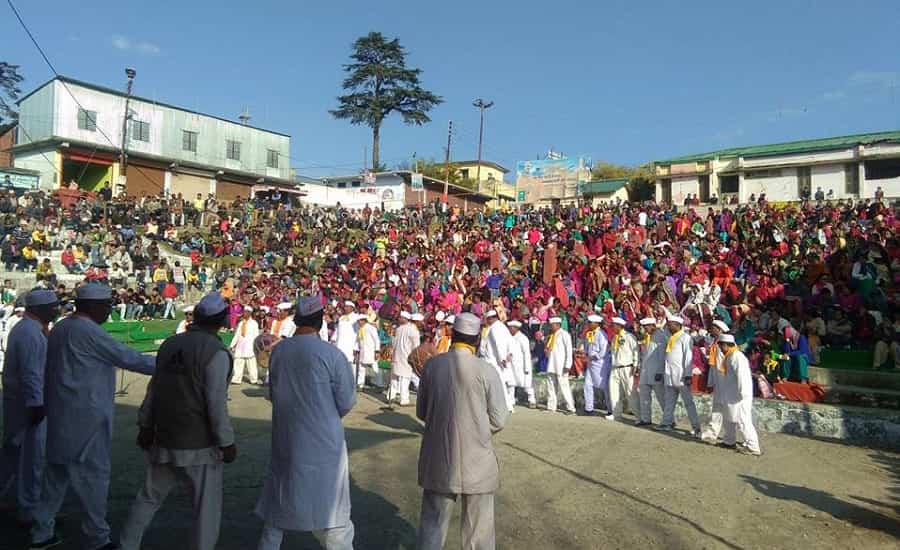
Holi in Joshimath carries a distinctly devotional character tied to the legend of Prahlad and Lord Narsingh. The festival celebrates the triumph of devotion over tyranny — Prahlad’s survival from his father Hiranyakashyap’s persecution, including the fire ordeal involving his paternal aunt Holika.
Narsingh Jayanti
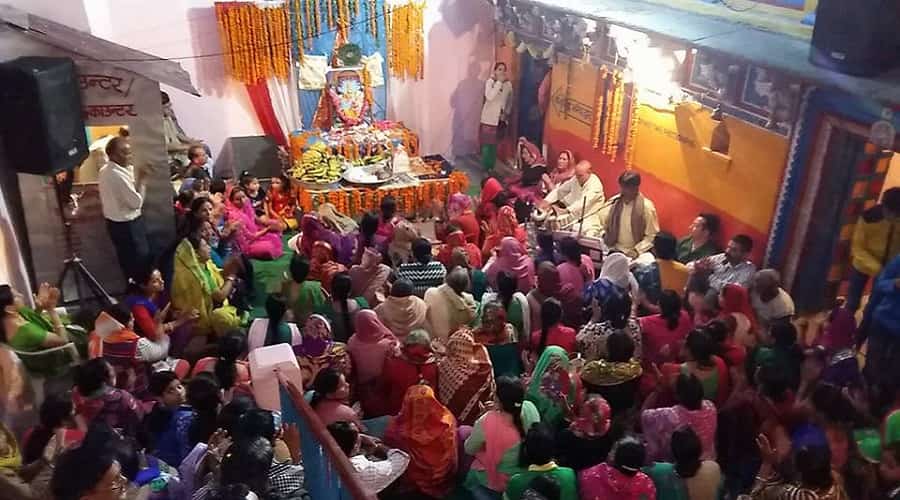
Commemorates Lord Vishnu’s Narsingh avatar appearance. Falls on Shukla Paksha Chaturdashi in Vaishakh (April-May). The Narsingh Temple sees elaborate puja, offerings, and large crowds of devotees on this day.
Badrinath Kapat Opening and Closing
When Badrinath Temple’s gates close in November, the idol of Lord Badrinath is brought in procession to the Narsingh Temple in Joshimath. The kapat re-opening in late April/May also passes through Joshimath. Both events draw large gatherings of pilgrims.
Joshimath Weather by Month — Month-by-Month Guide
| Month | Avg Temp | Conditions | Suitability |
| January | -5 to 8 C | Heavy snow, icy roads | Skiing at Auli only; most routes closed |
| February | -3 to 10 C | Best snow quality | Ideal for skiing; roads partially open |
| March | 2 to 15 C | Snow melting, roads opening | Shoulder season; Yatra prep begins |
| April | 8 to 20 C | Pleasant, clear skies | Excellent — trekking and Yatra season starts |
| May | 10 to 25 C | Warm days, cool nights | Peak season — Badrinath Yatra in full swing |
| June | 12 to 25 C | Pre-monsoon warmth | Good — Valley of Flowers opens |
| July | 12 to 20 C | Heavy rain, landslide risk | Risky — check roads; VOF in bloom |
| August | 12 to 20 C | Monsoon peak | Avoid travel; best VOF bloom period |
| September | 10 to 18 C | Rain easing, clearing | Good — post-monsoon freshness |
| October | 5 to 18 C | Clear, crisp skies | Excellent — fewer crowds, mountain views |
| November | 0 to 10 C | Badrinath closing month | Moderate — Kapat closing procession |
| December | -3 to 8 C | Snow begins, ski season starts | Skiing at Auli; town getting quiet |
Best Overall Months: April, May, October. For skiing only: January and February. For Valley of Flowers bloom: mid-July to mid-August (check road conditions).
Best Time to Visit Joshimath — Quick Overview
| Season | Months | Temperature | Best For |
| Summer (Best) | April to June | 10 C to 25 C | Trekking, sightseeing, Badrinath Yatra, ropeway |
| Monsoon (Caution) | July to September | 12 C to 20 C | Valley of Flowers bloom; landslide risk on roads |
| Autumn (Good) | October to November | 5 C to 18 C | Clear skies, fewer crowds, Kapat closing ceremony |
| Winter (Skiing) | December to March | -5 C to 8 C | Auli skiing; town quiet; some roads closed |
From practical experience, April and May are the sweet spot for most travellers. September and October are excellent for crisp mountain air with almost zero rain.
One mistake many people make is visiting in peak monsoon (mid-July to mid-August) without checking road conditions. The Rishikesh-Joshimath highway is prone to landslides and a blocked road can strand travellers for days.
How to Reach Joshimath
By Air
Nearest airport: Jolly Grant Airport, Dehradun (~265 km). Flights connect to Delhi, Mumbai, and major cities. From the airport: hire a taxi (~7-9 hours) or take a bus to Rishikesh and proceed from there.
By Rail
Nearest stations: Rishikesh (~253 km) and Haridwar (~270 km). Both are well connected to Delhi, Mumbai, and Kolkata. From either station, take GMVN buses, shared Sumo taxis, or private cabs toward Joshimath.
By Road
From Delhi ISBT Kashmiri Gate: direct overnight buses to Joshimath (14-18 hours by bus, 10-12 hours by car). Route: Delhi – Haridwar – Rishikesh – Devprayag – Rudraprayag – Chamoli – Joshimath.
Within Uttarakhand, shared taxis (Sumo, Bolero) and local buses run between Joshimath, Chamoli, Gopeshwar, and Badrinath. The Narsingh Temple is within walking distance from the bus stand.
By Helicopter
Helicopter services to Badrinath area operate during Yatra season via private operators. Helipads used include Gauchar and Sahastradhara (Dehradun) — exact departure point varies by operator and season. Confirm with your operator before booking. This is the fastest but most expensive option.
Sample 2-Day Joshimath Itinerary
| Day | Time | Activity |
| Day 1 | Morning | Arrive Joshimath. Check in. Rest and acclimatise. |
| Day 1 | Afternoon | Narsingh Temple visit. Kalpavriksha. Shankaracharya Math. |
| Day 1 | Evening | Joshimath market walk. Explore local Garhwali food stalls. |
| Day 2 | Early Morning | Auli Ropeway (go early to avoid queues). Gorson Bugyal meadow walk. |
| Day 2 | Afternoon | Drive to Vishnuprayag confluence (~12 km). Evening return. |
| Day 2 | Optional | Short drive to Tapovan hot springs on way back. |
| Day 3 (Optional) | Full Day | Drive to Govindghat, trek to Ghangaria. Overnight at Ghangaria. |
| Day 4 (Optional) | Full Day | Valley of Flowers or Hemkund Sahib trek. Return to Joshimath. |
Pro Tip: Build in a half-day on arrival for acclimatisation. Altitude sickness is a real risk if you rush into trekking or the ropeway immediately after reaching from the plains.
Joshimath Trip Cost and Budget Guide
| Expense | Budget (INR) | Mid-Range (INR) | Notes |
| Accommodation (per night) | 500-1,500 | 1,500-4,000 | GMVN bungalow: 1,200-3,500 |
| Food (per day) | 300-500 | 500-1,200 | Local dhabas are cheapest |
| Auli Ropeway (one way) | Check GMVN | Check GMVN | Fare revised seasonally by GMVN |
| Delhi to Joshimath (bus) | 700-1,200 | — | UPSRTC/GMOU overnight bus |
| Delhi to Joshimath (private cab) | — | 5,000-8,000 | One way, depends on vehicle |
| Govindghat to Ghangaria (mule) | 800-1,200 | 1,500-2,000 | One way, per person |
| Valley of Flowers entry | ~150-200 | ~150-200 | NTNP entry fee, subject to revision |
| Total 3 days (budget) | 3,000-5,000 | 8,000-15,000 | Excluding travel from Delhi |
Note: All prices are indicative for 2025-26 and subject to change. Verify current rates with GMVN and local operators before travel.
Accommodation in Joshimath
Joshimath offers a range of accommodation from budget guesthouses to mid-range hotels. GMVN Tourist Bungalows provide reliable government-operated options. Private resorts with mountain views are available for those seeking a more comfortable stay.
Important: Book accommodation in advance during peak Yatra season (May-June) and GMVN ski camps (January-March). Following the 2023 land subsidence event, some hotels in affected zones remain closed or under review. Always verify operational status of your booked property before arrival.
Food and Cuisine in Joshimath
Joshimath’s food scene is primarily North Indian, with Garhwali dishes at local restaurants. Dal bhat, rajma chawal, rotis with local ghee, and simple vegetarian thalis are the staple fare. During Yatra season, more restaurants open with South Indian and Punjabi options.
Must-try Garhwali dishes: Kafuli (spinach and fenugreek curry), Aloo ke gutke (spiced potatoes), Mandua ki roti (millet flatbread).
Chinese cuisine and international food options are not easily available here. The town caters primarily to pilgrims and trekkers looking for wholesome, filling meals.
Practical Information for Travellers
| Topic | Details |
| ATMs | SBI and PNB ATMs available in town. Can run out of cash in peak Yatra season (May-June). Carry adequate cash from Rishikesh or Haridwar. |
| UPI and Cards | UPI (Google Pay, PhonePe, Paytm) is accepted at most hotels and many shops. Cash is still needed for small vendors, dhabas, and remote areas. |
| Mobile Network | Jio, Airtel, and BSNL have coverage in Joshimath town. Coverage drops significantly on trek routes. Download offline maps before heading out. |
| Internet | 4G available in town via Jio and Airtel. Speed varies. No reliable internet on trek routes. |
| Petrol Pump | Petrol pump available in Joshimath. Fill up before heading toward Badrinath or Auli, as stations become scarce further up. |
| Nearest Hospital | District Hospital, Chamoli (~97 km). Basic health centre in Joshimath for emergencies. Serious cases transferred to Srinagar Garhwal or Rishikesh. |
| Parking | Limited parking near Narsingh Temple. Better parking available at the ropeway base area. During peak season, parking fills quickly — reach early. |
| EV Charging | No dedicated EV charging stations reported in Joshimath as of 2026. Check with your vehicle operator before planning an EV trip. |
| Emergency Numbers | Police: 112 | Ambulance: 108 | SDRF Disaster Helpline: 1070 | Tourist Helpline Uttarakhand: 1364 |
Trekking and Adventure Activities from Joshimath
| Activity | Difficulty | Distance | Best Season |
| Auli Skiing | Beginner-Intermediate | — | December to March |
| Valley of Flowers Trek | Moderate | 14+4 km from Govindghat | June to October |
| Hemkund Sahib Trek | Strenuous | ~19 km from Govindghat | June to September |
| Kuari Pass Trek | Moderate | Multi-day | April-June, Oct-Nov |
| Gorson Bugyal Walk | Easy | ~5 km from Auli | April to November |
| Niti Valley Exploration | Moderate-Hard | Varies (permit needed) | May to October |
| Satopanth Glacier Trek | Advanced | Multi-day | July to September |
| Auli to Gurson Bugyal | Easy | ~3 km from Auli | Year-round (snow in winter) |
Packing Checklist for Joshimath
| Category | Items |
| Clothing | Warm jacket (essential even in summer), thermal inners, windproof layer, comfortable walking shoes, modest attire for temple visits |
| Documents | Chardham Yatra registration (mandatory if visiting Badrinath), government ID, hotel booking confirmations |
| Health | AMS (altitude sickness) medication (consult a doctor), sunscreen, lip balm, personal medicines |
| Tech | Power bank, offline maps downloaded (Maps.me or Google Maps), torch/headlamp |
| Cash | Sufficient INR cash from Haridwar or Rishikesh — ATMs can run out in peak season |
| Other | Reusable water bottle, energy snacks, rain poncho (May-September), trekking pole if trekking |
Common Mistakes to Avoid in Joshimath
- Not checking road conditions before departure — especially during monsoon. Check Uttarakhand Police traffic updates for NH-7 (Rishikesh-Badrinath Highway) conditions.
- Carrying insufficient cash — ATMs may run dry in peak season. Carry adequate cash from Rishikesh or Haridwar.
- Skipping altitude acclimatisation — if coming from the plains, rest for at least half a day in Joshimath before trekking to higher altitudes to prevent AMS.
- Booking ropeway tickets last-minute — queues of 2-3 hours are common in May and June. Arrive early at the ropeway base station.
- Not verifying hotel operational status post-2023 subsidence — some properties in affected zones remain closed.
- Relying on mobile internet for navigation on trek routes — coverage drops sharply. Download offline maps before departure.
Pro Tips for Visiting Joshimath in 2026
- Start your day early. Himalayan weather turns unpredictable after noon. Ropeway rides, temple visits, and short treks are best completed in morning hours.
- If skiing is your goal, visit January to mid-March. February is the best month for snow quality at Auli.
- Carry a warm jacket even in summer. Nights in Joshimath can drop to 5-10 C even in May and June.
- For the Valley of Flowers, plan one overnight stay at Ghangaria. The return from VOF to Govindghat is too long to do comfortably in a single day from Joshimath.
- Get Chardham Yatra registration done online before travel — it is mandatory for Badrinath entry since 2023. Register at the official Uttarakhand Tourism portal.
- Respect religious sites. Modest clothing is expected at Narsingh Temple and the Shankaracharya Math.
- If visiting with senior citizens or children, plan for the ropeway and temple visits only. Avoid high-altitude treks above 3,500 metres without medical clearance.
On the Ground: What Joshimath Really Feels Like
In real life, Joshimath is not the polished, Instagram-ready hill station that some travellers expect. The streets are narrow. The market area is functional rather than scenic. But step out onto any viewpoint at dawn, and the sight of Nanda Devi lit by the first Himalayan light is something that stays with you.
The land subsidence crisis of 2023 gave Joshimath an unexpected quiet. Fewer package tour buses, more genuine travellers. For those willing to visit now, the town feels less crowded and more authentic than it did before.
If you are planning this trip seriously, build in two nights minimum. One night gives you barely enough time to visit the temple and the ropeway. Two nights lets you do Auli properly, explore Vishnuprayag, and still have a quiet morning on your guesthouse roof with chai and Himalayan peaks catching the first light.
Joshimath Land Subsidence (2023) — What Travellers Need to Know in 2026
In January 2023, Joshimath made national and international headlines when rapid land subsidence caused visible cracks in over 800 buildings, leading to emergency evacuations of hundreds of families. The crisis raised serious questions about construction on fragile Himalayan slopes, the impact of infrastructure projects, and long-term habitability.
As of 2026: Authorities continue monitoring and mitigation work in affected areas. The Indian government and Uttarakhand state have implemented monitoring systems and construction restrictions in at-risk zones. Most tourist infrastructure — including the Auli Ropeway, major hotels, and the Narsingh Temple area — was not in the highest-risk zones and continues to operate.
For Travellers: Check current advisory from NDMA (ndma.gov.in) or Uttarakhand DMMC before visiting. Avoid booking accommodation in zones marked restricted. The town is open to tourism, but responsible tourism practices matter here more than in most places.
Frequently Asked Questions
Q1. Is Joshimath safe to visit in 2026 after the land subsidence?
Yes. Major tourist sites — Narsingh Temple, Auli Ropeway, trekking routes — remain operational. Certain residential zones continue under monitoring. Check the latest advisory from NDMA or Uttarakhand Tourism before booking.
Q2. What is the best time to visit Joshimath?
April to June (pleasant weather, Badrinath Yatra in season) and September to November (clear skies, fewer crowds). February is best for skiing. Mid-July to mid-August is peak Valley of Flowers bloom but road conditions can be risky.
Q3. How do I reach Joshimath from Delhi?
By road (~490 km): direct overnight buses from ISBT Kashmiri Gate (14-18 hrs). By rail + road: train to Haridwar or Rishikesh, then bus or shared taxi (7-10 hrs). By air + road: fly to Jolly Grant Airport Dehradun, then drive ~265 km (7-9 hrs).
Q4. What is the Auli Ropeway ticket price?
GMVN revises fares seasonally. Last recorded fare was approximately Rs 750 one way. Always confirm the current price at the ropeway counter or on the GMVN website before visiting — do not rely on any fixed price listed online.
Q5. How many days are enough for Joshimath?
Minimum 2 nights (3 days): Day 1 — Narsingh Temple, Kalpavriksha, town; Day 2 — Auli Ropeway, Vishnuprayag; Day 3 — departure or optional trek. Add 2 more days if visiting Valley of Flowers.
Q6. Can I visit Valley of Flowers from Joshimath?
Yes. Drive to Govindghat (~19 km), trek 14 km to Ghangaria, then 4 km to Valley of Flowers entrance. Open June to October; best bloom mid-July to mid-August. Plan at least one overnight at Ghangaria.
Q7. Is Joshimath suitable for senior citizens?
For basic sightseeing — yes. Narsingh Temple, Kalpavriksha, and the Auli Ropeway are accessible for most seniors. High-altitude treks (Valley of Flowers, Hemkund Sahib) require good fitness. Consult a doctor before travel if there are heart or breathing conditions.
Q8. Is Joshimath suitable for families with children?
Yes, for town sightseeing and the Auli Ropeway. The ropeway ride is child-friendly and the views are spectacular. Avoid high-altitude treks above 3,500 metres with young children. Carry warm clothing — temperatures are cool even in summer.
Q9. Are ATMs and UPI available in Joshimath?
SBI and PNB ATMs are available but can run out of cash during peak season (May-June). UPI (Google Pay, PhonePe) is accepted at most hotels and many shops. Cash is still essential for small vendors, dhabas, and remote trek areas.
Q10. What is Joshimath famous for?
Joshimath is famous for being the northern Shankaracharya Matha, the winter seat of Lord Badrinath, the Narsingh Temple, the Auli ski resort, the Valley of Flowers trek base, and the Kalpavriksha — a 1,200-year-old sacred tree.
Q11. Is the Auli Ropeway open throughout the year?
Generally open April to November (tourist season) and December to March (ski season). May close during extreme weather or maintenance. Confirm operational status before visiting, especially in off-peak periods.
Q12. What clothing should I carry?
Summers: warm woolens, windproof jacket, comfortable walking shoes, modest attire for temples. Winters / skiing: thermal inners, heavy jacket, gloves, waterproof boots. Nights are cold year-round.
Q13. Is mobile internet available in Joshimath?
Jio, Airtel, and BSNL have 4G coverage in town. Coverage weakens significantly on trek routes toward Ghangaria and Valley of Flowers. Download offline maps before leaving Joshimath.
Q14. How far is Badrinath from Joshimath?
Approximately 45 km by road — about 1.5 to 2 hours by car or bus depending on traffic. Shared taxis and buses run regularly between Joshimath and Badrinath during the Yatra season (May to November).
Q15. Is snowfall guaranteed in Joshimath?
Snowfall in Joshimath town is not guaranteed and depends on the year. Heavy snow occurs December to February. Auli (16 km away) receives reliable skiing-quality snow from December to March. Do not plan a trip specifically for town snowfall — go to Auli for guaranteed snow.
Q16. Is parking available in Joshimath?
Limited parking near Narsingh Temple. Better parking at the Auli Ropeway base area. During peak season (May-June), parking fills early — arrive by 7-8 AM. Shared taxis and walking are easier for inner-town navigation.
Q17. Is Joshimath worth visiting?
Absolutely. Whether you are a pilgrim heading to Badrinath, a trekker targeting Valley of Flowers, a skier heading to Auli, or simply a traveller wanting authentic Himalayan atmosphere — Joshimath offers something genuine. It is not a tourist resort; it is a living Himalayan town with 1,300 years of spiritual history.
Q18. What is the budget for a Joshimath trip?
Budget travellers: Rs 3,000-5,000 for 3 days (excluding Delhi-Joshimath travel). Mid-range: Rs 8,000-15,000. Transport from Delhi by bus: Rs 700-1,200 one way. Private cab: Rs 5,000-8,000 one way. All prices are indicative; verify before travel.
Q19. Can I drive a sedan to Joshimath?
Yes, in good road conditions (April to June and September to November). The road from Rishikesh to Joshimath is an NH that sedans can handle. However, for monsoon season, landslides can create rough patches. An SUV offers better clearance if conditions are uncertain.
Q20. What are the emergency contacts for Joshimath?
Police: 112 | Ambulance: 108 | SDRF Disaster Helpline: 1070 | Uttarakhand Tourist Helpline: 1364 | District Hospital, Chamoli: ~97 km. Save these numbers before travelling.

Related Posts
Sayanachatti to Yamunotri Guide
Dharchula: Gateway to Adi Kailash, Om Parvat & Kailash Mansarovar