Yogdhyan Badri Temple is one of the five sacred Panch Badri temples dedicated to Lord Vishnu, located in the village of Pandukeshwar, Chamoli district, Uttarakhand. Unlike the more frequented Badrinath Dham, Yogdhyan Badri is known for its year-round accessibility, meditative atmosphere, and deep association with ancient ascetic traditions of the Garhwal Himalayas.
This temple is especially revered for its life-sized image of Lord Vishnu in yogic (meditative) posture, making it spiritually distinct among Vishnu shrines in North India.
- Deity: Lord Vishnu
- Temple Group: Panch Badri
- Location: Pandukeshwar village, Chamoli district
- Distance: ~18 km from Joshimath, ~23 km from Badrinath
- Altitude: Approx. 1,920 meters
- Temple Timings: 5:00 AM – 9:00 PM
- Entry Fee: Free
- Accessibility: Open throughout the year
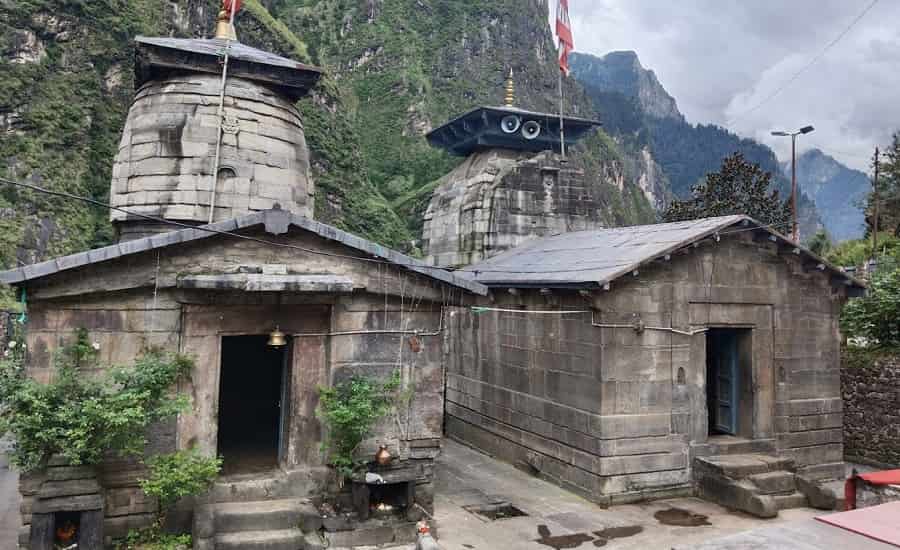
Deity Worshipped at Yogdhyan Badri
Yogdhyan Badri is dedicated to Lord Vishnu, worshipped here in a dhyana (meditative) posture. The black stone idol is life-sized, seated in padmasana, symbolizing deep yogic absorption.
Verified Iconography
- Vishnu in meditation (yogdhyan form)
- Associated images of Uddhava and Kubera present in the temple precinct
- Worship follows Vaishnav traditions, aligned with Badrinath rituals
According to established religious texts and regional temple records, the idol is traditionally attributed to King Pandu, father of the Pandavas. While exact dating is uncertain, this attribution is consistently mentioned across Panch Badri documentation and Garhwal temple chronicles.
Location & Geographic Setting
Yogdhyan Badri is situated in Pandukeshwar, a small but historically significant village near Govind Ghat. The temple lies on the ancient pilgrimage route connecting Joshimath, Badrinath, and Hemkund Sahib.
Key Distances
- Joshimath: 18 km
- Badrinath: 23–24 km
- Govind Ghat: 9 km
The setting is characterized by:
- Alpine Himalayan terrain
- Proximity to the Alaknanda river basin
- Quiet, non-commercial religious environment
Historical Background
The history of Yogdhyan Badri is closely connected with Pandukeshwar, a site repeatedly mentioned in early medieval inscriptions and pilgrimage accounts.
Pandavas & Pandu Association
- Pandukeshwar is traditionally believed to be named after King Pandu
- Textual traditions state Pandu performed penance and meditation here
- The area is linked with the retirement phase of the Pandavas
Inscriptions & Archaeological Mentions
- Copper plate inscriptions found in Pandukeshwar date back to early medieval Garhwal rulers
- These inscriptions reference land grants to Brahmins and temple maintenance
- Yogdhyan Badri’s worship predates many modern reconstructions
Importantly, no exaggerated Mahabharata-era architectural claims are made by credible historians; the temple structure seen today reflects later-period Himalayan stone architecture, restored and maintained over centuries.
Religious Significance of Yogdhyan Badri
Yogdhyan Badri holds unique importance among the Panch Badri temples because:
- Meditative Form of Vishnu – Rare depiction focused on inner discipline
- All-Season Temple – Unlike Badrinath, remains open in winter
- Ascetic Heritage – Linked to yogic traditions, not royal pilgrimage alone
- Spiritual Retreat – Preferred by seekers, monks, and serious devotees
Pilgrims often visit Yogdhyan Badri as part of a Joshimath–Badrinath–Pandukeshwar circuit, especially during quieter months.
Festivals & Ritual Traditions
Devwar Festival
The most important local festival is Devwar, celebrated in Pandukeshwar village.
- Involves ceremonial movement of idols
- Associated with seasonal transitions of worship
- Observed according to local Garhwali Vaishnav customs
Winter Worship
During winter months, when Badrinath remains closed, ritual importance of Pandukeshwar temples increases, including Yogdhyan Badri.
Best Time to Visit Yogdhyan Badri
Recommended Seasons
- May to June: Pleasant weather, peak pilgrimage season
- September to October: Clear skies, post-monsoon calm
Winter Visit
- Temple remains open in winter
- Snowfall possible
- Ideal for spiritually inclined travelers seeking solitude
Monsoon months (July–August) are accessible but landslides may affect road travel, as confirmed by Uttarakhand disaster advisories.
Things to Do at Yogdhyan Badri
- Meditation & Quiet Prayer – Core experience
- Spiritual Pilgrimage – Part of Panch Badri route
- Nature Walks – Surrounding Himalayan trails
- Cultural Interaction – Traditional Garhwali village life
This is not a commercial tourist site, making it suitable for slow, reflective travel.
Dress Code & Visitor Etiquette
- Modest clothing recommended
- Head covering customary inside temple
- Silence and respectful behavior expected
- Photography restricted inside sanctum
These practices align with standard Vaishnav temple norms in Uttarakhand.
Places to Visit Near Yogdhyan Badri
- Badrinath Temple – 24 km
- Joshimath – 18 km
- Auli – ~40 km
- Valley of Flowers National Park – via Govind Ghat
- Hemkund Sahib – nearby major pilgrimage
How to Reach Yogdhyan Badri
By Road
- Joshimath → Pandukeshwar (18 km)
- Shared jeeps & taxis available
- Road conditions generally stable except monsoon
By Rail
-
Nearest railheads:
-
Rishikesh
-
Dehradun
-
By Air
-
Nearest airport:
-
Jolly Grant Airport
-
-
Road transfer required to Joshimath
Accommodation Near Yogdhyan Badri
-
GMVN Tourist Rest Houses (Badrinath / Joshimath)
-
Budget guesthouses in Pandukeshwar
-
Hotels in Joshimath for extended stay
Luxury resorts are not present in immediate vicinity, preserving the area’s spiritual character.
Frequently Asked Questions
1. What is Yogdhyan Badri Temple famous for?
Yogdhyan Badri Temple is famous for its life-sized idol of Lord Vishnu in a meditative (yogic) posture. It is one of the five sacred temples that form the Panch Badri circuit of Uttarakhand and is known for its peaceful, non-commercial spiritual environment.
2. Where is Yogdhyan Badri Temple located?
Yogdhyan Badri Temple is located in Pandukeshwar village in the Chamoli district of Uttarakhand. It lies about 18 km from Joshimath and around 23–24 km from Badrinath, on the traditional pilgrimage route of the Garhwal Himalayas.
3. Is Yogdhyan Badri Temple open throughout the year?
Yes, Yogdhyan Badri Temple remains open throughout the year, including the winter months. This makes it different from Badrinath Temple, which closes during winter due to heavy snowfall.
4. Who built Yogdhyan Badri Temple?
According to long-standing religious tradition, the idol of Lord Vishnu at Yogdhyan Badri was installed by King Pandu, the father of the Pandavas. While the present structure has undergone renovations over time, the spiritual association dates back to ancient times.
5. What is the religious significance of Yogdhyan Badri?
Yogdhyan Badri is spiritually significant due to its association with meditation, renunciation, and ascetic life. It is believed that King Pandu performed penance here, and the temple symbolizes spiritual retreat and inner discipline rather than grand ritual worship.
6. What is the best time to visit Yogdhyan Badri Temple?
The best time to visit Yogdhyan Badri Temple is from May to June and from September to October, when weather conditions are pleasant and roads are generally safe. Winter visits are also possible for those prepared for cold conditions.
7. How can devotees reach Yogdhyan Badri Temple?
Devotees can reach Yogdhyan Badri Temple by road from Joshimath, which is well-connected to Rishikesh and Dehradun. Shared jeeps and taxis are available for the short journey to Pandukeshwar.
8. Are there accommodation facilities near Yogdhyan Badri?
Basic accommodation is available in Pandukeshwar, while a wider range of hotels and guesthouses can be found in Joshimath and Badrinath. Government-run GMVN rest houses are also available nearby.
- Suggested Tour: Panch Badri Yatra Tour Packages

Related Posts
Bhairav Nath Temple, Kedarnath

How to Reach Kedarnath from Ahmedabad