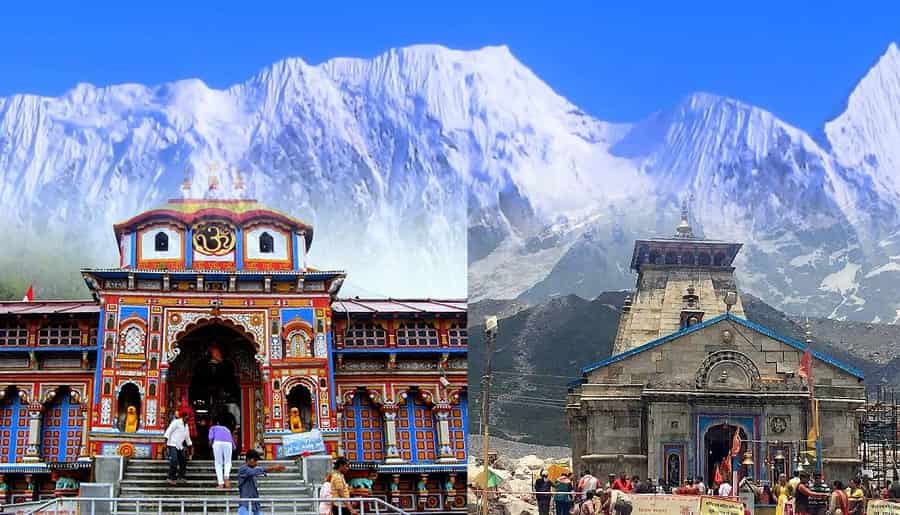
Yoga and Ayurveda both trace back to the Indian subcontinent, refined over thousands of years and still taught by people working within that lineage. That’s different from learning a version adapted for a studio abroad. If a wellness trip is on your mind, here’s what actually matters when picking where to go in India, and what to watch for before you book.
Quick answer: Rishikesh, in Uttarakhand, is known as the Yoga Capital of the World and is built around yoga schools, ashrams and teacher training. Kerala carries India’s strongest Ayurveda tradition, especially for Panchakarma. Costs and trip length depend heavily on what you actually book — an ashram stay, a teacher-training course, and a residential Ayurveda programme are different products, so treat any single “typical price” with caution until you compare real packages.
1. India’s Long Tradition in Yoga and Ayurveda
People come here to learn from teachers working within an established lineage, not a version reshaped for export. That’s the real draw, more than any marketing line about being “the best.”
- Yoga’s earliest textual roots go back to the Vedic period, with the Yoga Sutras of Patanjali systematising the practice later.
- Ayurveda developed as India’s traditional system of medicine and is still regulated today under the Ministry of AYUSH.
- Kerala was among the first states to build dedicated Ayurveda resorts, giving it an early lead in wellness tourism.
- Rishikesh, in the Himalayan foothills of Uttarakhand, carries the title Yoga Capital of the World.
Many teachers in both regions trace their training back through a guru lineage. Ask about this when you’re comparing schools — it tells you more than a glossy brochure will.
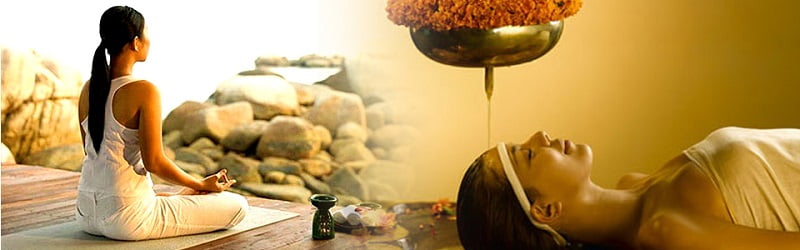
2. Rishikesh: Yoga, Meditation and Teacher Training
If your main goal is yoga practice, meditation or teacher training, Rishikesh has a particularly strong concentration of ashrams and yoga schools. Kerala is built more around Ayurveda and structured wellness programmes, so the two towns serve different purposes rather than competing on the same thing.
Set on the banks of the Ganga at the foot of the Himalayas, Rishikesh has numerous ashrams and yoga schools, some registered with Yoga Alliance and offering 200-hour or 500-hour teacher-training programmes. The town hosts the International Yoga Festival every March at Parmarth Niketan Ashram. The 2026 edition runs from March 9 to 15.
- Daily yoga and meditation sessions cover most levels, from complete beginners to advanced practitioners.
- A Yoga Alliance registration matters if you plan to teach later, but not every course in town carries it — check a school’s current registration status directly before enrolling.
- The Ganga Aarti happens daily around sunset. The exact time shifts with the season, so confirm it locally rather than planning around a fixed clock time.
- Rishikesh sits close enough to Haridwar that combining the two on one trip is straightforward.
Book your ashram or yoga school two to three months ahead during festival season in March and the autumn window from September to November. Rooms in both periods go quickly.
3. Personalised Ayurveda and Wellness Programmes
At a genuine Ayurveda centre, your day is built around an initial assessment rather than a fixed spa menu. A practitioner typically reviews your constitution and health history before recommending treatments, diet and daily routine.
- Mornings often start with yoga asanas and pranayama.
- Herbal oil massages and other therapies follow, based on the consultation.
- Some programmes personalise diet and daily routines according to the practitioner’s assessment — this isn’t universal, so ask what your specific centre actually does.
- Evening meditation sessions are common.
- Centres working with specific conditions may assign a dedicated therapist and adjust the routine as things progress.
Before booking, find out who runs your Ayurvedic consultations, what their recognised qualifications are, and whether the centre carries appropriate registration. Don’t take this on trust from a website — ask directly, and expect a straight answer.
4. Kerala: India’s Ayurveda Centre
Kerala carries India’s strongest Ayurveda tradition, particularly for Panchakarma — a classical therapeutic programme built from a sequence of procedures determined by an individual assessment. Programme length varies by centre and by what’s being treated, so there’s no single standard duration to quote.
Kerala’s southwest monsoon generally runs from June to September, and Kerala Tourism specifically highlights June to August as a traditional period for Ayurvedic treatment. According to traditional Ayurvedic practice, the monsoon is considered a favourable period for rejuvenation therapies — that’s the traditional rationale behind the timing, not an independent medical claim, and it’s worth knowing the difference before you plan your dates around it.
Kerala has a well-established Ayurveda ecosystem: hospitals, clinics, treatment centres and resorts built specifically around this tradition, rather than added on as a side offering.
5. Ayurveda for Wellness and Supportive Care
Some Ayurveda centres, mainly in Kerala with a few in the Rishikesh and Himalayan foothill region, work with people managing long-standing conditions such as arthritis, asthma or high blood pressure, alongside general wellness programmes.
This isn’t a substitute for your existing medical care. A credible centre will say so upfront, and you should be wary of one that doesn’t. If you have a diagnosed condition or take prescription medication, talk to your doctor and the Ayurvedic practitioner before starting a programme. Bring your medical reports and current prescriptions with you, so treatment gets planned around your actual situation instead of started blind.
6. Where These Centres Are Located, and When to Go
Yoga and Ayurveda centres in India tend to sit apart from busy cities by design — the Himalayan foothills around Rishikesh and Dharamshala, Kerala’s backwaters and coast, or heritage properties in Rajasthan and the Nilgiris.
October to March is generally more comfortable for outdoor yoga and sightseeing in Rishikesh, since temperatures run cooler than the summer months. For Kerala Ayurveda, June to August lines up with the period Kerala Tourism itself associates with treatment.
Rishikesh and the routes around it get busier during the Char Dham pilgrimage season, roughly May to June. If a quiet retreat is the point of your trip, check current traffic and accommodation conditions before booking that window.
7. Couples, Solo Travellers and Groups
Programmes differ depending on who’s travelling. Some providers offer shared suites and joint sessions for couples. Solo travellers usually get a choice between group classes and full teacher-training courses. Families and groups tend to get more flexible, mixed-pace itineraries built around what the group actually wants to do.
Availability varies property by property, so confirm what’s genuinely included before you assume a standard package covers what you have in mind.
Common Mistakes to Avoid
- Booking a “wellness resort” without checking who’s actually responsible for your Ayurvedic consultations, and what their qualifications are.
- Ignoring the monsoon-season crowding in Kerala or the Char Dham rush around Rishikesh when picking your dates.
- Starting an intensive Ayurveda programme without medical clearance if you have an existing condition.
- Skipping the cancellation and refund terms on longer teacher-training courses before you pay.
Practical Planning Tips
- Loose, comfortable clothing is generally practical for yoga sessions and oil-based treatments. Check your specific centre’s dress requirements before you arrive rather than assuming.
- If you’re combining Rishikesh with a Char Dham or Haridwar trip, plan the wellness stay either before or after the pilgrimage circuit. The pace of the two is different enough that stacking them back to back tends to undercut both.
- Ask for a written treatment plan on day one, not just a verbal explanation you have to remember.
Why Plan Your Rishikesh–Haridwar Wellness Stay With Chardham Tour
Rishikesh sits on the same route as Haridwar and the start of the Char Dham circuit, which is where our own expertise is. We help travellers combine a Rishikesh yoga stay with a Haridwar visit, with verified hotels and support on the ground, rather than leaving you to piece the logistics together yourself.
Check our Haridwar Rishikesh Tour Package for ready itineraries, or get in touch for a custom plan around your preferred yoga school or retreat.
Final Word
Rishikesh and Kerala serve different purposes. Pick Rishikesh if yoga practice, meditation or teacher training is the point of the trip. Pick Kerala if you specifically want Ayurveda treatment, particularly Panchakarma. Book early during festival season and the autumn peak, and confirm practitioner credentials before you pay anything.
FAQs
What is the best time for a yoga and Ayurveda tour in India?
October to March suits Rishikesh for cooler, more comfortable conditions. June to August is the period Kerala Tourism associates with traditional Ayurveda treatment.
Is Rishikesh or Kerala better for a yoga tour?
Rishikesh is the stronger choice if your focus is yoga practice, meditation or teacher training. Kerala is built more around Ayurveda and structured wellness programmes.
How much does a yoga and Ayurveda tour in India cost?
This varies too widely by provider, accommodation and programme type to quote a single figure honestly. Compare actual packages for the specific programme you want rather than relying on a general estimate.
Do I need medical clearance before starting Ayurveda treatment?
If you have an existing chronic condition, yes — bring your medical reports so the practitioner can plan treatment around them safely.
Is yoga teacher training in Rishikesh internationally recognised?
Some schools in Rishikesh offer Yoga Alliance-registered 200-hour or 500-hour programmes. Registration status varies by school, so check it directly rather than assuming.
When is the International Yoga Festival in Rishikesh in 2026?
March 9 to 15, 2026, at Parmarth Niketan Ashram on the banks of the Ganga.
Can couples do an Ayurveda retreat together?
Some centres offer shared suites and joint sessions for couples. Availability varies by property, so confirm this when booking.
Is Kerala Ayurveda safe for chronic conditions like arthritis or asthma?
Centres with properly qualified practitioners can support chronic conditions alongside your existing treatment, but it should never replace your regular medical care.
How long does a Panchakarma programme run?
It varies by centre and by the practitioner’s assessment of what you need. There’s no fixed standard length.
Can I combine a Rishikesh yoga stay with the Char Dham Yatra?
Yes, but plan the wellness stay before or after the pilgrimage rather than during it. Roads and hotels around Rishikesh get busy with pilgrim traffic in peak Char Dham season, roughly May to June.
What should I pack for an Ayurveda retreat?
Loose, comfortable clothing works well for most oil-based treatments, but check your specific centre’s requirements before you arrive.
Do I need prior yoga experience to join a retreat in India?
No. Most centres in Rishikesh and Kerala run classes split by level, so beginners and experienced practitioners are both accommodated.