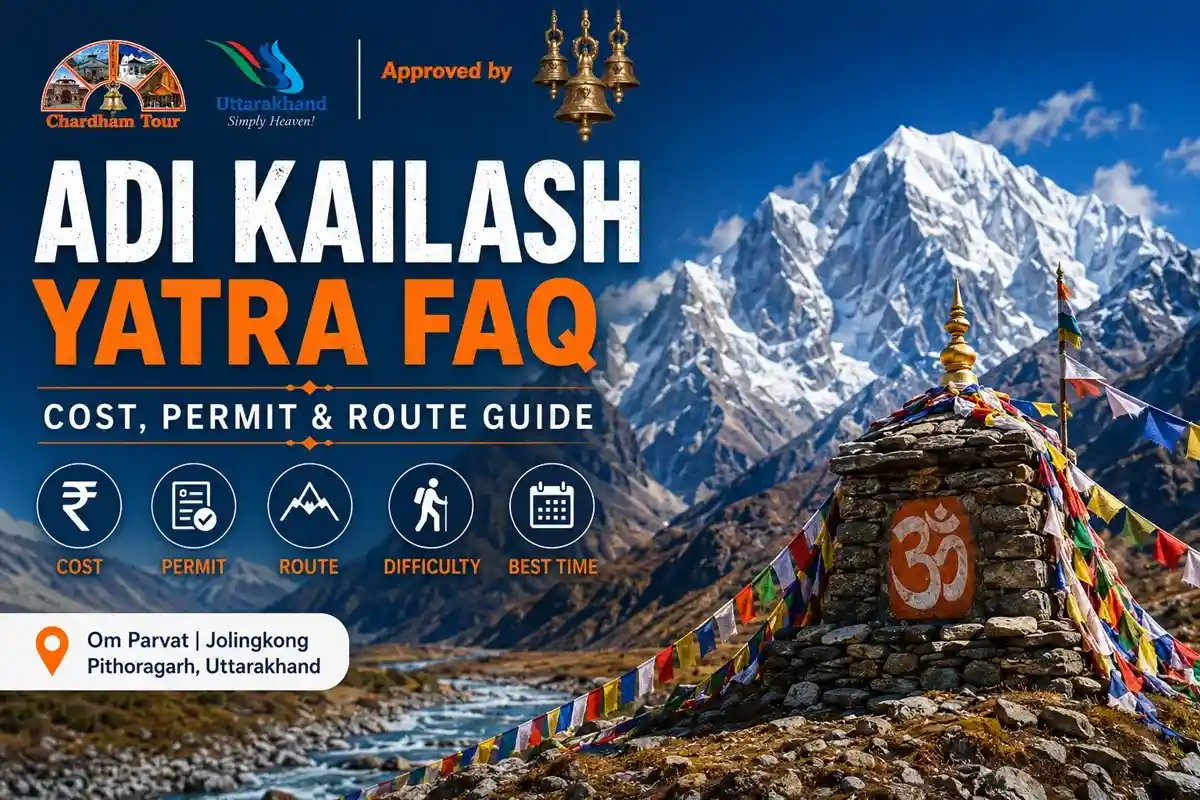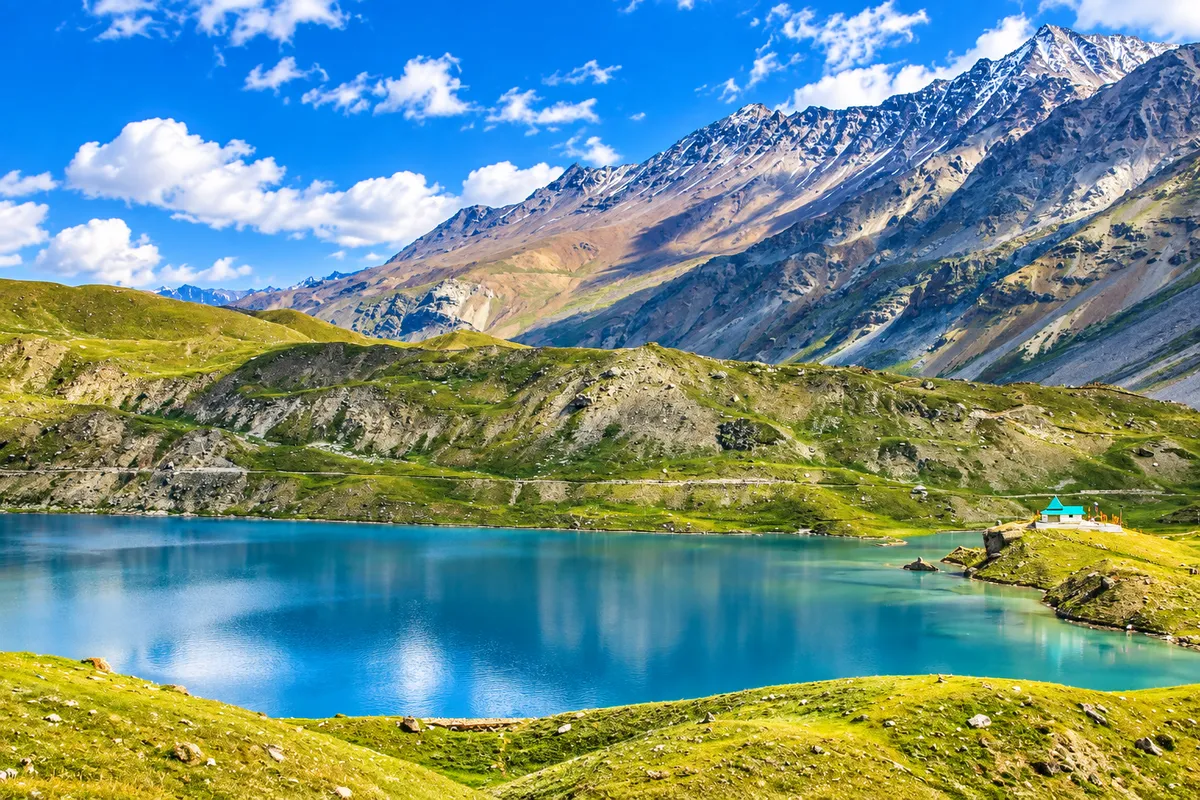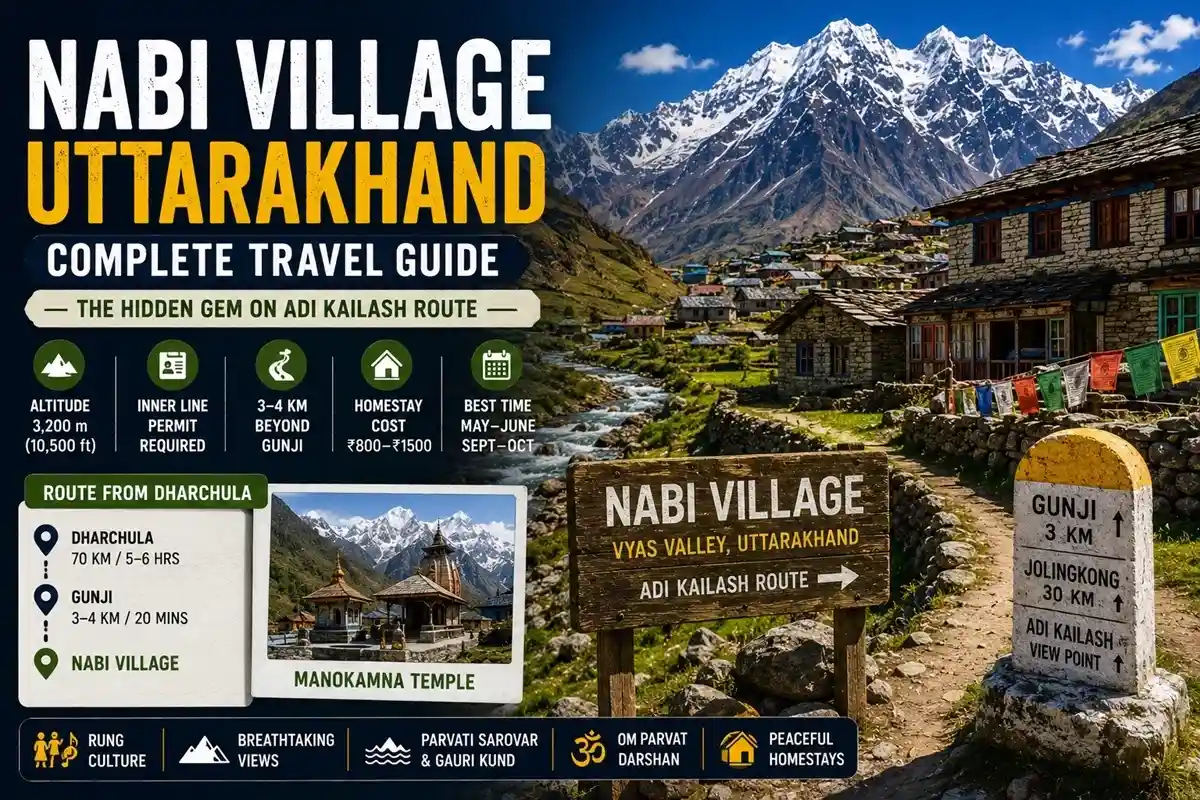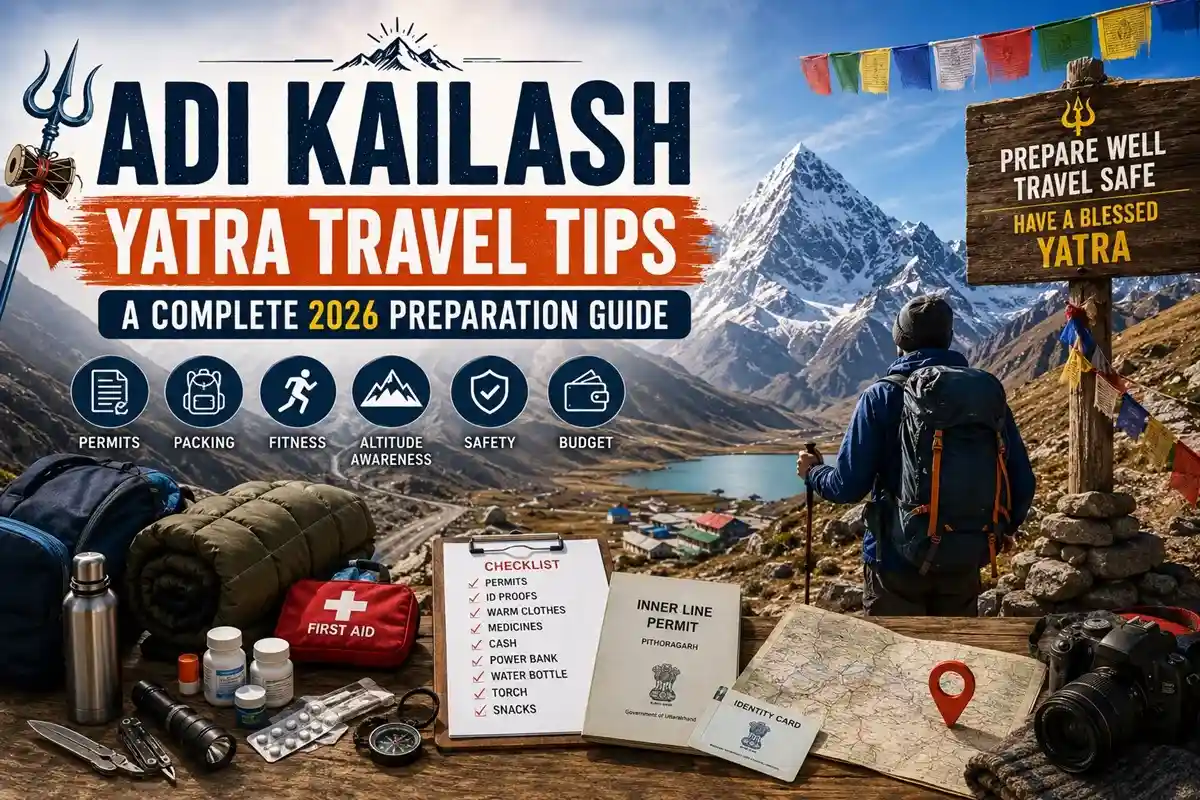
Good Adi Kailash Yatra travel tips can be the difference between a smooth pilgrimage and a stressful scramble at a checkpoint with missing paperwork. This yatra runs through a restricted Himalayan border zone, reaching roughly 4,500–4,770 metres near Jolingkong (sources vary). Rules here — permits, guides, screening — often depend on the season and operator rather than a single fixed law, so this guide flags what’s generally practiced versus what you should confirm directly.
Quick Overview
| Detail | Information |
|---|---|
| Season | Roughly May to late October, weather and snow permitting |
| Best months | May–June and September–October |
| Highest point | Jolingkong base camp, approx. 4,500–4,770 m (sources vary) |
| Trek distance | Roughly 3–5 km near Jolingkong/Nabhidhang; much of the route is motorable |
| Guide | Many operators provide or require one beyond Gunji as standard practice |
| Documents | ID, medical fitness certificate, Inner Line Permit; some operators also request police verification or an affidavit |
| Eligibility | Indian citizens/passport holders; foreign nationals and OCI cardholders fall outside the standard ILP process |
| Cash needed | Approx. ₹10,000–25,000; ATMs and UPI are unreliable beyond Dharchula |
Fees, exact dates, and document requirements change by season and operator — always confirm current rules with the Dharchula SDM office or your registered operator.
Registration and Permits: Start Here First
Preparing documents before reaching Dharchula is the single most useful thing you can do. Expect to need a valid ID (Aadhaar, voter ID, or passport), a medical fitness certificate dated within about 30 days of travel, and the Inner Line Permit itself, issued through the SDM office in Dharchula. Many operators also ask for police verification or a signed affidavit as part of their own document checklist, though these aren’t necessarily uniform government requirements — they can vary by season and by which operator or office processes your application.
Some form of online pre-registration may be available depending on the current season, but the physical permit generally still needs collection in person — confirm the latest workflow with the SDM office or your operator rather than assuming a fixed online process. Booking through KMVN or a private operator early is wise, since peak-month slots fill up quickly. This yatra is generally limited to Indian citizens or Indian passport holders; foreign nationals, including OCI cardholders, fall outside the standard Inner Line Permit process, and anyone with an unusual citizenship situation should check directly with the SDM office rather than assume.
Suggested Tour:
Guides, Screening and Fitness
Many operators provide or require a local guide beyond Gunji as standard practice — treat this as common practice rather than a guaranteed universal rule, and confirm with your operator. Basic health checks at Gunji, sometimes involving ITBP personnel, have been reported in various seasons; don’t assume this happens identically every year, but do expect some form of fitness check before proceeding further.
The trek itself is easy to moderate, since walking near Jolingkong and Nabhidhang is now just 3 to 5 km. The real challenge is altitude, not distance. Acute mountain sickness (AMS) can affect anyone above roughly 2,500 metres, with symptoms including headache, nausea, dizziness, and breathlessness. In more serious cases, this can progress toward HAPE (fluid in the lungs) or HACE (swelling in the brain) — both are medical emergencies requiring immediate descent and urgent care, not a “wait and see” approach. Spend a day acclimatizing in Gunji, ascend gradually, stay hydrated, and consult a doctor before considering any altitude medication. Pilgrims with uncontrolled heart conditions, severe respiratory disease, or serious kidney or liver issues are generally advised against this yatra.
What to Pack
Keep your permit and medical certificate in a waterproof pouch with photocopies, since a missing document at a checkpoint can end your yatra. Layer for a wide swing — daytime highs of roughly 10–20°C can drop to -5°C or lower at night, so pack thermal base layers, a fleece, a down jacket, and waterproof outerwear. A sleeping bag rated to around -10°C is worth carrying for hygiene and extra warmth, especially in the colder shoulder months of May and October.
Add a hydration bladder, electrolyte powder, a basic first-aid and altitude kit, a headlamp, and a power bank — charging points are scarce beyond Dharchula, so don’t expect to charge your phone nightly. Food thins out beyond Gunji, typically simple dal, rice, roti, and tea, so carry dry snacks as backup. If you don’t own proper cold-weather gear, ask your operator about rental options for jackets or sleeping bags before buying everything new.
Money, Network and Other Logistics
No ATMs or UPI work reliably beyond Dharchula — this includes Gunji — so carry roughly ₹10,000–25,000 in cash depending on your package. BSNL generally offers the best chance of a signal on this route, with coverage becoming unreliable past Gunji; tell family your itinerary before you’re likely to lose signal. Basic oxygen support is included in some operator packages, but don’t assume cylinders are freely available on the spot — ask in advance. Hot water at guesthouses is inconsistent, so pack quick-dry basics rather than expecting daily hot showers.
Best Time, Budget and Etiquette
May–June and September–October remain the most recommended windows, with temperatures generally in a manageable range and more predictable roads. July–August monsoon travel carries real landslide risk even though the yatra technically stays open. Package costs vary widely, roughly ₹35,000 at the budget end to over ₹1,50,000 for fuller-service options — get a clear breakdown before comparing. Accommodation (KMVN guesthouses, homestays, tents) is basic and subject to seasonal availability, so book ahead.
Avoiding alcohol, cigarettes, and other intoxicants is treated as an expected code of conduct on this pilgrimage circuit — enforced by most operators and generally expected by local custom — rather than a distinct standalone law unique to this yatra. Solo travel is technically possible under the ILP framework but discouraged by most operators and authorities, given the remote terrain; most run fixed group departures rather than solo bookings.
Common Mistakes to Avoid
Booking permits or transport at the last minute is the most frequent regret, since peak-month batches fill up early. Underestimating night temperatures is another — pack for Gunji and Jolingkong, not just Dharchula’s daytime warmth. Skipping acclimatization at Gunji to save a day raises AMS risk far more than it saves in time. And assuming card or UPI payments will work near Gunji or Jolingkong has left more than one pilgrim short on cash with no fix available on the spot.
Key Takeaways
- Sort your Inner Line Permit, medical certificate, and ID well before Dharchula — this is the biggest source of delays.
- May–June and September–October are the most reliable windows; monsoon carries real risk despite staying technically open.
- Altitude, not distance, is the main challenge — acclimatize in Gunji and know the difference between AMS, HAPE, and HACE.
- Guide requirements, screening, and document checklists vary by operator and season — confirm current rules rather than assuming a fixed process.
- Carry sufficient cash and don’t rely on charging your phone nightly beyond Dharchula.
Following these Adi Kailash Yatra travel tips won’t remove every uncertainty from a Himalayan border pilgrimage, but it removes the avoidable ones.
FAQs
Q1. What documents do I need for the Adi Kailash Yatra?
A valid ID, medical fitness certificate, and Inner Line Permit from Dharchula; some operators also request police verification.
Q2. What is the best time for the Adi Kailash Yatra?
May–June and September–October, when weather and road conditions are generally more stable.
Q3. Is the Adi Kailash trek difficult?
It’s easy to moderate, with only 3–5 km of walking; altitude is the main challenge, not distance.
Q4. How much cash should I carry?
Roughly ₹10,000–25,000, since ATMs and UPI are unreliable beyond Dharchula.
Q5. Can foreign nationals join the Adi Kailash Yatra?
No, foreign nationals and OCI cardholders fall outside the standard Inner Line Permit process.
Q6. Is a local guide always required beyond Gunji?
Many operators provide or require one as standard practice, though it’s not a strictly universal rule every season.
Q7. What is the difference between AMS, HAPE, and HACE?
AMS causes headache and nausea; HAPE and HACE are more serious, involving fluid in the lungs or brain swelling, and need immediate descent and medical care.
Q8. Are oxygen cylinders available on the route?
Some operator packages include basic oxygen support, but availability isn’t guaranteed on the spot — confirm in advance.
Q9. Can I rent warm clothing or a sleeping bag?
Some operators offer rentals — ask before buying everything new.
Q10. Is alcohol allowed during the yatra?
It’s discouraged as an expected code of conduct on the pilgrimage circuit rather than a specific standalone law for this route.
Q11. Can I charge my phone every night?
Not reliably — charging points are scarce beyond Dharchula, so carry a power bank.
Q12. Can I travel solo to Adi Kailash?
It’s technically possible under the ILP framework but discouraged; most operators run fixed group departures instead.
Also Reads on: