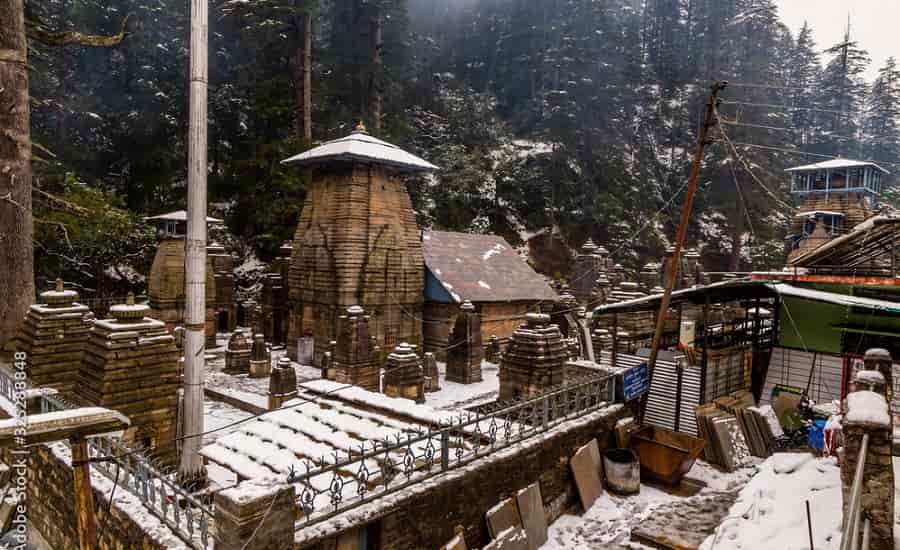
Jageshwar Temple, located in the serene Kumaon region of Uttarakhand, is one of the most ancient and sacred temple complexes dedicated to Lord Shiva. Surrounded by dense deodar forests and nestled in the peaceful Jataganga valley, Jageshwar is not just a pilgrimage site but also a destination known for its natural beauty and historical importance.
This temple complex is believed to be one of the oldest Shaivite centers in Northern India, attracting devotees, history lovers, and nature enthusiasts throughout the year.
Location of Jageshwar Temple
Jageshwar Temple is situated in Almora district of Uttarakhand, around 35–36 km from Almora town. The temple lies at an altitude of approximately 1,870 meters above sea level, making the climate pleasant for most of the year.
The temple complex is set in a quiet forested area, offering visitors a peaceful and spiritual atmosphere away from city life.
Historical Significance of Jageshwar Temple
The history of Jageshwar Temple dates back to between the 7th and 11th centuries CE. Most historians believe that the temples were built during the reign of the Katyuri dynasty, followed by contributions from the Chand rulers.
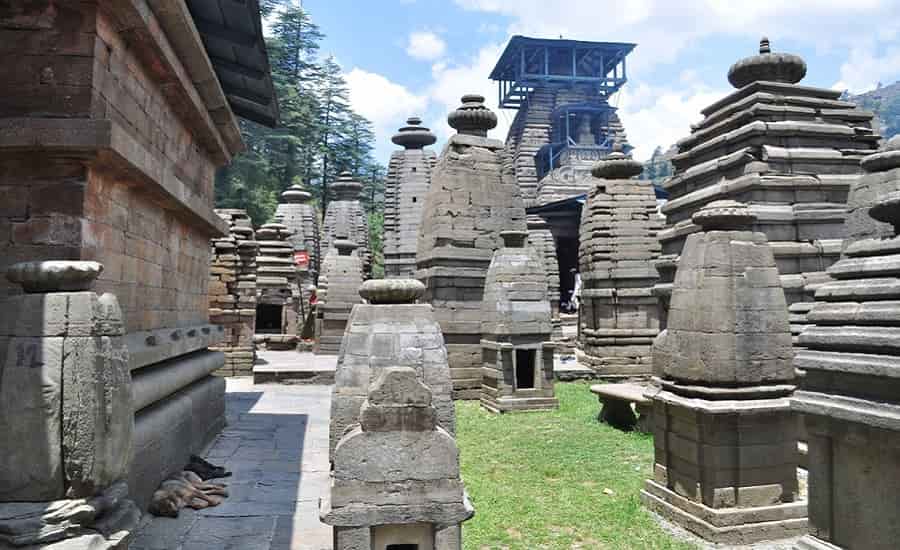
The temple complex consists of more than 100 stone temples, built in the traditional Nagara architectural style, reflecting the rich cultural heritage of ancient Uttarakhand.
Architecture of Jageshwar Temple Complex
Jageshwar is known for its beautifully carved stone temples, featuring:
-
Intricate sculptures
-
Ornate pillars
-
Shikhara-style towers
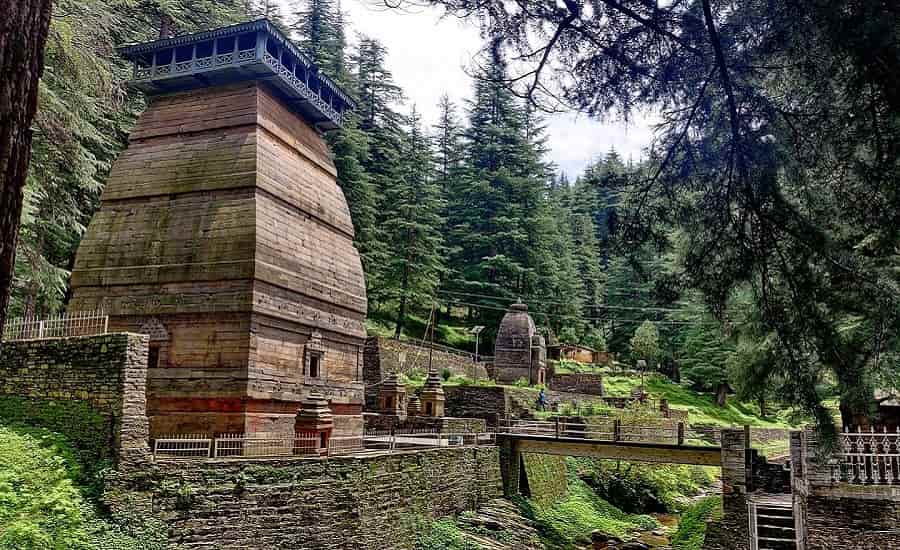
Some of the most important temples inside the complex include:
-
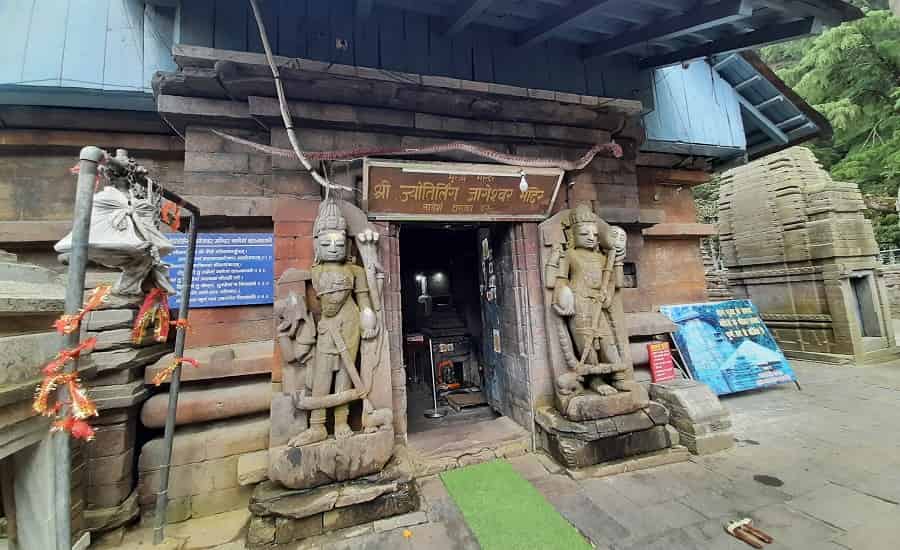
Jageshwar Mahadev Temple
-
Maha Mrityunjay Temple
-
Navagraha Temple
-
Surya and Kuber Temples
Each temple has unique carvings that depict gods, goddesses, and mythological figures.
Religious Importance of Jageshwar Dham
Jageshwar Dham holds immense religious significance for followers of Lord Shiva. According to local beliefs, this place was once a major center of Shiva worship and meditation.
It is also believed that Adi Shankaracharya visited Jageshwar and played a role in reviving the temple traditions, making it an important spiritual center even today.
Best Time to Visit Jageshwar Temple
The temple is open throughout the year, but the best time to visit Jageshwar is:
-
March to June – pleasant weather
-
September to November – clear skies and comfortable climate
During monsoon months (July–August), the area becomes lush and scenic, though rainfall can sometimes affect travel.
Festivals Celebrated at Jageshwar Temple
Jageshwar Temple hosts several religious festivals, including:
-
Maha Shivratri
-
Shravan month celebrations
-
Local temple fairs
During festivals, the temple complex comes alive with devotional songs, rituals, and cultural events.
Facilities & Visitor Information (2026 Update)
-
The temple complex is open daily for devotees
-
Entry to the temple is free
-
A shuttle service from Artola parking area has been introduced to manage crowd flow during peak seasons
-
Basic facilities like rest areas and local shops are available near the temple
Natural Beauty Around Jageshwar
Apart from its religious importance, Jageshwar is famous for:
-
Dense deodar forests
-
Peaceful walking trails
-
Cool mountain air
Many visitors spend time exploring nearby forest paths or simply relaxing in the calm surroundings after temple darshan.
Conclusion
Jageshwar Temple is a perfect blend of spirituality, history, and nature. Whether you are a devotee seeking blessings, a traveler interested in ancient architecture, or someone looking for peace in the Himalayas, Jageshwar offers a truly enriching experience.
Visiting Jageshwar Temple is not just a journey to a sacred place, but also a step back into the rich cultural heritage of Uttarakhand.
Suggested to Read:

Related Posts
Popular Places to Visit in Jageshwar
How to Reach Jageshwar