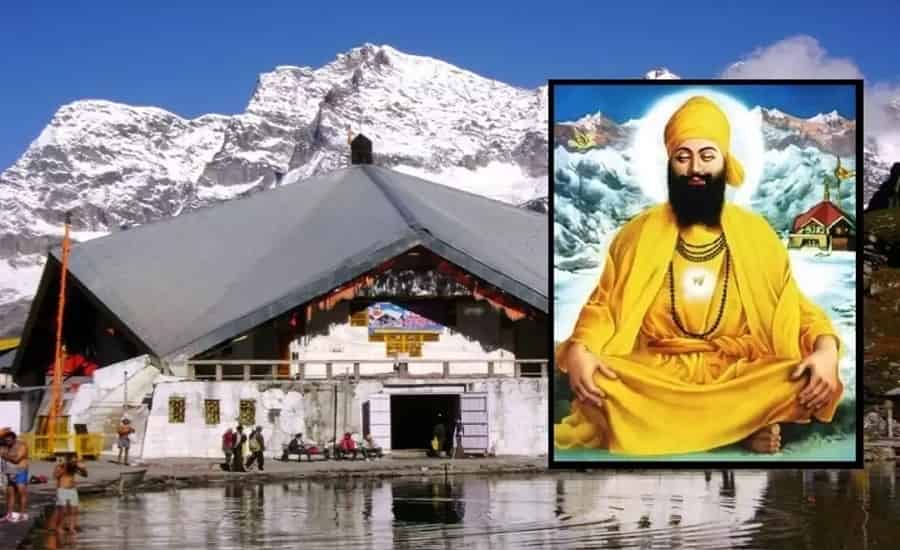
Hemkund Sahib, one of the highest Sikh pilgrimage sites in the world, is located at an altitude of approximately 4,632 meters (15,200 feet) in the Chamoli district of Uttarakhand. Surrounded by seven snow-clad Himalayan peaks and a pristine glacial lake, the weather of Hemkund Sahib plays a crucial role in planning a safe and comfortable yatra.
Due to its extreme elevation, Hemkund Sahib experiences harsh climatic conditions for most of the year, and the shrine remains accessible only for a limited period. Understanding the weather patterns is essential for pilgrims, trekkers, and nature lovers planning a visit.

Overall Climate of Hemkund Sahib
Hemkund Sahib has an alpine and sub-arctic climate characterized by:
-
Long, severe winters
-
Short, cool summers
-
Frequent rainfall and snowfall
-
Rapid weather changes
Even during the official pilgrimage season, the temperature can drop suddenly, and snowfall may occur unexpectedly.
Hemkund Sahib Weather by Season
Summer Season (May to June)
Temperature Range:
-
Day: 5°C to 15°C
-
Night: 0°C to 5°C
Summer marks the beginning of the Hemkund Sahib Yatra season. Snow begins to melt, allowing the trekking route from Govindghat via Ghangaria to open gradually.
Weather Characteristics:
-
Cold but manageable daytime temperatures
-
Snow-covered trails in early May
-
Clear skies during mornings
-
Chilly winds in the afternoon
Travel Advisory:
-
Heavy woolens are mandatory
-
Trekking paths may still have snow patches
-
Sudden snowfall is possible at higher altitudes
Monsoon Season (July to August)
Temperature Range:
-
Day: 8°C to 18°C
-
Night: 2°C to 8°C
The monsoon season brings frequent rainfall to the region, increasing humidity and making trekking more challenging.
Weather Characteristics:
-
Cloudy skies and misty views
-
Heavy rainfall in lower regions like Govindghat
-
Risk of landslides on mountain roads
-
Slippery trekking paths
Travel Advisory:
-
Rain gear is essential
-
Trekking poles recommended
-
Extra buffer days should be kept
-
Medical fitness is important due to damp cold
Despite the challenges, July and August see maximum pilgrim footfall due to religious significance.
Post-Monsoon / Early Autumn (September to October)
Temperature Range:
-
Day: 5°C to 12°C
-
Night: –2°C to 5°C
This period is considered the best weather window for Hemkund Sahib before winter sets in.
Weather Characteristics:
-
Clear blue skies
-
Crisp mountain air
-
Minimal rainfall
-
Stunning visibility of surrounding peaks
Travel Advisory:
-
Nights become extremely cold
-
Snowfall may begin by late September
-
Yatra usually concludes by mid-October
This is an ideal time for photography and peaceful pilgrimage.
Winter Season (November to April)
Temperature Range:
-
Day: –10°C to –2°C
-
Night: –20°C or lower
During winter, Hemkund Sahib is completely inaccessible due to heavy snowfall.
Weather Characteristics:
-
Continuous snowfall
-
Frozen lake
-
Extreme cold and blizzards
-
Zero tourist movement
Status:
-
Gurudwara remains closed
-
Roads and trekking routes blocked
-
Entire region covered in thick snow
The shrine reopens only after snow clearance and safety inspections in late spring.
Monthly Weather Overview of Hemkund Sahib
| Month | Weather Summary | Travel Status |
|---|---|---|
| January – March | Extreme cold, heavy snowfall | Closed |
| April | Snow melting begins | Closed |
| May | Cold, snow patches | Limited access |
| June | Cool & pleasant days | Open |
| July | Rainy, misty | Open |
| August | Heavy rainfall | Open |
| September | Cold, clear skies | Best time |
| October | Cold, early snowfall | Closing phase |
| November – December | Severe winter | Closed |
Impact of Altitude on Weather
At over 4,600 meters, Hemkund Sahib experiences:
-
Low oxygen levels
-
High UV exposure
-
Rapid weather shifts
Pilgrims often feel breathlessness, dizziness, or fatigue due to altitude. Weather combined with altitude can intensify physical stress.
Weather-Based Packing Tips
Essential items based on weather conditions:
-
Heavy woolen jackets & thermals
-
Waterproof outer layers
-
Woolen caps, gloves, and socks
-
Trekking shoes with good grip
-
Sunglasses & sunscreen
-
Rain poncho during monsoon
Best Time to Visit Hemkund Sahib Based on Weather
-
Best Overall Weather: September
-
Peak Pilgrimage Months: July & August
-
Least Risk of Rain: Late August to mid-September
-
Avoid: Early May (snow) & peak monsoon days
Weather Challenges Pilgrims Should Be Aware Of
-
Sudden snowfall even in summer
-
Temperature drop after sunset
-
Strong winds near the lake
-
Reduced visibility due to fog
Following official advisories and daily weather updates is highly recommended.
Conclusion
The weather of Hemkund Sahib is both beautiful and unforgiving. While the natural surroundings are breathtaking, the extreme climatic conditions demand careful planning, physical preparedness, and respect for nature.
Understanding seasonal weather patterns ensures a safe, spiritually fulfilling, and memorable journey to one of the most sacred high-altitude pilgrimage sites in India.
Also Read

Related Posts
How to Reach Hemkund Sahib
Best Time to Visit Hemkund Sahib