
Haridwar is where the Ganga leaves the Himalayan foothills and enters the Indo-Gangetic plains. That’s the reason the city has so many ghats strung along the riverbank — stone steps built for bathing, prayer, and the last rites families come here to perform. Temples and ashrams matter too, but the ghats are what most people picture when they think of Haridwar.
This guide covers the six ghats most visitors ask about, what each one is actually for, and what’s changed heading into 2026 — including the Ganga Aarti timing, the Kumbh Mela 2027 preparations, and current access rules you should know before you go.
Quick Answer
Har Ki Pauri is Haridwar’s most visited ghat, built around the sacred Brahmakund area where the daily Ganga Aarti takes place near sunset. Gau Ghat, Asthi Pravah Ghat, Subhash Ghat, Vishnu Ghat, and Kushavarta Ghat each serve a different purpose — from cow-related rituals to ash immersion. None of these are ranked in any official list; they’re simply the ones travelers ask about most.
Haridwar Ghats: Quick Facts
| Detail | Information |
|---|---|
| Location | Haridwar, Uttarakhand |
| Haridwar elevation | Approx. 314 m (1,030 ft) above sea level |
| Main pilgrimage ghat | Har Ki Pauri |
| Ganga Aarti | Morning near sunrise, evening near sunset — exact time shifts through the year |
| Entry | Public ghat access is generally free; some rituals involve a priest’s fee |
| Har Ki Pauri access | Listed as open 24×7, though specific bathing areas can be restricted temporarily |
| Har Ki Pauri to Haridwar Junction | Approx. 2 km |
| Kushavarta Ghat to Har Ki Pauri | Approx. 500 m |
| Nearest airport | Jolly Grant Airport, Dehradun |
| Best time | Year-round; October–March is generally more comfortable for sitting through the Aarti |
Don’t take any single distance figure here as exact. Government sources disagree with each other on a few of these numbers — more on that below.
The 6 Ghats Most People Ask About
1. Har Ki Pauri
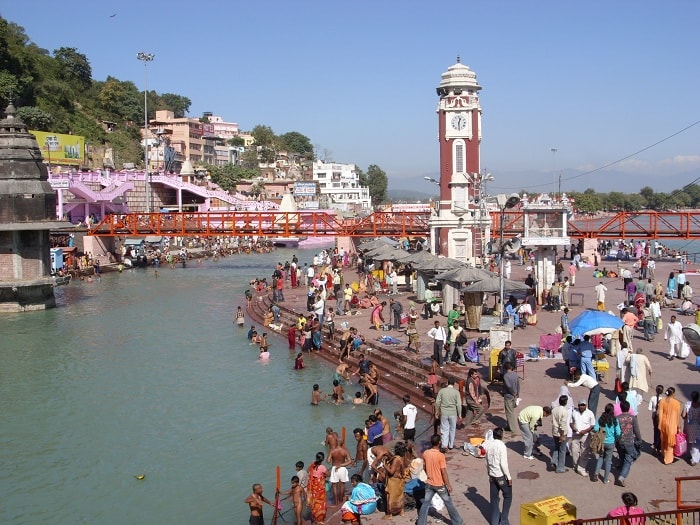
The name means roughly “steps of Hari” — Lord Vishnu. Tradition holds that his footprint is preserved on a stone here. According to traditional accounts, King Vikramaditya developed this ghat around the 1st century BC in memory of his brother Bhartrihari, who is said to have meditated on this stretch of the river.
The most sacred spot inside Har Ki Pauri is Brahmakund, and this is where the evening Ganga Aarti happens every day. The Shri Ganga Sabha has organized this Aarti since 1916 — it began under Pandit Madan Mohan Malviya and has continued without a break since. Watch for the priests carrying Ganga’s idol in a small palanquin, the mantras, and the diyas people send out onto the water afterward.
Har Ki Pauri is also one of Haridwar’s Kumbh Mela sites, and the city is currently preparing for the next Kumbh in 2027, with riverbank and infrastructure work underway around Har Ki Pauri. Expect construction activity and tighter crowd management in the run-up to that.
A note on access: in January 2026, the Ganga Sabha put up signboards at Har Ki Pauri restricting entry for non-Hindus, citing a 1916 municipal bylaw. The district administration has said no new government order has been issued, and the matter remains unresolved. If you’re a non-Hindu traveler planning to visit, check the current situation on the ground or with your tour operator before you go — don’t assume open access.
2. Gau Ghat

Gau means cow, and this ghat is traditionally tied to rituals of atonement connected with cow welfare and worship — cows hold a protected, revered place in Hindu belief. It sits close to Har Ki Pauri but draws a fraction of the crowd, which makes it one of the better spots if you want a quieter dip or a few minutes without the noise.
3. Asthi Pravah Ghat

This is where families come to immerse the ashes of the deceased into the Ganga — asthi visarjan. It’s in the Har Ki Pauri area, and you’ll find pandits on site who conduct the rituals beforehand. Agree on the priest’s fee before the ritual starts. Prices here aren’t fixed, and unofficial guides sometimes push visitors toward inflated donations.
4. Subhash Ghat

Named for Subhas Chandra Bose, with a statue of him near the riverbank. It’s a short walk from Har Ki Pauri and tends to be calmer once you’re away from the main Aarti crowd.
5. Vishnu Ghat
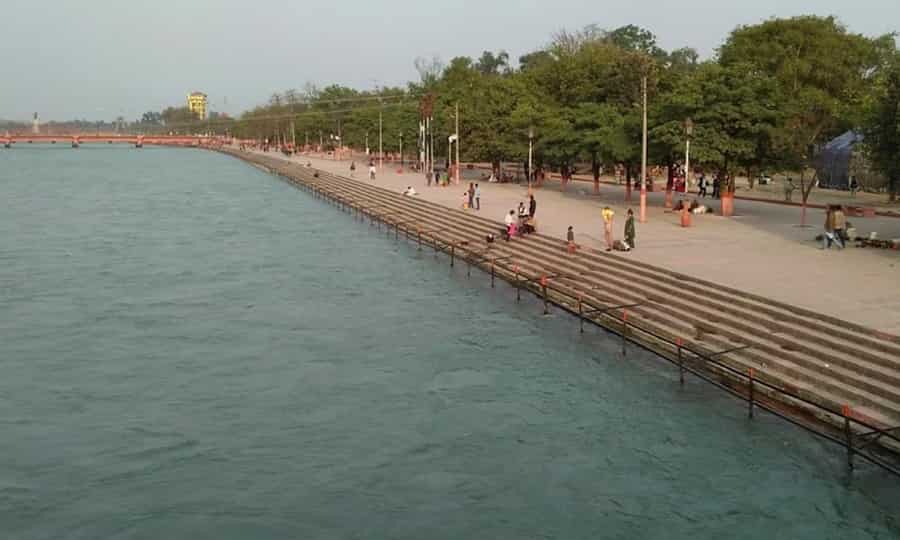
Named for Lord Vishnu and particularly popular among Vaishnav devotees, though anyone can visit. It’s generally quieter than Har Ki Pauri, and there’s a cluster of guest houses along this stretch if you’d rather stay a short walk from the water than right in the thick of things.
6. Kushavarta Ghat (also called Kusha Ghat)
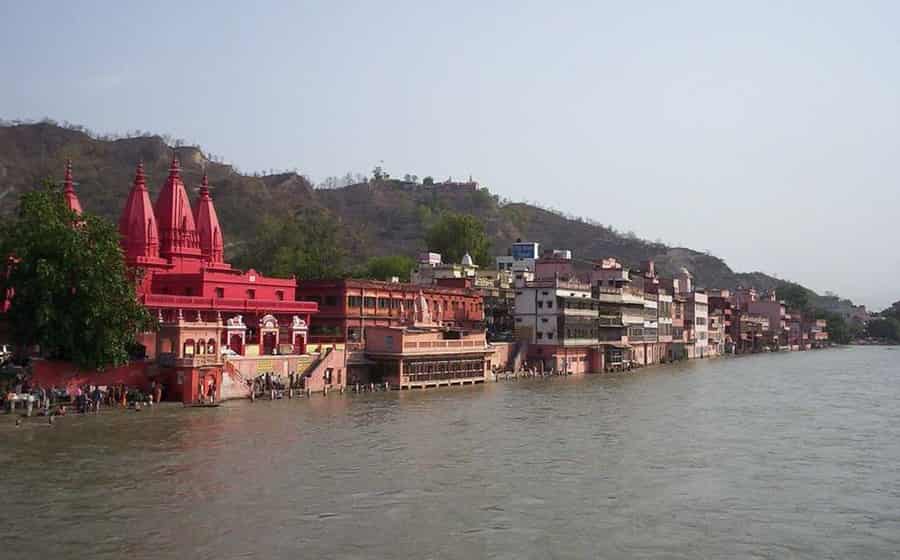
Built by the Maratha queen Ahilyabai Holkar, and tied by tradition to the sage Dattatreya, who’s said to have done penance here — the story goes that he stood on one foot for a thousand years. Kushavarta sits roughly 500 metres from Har Ki Pauri and about 1–1.5 km from Haridwar Junction, depending on which route you take. This is also a common spot for shraddha rites for deceased ancestors, alongside Asthi Pravah Ghat.
Other Ghats Worth Knowing
Haridwar has more than these six. Ganesh Ghat and Birla Ghat show up on Uttarakhand Tourism’s own list of popular ghats, and locals also use Laltarao Pul Ghat, Prem Nagar Ghat, Singh Dwar Ghat, and Ram Ghat regularly. Several of the central ghats around Har Ki Pauri can be walked between, though the exact route depends on the season and current riverfront access — don’t assume every ghat in the city connects by footbridge.
- Also Reads on: Best Places To Visit In Haridwar
Ganga Aarti Timing — Don’t Trust a Fixed Clock
The Ganga Aarti at Har Ki Pauri runs twice a day: a quieter Mangala Aarti near sunrise, and the main Shringar Aarti near sunset. Because it’s tied to sunrise and sunset, the actual start time moves through the year. As a rough guide, expect the evening Aarti somewhere around 6–7 PM in the warmer months and 5:30–6:30 PM in winter. Verify the exact time locally on the day you’re visiting — don’t build your evening around a number you found online.
Arrive early if you want a proper spot near Brahmakund. Forty-five minutes ahead is usually enough outside of festival season; on weekends and during major pilgrimage periods, you’ll want closer to ninety.
Best Time to Visit
Haridwar is a year-round destination — it’s not shut down or unpleasant outside any particular window. October to March is generally the more comfortable stretch for sitting through the Aarti, since the heat isn’t a factor. Summer works if you’re passing through anyway, just expect the afternoons to be tiring. During monsoon, water flow increases and the current gets genuinely stronger; authorities do restrict access to parts of the riverfront when levels rise, so check locally if you’re visiting between July and September.
How to Reach the Ghats
By air: Jolly Grant Airport in Dehradun is the nearest airport. Published distances to Haridwar vary depending on the source and reference point — some official sources say around 35 km, others put it closer to 70 km. Rather than picking one number, plan for roughly 1–2 hours by road and confirm with your taxi or hotel once you land.
By rail: Haridwar Junction connects directly to Delhi, Lucknow, Mumbai, and several other major cities. Har Ki Pauri is roughly 2 km from the station — walkable without heavy luggage, or a short auto ride otherwise.
By road: Haridwar is roughly 210–230 km from Delhi depending on the route you take, and well served by government and private buses. Journey time varies a lot with traffic; don’t expect a fixed number of hours.
Once you’re in the city, walking is the best way to see the central ghats. Vehicles don’t get you closer to Har Ki Pauri than your own feet will.
Safety Rules That Actually Matter
The current in the Ganga near Har Ki Pauri is stronger than it looks, even close to the steps. Bathing accidents happen here, and they’re not rare enough to ignore.
- Bathe only in designated areas, and only where chains or railings are installed for exactly this reason.
- Never cross a safety barrier, no matter how many other people are doing it.
- Don’t attempt to swim into open or deeper water.
- Keep children within arm’s reach, not just within sight.
- Skip bathing altogether during high water flow — ask locally if you’re unsure whether conditions are safe that day.
- Follow instructions from police or ghat staff without arguing the point.
- For senior citizens or families, pick a stable, less crowded spot set back from the water’s edge rather than right on it — being closer to the river doesn’t make it safer, it just puts you closer to the current.
For belongings: crowded evenings around the Aarti are a known spot for pickpocketing. Keep valuables in something you can feel against your body, not a loose pocket or an open bag.
For rituals: agree on the priest’s fee before anything starts, whether it’s for asthi visarjan, a pooja, or an Aarti offering.
For footwear: use a shoe-storage counter where one is available rather than leaving shoes unattended — not every ghat has one, but Har Ki Pauri does.
Visiting Haridwar’s Ghats with Chardham Tour
If you’re combining this with a Char Dham trip or coming through Rishikesh, Chardham Tour can build the Haridwar leg into your itinerary — timed around the evening Aarti, with local pickup and onward connections if you’re continuing up to Kedarnath or Badrinath.
FAQs
Which is the most visited ghat in Haridwar?
Har Ki Pauri, by a wide margin — it’s the site of the daily Ganga Aarti and the Brahmakund.
What time is the Ganga Aarti at Har Ki Pauri?
It follows sunrise and sunset, so the exact time changes through the year. Roughly 6–7 PM in summer, 5:30–6:30 PM in winter. Check locally before you go.
Is there an entry fee for the ghats?
No, public access is generally free. Specific rituals conducted by a priest usually involve a separate fee you negotiate directly.
How many ghats are there in Haridwar?
Haridwar has numerous ghats along the Ganga. Names and lists vary depending on the source, but Har Ki Pauri, Gau Ghat, Vishnu Ghat, and Kushavarta Ghat come up most often.
What is Brahmakund?
The most sacred spot within Har Ki Pauri, according to Hindu tradition tied to the mythological Samudra Manthan. It’s where the evening Aarti is performed.
Can anyone bathe at Har Ki Pauri?
Bathing is available in designated areas, but access and local rules can change — this includes signage restricting entry for non-Hindus that went up in January 2026. Follow whatever is posted on-site on the day you visit.
What is Asthi Pravah Ghat used for?
Immersing the ashes of the deceased into the Ganga, a ritual many families travel to Haridwar specifically to perform.
How far is Haridwar Junction from Har Ki Pauri?
Around 2 km — walkable or a short auto ride.
Is Kusha Ghat the same as Kushavarta Ghat?
Yes, same place. Kushavarta Ghat is the fuller name; Kusha Ghat is a shortened version used interchangeably.
When is the best time to visit the ghats?
Any time of year works, but October to March is more comfortable for spending time outdoors, especially for the evening Aarti.
How far is Jolly Grant Airport from Haridwar?
Sources disagree — some say around 35 km, others closer to 70 km. Budget 1–2 hours by road and confirm on arrival.
Is Haridwar connected to the Kumbh Mela?
Yes. It’s one of four Kumbh sites in India, and the city is currently preparing for the next Kumbh in 2027, centered at Har Ki Pauri.
Conclusion
Har Ki Pauri is the one ghat to prioritize if you’re short on time — go for the evening Aarti and build the rest of your visit around it. The other ghats are worth seeing if you have a full day, each for a different reason: Asthi Pravah and Kushavarta for rituals, Vishnu Ghat if you want quiet, Subhash Ghat for a calmer riverside walk. Check current access rules and the day’s Aarti timing before you go rather than relying on a fixed schedule, and if you’re extending the trip toward Char Dham, Chardham Tour can put the whole route together for you.
- Suggested Tour: Haridwar Local Sightseeing Tour
