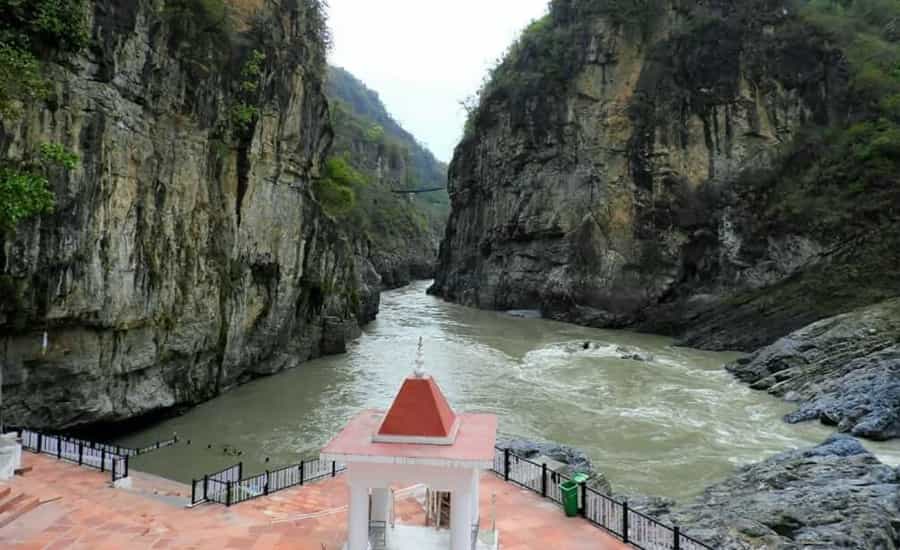
Most pilgrims trek to Kedarnath with one destination in mind — the famous Jyotirlinga. They offer prayers, take darshan, and start walking back. And somewhere along the way, someone points toward a hillock rising behind the main temple complex and says, “Baba ka darshan incomplete hai — Bhairav Baba ke paas jana padega.”
That’s how most people first hear about Bhairav Nath Temple. And what most people don’t realize is that this ancient shrine isn’t just a “nearby attraction.” In the religious order of Kedarnath, it holds a role that even precedes the main temple’s daily worship.
What Is Bhairav Nath Temple?
Also known as Bhukund Bhairav Temple or Bhairon Baba Mandir, this shrine sits on a hillock on the eastern side of the Kedarnath valley, situated south of the Kedarnath Temple. It is dedicated to Lord Bhairav — the fierce, protective manifestation of Lord Shiva.
The temple is approximately 500–600 meters from the main Kedarnath Temple, reached by a short but steep uphill trek. The trail begins from the right side of the Kedarnath Temple entrance. What awaits at the top is not just a spiritual experience — it’s also a bird’s-eye view of the entire Kedarnath valley that stops you mid-breath.
The distance is short. The climb is real. And the view from up there? Nothing like it in the valley.
Who Is Bhukund Bhairav? The Mythology Behind the Temple
Lord Bhairav is one of the most powerful and deeply revered forms of Lord Shiva in the Hindu tradition. He is the fierce guardian, the destroyer of evil, and the protector of sacred ground. At Kedarnath, his role is very specific — he is the Kshetrapal, meaning the guardian of the region.
According to Wikipedia’s Kedarnath Temple article: Bhukund Bhairavnath is the guardian deity, kul-devta, associated with the Kedarnath Temple. His open-air shrine is situated on a ridge overlooking the main temple complex.
The local legend is deeply tied to the seasons. When the Kedarnath Temple closes every winter due to heavy snowfall and the deity is taken in a palanquin to Ukhimath, it is Lord Bhairav who stays behind. No human priest, no open ritual — just Bhairav Baba, believed to guard the entire valley through months of brutal Himalayan winter.
In real devotional practice, this is taken very seriously. A priest actually lives and meditates at the Bhairavnath temple shrine for six months during the open season. That kind of dedication, at over 3,500 meters in the Himalayas, says something about the depth of belief this temple carries.
The Tradition That Puts Bhairav Before Kedarnath
Here’s something very few travel guides mention — and something pilgrims often find astonishing when they hear it for the first time.
Before the doors of Shri Kedarnath Temple open each season, Bhukund Bhairav is worshipped first. Only after that does darshan of Baba Kedarnath begin.
This isn’t a casual custom. It places Bhairav Baba in the position of the first Rawal — the first and oldest recognized protector — of the Kedarnath shrine. The yatra of Kedarnath temple is considered incomplete without visiting Bhairavnath temple.
What this means practically: if you’ve come all the way to Kedarnath and skipped the Bhairav Nath temple, you haven’t finished the pilgrimage. That’s not just folk belief — it’s embedded in the ritual order of the temple.
Architecture: Open Sky, Stone, and Trishula
The design of this temple is unlike anything you’ll see in plains-based Hindu temples.
There is no roof over the main deity. This is intentional. The open-air shrine symbolizes the unbounded nature of Bhairav — a deity who cannot be contained, who watches over the entire sky and earth. The absence of a roof also means worshippers stand beneath the Himalayan sky as they offer prayers, which adds an entirely different dimension to the experience.
The shrine features:
- The idol of Lord Bhairav, carved in stone
- A Trishula (trident) — Bhairav’s weapon
- The image of a dog — his vehicle (Vahan)
- Fluttering prayer flags marking the trail uphill
- Stone walls and carvings typical of Himalayan temple architecture
No elaborate marble flooring. No loudspeakers. Just stone, sky, and devotion.
How to Reach Bhairav Nath Temple
| Step | Route | Details |
|---|---|---|
| 1 | Delhi / Rishikesh → Gaurikund | By road (Gaurikund = nearest motorable point) |
| 2 | Gaurikund → Kedarnath | 16 km trek / pony / helicopter |
| 3 | Kedarnath Temple → Bhairav Nath Temple | 500–600 m uphill trek from the right side of the main temple |
The trek from Kedarnath Temple to Bhairavnath Temple is short but involves a steep ascent. Carry water. Wear proper footwear — the same trekking shoes you used for the main Kedarnath trek.
Nearest Airport: Jolly Grant Airport, Dehradun (~250 km) Nearest Railway Station: Rishikesh (Yog Nagari YNRK) Helicopter services to Kedarnath operate from Phata, Guptkashi, and Sitapur in Rudraprayag district — making it accessible even for those who cannot trek the full 16 km from Gaurikund.
Temple Timings and Season
| Detail | Information |
|---|---|
| Darshan Hours | 6:00 AM to 8:00 PM |
| Open Season | May to November |
| Closed | Winter months (heavy snowfall) |
| Entry Fee | None |
The temple stays shut through winter — just like the main Kedarnath Temple. In 2026, Kedarnath opens on April 22. Plan to visit Bhairav Nath Temple during the same season window.
Best Time to Visit
May–June and September–October are the most suitable months. May and June offer milder weather with clearer skies. September and October are less crowded — and if you can visit on a quiet weekday in October, the feeling of standing at that open-sky shrine with the snow-dusted Kedarnath peak behind you is something hard to put into words.
Avoid July–August. Monsoon means landslides, blocked roads, and difficult trek conditions on the entire Kedarnath route.
What to Expect: On the Ground
From practical pilgrim experience, a few things worth knowing:
- The uphill trail from the main temple is steep. Those who found the Gaurikund–Kedarnath trek exhausting should take it slow.
- The view from the Bhairav temple is, objectively, the best panoramic view of the Kedarnath valley — better than from the main temple courtyard itself.
- There is usually a priest or resident sadhaka at the shrine. Many pilgrims make small donations for the priest’s food and supplies.
- Don’t try to rush it. Most pilgrims spend 20–30 minutes at the top — praying, resting, taking in the view, and feeling the quiet that’s somehow different from the crowd below.
- Photography is generally permitted outside the shrine. Inside the sanctum, follow the priest’s guidance.
Frequently Asked Questions
Q1. Is it mandatory to visit Bhairav Nath Temple during the Kedarnath Yatra?
Ans: Yes. The Kedarnath Yatra is considered incomplete without paying homage to Bhairav Baba — it’s not just custom, it’s part of the ritual order.
Q2. How far is Bhairav Nath Temple from Kedarnath Temple?
Ans: It’s 500–600 meters from the main temple — a steep 15–20 minute uphill walk starting from the right side of the Kedarnath Temple entrance.
Q3. Can senior citizens visit Bhairav Nath Temple?
Ans: It depends on fitness. The trail has steep stone steps and no pony/palki service, so anyone who managed the Gaurikund–Kedarnath trek can usually handle this with slow pacing.
Q4. What is the best time of day to visit?
Ans: Early morning, right after the Kedarnath aarti. The crowd is thin, the light is gorgeous, and you should always be back down before 3 PM to avoid sudden weather changes.
Q5. Is there an entry fee?
Ans: No entry fee at all. Voluntary donations are welcome — especially meaningful for the resident sadhaka who meditates here through the entire six-month open season.
Q6. When does Bhairav Nath Temple open and close?
Ans: Same season as Kedarnath — May to November, darshan from 6:00 AM to 8:00 PM. In 2026, the season begins April 22.

Related Posts

How to Reach Kedarnath from Ahmedabad
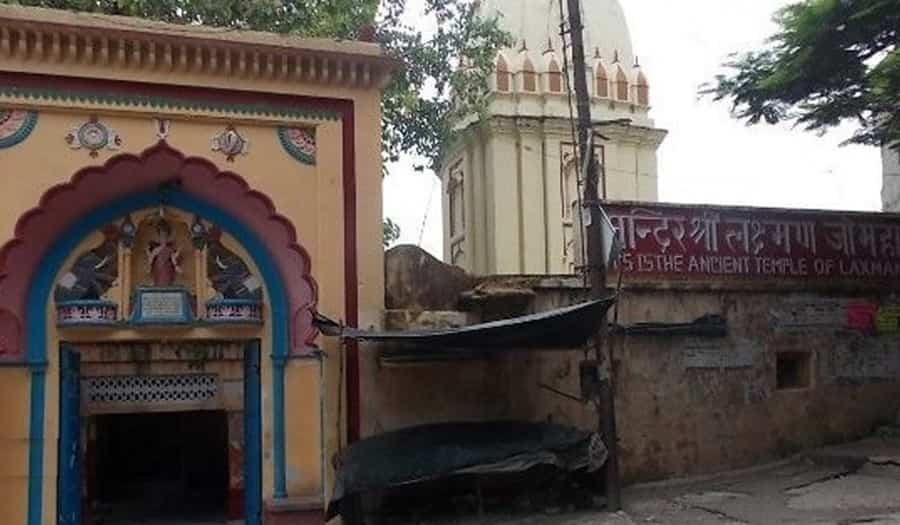
Lakshman Temple, Rishikesh