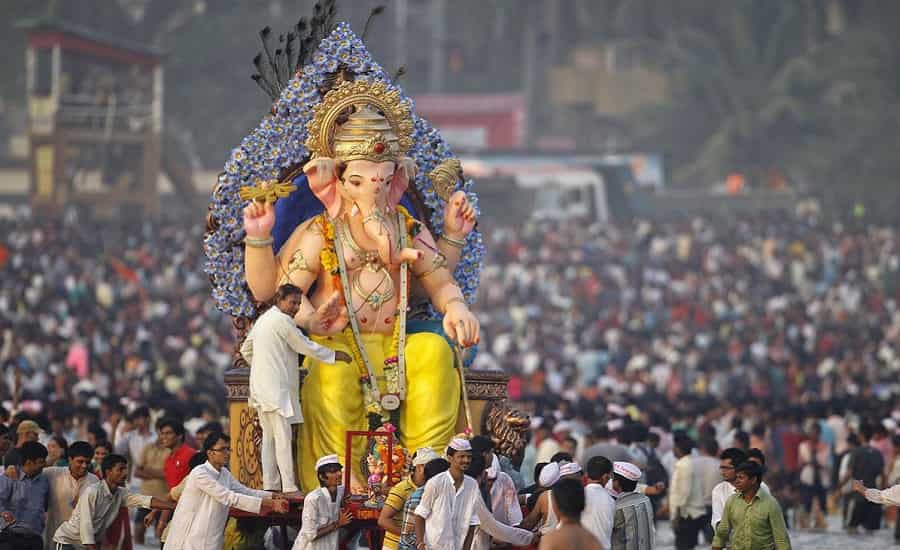
Yamuna Pushkaram is a highly revered Hindu river festival celebrated every 12 years. It occurs when Jupiter (Brihaspati)—the planet of wisdom and dharma—enters Kark Rashi (Cancer), its exalted position (Uchcha Avastha).
Core Belief
During this time, a celestial being named Pushkara enters the Yamuna’s sacred waters, purifying the river and blessing all who bathe in it and relieving them from various Kundali Doshas.
Why is Yamuna Pushkaram celebrated? History
Yamuna Pushkaram’s story is mentioned in the Puranas, where Pushkara—a divine being—underwent rigorous Tapasya to please Lord Shiva. Shiva blessed him with the ability to purify India’s 12 holy rivers once every 12 years, timed by Jupiter’s zodiac transit.
Doshas Relieved at Pushkaram
| Dosha Type | Cause and Relief |
| Pitru Dosha | Unsatisfied ancestors: tarpanam rites dissolve ancestral unrest. |
| Naga Dosha | Marriage/progeny blocks; snake deity worship removes hurdles. |
| Kula Dosha | Family karmic debts; generational purification via snan and danam. |
| Graha Doshas | Jupiter afflictions: transit blessings neutralise planetary ills. |
| Paap Karma | Past sins: holy dips cleanse lifetimes of negative karma. |
Yamuna Pushkaram 2026 Dates
| Phase | Dates | Details |
| Aadi Pushkaram | June 2–13, 2026 | Peak 12 days of spiritual power. |
| Anthya Pushkaram | June 13, 2026 | Final day for concluding rites. |
Ritual Timings
Yamuna Pushkaram rituals follow daily auspicious timings for maximum spiritual benefit.
| Ritual | Timing |
| Mangala Snan (Holy Bath) | 4:00–7:00 AM |
| Pinda Pradanam and Tarpanam | Morning, before noon |
| Japa, Pranayama, Meditation | Daytime hours |
| Deep Daan & Aarti | Around sunset. |
Key Rituals
Devotees undertake diverse sacred practices over the 12 days, each rich in symbolism and spiritual power.
Ritual List
- Pushkara Snan: an essential holy bath that cleanses sins and karma.
- Pinda Pradanam: Ancestral offerings for soul liberation and peace.
- Tarpanam: Water rites to appease forefathers.
- Deep Daan: Dusk lamps floated in the river, dispelling inner darkness.
- Gau Daan: Donating cows or their equivalents as charity.
- Annadanam: Feeding pilgrims, sadhus, and the poor—peak dharma.
- Japa & Parayanam: Mantra chants like Vishnu Sahasranama, Yamunastakam, and Krishna Bhajans, plus meditation.
- Temple Visits: Krishna shrines, Yamuna temples along Ghats
Most Sacred Yamuna Pushkaram Sites to Visit
These sites gain divine energy from Pushkara’s presence, enabling powerful sin-cleansing baths (Pushkara Snan) and Dosha relief unattainable otherwise
| Site | Key Highlights |
| Prayagraj (Triveni Sangam) | The top spot for Pushkara Snan, the Ganga-Yamuna-Saraswati confluence Triveni Sangam, multiplies Punya. |
| Mathura | Krishna’s city; Vishram Ghat and Keshi Ghat for baths; temple Parikrama |
| Vrindavan | Krishna Leela Land, Keshi Ghat Aarti Banke Bihari, ISKCON temples |
| Yamunotri | River source: devotional trek from Janki Chatti. |
| Delhi-NCR | Kalindi Kunj, Wazirabad, Nigambodh |
| Agra | Kailash Ghat, Balkeshwar, near the Taj Mahal. |
- If you are unable to travel to distant holy sites and you live near the Yamuna, then local Yamuna Ghats also offer accessible spots for Pushkara Snan during the 2026 festival.
| Prayagraj (Triveni Sangam) | Mathura | Vrindavan |
| Agra | Delhi & Noida | Yamunotri |
| Firozabad | Baghpat | Etawah |
| Hamirpur | Kalpi | Sonipat |
| Panipat | Auraiya | Yamuna Nagar |
Suggested Tour:
- Delhi to Yamuna Pushkaralu Package
- Yamuna Pushkaralu Yatra to Kurukshetra & Haridwar
- Yamuna Pushkaralu Yatra to Kashi & Ayodhya
- Yamuna Pushkaralu Yatra to Haridwar
- Yamuna Pushkaralu Yatra to Yamunotri
Crowd Predictions for Popular Sites
Popular sites like Prayagraj (Triveni Sangam), Mathura (Vishram Ghat), Vrindavan (Keshi Ghat), and Agra ghats will be extremely crowded during Yamuna Pushkaram 2026 (June 2–13).
Crowd Expectations
Governments prepare expanded ghats, temporary facilities, and security for millions of pilgrims, similar to past Pushkarams, drawing 18–24 crore total visitors across sites. Peak days could see lakhs daily at top ghats like Sangam, with Mathura-Vrindavan attracting Krishna devotees.
Advice
Opt for early mornings (4–7 AM Snan), choose local NCR Ghats for fewer crowds, and expect special trains/buses, but plan ahead.
How to Reach
Indian Railways and state governments typically run special trains and buses for the Yamuna Pushkaram to handle the pilgrim rush.
| Mode | Details |
| Special Trains | Routes to Prayagraj, Mathura, and Agra from major cities like Delhi and Mumbai; |
| Festival Buses | State RTCs (UPSRTC, DTC) operate shuttle services between ghats, airports, and stations; AC/non-AC from Delhi-NCR hubs. |
| Logistics | Book via IRCTC/RSRTC apps early; expect 50-100 extra services daily during peak (June 2-13). |
Chardhamtour.in Recommendations
- The crowd is expected to be the same as at Mahakumbh time;so, there is a great chance of a stampede and crush. Therefore, avoid peak hours at Triveni Sangam, Vishram Ghat.
- Every day, many people drown in the Yamuna River in order to swim across; therefore, it is always recommended to bathe at the well-constructed ghats only with family and friends and take special care of children.
- As this festival is falling during the monsoon season, there is a great chance of flooding in the Yamuna plains; therefore, plan your journey accordingly.
- Avoid drinking Yamuna water due to the risk of contamination.
- Majorly, hotels overbook ahead of such festivals; therefore always prebook
- There are high chances of inflated rates of local transport and hotels; therefore, prebooking is a must
- We recommend avoiding personal vehicles in such heavily crowded areas, as traffic jams are very common.
- There is a high risk of theft in a crowd, so avoid carrying valuables.
- Always book a tour via an authorised agent or tour package website to avoid scams
- The government provides every help possible, like first aid, CCTV surveillance, queues/barricades at ghats, expanded/strengthened ghats, lighting, and sanitation pre-event; therefore, it is advisable to always be connected to the local authority.
FAQ-
Q1: What is the best time for Pushkara Snan?
Ans: Early morning (4-7 AM) during Aadi Pushkaram for peak potency and fewer crowds.
Q2: Can women and children participate safely?
Ans: Yes, but use marked Ghats, supervise kids, and avoid deep waters; separate queues are often available.
Q3: What to eat during the festival?
Ans: Sattvic foods via Annadanam camps; carry water and avoid street food and river water to prevent health issues.
Q4: How much does the Yatra cost?
Ans: Budget ₹10,000-30,000/person for 3-5 days (travel, stay, food); packages save 20-30% vs individual booking.
Q5: Is the Yamunotri trek doable for seniors?
Ans: Yes, with ponies/helipad, start from Janki Chatti, but consult fitness; alternatives as local Ghats work.
Q6: What mantras to chant?
Ans: “Om Namo Yamunaya Namaha”, Vishnu Sahasranama, and Yamunashtakam during Snan and Japa.
Q7: Post-festival benefits last how long?
Ans: Believed to be permanent for Dosha relief if rituals are sincere; maintain with home puja using the carried Theertham.
Q8: Yamuna Aarti timings and live streaming links?
Ans: Yamuna Aarti during Pushkaram occurs around sunset (typically 6:30 PM in summer, 5:30 PM in winter) at key Ghats like Vishram Ghat (Mathura) and Keshi Ghat (Vrindavan).
Q9: How to book a Pind Pradan Pandit near Triveni Sangam?
Ans: Prayag Pandits (+91-7754097777) or local numbers (+91-9334552913) provide Gotra/names for Sankalp; they arrange Vedic Pandits with materials.
Q10: Which Ghats in Prayagraj and Mathura have the least crowds on the Yamuna Pushkaram days?
Ans: Which Ghats in Prayagraj and Mathura have the fewest crowds on the Yamuna Pushkaram days

Related Posts
9 Most Sacred Rivers in India
Ganga Aarti Ceremony in India