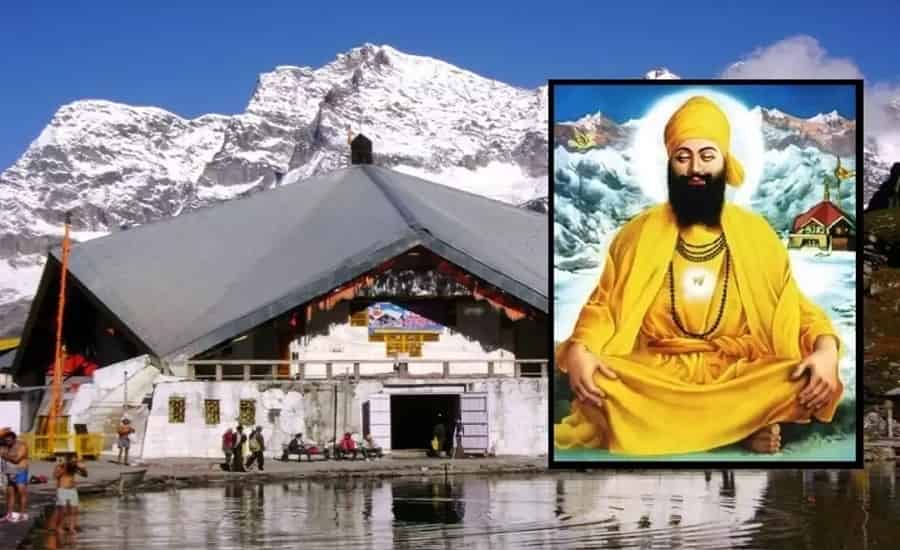
Hemkund Sahib is one of the highest Sikh pilgrimage sites in the world, located at an altitude of about 4,632 meters (15,200 feet) in the Chamoli district of Uttarakhand. Nestled beside the sacred Lokpal Lake and surrounded by seven snow-covered Himalayan peaks, Hemkund Sahib is not just a religious destination but also a test of physical endurance and faith.
Because of its extreme altitude and harsh climate, choosing the best time to visit Hemkund Sahib is extremely important. Weather conditions directly affect trek safety, health, darshan experience, and accessibility.
Why Choosing the Right Time Is Crucial for Hemkund Sahib
Hemkund Sahib lies in a high-altitude glacial zone, where:
-
Oxygen levels are low
-
Weather changes suddenly
-
Snowfall can block the route even in summer
-
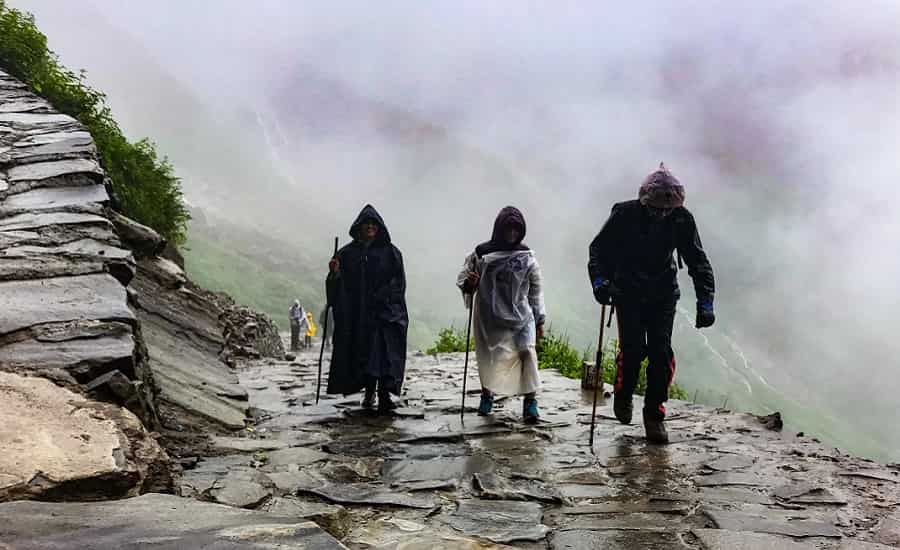
Rain can make the trek slippery and risky
Visiting at the wrong time may lead to:
❌ Gurudwara closure
❌ Trek suspension
❌ Health risks like AMS (Acute Mountain Sickness)
❌ Landslides and roadblocks
Hence, understanding the season-wise conditions helps ensure a safe and spiritually fulfilling yatra.
Hemkund Sahib Yatra Season Overview
-
Open Season: June to September
-
Peak Months: July & August
-
Closed Season: October to May (due to heavy snowfall)
The Gurudwara opens every year after snow clearance, usually in late May or early June, and closes by early October.
Summer Season (June) – Best Time to Start the Yatra
Temperature:
-
Day: 5°C to 15°C
-
Night: 0°C to 5°C
June is considered the best and safest month to visit Hemkund Sahib, especially for first-time pilgrims.
Why June Is Ideal
-
Snow starts melting on trek routes
-
Weather remains mostly clear
-
Trek conditions are manageable
-
Medical and langar services are fully active
Advantages
✔ Comfortable trekking temperatures
✔ Lower risk of landslides
✔ Suitable for senior citizens with assistance
✔ Best time to combine Hemkund Sahib with Valley of Flowers
Things to Note
-
Some snow patches may still exist
-
Warm clothing is essential
Best for:
First-time pilgrims, families, senior citizens, spiritually inclined travelers
Monsoon Season (July to August) – Challenging but Popular
Temperature:
-
7°C to 14°C
July and August form the peak pilgrimage season, as many devotees prefer these months due to holiday periods. However, this is also the monsoon season in Uttarakhand.
Pros
✔ Gurudwara fully functional
✔ Lush green landscapes
✔ Valley of Flowers in full bloom
Cons & Risks
❌ Heavy rainfall
❌ Slippery trekking paths
❌ Landslide-prone roads to Govindghat
❌ Flight and road delays
Despite risks, thousands of pilgrims successfully complete the yatra during this time by taking proper precautions.
Best for:
Physically fit pilgrims, experienced trekkers, Valley of Flowers visitors
Post-Monsoon Season (September) – Best for Clear Views & Peaceful Darshan
Temperature:
-
Day: 5°C to 12°C
-
Night: Below 0°C
September is often considered the most scenic and peaceful time to visit Hemkund Sahib.
Why September Is Excellent
-
Monsoon rains recede
-
Clear skies and crisp air
-
Fewer crowds compared to July–August
-
Snow-capped peaks visible clearly
Points to Remember
-
Nights are extremely cold
-
Sudden snowfall possible towards the end of September
-
Shorter daylight hours
Best for:
Nature lovers, photographers, peaceful pilgrims, experienced trekkers
Winter Season (October to May) – Hemkund Sahib Closed
Temperature:
-
Drops to −20°C or lower
Due to extreme weather and heavy snowfall, Hemkund Sahib remains completely closed during winter.
What Happens in Winter
-
Trek routes buried under snow
-
Roads to Govindghat may close
-
Gurudwara inaccessible
-
Risk of avalanches
Important Note:
There is no winter darshan at Hemkund Sahib. Pilgrims must plan visits only during the open season.
Month-wise Best Time to Visit Hemkund Sahib
| Month | Status | Recommendation |
|---|---|---|
| May | Snow clearance | Limited |
| June | Open & stable | ⭐ Best |
| July | Peak season | ⭐ Good |
| August | Monsoon | ⚠️ Risky |
| September | Clear & calm | ⭐ Best |
| October–April | Snowbound | ❌ Closed |
Best Time for Hemkund Sahib Trek
-
Best months: June & September
-
Avoid: Late August (heavy rain)
-
Tip: Acclimatize at Ghangaria before trekking
Best Time to Visit Hemkund Sahib for Senior Citizens
✔ June
✔ Early July
✔ Early September
Why?
-
Moderate temperatures
-
Better medical facilities
-
Pony and porter services available
❌ Not recommended for people with heart, lung, or severe altitude issues.
Best Time to Combine Hemkund Sahib with Valley of Flowers
Valley of Flowers National Park
-
Ideal months: July to August
-
Flowers bloom at peak during monsoon
👉 For combined trips, July is the most balanced option.
Travel Tips Based on Best Time
-
Start trek early morning to avoid weather changes
-
Carry rain gear during monsoon
-
Wear layered warm clothing even in summer
-
Avoid rushing; altitude sickness is common
-
Stay hydrated and take rest breaks
SEO Cluster Strategy (For AI & Google Ranking)
Primary Keyword:
-
Best time to visit Hemkund Sahib
Supporting Clusters:
-
Hemkund Sahib weather guide
-
Hemkund Sahib yatra season
-
Hemkund Sahib trek best time
-
Valley of Flowers best time
Suggested Tour: Hemkund Sahib Tour Packages
FAQs
Q1. What is the best month to visit Hemkund Sahib?
Ans: June and September are the best months due to stable weather and fewer risks.
Q2. Is Hemkund Sahib open in July?
Ans: Yes, but July is monsoon season, so travel requires caution.
Q3. Can Hemkund Sahib be visited in winter?
Ans: No, it remains closed due to heavy snowfall.
Q4. Is September safe for Hemkund Sahib Yatra?
Ans: Yes, September offers clear skies and fewer crowds, but cold weather.
Q5. Is Hemkund Sahib suitable for senior citizens?
Ans: Yes, during June and early September, with proper medical fitness.

Related Posts

Month-Wise Guide to Weather Conditions in Hemkund Sahib
How to Reach Hemkund Sahib