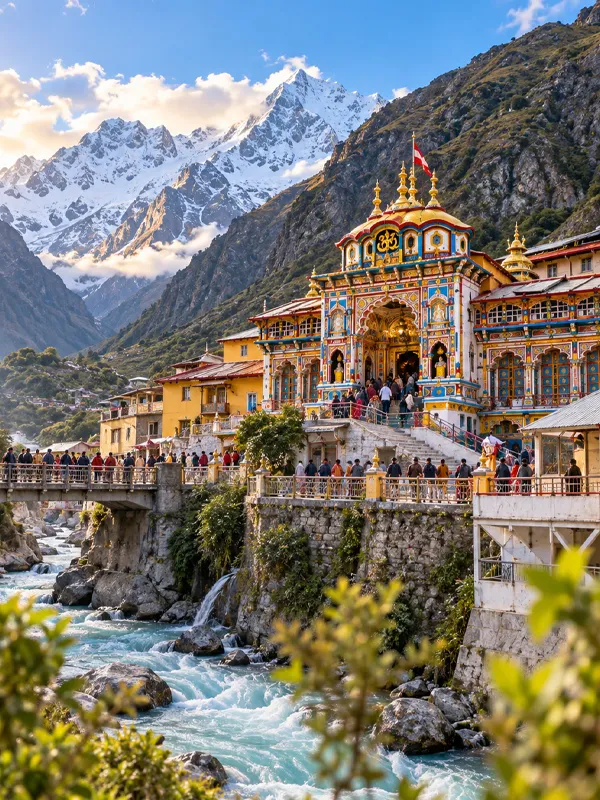
Govindghat - Gateway to Hemkund Sahib and Valley of Flowers
Govindghat sits at 1,828 metres (about 6,000 ft) in Chamoli district, where the Alaknanda and Lakshman Ganga rivers meet, 21–22 km from Joshimath on NH-58. It's the roadhead for two of India's biggest Himalayan draws — Hemkund Sahib and the Valley of Flowers. A motorable road actually continues 4 km further, to Pulna village. The real trek starts there, not at Govindghat.
Quick Answer
Ghangaria, the base camp for both treks, is 13 km from Govindghat overall. Drive the first 4 km to Pulna, then walk the remaining 9 km. From Ghangaria, Hemkund Sahib is another 6 km up — a steep 1,250-metre climb — and the Valley of Flowers entrance is 3–4 km. Nobody comes here to see Govindghat itself. It's the checkpoint that decides how the rest of the trip goes.
This guide covers the route, the permits you actually need, when to go, the mistakes that trip up first-timers, and something most Govindghat pages haven't caught up on yet: a ropeway for this exact route got Cabinet approval in March 2025.
How to Reach Govindghat
- By Air: Jolly Grant Airport, Dehradun, is the nearest one. It's roughly 285–300 km away by road, with daily flights from Delhi. Taxis from the airport head toward Rishikesh and then up the mountain highway.
- By Rail: Rishikesh is the nearest railhead — 273 km from Govindghat, with solid train connectivity from Delhi and Haridwar. From there, taxis and buses run via Srinagar, Rudraprayag, Chamoli, and Joshimath.
- By Road: NH-58 runs straight through Govindghat. Buses to Haridwar and Rishikesh leave from ISBT Kashmiri Gate in Delhi; shared taxis pick up the route onward via Rudraprayag and Joshimath. Rishikesh to Govindghat is around 10–12 hours by road.
Delhi to Govindghat is close to 500 km, and people underestimate it constantly. It's not a one-day drive on these roads. Break it at Srinagar or Rudraprayag and continue the next morning.
Best Time to Visit Govindghat
The right season depends on what you're going for, since Hemkund Sahib and the Valley of Flowers both have fixed opening windows.
| Season | Months | What to expect |
|---|---|---|
| Early summer | Mid-May to June | Hemkund Sahib opens (usually around 23–25 May); Valley of Flowers opens 1 June. Pleasant days, cold mornings, some snow still on the Hemkund trail early on. |
| Monsoon | July to mid-August | Peak flower bloom in the Valley of Flowers (best photography window), but also the highest landslide risk on the highway. Trails get slippery. |
| Post-monsoon | Late August to October | Clearer skies, greener meadows, fewer crowds. Both sites close by mid-October (Valley of Flowers ~31 October, Hemkund Sahib ~10 October, dates vary slightly by year). |
| Winter | November to April | Both Hemkund Sahib and the Valley of Flowers are closed under heavy snow. Govindghat itself stays accessible, but there's no trekking season. |
One thing worth knowing: if you're only coming for the drive and Badrinath darshan, April–June works fine. But if Hemkund Sahib or the Valley of Flowers trek is the actual goal, don't arrive before the official opening dates — the trail simply won't be open, no matter how good the weather looks lower down.
Govindghat to Ghangaria: The Trek Route
Ghangaria (also spelled Ghangria) is the base camp for both treks, at about 3,050 m (10,000 ft). This is the stretch most first-timers get wrong on paper — the numbers look small until you're actually walking them at altitude.
Distance and route breakdown
- Govindghat to Pulna village: 4 km, motorable by shared taxi.
- Pulna to Ghangaria: about 9 km on foot, through the Lakshman Ganga valley. Ponies, palanquins, and porters are available at Pulna if you'd rather not walk it.
- Total, Govindghat to Ghangaria: 13 km. Tourist Care Uttarakhand's own figures confirm this.
- Helicopter option: A seasonal helicopter service connects Govindghat and Ghangaria, subject to weather and operational availability. It's genuinely useful for senior citizens or anyone pressed for time — just don't plan around it as a guarantee.
- Trek duration: 5–7 hours on foot, longer if you're not used to altitude.
Reach Ghangaria by early afternoon and rest there overnight. Pushing straight through to Hemkund Sahib the same day is how people end up with altitude sickness on the final stretch.
Hemkund Sahib
Hemkund Sahib is one of the holiest Sikh shrines anywhere, and for a lot of visitors, it's the actual reason to come to Govindghat. The Gurudwara sits beside a glacial lake at roughly 4,300 m — official pilgrimage documents round this to 15,000 ft — ringed by seven snow-capped peaks, and it's dedicated to Guru Gobind Singh Ji.
- Distance from Ghangaria: 6 km one way, and steep. You climb about 1,250 metres in that stretch.
- Duration: 4–6 hours up, depending on fitness and how well you've acclimatized.
- Overnight rule: there's no stay facility at the top. Everyone descends to Ghangaria the same day, so start early enough to be back down before the weather turns.
- Registration: mandatory and free, done through the official Tourist Care Uttarakhand portal or app. Carry the registration letter or QR code — it gets checked.
- Free langar (community meal) runs at the Gurudwara.
Altitude is the real obstacle here, not the distance. Spend a night in Ghangaria before attempting the climb. Most people who turn back do it because they skipped that step.
Valley of Flowers National Park
A UNESCO World Heritage Site inside the Nanda Devi Biosphere Reserve, the Valley of Flowers sits at roughly 3,600 m. It's known for its alpine flowers — blue poppies, marigolds, orchids, the rare Brahma Kamal among them — with over 300 species recorded, crossing 500 at peak bloom. The valley looks its best during monsoon, when the meadow genuinely turns into color.
- Distance from Ghangaria: 3–4 km to the entry gate.
- Entry permit: mandatory for every visitor, checked at a forest checkpoint before the valley entrance. No permit, no entry — there's no exception made at the gate.
- Timings: entry from 7 AM, last entry 2 PM, everyone out by 5 PM. No overnight stay inside the park, ever.
- Best bloom window: mid-July to mid-August. June and September are quieter and still scenic.
Carry your original ID with the permit. Forest staff check both.
Permits, Registration & Entry Fees (2026 Season)
| Requirement | Details |
|---|---|
| Hemkund Sahib registration | Mandatory, free — via the Tourist Care Uttarakhand portal/app |
| Valley of Flowers entry fee | ₹200 for Indian nationals, ₹800 for foreign nationals, valid 3 days |
| ID required | Government photo ID for both Hemkund Sahib registration and the Valley of Flowers permit |
Fees and rules get revised most years. Treat the table as a planning reference and confirm on the official portal close to your travel date — this article can't chase every mid-season notification.
The Govindghat–Hemkund Sahib Ropeway (Approved, Not Yet Built)
In March 2025, the Cabinet Committee on Economic Affairs approved a 12.4 km ropeway from Govindghat to Hemkund Sahib Ji — ₹2,730.13 crore, built on a design-build-finance-operate-transfer basis under the Parvatmala Pariyojana. It splits into two sections: a 10.55 km Govindghat–Ghangaria stretch on Monocable Detachable Gondola technology, and a 1.85 km Ghangaria–Hemkund Sahib stretch on Tricable Detachable Gondola tech, rated for 11,000 passengers a day.
None of that means it's operational. It's approved, not built. Don't plan a trip around riding it until there's an official opening date — but it's worth knowing about if you're weighing whether to do this trek now or wait a few years.
Other Places to Visit Near Govindghat
Ghangaria
The essential resting point before either trek, with basic hotels, dhabas, and a forest checkpoint. It stays closed under snow from roughly December to April.
Badrinath Temple
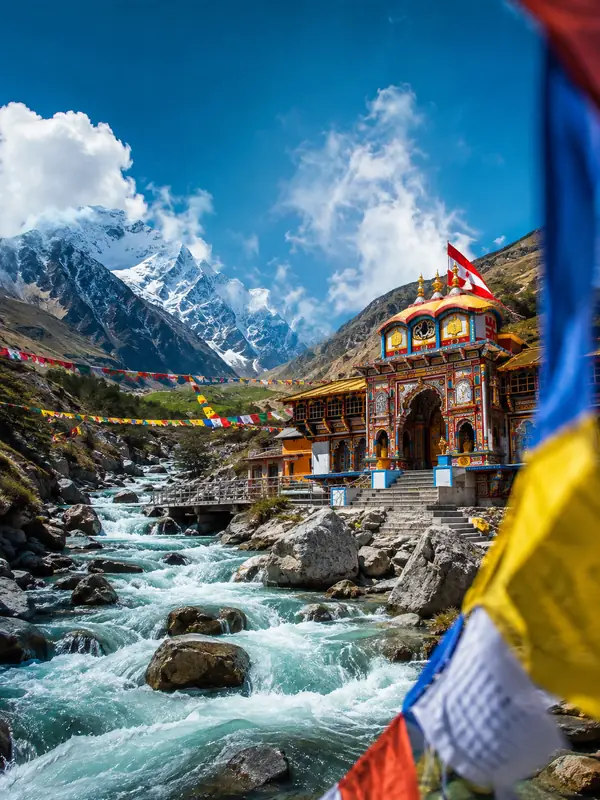
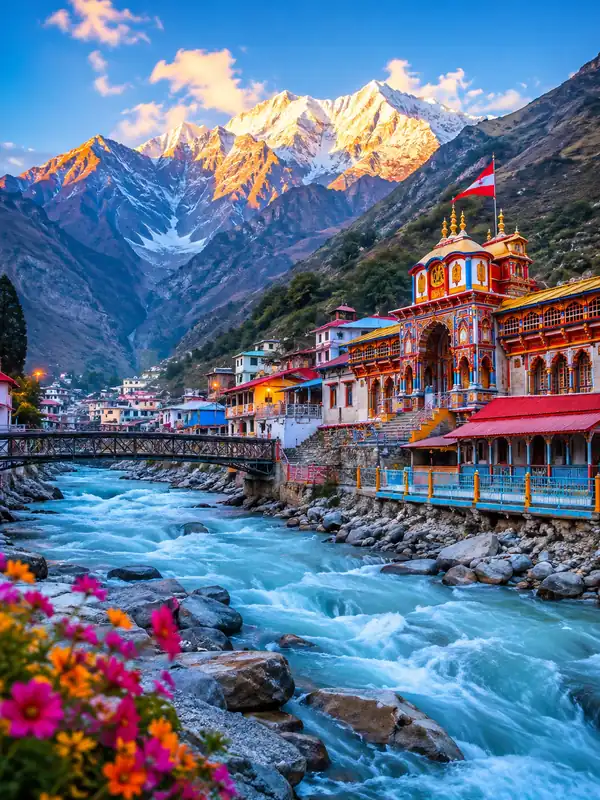
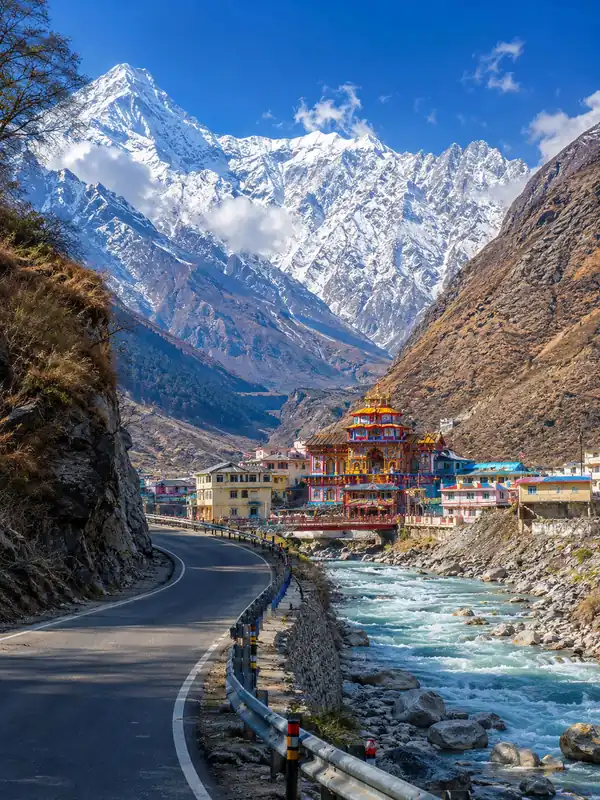
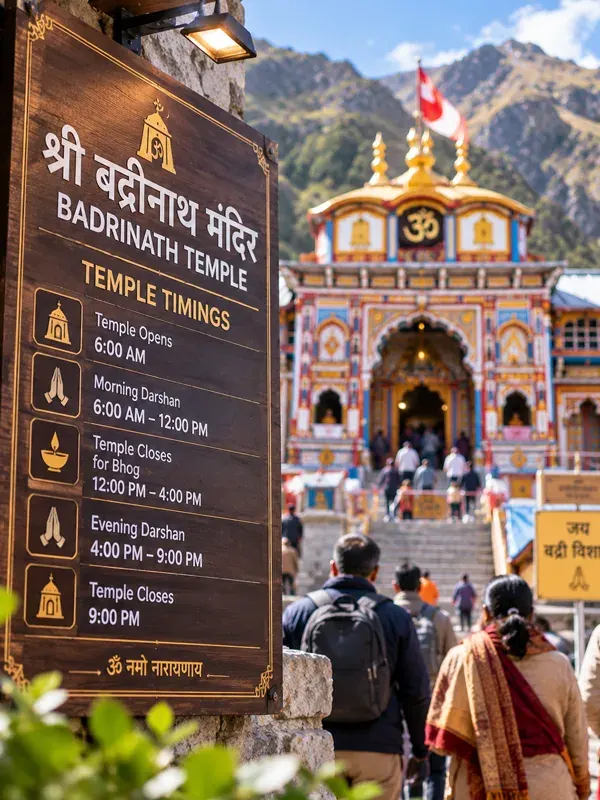
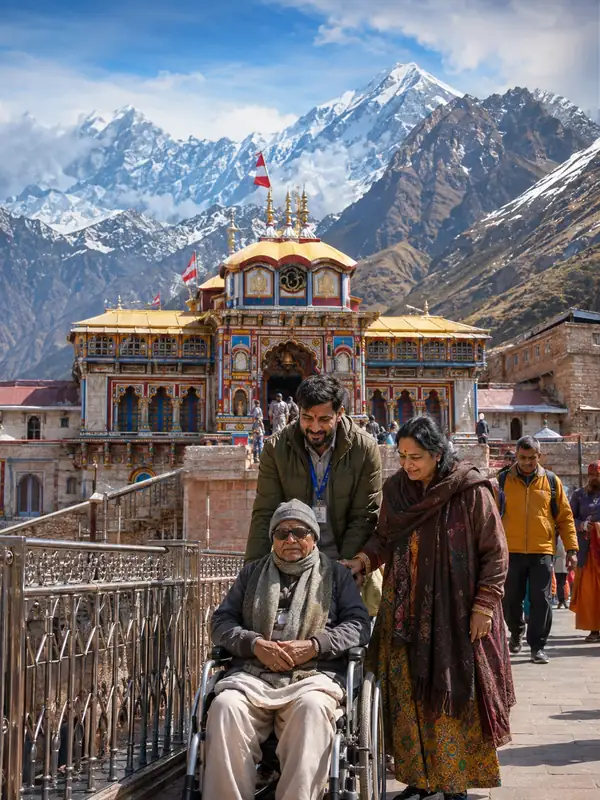
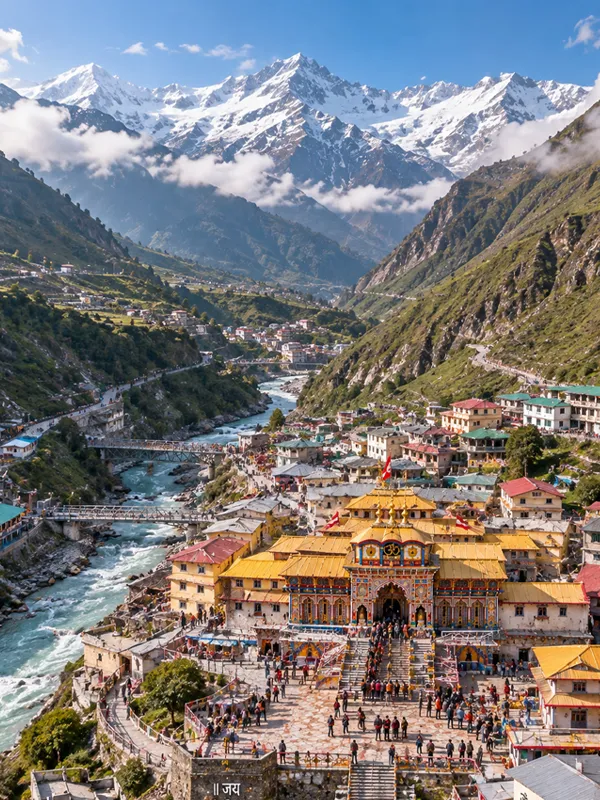
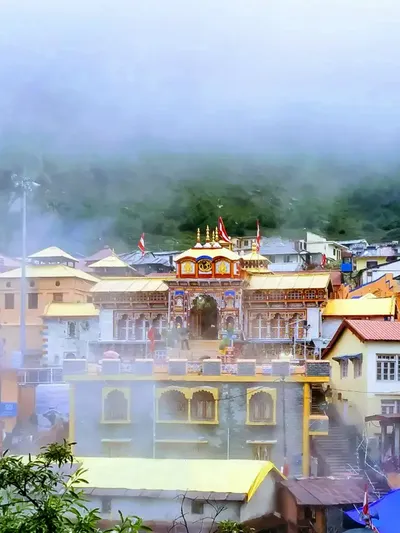
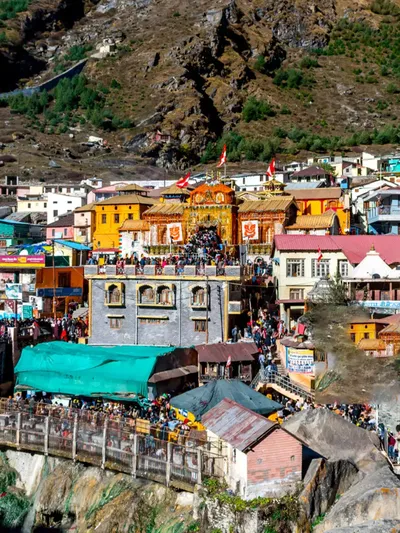
About 25 km from Govindghat, this is one of India's most visited Vishnu temples, framed by the Neelkanth peak. Many travelers combine Govindghat and Badrinath darshan in a single trip since the drive between them is short.
Mana Village
A historic border village near Badrinath, close to the old trade route toward Tibet. Vasudhara Falls is the main draw here — a striking waterfall many locals consider spiritually significant. It's a good stop for a real look at how Himalayan border communities live.
Bheem Pul
A natural stone bridge near Mana, associated with a local legend about Bhima building it during the Pandavas' final journey. Worth a short stop if you're already headed to Mana.
Pulna Village
The first stop on the Ghangaria trek and the point where the motorable road ends. It's a good place to hire a pony, porter, or check trail conditions before setting off on foot.
Where to Stay
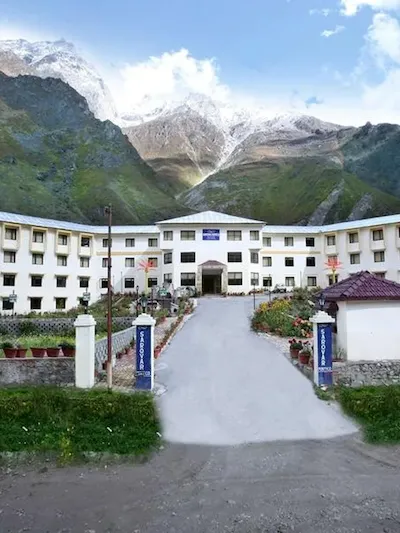
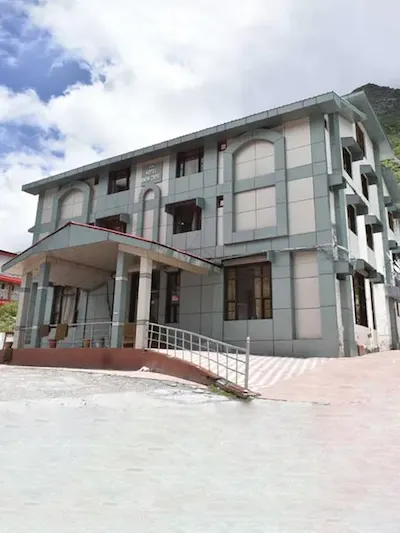
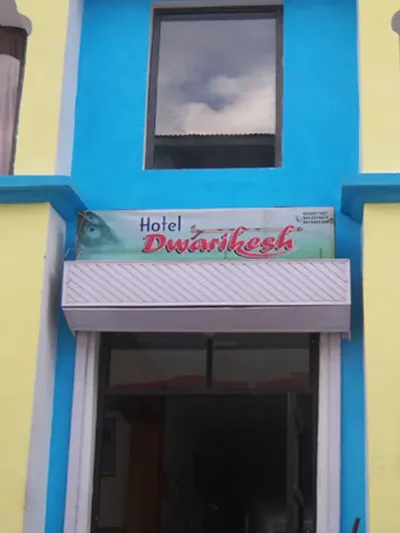
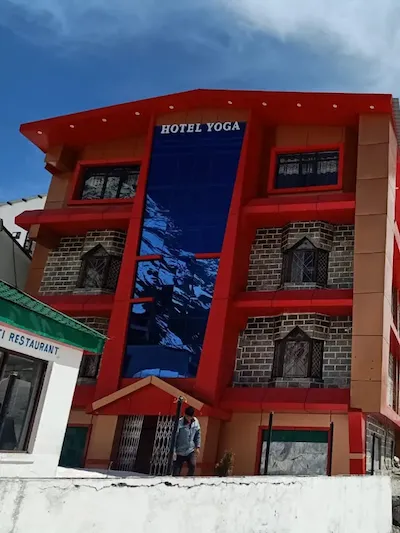
- Govindghat has budget guest houses, Dharamshalas, and a few mid-range hotels — enough for an overnight halt before the trek.
- Ghangaria has more options since it's the base camp, including GMVN (Garhwal Mandal Vikas Nigam) guest houses alongside private hotels.
- Joshimath, 22 km away, has a wider range of hotels and is a common overnight base for those not trekking the same day.
- During peak season (July–August), rooms in Ghangaria fill up fast — booking a day or two in advance is worth it rather than arriving and hoping for a vacancy.
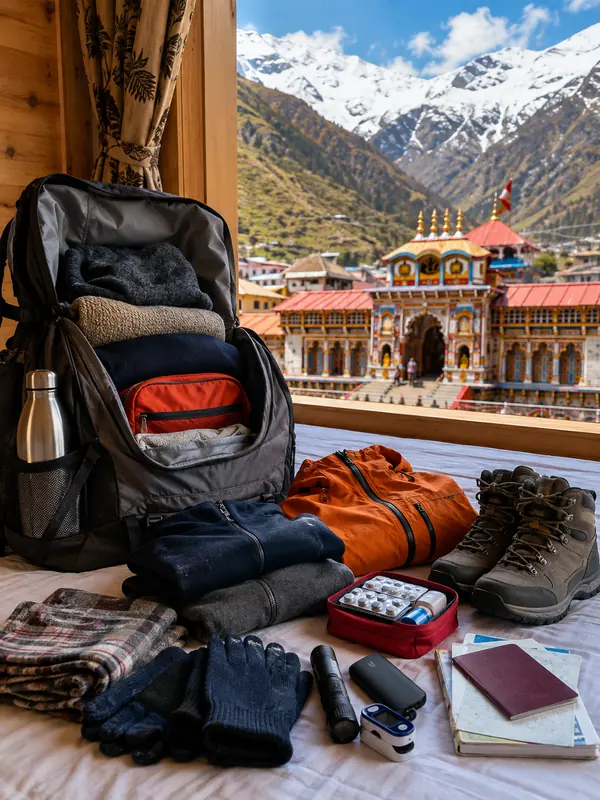
What to Pack
- Waterproof jacket or poncho — this region sees heavy monsoon rain
- Sturdy trekking shoes with good grip
- Layered warm clothing, even in summer, since Ghangaria and Hemkund Sahib get cold
- A basic first-aid kit and any personal medication
- Cash — card and UPI acceptance drops off fast past Joshimath
- A copy of your ID and permit printouts
Things to Shop For
Govindghat isn't a shopping destination, but a few things are worth picking up:
- Walking sticks, Rudraksha beads, and other religious items near the Gurudwara
- Local handicrafts and woollen products from the Ghangaria market
- Rain ponchos and umbrellas, sold locally at reasonable prices, if you didn't pack one
Skip anything sold as "flowers" or "seeds" from the Valley — removing plant material from a protected national park isn't something a responsible traveler does, whatever a vendor tells you.
Common Mistakes to Avoid
- Skipping acclimatization: going straight from Govindghat to Hemkund Sahib in one day raises the risk of altitude sickness. Break the trek at Ghangaria.
- Arriving before the official opening date: Hemkund Sahib and the Valley of Flowers open in stages (late May and 1 June respectively) — check current-year dates before booking travel.
- No permit, no entry: both sites strictly check registration/permits. Carry printouts, not just phone screenshots, since network coverage is patchy.
- Underestimating the trek: 13–14 km sounds manageable on paper, but at altitude with limited oxygen, it takes far longer than a plains trek of the same distance.
- Not carrying cash: ATMs are scarce and unreliable past Joshimath.
Frequently Asked Questions
Q1. Why is Govindghat famous?
Govindghat is the starting point for treks to Hemkund Sahib and the Valley of Flowers, both major Himalayan pilgrimage and trekking destinations.
Q2. How far is Ghangaria from Govindghat?
13 km total. A shared taxi covers the first 4 km to Pulna village; the remaining 9 km is on foot.
Q3. Can I reach Ghangaria without trekking?
Yes. Ponies, porters, and palanquins are available from Pulna, and a seasonal helicopter service runs from Govindghat to Ghangaria.
Q4. Do I need a permit for the Valley of Flowers?
Yes, an entry permit is mandatory for every visitor and is checked at a forest checkpoint before the valley entrance.
Q5. Is registration required for Hemkund Sahib?
Yes — mandatory and free, done through the Tourist Care Uttarakhand portal or app. Carry the registration letter or QR code with you.
Q6. What is the best time to visit Govindghat?
Late May to mid-October, once Hemkund Sahib and the Valley of Flowers are open for the season. Mid-July to mid-August is peak bloom for the Valley of Flowers but also the wettest period.
Q7. Can I visit both Hemkund Sahib and the Valley of Flowers in one day?
It's possible for very fit trekkers who stay overnight in Ghangaria, but most people take a separate day for each, since both are steep, full-day treks.
Q8. Is Govindghat safe for senior citizens?
Reaching Govindghat by road is straightforward. The trek beyond it to Ghangaria, Hemkund Sahib, or the Valley of Flowers is a different question — it's physically demanding at altitude. Seniors should get a fitness check before attempting it and look at ponies, palanquins, or the seasonal helicopter as alternatives.
Q9. Is there an ATM in Govindghat?
Don't count on it. Carry enough cash from Joshimath or Rishikesh — connectivity for card and UPI payments gets patchy fast once you're past the bigger towns.
Q10. What is the altitude of Govindghat?
Around 1,828 meters (6,000 feet) above sea level.
Q11. Where should I stay — Govindghat or Ghangaria?
Govindghat works for an overnight halt before starting the trek. Ghangaria, being the base camp, is where most people stay before the final climb to Hemkund Sahib or the walk into the Valley of Flowers.
Q12. What should I pack for the Govindghat trek?
Waterproof clothing, sturdy trekking shoes, warm layers, a first-aid kit, cash, and printed copies of your permits and ID.
Conclusion
Nobody stays in Govindghat for Govindghat. It's the checkpoint on the way to Hemkund Sahib and the Valley of Flowers, and how well you plan this stretch decides how the rest of the trip goes. Sort the permits, time it to the actual opening dates, and spend a night in Ghangaria before pushing higher. Everything else on this route depends on getting that part right.
Badrinath Travel Guide
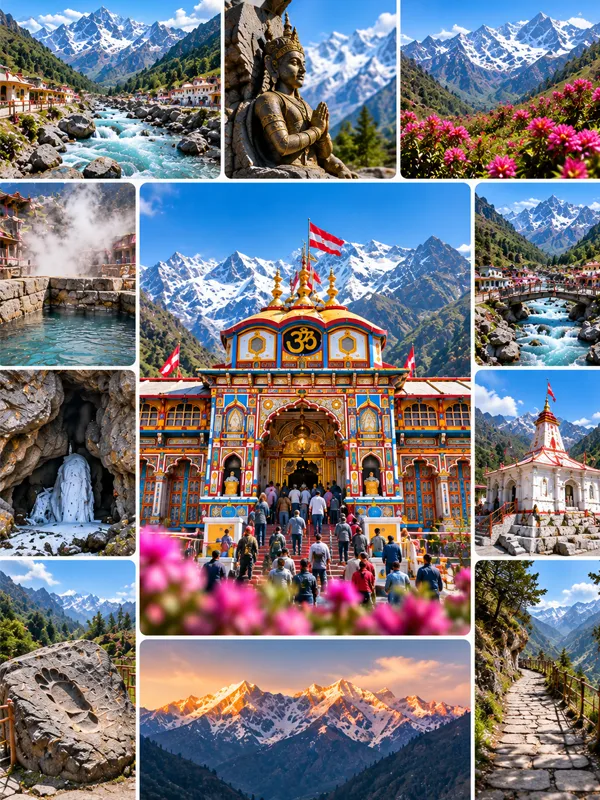
Badrinath Travel Packages

Important Safety Notice
Beware of Fake Char Dham & Kedarnath Helicopter Booking Websites
Fake websites, WhatsApp accounts and advertisements may impersonate genuine travel companies or helicopter operators. Always verify before paying.