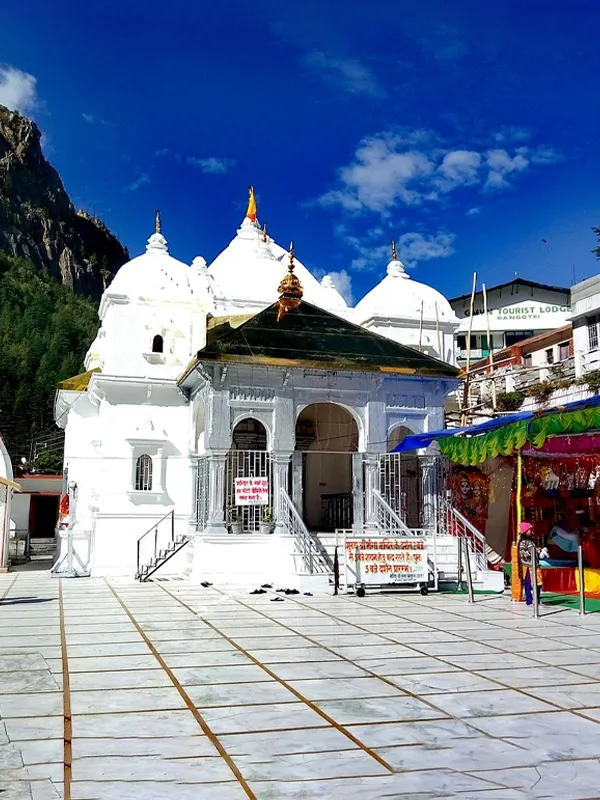
Gangotri Dham, Uttarakhand
~3,100 mGangotri altitude
No TrekRoad reaches temple town
19 Apr 2026Opening date
FreeMandatory registration
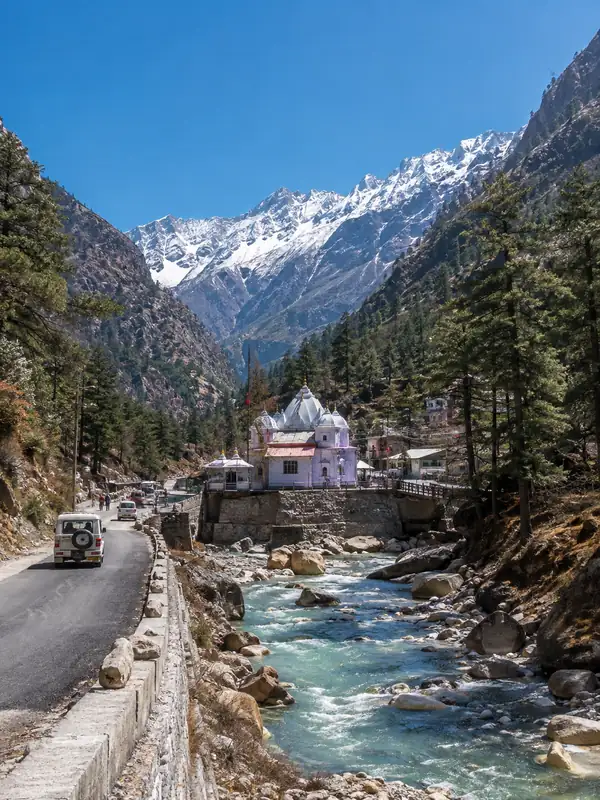
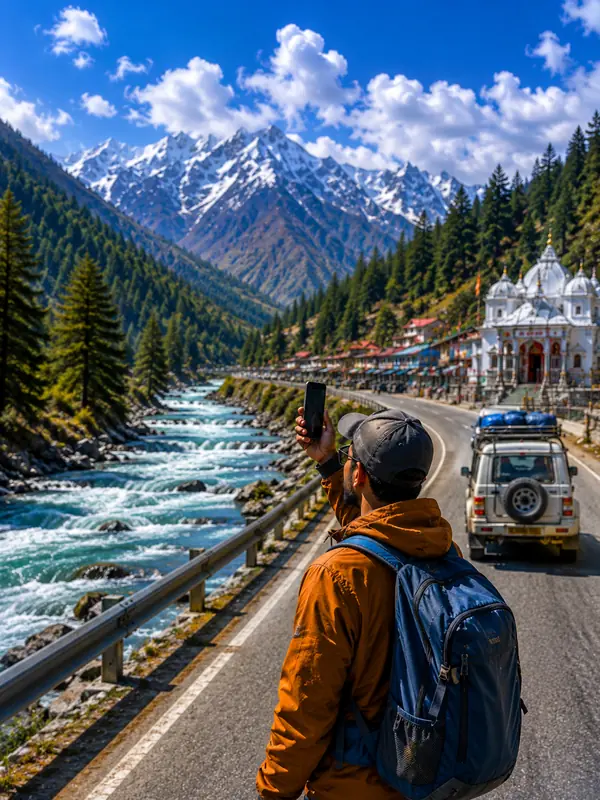
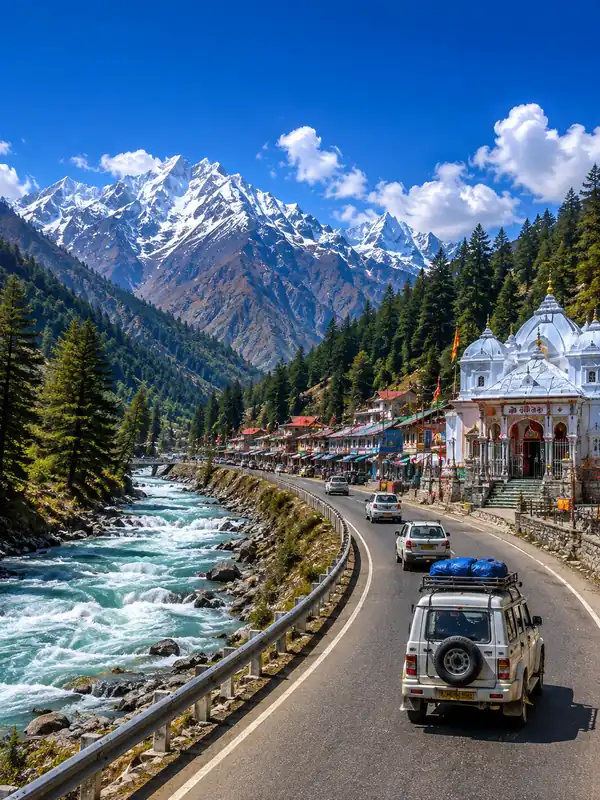
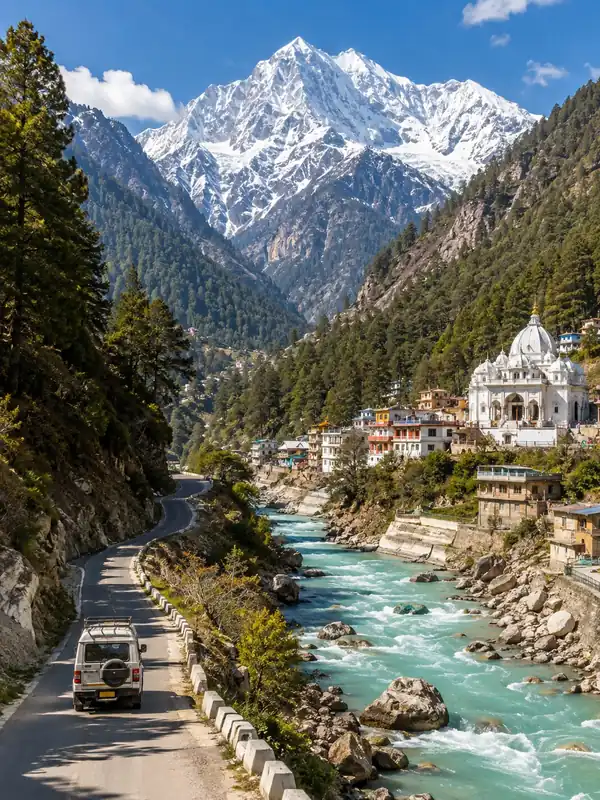
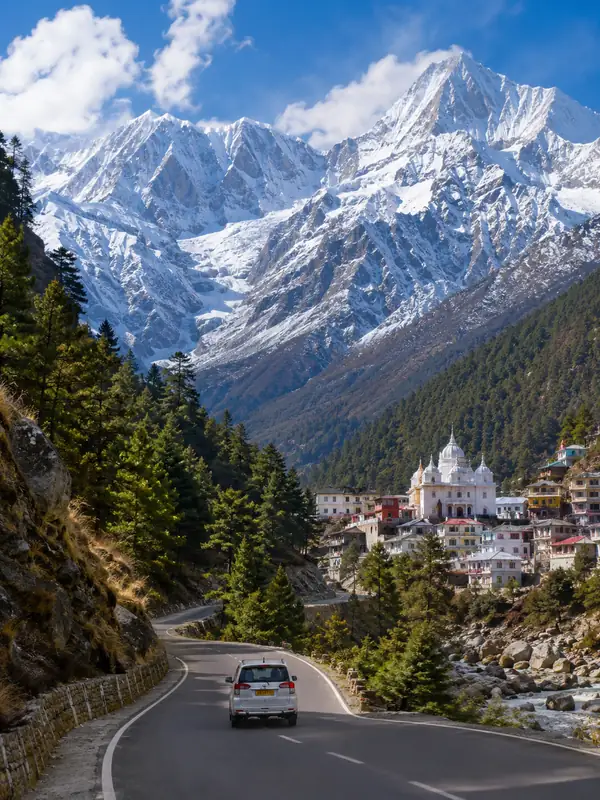
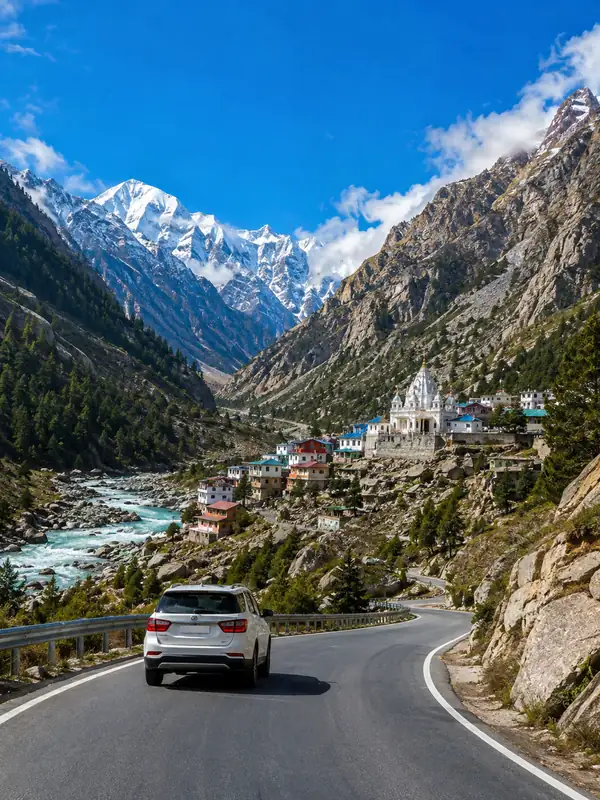
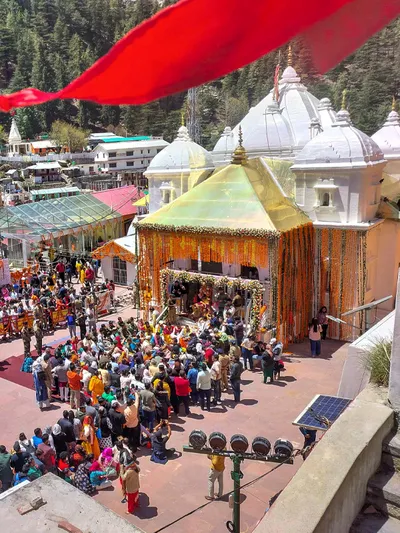
Gangotri sits at 3,100 metres in the Uttarkashi district of Uttarakhand, on the banks of the Bhagirathi River, and is traditionally the second shrine in the Uttarakhand Char Dham sequence (Yamunotri → Gangotri → Kedarnath → Badrinath) — pilgrims traditionally visit Yamunotri first, then Gangotri. Like Badrinath, the road runs directly to the temple, so no trek is needed to reach Gangotri itself; the trekking comes later, if you choose to continue on to Gaumukh Glacier.
This guide covers everything you need before you go: the temple's history, what the yatra looks like day by day, what it costs, how registration works, and when to travel. If you already know the basics and just want a package, jump straight to the packages section below.
Quick Facts
| Fact | Details |
|---|---|
| Location | Uttarkashi District, Uttarakhand |
| Duration | 1 Day (helicopter, combined with Yamunotri) to 5 Days (road, from Delhi) |
| Difficulty | Easy to Moderate — no trekking required for the temple itself |
| Best Time | May–June and September–October |
| Altitude | Approximately 3,100 m (10,171 ft) — official Uttarakhand sources publish slightly different figures (roughly 3,000–3,415 m) depending on the reference point |
| Road distance from Dehradun | ~240 km (~9–10 hrs) |
| Road distance from Haridwar | ~290 km |
| Road distance from Rishikesh | ~270 km (~10–12 hrs) |
| Registration | Mandatory, free of cost (online e-registration) |
| Ideal For | Pilgrims, families, senior citizens, trekkers heading onward to Gaumukh |
| Nearest Airport | Jolly Grant Airport, Dehradun |
| Nearest Railhead | Rishikesh / Haridwar (Dehradun also commonly used) |
| Presiding Deity | Goddess Ganga |
| 2026 Opening | 19 April 2026, on Akshaya Tritiya (confirmed by Uttarakhand Tourism) |
| 2026 Closing | Not yet published on the official portal; Gangotri traditionally closes around the Diwali period each year — confirm the exact 2026 date with temple authorities closer to late season |
What is Gangotri Dham?
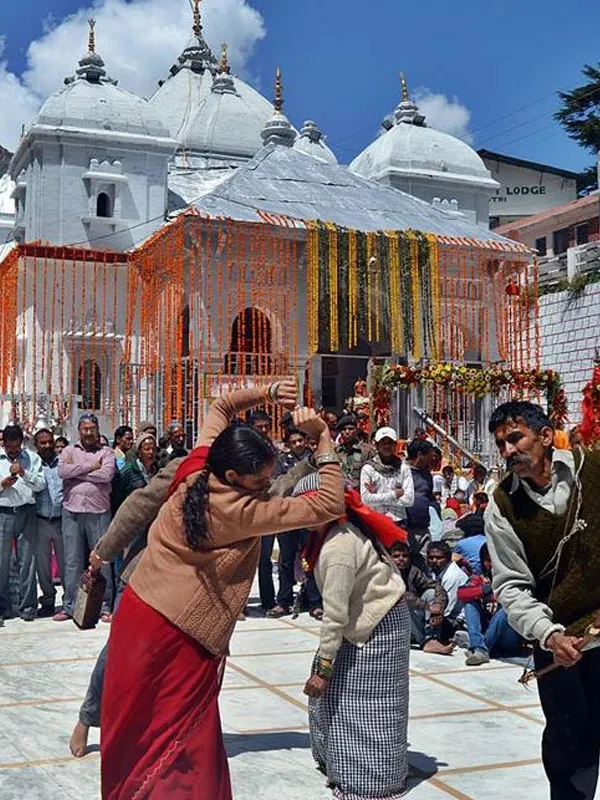
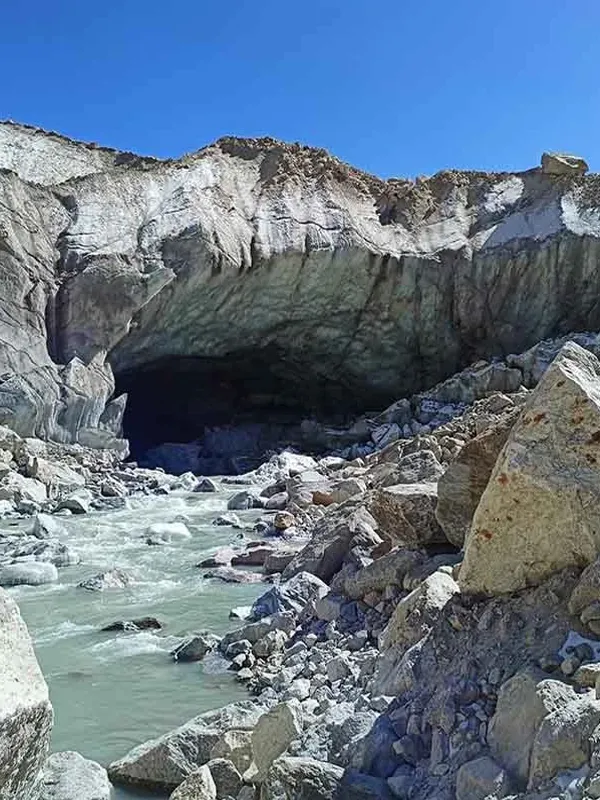
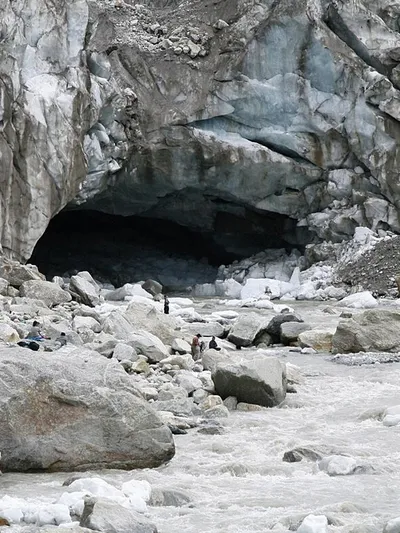
Gangotri is one of the four Char Dhams of Uttarakhand and, according to Hindu tradition, marks the point where the Ganga first touched the earth. The temple itself doesn't sit at the river's literal glacial source — that's Gaumukh, roughly 19 km further upstream, the glacial source of the Bhagirathi River. The Bhagirathi only takes the name "Ganga" after it meets the Alaknanda at Devprayag, further downstream — but Gangotri is where the goddess is worshipped and where most pilgrims complete their darshan.
The current temple structure is generally attributed to Amar Singh Thapa, a Gorkha commander, in the 18th century, and was later renovated by the Maharaja of Jaipur — this is the account given on Uttarakhand's own tourism portal. As with Badrinath's Adi Shankaracharya connection, treat this as the commonly cited historical account rather than an exhaustively documented fact, since older regional histories are not always precisely dated.
Gangotri belongs to the "Chota Char Dham" — the regional Uttarakhand circuit of Yamunotri, Gangotri, Kedarnath, and Badrinath — which is distinct from Adi Shankaracharya's original pan-India Char Dham (Badrinath, Puri, Dwarka, Rameswaram). If you're researching both terms, it's easy to conflate them; only Badrinath appears on both lists.
Read more: Gangotri Temple · Gangotri History & Legends
Spiritual Significance and Legends
According to the most commonly told version of the legend, King Bhagirath performed severe penance to bring the goddess Ganga down from heaven, in order to liberate the souls of his ancestors. When Ganga descended, her force was said to be too powerful for the earth to bear, so Lord Shiva caught her in his matted locks (jata) before releasing her in a gentler stream — a story closely tied to the region's temples and rock formations.
Bhagirath Shila, a rock near the temple, marks the spot where King Bhagirath is said to have meditated. A short distance from the temple is the Jalmagna Shivling, a natural rock formation resembling a Shivling that submerges under the Bhagirathi River during the monsoon and high-water months and becomes visible again in winter and early summer.
Gangotri is also considered spiritually linked to Yamunotri — pilgrims following the traditional Char Dham order typically visit Yamunotri first, then Gangotri, treating the two river-goddess shrines as a natural pair before continuing to Kedarnath and Badrinath.
Why Visit Gangotri
Gangotri draws people for a mix of reasons beyond the primary pull of faith.
- Merit and moksha — pilgrims traditionally believe a visit to Gangotri, and a dip in the icy Bhagirathi, is spiritually purifying and helps free them from accumulated sins.
- Accessible terrain — the road goes directly to Gangotri town, so unlike Kedarnath or Yamunotri, no trekking is required to reach the temple itself.
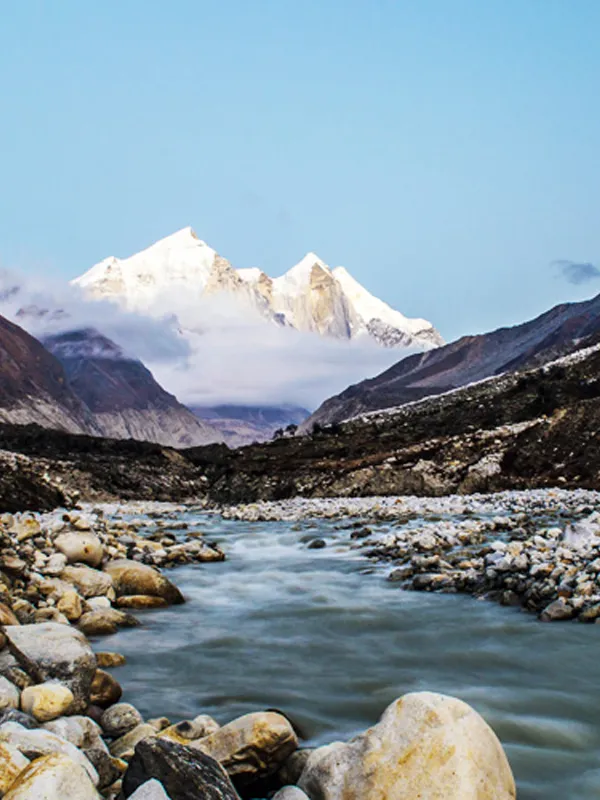
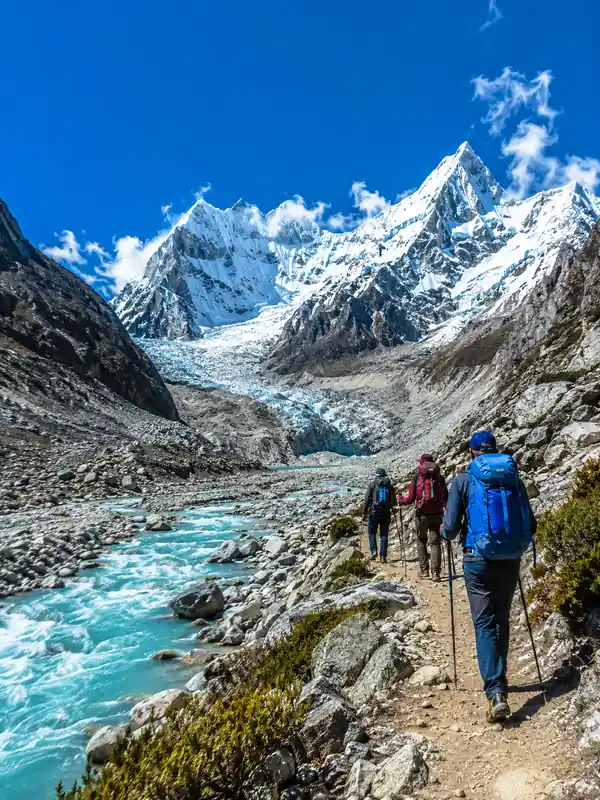
- Gateway to Gaumukh — for trekkers and more serious pilgrims, Gangotri is also the starting point for the trek to Gaumukh Glacier, the actual glacial source of the Bhagirathi/Ganga.
- Scenery — the town sits amid towering Garhwal Himalayan peaks, with the Bhagirathi River running alongside, and nearby Harsil valley adds an easy, scenic detour known for its apple orchards.
- Manageable trip length — a Gangotri-only or Gangotri-Yamunotri Do Dham trip can be done in well under a week, which matters if you can't spare the 10–15 days a full Char Dham circuit typically takes.
Gangotri vs Yamunotri: The Traditional Pairing
Gangotri and Yamunotri are usually visited together as a "Do Dham" trip, since both mark river-goddess origins and sit relatively close to each other on the same route out of Uttarkashi.
| Feature | Gangotri | Yamunotri |
|---|---|---|
| Deity | Goddess Ganga | Goddess Yamuna |
| Access | Fully motorable road | ~6 km trek from Janki Chatti (or pony/palki) |
| Difficulty | Easy to Moderate | Moderate (due to the trek) |
| Altitude | 3,100 m | 3,293 m |
| Suitable for Seniors | More accessible, since no trek is required | Manageable with pony/palki assistance, but the trek adds effort |
| Typical Pairing | Usually combined with Yamunotri | Usually combined with Gangotri |
If your time or mobility is limited, Gangotri is the easier of the two to reach. Many itineraries visit Yamunotri first (since it involves the trek) and Gangotri second — this follows the traditional Char Dham sequence rather than being purely about difficulty.
Explore: Gangotri Yamunotri Yatra
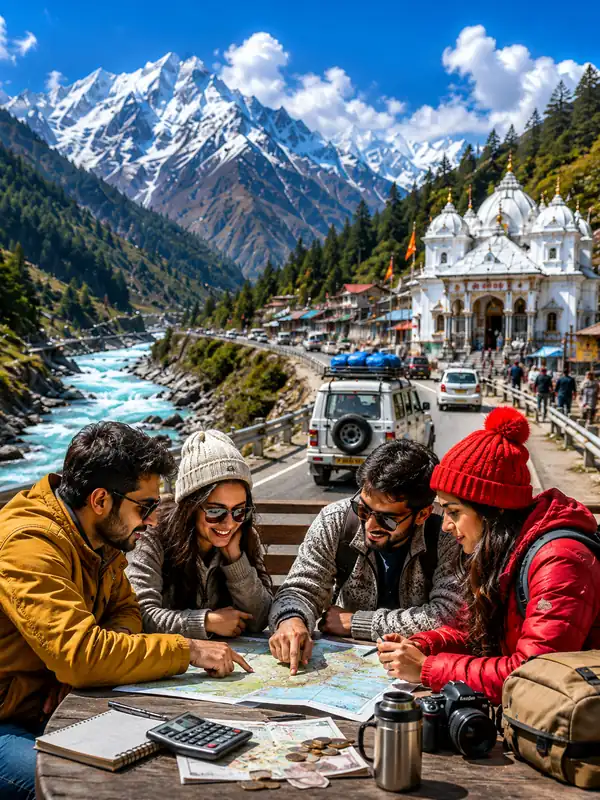
Gangotri Route Map
There are two common approaches to Gangotri, depending on where you start:
From Dehradun: Dehradun → Mussoorie → Uttarkashi → Harsil → Gangotri (~240 km per the Tourist Care route listing, ~9–10 hours)
From Haridwar/Rishikesh: Haridwar/Rishikesh → Chamba → Dharasu → Uttarkashi → Harsil → Gangotri (Haridwar ~290 km; Rishikesh ~270 km; ~10–12 hours)
Note that different official Uttarakhand sources publish slightly different distance figures depending on the exact route and reference point used — for instance, some pages put Rishikesh to Gangotri closer to 230–250 km. Treat the numbers above as a reasonable planning range rather than an exact fixed distance, and confirm with your driver or operator for the specific route you'll take.
Most travellers split this into two days with an overnight halt at Uttarkashi (roughly 100 km before Gangotri), which also works well as a natural acclimatisation stop before continuing to the higher altitude of Gangotri itself — though, as with any high-altitude travel, individual responses to altitude vary and a single overnight stop is not a guarantee against discomfort.
See More: How to Reach Gangotri
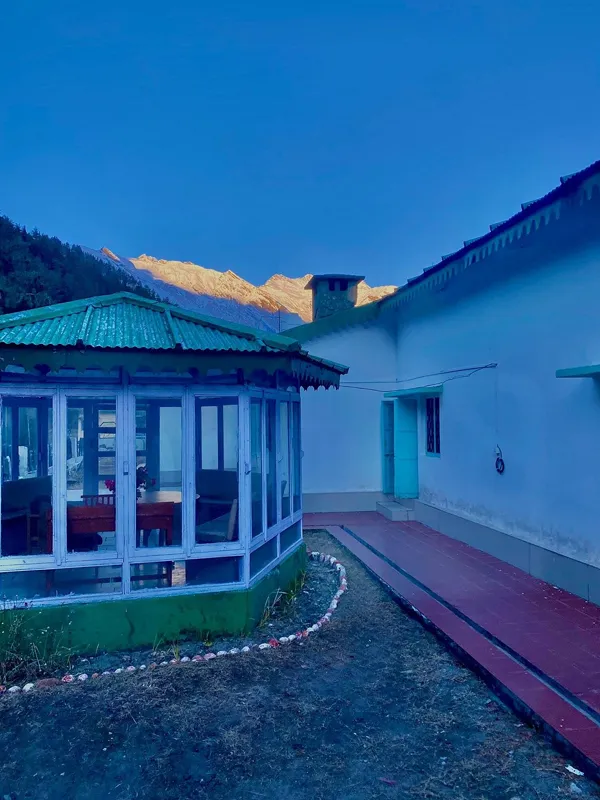
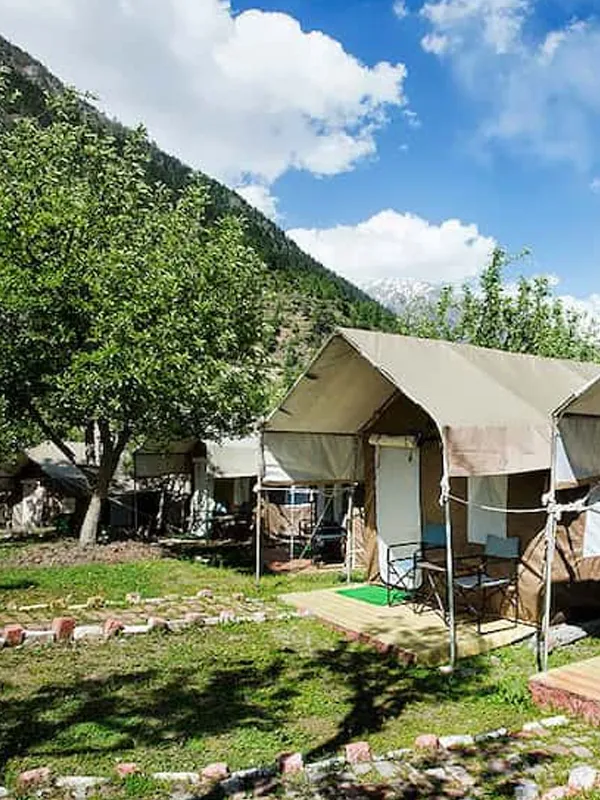
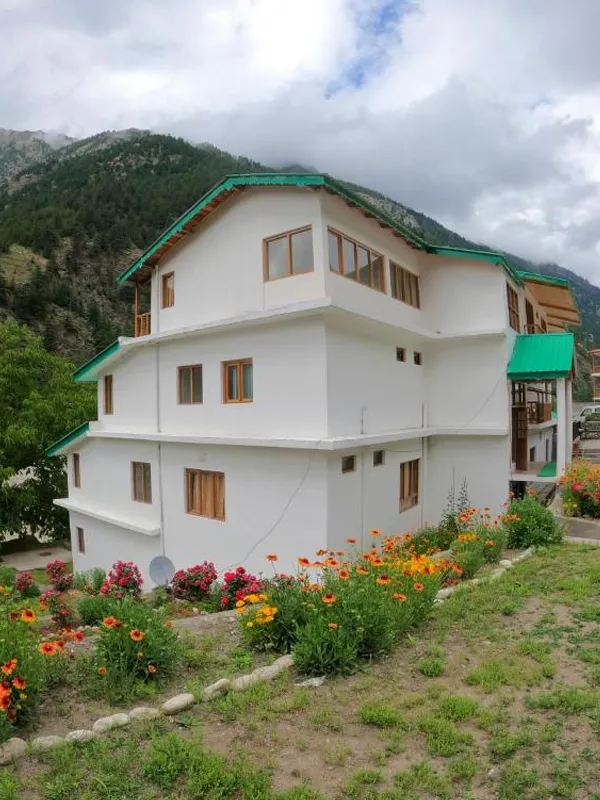
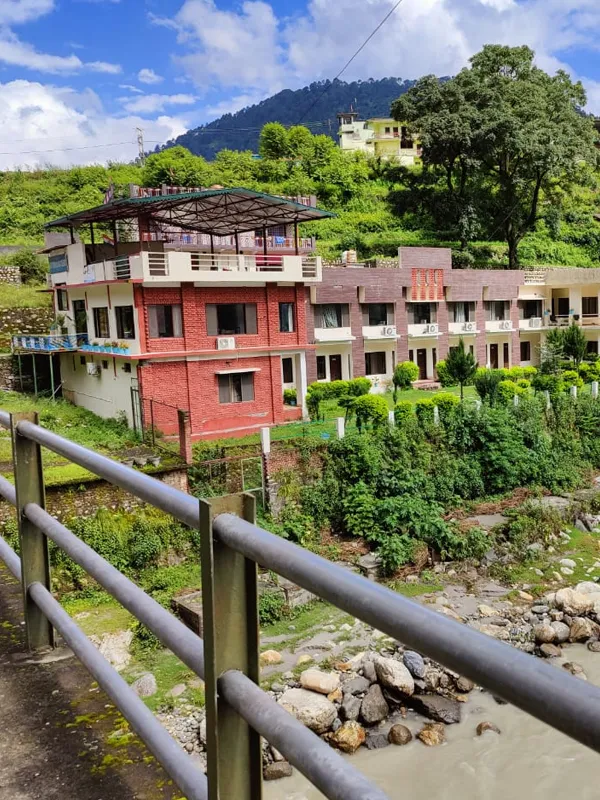
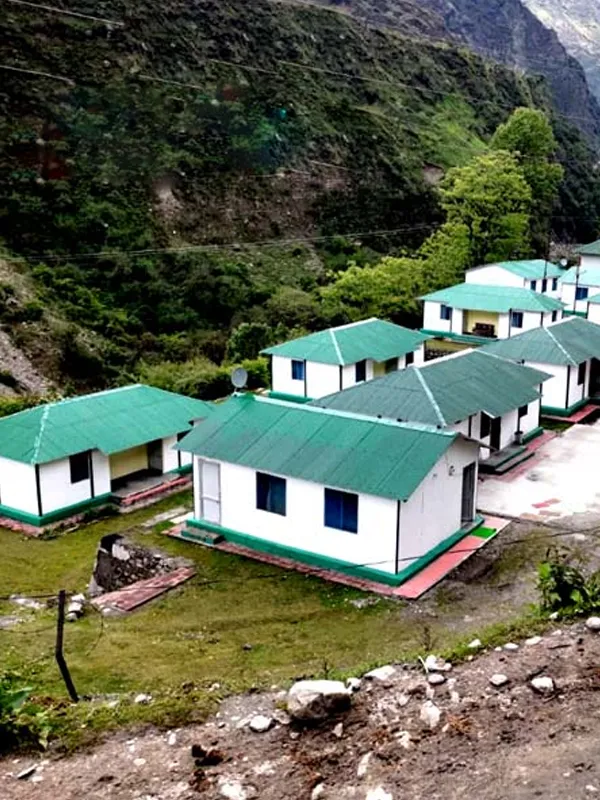
Accommodation Guide for Gangotri
Most pilgrims split their stay between Uttarkashi (a larger town with more options, roughly 100 km before Gangotri) and Gangotri itself, where accommodation is more limited and seasonal. The indicative price ranges below were checked in August 2026 — actual 2026 rates vary significantly by property, room type, season, and availability, so confirm directly with the hotel or your operator before booking.
| Category | Where | Approx. Price |
|---|---|---|
| Budget | GMVN guesthouses, dharamshalas (Gangotri & Uttarkashi) | ₹800–1,500/night |
| Mid-Range | Private hotels in Uttarkashi and Gangotri | ₹1,200–2,500/night |
| Premium | Select hotels in Uttarkashi | ₹2,500–4,000/night |
Gangotri itself has fewer premium options than Uttarkashi, so if comfort matters more than proximity to the temple, basing yourself in Uttarkashi and doing Gangotri as a day trip is a reasonable alternative — though it does mean a longer drive on darshan day. Book at least a month ahead for May–June travel, since rooms near the temple are limited and fill up fast.
See listings: Hotels in Gangotri · Hotels in Uttarkashi
Detailed Itinerary
Here's a sample 5-day road itinerary starting from Delhi — actual duration depends on road conditions, traffic, weather, and how many rest stops you build in:
Day 1: Delhi → Haridwar / Rishikesh Pickup from Delhi, drive to Haridwar or Rishikesh. Evening Ganga Aarti if timing allows. Overnight stay.
Day 2: Haridwar → Uttarkashi Drive via Chamba and Dharasu to Uttarkashi. Overnight halt, useful for acclimatisation before gaining more altitude.
Day 3: Uttarkashi → Gangotri Continue via Harsil to Gangotri. Check in, visit the temple for darshan, and — if the current temple schedule permits — take in the evening Aarti.
Day 4: Gangotri → Uttarkashi Morning darshan, optional visit to Bhagirath Shila and the Jalmagna Shivling (season-dependent), then begin the return journey.
Day 5: Uttarkashi → Haridwar / Rishikesh → Delhi Drive back and drop-off at Delhi airport or railway station.
If you're combining Gangotri with Yamunotri (the standard Do Dham pairing), plan for 6 days rather than 5 to comfortably fit both shrines. Chardham Tour also offers a 1-day Gangotri-Yamunotri combined helicopter package departing from Dehradun for pilgrims short on time — helicopter routes are weather-dependent, so keep a buffer day if flying during shoulder-season dates.
Explore: Gangotri Yatra from Delhi
Gangotri Yatra: Our Package Starting Prices
Pricing depends mainly on how you travel and where you start from. The figures below are Chardham Tour's own current package starting prices, checked on 22 August 2026 — not a universal market rate, and other operators may price differently.
| Package Type | Approx. Cost (per person, starting price) |
|---|---|
| Road — from Haridwar (3D/2N) | ₹14,600 onwards |
| Road — from Delhi (5D/4N) | ₹18,900 onwards |
| Gangotri–Yamunotri Do Dham (6D/5N) | ₹16,900 onwards |
| Gangotri–Yamunotri with Gaumukh Trek (5D/4N) | ₹12,800 onwards |
| Gangotri Gaumukh Trek (8D/7N) | ₹20,600 onwards |
| Gangotri–Yamunotri Combined Helicopter (1 Day) | ₹95,000 onwards |
Road packages typically include hotel stays, breakfast and dinner, ground transfers, and darshan assistance. None of these include personal expenses, travel insurance, or any separately-purchased VIP darshan or puja tickets at the temple — confirm exactly what's covered before you book. Helicopter package availability and pricing are especially subject to change with weather, season, and operator schedules, so treat the combined helicopter figure above as a starting point and confirm live availability before planning around it.
See full breakdown: Gangotri Yatra Packages
Registration and Documentation
Char Dham Yatra registration is mandatory for Gangotri, just as it is for the other three Dhams, under Uttarakhand's pilgrimage registration system.
Online registration
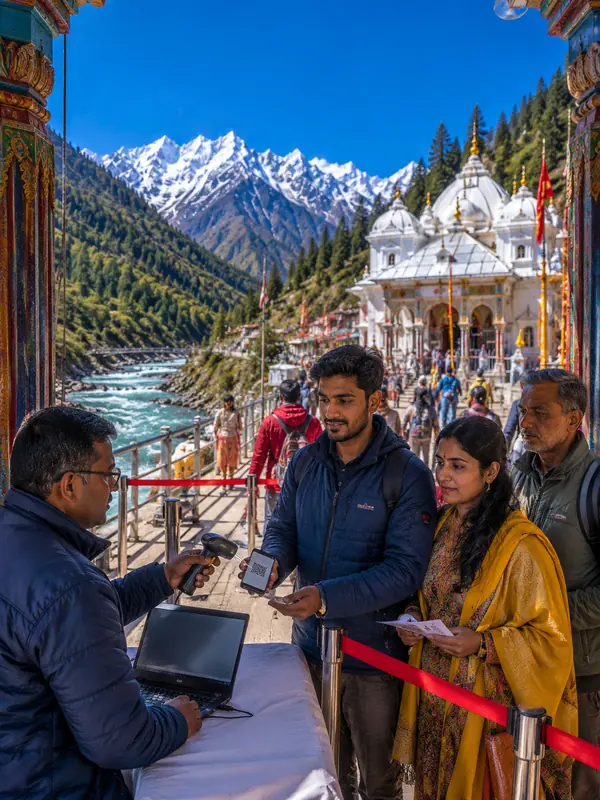
Visit the official Uttarakhand Tourist Care registration portal, where you can register for the Char Dham Yatra and download your e-pass. Registration is free of charge. You'll need a valid government photo ID (Aadhaar, passport, voter ID, or driving licence) per traveller.
Offline registration
Designated registration counters operate at major transit points, including a Gangotri-route counter at Hina, along with Haridwar and Rishikesh. Counter locations and timings can change season to season, so check the current Tourist Care portal or ask your tour operator for the latest details.
Your registration/e-pass is checked at multiple points on the way to Gangotri, including at Dharasu and Uttarkashi, and again at the temple entry — carry a printed copy as backup, since mobile connectivity is limited in the hills.
Vehicle requirements
Commercial vehicles entering Uttarakhand for the Yatra typically need a valid Green Card and Trip Card from the Transport Department, covering emission and mechanical safety standards. Rules can vary by vehicle category, so check current transport department requirements if you're self-driving or hiring outside a package.
Full guide: How to Register for Gangotri Yatra
Gaumukh Glacier Trek: What You Need to Know
If you want to go beyond the temple to the glacial source of the Bhagirathi, Gaumukh is approximately 19 km from Gangotri (one way) — the trek falls inside Gangotri National Park and has always required a forest permit, with daily entry capped at around 150 people. Beyond the permit itself, additional documentation (such as a guide or medical fitness certificate) may be required depending on current Forest Department rules, particularly for the further extension to Tapovan — check the latest requirements before departure rather than assuming a fixed rule set, since these details can change season to season.
Permits can be arranged online through the Explore Uttarkashi portal or in person at the Forest Department office in Uttarkashi or the Gangotri check post. Given the added documentation requirements introduced in recent years, booking through an authorised trekking operator who handles the paperwork is the more reliable route for most pilgrims-turned-trekkers.
A fit, experienced trekker can sometimes complete Gangotri–Gaumukh as a long day trek, but most pilgrims and first-time trekkers plan it as a 2-day outing with an overnight halt at Bhojbasa, especially if continuing further toward Tapovan. The trek itself is considered moderate to challenging — forest trails, rocky paths, and stream crossings — and is a different undertaking altogether from the easy, road-accessible Gangotri temple visit. Don't conflate the two when planning your trip duration or fitness needs.
Weather and Best Time to Visit
| Month | Typical Conditions |
|---|---|
| May | Good, cold mornings and evenings |
| June | Good, busiest month of the season |
| July | Monsoon — road disruption risk |
| August | Monsoon — road disruption risk |
| September | Generally favourable |
| October | Cold but generally favourable, especially early-to-mid month |
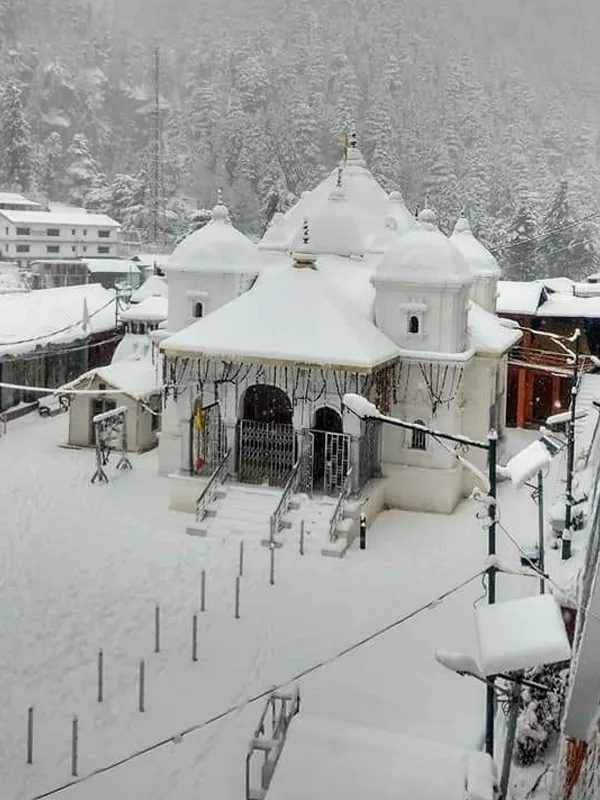
| November–April | Closed for winter |
May–June and September–October are the recommended windows, avoiding the July–August monsoon when landslide and road-disruption risk rises along the Uttarkashi–Gangotri stretch. The temple traditionally closes for the winter pilgrimage season around the Diwali period each year (the Uttarakhand Tourism portal's own site notes summers, May–June, run mild at roughly 10–25°C, while winters from November to March drop below freezing and make the region difficult to access) — treat these as indicative seasonal ranges rather than guaranteed daily figures, since mountain weather can shift quickly.
More detail: Gangotri Weather Guide · Best Time to Visit Char Dham
Destinations Covered Near Gangotri
Harsil Valley
A serene Himalayan village on the banks of the Bhagirathi, roughly 75 km from Uttarkashi and about 2,660 m in altitude, known for its apple orchards and scenic landscapes — a natural stop on the way to or from Gangotri.
Gaumukh
The literal source of the River Ganga, accessible via the regulated Gaumukh trek described above.
Tapovan
A high-altitude meadow roughly 6 km beyond Gaumukh with views of Mt. Shivling and the Bhagirathi peaks — for serious trekkers, not a casual add-on.
Bhairon Ghati
Home to the Bhairon Nath Temple, around 10 km from Gangotri, located at the confluence of the Jadh Ganga and Bhagirathi rivers.
Pandava Gufa
A small cave near Gangotri believed to be associated with the Pandavas of the Mahabharata.
Bhagirath Shila and Jalmagna Shivling
Both close to the main temple — the rock where King Bhagirath is said to have meditated, and a natural Shivling-shaped rock formation visible in the Bhagirathi during winter and early summer, when water levels drop.
Who Can Do the Gangotri Yatra?
Senior Citizens
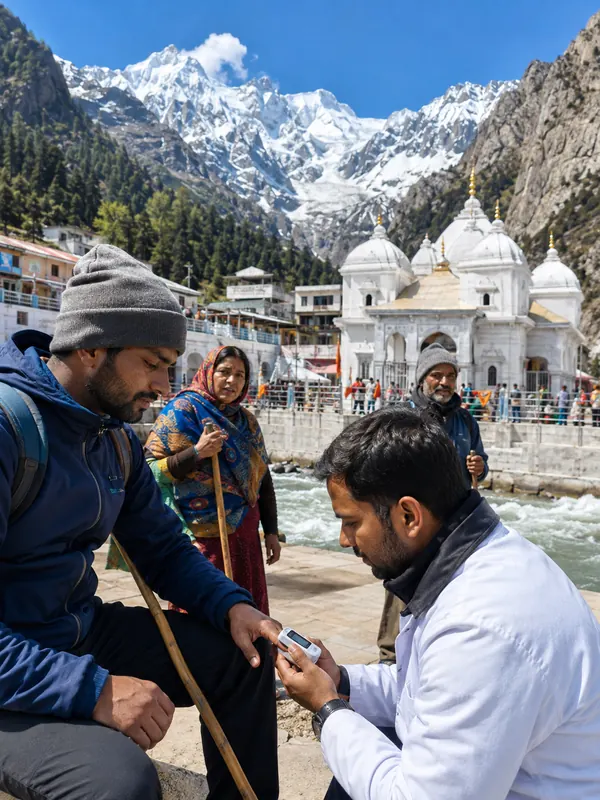
Because the road runs directly to Gangotri and no trekking is involved for the temple visit itself, this is a manageable Char Dham destination for older pilgrims. The altitude (3,100 m) and multi-day road journey can still be tiring, so it's worth checking with a doctor beforehand if there are existing health concerns, and building in acclimatisation time at Uttarkashi.
Families
The road access, availability of hotels and guesthouses in both Uttarkashi and Gangotri, and the option to skip the Gaumukh trek entirely make Gangotri a reasonable entry point for family trips.
Trekkers
For those wanting to go beyond the temple, Gaumukh and Tapovan add a genuine high-altitude trekking component — plan separately for permits, fitness, and gear if this is part of your trip.
See: Gangotri Gaumukh Trek Package
How to Reach Gangotri
By Air
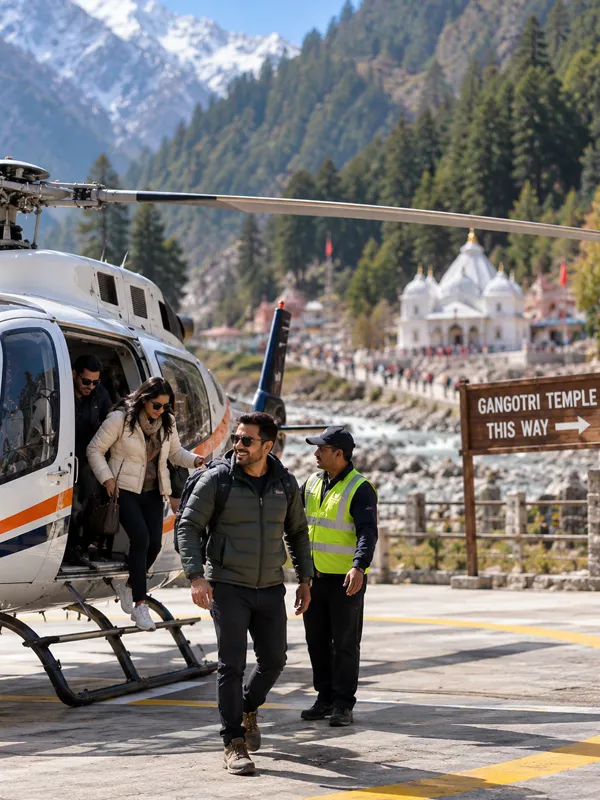
Jolly Grant Airport in Dehradun is the nearest airport. From there, it's a road journey of roughly 240–250 km to Gangotri (figures vary slightly by source and exact route), or a helicopter charter if you've booked a heli package (charter services from Dehradun typically combine Gangotri with Yamunotri, Kedarnath, or Badrinath on the same trip, and may land at a designated helipad such as Harsil with a road transfer onward to the temple, depending on the operator and permissions).
By Train
Dehradun, Haridwar, and Rishikesh are all reasonable railhead options, with onward road travel to Gangotri from any of them.
By Road
State transport buses and private taxis run from Dehradun, Haridwar, and Rishikesh to Gangotri during the Yatra season. Private taxis are the more comfortable option for families or senior citizens, given the winding mountain roads via Uttarkashi.
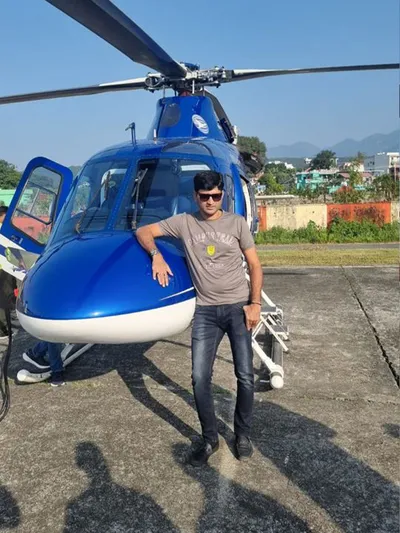
By Helicopter
Charter helicopter services operate from Dehradun, generally combining Gangotri with Yamunotri or other Dhams on the same itinerary rather than flying to Gangotri alone — confirm current routes and schedules before booking, since Himalayan helicopter services can be seasonal or weather-dependent.
Gangotri in the Wider Char Dham Circuit
If you're planning a full Char Dham Yatra rather than a Gangotri-only or Do Dham trip, it helps to know where Gangotri fits. The traditional sequence — Yamunotri → Gangotri → Kedarnath → Badrinath — follows a rough west-to-east arc across the Garhwal Himalayas, and a full road circuit commonly takes around 10–15 days depending on the starting point, route, and rest days built in.
Gangotri is usually the second stop after Yamunotri, since both lie on a broadly similar route out of Uttarkashi before the circuit moves east toward Kedarnath and Badrinath. If you're doing the full circuit, building in a rest day around Uttarkashi (between Yamunotri and Gangotri) is a common way to manage the cumulative altitude and driving fatigue before the longer stretch to Kedarnath.
Explore: Char Dham Yatra Packages · 3 Dham Yatra
Road Conditions on the Gangotri Route
The Uttarkashi–Harsil–Gangotri stretch is motorable but, like other Himalayan pilgrimage roads, remains vulnerable to weather-related disruption — landslides, rockfall, and road damage are more likely during the monsoon months and can occur elsewhere in the season too. Check current road/weather advisories close to your departure date rather than assuming conditions will match a previous trip.
Main things to watch for:
- Narrow, winding stretches beyond Uttarkashi
- Monsoon-season landslide and rockfall risk (July–August)
- Traffic congestion during peak May–June dates
- Occasional early-season snow or debris near the higher stretches
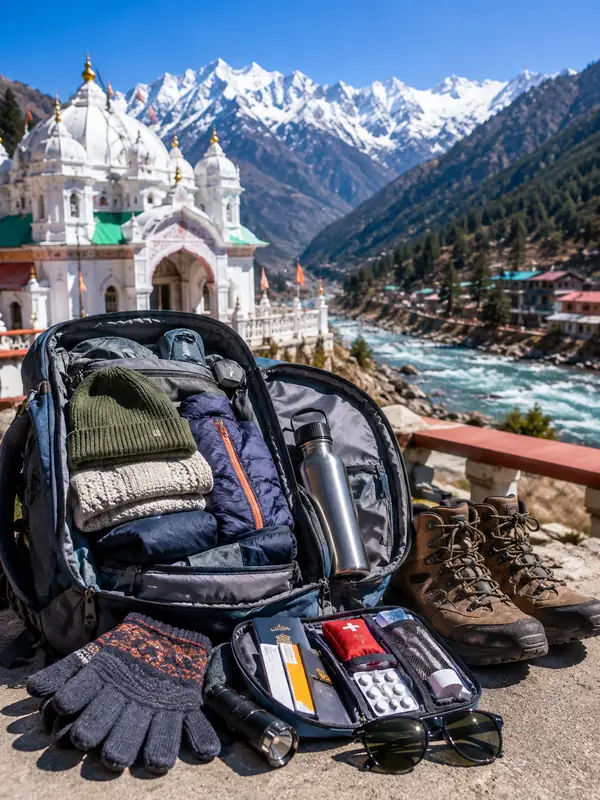
What to Pack for Gangotri
| Category | Items |
|---|---|
| Clothing | Warm jacket, thermals, sweater, woollen cap, gloves |
| Footwear | Comfortable walking shoes; proper trekking shoes if continuing to Gaumukh |
| Health | Personal medicines, basic first-aid kit, ORS packets |
| Documents | Valid photo ID, Yatra e-registration slip or QR pass, Gaumukh trek permit if applicable |
| Utility | Power bank, torch, reusable water bottle, sunglasses, sunscreen |
| For Gaumukh trekkers | Trekking poles, headlamp, warm sleeping layers for the Bhojbasa halt |
Pack in layers — Gangotri's daytime sun can feel deceptively mild, but mornings, evenings, and especially the temple courtyard stay cold even in the peak May–June season.
Things to Do in Gangotri
- Attend the Temple Aarti The evening Aarti, when it's held, draws large crowds along the Bhagirathi ghats — worth planning your day around if it fits the current temple schedule.
- Visit Bhagirath Shila A short walk from the temple, associated with King Bhagirath's penance.
- Trek to Gaumukh Glacier For those with the time, fitness, and current permit — the glacial source of the Bhagirathi, roughly 19 km from Gangotri.
- Explore Harsil Village An easy, scenic detour known for apple orchards and mountain views, usually visited en route.
- See the Jalmagna Shivling Season-dependent — visible when water levels in the Bhagirathi are low, typically winter and early summer, and not something to specifically plan a trip around if visiting in peak monsoon-adjacent months.
Festivals at Gangotri
- Akshaya Tritiya The day the temple doors open each year, marking the start of the Gangotri Yatra season — considered one of the most auspicious days on the Hindu calendar.
- Ganga Dussehra Celebrated in the month of Jyeshtha (usually May–June), marking the day Ganga is believed to have descended to earth — a significant day for darshan if your dates align with it.
- Diwali Period (Kapat Closing) The temple traditionally closes for the winter pilgrimage season around Diwali each year, in a ceremony that mirrors the opening rituals in reverse, with the deity's symbolic winter journey beginning. The exact closing date is announced by temple authorities closer to the season's end.
More detail: Festivals of Gangotri
Food Options in Gangotri
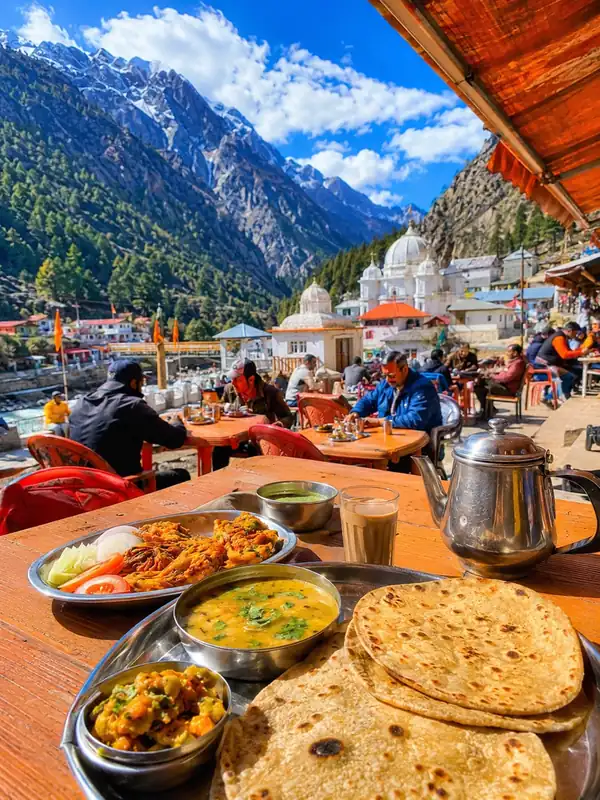
Vegetarian food is the norm in Gangotri's pilgrimage area, in keeping with the sanctity of the site. Expect simple North Indian and Pahari vegetarian meals — dal, rice, roti, seasonal vegetables — at hotels, dhabas, and guesthouses in both Uttarkashi and Gangotri. Options thin out considerably the closer you get to Gangotri itself, so it's functional food meant to keep you going rather than a culinary destination.
Common Mistakes to Avoid
- Skipping registration Some pilgrims assume registration is only strictly enforced for Kedarnath or Badrinath. It applies equally to Gangotri, and your e-pass is checked at multiple points on the way in.
- Underestimating the Gaumukh trek The temple visit itself is easy and road-accessible, but the Gaumukh extension is a genuine high-altitude trek requiring permits, fitness, and proper gear — don't add it to your itinerary as an afterthought.
- Rushing the Uttarkashi halt Driving straight from the plains to Gangotri in one stretch can make altitude discomfort more likely for some travellers. An overnight halt at Uttarkashi may help, though individual responses to altitude vary.
- Underpacking for cold Even in the "warm" months, mornings and evenings at Gangotri are consistently cold — pack proper layers, not just a light jacket.
- Ignoring road/weather advisories Mountain weather and road conditions change quickly, especially in the Uttarkashi–Harsil stretch during monsoon-adjacent months. Check current advisories close to your travel date.
Safety and Emergency Information
- Medical Emergency: 108
- General Emergency: 112
- Uttarakhand Tourist Helpline: 1364 (toll-free)
- Basic medical support is available in Uttarkashi and, to a lesser extent, in Gangotri itself during the Yatra season. For serious emergencies, call 108 or 112 and follow local emergency guidance.
- If you're trekking toward Gaumukh, inform your operator or local authorities of your plans and expected return, given the more remote terrain beyond Gangotri town.
Why Book Early for Gangotri 2026
Booking a few months ahead, rather than closer to your travel dates, makes a real difference for Gangotri specifically:
- Hotel availability — rooms in Uttarkashi and Gangotri fill up quickly in May–June.
- Gaumukh permits — since the trek is now regulated, securing permits and slots takes advance planning.
- Helicopter slots — heli seats on combined Gangotri-Yamunotri routes are limited and weather-dependent.
- Pricing — road and helicopter costs tend to rise as peak season approaches.
- Planning time — booking early gives you room to sort registration, health preparations, and packing without last-minute stress.
FAQs
Q1. What is the altitude of Gangotri?
Gangotri sits at approximately 3,100 metres (10,171 ft) above sea level, according to Uttarakhand Tourism's official Tourist Care portal.
Q2. Is there a trek involved in the Gangotri Yatra?
No, not for the temple itself — the road goes directly to Gangotri. A trek is only required if you continue onward to Gaumukh Glacier, roughly 19 km further, which requires a forest permit.
Q3. Is registration mandatory for Gangotri?
Yes. Online e-registration through the Uttarakhand Tourist Care portal is mandatory and free, and your e-pass is checked at multiple points on the way, including Dharasu and Uttarkashi.
Q4. When does Gangotri open in 2026?
The Kapat opened on 19 April 2026, on Akshaya Tritiya, the same day as Yamunotri — confirmed by Uttarakhand Tourism.
Q5. When does Gangotri close for winter?
Gangotri traditionally closes for winter around the Diwali period each year, but the official 2026 closing date hasn't been published on the Tourist Care portal at the time of writing. Confirm the exact date with temple authorities before planning late-season travel.
Q6. What is the best time to visit Gangotri?
May–June and September–October offer the most stable weather. July–August (monsoon) carries higher landslide and road-disruption risk on the Uttarkashi–Gangotri stretch.
Q7. How many days does the Gangotri Yatra take?
By road from Delhi, plan for 4–5 days including travel; add a day or two if combining with Yamunotri. By helicopter from Dehradun (usually combined with Yamunotri), it can be done in a single day.
Q8. What is the cost of a Gangotri Yatra package?
Chardham Tour's own road packages start around ₹14,600 per person from Haridwar. Prices vary by operator, hotel category, and season, so treat these as starting-price benchmarks rather than fixed market rates.
Q9. Is Gangotri suitable for senior citizens?
Yes, more so than trek-based Dhams like Kedarnath or Yamunotri, since no trekking is required to reach the temple. Altitude and travel time can still be tiring, so check with a doctor beforehand if there are existing health concerns.
Q10. Can children join the Gangotri Yatra?
Yes, families with children commonly do this trip, particularly by road, since the temple visit itself is less physically demanding than Kedarnath or the Yamunotri trek.
Q11. What documents do I need for Gangotri?
A valid government photo ID and your Yatra e-registration slip or QR pass. If continuing to Gaumukh, you'll also need the current trek permit.
Q12. Is mobile network available in Gangotri?
Network coverage is patchy in the higher stretches, particularly beyond Uttarkashi. Carry a printed registration copy as backup rather than relying solely on a digital pass.
Q13. What food is available in Gangotri?
Vegetarian food is the norm in and around the temple town, in keeping with the sanctity of the site. Simple Pahari and North Indian vegetarian meals are available in Uttarkashi and Gangotri, though options thin out closer to the temple.
Q14. Are there medical facilities in Gangotri?
Basic medical support is available in Uttarkashi and, to a lesser extent, Gangotri itself during the Yatra season. For serious emergencies, call 108 (medical) or 112 (general emergency).
Q15. What is the Gaumukh Glacier trek permit process?
The Gaumukh trek requires a Forest Department permit, with daily entry capped at around 150 people. Additional documentation requirements can apply depending on current rules, especially if continuing to Tapovan — check the latest requirements with the Forest Department or an authorised operator before planning the trek.
Q16. Can I visit Gaumukh on the same day as Gangotri darshan?
It's possible for a fit, experienced trekker to complete Gaumukh as a long day trek, but most pilgrims and first-time trekkers plan it as a 2-day outing with an overnight halt at Bhojbasa.
Q17. Is Gangotri open in winter?
No. The temple closes for the winter pilgrimage season, traditionally around the Diwali period, and reopens the following April on Akshaya Tritiya.
Q18. What should I pack for the Gangotri Yatra?
Warm layered clothing, comfortable walking shoes (proper trekking shoes if continuing to Gaumukh), basic personal medicines, and a power bank, since electricity can be unreliable in remote stretches.
Q19. Is altitude sickness a concern at Gangotri?
At around 3,100 m, some travellers may experience altitude-related symptoms like headache, dizziness, or breathlessness. Allow time for rest, avoid overexertion, stay hydrated, and seek medical help if symptoms are severe or worsening.
Q20. Can foreign nationals visit Gangotri?
Yes, foreign nationals can visit Gangotri, but should check the current Tourist Care registration and identification requirements applicable to foreign visitors before travel, since these can differ from the standard domestic process.
Q21. What is the nearest airport to Gangotri?
Jolly Grant Airport in Dehradun is the nearest airport, roughly 240–250 km away by road depending on the exact route.
Q22. What is the nearest railway station?
Dehradun, Haridwar, and Rishikesh are all commonly used railheads, with onward road travel to Gangotri.
Q23. Is helicopter service available for Gangotri?
Yes — charter services from Dehradun typically combine Gangotri with Yamunotri or other Dhams on the same trip. Confirm current routes and schedules, since these are weather-dependent.
Q24. Can helicopter flights get delayed or cancelled?
Yes, they're weather-dependent and can be delayed or cancelled due to fog, high winds, or sudden weather changes. Keep a buffer day if flying.
Q25. Can I do Gangotri and Yamunotri together?
Yes — this is the standard "Do Dham" pairing, available by both road and helicopter, and follows the traditional Char Dham visiting order.
Q26. Is photography allowed inside the temple?
Photography and mobile-phone restrictions apply in parts of the temple complex — follow the current instructions displayed by temple authorities on arrival.
Q27. What is the cancellation policy for Gangotri packages?
Cancellation terms vary by package and depend on how close to the travel date you cancel. Check the specific package's terms before booking, or ask an agent directly.
Q28. Do I need travel insurance for Gangotri?
It's not mandatory, but it's a sensible precaution given the terrain, altitude, and possibility of weather-related delays — particularly if you're also doing the Gaumukh trek.
Q29. How do I book a Gangotri Yatra package?
You can book directly through Chardham Tour by phone, WhatsApp, or the website, and our team will confirm hotel, transport, and darshan arrangements in advance.
Gangotri Travel Guide



Gangotri Travel Packages
Important Safety Notice
Beware of Fake Char Dham & Kedarnath Helicopter Booking Websites
Fake websites, WhatsApp accounts and advertisements may impersonate genuine travel companies or helicopter operators. Always verify before paying.