Picturesque Chopta, the Mini Switzerland of Uttarakhand
Chopta sits in a pine and deodar belt in Rudraprayag district, with the Chandrashila ridge standing above it. Sources don't agree on the exact altitude. The Rudraprayag District Administration's own page lists it at about 2,900 m; Wikipedia and most trekking sites put it lower, around 2,600–2,709 m. Either way, it's high enough to stay cold well into May and to see snow from December through March. The trail to Tungnath, one of the highest Shiva temples in the Himalayas, starts from here, and so does the climb to Chandrashila.
Quick Answer
Chopta is a hill station in Rudraprayag district, Uttarakhand. Elevation is reported differently by different sources — roughly 2,600–2,900 m. It's the base camp for the Tungnath and Chandrashila treks, about 200 km from Rishikesh and 220 km from Dehradun by road, and the trekking season runs April–June and September–November.
Why Visit Chopta
Chopta is the road-access point for two treks that most people can actually finish in a day: Tungnath, one of the five Kedars, and Chandrashila above it. Both start right from the road, so there's no multi-day approach march before the trek even begins — you park, or step off a bus, and the trail is in front of you. That's the main reason it draws both first-time trekkers and people who've done harder Himalayan routes and want something shorter.
Places to See in Chopta
This small hamlet packs in more variety than its size suggests — a Panch Kedar temple, a summit trek, a reflection lake, and a wildlife sanctuary, all within a few kilometres of each other.
Tungnath Temple
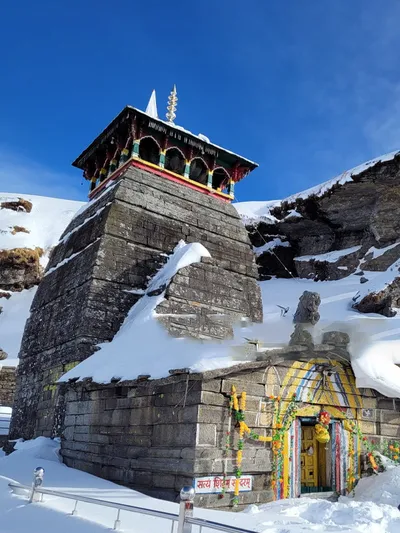
About 3.5–4 km from Chopta by trail is the temple of Lord Shiva, one of the Panch Kedars, at roughly 3,680 m. It's widely described as the highest Shiva temple in the Himalayas. The path is steep and rocky in stretches, graded easy-to-moderate, and takes anywhere from 2 to 4 hours one way depending on pace and weather. In 2026 the temple opened for the season on 22 April. It closes for winter in early November, and once it does, the deity is carried down not to Ukhimath itself but to the Markandeya Temple in Makkumath, a separate village about 25–30 km away.
Chandrashila Peak
About 1.5 km beyond Tungnath, at around 4,000 m, this is the summit of the ridge Chopta sits under. On a clear morning you can pick out Nanda Devi, Trishul, Chaukhamba, and Kedarnath peak. Trekkers aiming for sunrise either camp near Tungnath the night before or start from Chopta well before dawn — the later starts usually miss the best light by the time they reach the top.
Deoria Tal
A high-altitude lake about 2,438 m up, roughly a 2.5 km walk from Sari village on the Ukhimath–Gopeshwar road. On still mornings it mirrors the Chaukhamba massif almost perfectly. It's an easy half-day trip and a favourite for camping and photography — plan for it separately from the Tungnath trek since the trailheads aren't the same.
Kedarnath Wildlife Sanctuary
Chopta actually sits inside this sanctuary (also known locally as the Kedarnath Musk Deer Sanctuary), which spans a huge altitude range and shelters musk deer, Himalayan monal, Himalayan black bear, and, on rare sightings, snow leopard. Since the Tungnath and Chandrashila trails pass through sanctuary land, expect a small forest entry checkpost at Chopta — carry a valid photo ID.
Atri Muni Falls
A quieter, less-visited waterfall reached through dense forest and open meadow, with 360-degree Himalayan views along the way. Good for a half-day walk if you want something away from the main Tungnath crowd.
How Hard Is the Trek? Fitness and Difficulty
Chopta to Tungnath is graded easy-to-moderate. Reasonably fit beginners manage it, and families with older kids do it regularly. Chandrashila is a different matter — the extra 1.5 km climbs into thinner air, and the last stretch is where people slow down, not because of distance but because of altitude.
A few points worth knowing before you go:
- Total one-way distance Chopta–Tungnath–Chandrashila is around 5 km, but the altitude gain (roughly 1,300 m) is what makes it feel harder than the distance suggests.
- Waterproof trekking shoes with grip matter more than fitness level — the trail turns slippery near the top even outside monsoon.
- If you get a headache, feel dizzy, or unusually breathless, stop and rest. If it doesn't ease off, turn back and descend rather than pushing on.
- In winter, snow makes the upper stretch genuinely tough — this is for prepared, equipped trekkers, not a casual outing.
Tungnath Opening and Closing Dates
Chopta itself can be visited any time of year, though winter snow affects road access and which stays are open. Tungnath temple is different — it runs on a fixed religious calendar. The opening date is announced on Baisakhi each year by the temple's priests and committee, and for 2026 the doors opened on 22 April. Closing generally falls in early November, once snow makes the upper trail unsafe. When it closes, the deity goes to the Markandeya Temple in Makkumath — not Ukhimath town, which is a separate place about 25 km away — where worship continues through winter. If darshan at the actual shrine is the point of your trip, check the current year's date before booking, since it moves by a few days each season depending on the Hindu calendar.
Activities to Do in Chopta
Trekking: The Tungnath–Chandrashila route is the star attraction — an easy-graded trek through conifer and oak forest with some of the most photographed Himalayan views in Garhwal.
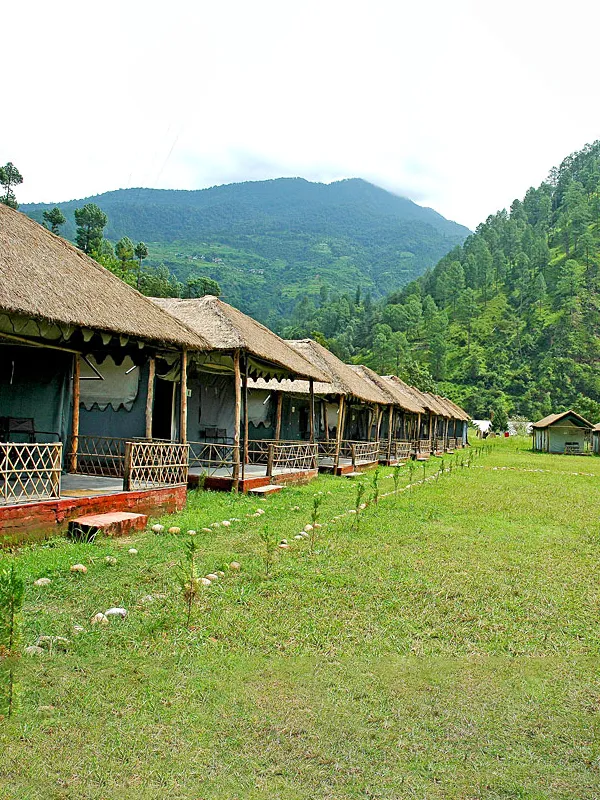
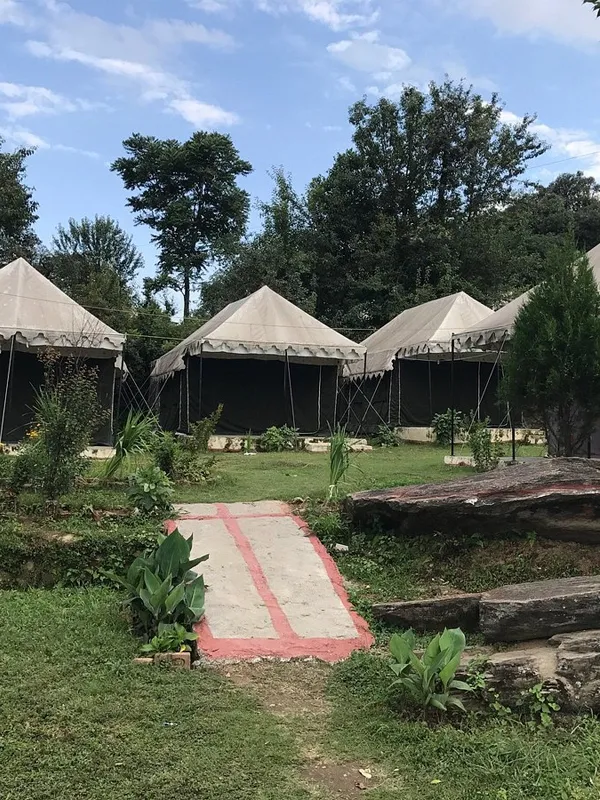
Camping: Chopta's open meadows sit far enough from any large town that light pollution isn't a problem. Several operators run tented stays at the forest edge.
Photography: The 360-degree panorama from Chandrashila and the rhododendron bloom in spring are the two main draws for anyone carrying a camera up here.
Bird Watching: The area is known for the Himalayan monal, Uttarakhand's state bird, along with woodpeckers and partridges in the oak-conifer belt. Sightings depend on season and time of day rather than a fixed window.
Excursions: Gaurikund and Gopeshwar work as day trips from Chopta. Madhyamaheshwar is a separate multi-day trek in its own right, starting from Ransi or Gaundar — not something to fold into a Chopta itinerary as a half-day add-on.
Winter Activities: Snow on the trail from around November through March draws cold-weather trekkers. It's not a casual winter walk — plan for it the way you'd plan any snow trek.
Forest Entry and Permits
The Tungnath and Chandrashila trails run through the Kedarnath Wildlife Sanctuary, so there's a forest checkpost at Chopta where trekkers register and pay an entry fee — this is separate from Char Dham Yatra registration and has nothing to do with it. The exact fee and paperwork are set by the Forest Department and do change, so confirm the current amount at the checkpost rather than relying on any fixed figure quoted online, including this one. Carry a photo ID, and don't leave plastic on the trail — the sanctuary checks for this.
Excursion Places from Chopta
Kanchula Korak Musk Deer Sanctuary
About 7 km along the Chopta–Gopeshwar road, this smaller sanctuary is dedicated to breeding and protecting musk deer and is a good stop if you want a genuine wildlife sighting without a long detour.
Gaurikund
Around 50 km from Chopta, this is the trailhead for the Kedarnath trek. In local tradition, it's also where Goddess Parvati performed penance to win Lord Shiva, which is why the place carries religious weight beyond just being a transit point.
Gopeshwar
The administrative headquarters of Chamoli district, worth a stop for the Vaitarni Kund and an ancient Shiva temple, alongside its role as a transit point toward Badrinath.
How to Reach Chopta
By Air: The nearest airport is Jolly Grant Airport, Dehradun, about 220 km away, connected by regular flights from Delhi and other major cities. From there it's a 7–8 hour taxi or bus ride.
By Rail: Rishikesh is the nearest major railhead, roughly 200–210 km from Chopta, well connected to Delhi, Haridwar, and other cities. The Rishikesh–Karnprayag rail line, once operational, will shorten this significantly for future travellers — worth checking closer to your travel dates.
By Road: Chopta lies on the road connecting Gopeshwar and Guptkashi, and regular buses run here from Rishikesh, Haridwar, Rudraprayag, and Srinagar (Garhwal). There's no direct rail or air link, so road transport for the last stretch is unavoidable either way.
The route from Rishikesh runs: Rishikesh → Devprayag → Srinagar → Rudraprayag → Agastyamuni → Ukhimath → Chopta. Budget 6–8 hours — mountain roads through this stretch are winding, and landslide-related delays aren't unusual in monsoon. Anyone quoting a flat 5 hours is describing a best-case run with no stops and clear weather, which isn't the trip most people actually have.
Combining Chopta with the Char Dham Yatra
Chopta isn't on the standard Char Dham circuit — it's a detour off it, connected by the road through Rudraprayag. How you link the two depends on where you're starting from and which Dham you visit first. Most people either do Chopta on the way in, before joining the main pilgrimage route at Rudraprayag, or on the way back, after finishing the four temples.
If you're routing back toward Haridwar first: Chopta → Ukhimath → Rudraprayag → Srinagar → Devprayag → Haridwar, roughly 220 km and 8 hours.
From Haridwar, the four Dhams break down like this:
Yamunotri
Haridwar → Barkot → Janki Chatti, then a trek to the shrine. Distance quoted varies by source — the Garhwal Mandal tourism office lists 5 km, most current trek guides say 6 km. Either way, pony and palki options are available from Janki Chatti.
Gangotri
Janki Chatti → Barkot → Uttarkashi → Gangotri, a drive through the Bhagirathi valley.
Kedarnath
Gangotri → Uttarkashi → Guptkashi → Gaurikund, then the trek to the temple. This used to be a 14 km walk before the 2013 floods destroyed the old path; the rebuilt trail now runs closer to 16 km, which is the figure most current sources quote.
Badrinath
Gaurikund → Guptkashi → Joshimath → Badrinath, the final leg.
Best Time to Visit Chopta
Summer (April to June): Daytime temperatures sit between 10–25°C, trails are clear, and this is peak season for both the Tungnath trek and rhododendron blooms. Book accommodation in advance if you're travelling in May or early June.
Monsoon (July to September): Avoid trekking here during peak monsoon. The region sees landslides and slippery, leech-prone trails, and visibility drops sharply. Late August into September can occasionally offer clear windows, but conditions are unpredictable.
Autumn (September to November): Post-monsoon skies tend to be clearer than summer, with fewer crowds on the trail. Tungnath closes in early November, so time an autumn trek before that if darshan matters to you.
Winter (roughly November to March): Snow closes Tungnath temple for the season and makes the Chandrashila push a genuine winter trek, not a casual walk. Deoria Tal is a shorter outing and stays more approachable in light snow, but check current conditions and road access before travelling with children or older family members — snow changes trail difficulty fast.
What to Pack
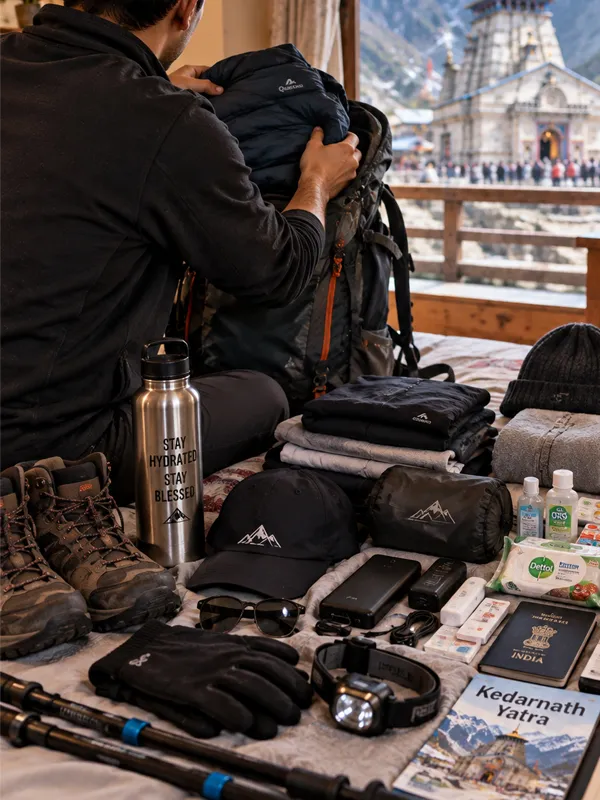
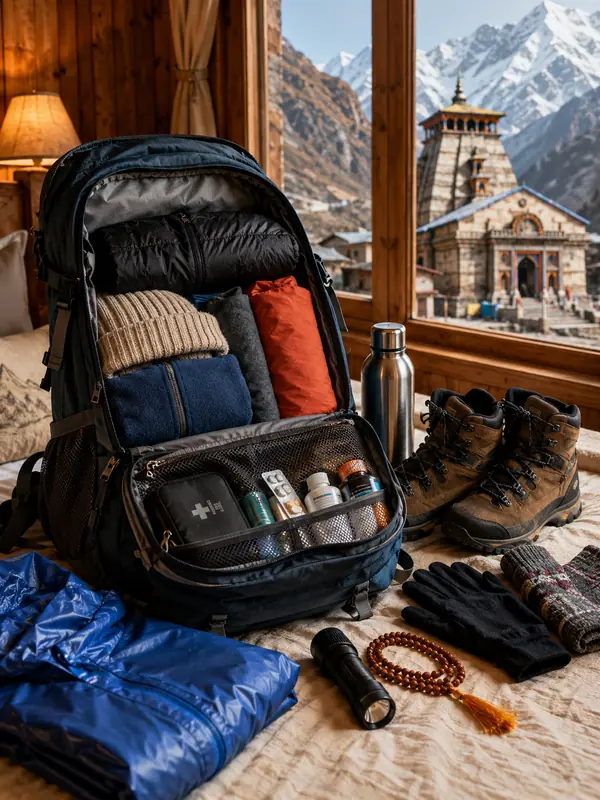
- Waterproof, good-grip trekking shoes (non-negotiable, even outside monsoon)
- Layered clothing — thermals plus a windproof outer layer, even in May
- A refillable water bottle; mobile network coverage is patchy once you start trekking, so don't rely on ordering things en route
- Basic first-aid kit, sunscreen, and a torch/headlamp for early starts
- Cash in small denominations — ATMs are limited beyond Ukhimath
Budget: What to Expect
As a rough planning guide, homestays and basic camps around Chopta and Sari village typically range from budget guesthouses to mid-range tented camps, with resorts at the higher end. Food is inexpensive at local dhabas, and the forest entry fee at the checkpost is nominal. Costs rise noticeably during the May–June and October peak windows, so booking stays a few weeks ahead is worth it if your dates are fixed.
Food Availability
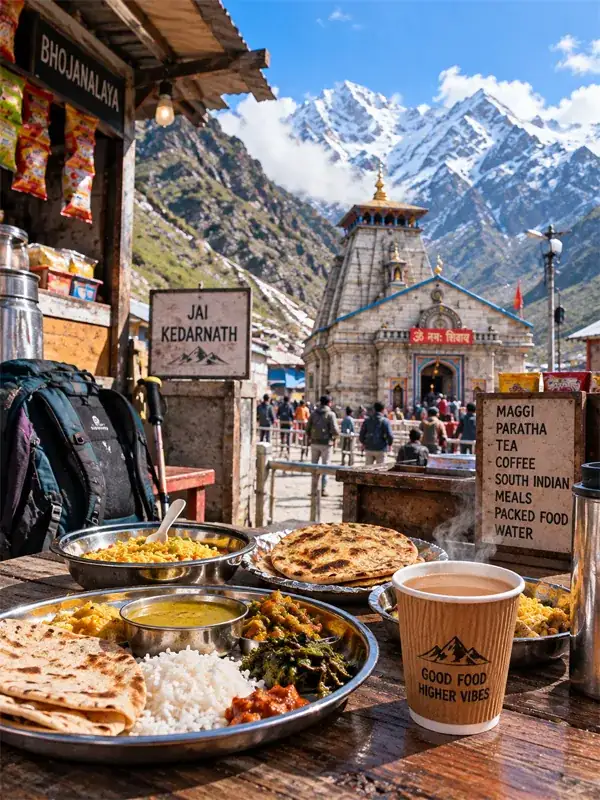
Being a small hamlet at altitude, Chopta doesn't have a large restaurant scene. Roadside dhabas and a handful of café-style stops cover the basics — simple North Indian thalis, Maggi, and hot chai are the mainstay. A few known names in the area include Mayadeep Herbal Resort, Magpie Camp Chopta, Shri Mangalam Dhaba, and Shivoham Restaurant, though it's worth confirming current operating status directly before you travel, since small hill eateries change hands and hours often.
Accommodation in Chopta
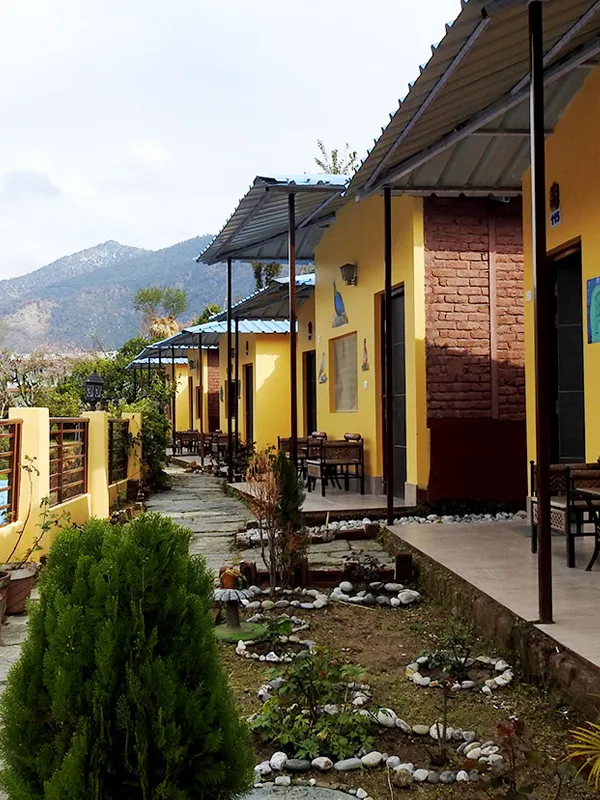
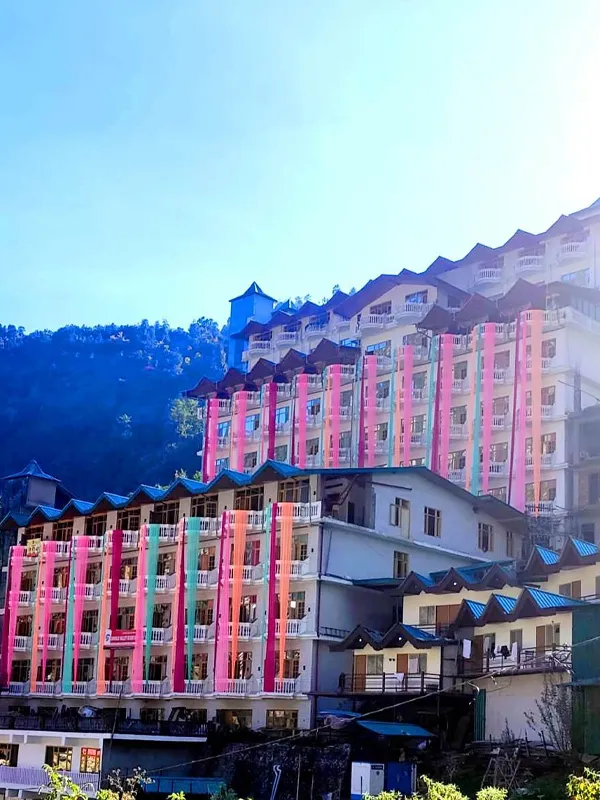
Options here run from cosy homestays to full-service resorts to tented camps, depending on what kind of trip you're after. Some well-known names include Himrab Chopta Homestay, Snow N Shades Resort and Café, The Himalayan View Resort, Chopta Resort, Chopta Meadows Heritage Camps, and Nature Nest Camps. As with dining, confirm live availability and pricing directly, especially around peak season when demand spikes fast.
Common Mistakes First-Time Visitors Make
- No rest after a long drive: Going straight from a multi-hour mountain drive into the trek is harder on the body than the distance alone suggests. An hour or two of rest first helps.
- Wrong footwear: Regular sneakers slip badly on the Tungnath trail's loose gravel sections — proper grip matters more than people expect.
- Ignoring the temple's seasonal closure: Travellers occasionally plan a winter trip assuming Tungnath will be open; it won't be between November and late April.
- Underestimating monsoon risk: Some visitors push ahead with a July trek plan despite landslide warnings — check local road advisories before committing.
- Not carrying cash: ATMs thin out fast past Ukhimath, and most small dhabas and homestays still prefer cash.
Pro Tips for Visiting Chopta
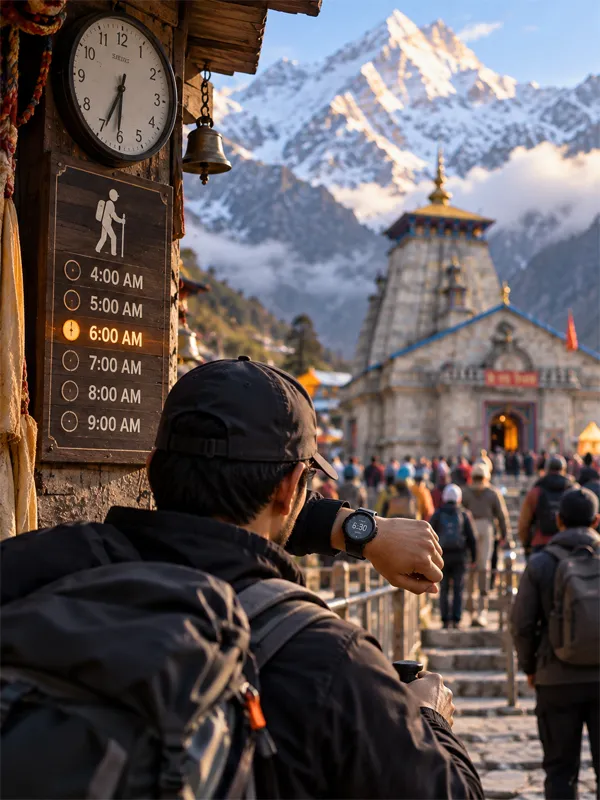
- Start the Tungnath trek early morning — by 6:30–7 AM if possible — to avoid both the afternoon crowd and the risk of sudden weather changes.
- Pair Chopta with Deoria Tal as a two-destination trip rather than trying to cram both treks into a single rushed day.
- If you're chasing the Chandrashila sunrise, staying overnight near Tungnath or in a Chopta camp makes the final push far more manageable.
- Carry your own reusable water bottle and snacks — options thin out once you're past the last roadside stall.
Frequently Asked Questions
Q1. What is Chopta famous for?
Chopta is known as the "mini Switzerland of Uttarakhand" and is the base camp for treks to Tungnath, the world's highest Shiva temple, and Chandrashila peak.
Q2. What is the altitude of Chopta?
Sources disagree. The Rudraprayag District Administration lists it at about 2,900 m; Wikipedia and most trekking sites give a lower figure, around 2,600–2,709 m.
Q3. How far is the Tungnath trek from Chopta?
About 3.5–4 km one way. Most people take 2 to 4 hours depending on pace and weather.
Q4. What is the best time to visit Chopta?
April to June and September to November are the most reliable windows, offering clear trails and good mountain visibility.
Q5. Is the Chopta trek suitable for beginners?
Yes, the Tungnath trek is graded easy-to-moderate and manageable for most reasonably fit beginners; Chandrashila is a step harder due to altitude.
Q6. When does Tungnath temple close for winter?
Usually early November. In 2026 it opened on 22 April; the exact dates shift each year based on the Hindu calendar, so check before a late-season trip.
Q7. How do I reach Chopta from Rishikesh?
By road via Devprayag, Srinagar, Rudraprayag, and Ukhimath — around 200 km, and budget 6–8 hours given the mountain roads.
Q8. Is there an entry fee for the Tungnath trek?
Yes, a forest entry fee is collected at the checkpost in Chopta since the trail runs through the Kedarnath Wildlife Sanctuary. The exact amount is set by the Forest Department and can change, so confirm it at the checkpost.
Q9. Can I visit Chopta in winter?
Yes, but Tungnath temple stays closed and the Chandrashila trek becomes snow-bound and difficult; Deoria Tal remains a good lighter option.
Q10. Is mobile network available in Chopta?
Coverage is patchy once you start trekking, so plan communications and navigation before you set off.
Q11. What should I pack for the Chopta trek?
Waterproof grip shoes, layered warm clothing, sunscreen, a torch, and cash in small denominations, since ATMs are limited past Ukhimath.
Q12. Can Chopta be combined with the Char Dham Yatra?
Yes — Chopta connects to the Char Dham circuit via Rudraprayag and Haridwar, making it a natural add-on before or after the main pilgrimage route.
Conclusion
The main planning points for Chopta come down to a handful of things: Tungnath's seasonal opening, road conditions on the way in, the altitude gain on the Chandrashila push, and whether you're travelling in a season when the temple is even open. Get those right, and the rest — where to eat, where to stay — sorts itself out once you're on the ground. Check current road and weather conditions before you leave, particularly if you're travelling in monsoon or winter.
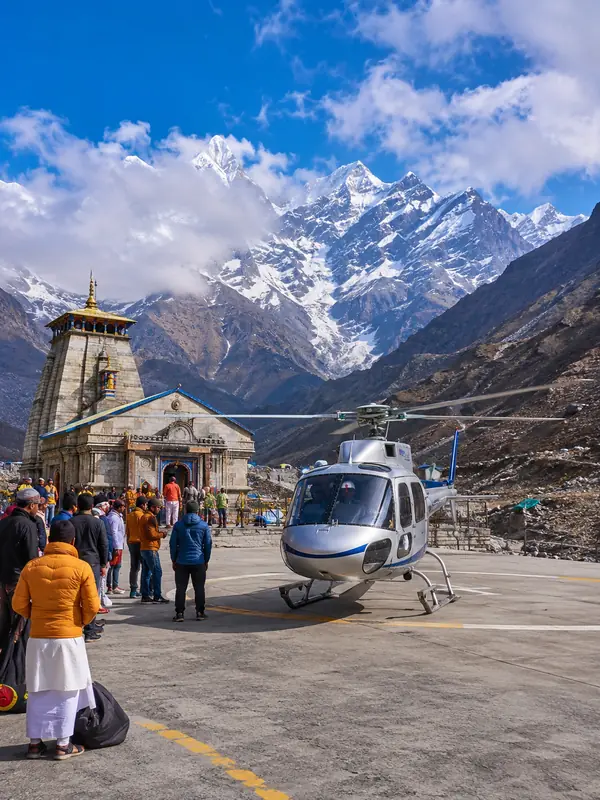
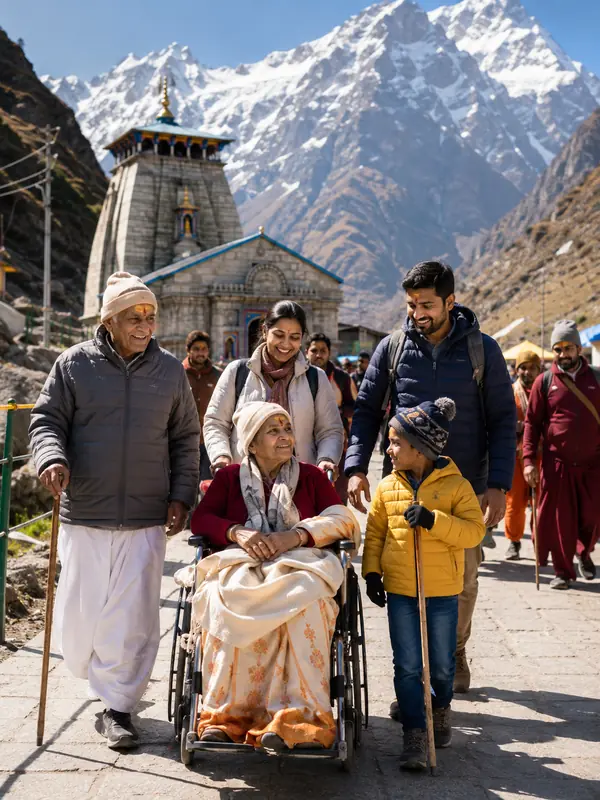
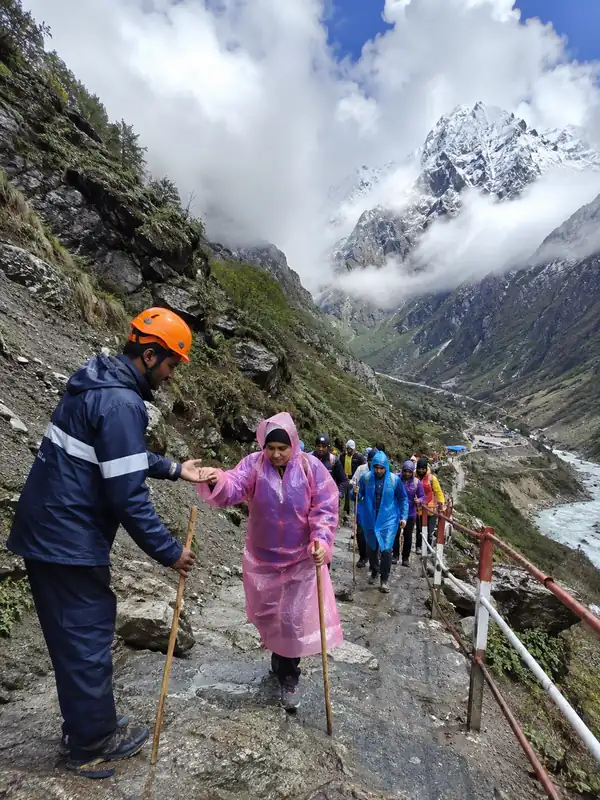
Kedarnath Travel Guide





Kedarnath Travel Packages
Important Safety Notice
Beware of Fake Char Dham & Kedarnath Helicopter Booking Websites
Fake websites, WhatsApp accounts and advertisements may impersonate genuine travel companies or helicopter operators. Always verify before paying.