Best Time to Visit Char Dham Yatra of Uttarakhand

Planning a Char Dham Yatra but not sure which month is right for you? Going at the wrong time can mean landslide-blocked roads, closed temples, or freezing cold — none of which you want on a journey this sacred. The good news is the answer is straightforward once you know the seasons.
The best time to visit Char Dham Yatra is May & June and September & October. Chardham weather is pleasant and ideal for temple tours during these months. The other seasons — monsoon and winter — are not suitable for the pilgrimage. Here’s a complete breakdown to help you decide.
Seasonal Breakdown for Char Dham Yatra
| Season | Months | Advantages | Disadvantages |
|---|---|---|---|
| Pre-Monsoon | May–June | Ideal weather (5–30°C) | Snow melting, lush greenery | Peak pilgrimage season with vibrant energy | Crowded, higher prices | Traffic jams, long temple queues | Limited accommodation availability |
| Monsoon | July–August | Fewer crowds, less busy | Quick Darshan possible | Heavy rains | Landslides, road blockages |
| Post-Monsoon | Sept–Oct | Clear skies, autumn beauty | Moderate crowds | Chilly nights (0–15°C) | Temples close after Diwali |
| Winter | Nov–April | Very quiet | Heavy snowfall, routes inaccessible | Temples are closed |
Peak Season & Off-Season Explained
Summer Season (May to June) — Peak Season
The summers mark an excellent time to embark on the Char Dham Yatra. You'll be welcomed with sunny afternoons and valleys adorned with full-flower bloom. On average, the temperature stays between 20°C and 35°C at lower altitudes, giving you a pleasant, workable environment.
Summers are beautiful in the mountains, except for nights which can get quite cold. Carry warm clothes with you to deal with the chilly weather, even in May and June.
Off-Monsoon Season (September to October) — Best for Peace
After the monsoon subsides, there lies another great season for undertaking a Char Dham trip. You'll be greeted with lush green valleys and delightfully pleasant weather. Expect clear blue skies with a soft cool breeze.
The weather, however, can get cold — dropping to around 10°C during the day at higher altitudes. Pack woollen clothes, especially for Kedarnath and Badrinath nights. Many experienced Yatris prefer this window because it feels more spiritual: fewer crowds, shorter queues, more personal Darshan.
Avoidable Seasons
Monsoon Season (July to August)
The mountainous region in monsoons receives extremely heavy rainfall. While temperatures stay in a bearable range (15°C–25°C), the region gets marred with landslides, floods, and constant downpours. Roads get slippery and blockages are common, sometimes lasting for days.
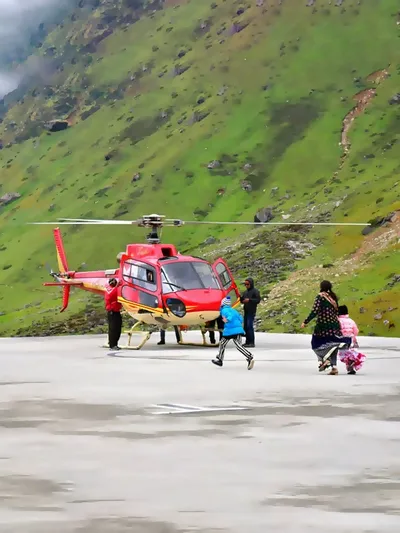
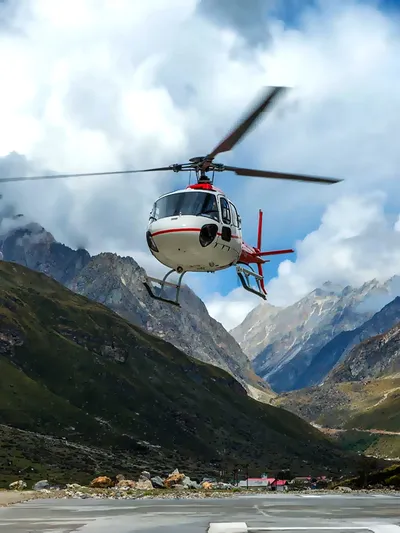
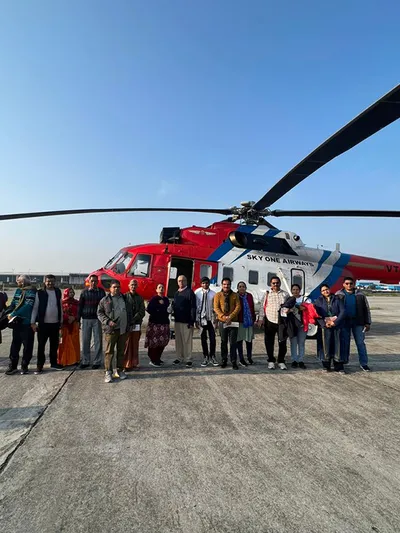
Helicopter services are frequently suspended during heavy rain. For senior citizens and first-time pilgrims especially, it's best to avoid this season entirely.
Winter Season (November to March)
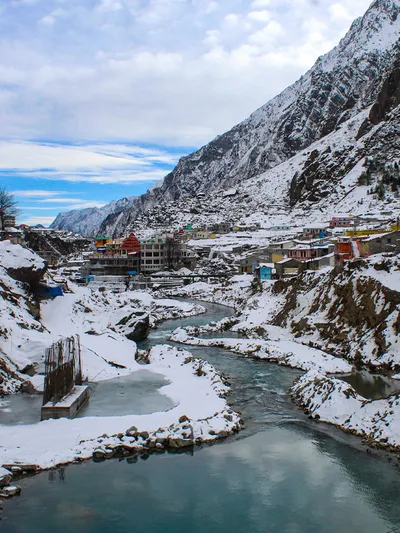
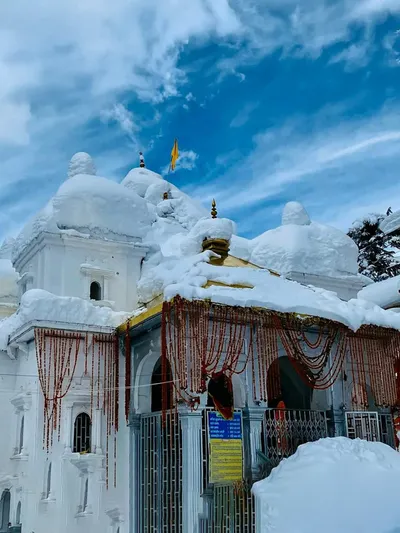
The winter season experiences extreme cold with temperatures plunging to as low as –15°C at higher shrines. The unbearable chill and snow-clad routes make the Char Dham Yatra impossible. The shrines close formally, and the deity idols are moved to their winter seats.
What to Avoid
Monsoon (July–August): Heavy rains cause landslides, road blockages, and genuine safety risks on mountain highways. Helicopter services get suspended frequently. Travel is possible but strongly discouraged, especially for senior pilgrims and families.
Winter (November–April): Temples close due to heavy snowfall, and the deity idol of each shrine is ceremonially moved to its winter home for six months. The winter abodes are as follows:
- Yamunotri deity → Kharsali temple
- Gangotri deity → Mukhba village
- Kedarnath deity → Omkareshwar Temple, Ukhimath
- Badrinath deity → Narasimha Temple, Joshimath
During these winter months, devoted pilgrims can visit and seek blessings from the deity at its winter abode. Every year, the tradition of Winter Char Dham Yatra is observed, and the Government of Uttarakhand has actively promoted it as an alternative pilgrimage option in recent years. Even Prime Minister Narendra Modi visited Mukhba — the winter seat of Gangotri — and participated in promoting the Winter Char Dham Yatra, bringing national attention to this lesser-known spiritual tradition.
Key Considerations Before You Plan
Opening Dates
Yamunotri and Gangotri open on Akshaya Tritiya every year (April/May) and close on Bhaiya Dooj (Oct/Nov). The opening date of Kedarnath is announced on Maha Shivratri by the temple committee, and Badrinath's opening date is declared on Basant Panchami.
Crowd
May–June is the busiest and most vibrant peak season. September and October offer peaceful visits with shorter Darshan queues and a quieter atmosphere overall.
Health and Altitude
All four Dhams are situated above 3,000 metres. Acclimatize properly — spend at least one night at a base town before ascending to each shrine. Carry basic medications, layered warm clothing, and ORS packets. Pilgrims above 60 years of age require a medical fitness certificate at registration.
Temperature Reference
| Season | Day Temperature | Night Temperature |
|---|---|---|
| May – June | 10–30°C (pleasant) | 5–12°C (carry woolens) |
| September – October | 10–20°C (crisp) | 0–8°C (thermals essential) |
| July – August | 15–25°C (rainy) | 10–18°C |
Smart Travel Planning
Book a customised package with a trusted travel agency to design a stress-free Char Dham experience covering accommodations, meals, transport, and rituals. Expert agencies handle vehicle permits, hotel availability, weather updates, and emergencies — letting you focus entirely on spirituality.
Best Time for Each Dham — Quick Reference
| Dham | Altitude | Best Months | Important Note |
|---|---|---|---|
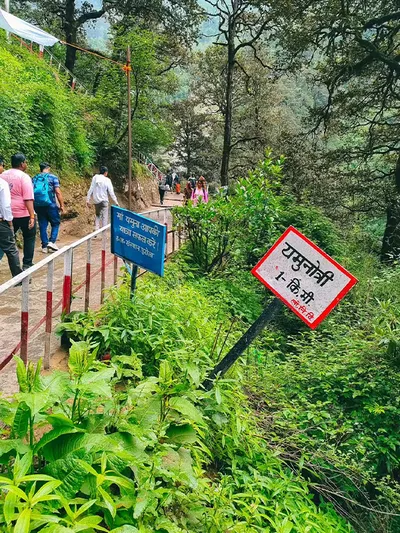
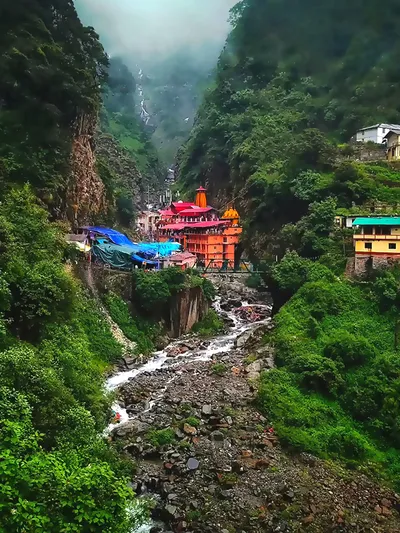
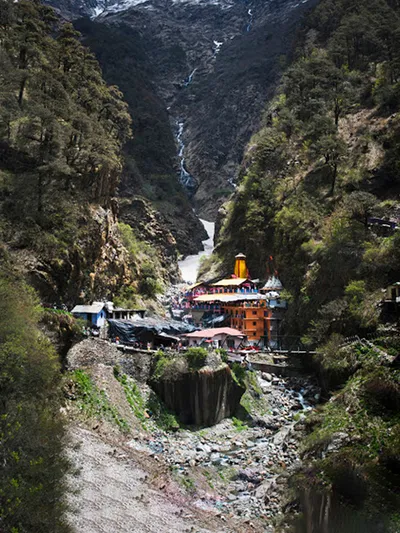
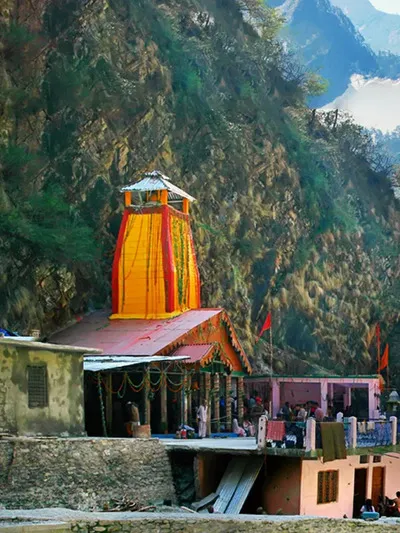
| Yamunotri | 3,291 m | May–June, Sept–Oct | 6 km trek from Janki Chatti; gets cold quickly after sunset |
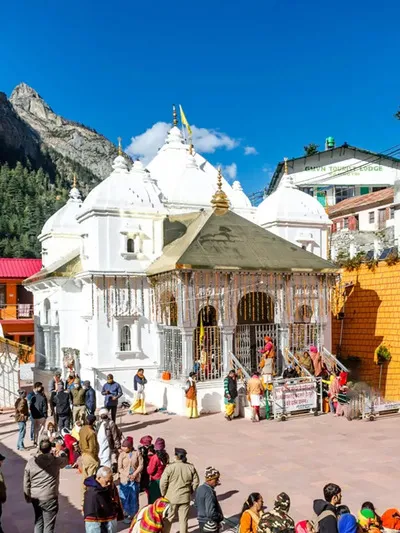
| Gangotri | 3,100 m | May–June, Sept–Oct | Motor road to temple; most accessible of the four dhams |
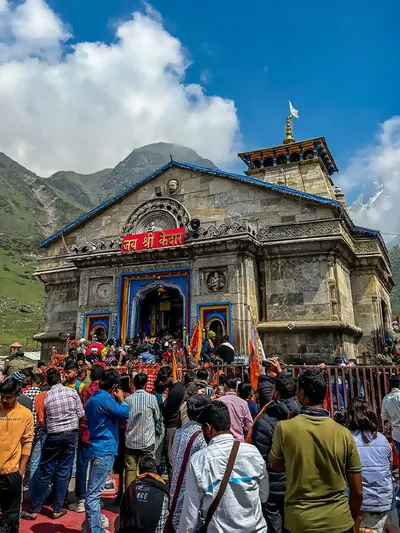
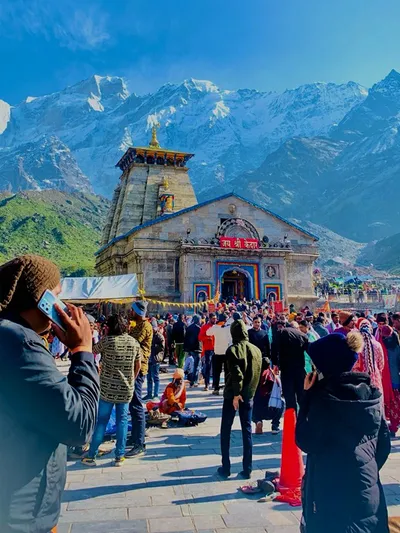
| Kedarnath | 3,583 m | Late May–June, Sept | Most exposed to monsoon; 16–18 km trek (or helicopter/horse) |
| Badrinath | 3,300 m | May–June, Sept–Oct | Motor road to temple; good option for elderly pilgrims |
Common Mistakes Pilgrims Make
- Booking too late — May–June hotels, helicopter packages, and registered Yatra slots fill up weeks in advance. Start planning at least 6–8 weeks ahead
- Skipping registration — arriving without a valid Yatra Pass gets you turned back at checkpoints. Register at registrationandtouristcare.uk.gov.in before travelling
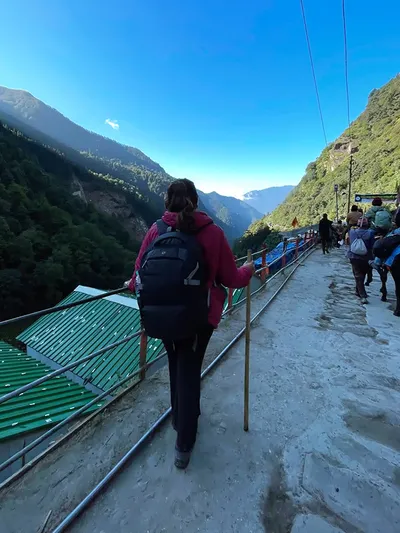
- Underestimating the treks — Kedarnath and Yamunotri involve demanding uphill climbs. Don't assume the journey is easy regardless of your fitness level or the season
- Packing for one climate — temperature varies dramatically between valley towns and the shrines. Pack for warm days and genuinely cold nights
- Planning too tightly — 10–12 days by road is a comfortable minimum. Rushing this yatra adds stress and reduces the experience
- Trusting monsoon-season forecasts blindly — Himalayan weather in July–August can change within hours, even when a morning looks clear
Final Recommendation
Ideal Months: May–June for warmer weather and cultural vibrancy; September–October for tranquillity, lush greenery, and peaceful Darshan.
Pro Tip: Opt for a well-curated package tailored to your family's needs. Discuss preferences with your travel agency — helicopter rides, VIP Darshan access, or handpicked stays can make a significant difference to the entire experience.
Frequently Asked Questions
Q-1: Which is the best month for Char Dham Yatra?
Ans: May and early June are ideal for comfortable weather and the full pilgrimage experience. September and October are better if you prefer fewer crowds and quieter darshan. Both windows are genuinely excellent — it depends on your priorities.
Q-2: When does Char Dham Yatra 2026 start?
Ans: Yamunotri and Gangotri open on 19 April 2026 (Akshaya Tritiya). Kedarnath opens on 22 April and Badrinath on 23 April 2026.
Q-3: Can we visit Char Dham in July or August?
Ans: It is possible, but not recommended. The monsoon brings heavy rain, frequent landslides, and road blockages. Helicopter services are often suspended. Safety risks are significantly higher, particularly for senior pilgrims and families.
Q-4: How many days does Char Dham Yatra take?
Ans: A comfortable road-based Yatra takes 10–12 days. If you have limited time, helicopter packages cover all four dhams in 5–7 days.
Q-5: Is Char Dham Yatra registration mandatory?
Ans: Yes. Online registration at the Uttarakhand government portal (registrationandtouristcare.uk.gov.in) is compulsory for all pilgrims. Carry your Yatra Pass throughout the journey.
Q-6: Which dham is easiest for elderly pilgrims?
Ans: Gangotri and Badrinath are the most accessible — motor roads go all the way to both temples. Kedarnath requires a 16–18 km trek or helicopter ride. Yamunotri requires a 6 km trek from Janki Chatti.
Q-7: Is Char Dham Yatra open in October?
Ans: Yes — early to mid-October is an excellent time. Weather is clear, crowds are moderate, and all four shrines are open. Plan to complete your yatra before the closing dates (10–13 November 2026).
Q-8: What should I pack for Char Dham Yatra in summer?
Ans: Even in May–June, carry a warm fleece or jacket, comfortable walking shoes, rain protection, sunscreen, and personal medications. Cold nights are common at all four shrines.
Chardham Travel Guide
Chardham Travel Packages
Hotels in Chardham
Beware of Fake Char Dham & Kedarnath Helicopter Booking Websites
Fake websites, WhatsApp accounts and advertisements may impersonate genuine travel companies or helicopter operators. Always verify before paying.